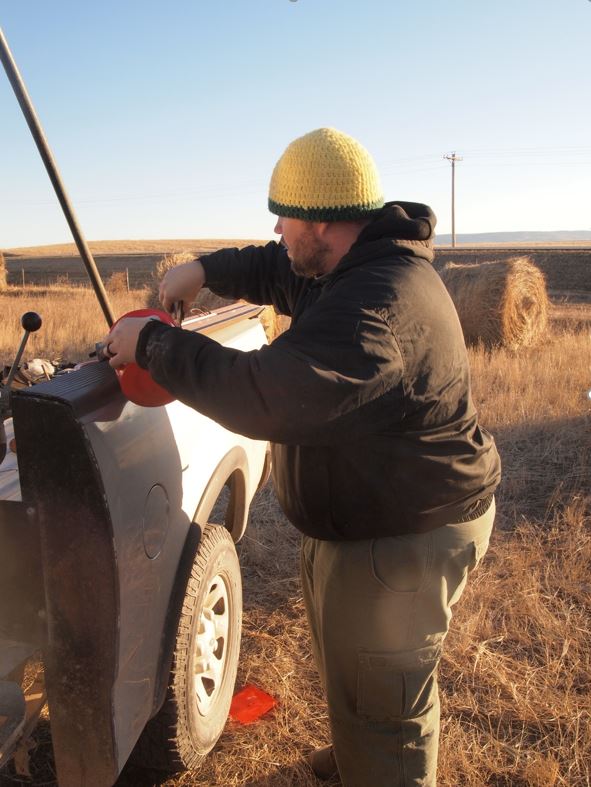
Soil sampling is the number one management tool to effectively and agronomically manage soil fertilizer. Without the soil test, fertilizer applications are at best a guess. Fertilizer can be over applied or under applied. Either way, your return of investment will take a hit.
“When should I soil sample?”, is a common question. My rebuttal is when it comes to timing, be consistent. Consistency will increase your understanding of your soil’s fertility as that information is captured at the same time each year. Having said that, many labs, agronomists, and researchers have pushed the soil sampling timing envelope to early fall and have recognized many benefits.
1. Post-harvest soil that has not been tilled, offer a better representation of
the soil during the growing season as aggregates have not been
destroyed. Tillage will also confound soil depth testing due to soil mixing.
2. Nutrients like phosphorus and zinc are stable. New evidence indicates /
that soil test nitrogen (nitrate) is more stable than previously thought. Ten
or so years ago, it was recommended to adjust soil nitrogen tests based
on whether the soil was collected before or after September 15.
However, North Dakota data that compared soil nitrogen sampling timing
suggests there is no difference in soil nitrogen tests collected in early fall,
late fall, or the subsequent spring.
3. Potassium soil testing has been found to be cyclic and correlates well
with soil moisture. Wetter months like April and October tend to provide
higher potassium soil tests than drier months like August. Earlier soil
testing could decrease soil potassium soil test levels as those samples
would be collected during a drier period.
4. Early fall soil sampling allows agronomic fertilizer applications during the
same fall season.
5. Collecting the soil sample earlier in the year, gives you a longer window
to make a fertilizer application determination.
6. Early sampling gives you the ability to soil sample more which will
improve your fertilizer management even more.
If you are thinking about shifting soil test timing earlier, it may take a year
or two to fine-tune your nutrient management program. Potassium is the
nutrient that will likely need the adjustment. Soil sampling earlier in the fall
has many benefits and is a practice you should consider.