|
Greetings!
We just finished up our Spring Meeting, where we enjoyed lively and engaging discussions about ocean observing in the Gulf and, especially ways to respond to some of the environmental challenges our communities will face in a changing climate.
The session on ecological thresholds and how GCOOS and its partners can support information-based responses to changes in ocean parameters was especially important, given increasing threats our Gulf communities face from hazards like hurricanes and tropical storms.
We also had a focused discussion on biodiversity and the challenges and opportunities that exist for collecting and disseminating biological data. If you were unable to attend the meeting, you can read a summary of it and view presenter’s slides here.
Special thanks to GCOOS Board Member Dr. Antonietta Quigg, Senior Associate Vice President for Research and Graduate Studies at Texas A&M University, who co-hosted the meeting at TAMU’s Galveston campus, and IOOS Director Carl Gouldman, who shared the latest news from the program office.
GCOOS Board Chair Kirsten Larsen also announced the results of our Board Elections, and we’re pleased to welcome new members Dr. Rafael Ramos, Dr. Emily Hall and Dr. Brian Roberts to the Board, along with returning members Dr. Kate Hubbard and Dr. Nick Shay.
I’d also like to extend a sincere thank you to Joe Swaykos, Bill Lingsch and Dr. Alyssa Dausman for their long-time service and dedication to GCOOS. Their efforts over the years are truly appreciated and have helped improve our organization!
In addition to the members’ portion of the meeting, we also held our biannual Board meeting, where Directors approved changes to our bylaws (posted on our governance page on the website) that will allow for international members of the observing community to become full voting members (on behalf of their organizations) as well as serve on our Board of Directors. We hope this change will allow for even greater international engagement that will increase our ocean observations throughout the entire Gulf of Mexico. You can view the revised bylaws here.
Finally, I’m also pleased to welcome our newest Scientific Computing Specialist Xiao Qi to GCOOS. He will work closely with Bob Currier, Research Specialist, Product Developer and Co-Data Manager, on the development and maintenance of the GANDALF, our uncrewed systems dashboard and on AI/deep learning projects.
Don’t forget: June 1 will mark the official start of hurricane season and our partners are launching gliders in the Gulf (keep reading for details). As many of us know all too well, it’s never too early to prepare!
Until next month,
| |
|
Photos
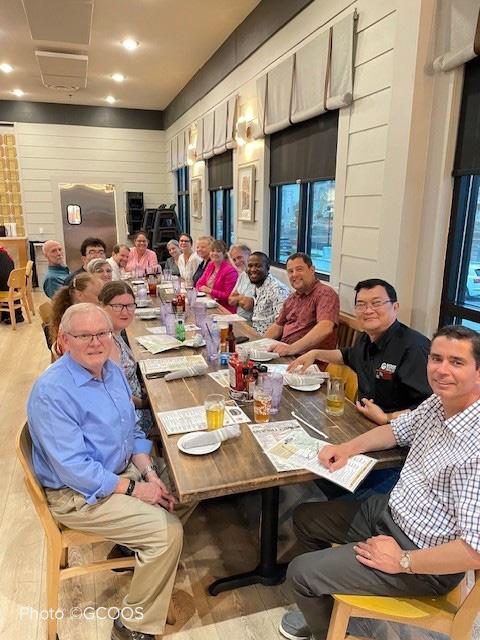
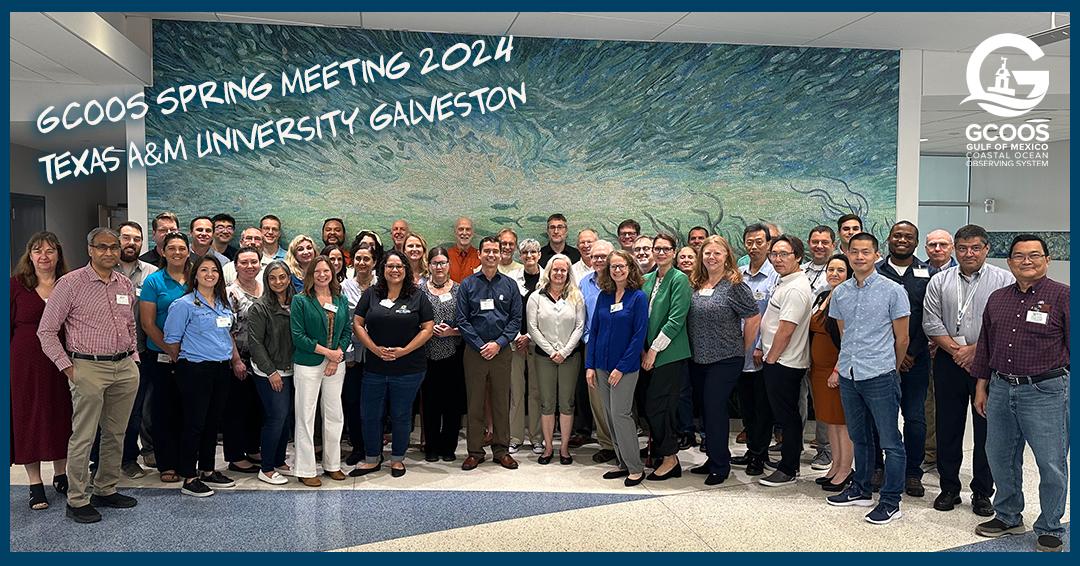
Above: GCOOS staff Board members and guests.
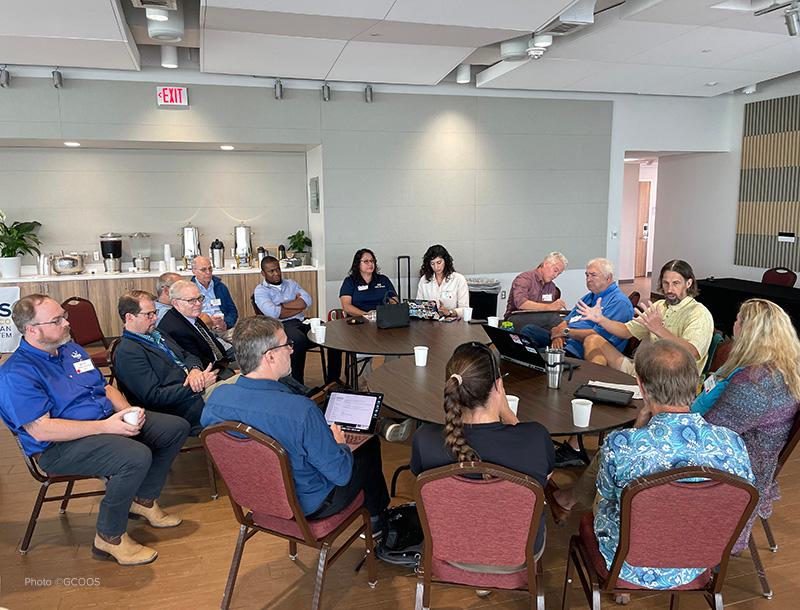
Top right: A breakout session during the discussion of marine heatwaves and threshold impacts.
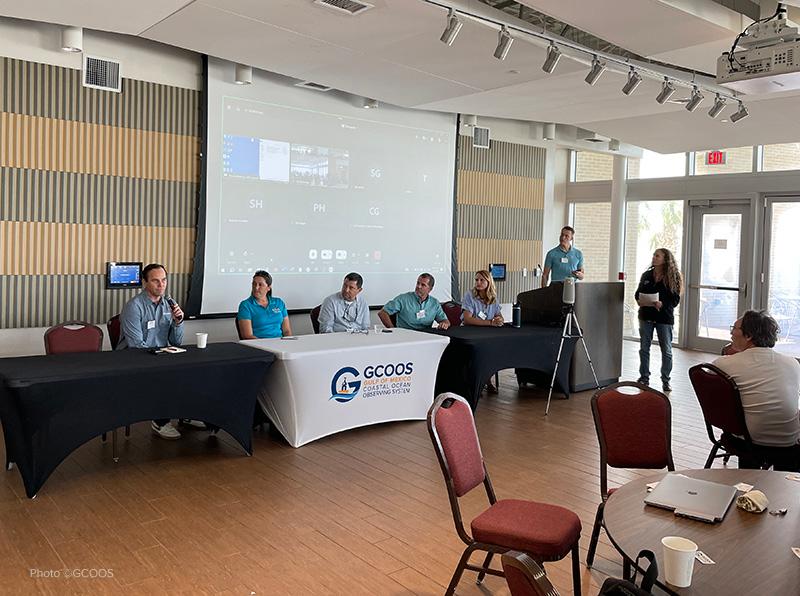
Middle right: Panel discussion about marine biodiversity and data opportunities.
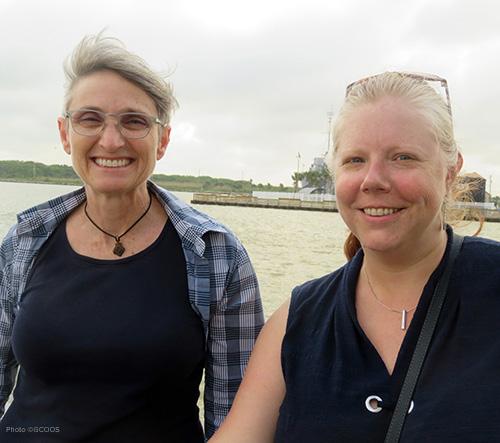
Bottom right: GCOOS Board Member Dr. Kim Yates and Board Chair Kirsten Larsen aboard the R/V Trident.
| |
|
|
Please join us in welcoming new and returning members to the GCOOS Board of Directors. Directors will officially take their seats on the Board during the GCOOS Virtual Fall Meeting. Special thanks also go to Joe Swaykos, Bill Lingsch and Dr. Alyssa Dausman for their long-time Board service. We appreciate all of their guidance and support throughout the years of service.
Private Sector:
- Dr. Rafael Ramos, Woods Hole Group (New to the Board)
- Dr. Emily Hall, Mote Marine Laboratory (New to the Board)
Outreach & Education Sector:
- Dr. Brian Roberts, Louisiana Universities Marine Consortium (LUMCON) (New to the Board)
Government Sector:
- Dr. Kate Hubbard, Florida Wildlife Research Institute (FWRI) of the Florida Fish and Wildlife Conservation Commission (FWC) (Re-elected)
Academic Sector:
- Dr. Nick Shay, University of Miami Rosenstiel School of Marine and Atmospheric Science (RSMAS) (Re-elected)
| |
GCOOS Spring Meeting Wrap-Up | |
As the world’s climate shifts, changes are occurring in many ocean parameters — temperature, salinity, acidity, currents and sea level among them. And while understanding the point at which these changes impact communities are crucial for mitigating environmental and societal impacts, data gaps can hinder the decision-making process.
Speakers and members explored the idea of ecological thresholds and how GCOOS and its partners can support information-based responses to change during the GCOOS Spring Meeting earlier this month.
Additional discussion during the meeting focused on measuring and understanding marine biodiversity with updates from the Marine Biodiversity Observing Network (MBON), the Flower Garden Banks National Marine Sanctuary, restoration of mesophotic and deep benthic communities following the Deepwater Horizon oil disaster and studies of highly migratory species, including marine mammals and some fish species.
| |
GCOOS-SECOORA Webinar Series | |
|
"Flower Garden Banks National Marine Sanctuary Collaborations to Meet Data Need and Identify Gaps” is the next topic in the Spring Webinar Series co-sponsored by GCOOS and SECOORA. The series is designed to build collaborations across the Marine Biodiversity Observing Network (MBON) and two ocean acidification networks, GCAN and SOCAN and set the foundation for building more collaborations among the ocean acidification and marine biodiversity communities.
-
When: Noon ET Thursday, May 30
-
Register here to receive the webinar link
Speakers will be:
- Marissa Nuttall, FGBNMS Research Specialist. She joined the Sanctuary research team in 2007 and manages the long-term monitoring program at Stetson Bank, supports mesophotic ecosystem research both within and around the sanctuary, and leads GIS support for research and management activities. Marissa also serves as the Unit Diving Supervisor for the FGBNMS dive unit and has coordinated and led multiple research expeditions utilizing SCUBA and remotely operated vehicles. She is a graduate of Texas A&M University at Galveston and holds a M.Sc. in Marine Biology.
- Xinping Hu, Ph.D., Endowed Chair for Ecosystem Science & Modeling, Harte Research Institute, and professor in the Department of Physical and Environmental Sciences at Texas A&M University-Corpus Christi. Dr. Hu’s research focuses on a wide variety of topics that are centered on the carbon cycle science in estuarine, coastal, and oceanic environments. Using high precision water chemistry analyses, stable isotopes, as well as modeling techniques, Hu’s research examines ocean and estuarine carbon fluxes and acidification, hydrological controls on estuarine biogeochemistry, long-term changes in ocean margin carbon dioxide levels, and hypoxia-related issues in both estuaries and the coastal ocean. As a National Science Foundation’s Faculty Early Career Development Program (CAREER) awardee, Dr. Hu is committed to training the next generation of marine scientists, especially those from underprivileged and underrepresented backgrounds.
| |
Decision-Support Tool for Offshore Wind Development | |
|
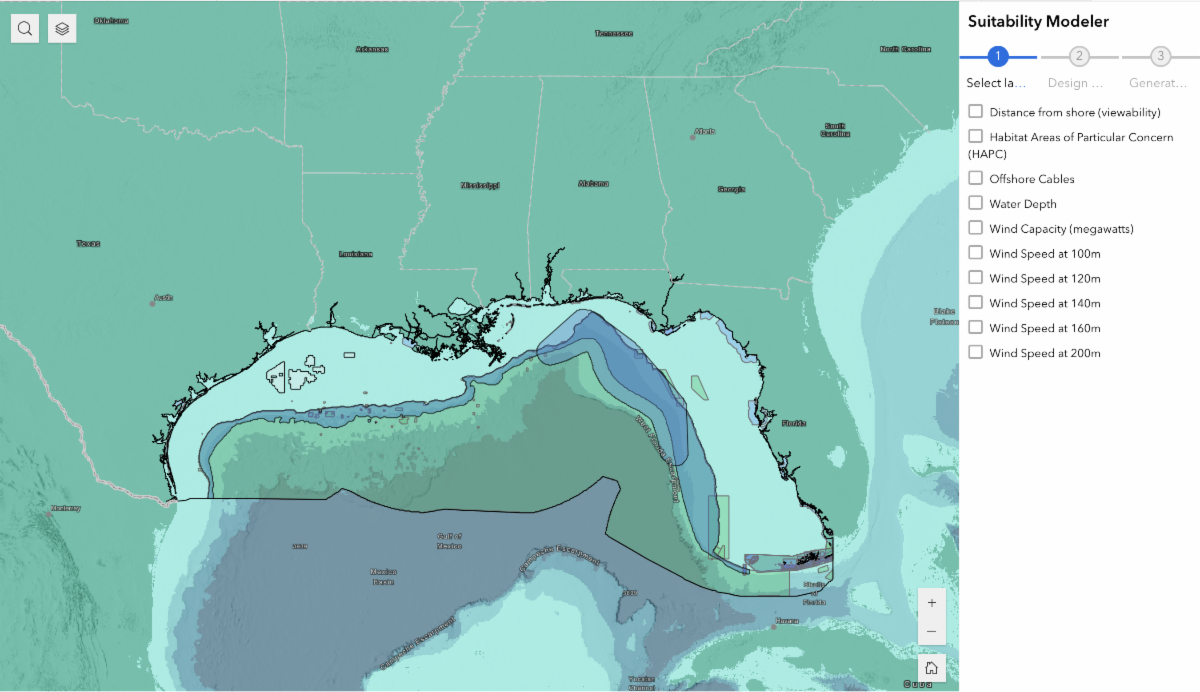
GCOOS and ESRI (www.esri.com) have teamed up to create a tool to designed to help assess suitable offshore areas for wind energy projects. The GIS-based tool allows users to input thresholds for selectable biophysical variables. The goal of this app is to provide managers and industry with a transparent decision-support tool capable of generating alternate scenarios to identify spatial footprints of future projects. This effort constitutes a collaboration between ESRI, the leader for GIS and geospatial data, and GCOOS in the Gulf of Mexico. The tool will continue to be updated as more relevant data becomes available.
| |
Mission Critical: Readying Gliders for Hurricane Season | |
|
Forecasters are calling for an extremely active hurricane season this year and glider operators in the Gulf are getting ready.
This month, researchers with Texas A&M University’s Geochemical and Environmental Research Group (TAMU-GERG) are preparing to launch two gliders in the Northwestern Gulf, says Dr. Uchenna Nwankwo, GCOOS Oceanographer and Assistant Research Scientist with TAMU-GERG, who helps to coordinate mission planning for all Gulf gliders.
In all, operators from TAMU-GERG, the University of Southern Mississippi (USM), the University of South Florida (USF) and Sarasota, Florida-based Mote Marine Laboratory (MML) are planning for at least 20 glider missions. The U.S. Navy is also taking part by providing four gliders for launch by GERG, USM and USF, and NOAA’s Atlantic Oceanographic and Meteorological Laboratory (AOML) will be deploying a Saildrone as well. “This year, we want to have some gliders in the Gulf early in the season so we can capture prevailing conditions before the most intense part of hurricane season,” Nwankwo said. “The bulk of the launches this year will take place in June and August. Ultimately, we want to have the entire northern Gulf covered.”
Uncrewed systems, which can operate even during dangerous conditions, gather and transmit critical ocean temperature and salinity data in near-real-time that can be used immediately by hurricane modelers to help predict how and where storms will develop and how intense they could become. These factors are critically important for protecting lives in the face of destructive hurricane-force winds and storm surge.
The intensity of hurricanes is influenced by many factors — atmospheric circulation, internal storm dynamics, air-sea interactions, boundary currents — but ocean heat content is perhaps the most critical factor driving storm intensification. Surface layer temperatures and salinity levels are key factors driving ocean heat content, with the vertical gradient in salinity and temperature driving the surface layer heat content, influencing storm conditions. Since they operate throughout the water column to about 1000 meters and sometimes in shallower depths, gliders are especially crucial in gathering this data.
During hurricane season, you can follow glider missions on GCOOS’s glider piloting dashboard GANDALF — https://gandalf.gcoos.org — which provides real-time vehicle positioning information via a maps-based interface with a dashboard display, plots of flight and science sensors, NOAA model comparisons, Google Earth KMZ file generation and access to processed data files. GANDALF is equipped with numerous layers that can be individually displayed on the base map. Each layer’s transparency can be individually adjusted allowing for multiple layer overlays.
| |
|
Current Forecasts
-
NOAA will issue its outlook for the 2024 Atlantic hurricane season during a news conference tomorrow, Thursday, May 23, at the National Press Club in Washington, D.C., and virtually.
-
Colorado State University researchers have released their early predictions for the 2024 Hurricane Season in the Atlantic Basin. The forecast calls for an “extremely active” season with 23 named storms, including 11 hurricanes. Five of the storms are predicted to be major category 3, 4 or 5 hurricanes. CSU will issue updates on June 11, July 9 and Aug. 6.
-
AccuWeather meteorologists are forecasting 20-25 named storms across the Atlantic basin, including 8-12 hurricanes, four to seven major hurricanes and four to six direct U.S. impacts.
| |
Deepwater Restoration Progress Report | |
|
The Deepwater Horizon Trustee Council will hold its ninth Regionwide Trustee Implementation Group public meeting in June, to provide the public with updates on restoration and offer a public comment period.
Trustees will share recent photos, videos and other progress updates.
-
When: Noon CT Wednesday, June 26
-
Registration: Sign up for the Restoration enewsletter to get the link here
| |
Mississippi Restoration Area Ideas | |
|
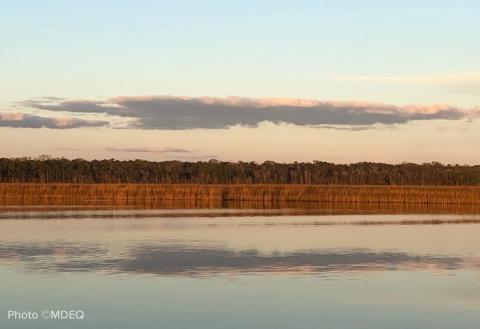
The Mississippi Trustee Implementation Group at the Mississippi Department of Environmental Quality is seeking ideas for natural resource restoration project in the Mississippi Deepwater restoration area. Projects may include:
- Wetlands, Coastal, and Nearshore Habitats
- Nutrient Reduction
- Oysters
- Sea Turtles
- Marine Mammals
- Birds
-
Details and submission here
| |
49th Annual Natural Hazards Workshop | |
|
Since 1975, the Natural Hazards Center has hosted the Annual Natural Hazards Research and Applications Workshop in Colorado. Today the Workshop brings together federal, state and local mitigation and emergency management officials and planning professionals; representatives of nonprofit, private sector, and humanitarian organizations; hazards and disaster researchers and others dedicated to alleviating the impacts of disasters. This year’s workshop theme is “The Stories We Tell: Creative Strategies for Understanding and Communicating Disaster Risk” and will focus on strategies for creatively communicating about risk.
-
When: July 14-17
-
Where: Omni Interlocken Hotel, Broomfield, Colorado
-
Conference details
-
Etc.: The workshop includes a special session on “CyberTraining — Broadening Adoption of Cyberinfrastructure in Disaster Management” for up to 35 participants, which targets undergraduate/graduate students, researchers, faculty and educators with a research focus on applying CI and geospatial analytics in disaster management across Geoscience, Public Health, Engineering, Transportation, Social, Behavioral, and Economic Sciences. Click here to apply. (Applications accepted until all slots are filled.)
| |
Offshore Wind Leases in the Gulf | |
|
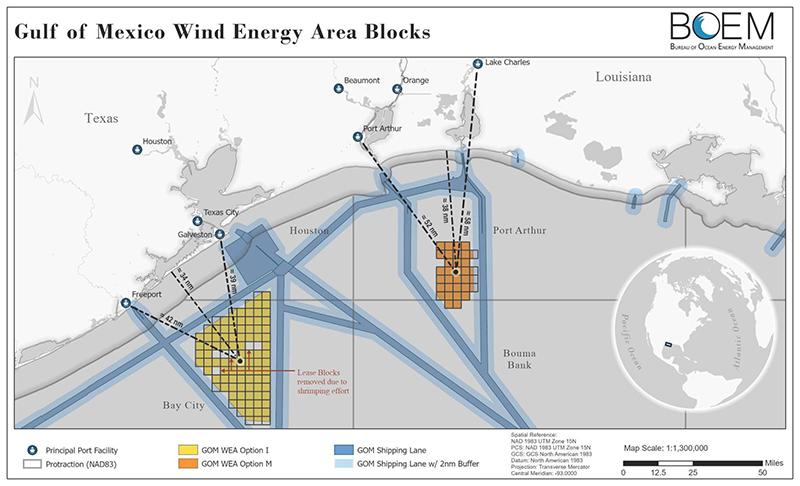
The Bureau of Ocean Energy Management (BOEM) has scheduled offshore wind lease sales for the Gulf of Mexico to take place in 2025. In advance of the sales, NOAA's National Centers for Coastal Ocean Science (NCCOS), NOAA’s Southeast Fisheries Sciences Center, NOAA’s Office for Coastal Management and BOEM are assessing the values, expectations and preferences of coastal residents in the region in order to characterize the complex interactions between society, the environment and energy development projects.
This study is focused on the Gulf of Mexico region, inclusive of 39 shoreline counties in Texas and Louisiana where researchers will conduct a series of focus groups and administer a survey of randomly sampled households. Respondants' answers will be used to characterize the social landscape regarding offshore wind energy development for the study region.
| |
|
Did you miss Monday's webinar in the UGOS series led by early career researchers Dr. Luna Hiron (Florida State University), Dr. Sakib Mahmud (Texas A&M University) and Dr. Aryan Safaie (University of Rhode Island)?
All of the webinar recordings are archived online!
Monday's speakers were Dr. Anna Lowe, Postdoctoral Research Scholar, Ocean Observing and Modeling Group (OOMG) at North Carolina State University, on "Long-term predictions of Loop Current Eddy evolutions using OceanNet: a Fourier neural operator-based data-driven ocean emulator" and Joe Gradone, Ph.D. candidate in Oceanography at Rutgers University, on "Exploratory Glider Deployments Reveal Changes in the Upper Oceanic Water Masses of the Caribbean Through-Flow."
The Understanding Gulf Ocean Systems (UGOS) initiative is designed to advance understanding and prediction of Loop Current dynamics to reduce risks to offshore energy exploration and production, improve hurricane intensity forecasting, support fisheries management and deal with other challenges such as sea-level rise. The webinar series is focused on UGOS-funded work and related research.
For additional information: Email webinar series organizers Luna Hiron lhiron@fsu.edu, Sakib Mahmud sakib@tamu.edu or Aryan Safaie aryansafaie@uri.edu.
| |
|
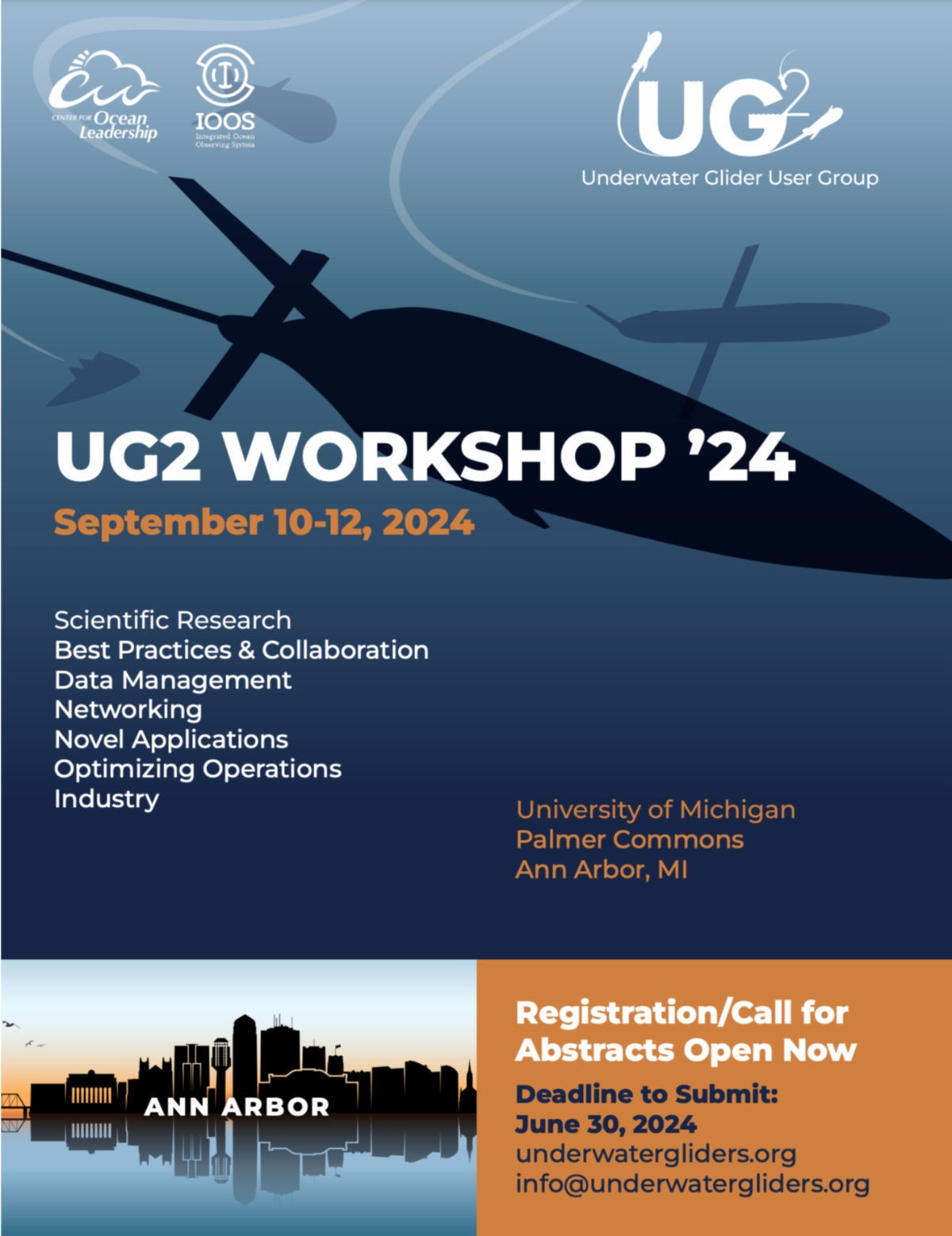
Registration and abstract submission is open for the Underwater Glider User Group (UG2) workshop scheduled for Sept. 10-12 at the University of Michigan, Ann Arbor.
UG2 Workshop ‘24 will bring together the global underwater glider community to strengthen international collaboration through community dialogue, information exchange and development of best practices to support the glider community. The event will include plenaries, break-out sessions, town halls, networking happy hours, poster sessions and vendor booths.
| |
|
Did you know that national Safe Boating Week is May 18-24? It’s held annually the week before Memorial Day as part of the National Safe Boating Council’s Safe Boating Campaign, a global awareness effort that encourages boaters to make the most of their boating adventure by being responsible. NSBC and NOAA offer boating safety resources here and here .
Fun fact: new life jacket labels measure performance in newtons — lower numbers indicate the jacket is more appropriate for inshore waters and higher numbers offer greater flotation, turning and stability in the water for offshore activities.
| |
Healthy Ecosystems & Living Resources | |
Reward Offered for Info on Dolphin Shooting | |
|
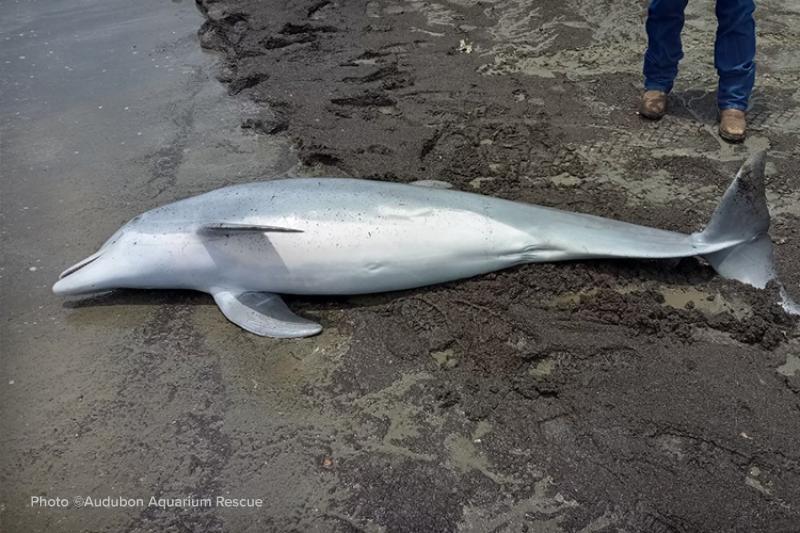
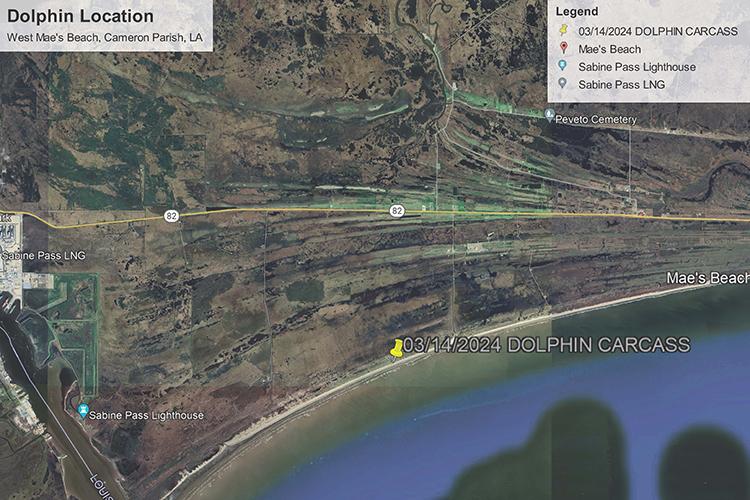
NOAA’s Office of Law Enforcement is offering a $20,000 reward for information leading information leading to a criminal conviction or the assessment of a civil penalty for the person(s) responsible for the death of a juvenile bottlenose dolphin found on West Mae’s Beach in Cameron Parish, Louisiana in March. The dolphin had multiple bullets lodged in its brain, spinal cord and heart.
Harassing, harming, killing, or feeding wild dolphins is prohibited under the Marine Mammal Protection Act and violations can be prosecuted civilly or criminally and are punishable by up to $100,000 in fines and up to one year in jail per violation.
- Report any stranded or injured marine animals to the Southeast Marine Mammal Stranding Hotline at (877) WHALE-HELP (877-942-5243).
- Anyone with information about this incident should call the NOAA Enforcement Hotline at (800) 853-1964. You can leave tips anonymously, but to be eligible for the reward you must include your name and contact information.
| |
Fisheries Economics Report | |
|
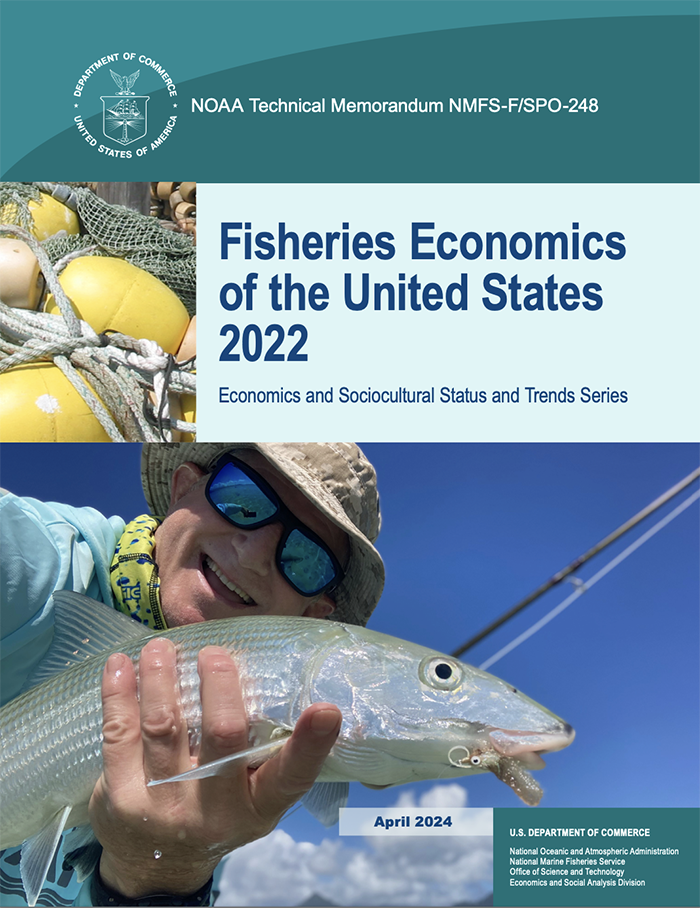
Have you seen NOAA Fisheries' latest Fisheries Economics of the United States report? The 2022 report demonstrates the integral role fisheries play in the U.S. economy: commercial and recreational fisheries combined to generate $321 billion in sales, a marginal increase of 0.4 percent in inflation-adjusted 2022 dollars from 2021, and support nearly 2.3 million jobs (a 13 percent increase from 2021).
| |
New Conservation-Focused Initiative | |
|
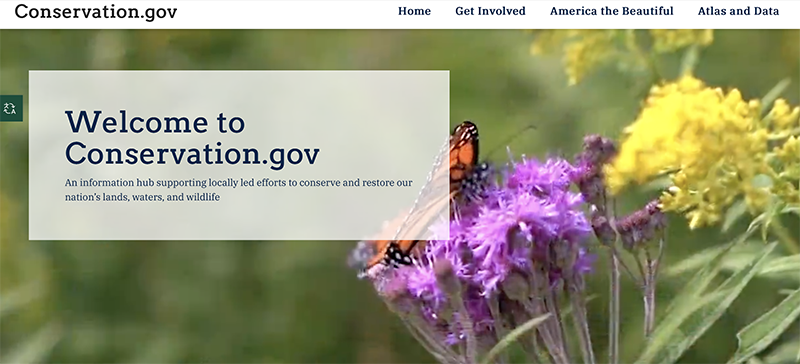
A new website launched by the Department of the Interior (DOI), United States Department of Agriculture (USDA), NOAA and the Council on Environmental Quality (CEQ) is an information hub supporting locally led efforts to conserve and restore our nation’s lands, waters and wildlife. The site is part of “America the Beautiful,” a call to action to conserve and restore America’s lands and waters for the benefit of all people through locally led and collaborative conservation. This first-ever national goal to conserve 30% of our lands and waters by the year 2030 will "help safeguard our health, food supplies, and the prosperity of every community."
-
Conservation.gov includes searchable atlases on conservation-focused topics showcasing local initiatives, as well as grant and job opportunities and conservation data.
| |
Job Op: Web Developer for CETACEAN, Other Projects | |
|
The University of Miami’s Cooperative Institute of Marine and Atmospheric Studies (CIMAS) has an opportunity for a full time Wordpress web developer who has data visualization expertise to work in Miami or remotely, supporting NOAA’s Atlantic Oceanographic and Meteorological Laboratory's Ocean Chemistry and Ecosystem Division in Miami. The developer will work in partnership with a team to create web-enabled data visualization tools in an ecosystem context for a variety of resource management related projects, including the GCOOS-managed CETACEAN project. The Compilation of Environmental, Threats, and Animal Data for Cetacean Population Health Analyses (CETACEAN) is a five-year collaborative project funded through NRDA Open Ocean Restoration Area funds from the Deepwater Horizon Oil Spill, with NOAA as the Lead Implementing Trustee.
-
Click for full details and application info
| |
|
IOOS
Recommendations Submitted to NOAA
| |
|
In March, the U.S. IOOS Advisory Committee finalized recommendations to NOAA and the Interagency Ocean Observation Committee that seeks advancement of and improvements to the National Oceanographic Partnership Program and IOOS’s Marine Life program. Recommendations were submitted to NOAA Administrator Dr. Richard Spinrad and the Interagency Ocean Observation Committee (IOOC) co-chairs in April.
Main recommendations:
- NOAA should provide leadership, through NOPP, for interagency collaboration and coordination to enhance national observing programs, meeting national priorities that require an interagency approach.
- IOOS should work with NOPP leadership and appropriate sponsor agencies to develop a process that clearly identifies observing/sensing requirements for NOPP projects far in advance.
- NOAA and the IOOC should expand public-private partnerships, including working with philanthropic organizations, and assess ways to utilize innovative or alternate funding mechanisms other than BAAs to fund NOPP projects.
-
Read the full recommendations here
| |
|
Gulf Research Program (GRP)
Marking 10 Years of Gulf Research
| |
|
In the aftermath of Deepwater Horizon, a criminal settlement agreement led to the creation of the GRP at the National Academies of Sciences, Engineering, and Medicine in 2013. The agreement set aside $500 million in penalties for an endowment at the National Academy of Sciences to “carry out studies, projects, and other activities” focused on offshore energy production, human health, and environmental protection in the Gulf of Mexico and along the U.S. Outer Continental Shelf. The GRP has just marked its 10th anniversary.
| |
|
CDC Foundation
Preparing Gulf Communities for Health Impacts of Climate Change
| |
The CDC Foundation is accepting proposals from the Gulf South region — Texas, Louisiana, Florida, Alabama and Mississippi with a special focus on coastal communities — to participate in the Climate and Health Community Support cohort.
This initiative will convene a cohort of community-based organizations (CBOs) to develop climate adaptation and data collection plans; participate in virtual and in-person peer learning opportunities and receive technical assistance from CDC Foundation and NCEH staff. While there are 16 CBOs in the cohort, this RFP is for funding 8 CBOs in the Gulf South region.
| |
|
- IOOS: Program Analyst, Physical Scientist, IT Specialist
- Board on Gulf Education and Engagement: Program Officer
- Mote Marine Laboratory
-
The University of Southern Mississippi: Associate Marine Instrumentation Specialist
-
The University of Miami (RSMAS): Tenure or Tenure-Track Professor
-
GOOS Biology: Data Manager
Postdoctoral Positions:
-
National Oceanographic and Atmospheric Administration: National Centers for Coastal Ocean Sciences, NRC Research Programs
-
Monterey Bay Aquarium Research Institute: Postdoctoral Fellowship
-
National Research Council: Research Associateship Programs Postdoctoral and Senior Research Award
-
Mississippi State University: Postdoctoral Associate
Fellowships:
- Susan L. Williams National Coral Reef Management Fellowship
-
National Oceanographic and Atmospheric Administration - Coastal Management Fellowship
-
National Academies of Science, Engineering and Mathematics: Early Career Fellowships
-
Department of Defense: Visualization of Coastal Data, Coastal Vulnerability Assessment Fellow
| |
|
- National Academies of Sciences, Engineering and Medicine - Workforce Development for the Energy Transition
- National Academies of Sciences, Engineering and Medicine - Gulf Research Program
- The National Academies of Sciences, Engineering, and Medicine – Early Career Research Fellowship
- National Oceanic and Atmospheric Administration - Long Term Trends in the Gulf of Mexico Ecosystem
- National Oceanic and Atmospheric Administration – Sea Grant
- National Oceanic and Atmospheric Administration - NOAA Planet Stewards
-
National Oceanic and Atmospheric Administration - FY 2024 National Aquaculture Initiative Initiative
- US Department of Agriculture - Special Research Grants Program Aquaculture Research
- Gulf of Mexico Alliance
| |
15-17: MTS Oceans in Action, Mississippi Coast Convention Center, Biloxi, Mississippi | |
GCOOS is the Gulf of Mexico regional component of the U.S. Integrated Ocean Observing System (IOOS) and the only certified system dedicated solely to the Gulf of Mexico. Our mission is to provide on-demand information about the Gulf’s coastal and open ocean waters that is accurate, reliable and benefits people, ecosystems and the economy. | |
Dr. Jorge Brenner, Executive Director • Dr. Barbara Kirkpatrick, Senior Advisor • Dr. Uchenna Nwankwo, Oceanographer • Dr. Chris Simoniello, Outreach & Education Manager • Felimon Gayanilo, Systems Architect, Co-Data Manager • Bob Currier, Product Developer, Co-Data Manager • Tuomo Saari, Scientific Computing Specialist • Xiao Qi, Scientific Computing Specialist • Jennifer Vreeland-Dawson, Program Coordinator • Megan Howson, Marine Mammal Biologist and Data Scientist • Grant Craig, Project Manager and HABscope Volunteer Coordinator • Nadine Slimak, Public Relations & Content Marketing, Vetted Communications, LLC • Laura Caldwell, Program Assistant | |
In Memoriam: Matt Howard, 1952-2018
| | | | |