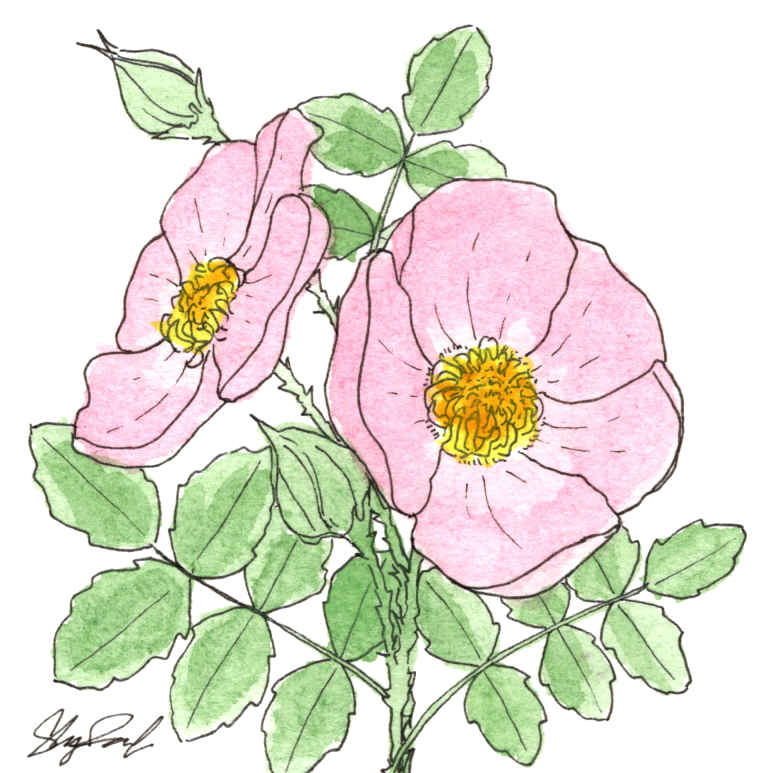
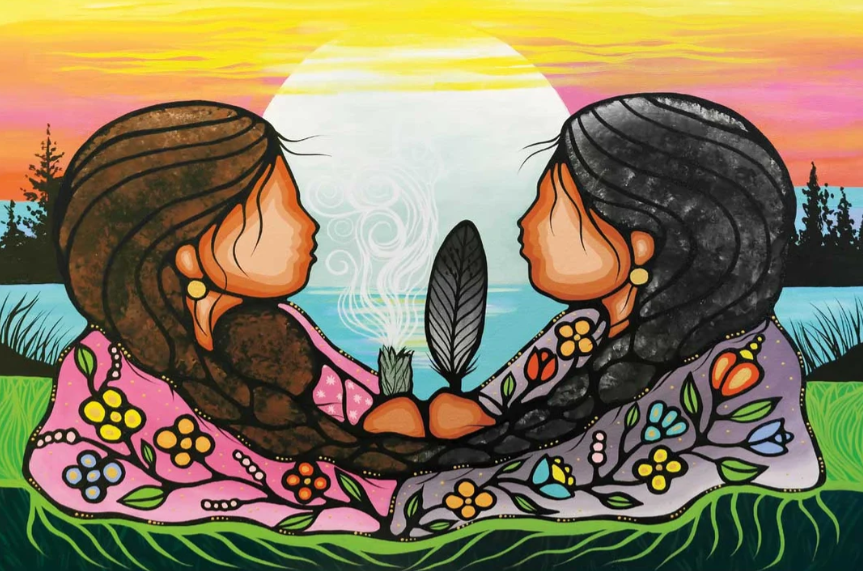
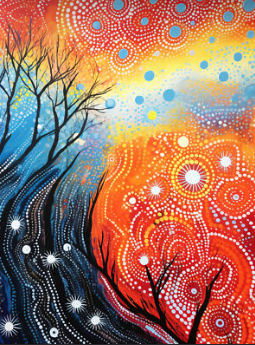
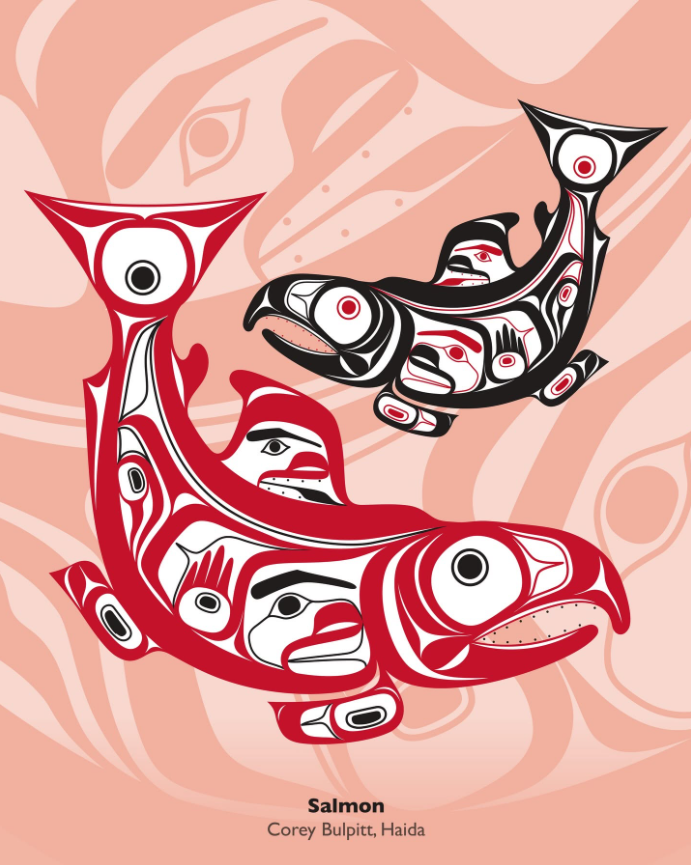
All My Relations Newsletter | | | Art by Shay Paul – Wildrose | September is the month of the salmon run. People can be found dip-net fishing the Fraser Canyon, making scwik̓ (dried salmon), and doing the last of the medicinal plant harvesting before the season grows cold enough to frost-dampen the plants. This is also the best time to harvest sekwéw̓ (rose hips). | Encountering Reconciliation | Art Work by Alexis Gottfriedson | |
Truth and Reconciliation in Canada begins with a difficult truth: the relationship between Indigenous and non-Indigenous peoples in Canada, has been shaped by policies and institutions that caused lasting harm. The residential school system separated Indigenous children from their families, communities, languages, and cultures. Unfortunately, the aftermath did not end when the schools closed. They continue to shape families and communities today.
The Truth and Reconciliation Commission of Canada (2015) made it clear that reconciliation cannot happen without first facing this history. Its Calls to Action were created to address the legacy of residential schools and to guide non-Indigenous people toward a different relationship with First Nations, Inuit, and Métis peoples.
| |
Truth asks us to listen.
It means learning about residential schools from the experiences of Survivors and recognizing that Indigenous histories are not limited to stories of hardship. Indigenous peoples have their own languages, laws, cultures, teachings, relationships to land, and systems of knowledge that have continued despite generations of colonial policies.
The TRC calls for education that includes residential schools, Treaties, and the historical and contemporary contributions of Indigenous peoples to Canada. It also calls for teachers to be prepared to bring Indigenous knowledge and teaching methods into classrooms.
For students, educators, families, and communities, this creates an important question:
What are we learning, and whose voices are we learning from?
| |
The TRC's 94 Calls to Action show that it involves changes in education, child welfare, health, justice, language, government, business, media, sports, and many other areas of Canadian life.
For example, the TRC calls for more culturally appropriate education and early childhood programs, greater protection and revitalization of Indigenous languages, and stronger recognition of Indigenous healing practices.
The Calls to Action also ask governments, institutions, and individuals to examine how existing systems may continue to affect Indigenous peoples.
It is crucial for us to understand that reconciliation is not something that exists only between governments and Indigenous communities, but also institutions, and the people within them, to consider how they can become agents of change in implementing these measures.
| |
Education as an important role
| Schools are one of the key places where relationships can change. For example, The TRC calls for students from Kindergarten through Grade 12 to learn about residential schools, Treaties, and the contributions of Indigenous peoples to Canada. | |
It also emphasizes the importance of helping students develop intercultural understanding, empathy, and mutual respect.
For educators, that can mean asking:
- How are Indigenous perspectives presented and implemented in the curriculum?
- In which ways can we learn from Indigenous voices and Knowledge Keepers?
- Are we teaching history honestly, including its difficult parts with utmost respect, and empathy?
- How can students have opportunities to build respectful relationships with one another?
- Are Indigenous languages, cultures, and contributions represented with care and respect?
| |
One of the most painful parts of the residential school legacy is the loss of children who never returned home.
The TRC called for records concerning children who died in residential schools to be made available, for a national register of residential school student deaths, and for the identification and protection of residential school cemeteries. It also emphasized that affected Indigenous communities should lead this work, led by Survivors and Knowledge Keepers as the storytellers.
Remembering these children honors their recognition, and why families and communities have the right to know what happened.
| |
Language carries memory.
The TRC recognizes Indigenous languages as an important part of Canadian society and calls for their preservation, revitalization, and strengthening. It also recognizes that this work is best managed by Indigenous peoples and communities themselves. Language protects stories, relationships, teachings, history, and ways of understanding our world. Without it, we lose meaning of our culture, our lineage and sense of belonging.
| |
What can we do?
Reconciliation can begin with something as simple; the willingness to learn. But it should not end there.
We can learn to start by identifying whose land we live and work on. We can read the TRC's Calls to Action. We can listen to Indigenous Survivors, Elders, Knowledge Keepers, authors, artists, and community members. We can question stereotypes when we encounter them. We can support Indigenous languages, businesses, artists, and community-led initiatives. Most importantly, we can pay attention to what happens after we learn.
Where truth asks us to remember, reconciliation asks us to respond.
The TRC envisioned reconciliation as an ongoing responsibility, supported by education, public dialogue, accountability, and meaningful relationships.
| |
A thought to carry forward
Reconciliation does not require us to have all the answers. It requires us to be open to listening, to learn honestly, and to recognize when something needs to change.
The work is not finished when we remember residential schools on one day of the year. We should enact it in our classrooms, workplaces, families, communities, and in the choices we make about whose histories and voices are valued.
| Unsettled: Journeys on Truth and Conciliation | |
Former Samson Cree Nation councilor and ongoing community leader Mario Swampy explores the intersection of historical trauma, family and community life, addiction and recovery, his Christian faith, and the way forward for truth, reciprocity and conciliation in Canada.
In this broadcast of a lecture series installment run by co-host Jessica Vandenberghe, Swampy reflects on his political career, a passion for serving his people, and why he's adopted a shoulder-to-shoulder mindset while working towards proper water infrastructure for First Nations.
| You can engage and participate more on matters relating to Truth and Reconciliation by looking through the following activities; | |
National Centre for Truth and Reconciliation – Lunch and Learn
NCTR invite you to join our daily Lunch and Learn webinars – an immersive experience to UN-learn the myths of colonial history in Canada.
Lunch and Learn sessions are aimed at an adult audience, and open to the public, and will be hosted virtually over Zoom Webinar and streamed to YouTube.
| |
3 Truth & Reconciliation Virtual Sessions for Educators
The Outdoor Learning School and Store organization will be hosting three virtual sessions on Truth and Reconciliation for educators. Each session is cultivated and led by an Indigenous Elder, educator, creator or researcher and two sessions are accompanied by a non-Indigenous educator working in unity and collaboration. Taught by deeply knowledgeable people in this space you can find new ways of thinking, gain ideas and energy for this important community work in the lead up to the National Day for Truth and Reconciliation on Sept 30th.
Dates: September 14th,21st, and 30th, 2026
| All My Relations Research Highlight | A Dear Higher Education; Letters from the Social Justice Mountain | |
A Letter from Your Academic Aunties is a heartfelt reflection from Indigenous scholars who remind students that academic work beyond institutions and that is through relationships. They encourage emerging researchers to stay grounded in their communities, honor Indigenous ways of knowing, and build careers that give back rather than simply succeed.
| Bioneers – Indigenizing the Law | |
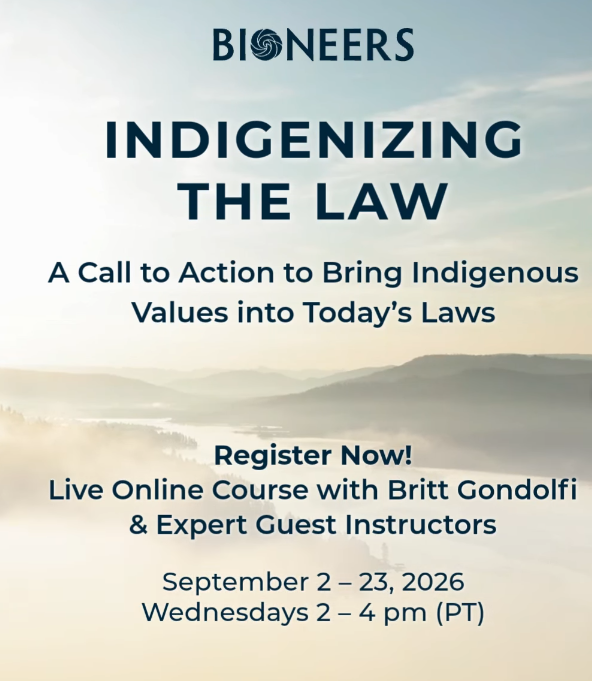
Join the Bioneers course “Indigenizing the Law” to explore the growing movement demanding laws rooted in right relationships with the natural world, featuring leaders in the Rights of Nature movement who are turning old principles into new law.
Date: Wednesdays, 2-23rd September, 2026
Time: 2-4 PM PT
| Indigenous Justice - Indigenous Maternal Health Providers Roundtable | |
Join Indigenous Justice and our community partners for an Indigenous Community Partnership Meeting for Providers as part of a culturally grounded engagement process to inform Strong Starts and advance maternal, infant, and family well-being through community-led solutions.
September 10 | Providers
12–1:30 PM
For providers and community partners
This gathering is an opportunity to share your expertise, experiences, and insights about what Indigenous families need to thrive.
| Cultural Survival – Pathways to Healing | |
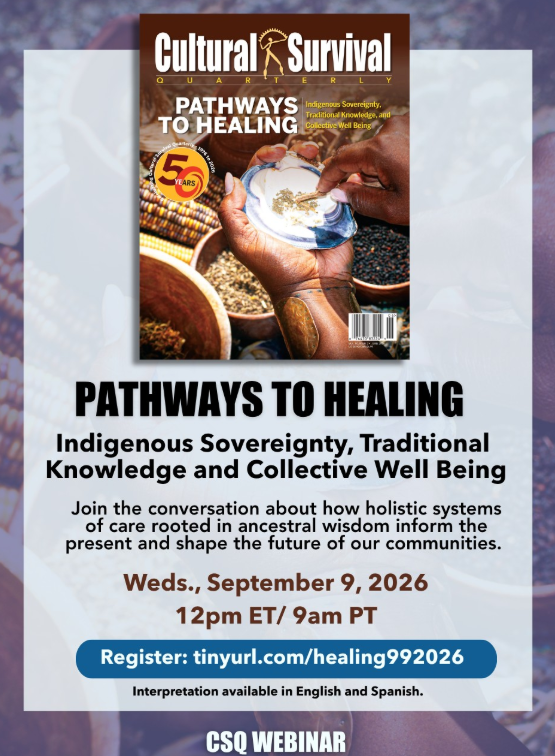
Engage in a powerful conversation on Indigenous systems of care and the ancestral knowledge shaping pathways to health and healing today and into the future, Pathways to Healing: Indigenous Sovereignty, Traditional Knowledge & Collective Well-Being is our newest Cultural Survival Quarterly issue. Hear from Indigenous leaders and knowledge holders exploring traditional medicine, midwifery, culturally based arts, the revival of the feminine path, and Indigenous approaches to social work.
Date: Wednesday 9th September, 2026
Time: 12 PM ET / 9 AM PT
| Indigenous Montessori Institute | |
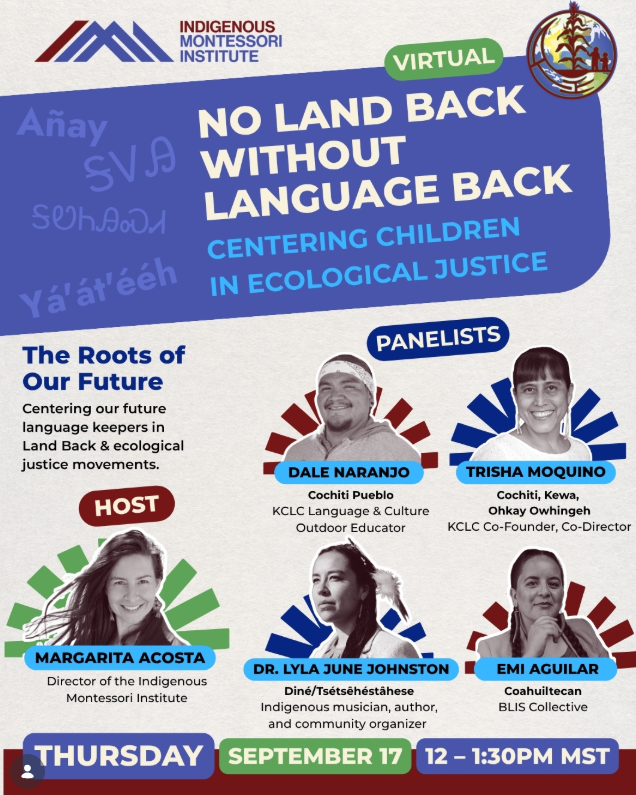
Language reclamation IS ecological justice. Join Dr. Lyla June Johnston, Trisha Moquino, Dale Naranjo & Emi Aguilar for a powerful conversation on centering children and language in the Land Back movement.
Date: Thursday, 17th September
Time: 12–1:30 PM ET
A fundraiser for the Indigenous Montessori Institute.
| Moose Hide Campaign - Truth and Reconciliation Webinar | |
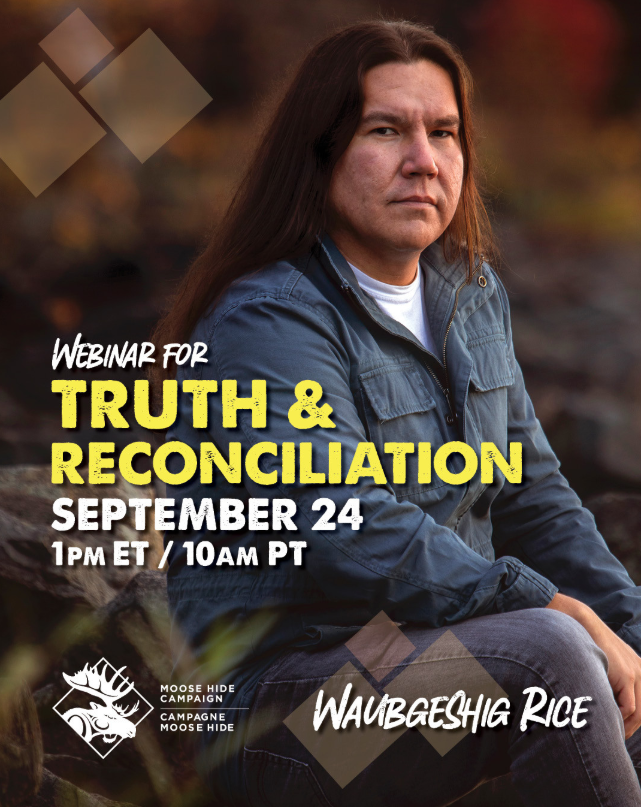
As we approach the National Day for Truth and Reconciliation, the Moose Hide Campaign is hosting a special webinar reflecting on collective journeys of truth and reconciliation in Canada.
This event will be lead by bestselling author and journalist Waubgeshig Rice of Wasauksing First Nation, author of Moon of the Crusted Snow and Moon of the Turning Leaves. Through his writing and journalism, Waubgeshig has shared stories of contemporary Anishinaabe life, culture, language, family, and community with audiences across Canada and beyond.
Explore the importance of Indigenous voices and storytelling, reflect on where we are in the journey of reconciliation, and consider what each of us can carry forward beyond September 30th.
Date: Thursday, 24th September, 2026
Time: 1 p.m. ET / 10 a.m. PT
| Yellow Head Institute - The Right to Truth: Protecting Indian Residential School Records | |
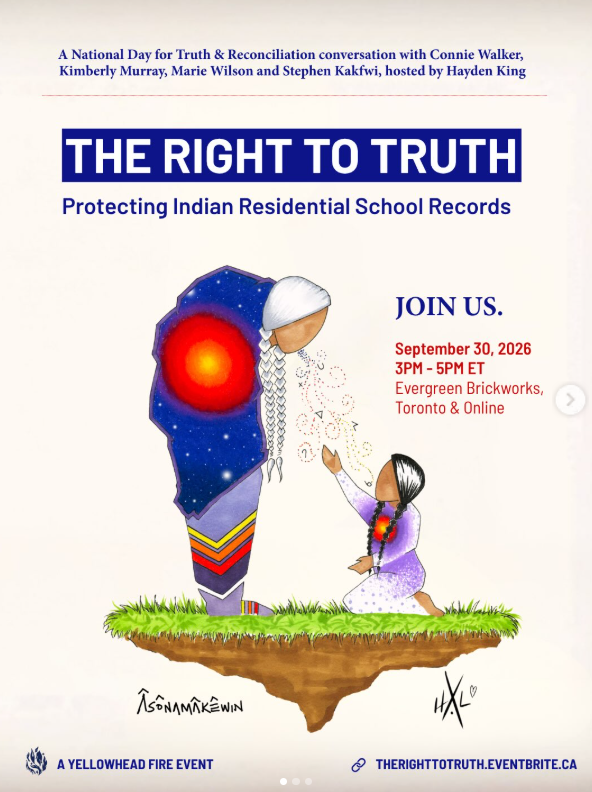
On this National Day for Truth & Reconciliation, Yellowhead Institute is reclaiming the right to truth. After more than a decade of Truth and Reconciliation, Survivors, communities and advocates face new threats to justice for Survivors. In less than one year, the largest archive of Survivor testimony on residential schools is set to be destroyed by order of the Supreme Court of Canada. In the context of rising residential school denialism, this Yellowhead Fire, in collaboration with the Indian Residential School Records Project, is an important conversation at a critical juncture.
Featuring Connie Walker, Kimberly Murray, Marie Wilson, Stephen Kakfwi and Hayden King, this discussion will discuss: What is at stake if we lose Survivor records?
Date: Wednesday, 30th September, 2026
Time: 3PM - 5PM ET
| All My Relations Resources | This month we would like to share the following resources that offers an opportunity to learn from Indigenous perspectives on land, knowledge, and responsibility. |
|
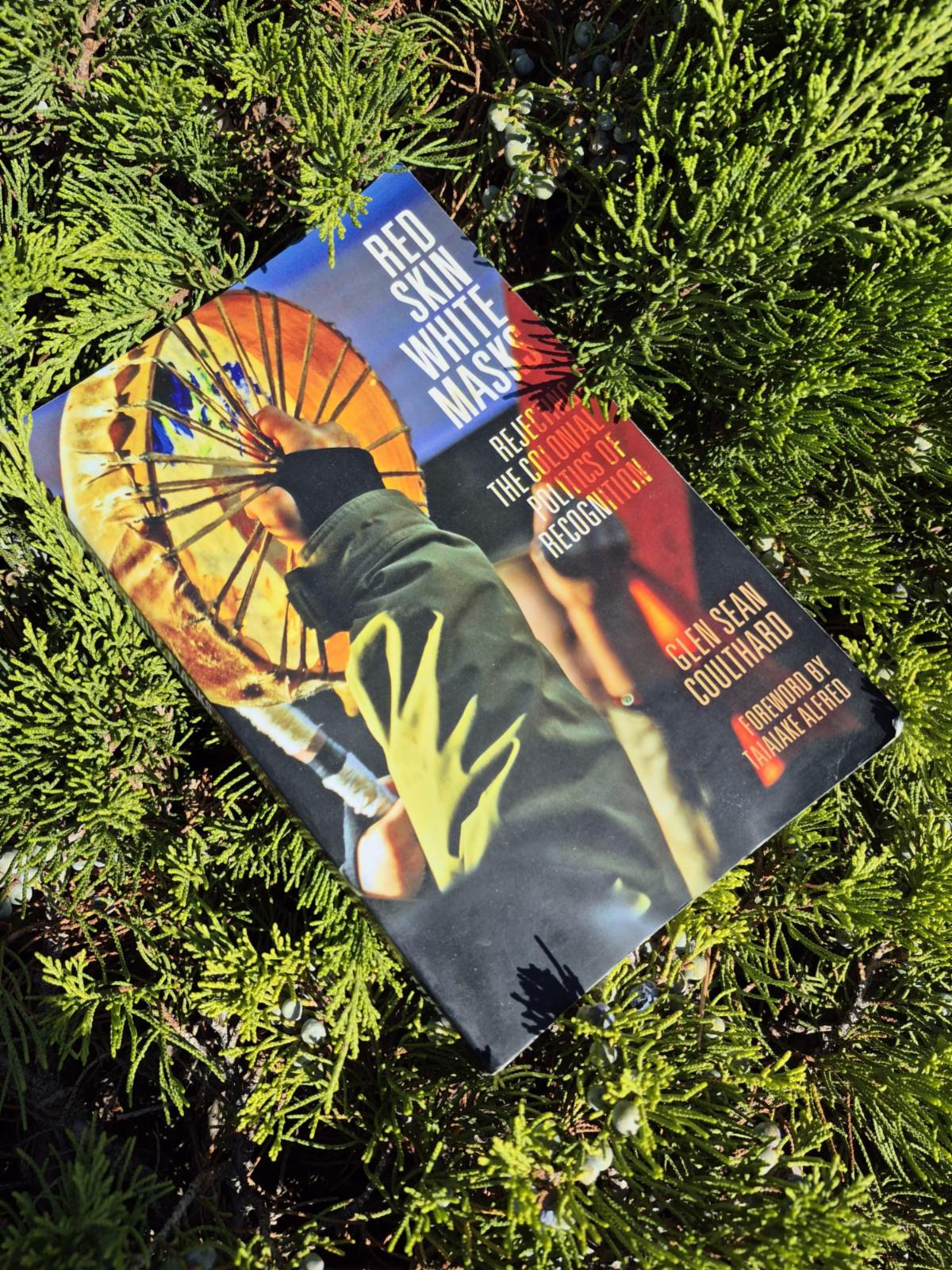
Red Skin White Masks: Rejecting the Colonial Politics of Recognition
In this influential work of Indigenous political theory, Dene scholar Glen Sean Coulthard argues that reconciliation cannot rest on symbolic recognition alone. His work inculcates critically engaged political theory, calling for a deeper transformation grounded in Indigenous self-determination, land, and the revitalization of Indigenous ways of knowing. An ideal resource that encourages readers to move beyond acknowledgment toward understanding the structural realities of colonialism and the responsibilities that accompany reconciliation.
| |
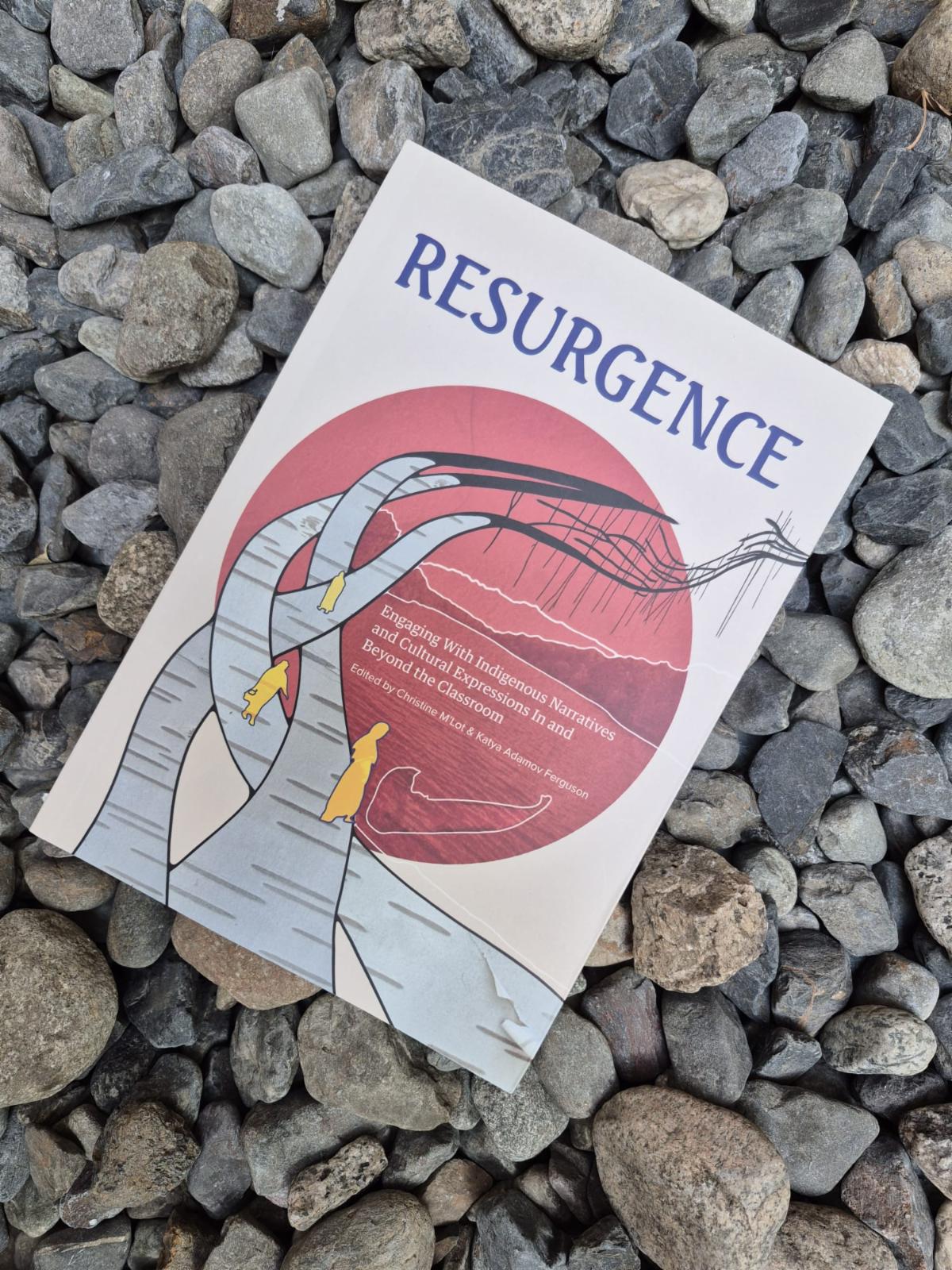
Resurgence: Engaging with Indigenous Narratives and Cultural Expressions in and beyond the Classroom
Resurgence brings together contemporary Indigenous poetry, artwork, essays, and classroom resources, challenging educators and readers to engage with Indigenous knowledge as a living, evolving presence. Are you interested in exploring Indigenous narratives that demonstrate how Indigenous stories and creative expression can reshape learning spaces with respect, reciprocity, and meaningful inclusion? This would be a go-to resource.
| |
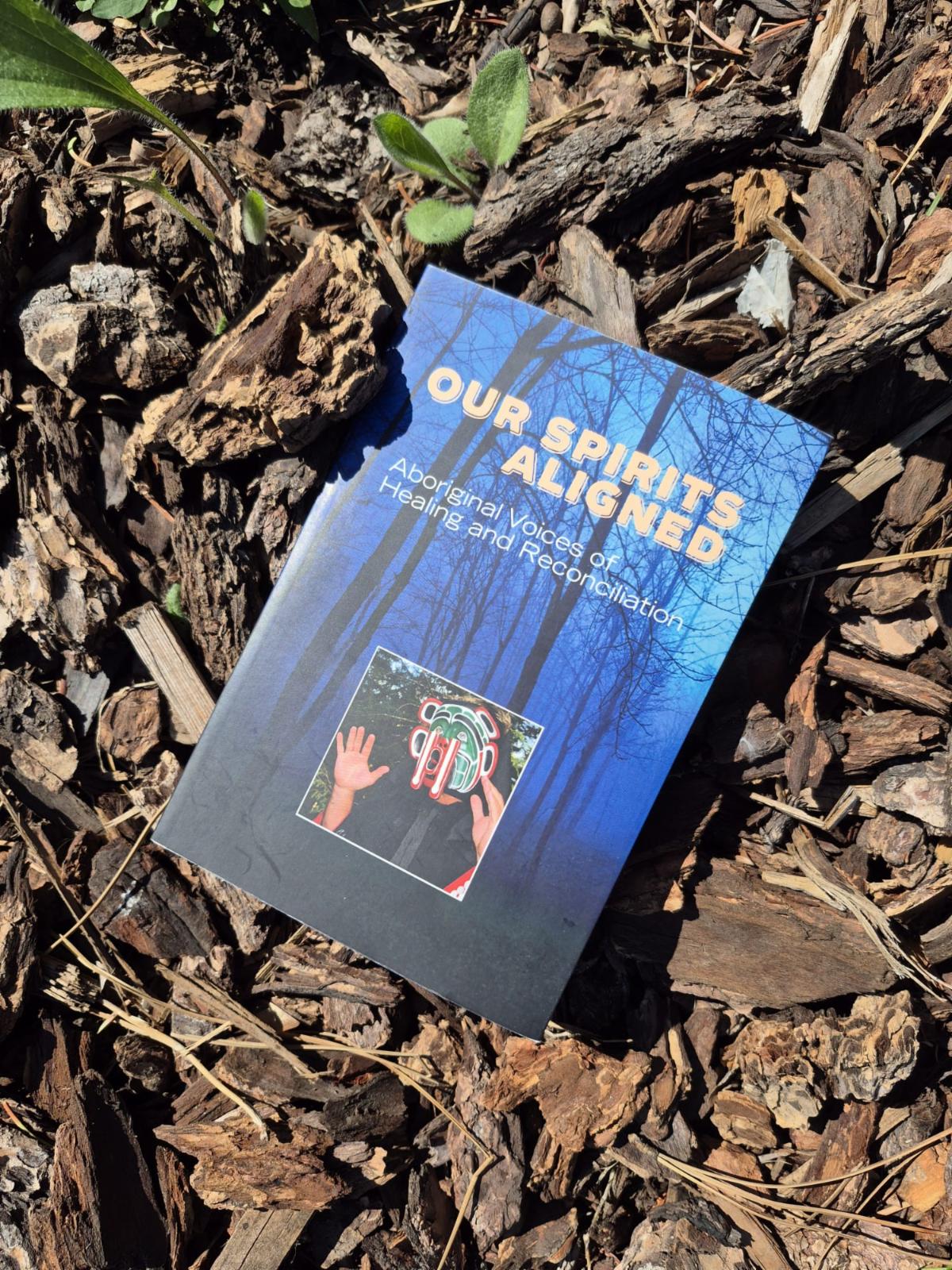
Our Spirits Aligned: Aboriginal Voices of Healing and Reconciliation
JoAnn Restoule compiles a collection of moving stories, reflections, and teachings shared by Indigenous Elders and community members. This book invites readers to witness an array of different perspectives, diverse journeys of healing, resilience, and hope rooted in community and cultural identity. This resource serves as an ideal starting point for Truth and Reconciliation that centers Indigenous voices, and a key reminder on reconciliation beginning with the act of listening before speaking.
| All My Relations Highlight | Knowledge Makers Volume 11 Launch Celebration | |
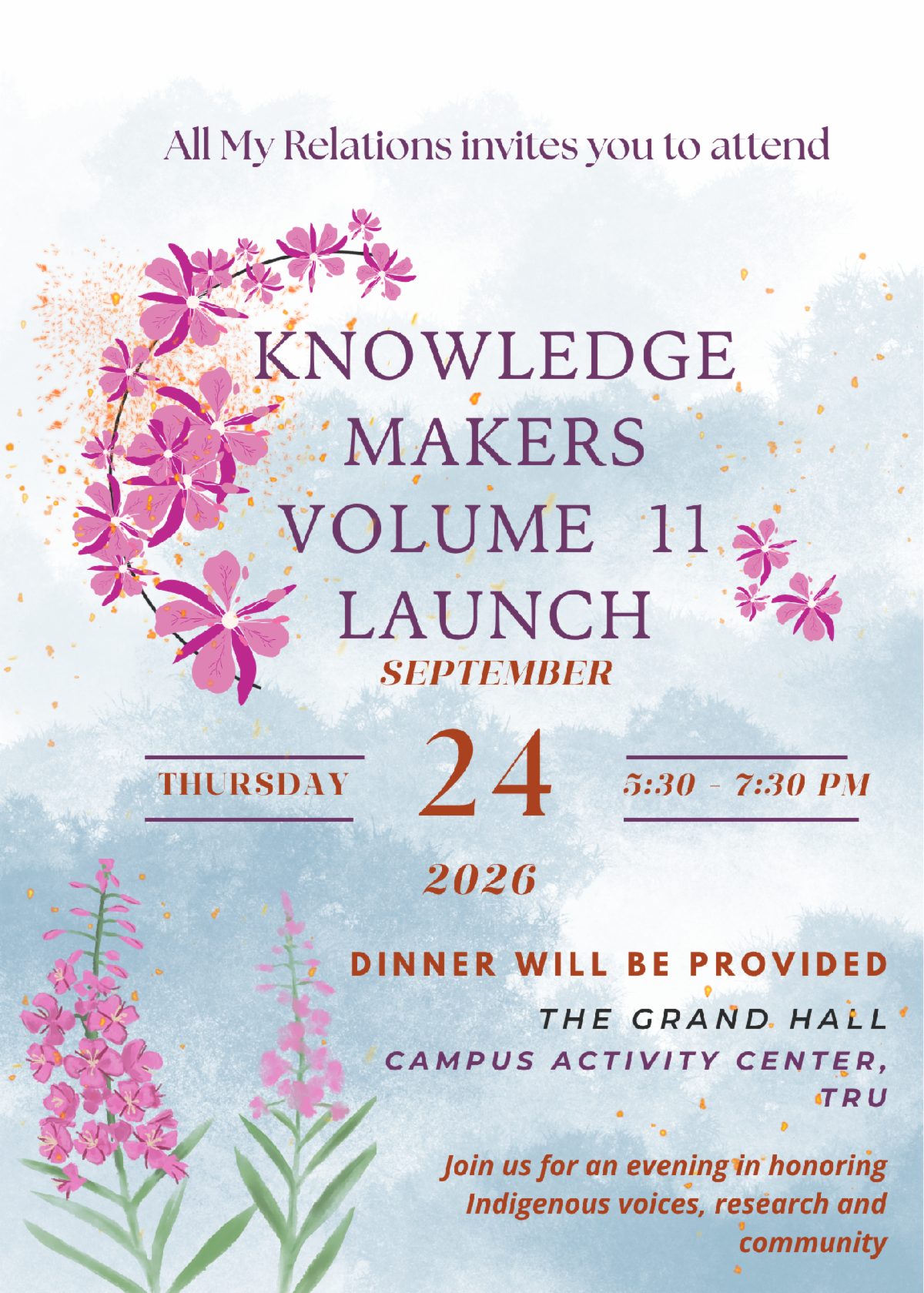
All My Relations is excited to celebrate this year’s Knowledge Maker authors for their diligence in braiding Indigenous Knowledge systems sprouting resiliency in enhancing intergenerational ancestral teachings through identity, healing, reconciliation, hope and community from Canada to the world. Join us for this special occasion as we honor diverse Indigenous voices, research and community.
Dinner will be provided.
Date: Thursday, 24th September 2026
Time: 5:30 PM – 7:30 PM
Location: The Grand Hall, Campus Activity Centre, Thompson Rivers University
| | |
Let's Learn Secwépemctsín: | | | |  | |
Úpekst te sxetspqíqenksts re swewll me7 cw7it te swewll.
One thousand fish will be a lot of fish
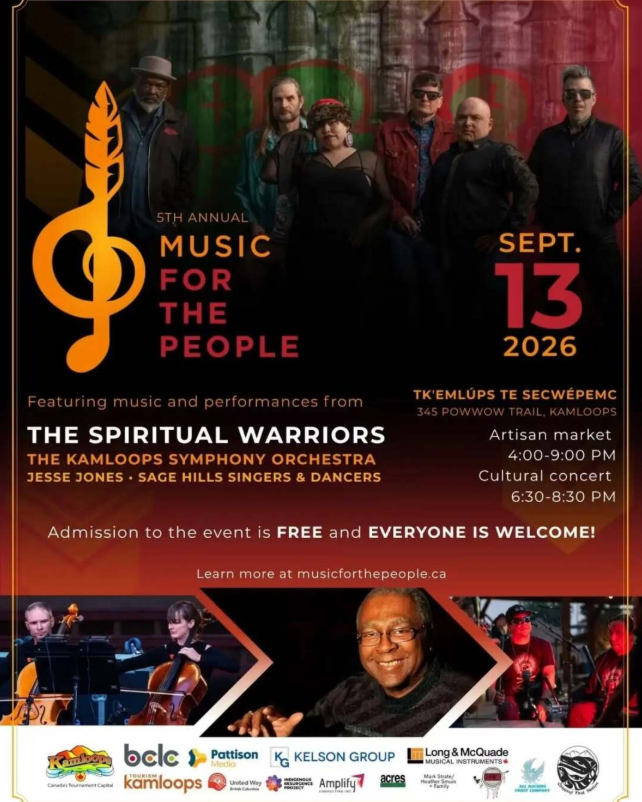
| | | Indigenous Resurgence Project – 5th Annual Music for the People | |
Join us for the fifth year of unforgettable music, culture, and celebration!
Headlined by the internationally acclaimed roots, rock, and reggae band, The Spiritual Warriors, experience a musical concert unlike anything you've heard. With support from the Kamloops Symphony, roots will meet strings and orchestral sweeps under the setting sun of the Kamloops sky. Watch performances by the Sage Hills Drummers and Dancers, and Jesse Jones as we rock the night away with music and community.
The event will also be hosting an Artisan Market and have food trucks and sweet treats available to check out before the show starts!
Date: Sunday, September 13th,2026
Time: 4:00 PM – 7:00 PM
Location: Tk'emlúps te Secwépemc Powwow Arbor, 345 Powwow Trail, Kamloops BC
| |
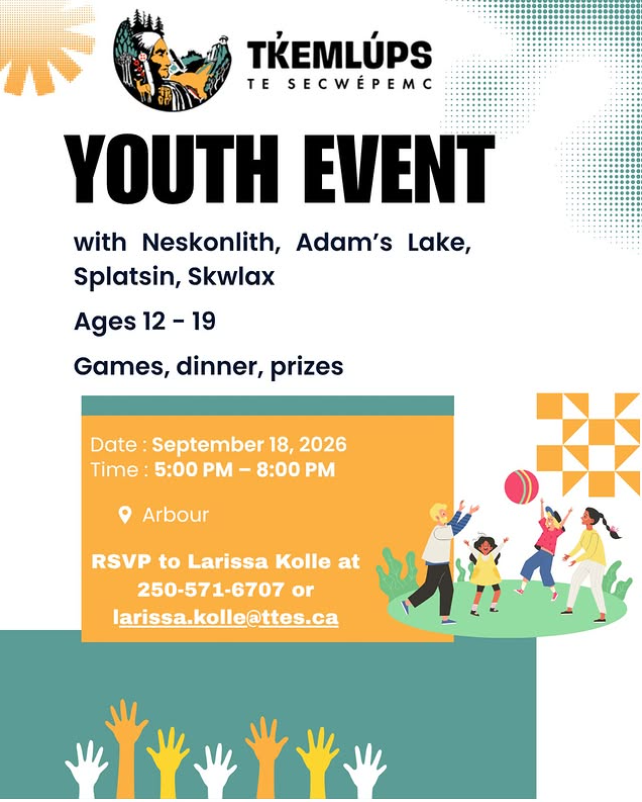
Calling youth ages 12–19 from Neskonlith, Adams Lake, Splatsin and Skwlax!
Join us for an evening of games, dinner, prizes and fun at the Arbour.
RSVP to Larissa Kolle at 250-571-6707 or larissa.kolle@ttes.ca.
Come out, connect with other youth and enjoy a great evening together!
Date: Friday, September 18th, 2026
Time: 5:00 PM – 8:00 PM
Location: TteS Arbour
| | Upcoming Conference and Webinars | | |
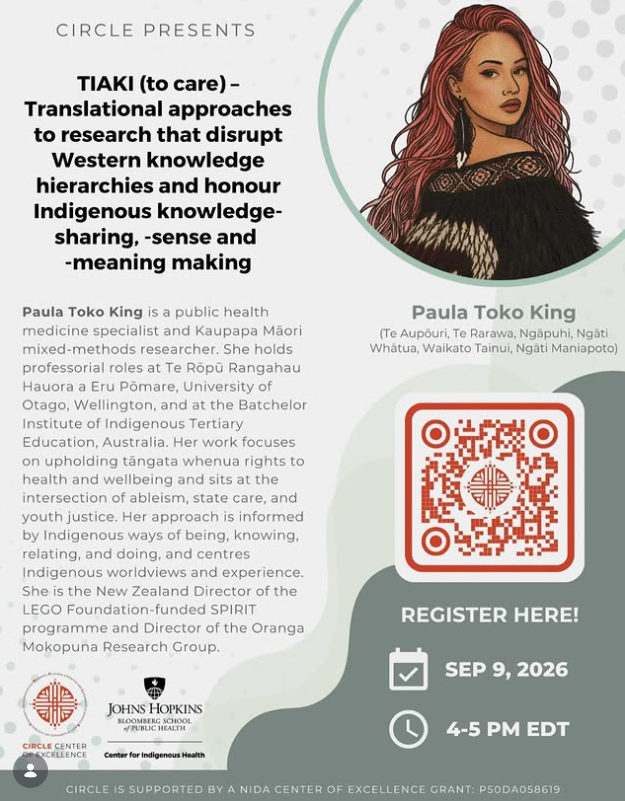
TIAKI (to care): Translational approaches to research that disrupt Western knowledge hierarchies and honor Indigenous knowledge-sharing, sense and meaning making | | |
Dr. Paula Toko King (Māori) will share insights from TIAKI, a Kaupapa Māori research project focused on care, wellbeing, and community-led responses to the impacts of imprisonment. TIAKI centres the voices of people and whānau with lived experience of prison and supports them to grow as kairangahau/researchers. The webinar will also explore creative, accessible ways of sharing research with communities through formats such as podcasting, art-zines, graphic novella, music, and poetry. Presentation will be followed by Q&A. This webinar is hosted by the CIRCLE P50 Research Core.
| | Arts Council Wood Buffalo – Curating Ecologies | | |
Join us for a free webinar exploring the intersection of art, place, and environmental sustainability. Featuring presentations from Andrea Valentine-Lewis (Vancouver Art Gallery), Eveline Kolijn (Energy Futures), and The Wandering Island, this session examines how curatorial decision-making and collaboration shape projects that engage with climate change, ecology, and our relationships to land.
Whether you're an artist, curator, educator, student, or simply curious about the role of art in environmental conversation, this one's for you.
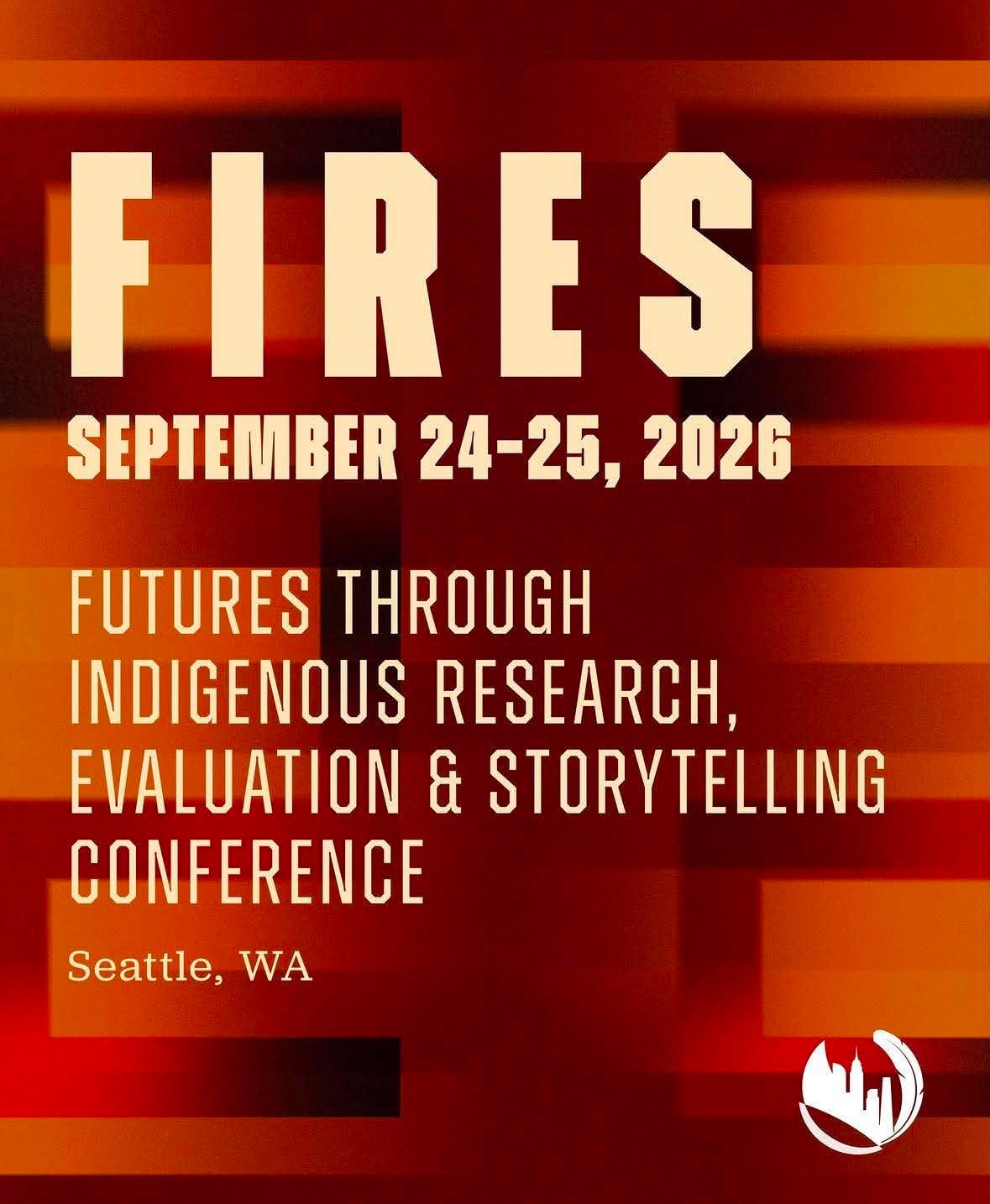
| | FIRES: Futures through Indigenous Research, Evaluation & Storytelling | September 24th & 25th, 2026| Seattle | |
FIRES: Futures through Indigenous Research, Evaluation & Storytelling - a premier conference exploring how Indigenous knowledge shapes public health.
FIRES invites participants to explore how Indigenous frameworks are reclaiming data as a tool of sovereignty and transforming research, evaluation, and storytelling to reflect the strengths, priorities, and self-determination of Indigenous communities.
Whether you are new to Indigenous frameworks or have experience working alongside Tribal communities in urban and rural settings, FIRES offers an opportunity to learn from Indigenous leaders, practitioners, researchers, and storytellers whose work is advancing culturally grounded approaches across public health and related fields.
| Indspire – National Gathering | | November 18-20, 2026| Winnipeg, Manitoba | | The National Gathering is Canada’s largest event dedicated to advancing Indigenous education. This is where educators, Elders, policy-makers, and community leaders come together to share, learn, and collaborate. | | Call For Proposals and Submissions | | Explore these opportunities for scholars, students, and community partners to connect, present, and grow Indigenous-led research and community engagement. | | Lowitja Institute – Call for Abstracts | |
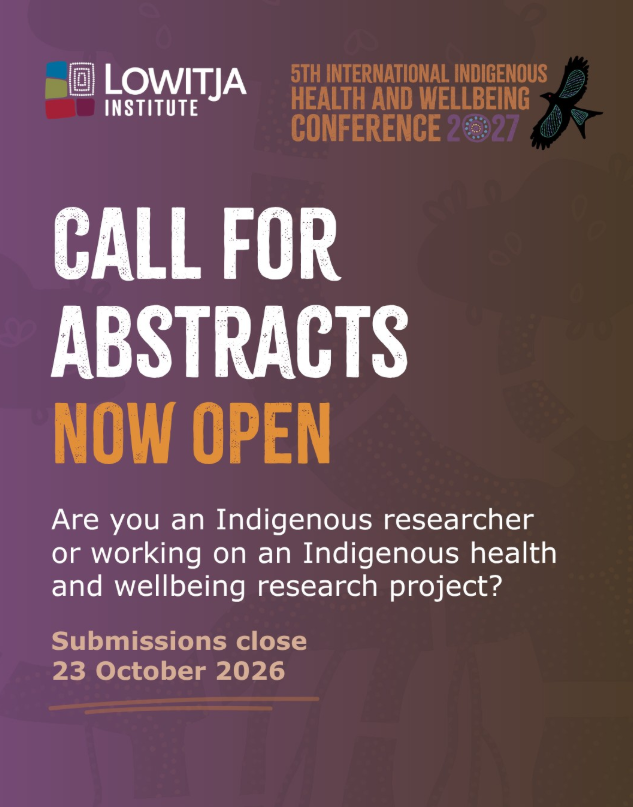
Are you an Indigenous researcher or working on an Indigenous health and wellbeing research project?
Lowitja Institute welcomes abstract submissions from individuals, communities, and organizations working locally and globally with, by, and for Indigenous peoples in the health and wellbeing sector, to present at our conference in June 2027.
The conference theme, 'Time, Place, Spirit: Living our Legacy', is embedded throughout our program, and we invite critical discussions about issues that impact Indigenous peoples' health and wellbeing.
Presentations led by Indigenous peoples that demonstrate Indigenous leadership, have a strengths-based approach, and contribute to the improvement of the health and wellbeing of Indigenous peoples are encouraged.
Deadline: Friday, 23rd October 2026
| TRU Sustain – Future Earth Student Journal | | |
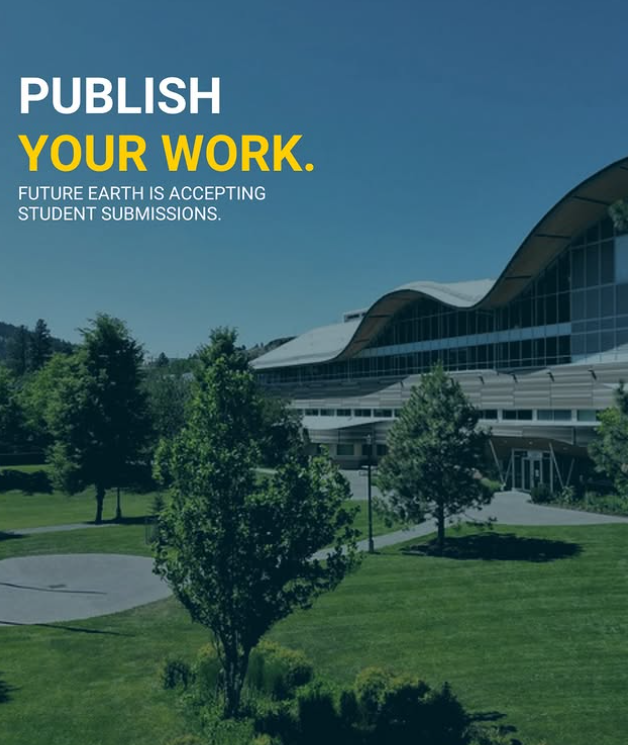
Future Earth, TRU’s student journal on sustainability and the environment, is accepting submissions from undergraduate and graduate students.
The journal publishes a range of work, including research articles, creative nonfiction and Indigenous perspectives on sustainability.
Future Earth accepts submissions year-round.
| | Grant Opportunities, Awards and Scolarships | | We recognize the importance of equitable access to education and research funding for Indigenous learners and scholars. Below are current/ongoing opportunities you may qualify for — be sure to check each for deadlines, eligibility and how to apply. | | |
TRU In-Course Undergraduate Awards Application
Undergraduate students are encouraged to apply for the TRU In-Course Undergraduate Awards Application. A single application allows students to be considered for all eligible awards, bursaries, and scholarships. Some awards may require additional information through a Conditional Awards Appendix Application, which must also be completed during the application period.
Campus Students
Students become eligible to apply after completing their first year of study (9 TRU undergraduate credits).
Students may also be considered for faculty-nominated awards (unless otherwise stated). These awards do not require an application and are paid in the Winter semester. Students should contact their faculty early in the Fall semester for information on nomination processes and deadlines.
Open Learning Students
Open Learning students may be eligible to apply if they:
- Are enrolled in an Open Learning program; and
-
Have completed at least 9 TRU undergraduate credits as a returning Open Learning student.
Eligible Open Learning students should email studentawards@tru.ca during the application period to request access to the application.
International Students
International students are eligible for merit-based awards, including scholarships, awards, fellowships, and prizes. Financial need is not considered for these awards.
International students must complete the In-Course Awards Application (International) through their myTRU account between August 15 and September 30.
Like domestic students, international students may also be considered eligible for faculty-nominated awards, which do not require an application.
To apply:
-
Log in to myTRU
-
Select Awards & Financial Aid
-
Click Apply for an Award
For any further specific questions regarding applications, contact the Student Awards office at studentawards@tru.ca.
| Indigenous Clean Energy - ImaGENation | |
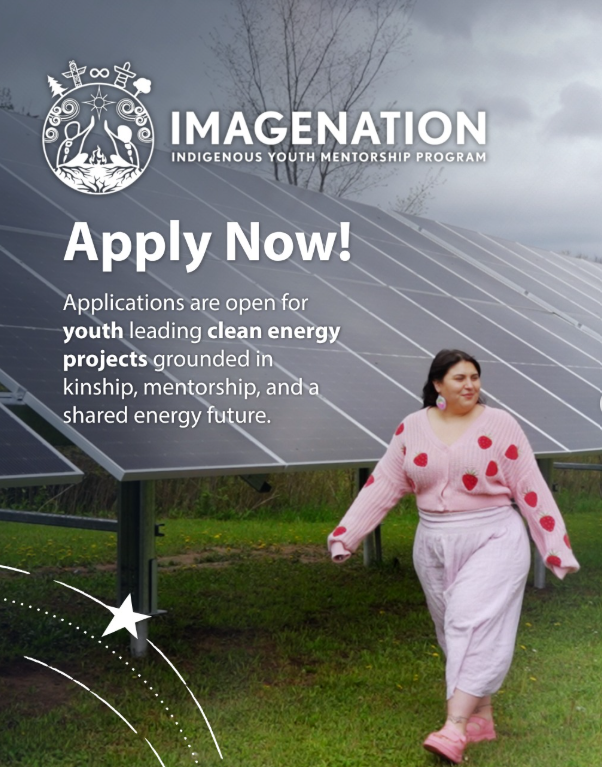
ImaGENation is a capacity-building program that provides community-driven solutions to adapt to the impacts of climate change by instilling Indigenous youth vision and voices into community energy plans.
Teams of Indigenous youth aged 18–30 receive mentorship, coaching, cultural guidance and up to $50,000 in funding to plan and implement a clean energy project grounded in Indigenous values, kinship, community engagement, and a shared energy future.
Deadline: Wednesday 30th September 2026
| |
BEEM Credit Union - Purple Cap Awards
BEEM Credit Union is introducing the Purple Cap Awards, a bursary program supporting members and their goals. With a simple application, it’s easier to access funding for trades, diplomas, and degrees that support new and continuing studies.
| | |
Indigenous Climate Action – Sovereignty in Action (SIA) Awards
The Sovereignty in Action (SIA) Awards were created during the COVID-19 pandemic to support grassroots initiatives while prioritizing community health and safety by shifting away from in-person events. Now, SIA continues to honour our communities through supporting their work towards climate justice, climate change, and Indigenous sovereignty.
First Nation, Inuit, and Mètis Peoples within so-called Canada are invited to apply or nominate another relative to be awarded $2,500 CAD to honor their work, whether it's on the land, in language, research, or acts of resistance and care.
This year Indigenous Climate Action (ICA) will be accepting applications in 4 cycles:
Winter (March 2-April 30), Spring (May 4-June 30), Summer (July 2-August 31), and Fall (September 2-November 9).
| | | | |