|
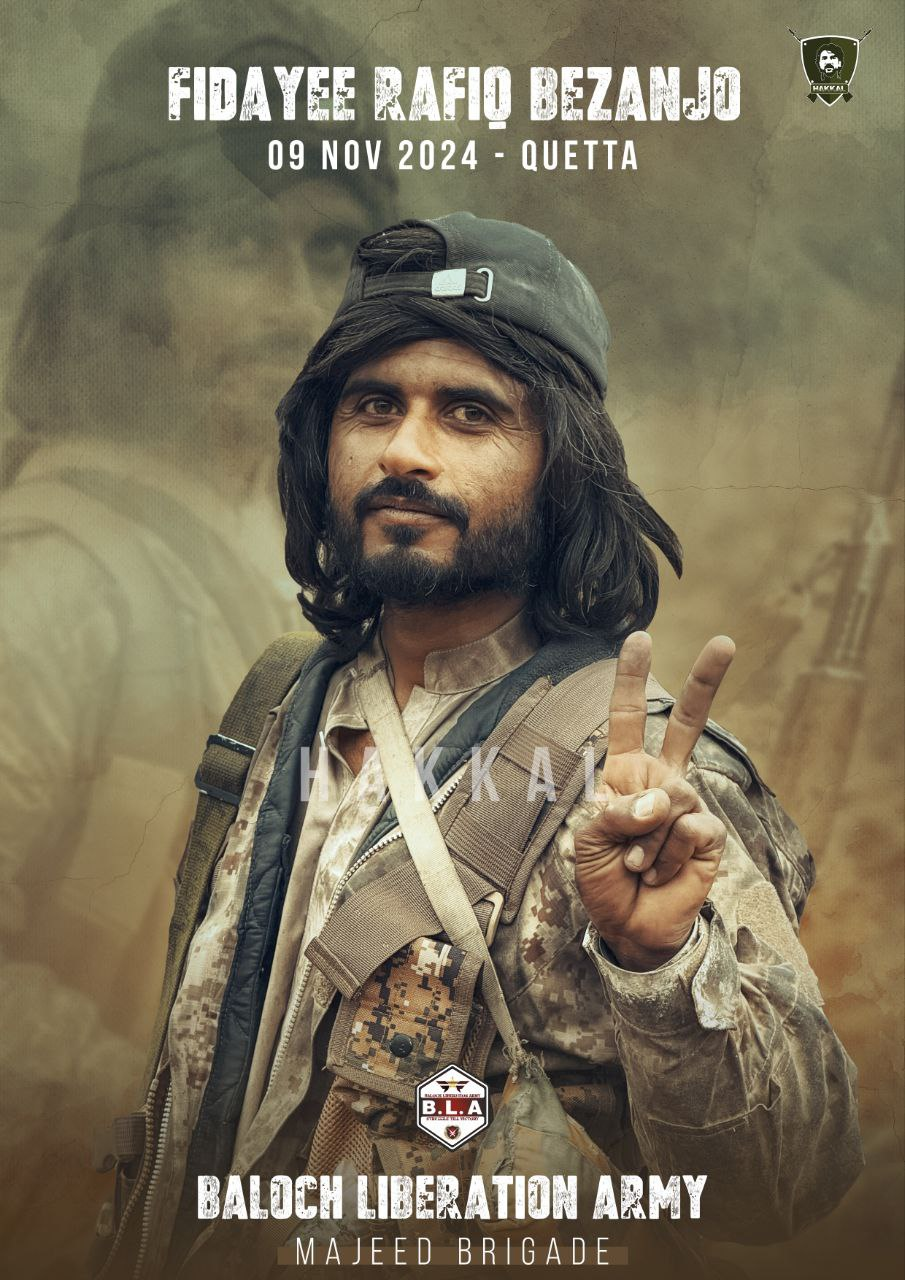
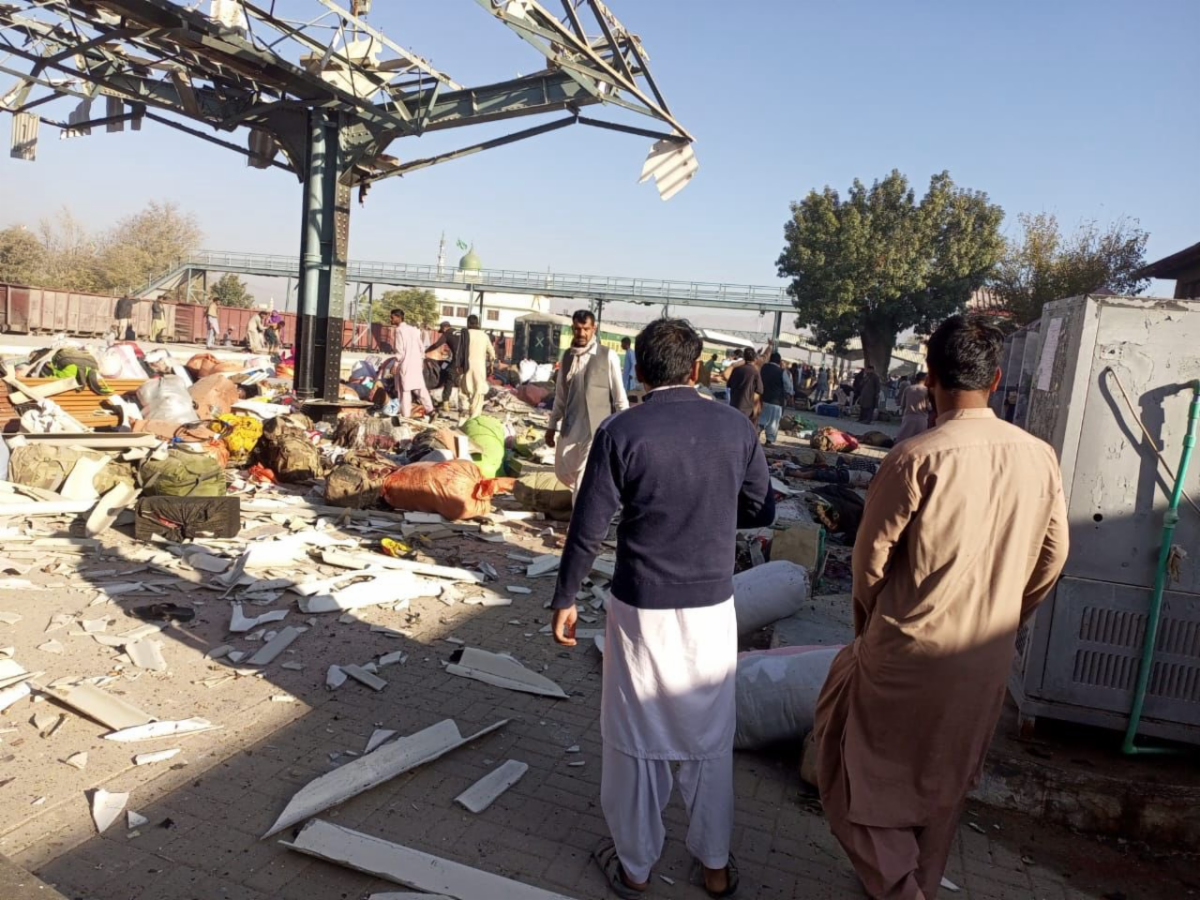
On 9 November 2024, the Baloch Liberation Army’s (BLA) elite Majeed Brigade executed a meticulously planned suicide attack against a Pakistani army unit at the Quetta Railway Station in Balochistan. The targeted unit was reportedly en route back to base via the Jaffar Express after completing a course at the Infantry School. The BLA claims that the attack resulted in the deaths of over 31 Pakistani military personnel and injuries to more than 60 others. The choice of Quetta, both a strategic and symbolic location as the capital of Balochistan, underscores the sophistication and intent behind this operation, aiming to strike at the heart of Pakistan’s military and amplify the sense of insecurity for the military and civilians.
The BLA’s Majeed Brigade: A Tactical Powerhouse
The BLA’s Majeed Brigade, known as one of the most advanced and strategic militant factions in Pakistan, has consistently executed high-profile and complex attacks, demonstrating the group’s tactical sophistication. This recent assault, occurring just days after a series of attacks across Quetta claimed by the BLA, exemplifies their pattern of escalating violence and relentless pressure on Pakistani security forces. The involvement of the Majeed Brigade, reserved for critical missions, signals the group’s commitment to its cause. By targeting military personnel returning from a training course, the BLA aims not only to inflict physical casualties but also to deliver a psychological blow to the Pakistani military establishment, showing its ability to strike even in well-secured, densely populated areas.
Sophisticated Intelligence Operations
This attack highlights the sophisticated operational capabilities of the BLA, particularly its intelligence wing, Zarab, which played a crucial role in the mission’s success. Zarab reportedly tracked Pakistani military movements over several days, gathering precise intelligence through internal and external sources. The operation was initially planned for 8 November but was deliberately delayed to reduce the risk of civilian casualties and to maximise impact. The carefully calculated timing on 9 November, when the convoy was larger and civilian presence minimised, showcases the BLA’s strategic patience and operational flexibility. It also reflects the BLA’s attempt to project a level of operational responsibility, although the high civilian toll raises questions about the group’s stated principles.
Retaliation for State Actions in Balochistan
The BLA’s justification for the attack, articulated through a released statement, ties the assault to retaliation against Pakistani military actions in Balochistan, particularly in Mastung, where the BLA claims state forces victimised innocent children. The operation was led by Muhammad Rafiq Bizenjo, known as Washen, who reportedly dedicated years to the Baloch independence movement. Bizenjo’s journey from peaceful activism to armed struggle in 2017, prompted by witnessing alleged atrocities by the Pakistani military, underscores the deep-seated grievances fueling the BLA’s insurgency. His “martyrdom” is likely to be glorified in BLA circles, further motivating recruits and bolstering morale among supporters.
Civilian Casualties and Strategic Risks
This attack raises critical questions regarding the BLA’s stance on civilian casualties. While the BLA has often claimed to avoid targeting civilians, the location and scale of this incident suggest a disregard for collateral damage, potentially eroding local support. With the high civilian death toll, the group’s actions may provoke a backlash from the same population it claims to defend.
Conclusion
This attack exemplifies the BLA's sophisticated operational planning, advanced intelligence capabilities, and strategic use of symbolic targets to maintain pressure on Pakistan. As one of the most refined and determined insurgent groups in Pakistan today, the BLA’s growing boldness and technical proficiency indicate a significant threat to state stability, particularly in Balochistan. However, the civilian toll of such attacks may ultimately test the limits of its support base, as the group risks alienating the very community it purports to protect. Finally, TRAC also emphasises the lack of preparedness within the Pakistani state to counter the ongoing insurgencies effectively, further highlighting the vulnerabilities the BLA’s actions exposed.
|  | | |
(Chatter) Islamic State (IS) Insiders Discuss the Need for an Air Program [Aviation], Economic Warfare Tactics, and Potential Targeting of F-35 Production, Fort Worth, Texas, United States | |
|
On 10 November 2024, discussions among Islamic State (IS) insiders again highlighted the group’s aspiration to develop aviation capabilities. This conversation reflects an internal push to revisit or innovate airborne strategies to challenge their adversaries more effectively. One insider mentioned a lesser-known IS aviation program that purportedly operated out of Raqqa in the past, where former Syrian and Iraqi pilots were allegedly recruited to train IS members in flying aircraft. Although the earlier program was limited in its results—achieving only a few short flights—it underscores IS longstanding ambition to establish an air presence and explore unconventional methods of warfare.
Realistically, IS members recognise that establishing an operational air force is out of reach due to financial and logistical constraints and the intensive security pressure on the group. As a more feasible alternative, discussions have shifted to anti-aircraft weaponry, which members believe could be effective against their enemies’ air dominance. Specifically, they are exploring acquiring portable, small anti-air systems, such as man-portable air-defence systems (MANPADS), which could be used against low-flying helicopters and aircraft. The insiders express frustration with outdated technology like Stinger missiles, acknowledging these are ineffective against high-altitude jets and stressing the need for more advanced anti-aircraft systems. This pivot indicates IS evolving tactical approach, recognising that while offensive air capabilities remain out of reach, effective air defences could enhance their ability to resist aerial attacks and improve their battlefield resilience.
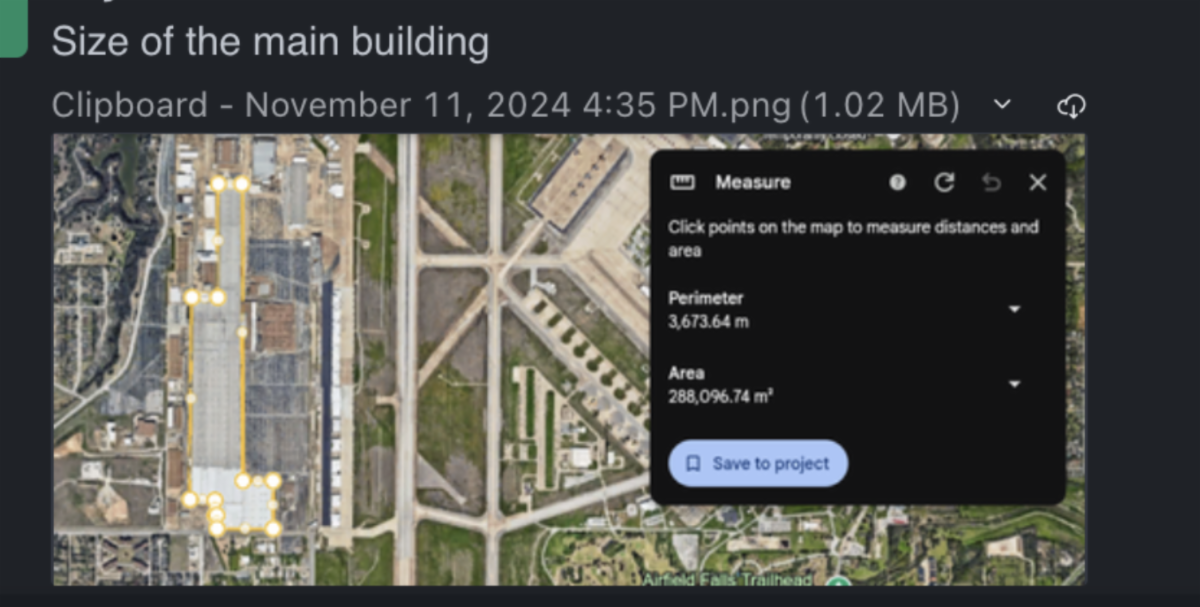
In addition to anti-aircraft capabilities, IS members are also strategising about targeting critical military and industrial infrastructure that supports their adversaries' military capacities. One insider specifically mentioned the Lockheed Martin plant in Fort Worth, Texas, where F-35 fighter jets are manufactured, as an ideal target due to the symbolic and strategic importance of the F-35 program. While this target is practically out of reach given the stringent security surrounding such facilities, the mention reveals IS interest in striking at the heart of the U.S. defence industry. Another suggested strategy involved attacking power lines that supply energy to critical facilities, such as defence manufacturing plants, aiming to disrupt operations without direct physical access. This idea aligns with IS broader objective of economic warfare, targeting state structures and infrastructure to inflict indirect, widespread disruption.
This emphasis on economic warfare has become central to IS operational doctrine since 2021, reflecting a shift toward strategies that weaken state economies and create instability without requiring large-scale military engagements. By targeting economic assets and critical infrastructure, IS aims to create cascading effects that destabilise regions economically, amplifying the impact of their actions and diminishing their adversaries' capacity to maintain order and provide services. Tactics such as targeting power infrastructure, as mentioned in the discussions around power lines, are emblematic of IS strategy to disrupt essential services, sowing chaos and burdening governments with prolonged recovery efforts.
These discussions among IS insiders reveal a sophisticated strategic shift. The group appears to be recalibrating its ambitions from an idealistic pursuit of air power to a more attainable focus on anti-air defences and economic warfare. While direct attacks on high-value Western military facilities are beyond IS current capabilities, the group’s interest in critical infrastructure and symbolic targets indicates its commitment to undermining state stability and economic resilience.
| |
TRAC Insight: Houthis (Ansarallah) and Al-Qaeda in the Arabian Peninsula (AQAP/AQY/ASY) Work Towards an Opportunistic Alliance | |
|
In 2024, an apparent unofficial non-aggression pact formed between the Houthi movement (Ansarallah) and Al-Qaeda in the Arabian Peninsula (AQAP), signalling an unexpected alliance in Yemen’s complex conflict. This arrangement has allowed AQAP to focus attacks exclusively on forces aligned with the Saudi and UAE-backed Presidential Leadership Council (PLC). At the same time, the Houthis have intensified their focus on Israel through missile and blockade campaigns. According to the 11 October 2024 UN Security Council Panel of Experts on Yemen, this agreement includes a ceasefire between the two groups, weaponry exchanges, operations coordination, and even training collaborations.
The Yemeni Civil War has long been characterised by accusations of collaboration with Al-Qaeda, with all sides attempting to discredit opponents by linking them to terrorism. The Houthis frequently accuse the Hadi government and the Islah Party of using AQAP fighters, particularly in high-stakes conflicts like the battle over Aden. Conversely, both the PLC and Houthis seek to demonstrate anti-terrorism credentials to gain favour from international actors like the United States. Yet, in practice, each faction’s primary goal is domestic control, leading both to engage in tactical cooperation with AQAP when advantageous while concealing such alliances whenever possible.
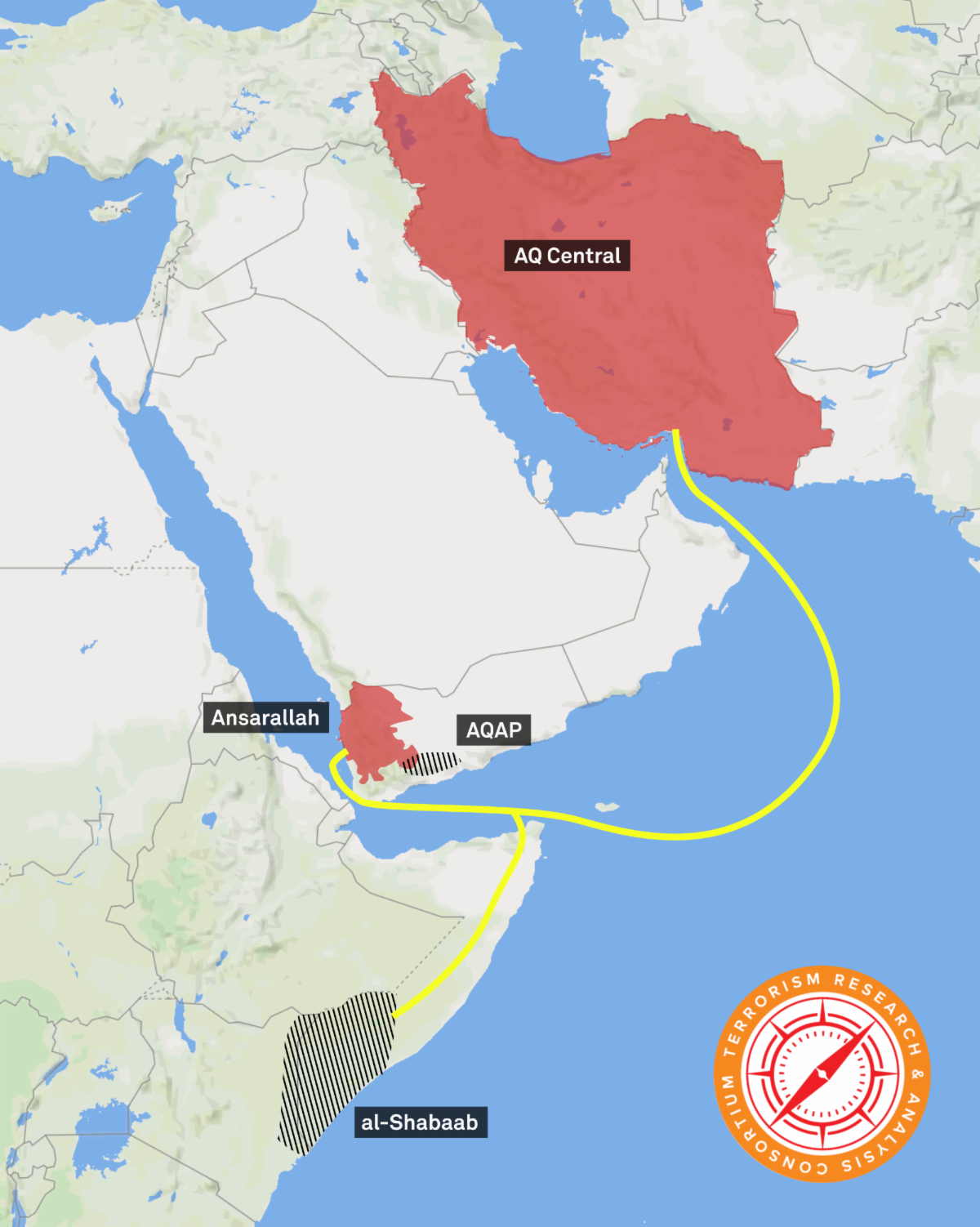
For AQAP, this arrangement offers strategic benefits by allowing the group to exploit the rivalry between the PLC and Houthis. Al-Qaeda can grow and strengthen by playing both sides against each other, avoiding an existential threat from either. Additionally, AQAP’s leader, Saif al-Adl, who has been based in Tehran since 2022 and has ties to the Islamic Revolutionary Guard Corps (IRGC), has likely facilitated AQAP’s cooperation with the Houthis, aligning their interests with Iran’s regional ambitions.
The last recorded clash between AQAP and Houthi fighters occurred on 8 March 2023, marking over a year and a half of relative peace between them. Around this period, AQAP began utilising weaponised drones, a capability that had previously been lacking. Intel suggests that the Houthis provided these drones and trained AQAP in their use, directing the newfound capabilities against their shared enemy, the PLC. This development has been substantiated by evidence indicating that the Houthis transferred weaponised drones, thermal rockets, and explosives to AQAP in early 2024. Between May and August 2024, AQAP conducted eight drone attacks on UAE-backed Shabwah Defense Forces, highlighting the group’s enhanced capabilities, likely due to Houthi assistance.
Further evidence points to Houthi involvement in arms trafficking with Somali AQ affiliate al-Shabaab, extending the network of cooperation across the Red Sea. This arms trade, observed as early as 2022, is growing, with weapons now moving both from Yemen to Somalia and vice versa. Serial numbers on seized weapons point to shared supply chains or direct transfers, indicating a well-established arms trade linking these groups. Such cooperation enhances both the Houthis' and al-Shabaab’s arsenals, reinforcing their positions in their respective regions.
The relationship between Al-Qaeda Central (AQC) and Iran has also become increasingly significant. Al-Qaeda’s Iran-based leadership, including Saif al-Adl, appears to be cultivating relations with Tehran for both strategic manoeuvrability and protection, particularly as U.S. counterterrorism priorities shift elsewhere. While some within AQC disapprove of collaborating with Iran, a Shia-majority nation they traditionally view as heretical, the tactical advantages of Iranian support seem to outweigh ideological differences for now. This alliance has allowed AQC to maintain influence from Iran across Yemen to Somalia, strengthening the network linking AQAP, al-Shabaab, and the Houthis.
While the Houthis gain immediate strategic benefits, such as applying pressure on the PLC without overextending their resources, AQAP uses the alliance to increase its territorial influence and build capacity in Yemen. As the Houthis shift focus toward broader ambitions within the Axis of Resistance, including strikes against Israel, AQAP capitalises on the instability to entrench its position in Yemen. This cooperation allows both groups to maximise gains at the PLC’s expense while avoiding confrontation with each other.
This unlikely partnership between AQAP and the Houthis underscores the shifting dynamics in Yemen and the broader Middle East, revealing how regional actors adapt alliances to capitalise on geopolitical changes. However, the coalition is likely temporary, as both groups lack long-term strategic alignment. Iran’s support for AQAP via the Houthis may be contingent on its interests, and any shift in U.S. or Saudi policy could prompt an abrupt dissolution of the arrangement. Until then, both AQAP and the Houthis stand to benefit from this pragmatic cooperation, leveraging their partnership to expand their influence across Yemen and beyond.
| |
TRAC Incident Report: Islamic State Greater Sahara (ISGS) Militants Led an Armed Assault on Jama’at Nusrat al-Islam wa al-Muslimin (JNIM) Militants Between Dori and Titabé, Séno Province, Burkina Faso | |
|
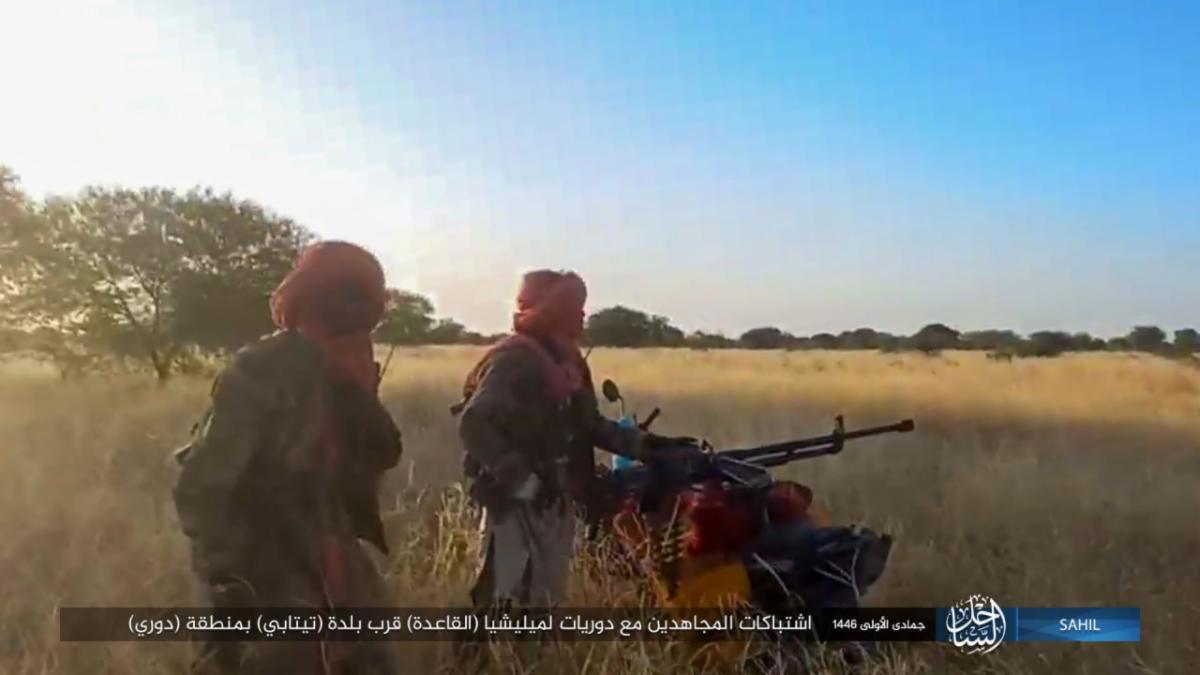
On 7 November 2024, Islamic State in the Greater Sahara (ISGS) militants launched an armed assault on Jama’at Nusrat al-Islam wa al-Muslimin (JNIM) fighters between Dori and Titabé in Burkina Faso's Séno Province. Sources indicate that ISGS militants killed nine JNIM members and seized a cache of weapons and ammunition during the clash. This encounter is part of an ongoing, complex relationship between the two rival jihadist factions operating in the Sahel region.
Despite their shared ideological roots in jihadist extremism, ISGS and JNIM maintain an adversarial relationship. Although they sometimes adhere to a pragmatic non-aggression pact, this agreement frequently breaks down, leading to violent confrontations. At best, their relationship can be described as ambivalent and, at worst, overtly hostile. The two groups have been known to engage in intense periods of conflict, clashing multiple times per week during peak hostilities, only to fall back into periods of relative calm. This fragile and often violated non-aggression agreement reflects a functional "divide and conquer" approach, with each group informally controlling different territories across Burkina Faso, Mali, and Niger.
This rivalry between ISGS and JNIM presents a strategic opportunity for the Burkinabe government. While these groups remain focused on fighting each other, they need to be more unified in their threat against state forces, potentially creating a window for the government to reclaim control over contested areas. Specifically, with ISGS and JNIM distracted by infighting, the Burkinabe government could exploit this internal jihadist conflict to its advantage, deploying genuine security forces to regain ground around Séno Province. However, this would require a more substantial governmental commitment to building and deploying a professional military presence rather than relying on under-resourced volunteer militias, as it has in the past.
The Burkinabe government’s reluctance to fully mobilise and support its national army has limited its ability to capitalise on such opportunities in the past. Despite the apparent advantage presented by the ISGS-JNIM rivalry, Burkina Faso’s reliance on poorly equipped volunteer militias reflects a broader issue of inadequate state response to the security crisis in the region. Without a substantial shift in strategy—toward deploying a robust, professional military force—any gains against ISGS and JNIM are likely to be temporary, leaving the region vulnerable to renewed insurgent control.
| |
TRAC Incident Report: Free Papua Movement (OPM) Militants Wound a Construction Worker in a Knife Attack in Elelim District, Yalimo Regency, Papua Mountains, Indonesia | |
|
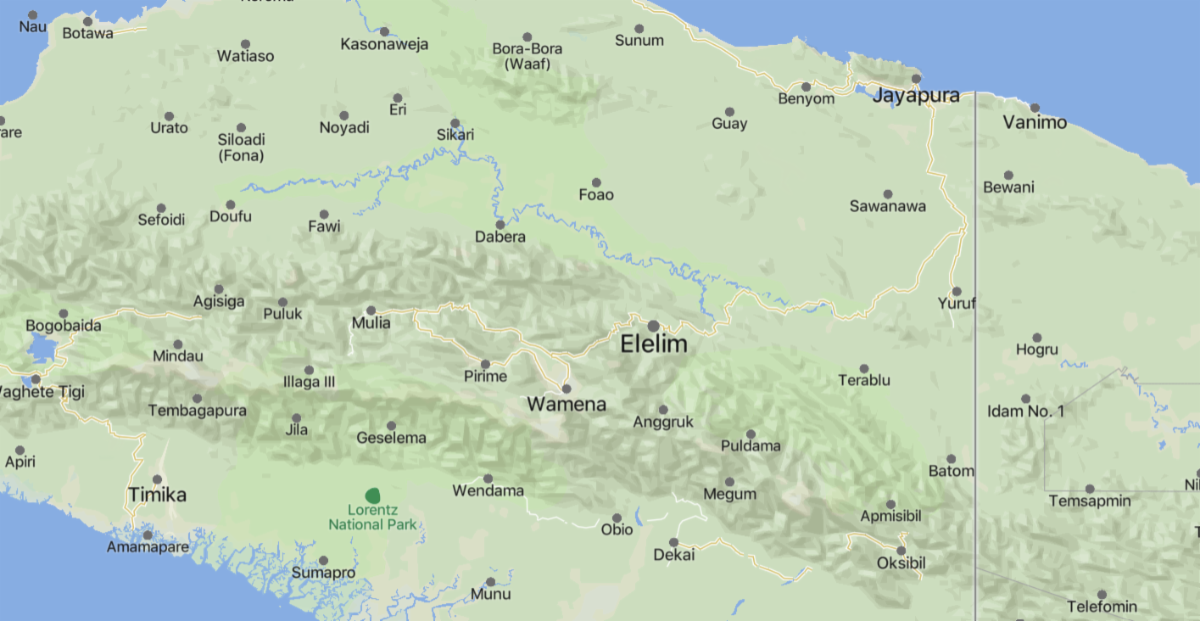
On 4 November 2024, at approximately 1 pm local time, suspected militants from the Free Papua Movement (Organisasi Papua Merdeka, or OPM) carried out a knife attack on a 34-year-old heavy equipment worker, identified only by the initials AH, in the Elelim District of Yalimo Regency, Papua, Indonesia. The victim sustained a shoulder injury in the assault. This incident underscores the ongoing violence by OPM against workers involved in development projects across Papua, which the group perceives as a threat to their autonomy and a pathway for Indonesian government influence in the region.
The incident is part of a broader pattern of OPM attacks aimed at disrupting the construction of the Trans-Papua Highway. This strategic infrastructure project stretches across the island from Sorong to Merauke. This highway project, comprising 12 segments, was initially slated for completion in 2018. However, construction has been repeatedly delayed due to security challenges posed by OPM’s armed resistance. The Indonesian government announced plans to resume construction in July 2024, escalating regional tensions. The OPM views this development as an encroachment on Papuan sovereignty and an attempt to exploit the region's natural resources.
While the precise location of the attack within Elelim District remains unclear, TRAC notes that the Jalan Trans Jayapura-Wamena highway, a crucial segment of the Trans-Papua Highway, intersects Elelim. Given the victim’s occupation as a construction worker, TRAC attributes the attack to OPM, which has a history of targeting individuals involved in government-led infrastructure projects. The OPM’s opposition to such development dates back to its founding in December 1963, when it declared, “We do not want modern life! We refuse any kind of development: religious groups, aid agencies, and governmental organizations, just leave us alone!”
Supporting TRAC's analysis, just one day after this incident, a separate OPM-affiliated group shot and killed a truck driver travelling on the Jalan Trans Jayapura-Wamena road in Wara, Elelim District. This pattern of violence along crucial transit routes used by construction and logistics workers highlights OPM's targeted approach to disrupting development projects and their willingness to use lethal force against civilians associated with government-backed initiatives.
| |
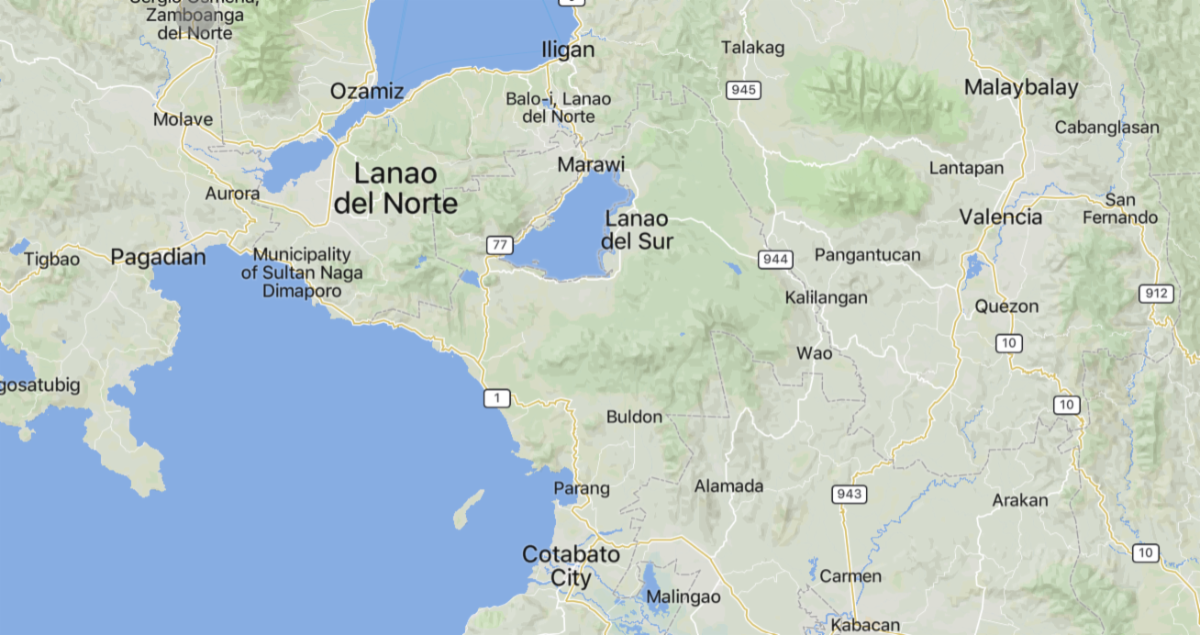
TRAC Incident Report: Clashes Erupt Between Suspected Islamic State East Asia (ISEA) Militants and Army Troops in Lanao del Norte, Philippines | |
(Claim / Anonymous Anarchist) Italian Anarchist Arson Attack on 24 EnjoyEni Vehicles, in Solidarity with Palestine, in Assago, Milan, Italy | |
(Poster/ Right-Wing Extremism): Order of the Nine Angles (O9A/ONA) Circulate Stochastic Poster ‘Take Up Arms’ | | | | |