|
Row-Crop Markets in Transition: Supply, Demand, and Pricing Opportunities
Grant Gardner, Assistant Extension Professor, University of Kentucky
Hunter D. Biram, Assistant Professor and Agricultural Economist, University of Arkansas
Ryan Loy, Assistant Professor and Agricultural Economist, University of Arkansas
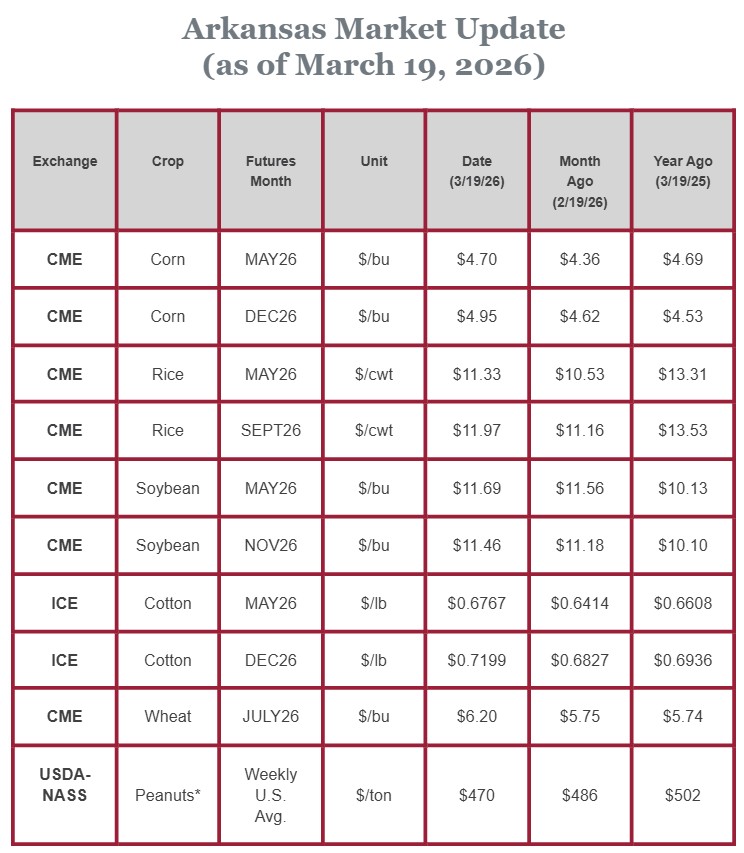
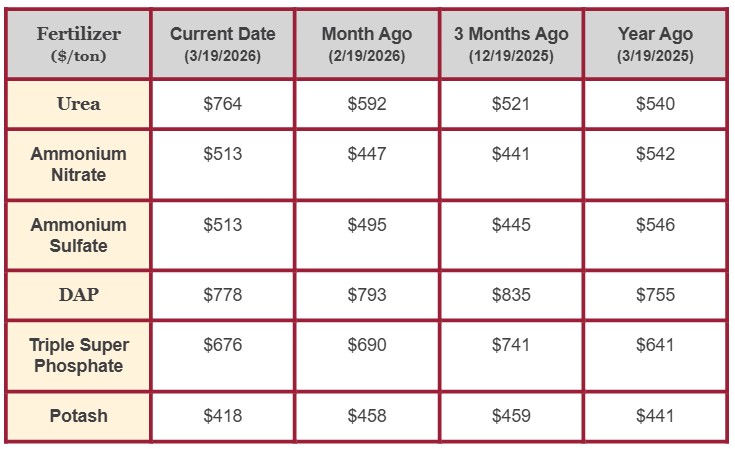
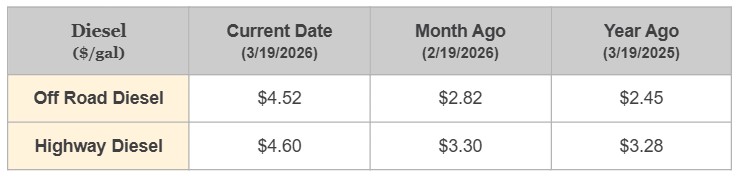
The current downturn in the U.S. row-crop sector reflects a market correction following the strong profitability of 2021–2022, mostly driven by pent-up demand during COVID-19. High prices encouraged production expansion both domestically and globally, and that supply has now caught up with demand. As stocks have been rebuilt, prices have declined, and input costs have remained elevated, keeping pressure on margins across much of the sector since 2023.
The current environment is defined by ample supplies, uneven demand growth, and a persistently high cost structure. Domestic demand has expanded in areas such as biofuels and oilseed processing, but export losses across the row-crop complex have limited overall demand growth. At the same time, strong production (particularly in corn) has kept supplies elevated, maintaining pressure on margins across many production systems.
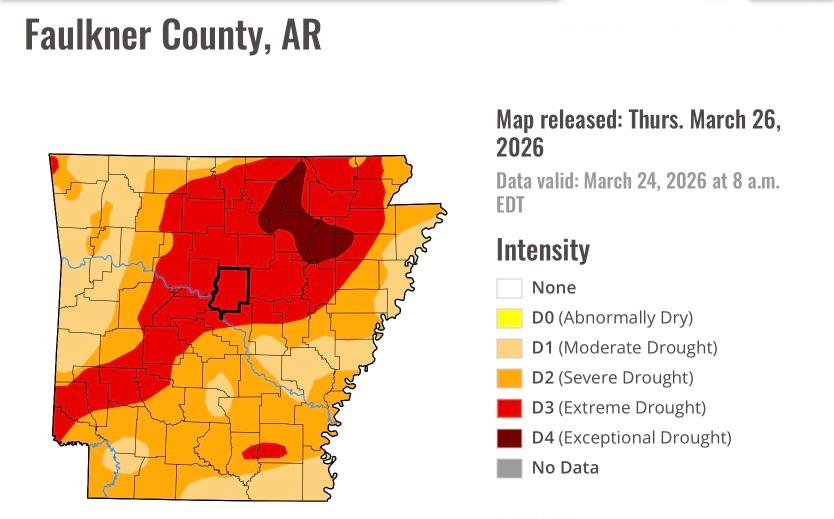
Recent price strength has been driven largely by geopolitical risk and renewed export optimism. Conflict in the Middle East has pushed energy markets higher and added a risk premium to agricultural commodities, while expectations of increased Chinese buying have provided additional support. Additionally, drought in Hard Red Winter wheat regions has supported wheat pricing opportunities.
The recent rally appears to be driven more by uncertainty than by a meaningful tightening of underlying supply and demand. Global production remains large, stocks remain high for corn and wheat, and the broader imbalance that has pressured margins has not materially changed.
A more durable recovery depends on soybeans becoming more competitive within the rotation. Without a shift in relative prices that encourages more soybean planting and less corn planting, overall supplies are unlikely to adjust meaningfully. Higher fertilizer prices are increasing the relative attractiveness of soybeans, raising the likelihood of larger soybean plantings in 2026 and contributing to downward pressure on soybean futures from recent highs.
Current prices likely reflect temporary strength relative to underlying fundamentals. In the current environment, where supplies remain ample and acreage shifts may not materially tighten balance sheets, rallies tend to be short-lived. As a result, recent price strength presents pricing opportunities rather than long-term price strength returning to the sector.
|