Greetings from Nairobi! I hope you are healthy and safe.
February and March have been busy months for our sector. World Wildlife Day (March 3rd) and International Women's Day (March 8th) were wonderful moments of advocacy and collaboration across the world. In March, Kenya and four other African countries were invited to President Biden's Climate Summit on April 22nd - Earth Day. From climate action to women's empowerment, partners continue to drive forward meaningful development under some of the most challenging circumstances and continued pandemic restrictions. A highlight for me was learning about Naomi Lechongoro, who is referred to as the "elephant whisperer," for her care of abandoned and orphaned elephant calves at Reteti Elephant Sanctuary. Her story embodies the Kiswahili saying: Mazingira ni kitovu cha maendeleo - the environment is the cornerstone of development.
Until next time,
Aurelia Micko
Environment Office Director
USAID Kenya and East Africa
|
|
|
Celebrating Women in Conservation during the International Women's Day
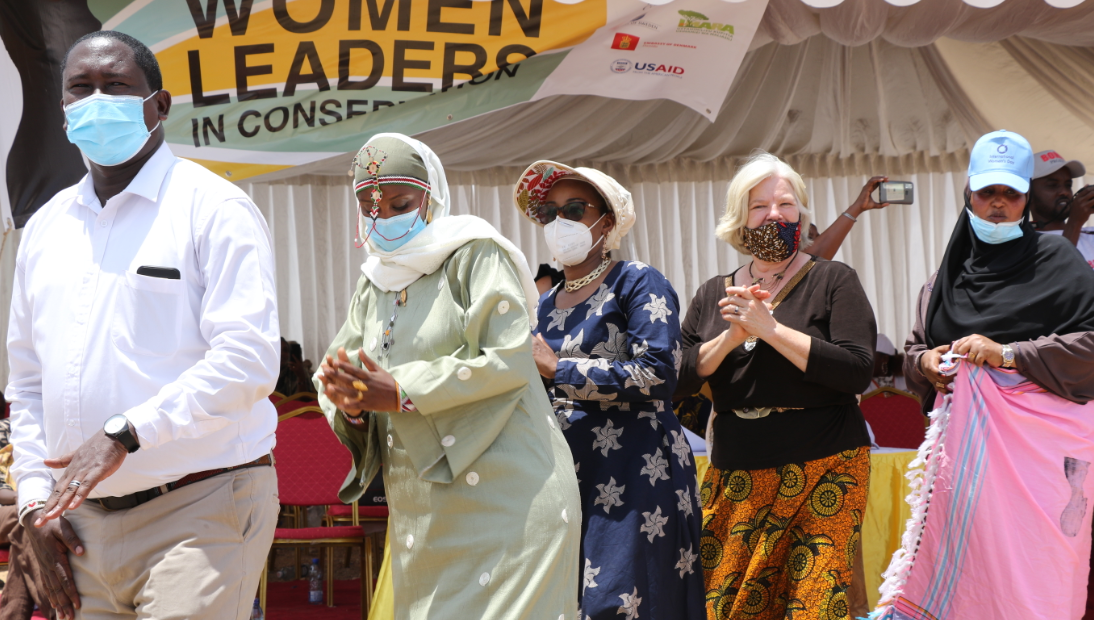
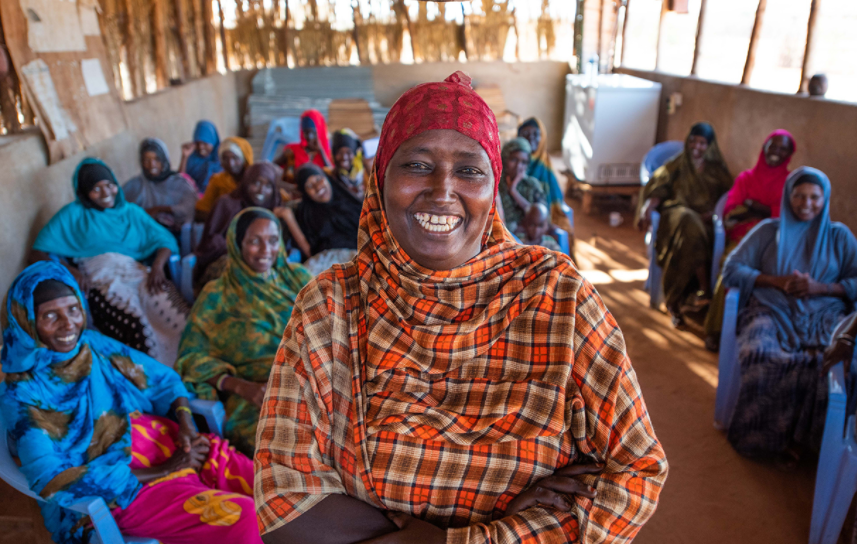
USAID joined the Northern Rangelands Trust community to celebrate International Women’s Day in Melako Community Conservancy in Marsabit County. Approximately 130 women from conservancies across Kenya participated in the event to celebrate milestones achieved through NRT’s community conservation model. USAID Kenya East African Deputy Mission Director Heather Schlidge greeted the women and remarked, "what better day to start giving hope to one another and to our plant than by celebrating women and their contributions to creating peace and safeguarding the environment." Read more here. Photo credit: Vivian Jebet/NRT
|
|
|
Diversity of Environment, Diversity of Teams
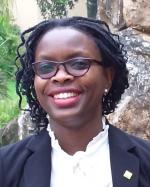
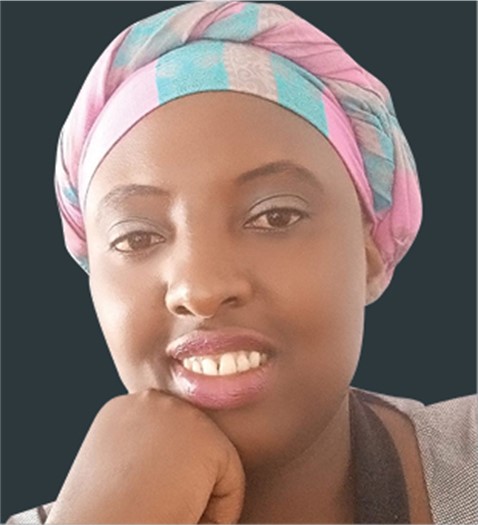
We interviewed Sophie Kutegeka on her work and influences as part of commemorating International Women's Day. Sophie serves as Cheif of Party for the USAID activity Conserving Natural Capital and Enhancing Collaborative Management of Transboundary Resources in Research (CONNECT). She leads CONNECT's consortium of partners whose purpose is to strengthen the conservation and management of transboundary natural resources across the EAC member states. Karibu Sophie!
Did you have a role model that influenced your decision to work in conservation?
My mother led several local groups around Budongo Forest [in Uganda] which I witnessed changing peoples’ lives, the local environment and raising interest among the local authorities. I developed an interest in conservation work by observing what my mother used to do.
What is your proudest conservation achievement?
My proudest conservation achievement was the successful adoption of the Forest Landscape Restoration approach by the Government of Uganda which required strategic leadership to convince the top leadership to commit to the Bonn Challenge. The unique approach and strategy I applied to secure buy-in and ensure that the pledge was announced during the Climate Summit by the President was a great achievement.
What challenges did you have to overcome in this field?
As a young woman, leading a team of scientists in a male-dominated space was one of the major challenges I had to overcome. In addition, coming from a humanities background into conservation required me to demonstrate my unique value and approach in order to earn respect. I had to work hard, make sacrifices, and commit extra time to make my voice heard.
What can be done to encourage more women to consider a career in conservation?
There is a need to change the narrative of how conservation works by recognizing the special role and contribution women make. Women need to be supported to take up conservation leadership roles which were never envisaged for them. Decisions to protect the diversity of our environment need to recognize the diversity of the teams that work to make this happen, equally bringing both men and women into the space.
Any advice to women interested in a career in conservation?
I encourage women interested in pursuing a career in conservation to build confidence around the fact that we bring a very special and unique contribution to this space. Believe in yourself and trust in your instincts of creating change and thinking big.
|
|
|
|
Turning the Tide: How shipping companies are accelerating action against wildlife trafficking
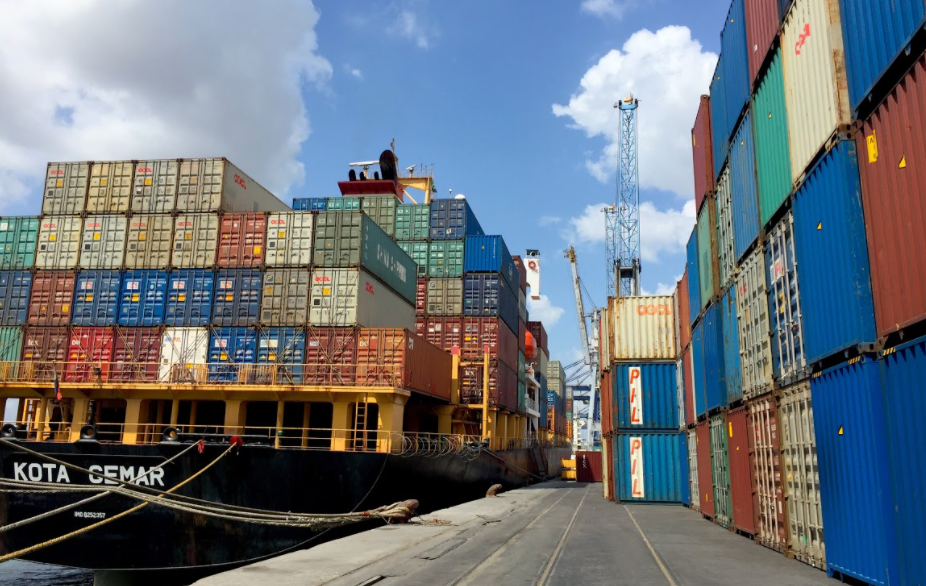
Over 90% of the world's trade goes over sea and illegal wildlife trade is among the five most lucrative illegal trades globally and estimated to be worth up to US$23 billion annually. The United Nations Development Programme (UNDP) and Global Environment Facility (GEF) project Reducing Maritime Trafficking of Wildlife between Africa and Asia is a USD$4 million partnership initiative aimed to curb maritime wildlife trafficking, targeting key routes and transit points between Africa and Asia. The project is part of the GEF-financed, World Bank-led Global Wildlife Program that was launched in June 2015 and has been implemented by UNDP since 2018. In 2021, it was expanded through funding from USAID. Read this Exposure story that highlights key outcomes of the project. Photo credit: Tamara Tschentscher/UNDP
|
|
We Can't Save the Planet Without Women
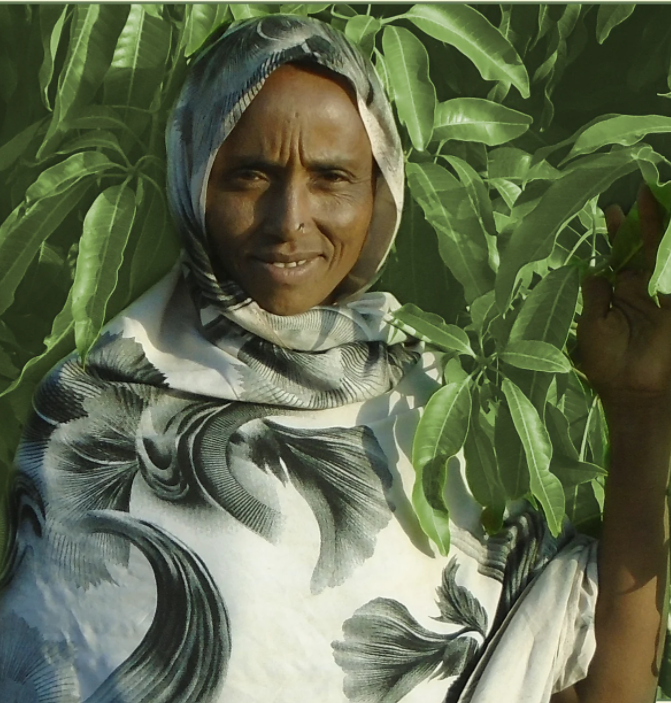
It has been estimated that the COVID-19 pandemic will set the progress of women back 10 years. Yet, without women - forward movement in education, conservation, business, health, governance and most aspects of society would stall. Habiba Tadicha became the first woman to be elected chair of a Northern Rangelands Trust-member conservancy in 2014 and is now the Vice Chair of NRT’s Council of Elders. Habiba has brought many improvements to Biliqo Bulesa Community Conservancy. She is a strong voice for women in her community. Watch her story here and read more about The Nature's Conservancy's efforts to amplify the contributions of women throughout conservation here. Photo credit: Roshni Lodha
|
|
|
|
|
|
Women Fighting Wildlife Crime
What better way to celebrate #WorldWildlifeDay than to look at women around the world leading the charge to protect wildlife. Protecting wildlife is a shared responsibility and these women are not waiting for the doors to open - they know the world needs their leadership now. Read more from UNDP.
|
|
|
|
Greater Maasai Mara Ecosystem Management Plan Process Commissioned
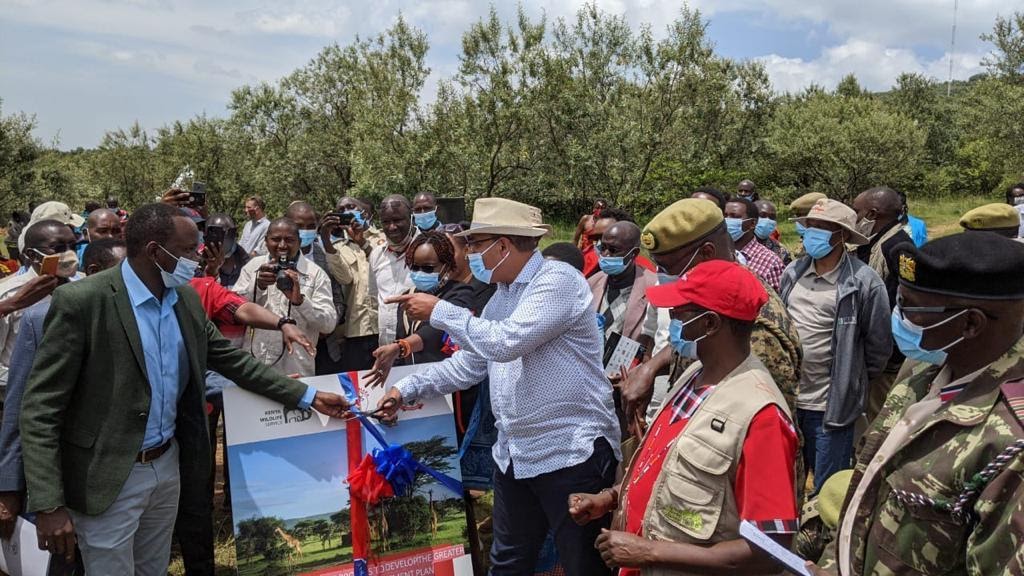
The Maasai Mara ecosystem is home to approximately 25% of Kenya’s wildlife. USAID is partnering with Maasai Mara Wildlife Conservancies Association (MMWCA) to develop a plan to protect wildlife and support communities that live in the landscape. USAID KEA Environment Office Director Aurelia Micko joined the Cabinet Secretary for Tourism and Wildlife, Hon. Najib Balala, at the launch for the planning process of the Greater Maasai Mara Ecosystem Management Plan in February. The CS noted that if done well, the Plan, "will be a benefit to the community as well as future posterity of the wildlife heritage.”
|
|
Regional Centre for Mapping of Resources for Development (RCMRD) Lilian Ndungu Among Geospatial World 50 Rising Stars!
Geospatial Media and Communications has selected Lilian Ndungu as one of its inaugural Geospatial World 50 Rising Stars. The program recognizes outstanding accomplishments of young people who are proactive and passionate about the value of geospatial technology to the economy and society. Lilian is the Thematic Lead for Agriculture and Food Security for USAID partner RCMRD and was selected from a list of over 250 nominations across six continents and 24 countries. Lilian was commended for leading the establishment of regional and national crop monitors and supporting the Kenya crop insurance program. Hongera sana, Lilian! Read more about Lilian's achievement here.
|
|
|
 |
Conservation Alliance of Kenya (CAK) "Conservation Conversation"
Climate Change & Wildlife Conservation
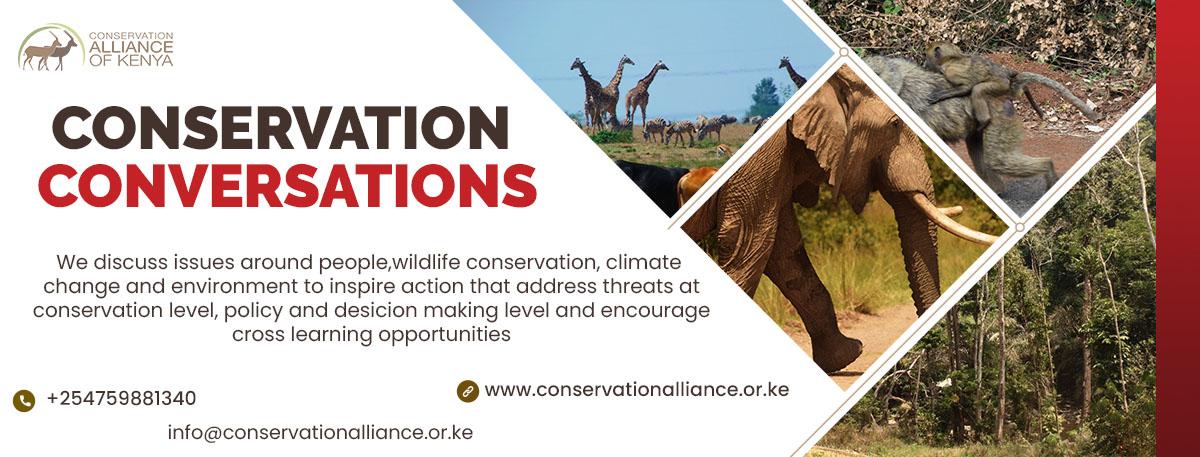
CAK's monthly forum provides members and the public the opportunity to learn what CAK is doing to enhance cross-sectoral learning and collaboration. March's webinar focused on climate change and wildlife conservation and can be viewed here.
|
*Are you fostering locally led development through strategic collaboration with local partners?
*Are you creating a learning culture within your organization?
The annual Collaborating, Learning and Adapting (CLA) Case Competition captures real-life examples of USAID staff and partners using CLA approaches to achieve better development outcomes. The 2021 CLA Case Competition opens on Monday, April 5th and closes after the first 80 submissions are received or on Friday, May 21st at 5:00pm EDT, whichever comes sooner. All the details here.
|
Crimes Against Wildlife and the Environment: Court Monitoring Report
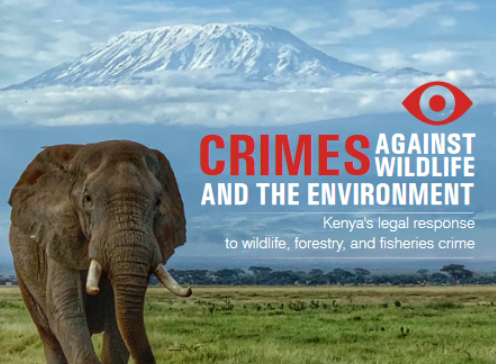
WildlifeDirect has launched its fourth report on the outcomes of wildlife crime cases in Kenya, including incidents involving forests and fisheries. ‘Eyes in the Courtroom’ began in 2013 as a response to the crisis of poaching of elephants and other endangered wildlife. It has become an important tool for the wildlife crime enforcement within judicial agencies. Download the report here.
|
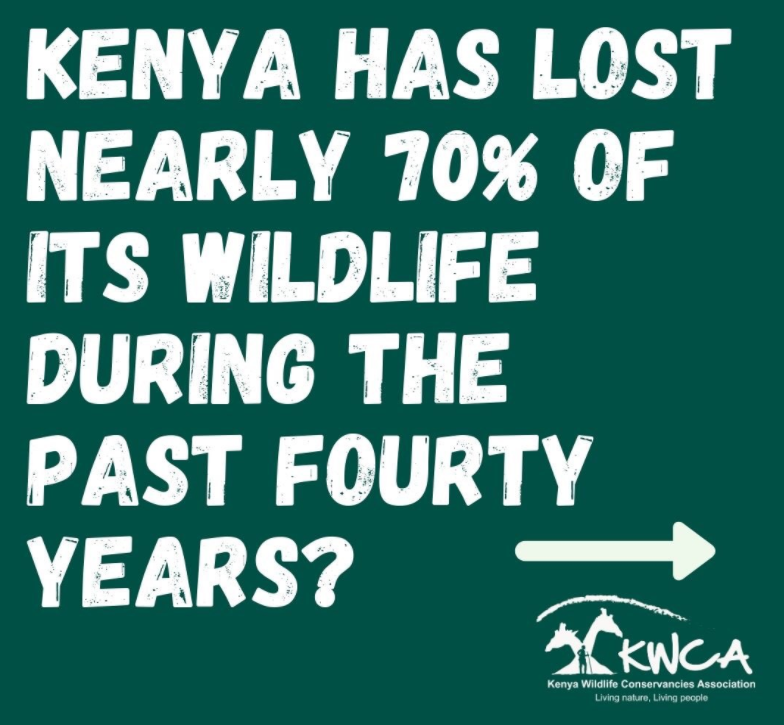
Kenya Wildlife Conservancies Association (KWCA) Launches second annual #WildAboutLife campaign for World Wildlife Day
You can follow KWCA's campaign on Twitter and Facebook to see how KWCA is enhancing youth knowledge on conservancies. Youth in Kenya comprise up to 70% of the country and play an important role in conservation. Read more.
|
|
|
|
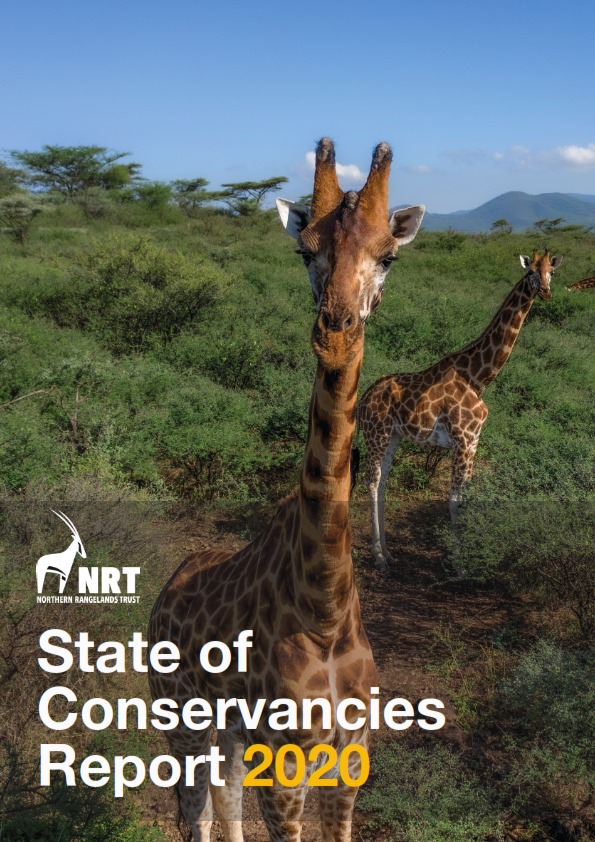
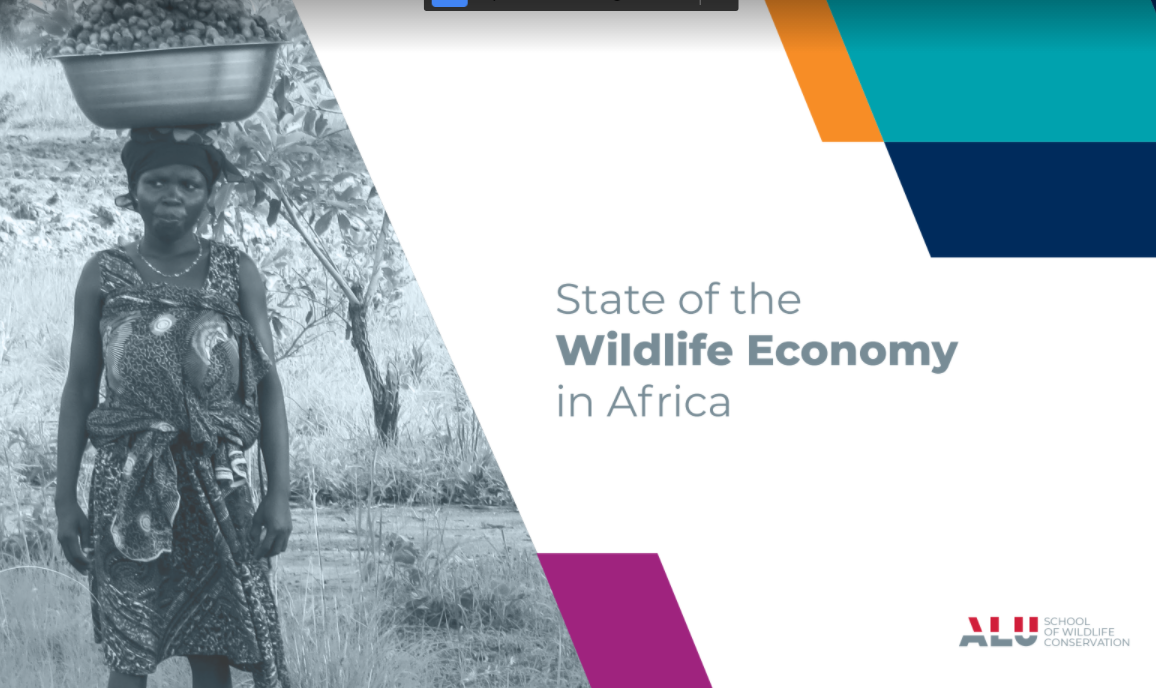
State of the Wildlife Economy in Africa Report Now Available
Africa Leadership University School of Wildlife Conservation has recently published the Africa Wildlife in the Economy Report. The report provides an overview of the current status of the wildlife economy in Africa, including data from across the continent. In addition, there are detailed case studies on Ghana, Gabon, Kenya, South Africa and Rwanda. The report is accessible here.
|
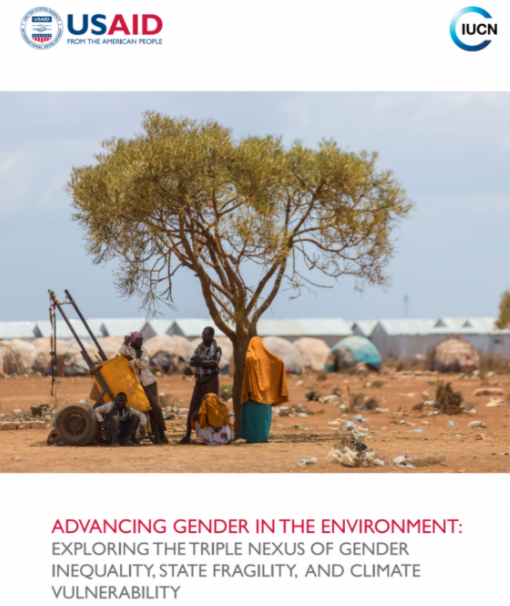
Advancing Gender in the Environment: Exploring the triple nexus of gender inequality, state fragility, and climate vulnerability
A new study commissioned by USAID, under the Advancing Gender in the Environment (AGENT) partnership with International Union for Conservation of Nature ( IUCN), has found significant linkages between gender inequality, state fragility, and climate vulnerability -- a “triple nexus” that undermines resiliency and sustainability. Read the report here.
|
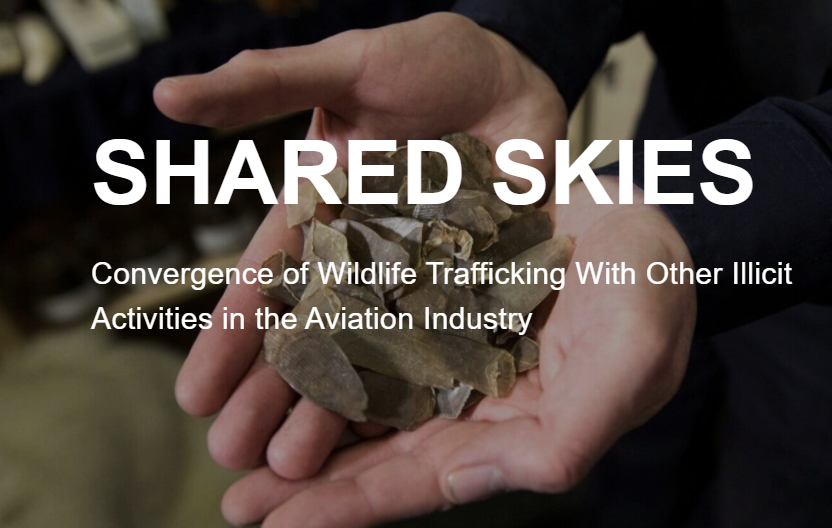
C4ADS’ new brief, Shared Skies, produced in conjunction with the ROUTES Partnership, offers a conceptual framework and data-driven workflows for evaluating illicit convergence in the air transport sector. Get it here.
|
|
|
|
|
Upcoming International Advocacy Days
|
|
|
|
Climatelinks is USAID's global knowledge portal for climate change and development. The site has a new design and updated content to bring climate resources and tools to the fingertips of the development community. Visit the site for a multitude of climate resources here.
|
|
|
|
|
Challenges & Action: From Grassroots to Policy
|
|
|
USAID KEA ENVIRONMENT OFFICE CONSERVATION HERO |
|
|
|
We look forward to celebrating the everyday heroes who are taking action to serve communities and the planet. In future newsletters, we will feature a conservation hero that has been nominated by you - our community. Please nominate those in your community or organization who should be acknowledged for their environmental efforts! Students, leaders, teachers, parents, neighbors - anyone is eligible to be featured. Nominate here.
Charles Lekatai: A Bridge Over Troubled Water
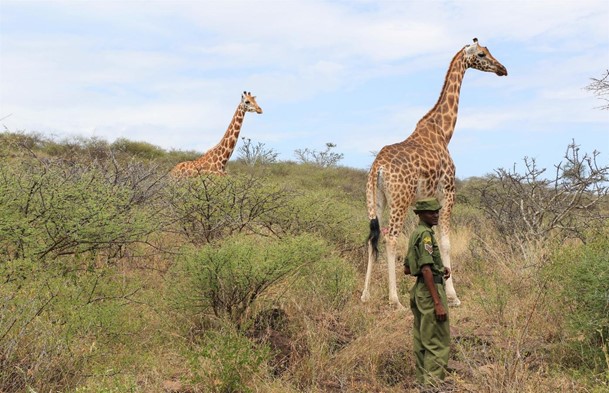
Charles Lekatai is a ranger commander at Ruko Community Conservancy in Baringo County. Charles leads a team of rangers who serve as giraffe guardians. They take care of the needs of eight critically endangered Nubian giraffes in the conservancy by making sure they have adequate nutrition and protection. Charles leads the efforts to protect the giraffes from the rising water levels of Lake Baringo. The plight of the giraffes has been covered in both local and international press and since December last year. He has led the successful relocation efforts of four of the giraffes. One by one and over the course of three months, all four giraffes were relocated by barge across Lake Baringo to safety on a mainland sanctuary in Ruko Conservancy. Plans are underway to relocate the remaining giraffes soon. Charles has been actively engaged in raising awareness on giraffe conservation in the surrounding communities and has facilitated community meetings and school trips to the island. Asante sana, Charles!
|
|
ENVIRONMENT NEWS AND OPINION ROUNDUP
(Articles and headlines are taken directly from the sources cited)
|
|
|
|
The Leaders Summit on Climate will underscore the urgency – and the economic benefits – of stronger climate action. It will be a key milestone on the road to the United Nations Climate Change Conference (COP26) this November in Glasgow. Five African countries have been invited: Democratic Republic of the Congo, Gabon, Kenya, Nigeria and South Africa. Source: The White House. Read more here.
The African forest elephant (Loxodonta cyclotis) is now listed as critically endangered and the African savanna elephant (Loxodonta africana) as Endangered on the IUCN Red List of Threatened Species™. Previously, African elephants were treated as a single species, listed as Vulnerable; this is the first time the two species have been assessed separately for the IUCN Red List. Source: IUCN Read more.
Around the world, women are leaders, stewards, educators, engineers, farmers & scientists who contribute invaluable experiences & knowledge to effectively safeguard our environment & realise sustainable development goals. So where are they in top decision-making positions? Source: IUCN Read
WildlifeDirect welcomes a ruling by the National Environmental Tribunal yesterday that ordered all activities be stopped at a new avocado farm sited in key wildlife and livestock habitat near Amboseli National Park. The National Environment Tribunal ruling on March 23, 2021, ordered work to stop until the next substantive hearing in this case on March 31, 2021. Source: WildlifeDirect. Read more.
Two Samburu female rangers who are protecting wildlife and communities in Meibae Community Conservancy. Source: Citizen TV. Watch.
Eleven counties in arid and semi-arid areas are to benefit from Sh3.4 billion Green Climate Funds for drought mitigation. The five-year 'Towards Ending Drought Emergencies' programme will help reduce the cost of climate change-induced drought on the national economy. Source: The Star. Read more.
Going unnoticed—while staying alert—is a requirement on a walking safari. Unlike in a vehicle, you're not just viewing the wild; you're within it. Source: CondeNast Traveler. Read more.
Illegal sand mining in Kakumiro District in western Uganda is degrading wetlands that are sources of water for residents and destroying habitat of aquatic animals. Since 2014, more than 16 wetlands have been degraded in the district as a result of illegal sand mining, according to an environmental status report from the district’s natural resources department. Source: Daily Monitor. Read more.
For communities living on the front lines of wildlife habitats, the reality of sharing space with animals can be harsh – especially the cost of living alongside often contested protected areas, national parks and nature reserves. So depending on who or where you are, your perception of elephants may differ. Source: AlJazeera. Read more.
The collapse of ecotourism during the pandemic and moves to lease land to big farms threaten vital conservation corridors. Source: The Guardian. Read more.
Sustainable land governance requires that all members of a community, both women and men, have equal rights and say in decisions that affect their collectively held lands. Unfortunately, women around the world have less land ownership and weaker land rights than men – but this can change, and a new report from WRI’s Governance Center shows ways how that can be done. Source: World Resources Institute. Read more.
|
|
|
|
|
|
|