Can't see the full newsletter? Please accept images and add Lawson LEADS (lawsonresearch-sjhc.london.on.ca@shared1.ccsend.com) to your safe list. | | Strengthening our research community through connection | |
Dear colleagues,
As Lawson Research Institute (Lawson) continues through an important period of renewal and transition, I want to emphasize the importance of attending and actively engaging in events held by our research program.
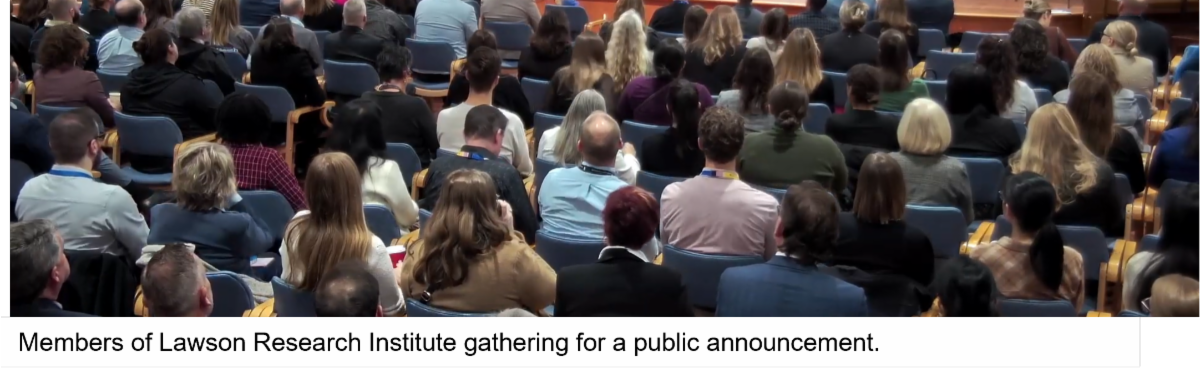
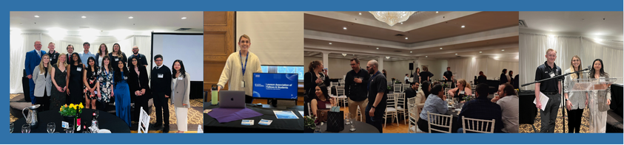
Lawson’s scientific workshops, research days, speaker sessions, trainee events, institutional announcements and community gatherings offer opportunities to showcase the breadth and quality of our research. Attending these events also supports our colleagues and trainees, strengthens connections across programs and demonstrates our vitality as a research institute.
We are all busy with our portfolios; clinical work, research, teaching, administrative and personal responsibilities all compete for time and it is not always easy to step away from the many tasks at hand. However, when Lawson hosts events to showcase our people, our science, our infrastructure, or our strategic direction, visible participation from our research community matters.
Attendance from Lawson researchers and scientists sends an important message to visiting speakers, funders, hospital and university partners, donors, trainees and - just as importantly - to one another.
Going forward, I ask all scientists, staff, trainees and research teams to make every reasonable effort to attend and support Lawson events when invited, especially those that are institute-wide or externally facing. I also encourage supervisors and program leaders to help ensure that trainees and staff are aware of these opportunities and understand their value.
Lawson’s strength lies not only in individual laboratories, platforms or programs, but also within our culture and the collective community we create. Being physically present reinforces that we are one institute with shared goals and a strong pride in our work. Being present is also how new conversations and collaborations begin, how we discover what is happening down the corridor or at another site and how ideas and technologies cross-fertilize in ways that are often hard to predict.
Lawson is a transdisciplinary environment in the broadest sense. Our research spans a wide range of areas, from spirituality and brain imaging to fundamental discovery, clinical trials, molecular mechanisms, health systems and community impact. This diversity is one of our greatest strengths. Bringing these areas together creates opportunities for new research visions and, at times, entirely unexpected ways to help patients and communities. I would very much welcome ideas on how we can continue to bring our community together, share research and create networking opportunities; this could be through an after-work gathering, occasional poster sessions, morning tea, informal research showcases, or something else entirely.
Soon, further information will be shared on the evolving administrative structure for research at Lawson. This work aims to strengthen our ability to support studies more effectively, improve operational clarity and improve service to our research teams. It also reflects a significant commitment to research infrastructure, including potential investment in areas that directly support our capacity to undertake high-quality studies. We look forward to showing you the new operational structure and discussing how it will help us better support investigators, staff, trainees, and partners.
Thank you for your continued commitment to Lawson and to one another.
Jeremy Burton,
Interim Vice President, Research and Scientific Director, Lawson Research Institute
| | Sacred Moments gains national attention | | |
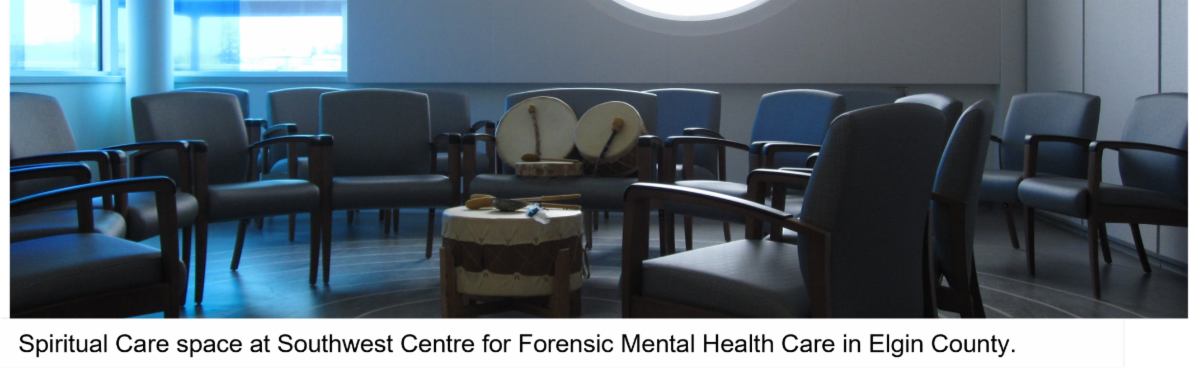
Lawson researchers, Dale Nikkel, PhD, MDiv, and Stephen Yeo, MDiv, along with Spiritual Care team members Heather Vanderstelt and Karen Weima presented a session on ‘Sacred Moments’ at the National Conference of the Canadian Association for Spiritual Care in Ottawa on April 27. The session, entitled "Innovation Through Sacred Moment Rounding," outlined a successful quality pilot initiative at St. Joseph's Health Care London, where Spiritual Care staff led 10 sacred moments rounds with more than 100 staff over several months and evaluated key themes for future integration.
| | How do young people with bipolar disorder experience spirituality? | | |
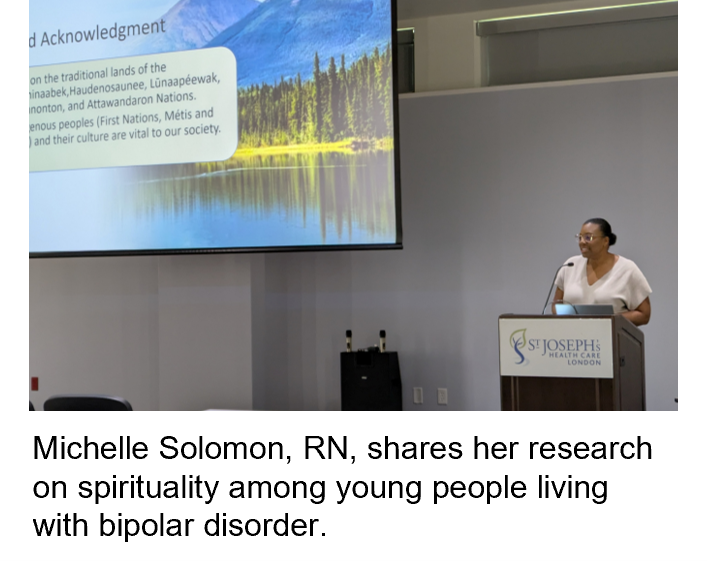
Michelle Solomon, PhD, RN, offered a powerful look at how young people living with bipolar disorder experience spirituality at the May Mental Health Research Pillar speaker series. Using a photovoice approach, youth shared images and personal reflections that captured moments, meaning and connection. Solomon’s work revealed the complex ways mental illness and spiritual experiences interact, while also highlighting opportunities to better support wellbeing. The session prompted reflection on how individual and system-level approaches to care can better support young people living with bipolar disorder by recognizing spirituality as part of person-centred mental health care.
| | Strengthening trauma-informed care | |
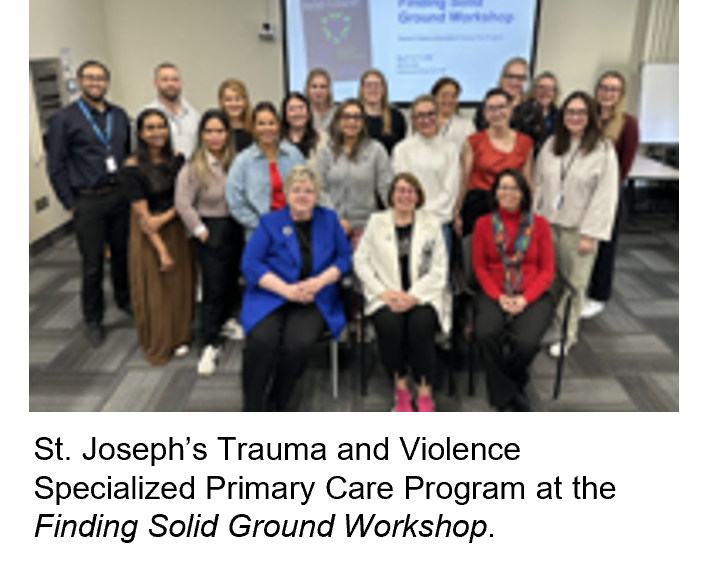
St. Joseph’s Trauma and Violence Specialized Primary Care Program recently hosted Finding Solid Ground, a workshop led by internationally recognized trauma experts Ruth Lanius, PhD, Lawson scientist, and Bethany Brand, PhD. The session focused on evidence-informed strategies to support people living with complex trauma and dissociative symptoms, including grounding, emotional regulation and stabilization. Bringing the team together for this training helped strengthen trauma-informed clinical practice and support the program’s ongoing work to provide specialized care for individuals with histories of significant trauma and adversity.
| Are we missing clues to joing pain hidden under the microscope | |
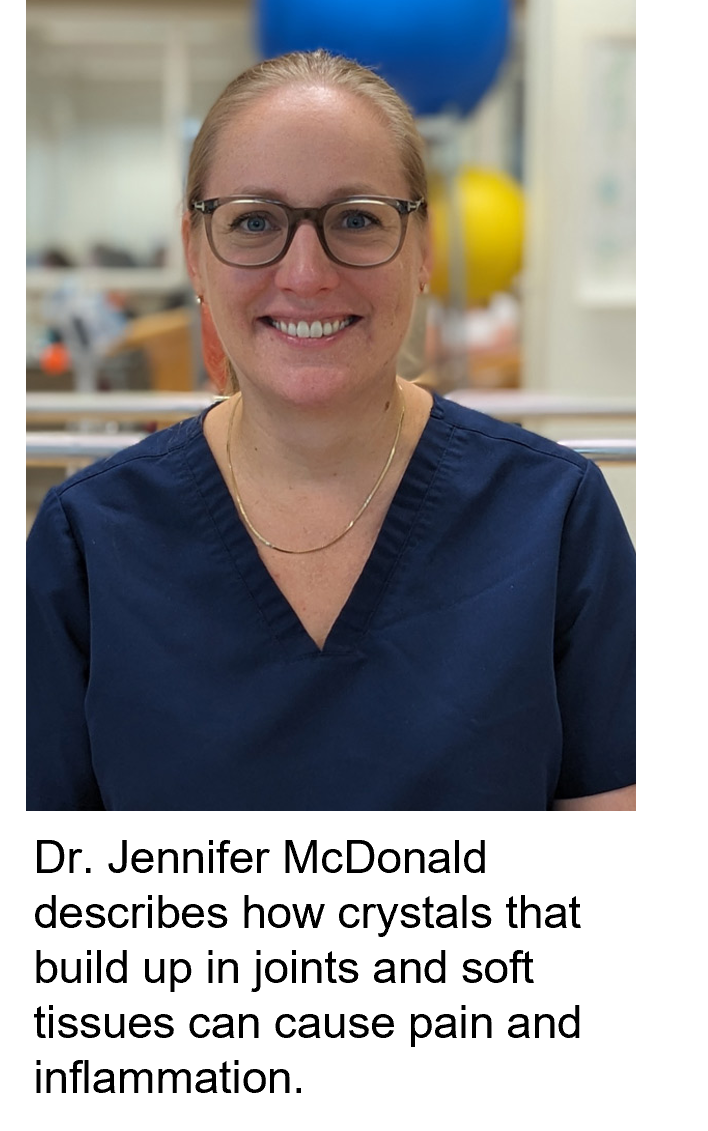
A closer look at crystal-related joint conditions was the focus of a recent Physical Medicine and Rehabilitation Grand Rounds led by Dr. Jennifer McDonald. The session explored how different types of crystals, such as uric acid (linked to gout) and calcium-based crystals, can build up in joints and soft tissues, leading to pain and inflammation. Dr. McDonald shared how these conditions present in the clinic and how imaging tools can help visualize deposits, while microscopy techniques use polarized light to make otherwise invisible crystals shine under magnification. Connecting what clinicians see in the clinic with what can be observed under the microscope, underscores how combining diagnostic approaches can support more accurate diagnosis and more targeted, effective care.
| PREFACER trial explores rehabilitation for long COVID fatigue | |
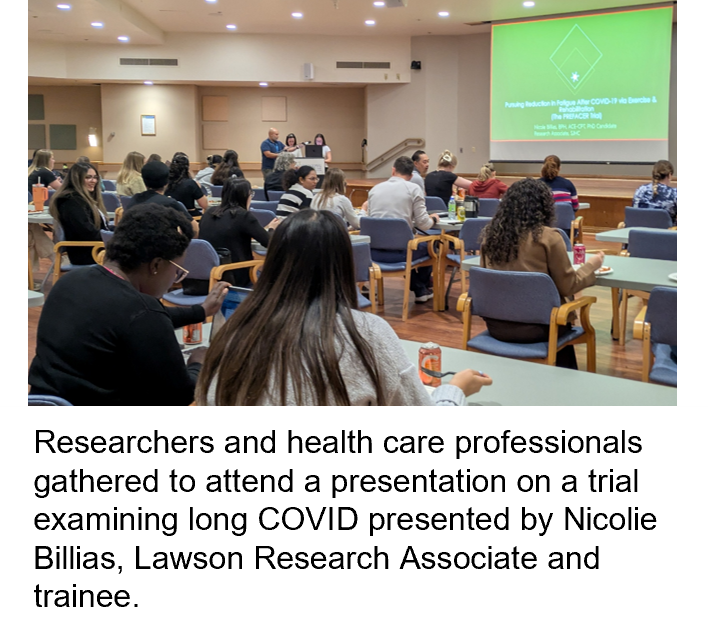
At a Lawson Association of Fellows and Students Talks on Fridays Session, and Gray Centre Coffee Lunch at Parkwood Institute, held in May, Lawson trainee and staff member, Nicole Billias shared her doctoral research on the PREFACER trial, which is exploring new ways to support people living with long COVID-related fatigue. Billias’ presentation introduced COVIDEx, a remotely delivered rehabilitation approach designed to improve fatigue, function and quality of life while minimizing symptom worsening after activity. The session highlighted the urgent need for evidence-based rehabilitation strategies for long COVID and sparked discussion among attendees about how research can help shape future care.
| Making online neurorehabilitation routine | |
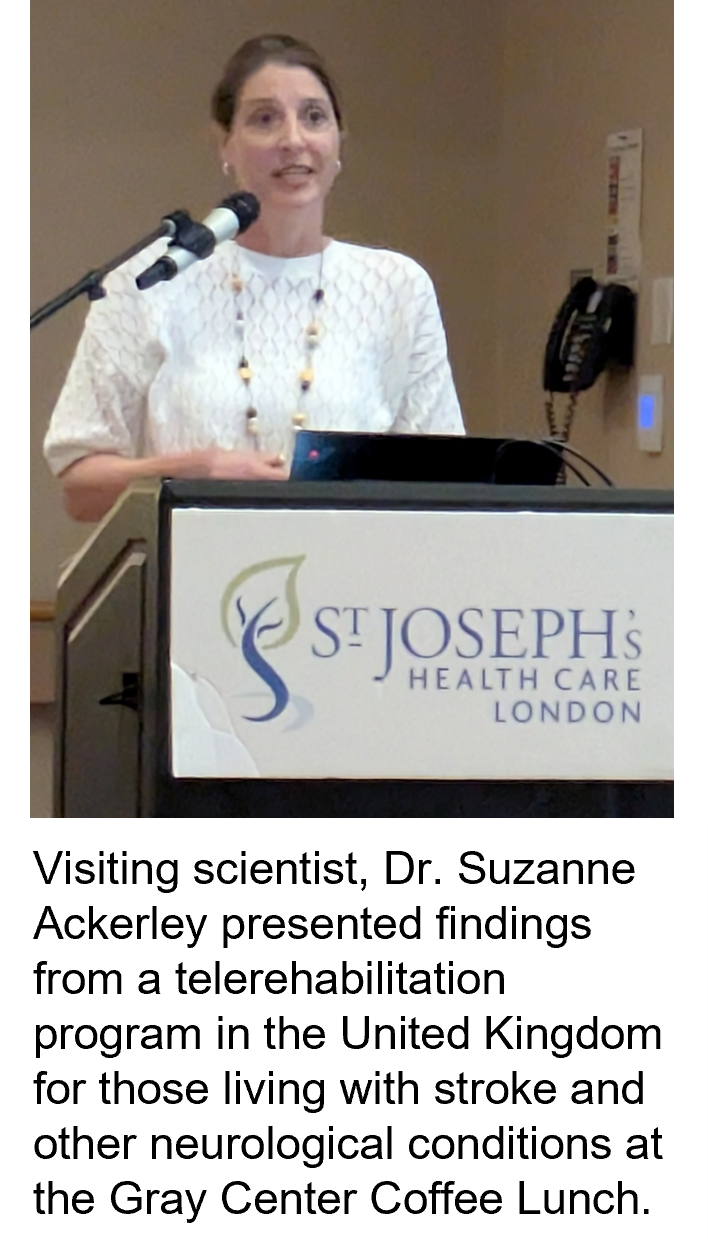
Visiting scientist, Dr. Suzanne Ackerley, shared practical lessons at the May 22 Gray Centre Coffee Lunch at Parkwood Institute, on implementing group-based telerehabilitation in routine community stroke and neurological rehabilitation services in two regions of the United Kingdom. Her presentation highlighted how digitally enabled rehabilitation can expand access, support patients as well as staff and be adapted across settings while remaining sustainable in everyday care. Focusing on what worked well, what challenges emerged and how the model evolved, the session offered useful insights for researchers and clinicians interested in bringing evidence-based online neurorehabilitation into routine practice.
| | "Poop pills" trial aims to boost lung cancer treatment | | |
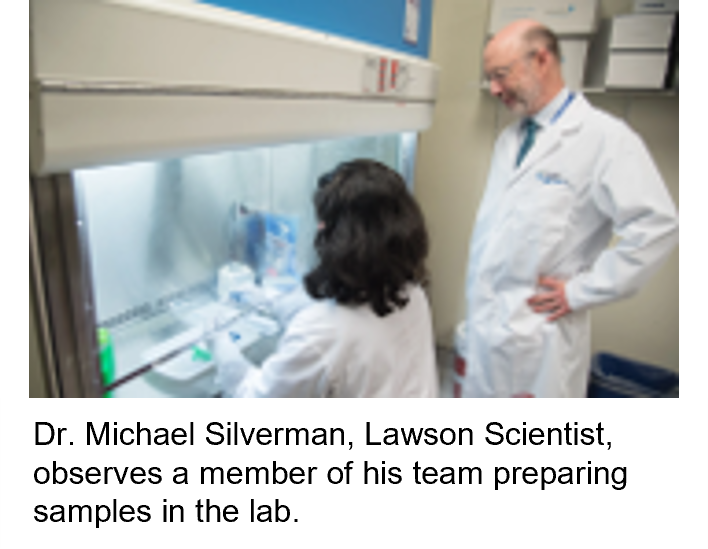
Lawson and London Health Sciences Centre Research Institute researchers are helping lead the largest clinical trial of its kind in Canada, to test whether fecal microbiota transplant capsules- sometimes called “poop pills,” can help immunotherapy work better for people with lung cancer. Dr. Michael Silverman and Seema Nair Parvathy, PhD, are part of the Lawson team producing the capsules for the LUNA-2 trial. By changing the gut microbiome, researchers hope to improve treatment response, reduce side effects and create new options for patients. Learn more in the St. Joseph’s online post, the CBC story and video, the CTV story and Instagram.
| | Can carpal tunnel history help detect a hidden heart condition? | | |
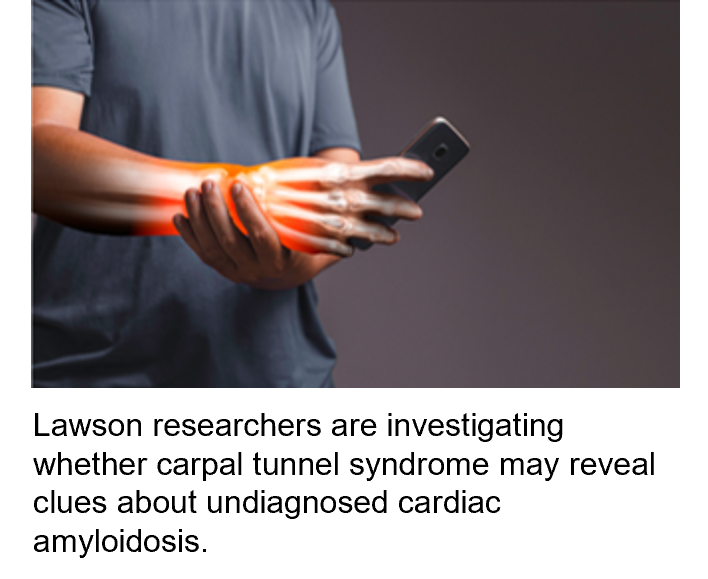
What if a common hand condition could offer an early clue to a serious heart disease? Lawson researchers are studying whether people with a history of bilateral carpal tunnel syndrome may also be more likely to have previously undiagnosed cardiac amyloidosis; a condition caused by abnormal protein buildup in the heart. Using a specialized imaging test called a PYP nuclear scan, the team hopes to learn how often this hidden disease appears in this group and whether earlier screening could help connect people to care sooner. Visit ClinicalTrials.gov to learn more.
| | What young men should know about erectile dysfunction advertising | | |
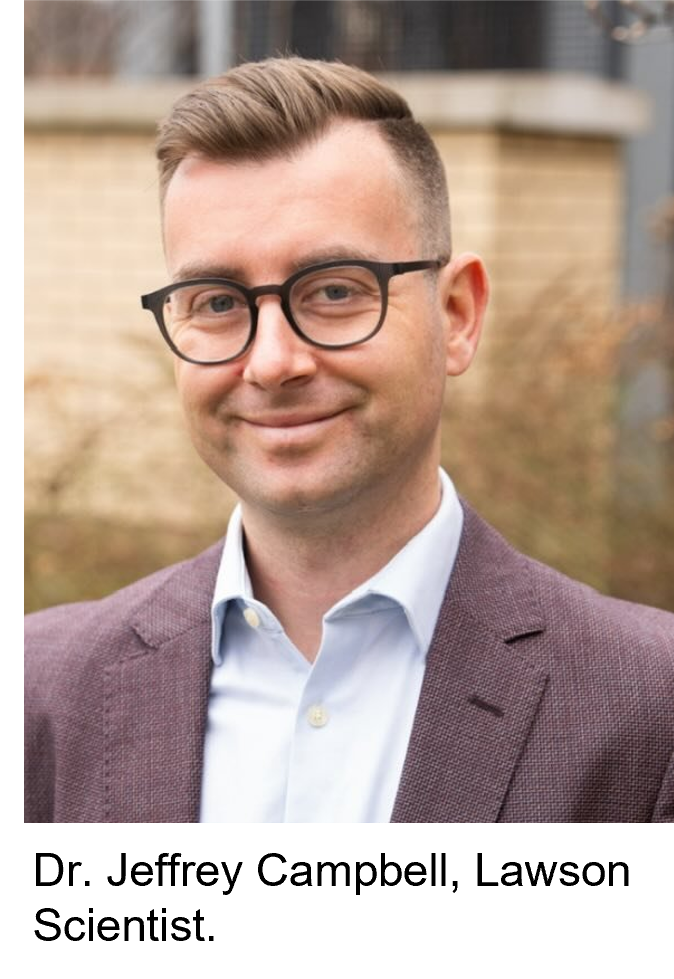
Recent media coverage is raising important questions about how erectile dysfunction (ED) messaging is reaching young men. In a CBC radio story, Lawson scientist Dr. Jeffrey Campbell highlights why careful, evidence-based assessment matters. Despite what advertising may suggest, he notes that many younger people may not need medication and could benefit more from a proper clinical evaluation to understand the cause of their symptoms. His perspective encourages a more informed and thoughtful approach to care, helping readers look beyond advertising and toward evidence-based decision-making. Read or listen to the CBC feature and visit Instagram to learn more about Dr. Campbell’s insights on appropriate ED care and communication.
| | Student led screening helps seniors take charge of blood pressure | |
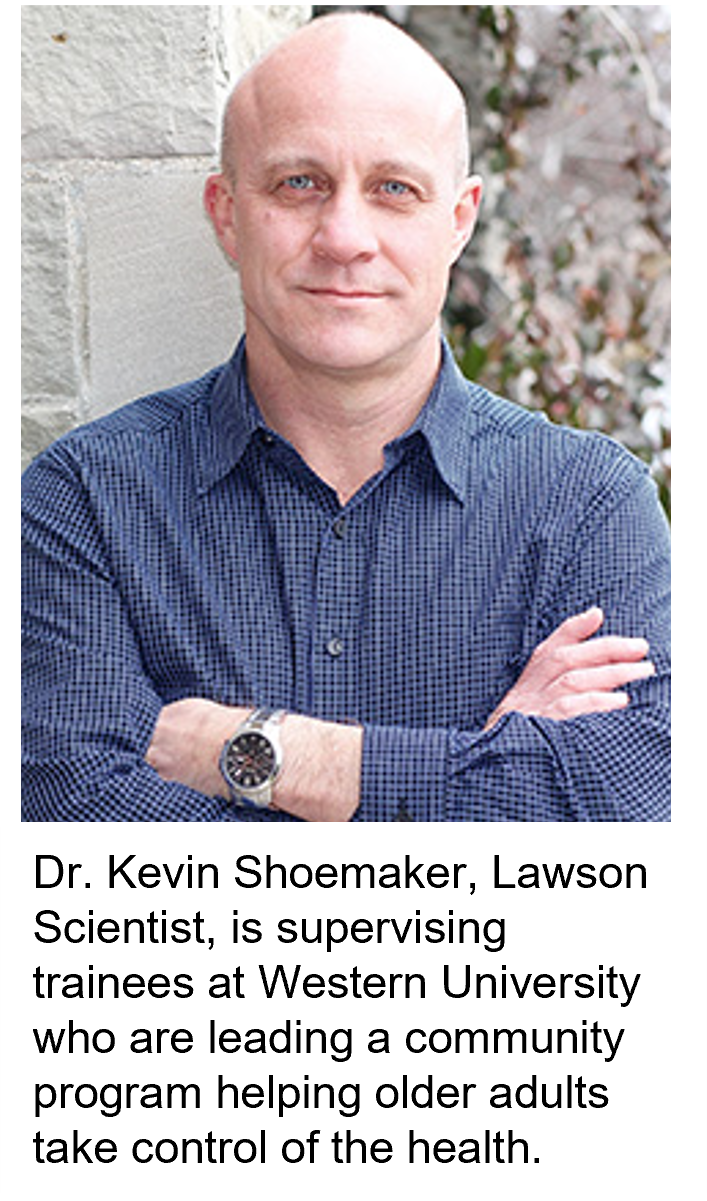
A student-led community program is helping older adults in London better understand and manage their blood pressure. The initiative, led by Western University kinesiology students, offers free screenings at seniors’ fitness classes throughout the city and is helping identify high blood pressure earlier, before it causes more serious health problems. The work is being done by a student team supervised by Lawson scientist Kevin Shoemaker, PhD, whose research focuses on blood pressure regulation and healthy aging. By bringing screening into familiar community settings, the program is making prevention more accessible and empowering seniors to take control of their health. Discover more in this CBC News story.
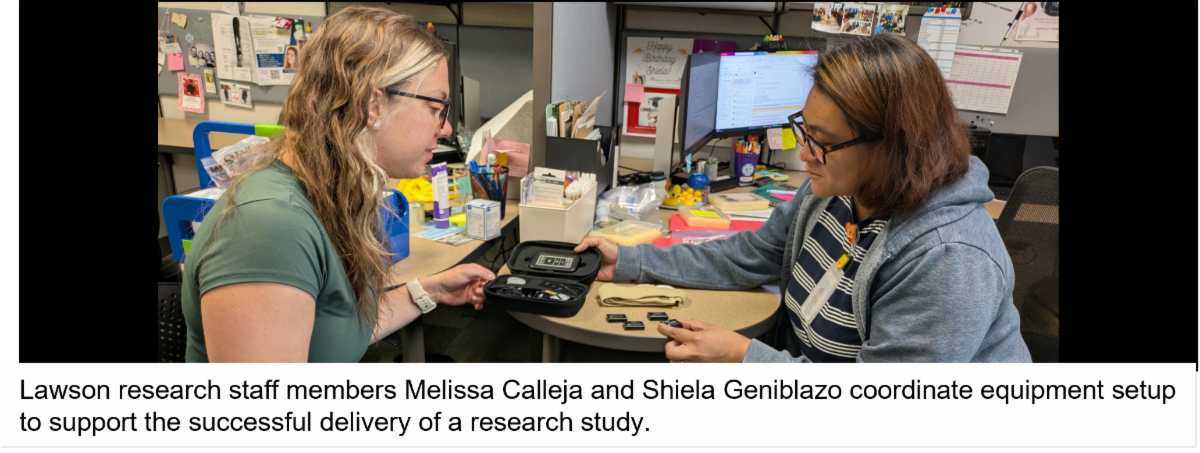
| | Clinical trials are a vital part of how new treatments, devices and care strategies are discovered, tested and improved for patients. Throughout late April and May, Lawson supported 925 clinical research studies, underscoring the dedication to advancing patient-centered medical innovations. May also marked Clinical Trials Month, offering an opportunity to spotlight some of the incredible researchers who are helping shape better care through clinical trials research. Visit Lawson’s Webpage to discover more about our clinical trials and how to get involved. | | Clinical trials in London are helping reshape patient care | |
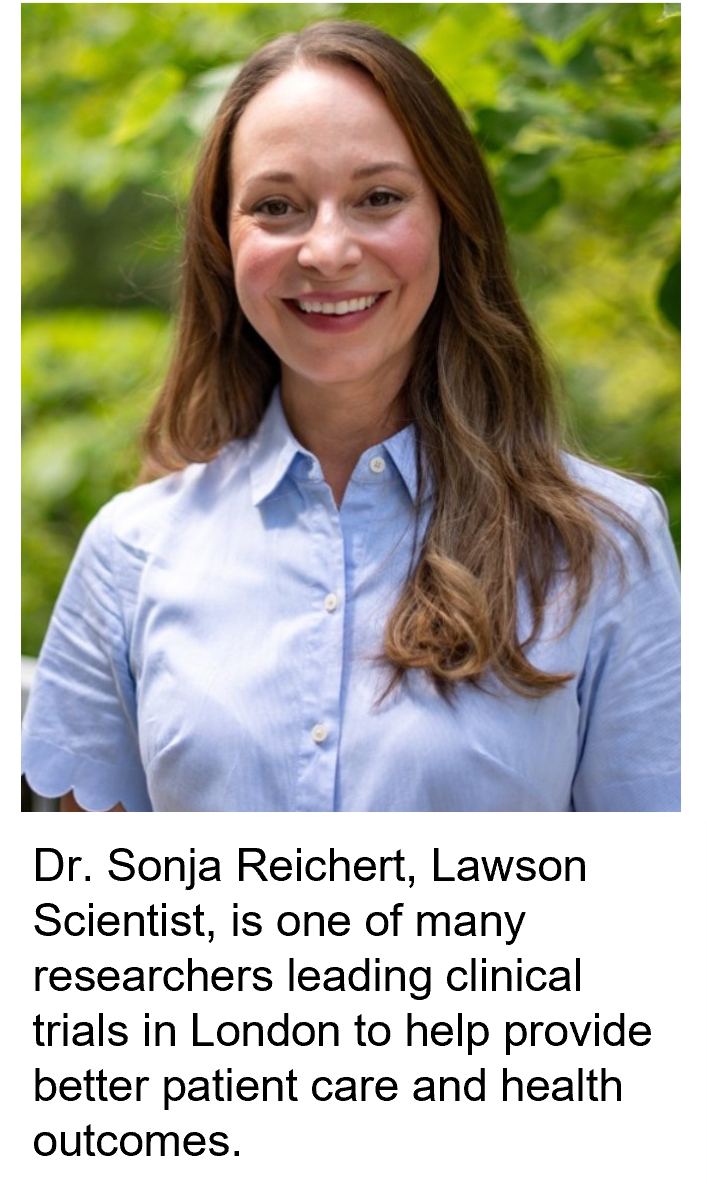
Clinical trials are helping bring new treatments and care approaches closer to patients in London and beyond. A recent online feature highlighted how researchers across the city are advancing studies in areas such as diabetes care, kidney care and spine surgery. This work is supported by strong collaboration between Western University and local hospitals and research institutes, including Lawson. One featured Lawson-affiliated researcher is Dr. Sonja Reichert, family physician, clinician researcher and Medical Director of St. Joseph’s Primary Care Diabetes Support Program. Dr. Reichert is leading the EFFICIENT trial to test whether a once-weekly insulin injection could safely reduce treatment burden for people living with type 2 diabetes. Learn more in Western News and Education News Canada.
| Dr. Kristin Clemens: Transforming chronic disease through clinical trials |
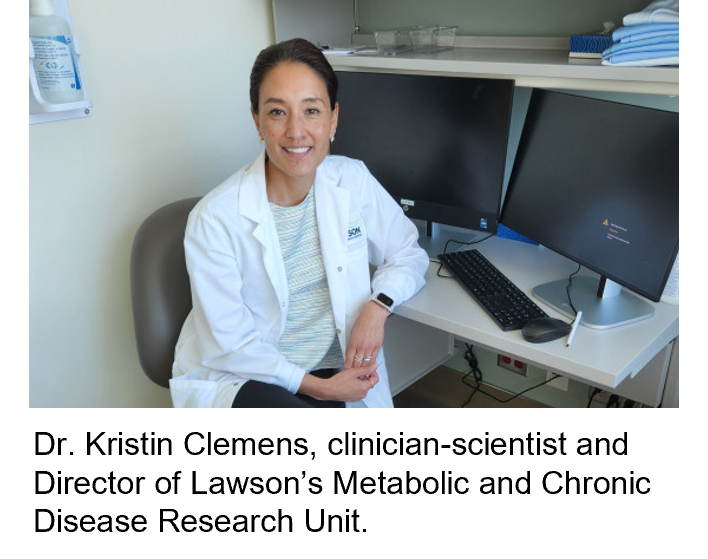
| |  | At Lawson, clinical trials are more than studies, they are pathways to better care. Dr. Kristin Clemens, clinician-scientist and Director of the Metabolic and Chronic Disease Research Unit, is helping lead this impact through innovative, real-world research. Her work focuses on identifying where the health system falls short and co-designing practical solutions with patients, clinicians and partners. Through rigorous clinical trials and collaborative approaches, her team is advancing care for those living with complex cardiovascular, kidney, metabolic and bone conditions. Recent studies, including the PREFERRED-1 and OK TRANSPLANT 2 trials, are already shaping care pathways and improving outcomes for patients. Just as important, this work is building capacity, mentoring future researchers and fostering strong partnerships locally and internationally. Talented researchers like Dr. Clemens are leading meaningful change. With the right people and investments, our clinical trials continue to deliver real-world impact for patients and health systems alike. Read more about Dr. Clemens and her research on our public website here.
| Cognitive Clinical Research Group helping to shape a new era in Alzheimer's care | |
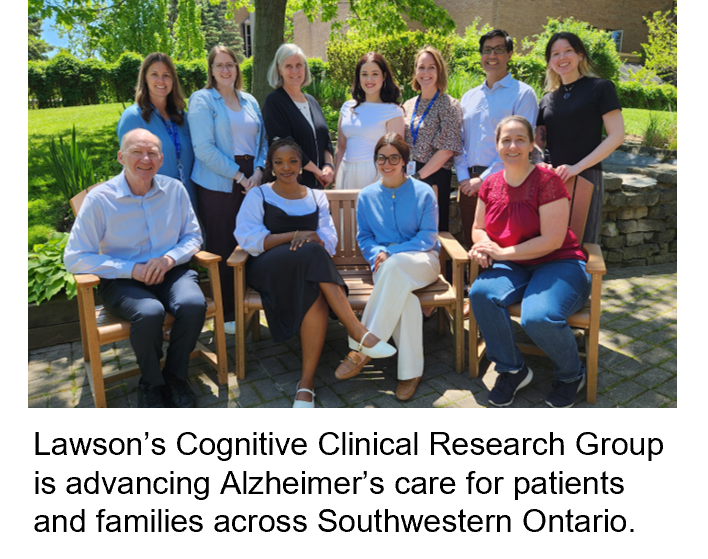
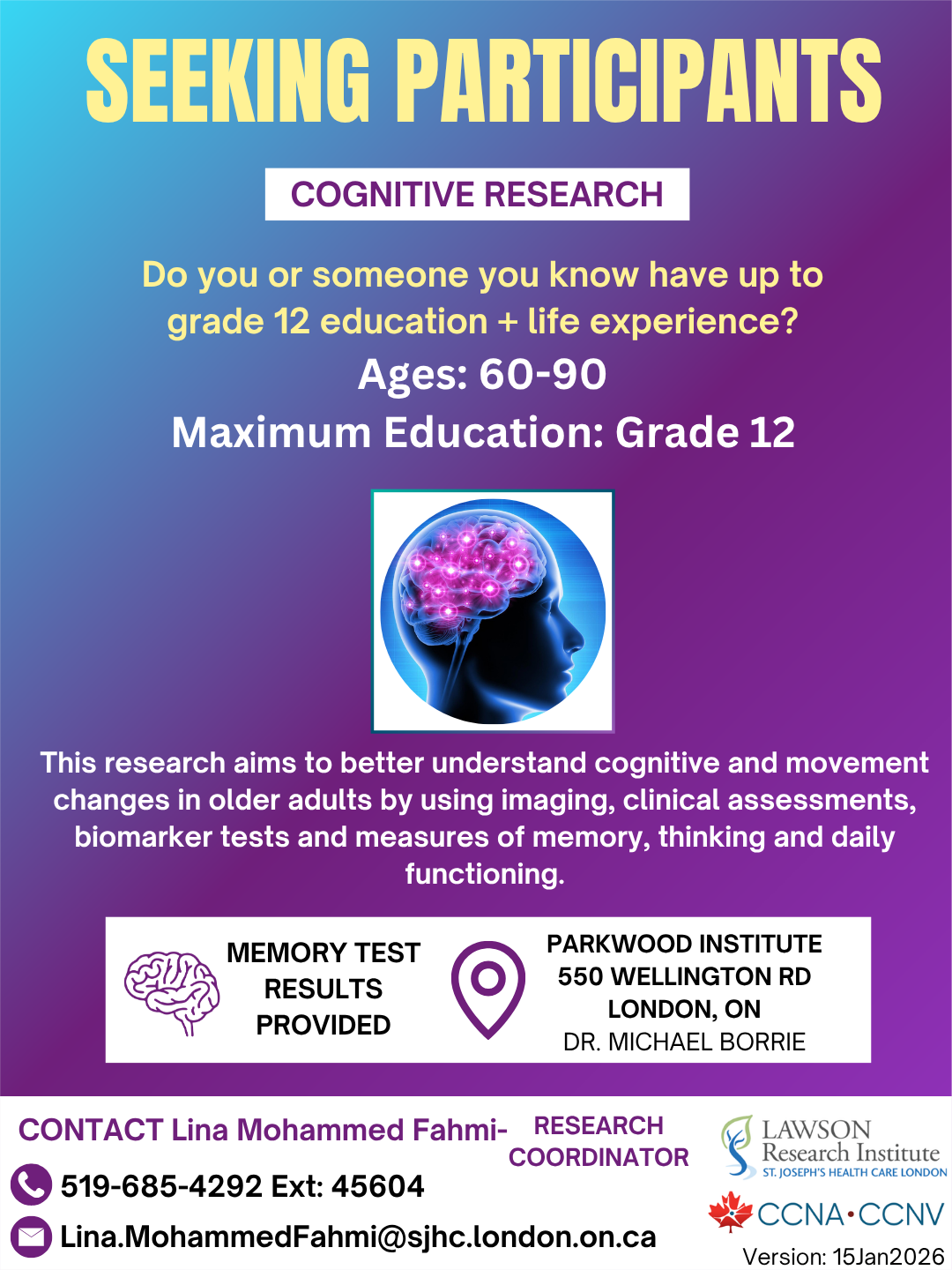
Lawson’s Cognitive Clinical Research Group is advancing Alzheimer’s care for patients and families across Southwestern Ontario. The work, led by a multidisciplinary team conducting clinical trials and observational studies, aims to improve earlier diagnosis, access to care and quality of life. As new biomarkers and disease-modifying therapies emerge, the team is improving access to earlier, more accurate Alzheimer’s diagnosis and treatment.
“Our goal is to make Alzheimer’s diagnostics more accessible and equitable,” says Kayla Vander Ploeg, research operations lead. “Early diagnosis is critical because disease-modifying therapies are most effective when we identify people at the earliest stages.”
“There’s a strong familial link with Alzheimer’s,” adds Vander Ploeg. “What we learn today can help inform care for future generations.” Even when participants do not benefit directly, their involvement helps shape future treatments, care options and earlier intervention for others.
Embedded within St. Joseph’s Health Care London, the team’s close ties to clinical care are a key strength. Working alongside investigators and patients fosters collaboration, helps identify people who may benefit from clinical trials earlier and improves continuity of care as well as access to clinical trials. Check out Lawson's website for more information about the Cognitive Clinical Research Group.
| Explore the world of pragmatic clinical trials with HDRN Canada Pragmatic Trials Training Program | | |
Each week, Health Data Research Network’s Canada Pragmatic Trials Training Program releases open-access learning modules that dive into key aspects of trial design and implementation - from randomization and data analysis to truth and reconciliation in pragmatic trials. Whether you’re a clinician, researcher or health professional, these modules offer practical insights to strengthen your understanding of how trials can improve real-world care.Discover the full series at pragmatictrialstraining.ca
| |
| |
RESEARCH TIP
Events as research intelligence
Lawson and partner events are more than dates on a calendar. They are opportunities to test ideas, share findings, discover emerging priorities and build collaborations. Attending with a research lens can help turn conversations into new questions. Many events also offer opportunities for short presentations, works-in-progress and creative research showcases.
Interested in sharing your work or attending an event?
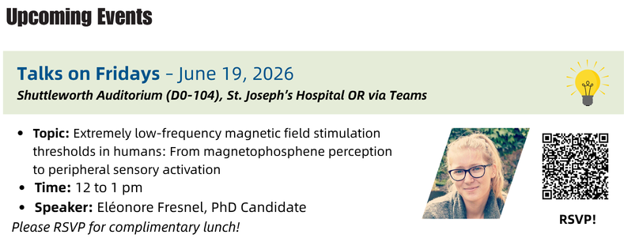
Check out the events section at the end of this newsletter, watch for news on our intranet page or contact LawsonResearch@sjhc.london.on.ca
| | | | POLICY, GUIDELINE AND PROCEDURE UPDATES | |
New and updated resources for Lawson researchers and staff are available on the intranet by signing in with a St. Joseph’s corporate username and password. Researchers and research teams should review items relevant to their work to ensure compliance with current requirements:
-
Decision tool for determining where external grants and contracts are held
-
New resource: Helping determine the appropriate institution (Lawson, LHSCRI, or Western) to hold grant or contract funding for collaborative or hospital-based research.
-
Who it applies to: Researchers and research administrators involved in grant or contract development.
-
Action: Use this tool early in the grant or contract development process (before submission) to confirm the primary institution responsible for the research, helping avoid authorization delays and streamline funding activation.
-
Institutional approval for clinical research
-
Updated policy: Outlining requirements for institutional approval prior to starting clinical research projects.
-
Who it applies to: Researchers and study teams initiating or conducting clinical research.
-
Action: Review when preparing or submitting studies to ensure all regulatory and organizational requirements are met before study starts.
| | LAWSON ASSOCIATION OF FELLOWS AND STUDENTS | | |
Are you a Lawson trainee for 2026-27 ready to lead LAFS? Apply to be Chair/Co-Chair and:
- Build leadership skills and collaborate with trainees and Lawson leadership while shaping LAFS future
- Gain experience in project management, event planning and strategic decision-making
- Connect with the broader Lawson community and expand your network
Submit your application online by June 26 at 11:59 pm.
Don’t miss this opportunity to make an impact and represent your peers within the research community. Open to Lawson trainees passionate about community-building, peer support and professional growth.
| | Qualities for a Sacred Moment: Interconnectedness | | |
St. Joseph’s has been exploring the qualities of a sacred moment; those moments of deep connection in our work that can inspire a profound sense of meaning and purpose. In the previous edition of Lawson Leads newsletter the five qualities of a sacred moment were outlined by Pargament et al. (2014): transcendence, boundlessness, ultimacy, interconnectedness and spiritual emotions, before unpacking the third quality—ultimacy. In this issue, we explore the fourth quality: interconnectedness.
Interconnectedness is a sense of experiencing “perceptions of deep mutual understanding and caring” (Pargament et al., 2024, p. 249). This quality involves experiences where our relationships with others around us seem to be close and connected. This sense of connection is often noted in the broader field of spiritualty. Fisher (2011), suggests that harmony in our spiritual health includes a communal aspect of ourselves that is expressed in communal aspects like love, forgiveness, justice and trust. Additionally, some thinkers speak of the invisible threads that connect all of humanity together, lending to interconnectedness. It is this sense of connection that emerges in the experience of a sacred moment where we sense a deeper kind of relationship and human interconnection—almost like a human family.
Have you experienced a sacred moment? Have you sensed a deeper connectedness in a clinical or research encounter? Did a deeper relationship emerge that left you with an increased connection to those you serve and to the meaning in your work? Take a moment to reflect on this quality of a sacred moment. Visit the Sacred Moments SharePoint page to learn more.
| | We encourage researchers to submit grants, publications and awards for us to showcase. Please provide a one- to two-sentence plain-language description along with the submission. | | |
Check out a few examples of the research published in March-April:
Acosta-Manzano P, Hill DJ, Leopold-Posch B, Desoye G, van Poppel MNM, …, Jelsma JGM. (2026). Sex-specific associations of sedentary behaviour and physical activity with placental and fetal IL-6 in pregnant women with obesity. Impact on neonatal adiposity in the DALI randomised controlled trial. Diabetes Research and Clinical Practice.
Can moving more during pregnancy help reduce body fat in newborns? In this study of pregnant women with obesity taking part in the DALI trial, researchers tracked sedentary time and physical activity, then examined placental signals and cord blood markers linked to infant fat. They found sex-specific differences, with healthier activity patterns linked to biological changes associated with lower neonatal adiposity. This article is valuable for researchers and clinicians interested in pregnancy, metabolism and early-life health. #EndocrinolobyMetabolismChronicDiseases
Joshi A, Clemens KK, Stranges S. (2026). The role of assessing frailty in cardiometabolic risk management. Nutrition, Metabolism and Cardiovascular Diseases.
Should frailty be part of cardiometabolic care? This viewpoint reviews evidence showing that frailty can shape outcomes in people with type 2 diabetes and other cardiometabolic conditions, beyond standard risk factors alone. The authors outline why routine frailty assessment may help guide treatment goals, tailor care and support more person-centred decision-making. This article is especially useful for clinicians, researchers and health system planners seeking better ways to manage risk in older adults. #EndocrinolobyMetabolismChronicDiseases
Winship G, Allen S, Dale T, Hawks-Feldman A, Forchuk C, Foster C, Dorcelly N, Ramsey SM, Finley BA. (2026). Establishing an International Psychoanalytic Nurses Alliance [IPNA]. Journal of Psychiatric and Mental Health Nursing.
Why create an international alliance for psychoanalytic nursing now? This editorial describes the formation of the International Psychoanalytic Nurses Alliance, a new network connecting nurses, educators and researchers across countries who share an interest in psychoanalytic approaches to care. The authors explain the field’s historical roots, the alliance’s goals and why relational, reflective practice still matters in modern mental health care. Readers interested in psychiatric nursing, education and interdisciplinary collaboration will gain insight into this emerging global community. #MentalHealth
| | Dr. Emil Schemitsch recognized with Award of Excellence | | |
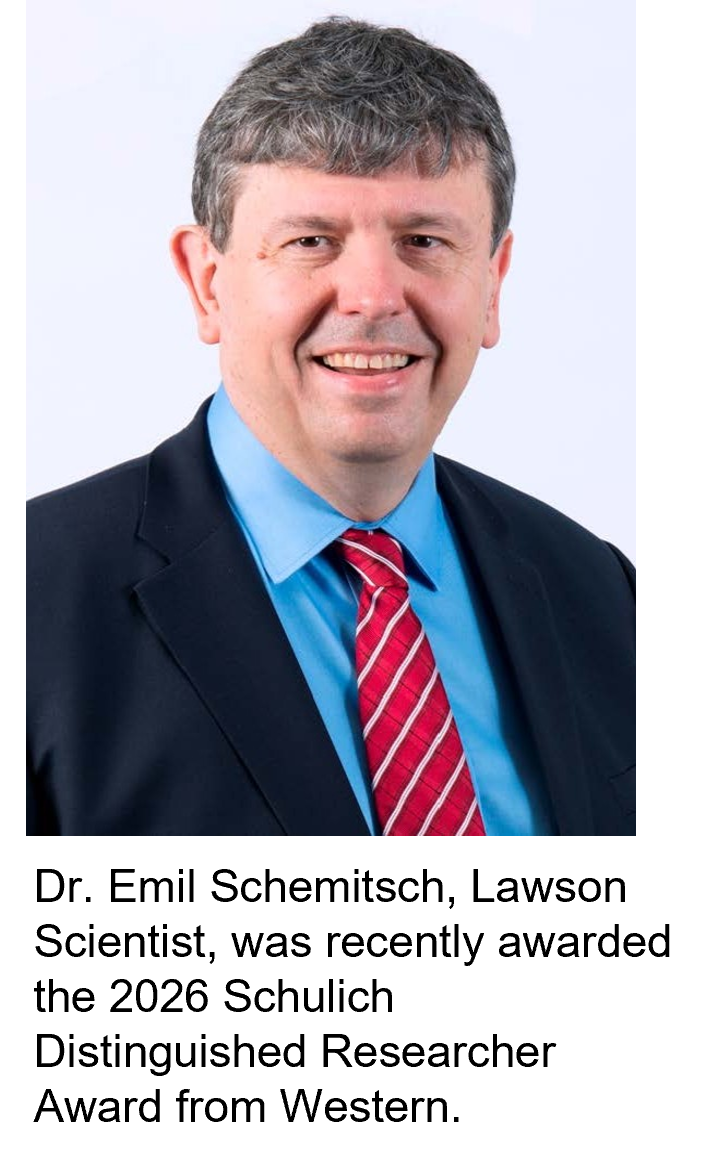
Congratulations to Dr. Emil Schemitsch, Chair/Head of Surgery at Western University, London Health Sciences Centre and St. Joseph’s Health Care London and Lawson scientist, on receiving the 2026 Schulich Distinguished Researcher Award as part of Western University’s Awards of Excellence. This prestigious honour recognizes a senior faculty member whose career has demonstrated exceptional research, leadership and service. Dr. Schemitsch is internationally respected for advancing fracture repair and musculoskeletal research, with work that continues to improve patient care, strengthen clinical practice and inspire trainees and colleagues across the field. Read more about Dr. Scemitsch and the award on Schulich’s website or on our Intranet
| Recognizing imaging innovation at the 2026 London Imaging Discover Day | | |
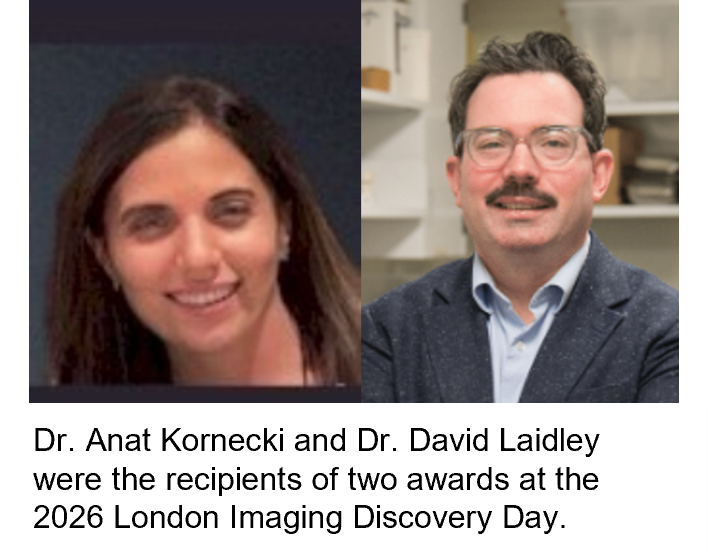
Congratulations to Dr. Anat Kornecki and Dr. David Laidley, who were recognized with awards at the 2026 London Imaging Discovery Day. This annual event celebrates excellence in imaging research and brings together clinicians, scientists, trainees and partners from across the London research community. Their recognition reflects the strength of imaging innovation in our region and the important contributions Lawson-affiliated researchers continue to make to advancing patient care through discovery and collaboration. Visit the Imaging Discovery Day website to learn more about the awards and past recipients.
| | Fellowship award to support the next generation of Veteran chronic pain research | | |
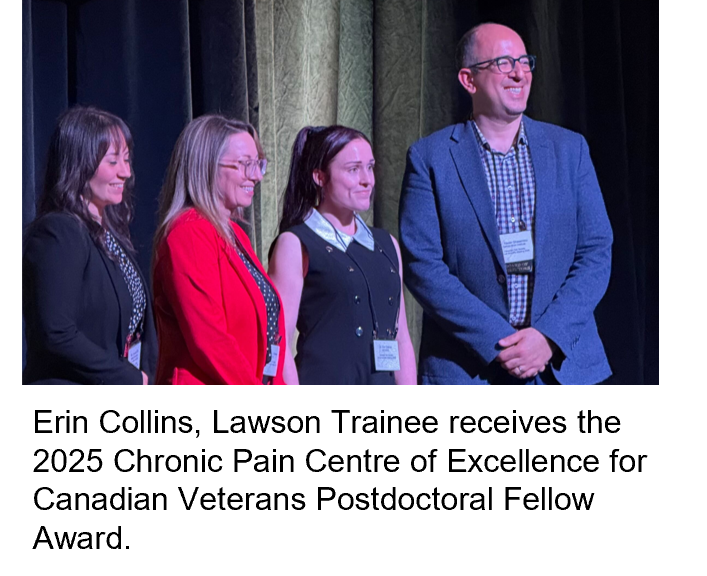
Erin Collins, PhD, has been awarded the 2025 Chronic Pain Centre of Excellence for Canadian Veterans Postdoctoral Fellow Award, a prestigious national award supporting research on how chronic pain shapes military-to-civilian transition experiences and post-service wellbeing among Canadian Veterans. Her research examines the impacts of chronic pain on employment, social connection, access to services and overall quality of life through a mixed-methods program involving veterans, family members and service providers. Collins was formally recognized at the 2026 Canadian Pain Society Annual Scientific Meeting in Québec City, where she presented findings that will help inform future veteran-centered care, transition planning and support services.
| | Celebrating spiritual care research recognized nationally | | |
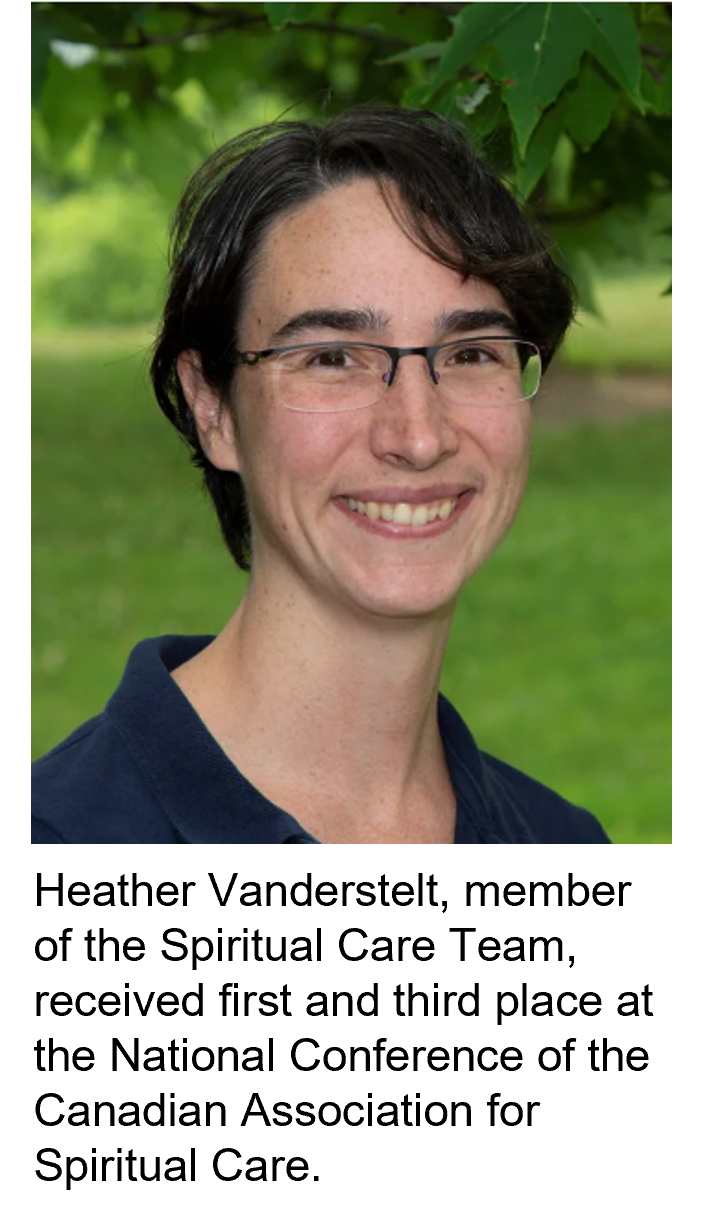
Congratulations to members of the Spiritual Care Department for being recognized at the National Conference of the Canadian Association for Spiritual Care in Ottawa on April 27. The presentation, “Transforming education: Clinical psychospiritual education,” by Healther Vanderstelt, Alida van Dijk and Simon Lasair earned first place. Petra Sprik, Heather Vanderstelt, Charles Valenti-Hein, Joseph Denton and Deadra Asthon received third place for their presentation, “Spiritual care interventions and outcomes in outpatient care.” These honours highlight the team’s important contributions to advancing spiritual care practice, education and research.
| | Applications for the 2026 Professional Practice Awards and bursaries are now open. The deadline for submissions is Friday, June 26. Learn more about the awards and bursaries on the Professional Practice SharePoint Page. | UPCOMING GRANT COMPETITIONS | | General information about Grants Development services | | |
If you are considering applying for future research funding opportunities, please notify the Grants Development Team as soon as possible. To obtain institutional signatures for your application, you will need to:
1. Notify the Grants Development Team as soon as possible
2. Indicate "Lawson Research Institute" for St. Joseph's applicants as the ‘Institution Paid’ in all grant management systems and applications.
3. Email the structurally complete package to grantsubmission@sjhc.london.on.ca either:
- 1 week in advance of the application deadline for a mandatory admin review, or
- 2 weeks in advance of the application deadline for an optional enhanced review.
4. Complete the Request for Institutional Approval of Grant Application Form prior to the final submission deadline, with signatures.
If you are not sure which "institute" you should be referring to (i.e., Lawson, LHSCRI, Western), please refer to Decision Tool for Determining Where External Grants and Contracts Are Held on Lawson's intranet.
For more information about grant opportunities and grant applications please email grantsubmission@sjhc.london.on.ca.
| | |
Please visit the research funding announcement page to find out more about these funding opportunities:
Notice of upcoming funding opportunity:
| |
External funding opportunities:
| |
Funding opportunities for trainees:
These funding opportunities support the next generation of researchers. Trainees and researchers should confirm internal deadlines and application procedures with their institutions (i.e., Western University, Lawson, etc.).
| |
Staff appreciation BBQ's
In recognition of the significant contributions of our staff, physicians, students and volunteers, St. Joseph’s Senior Leadership Team is hosting complimentary staff appreciation BBQs this month.
Join us for a delicious lunch of hot dogs, hamburgers or veggie burgers (all with gluten-free options), salads, chips and a beverage. All staff will be automatically entered into a draw to win one of four gift cards (four winners) valued at $100 each, generously donated by Compass One, our cafeteria food service provider.
Information about dates, times and locations are listed on St. Joseph’s Intranet
If you have any questions, please contact Trina Smith or Nancy Torres.
|
June is Pride Month
Each year, Pride Month provides an opportunity to pause, celebrate and recommit to creating safe spaces and experiences for our 2SLGBTQ+ colleagues, patients, residents' families and community members. Pride is more than a celebration — it is a recognition of progress made and a reminder of the work that remains. At St. Joseph's, where everyone belongs, our values call us to respect the dignity of every person and foster a culture of inclusion, not only during Pride Month, but every day of the year. Learn more about what to expect and how to participate on St. Joseph’s Intranet.
|
AI in health care conference
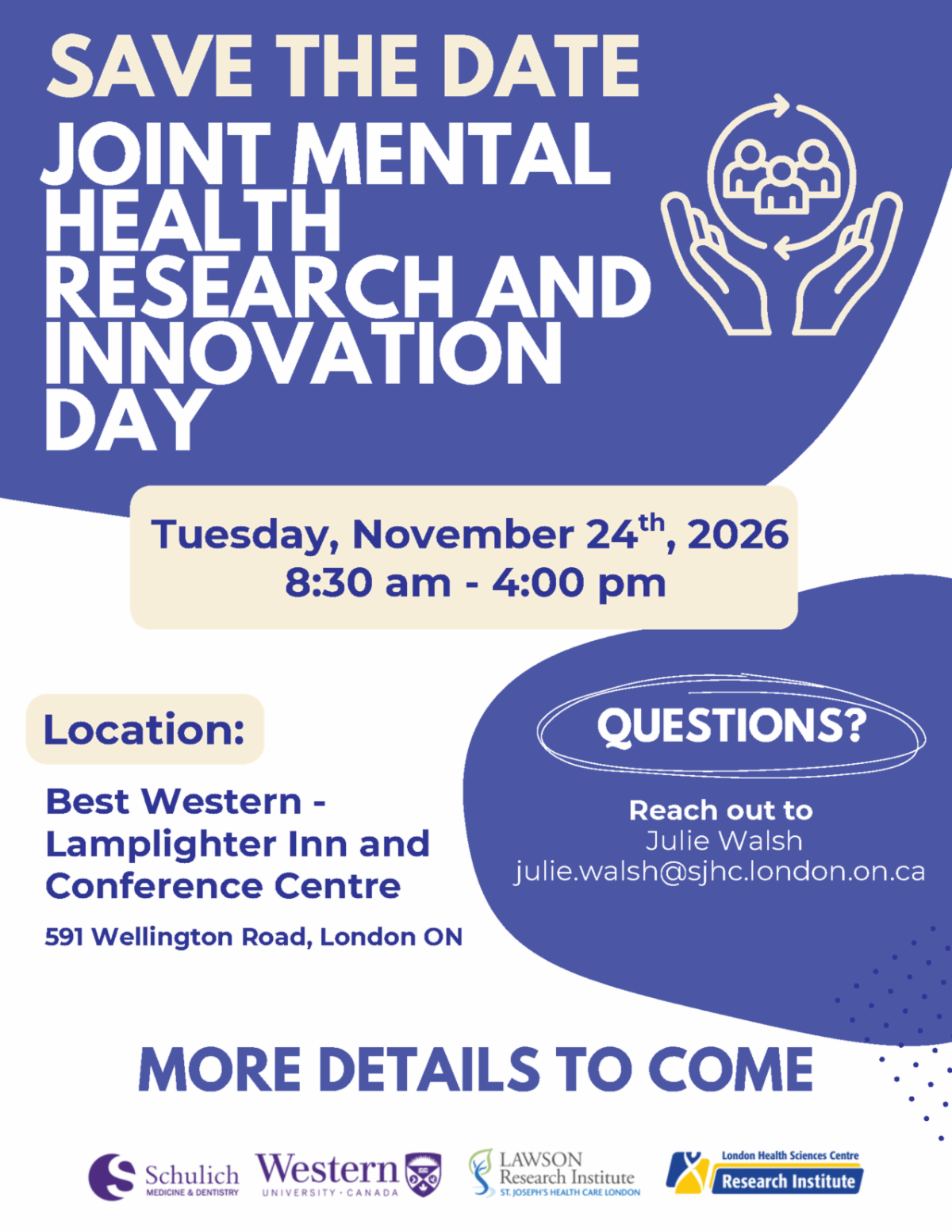
The Healthcare Enhanced by Artificial Intelligence and Learning (HEAL) 2.0 conference is taking place at Western University on June 24, from 8:15 am to 4 pm. Register to explore practical strategies for embedding AI into clinical practice through plenary sessions, interactive exercises and expert panels on ethics, bias, patient trust and regulation. Click to view full registration and event details.
| |
Research in action
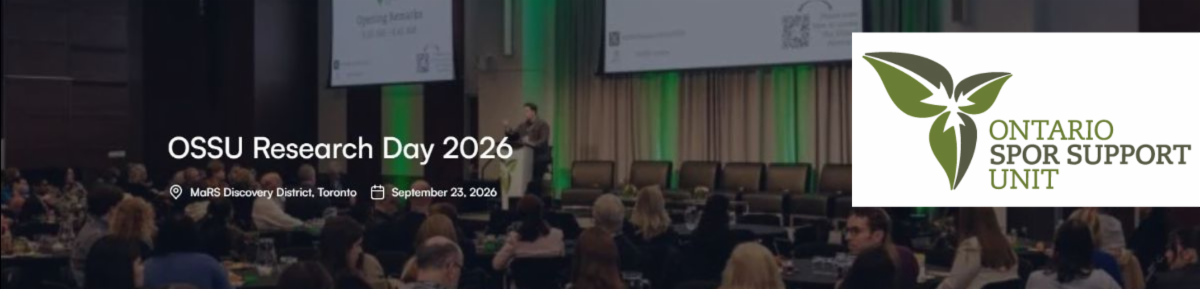
Advancing patient-oriented research across Ontario. Registration is now open for OSSU Research Day 2026!
Join the Ontario SPOR SUPPORT Unit (OSSU) on Sept. 23, for a province-wide gathering of researchers, patients, partners, policymakers and health system leaders. Centered on the theme Research in Action, this year’s event will spotlight the people, partnerships and approaches driving patient-oriented research forward across Ontario.
The program will explore:
- Priority populations, including pediatric and aging research
- Pragmatic clinical trials
- Learning health systems
- Emerging research directions
- AI in healthcare
Free to attend. Attend in person at the MaRS Discovery District in Toronto or join virtually from anywhere.
Registration takes less than two minutes to complete. Contact researchday@ossu.ca
with questions.
| | | 268 Grosvenor Street | London, ON N6A 4V2 CA | | Lawson Research Institute, the health innovation arm of St. Joseph's Health Care London, is committed to making discoveries that improve lives. Every day, Lawson scientists work to translate their ideas into innovations that improve patient care. Lawson LEADS health research. Find us online at LawsonResearch.ca and on social media @stjosephslondon | | Did someone forward this email to you? You can subscribe here to get Lawson LEADS newsletter delivered directly to your inbox. Missed a previous newsletter? Visit the Lawson News and Events page. | | | | |