OCTOBER 2026 ~ Late Edition

WATER PAGES eNEWSLETTER

Celebrating Our Achievements

Last night I attended the NY/NJ Baykeeper Annual Fall Gala at the American Legion Hall in Keyport, New Jersey. The food was amazing.  It was catered by Drew’s Bayshore Bistro; definitely, a place I am going to visit soon.  A quick note about the NY/NJ Baykeeper organization: Greg Remaud is the Executive Director and Baykeeper. He has surrounded himself with dedicated staff and volunteers who are making a difference.  The NY/NJ Baykeeper was founded in 1989 and serves as the citizen advocate for the harbors, bays, streams, and shores of the NY-NJ Harbor Estuary by preserving and restoring habitat, influencing land use decisions, stopping polluters, championing public access, and educating the public.


The evening started with a little beer and wine and talking to old friends. It is amazing how many people I have gotten to know over the years that have eased into retirement, but still do their part to advocate for the environment.  The Gala started like most of these types of events with the Board Chair for the Baykeeper organization welcoming the attendees and talking about some of the great work of the Baykeeper. After the opening remarks, Greg quickly sent us to the buffet table.  Shortly after we ate, Greg gave his opening remarks. Greg always seems a little nervous when he does this, but he is one of the best at setting the tone for the evening. The sincerity in how he goes around the room calling people out for how much they have helped the Baykeeper organization and the environmental movement in general is so empowering.  At this point the crowd is energized and excited about what is to come next.


The award ceremony was the next part of the evening. There are so many great people out there that deserve awards, and the Baykeeper does a wonderful job of recognizing them. The Public Service Impact Legacy Award was given to Judge John D’Amico.  The Judge’s exploits were shared with the audience. His fight to stop ocean dumping, protect drinking water, and preserve open space were remarkable.  The Environmental Leadership Award went to Christine Sanz who is the Chief Officer of the Meadowlands Conservation Trust. She has worked closely with Greg Remaud and Captain Bill Shehan, the Hackensack Riverkeeper, to protect, restore, and preserve the Meadowlands Ecosystem. The Truth to Power Award went to Brenda Flanagan who is a Senior Correspondent for NJ Spotlight News. She has been there for New Jersey residents by reporting on state politics, healthcare, transportation, environmental, and social issues.  She did some of the best coverage on the hurricanes and Nor’easters that ravished New Jersey. She reported on Superfund sites and the battle to pass meaningful climate regulations.  The final award went to Taylor McFarland, Conservation Program Manager for the New Jersey Sierra Club. This was the Hometown Hero Award.  Taylor is from Keyport and is helping in the fight to properly close the local landfill. She has been a strong advocate for Smart Growth, preserving natural landscape, and shielding communities from increased flooding and habitat destruction; her work with the Sierra Club has been amazing.


Every awardee is a real treasure, each and every one is inspirational. We are often so busy trying to protect, preserve, and restore the environment that we forget to celebrate our successes and the people who have contributed to these successes.  I left the Baykeeper Gala, wanting to do more, wanting to be better.  The evening gave me a well-needed boost of adrenaline.  I encourage all of you to get involved.  There are many environmental organizations across the state that can use your help. What are you waiting for?


~ Christopher C. Obropta, Ph.D., P.E., Extension Specialist in Water Resources

ANJEC's 53rd Environmental Congress

Last Friday was the 53rd Annual ANJEC (Association of New Jersey Environmental Commissions) Environmental Congress, and it was the best one yet! There were over 250 Environmental Commissioners from across the state gathered to gain knowledge from experts and share ideas with each other. Jennifer Coffey, the Executive Director of ANJEC, led off the day with a rallying charge for the attendees. The day was about promoting local action to protect and restore New Jersey’s water resources. The NJ Commissioner, Ed Potonask, shared his vision for the Department of Environmental Protection and took a bunch of questions from the audience; he was definitely a class act.


The breakout sessions immediately followed with talks on helping communities comply with stormwater permit requirements, developing watershed improvement plans, and working regionally to address flooding and water quality issues. How timely this was as we were on the brink of a big Nor’easter rolling in that evening! In addition to sessions on practical resources and methods for local environmental commission members and community advocates, there were talks on how local initiatives are establishing habitat and wildlife corridors. There was also a special session on the environmental and resource impacts of AI data centers. Many participants are still hoping the Governor will place a moratorium on building them until the true impacts can be understood.


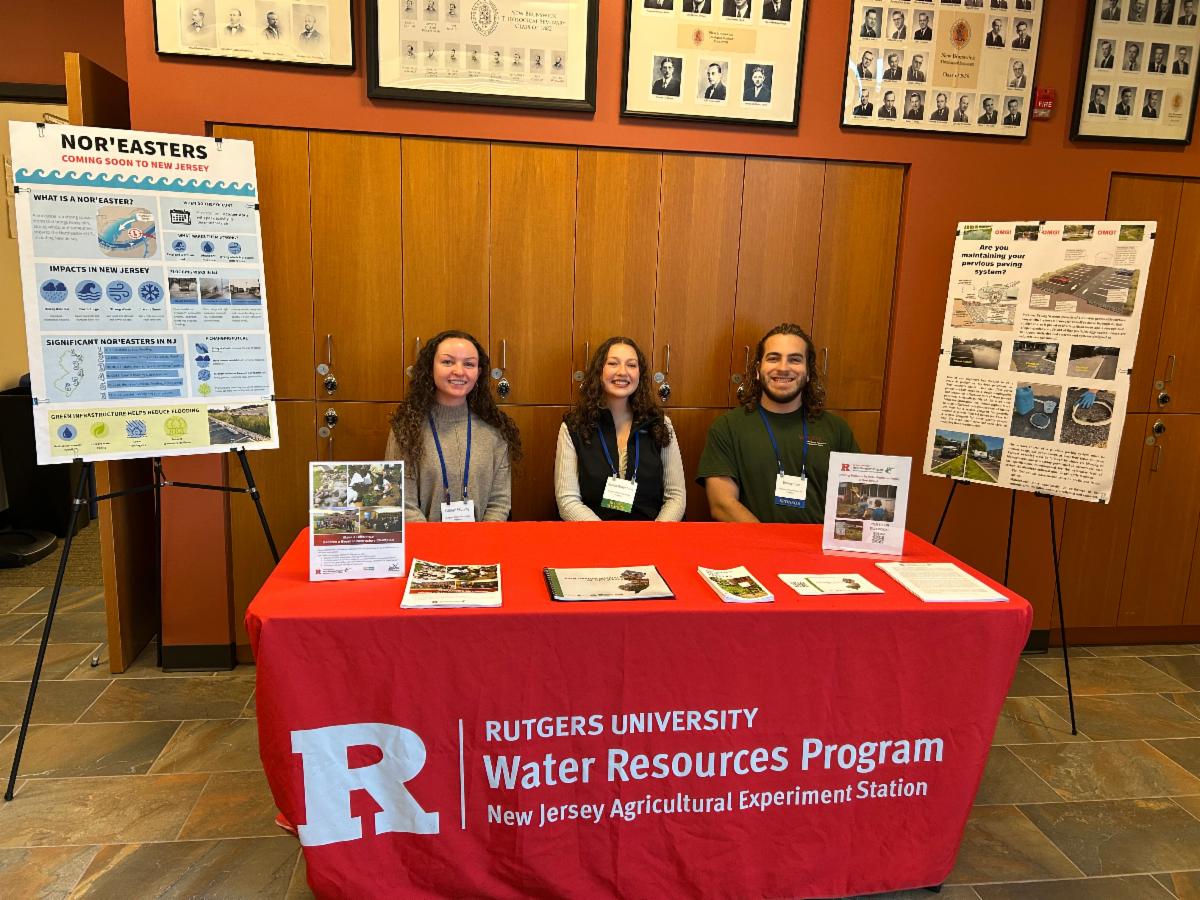
The food was great, the exhibit hall was great, the projects that won awards were great, but most of all, the people were great. They are a friendly group that all wear their hearts on their sleeves. They are all passionate about protecting New Jersey’s environment. The Rutgers Cooperative Extension (RCE) Water Resources Program is asked to table at many events. The one event we always attend and share our knowledge in the Exhibit Hall is the ANJEC Environmental Congress. Also, congratulations to David Robinson, the former State Climatologist, on winning ANJEC’s Candace McKee Ashmun Environmental Legacy Award. I can’t think of a more deserving recipient.


~ Christopher C. Obropta, Ph.D., P.E., Extension Specialist in Water Resources

Rutgers Cooperative Extension Water Resources Program staff at the ANJEC 53rd Environmental Congress, L-R: Gillian Mulvoy, Alena Brayshaw, Benny Roe

[Photo credit: Christopher C. Obropta, RCE Water Resources Program]

Fall Maintenance Tips

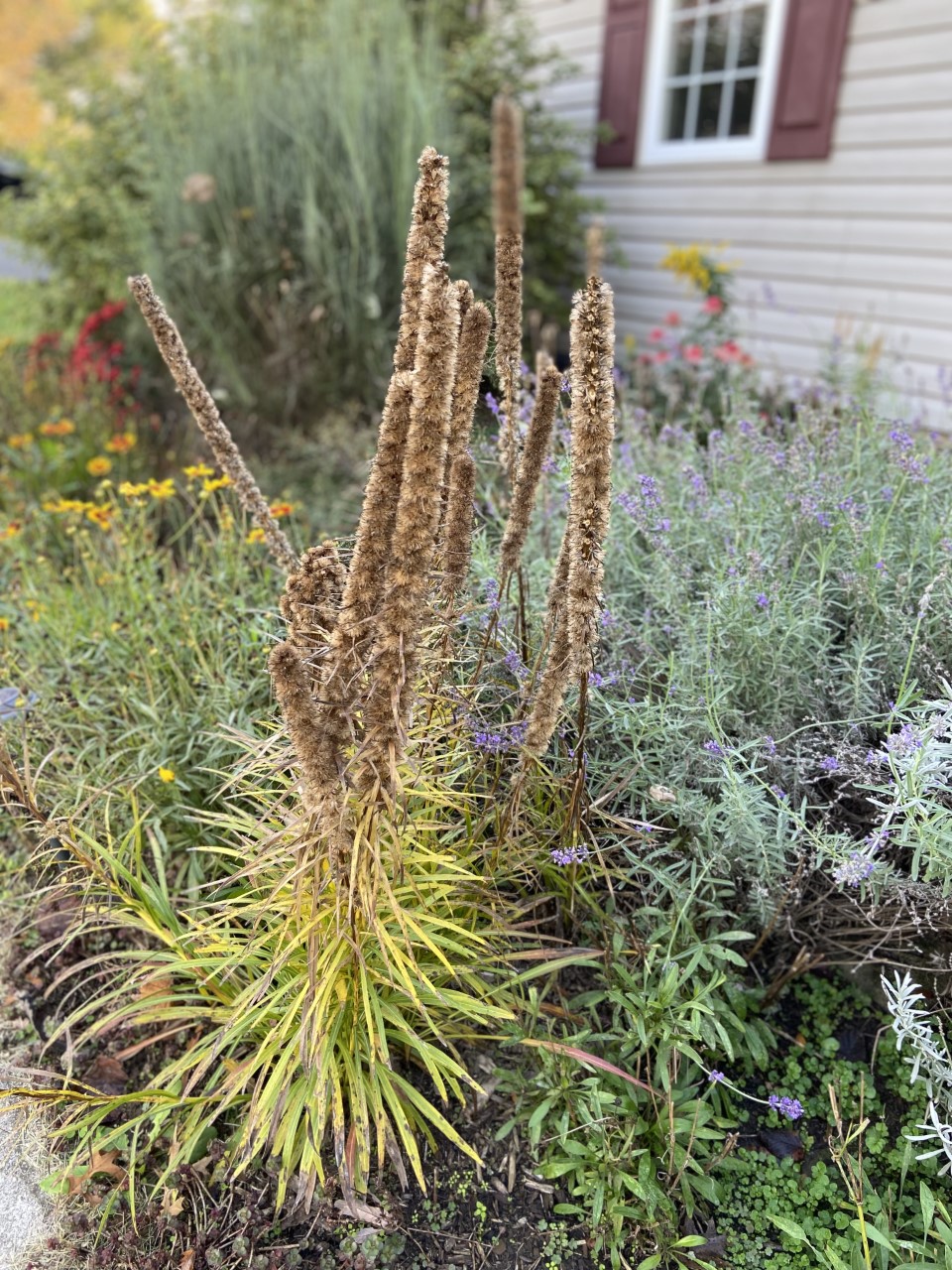
Liatris spicata

Dense Blazing Star

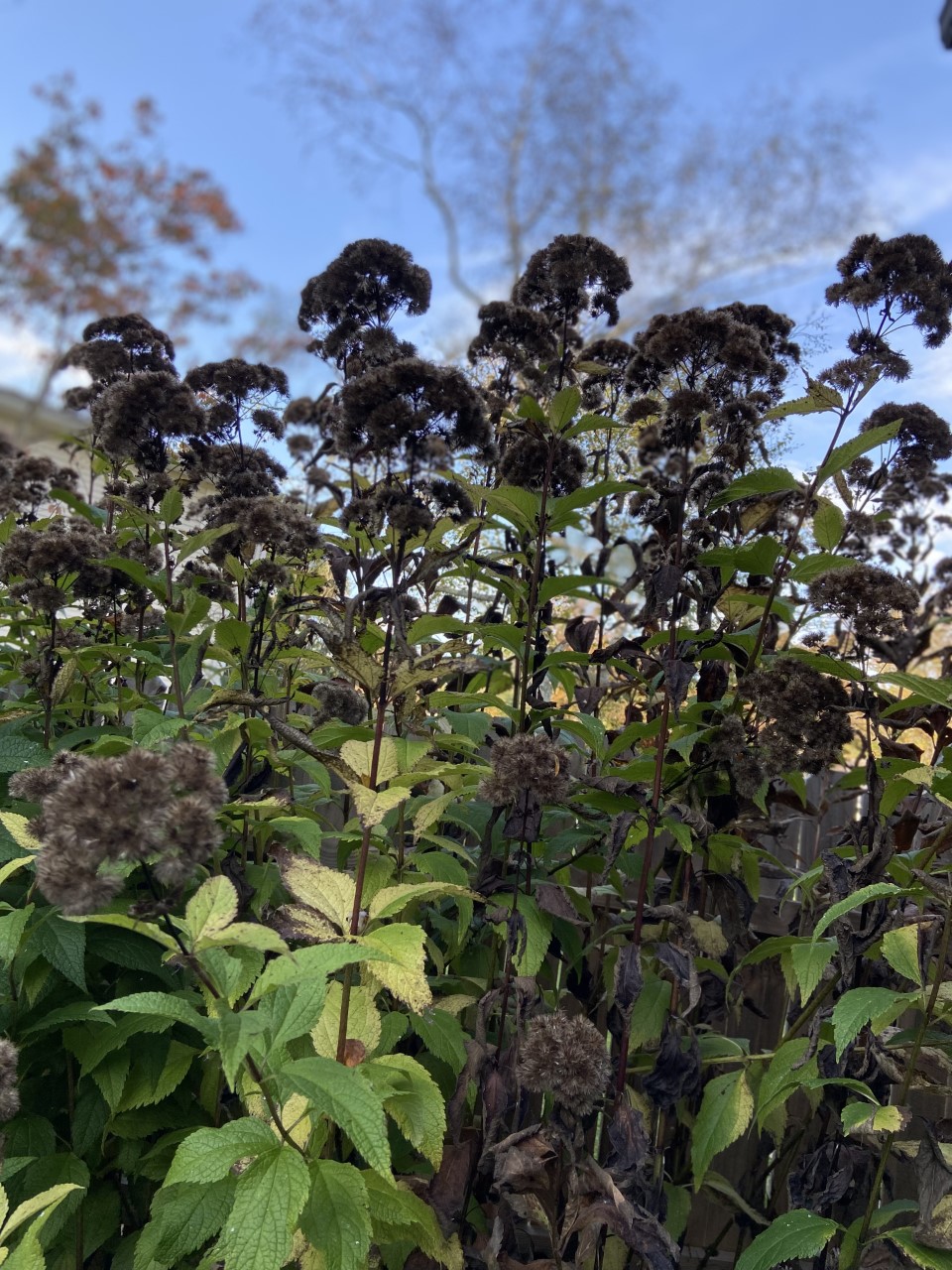
Eutrochium fistulosum

Joe-Pye Weed

As autumn sets in, it's time to put your rain garden to bed for the winter. Here are

some tips on how to make sure it's cozy!


  • Identify desirable plants using your maintenance guide, plant list, and plant ID apps for your phone (such as PlantNet or Picture This).  Optionally, prune or cut back previous perennial growth.  Remove non-desirable and invasive plant species. 


  • Inspect inlet and outlet structures, stone, pipes, drains, and grates. Remove accumulated debris from the rain garden.


  • Rake out excess leaves and add them to your personal compost bin or set them out in leaf bags for collection. A small layer of no more than two (2) inches is acceptable and will add organic matter to the rain garden soil.


  • Check the height of the berm; rain gardens should generally be about six (6) inches deep from the top of the berm to the mulched base.  If erosion has caused the berm height to decrease, consider adding soil material to the berm before mulching it.


  • For plants that have gone to seed, collect the seeds for sharing or sow the seed in and around your rain garden to encourage more beneficial plants.  Some plant seeds are also valuable food for winter birds and can provide winter interest to your garden; you decide what to do with the seed heads of the plants!


  • Optionally, leave ornamental grasses unpruned until late winter or early spring to make the rain garden a wildlife habitat.


  • Add a two (2) to three (3)-inch layer of undyed triple shredded hardwood mulch. This will help curtail weeds in the spring.


Take notes of what plants did well this year and which did not, and you will have this to compare to next year.  Use this information to help you decide which plants to promote and which ones might need to be pulled from the stage.  Now you will really start to know your garden in all its seasons!

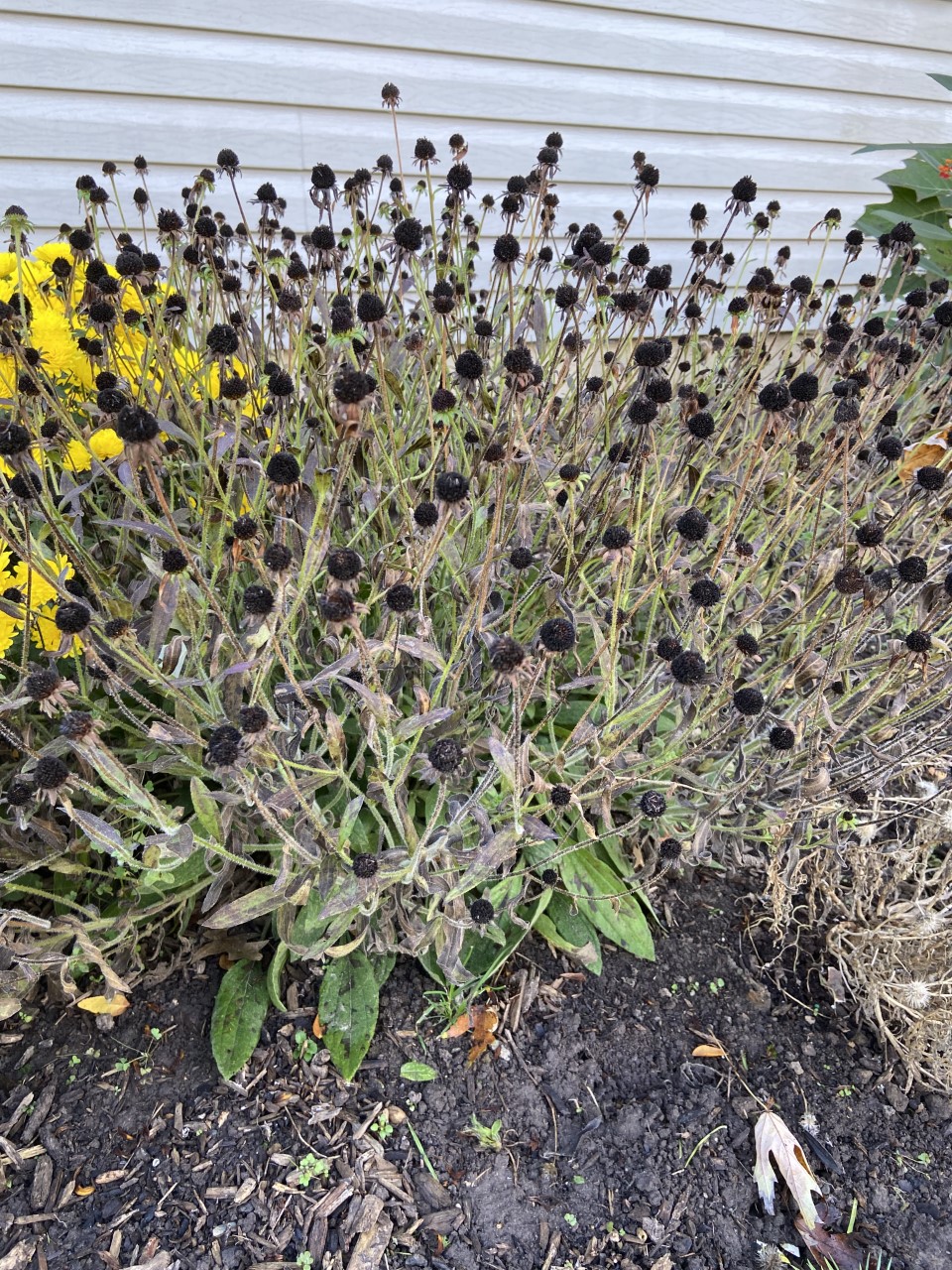
Rudbeckia hirta

Blackeyed Susan

Asclepias tuberosa

Butterfly Weed

[Photo credit: Lisa Galloway Evrard, RCE Water Resources Program]

HOLD THE DATES: Become a leader, become a Green Infrastructure Champion!

The next Green Infrastructure Champions Training Program will be offered every other Friday from 10AM to 12NOON starting January 8, 2027!


All sessions for the 2027 training program will be offered via an online format for FREE.


Registration is required and is open at water.rutgers.edu !


Here is what we can offer as part of the training program:

  • Training on green infrastructure planning and implementation
  • Networking opportunities with other certified Green Infrastructure Champions for mutual support
  • Assistance with grant writing


2027 Training Program Class Schedule:

  1. How to identify green infrastructure projects in your town (1/8/2027)
  2. Moving from planning to implementation of green infrastructure (1/22/2027)
  3. Maintaining green infrastructure practices/projects (2/5/2027)
  4. Stormwater management regulations, policies, and ordinances (2/19/2027)
  5. Green infrastructure planning and implementation for Sustainable Jersey points (3/5/2027)
  6. Green infrastructure for targeted audiences (3/19/2027)
  7. How to design and build a rain garden (4/2/2027)
  8. Retrofitting traditional detention basins with green infrastructure (4/16/2027)
  9. Developing green infrastructure master plans for an entire site or neighborhood (4/30/2027)
  10. Using green infrastructure to promote climate resiliency (5/14/2027)


Attendance at a minimum of five (5) classes is needed for certification.

Rutgers Cooperative Extension Water Resources Program

water@envsci.rutgers.edu

www.water.rutgers.edu

Connect with us
Facebook  Instagram