|
Community Update
August 2026
| |
Now Available on Demand: 2026 MSSC Instructors' Conference
Explore the sessions from this year's event for the latest updates, practical teaching strategies, program guidance, and proven best practices—all designed to help MSSC instructors enhance instruction and strengthen student outcomes. Access the recorded sessions here.
| |
MSSC’s 2026 High School Video Contest Is Here
MSSC invites high school students nationwide to put their creativity in motion in the Fall 2026 High School Video Contest! Students are challenged to create an original video that brings today’s manufacturing to life—from advanced technology and in-demand skills to exciting career opportunities. With cash prizes and national recognition up for grabs, it’s a chance for students to tell their story, showcase their talent, and help shape how the next generation sees manufacturing. More information on the contest here.
| | |
Why Manufacturing’s AI Future Still Needs People
AI may be advancing rapidly, but its success in manufacturing will depend on much more than powerful algorithms. Stephen Graham of Hexagon argues in a Manufacturing Today piece that manufacturers will create the greatest value when they combine AI with strong production data, deep industrial expertise, and the judgment of experienced engineers. Factory environments present complex physical conditions, legacy systems, fragmented data, and unexpected production challenges that generic AI cannot easily address. Rather than pursuing fully autonomous factories, manufacturers are finding greater value in AI that fits existing workflows, reduces repetitive work, accelerates engineering tasks, and helps organizations preserve and scale valuable workforce knowledge. The lesson for manufacturers is clear: AI is most effective as a tool for augmenting skilled people—not replacing them—and competitive advantage will come from organizations that successfully connect technology, data, and human expertise. Read the article here.
|
First Workforce Pell Approvals Set Implementation in Motion
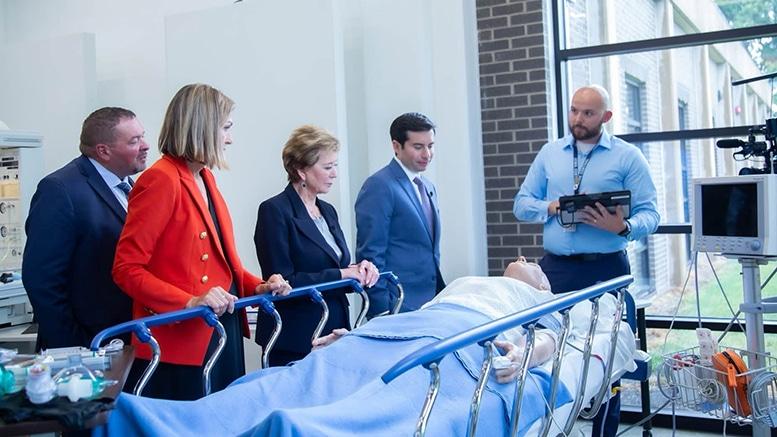
Iowa Central Community College and Ivy Tech Community College have become the first two institutions nationally to receive federal approval for programs under the new Workforce Pell framework. Iowa Central was first with its 14-week Emergency Medical Technician program, followed by approval of Ivy Tech’s eight-week Clinical Medical Assistant program. Effective July 1, Workforce Pell extends federal Pell Grant eligibility to qualifying programs between eight and 15 weeks that meet established completion, job-placement, earnings, and other eligibility requirements.
These first approvals provide an early look at how Workforce Pell will operate in practice and establish a potential pathway for other institutions seeking to expand access to short-term, industry-aligned credential programs. Read more here.
| | |
Manufacturing Employment Gains Momentum with 5,000 New Jobs in July
U.S. manufacturing employment continued to build momentum in July, adding 5,000 jobs, according to the Bureau of Labor Statistics. The gain follows a revised increase of 11,000 manufacturing jobs in June and marks a notable improvement from July 2025, when the sector lost 11,000 jobs. Transportation equipment led July’s growth, adding 11,900 workers, demonstrating continued strength in a key segment of the manufacturing economy.
Additional indicators offer encouraging signs for the months ahead. Manufacturing job openings reached 481,000 in June, up approximately 23% from a year earlier, while the Institute for Supply Management’s manufacturing employment index entered expansion territory for the first time in 33 months. Together, these trends point to continued opportunities for skilled workers and growing demand for the technical expertise needed to support an increasingly advanced U.S. manufacturing sector. Read ManufacturingDive's analysis here.
| | |
Machine Vision: Manufacturing’s First AI Success Story
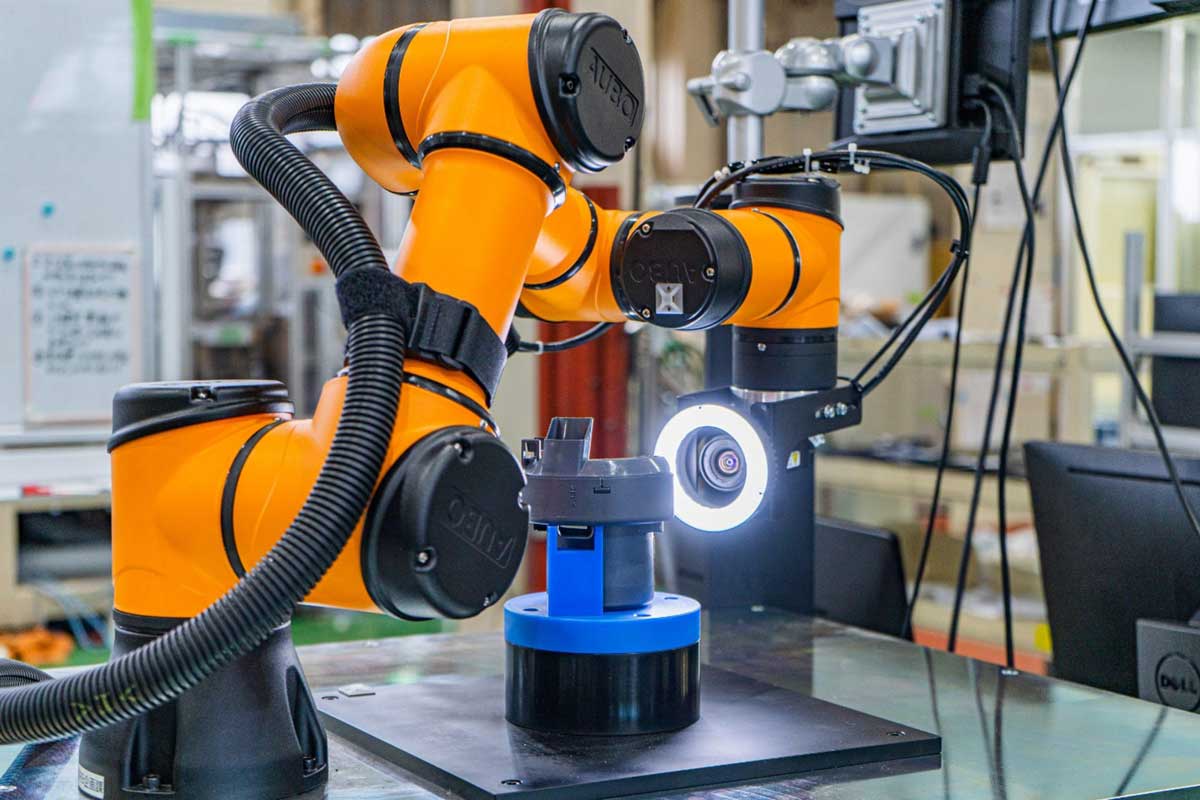
Machine vision is emerging as one of manufacturing’s clearest examples of AI delivering measurable value at scale. According to A3 Director of Market Intelligence Aaron Prather, AI-powered vision systems are already helping manufacturers improve quality, reduce scrap, strengthen traceability, and generate valuable production data, even as broader AI adoption remains limited across the industry. Advances in deep learning, edge computing, and user-friendly software have made these systems more capable and practical, while workforce shortages and rising quality expectations are accelerating adoption.
The next challenge is moving beyond successful pilots by integrating AI vision with existing production systems, robotics, digital twins, cybersecurity, and quality processes. For manufacturers, the competitive advantage will increasingly come not from experimenting with the newest AI models, but from developing the workforce and operational capabilities needed to deploy intelligent technologies reliably and at scale. Read the full piece here.
| |
Warehouse Robotics Investment Accelerates Amid Labor and Fulfillment Pressures
Warehouse automation investment continues to expand as logistics operators respond to rising labor costs, persistent workforce availability challenges, and pressure for faster fulfillment. According to The Wall Street Journal, North American companies ordered nearly 18,000 robots valued at approximately $1.2 billion during the first half of 2026, representing year-over-year increases of 2% in units and 7% in value.
Adoption is also broadening beyond traditional fixed automation to autonomous forklifts, inventory-scanning drones, robotic picking systems, and emerging humanoid applications. Higher warehouse wages—up 41% over the past decade—are strengthening the business case for automation, while subscription-based robotics and systems requiring fewer facility modifications are lowering deployment barriers.
With 92% of companies surveyed by Interact Analysis planning to increase warehouse automation spending this year, robotics is increasingly being deployed not only to reduce costs and improve throughput, but also to address difficult-to-fill material handling roles and build greater resilience into logistics operations. Read the full piece here.
|
Connecting Gen Z to Technical Careers Through Social Media
Social media may be emerging as a powerful tool for introducing the next generation to skilled careers. Education Week reports that skilled trades professionals are increasingly using platforms such as Instagram and TikTok to give young people an authentic look at careers in fields such as electrical work, welding, construction, and other technical occupations. The trend could help address a workforce challenge that the U.S. Department of Education estimates could leave the nation short more than 2 million skilled trades professionals by 2030.
Research also suggests these platforms are already influencing career decisions: a 2024 WorldSkills and DeWalt survey found that 44% of young skilled professionals said social media influenced their career choice, while a separate survey found that 55% of Gen Z respondents were considering a skilled trades career. Career and technical education leaders emphasize that generating interest is only the first step; schools and workforce organizations must then connect that interest to clear pathways—including apprenticeships, industry certifications, and postsecondary education—that can turn online inspiration into real-world careers. Read the Education Week article here.
| | | | |