Admissions Contact:
Family

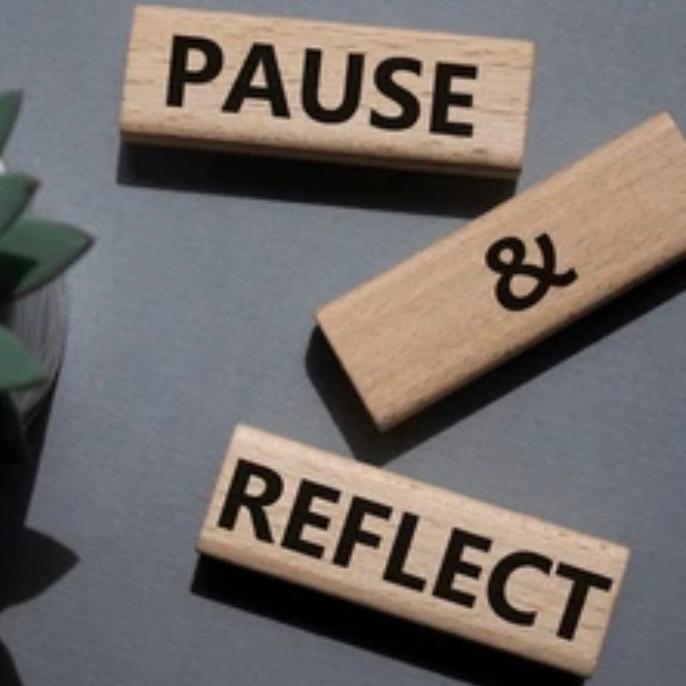
Sometimes the most important thing we can do is...nothing. At least, nothing for the moment.


The last number of years, I have committed to taking an annual trip with the sole purpose of pausing... life is busy and goes so fast. It's important to take these moments, slow down, rediscover balance and reset intensions for the months ahead.


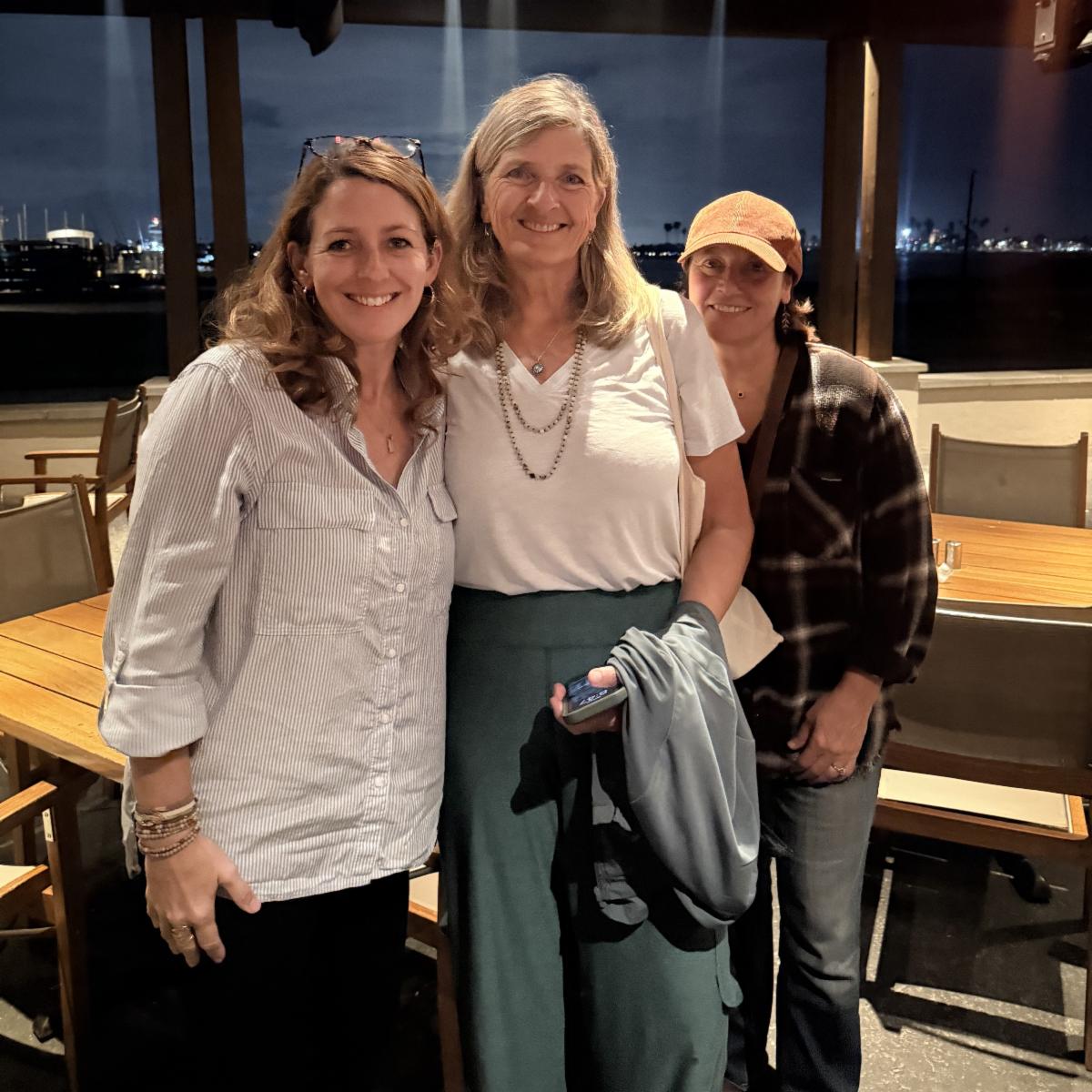
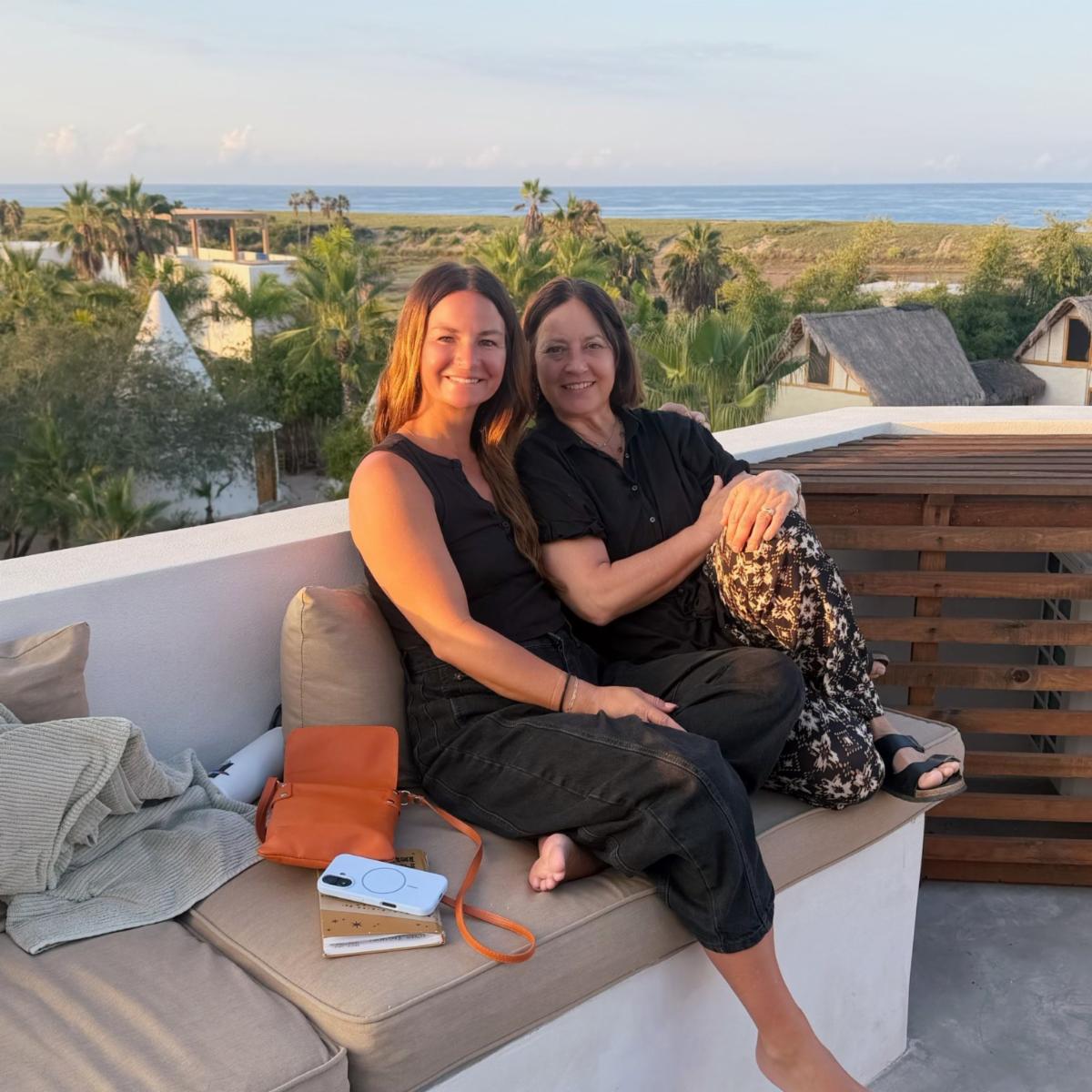
I recently returned from a trip to Mexico. Not for a conference, not for work, and not to check something off my list. I went to "pause"... a little distance from the day-to-day, some sunshine, time to think, connection with other women pursuing the same "pause" in their life, and perhaps most importantly, time to just be.


It got me thinking about how rarely we give ourselves permission to pause. We are constantly moving, reacting, fixing, planning, worrying, and trying to stay one step ahead. As parents, professionals, partners, and simply as people, we can become so accustomed to doing that we forget the value of stopping...I know I do.


A few recent moments brought this home to me.


My son recently told his dad, "Daddy, your friend needs to cry. Crying helps you feel better. Tears release actual chemicals that improve how you feel and make you less stressed." I loved that. Such a simple observation, yet such a meaningful reminder that sometimes we don't need an answer, a solution, or a pep talk. We just need to pause and let ourselves feel what we're feeling.


There are many reasons to pause. Sometimes it's to regroup. Sometimes it's to listen. Sometimes it's to get perspective. Sometimes it's to recognize something we haven't been willing to see. And sometimes it's simply to give ourselves and others the grace of a little time.


This is so relevant in our work with families. Sometimes pausing is what everyone needs to do to "see" again and to reconnect in healthier ways. The world is so fast paced, we often fear pausing, thinking we will be left behind. Perhaps it's the opposite. Pausing gives us clarity that is often missed when life is happening so quickly and relationship intensity and emotions take over.


Here's to giving ourselves - and each other - a little more room to pause.


We are here to support your families and give YOU a little more room in your life to find balance and moments of pause. For questions and inquiries I can be reached at 919-428-0048 or beth@360transitionservices.com.


Fondly,


Beth Laughlin and the 360 Team

banner

The Power of The Pause in Parenting


"Perhaps the greatest power of the pause is that it creates space for something different to happen"


In the world of parenting, transitions, and adolescent and young adult development, there is tremendous power in the pause. It is the space between what happens and how we choose to respond. And often, it is in that space where the most meaningful growth can occur.


In 360's work with families, we often find parents moving between two extremes: over-parenting, where they step in too quickly, anticipate every obstacle, and try to make things easier; and under-parenting, where they step back so far that the child feels unsupported or left to navigate something they aren't quite ready to manage alone. Finding the middle ground is not always easy. It requires awareness, patience, and sometimes the willingness to sit with discomfort. Parents are often so close to the relationship and the "dance" with their child that having someone outside of the family system helps them see the patterns. The parent coaching role can be vital to the process of change.


A pause allows parents to recognize blind spots. What are they missing? Are they responding to what the child actually needs, or to their own fears, expectations, and experiences? Are they seeing the child in front of them, or the version of them they remember, worry about, or hope they will become. It's important to recognize the pause is not passive parenting. It is purposeful parenting.


There are many reasons to pause:


  • To listen before offering advice.
  • To allow the child to experience the natural consequences of their choices.
  • To recognize when helping has become rescuing.
  • To resist reacting from fear, frustration, or ugency.
  • To give emotions room to surface and be understood.
  • To recognize blind spots and reconsider assumptions.
  • To create opportunity for reflection, accountability, and growth.
  • To simply allow time for something to unfold.


At 360 Transitions, we often talk about the importance of meeting young people where they are while helping them move toward where they want to be. Sometimes that means taking action. Other times, it means resisting the urge to act.


The pause isn't about disengaging. It's about being intentional.


I recently experience a moment of pause when I found myself tearing up while talking with a dad about some difficult things he needed to hear. Time stopped...he stopped. It was an emotional conversation, and the tears came unexpectedly. But perhaps they weren't unexpected at all. Sometimes the things that matter most are also the hardest to say and the hardest to hear. There is something powerful about allowing ourselves to be human in those moments. To be willing to say the hard things when they come out of care and to encourage the pause.

Meet 360 Mentor, Phillip Bogaevsky

Burlington, VT

"Discovering my own path of fulfillment through various steps and missteps led me to where I am today...helping young people navigate and discover their own path. It's not easy, but it is possible. Having someone with you who's been there before, I believe, is invaluable."


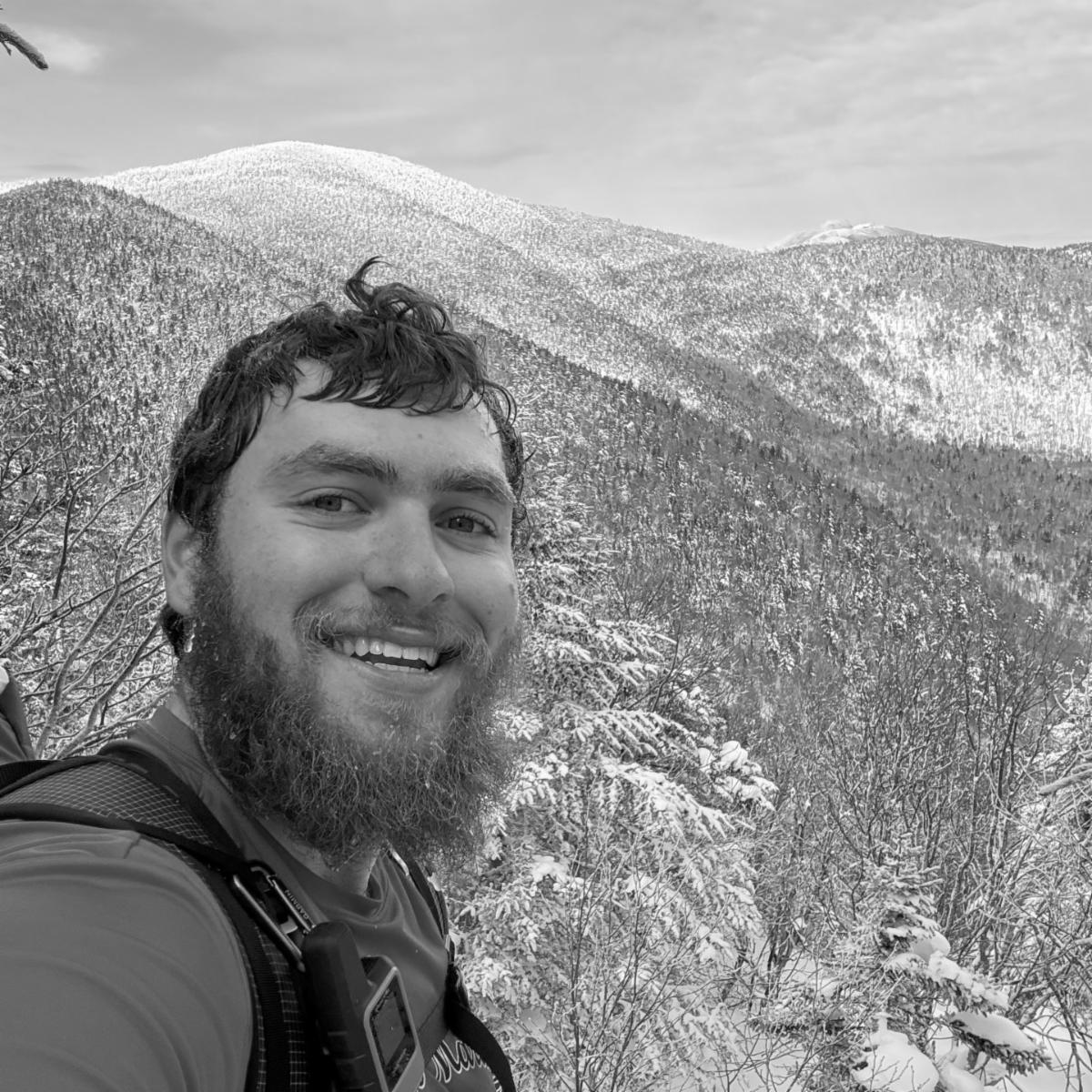
Phillip grew up in the greater Boston area in a Russian immigrant family. From a young age he found enjoyment in sports, nature, and travel. After receiving his BA from Clark University, Phillip began work in the world of corporate finance and very quickly learned that fulfillment lay elsewhere for him. Completing a lifelong dream, he relocated to Burlington, Vermont and began working at True North Evolution, a nature-oriented residential therapy program for young adults. This was a transformative experience for Phillip and led him to pursue his masters degree in Clinical Mental Health Counseling at the University of Vermont.


Phillip strives to help others find fulfullment in their daily routine, discover their own rhythm, establish a strong sense of identity, and ground themselves through various modalities.


When Phillip isn't taking classes or studying, he spends most of his time trail running and climbing the major summits of the northeast and beyond. Once snow hits the ground he is busy with his true love of backcountry skiing and ski patrolling at Smuggler's Notch.


His work with his 360 clients is the next evolution in his career; stepping outside of the treatment environment and helping young people apply the skills learned into their everyday life. This real-life work, for Phillip, is what it's about.

Click on this link to hear 360 Transition's Founder and Owner, Beth Laughlin, interviewed by Will White with Stories From The Field podcast.

In The Collapse of Parenting, internationally acclaimed author Leonard Sax argues that rising levels of depression and anxiety among young people can be traced to parents abdicating their authority.


Dr. Sax provides concrete guidance for parents seeking to help their children fulfill their potential in the midst of a toxic culture.

Pausing and Connecting...

www.360transitionservices.com


We look forward to working with you!


Sincerely,

Beth Laughlin

beth@360transitionservices.com

919-428-0048


Facebook