CMS Releases Final 2025 Fee Schedule
CMS has finalized the 2025 Medicare Physician Fee Schedule, implementing a 2.83% cut to Medicare physician reimbursements, as previously outlined.
This cut continues a long trend of decreased reimbursements, originating with the Budget Control Act of 2011 under the Affordable Care Act. As a result, sequester cuts of 2% will remain in effect until 2032 unless Congress enacts a permanent fix to prevent these annual adjustments.
Impact on Interventional Pain Management (IPM) Services:
The final schedule reflects a 2.83% reduction in reimbursements for IPM services.
New Bipartisan Legislation Introduced to Counter Cuts:
Congressman Greg Murphy, M.D., has introduced a bipartisan bill to address this issue. This legislation aims to prevent the proposed reimbursement cut and introduce a payment increase (1.8%) equal to half of the Medicare Economic Index, aligning with recommendations from the Medicare Payment Advisory Commission.
The bill has garnered support from AMA, numerous organizations, including ASIPP. We encourage all members to act by contacting your congressman and senators to support this legislation.
Click here for the Physician Final Payment Rates
ASC:
There are no major changes for IPM procedures in ASC settings, aside from adjustments in specific codes. Notably, there is a 2% to 3% increase for codes 62361, 62360, 61885, 64590, and 62362, while codes 63688, 64595, 63664, 64585, 63662, 64569, 62350, and 64553 will see a 5% to 7% decrease.
Click here for the ASC Final Payment Rates
Click here for the HOPD Final Payment Rates
| |
|
On November 1st, the U.S. Department of Health and Human Services (HHS), through the Centers for Medicare & Medicaid Services (CMS), announced it is finalizing new policies in the calendar year (CY) 2025 Medicare Physician Fee Schedule (PFS) final rule to strengthen primary care, expand access to preventive services, and further access to whole-person care for services such as behavioral health, oral health, and caregiver training. The final rule reflects the Biden-Harris Administration’s commitment to protecting and expanding Americans’ access to quality and affordable health care.
“The Medicare physician payment final rule continues our work to strengthen primary care while also supporting preventive care and promoting better access to behavioral health care. In addition, the final rule codifies and builds on guidance to continue our ability to use rebates from drug manufacturers to strengthen Medicare", said HHS Secretary Xavier Becerra. “This is made possible by the Biden-Harris Administration’s historic prescription drug law, the Inflation Reduction Act. This rule ensures that everyone can get health care, regardless of the color of their skin, what language they speak, or where they were born. And it encourages more participation in the Medicare Shared Savings Program by accountable care organizations serving people in rural and underserved communities – to the benefit of millions.”
“CMS remains committed to delivering affordable, high-quality care to all Americans while continually driving innovation to help better meet the individual needs of every person with Medicare,” said CMS Administrator Chiquita Brooks-LaSure. “This final Medicare physician payment rule increases access to preventive health services, improving health care providers’ ability to identify health problems early, when they are easier to treat, and takes additional steps to support caregivers.”
Read More
| |
Abstract submissions are open for ASIPP's 2025 Annual Meeting!
The abstract submission deadline is March 10, 2025.
Don't miss this opportunity to share your insights and
help shape the future of pain management.
| |
|
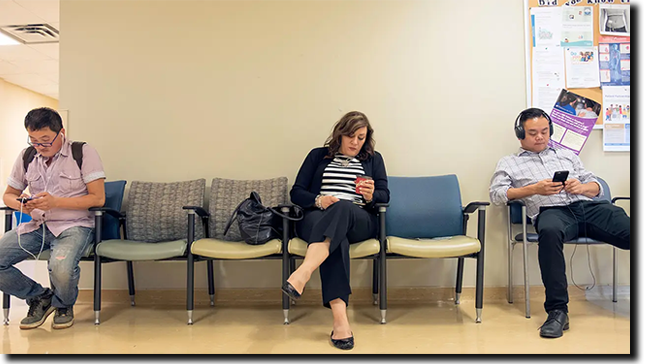
Healthcare is one of few industries still lacking in convenience
American business is delivering one of history's greatest revolutions in customer convenience -- except in our industry, the one that needs the biggest change of all.
For the first time we can shop for just about any product on Earth with a basic cell phone that fits in our pocket or purse. We can stream the TV show or movie of our choice at our most convenient time. Instead of waiting in the rain or snow to hail a taxi, we can have a car pick us up at our preferred location, or have another vehicle deliver our groceries, a dinner from a restaurant, or fresh flowers from South America.
What we apparently cannot do, however, is make medicine convenient for our customers.
Healthcare may be the biggest business in the wealthiest nation on the planet -- 17.3% of the U.S. economy, worth a total of $4.5 trillion a year, or $13,493 per person -- but it is still a massive pain in the neck for our patients to come see us. Polls show most Americans are not happy with their healthcare, and there's little doubt why -- it's expensive, complicated, and really, really inconvenient.
Read More
| |
|
Virtual yoga classes significantly reduced chronic low back pain intensity and improved back-related function in health system employees. Improvements were sustained at 24 weeks, with reduced pain medication use and better sleep quality.
METHODOLOGY
- A single-blinded, 24-week, 2-arm, randomized clinical trial was conducted from May 3, 2022, through May 23, 2023, comparing live-streamed yoga classes with a wait-list control among adults with chronic low back pain.
- A total of 140 participants aged 18-64 years with chronic low back pain were recruited from the Cleveland Clinic Employee Health Plan.
- Inclusion criteria included a mean low back pain intensity score of at least 4 on an 11-point numerical rating scale and daily back pain interference about half or more of the days.
Read More
| |
|
It's time to move beyond simply teaching nurses to "tolerate a broken system," researcher says
Nurse burnout was consistently tied to reduced patient safety and satisfaction, and lower quality of care, a meta-analysis involving decades of data indicated.
In the evaluation of 85 studies with 288,581 nurses from 32 countries, occupational burnout was associated with:
- Lower safety climate or culture: standardized mean difference (SMD) of -0.68 (95% CI -0.83 to -0.54)
- Lower patient satisfaction ratings: SMD -0.51 (95% CI -0.86 to -0.17)
- Lower nurse-assessed quality of care: SMD -0.44 (95% CI -0.57 to -0.30)
The findings persisted regardless of nurses' age, sex, work experience, and geography, according to Tait Shanafelt, MD, of Stanford University School of Medicine in California, and colleagues.
Read More
| |
|
Virtual
December 14
Four (4) hour virtual exam
- ABIPP Path – Combined CCPM/ CSM Exam
For those with subspecialty in Pain Medicine
Two (2) hour virtual exam
- ABIPP Competency Exam in IPM
For those without primary board certification
Two (2) hour virtual exam
- ABIPP Competency Exam in Regenerative Medicine
Two (2) hour virtual exam
- Controlled Substance Management Competency Exam
Two (2) hour virtual exam
- Documentation, Coding, Compliance, Practice Management Competency Exam
Two (2) hour virtual exam
2025 Exam Dates Coming Soon!
| |
|
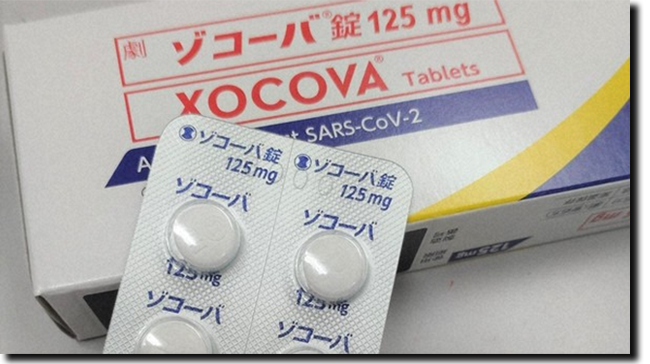
Japan's Shionogi & Co said on Tuesday a global, late-stage study showed its pill-based treatment for COVID-19 was effective in reducing transmission of the disease.
Ensitrelvir, known commercially as Xocova, showed a statistically significant reduction in participants with symptomatic infection after exposure to household contacts with COVID, Shionogi said in a statement.
The Phase 3 SCORPIO-PEP trial involved about 2,400 participants in the United States, South America, Africa, and Asia.
Read More
| |
Registration is open for
ASIPP's 2025 Annual Meeting
We would love it if you would register and join us in Orlando!
| |
|
Despite the prevalence of obesity in primary care, there appear to be major knowledge gaps among providers regarding obesity management, new research suggests.
Anonymous surveys of 96 primary care providers at a Boston, Massachusetts, safety net hospital revealed that participants had limited understanding of criteria for prescribing antiobesity medications (AOM), and expressed discomfort in prescribing AOMs due to knowledge concerns, especially for non–glucagon-like peptide 1 (GLP-1) receptor agonists. One third reported that they didn’t prescribe AOMs, and rates of referral for bariatric surgery were also low.
The findings were presented at the Obesity Society’s annual Obesity Week meeting by Alejandro Campos, MD, a third-year resident in the section of internal medicine, Boston Medical Center, and the Department of Medicine, Boston University, Boston.
Read More
| |
- ASIPP Members Only Site Information - | |
-
To log in for the first time you will need to click “forgot password” at the bottom of the login window.
- Check your email and then log in as directed.
-
If you have problems logging into your account, click here.
| |
|
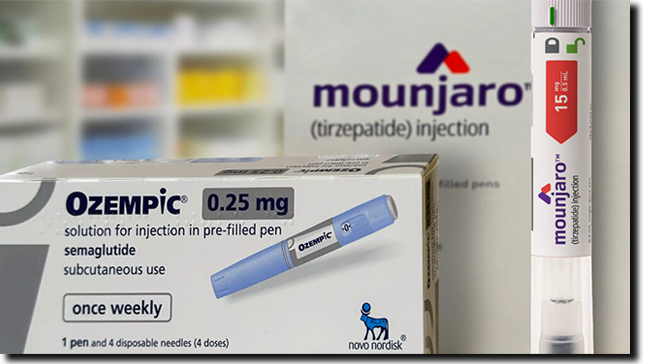
On November 5, the US Food and Drug Administration (FDA) updated the labels for all glucagon-like peptide 1 receptor agonists (GLP-1 RA) with a warning about pulmonary aspiration during general anesthesia or deep sedation. The affected drugs are semaglutide (Ozempic, Rybelsus, Wegovy); liraglutide (Saxenda, Victoza); and the dual glucose-dependent insulinotropic polypeptide (GIP)/GLP-1 tirzepatide (Mounjaro, Zepbound).
“This was a safety-related labeling change for the glucagon-like peptide 1 receptor agonist product class,” an FDA spokesperson told Medscape Medical News.
A newly added subsection under “Warnings and Precautions” states: “There have been rare postmarketing reports of pulmonary aspiration in patients receiving GLP-1 receptor agonists undergoing elective surgeries or procedures requiring general anesthesia or deep sedation who had residual gastric contents despite reported adherence to preoperative fasting recommendations.
Read More
| |
Only a third of scientific journals on PubMed post conflicts of interest
While use of PubMed's voluntary field for conflict of interest (COI) statements in abstracts has increased, it continues to be underutilized by most scientific journals, according to a repeated cross-sectional study.
An analysis of more than 7,000 journals on PubMed found that the proportion of journals with at least one article that included a posted COI statement rose from 25.9% in 2016 to 33.2% in 2021, according to Peter Lurie, MD, MPH, of the Center for Science in the Public Interest in Washington, D.C., and co-authors.
Among the approximately 400,000 articles published each year, the proportion with a COI statement on PubMed increased from 9% in 2016 to 43% in 2021, they reported in PLoS One.
Read More
| |
|
Pain Medicine Case Reports (PMCR) and Editor-in-Chief Alaa Abd-Elsayed, MD, PhD would like to invite you to submit case reports and case series to the PMCR journal. Your article will be published free of charge.
Open access journals are freely available online for immediate worldwide open access to the full text of published articles. There is no subscription fee for open access journals. Open access journals are no different from traditional subscription-based journals: they undergo the same peer review and quality control as any other scholarly journal.
Interested in becoming a member of the PMCR Editorial Board?
Editorial board members are asked to review 2-6 manuscripts per year. Please submit your most up-to-date CV to sgold@asipp.org for consideration.
For more information or to submit your articles, click here.
| |
|
Savannah Whitfield, DO, and Daniel Sanchez Pellecer, MD
Abstract
BACKGROUND: Calcific uremic arteriolopathy, or calciphylaxis, is a rare and severe condition marked by calcification of small-to-medium blood vessels, causing tissue ischemia and necrosis. The pain is excruciating, emanating from tender lesions, severely impacting movement and touch. No approved treatment exists, making effective pain management vital for improving quality of life and outcomes.
CASE REPORT: A woman with end-stage renal failure and calciphylaxis-related ulcers on the inferior pannus, left medial thigh, and right gluteus experienced refractory pain despite opioid therapy. Palliative care initiated adjustive buprenorphine, yielding remarkable and sustained pain relief.
CONCLUSIONS: This case emphasizes the urgent need for better treatment options for calciphylaxis, particularly in pain management. The success of adjunctive buprenorphine highlights the debilitating condition, ensuring comprehensive pain management.
KEY WORDS: Calciphylaxis, hemodialysis, pain, buprenorphine, palliative care
Read More
| |
RANDOMIZED CONTROLLED TRIAL | |
|
Xiaochen Shi, PhD, Jiaan Zhu, PhD, Guicheng Li, MD, Xuesong Gu, MD, and Hailin Xu, PhD
Abstract
BACKGROUND: Ultrasound-guided transverse carpal ligament (TCL) needle release has been demonstrated to be an effective treatment for carpal tunnel syndrome (CTS). However, no existing evidence has investigated the comparative efficacy of different release approaches.
OBJECTIVE: To compare the efficacy of ultrasound-guided TCL needle release via different approaches for patients with mild to moderate CTS over a 12-month follow-up.
STUDY DESIGN: A prospective, randomized, controlled trial.
SETTING: Outpatient clinic at a university hospital.
METHODS: Sixty-four patients with mild to moderate CTS (> 3 months’ duration) were randomly assigned to either the long-axis group (one session of ultrasound-guided corticosteroid injection plus long-axis TCL needle release) or the short-axis group (one session of ultrasound-guided corticosteroid injection plus short-axis TCL needle release) in a one-to-one ratio. The primary outcomes were the symptom severity scale (SSS) and functional severity scale (FSS) scores of the Boston Carpal Tunnel Questionnaire (BCTQ). The secondary outcomes were electrophysiological studies, including distal motor latency (DML) and sensory nerve conduction velocity (SNCV), cross-sectional area (CSA) of the median nerve (MN), and patient-reported successful clinical response. Assessments were performed before treatment and at one, 3, 6, and 12 months after treatment.
RESULTS: A total of 60 patients (30 per group) completed the trial. Compared to the baseline, both groups exhibited improvement in SSS, FSS, SNCV, DML, and CSA at all follow-up time points, with statistical differences for SSS, FSS, and SNCV at 3, 6, and 12 months (P < 0.05), DML at 6 and 12 months (P < 0.05), and CSA at each follow-up time point (P < 0.05). Compared to the short-axis group, the long-axis group exhibited more improvement in SSS and FSS at all follow-up time points, with statistical differences at 3, 6, and 12 months (P < 0.05), and in SNCV and DML at 6 and 12 months (P < 0.05). Although the long-axis patients exhibited more improvement in their wrists’ CSAs, the intergroup differences were nonsignificant at all follow-up time points (P > 0.05). Four patients in the short-axis group experienced recurrent symptoms and underwent surgery at 12 months, whereas no recurrence was observed in the long-axis group.
LIMITATIONS: A relevant future trial with a longer follow-up period than this one used is still necessary.
CONCLUSIONS: Ultrasound-guided TCL needle release via the long-axis approach appears to be more effective than the short-axis approach for treating mild to moderate CTS.
KEY WORDS: Carpal tunnel syndrome, transverse carpal ligament, needle release, 12-month efficacy, corticosteroid, comparison, ultrasound, different approaches
Read More
| |
RANDOMIZED CONTROLLED TRIAL | |
|
Xiaochen Shi, PhD, Jiaan Zhu, PhD, Guicheng Li, MD, Xuesong Gu, MD, and Hailin Xu, PhD
Abstract
BACKGROUND: Ultrasound-guided transverse carpal ligament (TCL) needle release has been demonstrated to be an effective treatment for carpal tunnel syndrome (CTS). However, no existing evidence has investigated the comparative efficacy of different release approaches.
OBJECTIVE: To compare the efficacy of ultrasound-guided TCL needle release via different approaches for patients with mild to moderate CTS over a 12-month follow-up.
STUDY DESIGN: A prospective, randomized, controlled trial.
SETTING: Outpatient clinic at a university hospital.
METHODS: Sixty-four patients with mild to moderate CTS (> 3 months’ duration) were randomly assigned to either the long-axis group (one session of ultrasound-guided corticosteroid injection plus long-axis TCL needle release) or the short-axis group (one session of ultrasound-guided corticosteroid injection plus short-axis TCL needle release) in a one-to-one ratio. The primary outcomes were the symptom severity scale (SSS) and functional severity scale (FSS) scores of the Boston Carpal Tunnel Questionnaire (BCTQ). The secondary outcomes were electrophysiological studies, including distal motor latency (DML) and sensory nerve conduction velocity (SNCV), cross-sectional area (CSA) of the median nerve (MN), and patient-reported successful clinical response. Assessments were performed before treatment and at one, 3, 6, and 12 months after treatment.
RESULTS: A total of 60 patients (30 per group) completed the trial. Compared to the baseline, both groups exhibited improvement in SSS, FSS, SNCV, DML, and CSA at all follow-up time points, with statistical differences for SSS, FSS, and SNCV at 3, 6, and 12 months (P < 0.05), DML at 6 and 12 months (P < 0.05), and CSA at each follow-up time point (P < 0.05). Compared to the short-axis group, the long-axis group exhibited more improvement in SSS and FSS at all follow-up time points, with statistical differences at 3, 6, and 12 months (P < 0.05), and in SNCV and DML at 6 and 12 months (P < 0.05). Although the long-axis patients exhibited more improvement in their wrists’ CSAs, the intergroup differences were nonsignificant at all follow-up time points (P > 0.05). Four patients in the short-axis group experienced recurrent symptoms and underwent surgery at 12 months, whereas no recurrence was observed in the long-axis group.
LIMITATIONS: A relevant future trial with a longer follow-up period than this one used is still necessary.
CONCLUSIONS: Ultrasound-guided TCL needle release via the long-axis approach appears to be more effective than the short-axis approach for treating mild to moderate CTS.
KEY WORDS: Carpal tunnel syndrome, transverse carpal ligament, needle release, 12-month efficacy, corticosteroid, comparison, ultrasound, different approaches
Read More
| |
|
ASIPP is now in collaboration with Curi Medical Liability Program
| |
|
Since this malpractice insurance program officially launched in November 2018, ASIPP has signed up hundreds of providers with an average savings of 30%. This is professional liability insurance tailored to our specialty and will stand up for us and defend our practices.
Curi is a full-service advisory firm that serves physicians and their practices. Their valued advice is grounded in your priorities and elevated in your outcomes. They are driven by a deep understanding of your specific circumstances in medicine, business, and life. To read a few important points to keep in mind about the program, including discounts, administrative defense, cyber coverage, aggressive claims handling, and complimentary risk management CME activities, visit our website.
| | |
|
Group Purchasing Organization Offer Better Pricing and Creates Added Value
ASIPP has formed a partnership with Henry Schein and PedsPal, a national GPO that has a successful history of negotiating better prices on medical supplies and creating value-added services for independent physicians. Working with MedAssets, PedsPal provides excellent pricing on products like contrast media that alleviate some of the financial pressures you experience today.
Learn More
| |  |
|
ASIPP, Fedora Healthcare Solutions Partnership
ASIPP offers our members the benefit of a unique revenue cycle management/ billing service.
We have received a tremendous amount of interest in the ASIPP billing and coding program.
Click here to learn more about the negotiated rate for practices and more!
| |
|
Like and follow ASIPP® on Facebook, X, and LinkedIn for the most
up-to-date news related to you, your practice, and your patients!
| | | | |