Maine
Farm to School News
December 2019
|
|
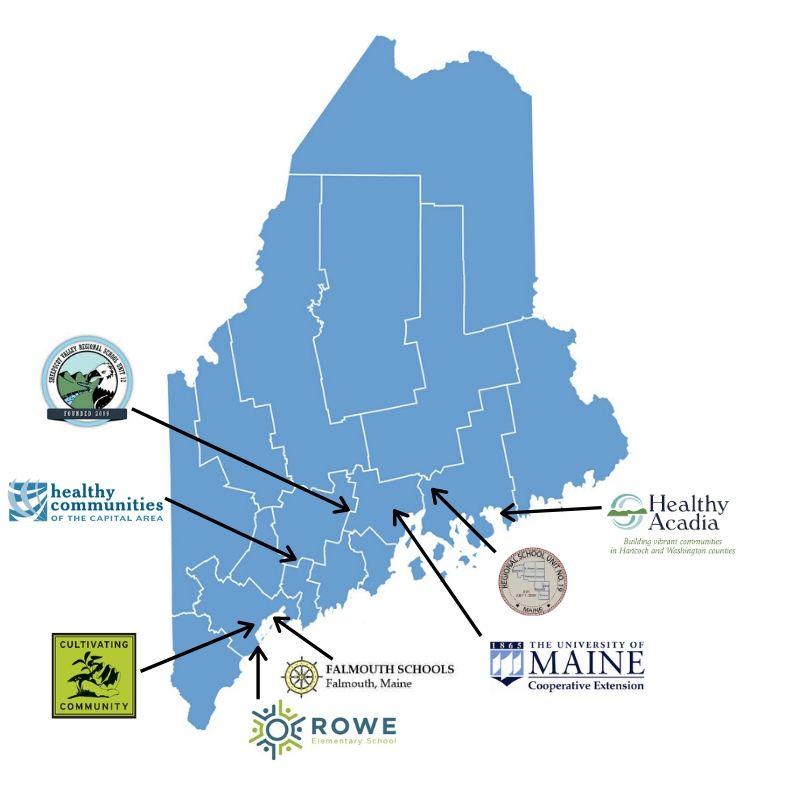
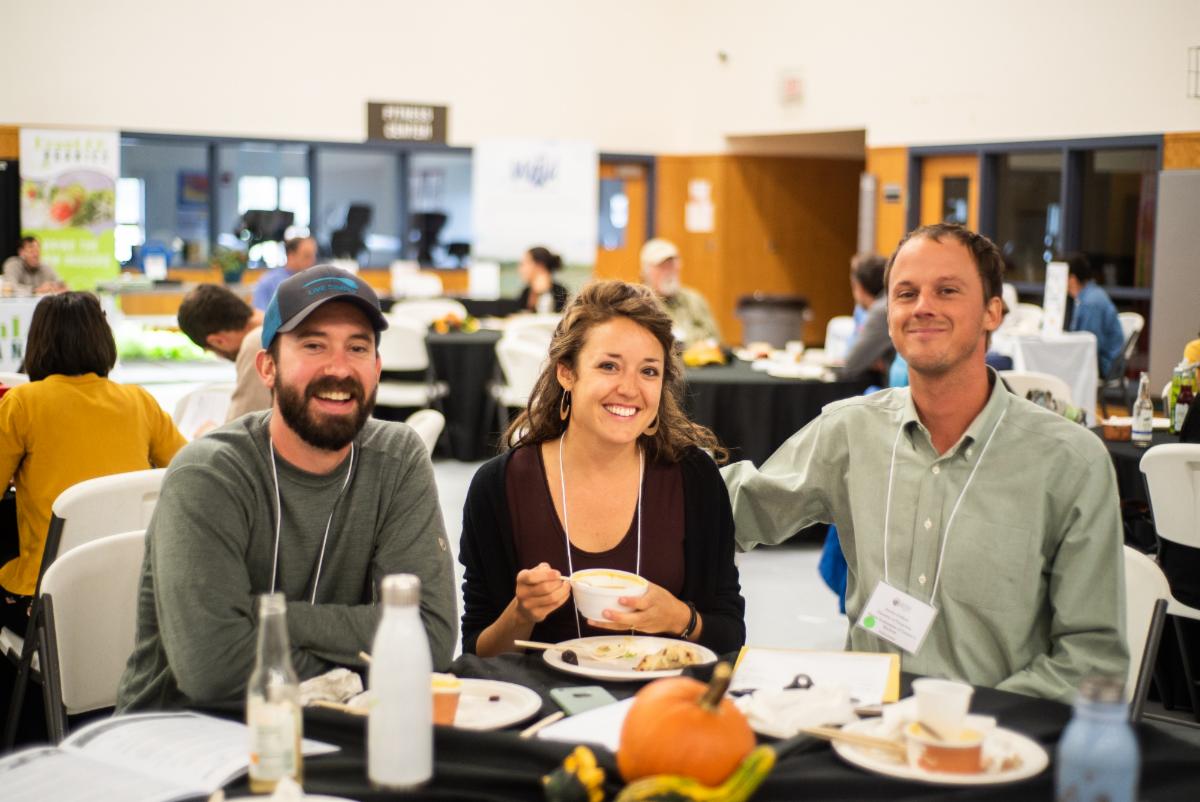
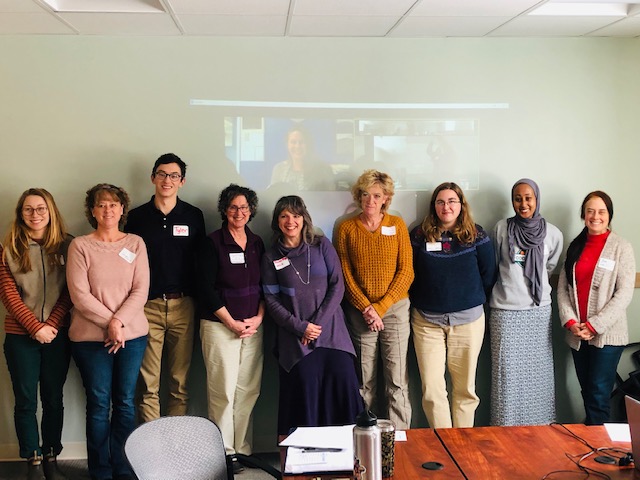
Announcing New Leadership Council Members
Learn more about these school food champions and the work they are doing in Maine!
|
|
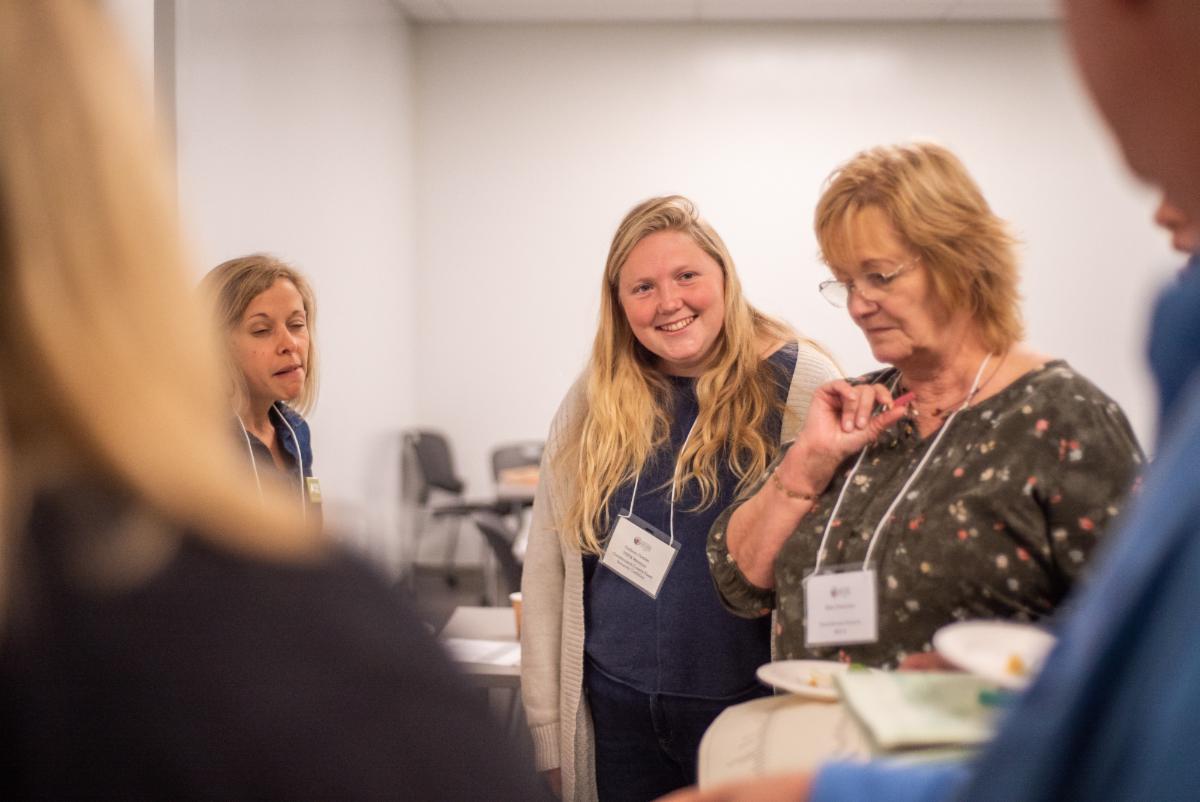
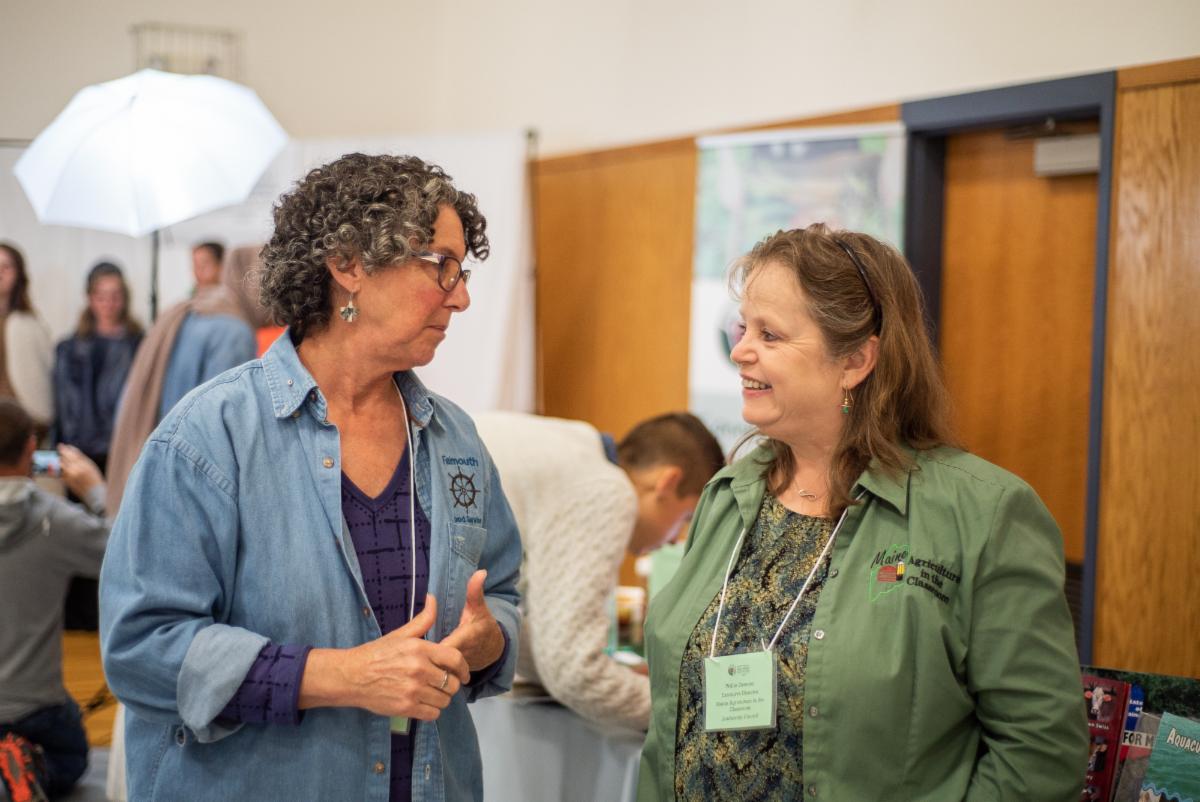
Meet & greet the school nutrition professionals on the
Maine Farm to School Leadership Council
, and join in on a discussion with Maine producers about selling to Maine schools. All are welcome to this free event.
Thursday, January 16, 2020
11:00 am - 1:00 pm
Augusta Civic Center
|
|
Congratulations to the Innovation Grant Recipients!
|
|
We engaged in a
shared gifting process
, where the applicants decided together how much to allocate to each project. Stay tuned for updates on these innovative farm to school projects in Maine!
Innovation Grant Awardees:
- Hydroponically grown produce to supply RSU 39 School Cafeterias; Caribou Tech Center
- Students as Future Organic Farmers; MSAD 59
- Maine Veggies for Maine Kids, Falmouth Public Schools
- Supporting Healthy Eating Through Hands-On Nutrition Education; Southern Aroostook Soil & Water Conservation District
- Stratton School Garden - Vermicompost & 3 Bin Composting System; Stratton Schools
- Kittery School Nutrition Chef to School Series; Kittery Schools
- Incubating Learning: Increasing Portland Public Schools Procurement from Somali Bantu Community Association’s Incubator Farming Program (Liberation Farms), Somali Bantu Community Association of Maine
- Let It Grow! Growing the Connors Elementary School Farm to School Movement; FoodCorps, Lewiston Public Schools
- Classroom Cooking & Local Farmer’s Dinner with Katahdin School; FoodCorps, Katahdin Elementary School
|
|
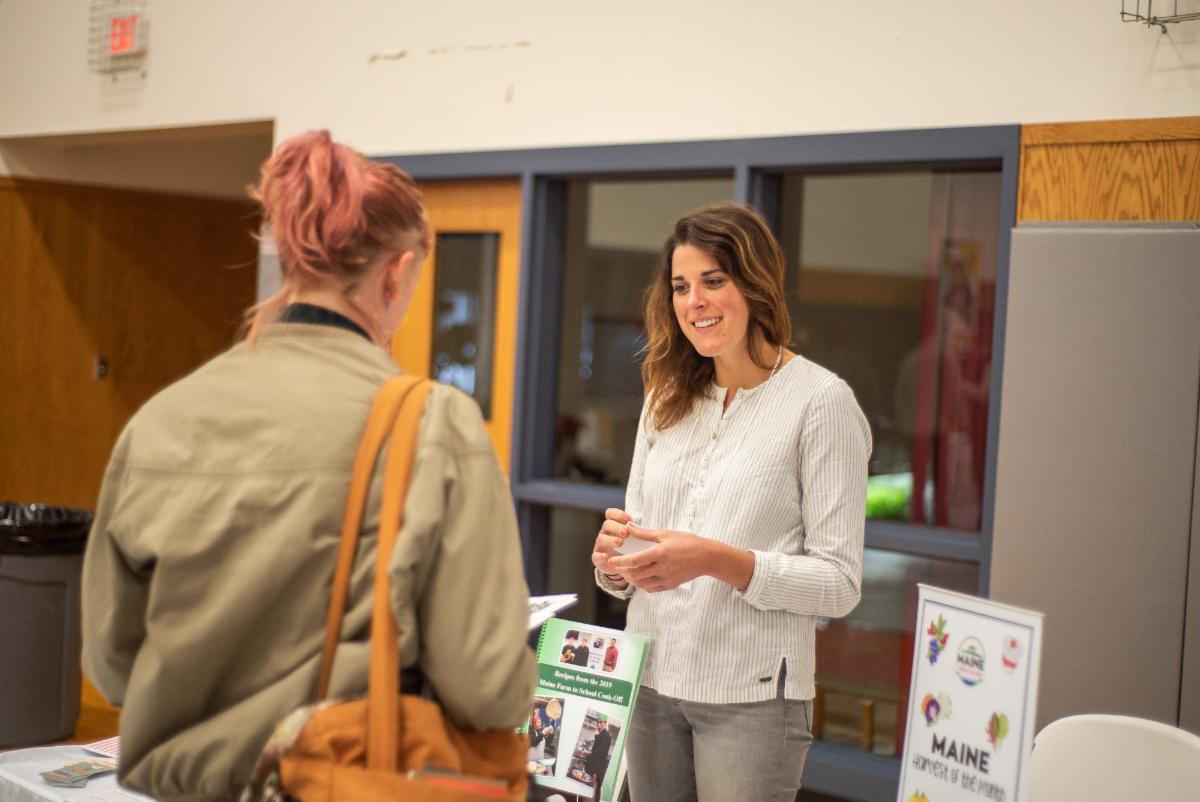
Meet
Robin Kerber
, the new
Maine Department of Education
Farm & Sea to School Specialist!
"My main responsibility is to support and
encourage farmers to partner with schools
, and vice versa. Through the Local Produce Fund, there is significant financial incentive for Maine schools to buy locally, but the partnership can be tricky to navigate at first. My goal within my job at the Department of Education is to make this relationship fluid, manageable, and rewarding for both farmers and schools. I am also the main point of contact for the
Harvest of the Month program
.
I was raised in Maine and spent about a decade living around the country, studying, farming, and cooking before moving back home. I recently bought an old farmhouse in Bowdoinham with the intent to small-scale homestead and someday farm sheep there.
I advocate for Farm to School
because supporting Maine’s farmers by way of providing our posterity with nutritious, flavorful food should be commonplace around the state. It’s a food fight worth fighting!
Favorite local foods:
I’m determined to make figs a local food and have about twelve young trees currently over-wintering in my bedroom. I think Maine is blessed with a lot of small, family-run dairy farms that are making really amazing raw milk and cheese. I also love seeing what creative Mainers are doing with invasives like green crabs and Japanese knotweed."
|
|
December is Maine Winter Squash month
!
Winter squash includes all of our favorite meaty, fleshy storage squashes, like pumpkins and butternut squash!
|
|
Share your Harvest of the Month photos & stories on Instagram
@hom.maine
#mainehom
|
|
December Recipe Highlight:
Cider Glazed Squash
YIELD
100 SERVINGS (K–5) SERVING SIZE: ½ CUP
NUTRITIONAL INFORMATION
CALORIES: 117; SODIUM: 293.05 MG; SATURATED FAT: 2.11%
USDA REQUIREMENTS MET
½ CUP RED OR ORANGE VEGETABLE
- 2½ gallons apple cider
- 1 cup apple cider vinegar
- 1 cups brown sugar
- 23 quarts butternut squash (28 pounds)
- ¼ cup salt
- 2 tablespoons ground pepper
- ¾ cup vegetable oil
In a large pot, bring the apple cider, vinegar and brown sugar to a boil. Reduce the heat to simmer the liquid until it thickens to a maple syrup consistency. Peel squash and cut into ¾-inch cubes. Mix squash with the salt, pepper, and vegetable oil. Divide the squash onto four sheet pans and roast it in a 400°F oven. Roast until the squash caramelizes lightly, about 15 minutes. Toss the syrup with the roasted squash and pop back into the oven for 5 minutes more in order to get an evenly browned color.
NOTE: Reducing the cider will take an hour or more, depending on the size of the pan. The wider the pot, the faster this will happen. You may choose to do this a day in advance, and reheat it as needed. This can also be made in larger batches, reserved, and used as needed. It will have the consistency of jelly when cold and will hold for a month under refrigeration.
|
|
Upcoming Opportunities and Resources
State of Maine
- Complete your USDA Farm to School Census by this Friday the 6th if you haven't yet!
- This information is vital for supporting future farm to school efforts in Maine. Contact Robin at Maine Dept. of Education if you have questions.
- Baskets to Pallets Wholesale Training at the 2020 Agricultural Trades Show:
- Register now! Learn strategies for entering into the wholesale market including: how to scale up to meet demands, determining costs of production, grading and packing for institutional markets, understanding consumer trends, and creating a brand and sell sheets, and more. January 15th & 16th at the Augusta Civic Center. For more information contact Yvette.Meunier@maine.gov (207) 592-0640
Regional + National
- New, comprehensive farm to school resource guide from VT FEED, download HERE
- Webinar opportunities:
- TODAY! How to increase regionally sourced meat, 2:00-3:00 pm, register HERE.
- Wed, Dec. 18, 3:00 - 4:00 PM, School-wide Composting & Curricular Tie-ins, register HERE.
- Mon, Dec. 16, 2:00-2:30 PM, Community Eligibility Provision: A strategy to improve public health, not just a school meal funding option, register HERE
|
|
Finding this Farm to School News helpful?
Forward along to a colleague!
|
Please
contact us
and we will share & highlight YOUR news as well!
|
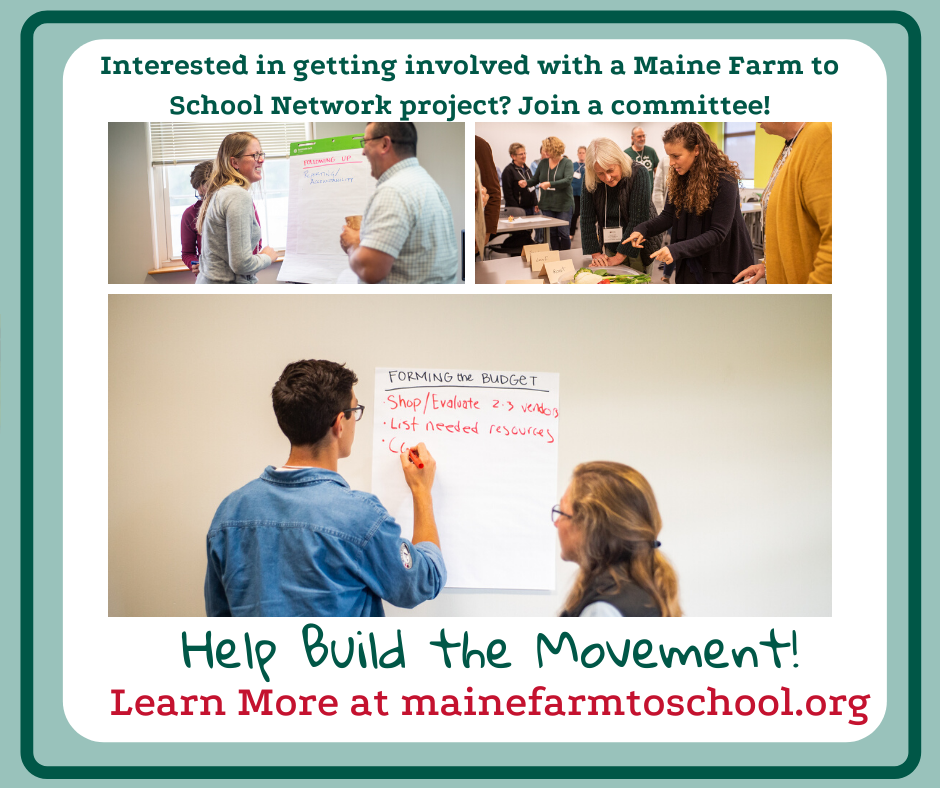
Now Recruiting Committee Members
Building a communication and coordination infrastructure at the school and community level to support farm to school programs throughout Maine.
EDUCATION + PROCUREMENT + SCHOOL GARDENS
|
|
Healthy Communities of the Capital Area (HCCA) is the fiscal and staffing home of MFSN. HCCA's mission is to convene and support people, organizations, and communities to collaborate on quality of life and public health issues.
|
|
The Maine Farm to School Network is supported by the Henry P. Kendall Foundation.
|
|
|
|
|
|
|