|
When your AC drain line becomes clogged, it can lead to several problems, including water damage and mold growth. In some cases, your AC may even shut down, leaving your home uncomfortable. Fortunately, keeping the drain line clean and clear is relatively simple and can help you avoid costly repairs.
Several Factors Lead to AC Drain Line Blockage.
As temperatures rise in the spring, your air conditioner begins running more frequently. The longer it runs, the more condensation it produces at the evaporator coil as it removes humidity from the air. This means more moisture travels through the drain line each day. If any buildup develops inside the line, even a small restriction can cause water to back up.
When temperatures rise, humidity levels often increase as well. Your AC must work harder to remove moisture from the air, which leads to more condensation collecting in the drain pan. The constant presence of moisture can encourage algae and mold growth inside the drain line. Once this slimy buildup forms, it can trap additional debris such as dust and pollen. Small clogs can gradually worsen until the line is cleaned. In homes with hard water, mineral deposits may also accumulate in the drain line, narrowing the opening and increasing the risk of blockages.
What Are the Consequences of a Clogged AC Drain Line?
Reduced Cooling Efficiency and Higher Energy Bills
When your AC removes humidity from the air, condensation normally flows from the drain pan through the condensate line and outside your home. A clog disrupts this process and can interfere with humidity control. The system may run longer cycles as it struggles to maintain indoor comfort, which can increase energy usage and cooling costs.
Structural and Mold Damage to Surrounding Building Materials
If the drain pan overflows due to a clog, water may leak into surrounding materials such as walls, ceilings, or flooring. Prolonged exposure to moisture can damage drywall, insulation, and wood framing.
System Shutdown From Safety Float Switch
Many air conditioning systems include a safety float switch designed to detect rising water levels in the drain pan. When a clogged drain line causes the pan to fill, the float switch shuts down the system to help prevent water damage or electrical hazards. Once the clog is cleared and the system reset, normal operation can resume.
Can You Safely Fix a Clogged AC Drain Line Yourself?
In some cases, a minor clog can be cleared using simple DIY methods, especially if the blockage is near the drain line opening and the line is easy to access. However, if the drain line is located behind walls or the clog is severe, professional assistance is recommended.
Preventive Maintenance is the Best Way to Avoid Drain Line Problems.
- Ensure the air handler cabinet is properly sealed
- Flush the drain line periodically with vinegar
- Use a dehumidifier if indoor humidity is high
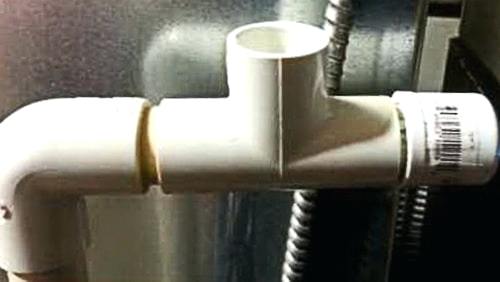
- Install a drain line cleanout port
- Inspect the drain pan monthly during the cooling season
- Maintain proper drain line slope
- Replace damaged drain lines promptly
- Avoid harsh chemical cleaners
|