A Note from President and Founder
Nada Cory

Dear Gardens of Hope Friends and Family,


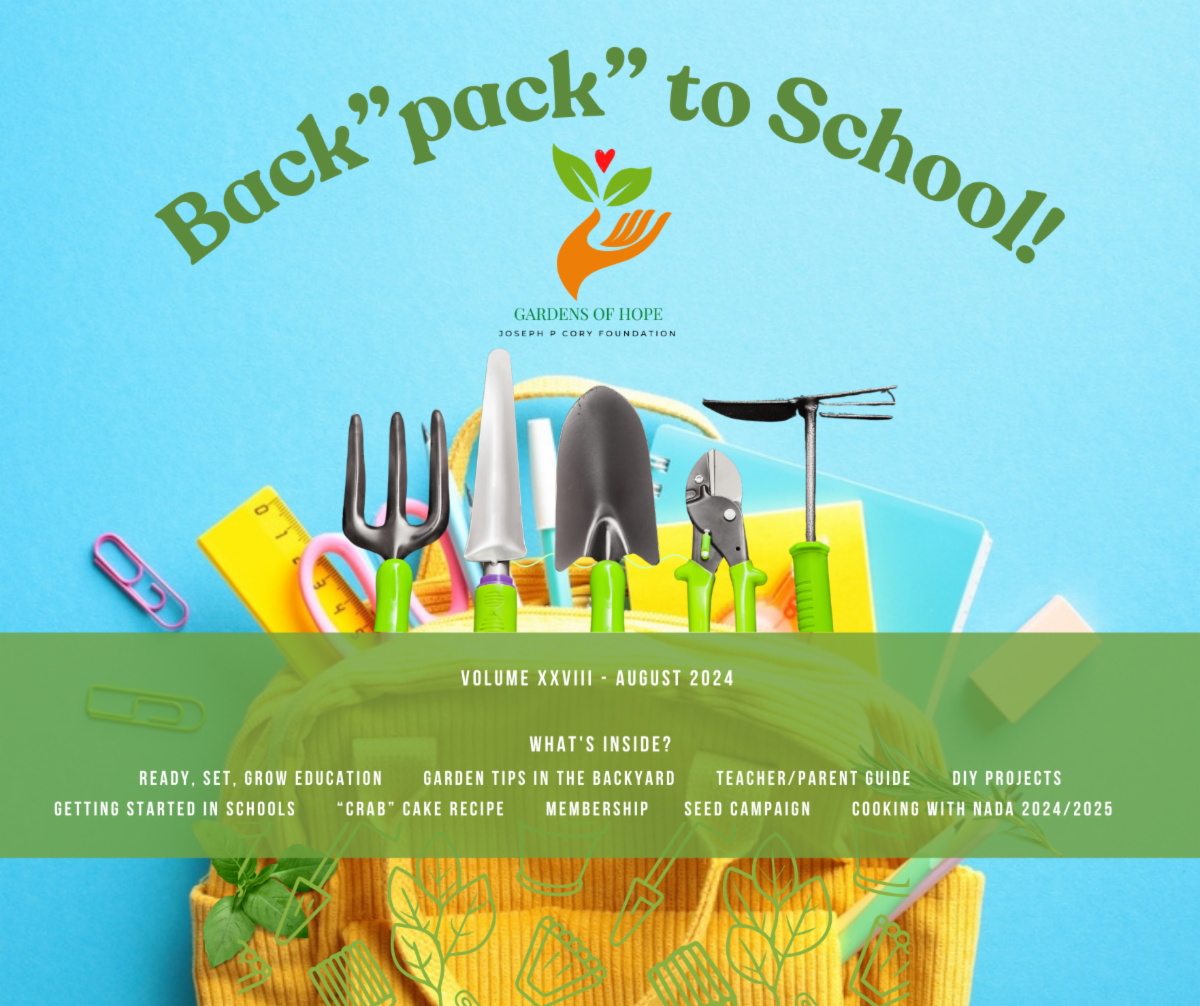
While in South Florida there is not a chill in the air or a brown leaf in sight, we undoubtedly sense our children are back in school. 


Many of you have photos, wristbands, and tickets reminiscent of a lovely time spent with loved ones over the past several months. Perhaps you finished a long-standing project in need of attention or enjoyed the remaining herbs in your garden. Regardless, it is time to say good-bye to the dog days of summer and welcome the promise of a fresh new garden and all its rewards.


At the Joseph P Cory Foundation, we have set in motion, all our pre-planning and strategies for our existing sites, while welcoming new schools to join our outdoor classroom experiences. I encourage you to read below and see the many ways in which school gardens can ignite, excite, and educate students, teaching them lessons to last a lifetime. 


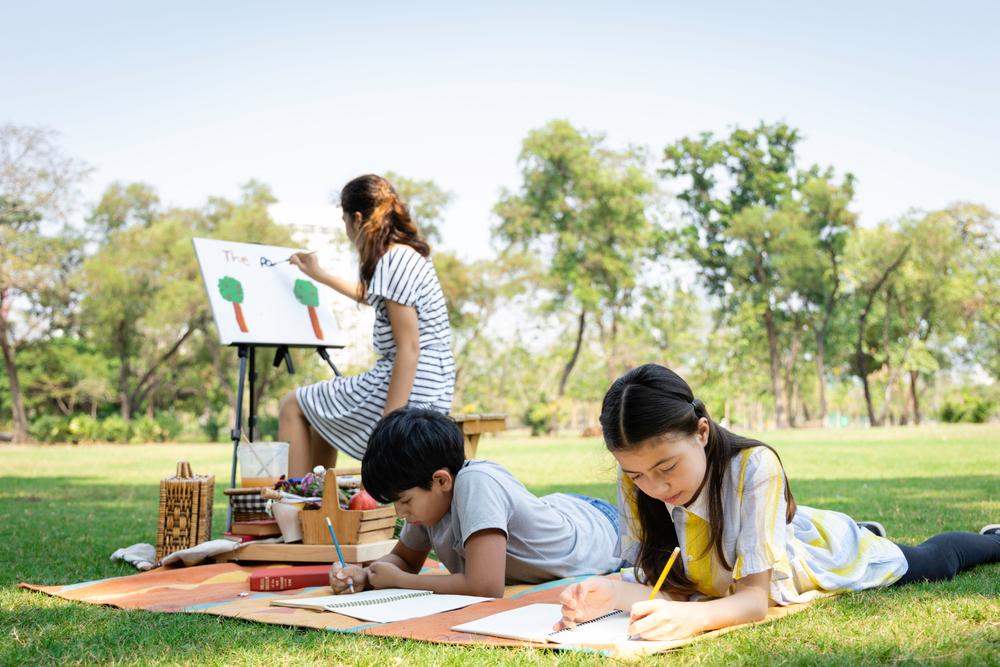
School gardens are a wonderful and exciting way to make almost any classroom curriculum come alive and show "real-life" meaning to students as they learn. A garden can provide an opportunity for students to participate in hands-on learning that teaches not only the intended subject, but also responsibility, teamwork, respect for nature, others, and themselves.


Edible gardens are a valuable tool we donate to schools, promoting healthier eating habits, appreciation of locally grown food sources, understanding environmental stewardship, while encouraging community and social development, and even instilling a sense of place within.


I encourage you to become involved, whether you have children in school or would just like to support this unique opportunity for others. I guarantee you too will benefit in ways you might not have dreamed of. Looking forward to seeing you this year!


In good health,

Nada

PLEASE DONATE TO EDUCATE HERE!
DONATE TO EDUCATE HERE!

Learning Through the Garden


Gardens can serve as living laboratories in which students see and experience firsthand what they are learning, and in turn, apply that knowledge to real-world situations. When students engage in hands-on gardening lessons, they show an increase in positive attitudes towards content material and learning in general. Let’s explore the many subjects that are addressed in school gardens.


Science - Gardens can provide students an opportunity to investigate and compare the basic physical characteristics of plants, what helps or hinders their growth, and their response to stimuli and environmental growing conditions throughout the season.

Students also have a chance to observe similarities and differences in the needs of various living things, and differences between living and nonliving things. Students can maintain a science journal to record observations, collect data, and keep records and drawings of the garden. Students of all ages can learn about the Scientific Method by conducting experiments in the garden.


Math - Gardens give younger students a chance to identify, analyze, compose and compare shapes; classify objects; and count the number of objects in each category. For example, students can look for triangular shapes in the garden and explore their characteristics. Gardens give older students the opportunity to work with numbers while planting seeds; gain foundations for place value; and solve practical computation problems. For a practical, garden-based application of area and linear measurement calculation, students could plan the area of a garden plot and then calculate the suggested distance between seeds or seedlings. (Hit continue reading for the entire article)

Continue Reading

If you have some time... 561-501-3538 info@josephpcoryfoundation.org

School is in session! Important information for GOH sites.


Welcome back Gardens of Hope Friends, (AKA our heroes/partners in student and community health).


To help everyone get on point quickly and effortlessly, we have a list of questions and suggestions to assist us all.


Garden Assessment (please be brutally honest, it will help to know what is ahead of you, and how we can help)

·       What is the condition of your garden beds? (Weeds, animal (Iguana) infestation, low soil level, no nutrients, bed condition themselves, watering trouble, etc.)

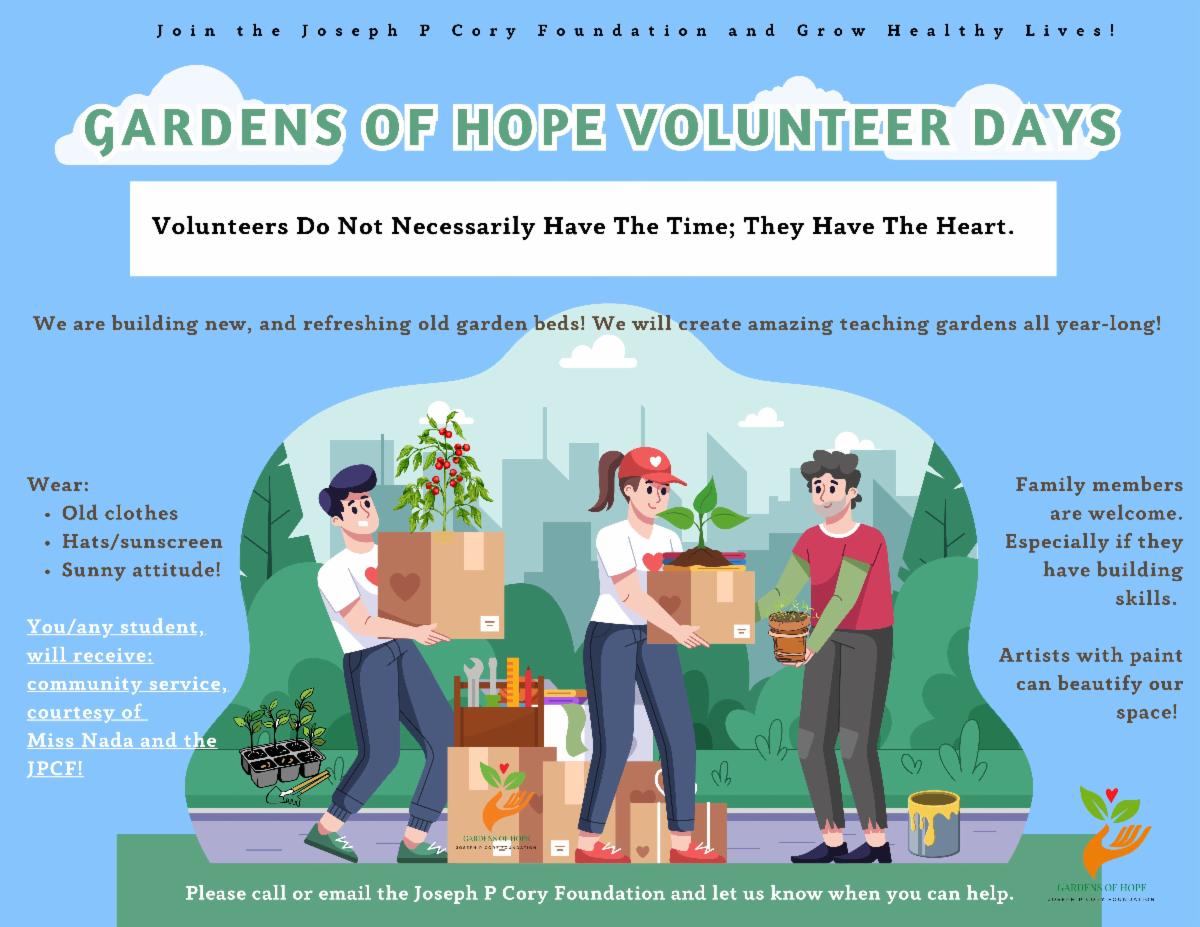
·       Am I setting up a garden clean out day? (Let us know, we can help you create a flyer (See example in Dropbox or refer to a prior email) Getting rid of the weeds and making a few minor repairs is done best with help!

o   Must be completed by the end of September for us to move forward with October plantings

·       If I received community/parent financial/volunteer help last year, will they help again? There are other entities/foundations that will only grant monies to schools. Their requests/applications/letters of intents are easy to fill out, and we will help if you need us.

·       Was our watering plan sufficient? Is it still working? How can we do better?


Joseph P Cory Foundation Partnership (If we have not spoken about this already, please review)

·       Will you continue working with us?

o   Can you tell us approximately how many people this garden will serve

o   How many beds do you have? What sizes? THIS HELPS us provide you with the correct materials.

o   What is the best day and time for us to visit the classroom

o   Will you be accessing our online curriculum to supplement your garden education

o   Will you create a Google share drive for your students/others


Next steps

·       Please send us an email answering the questions above in a brief summation

·       Let us know what your garden goals are for 2024/2025

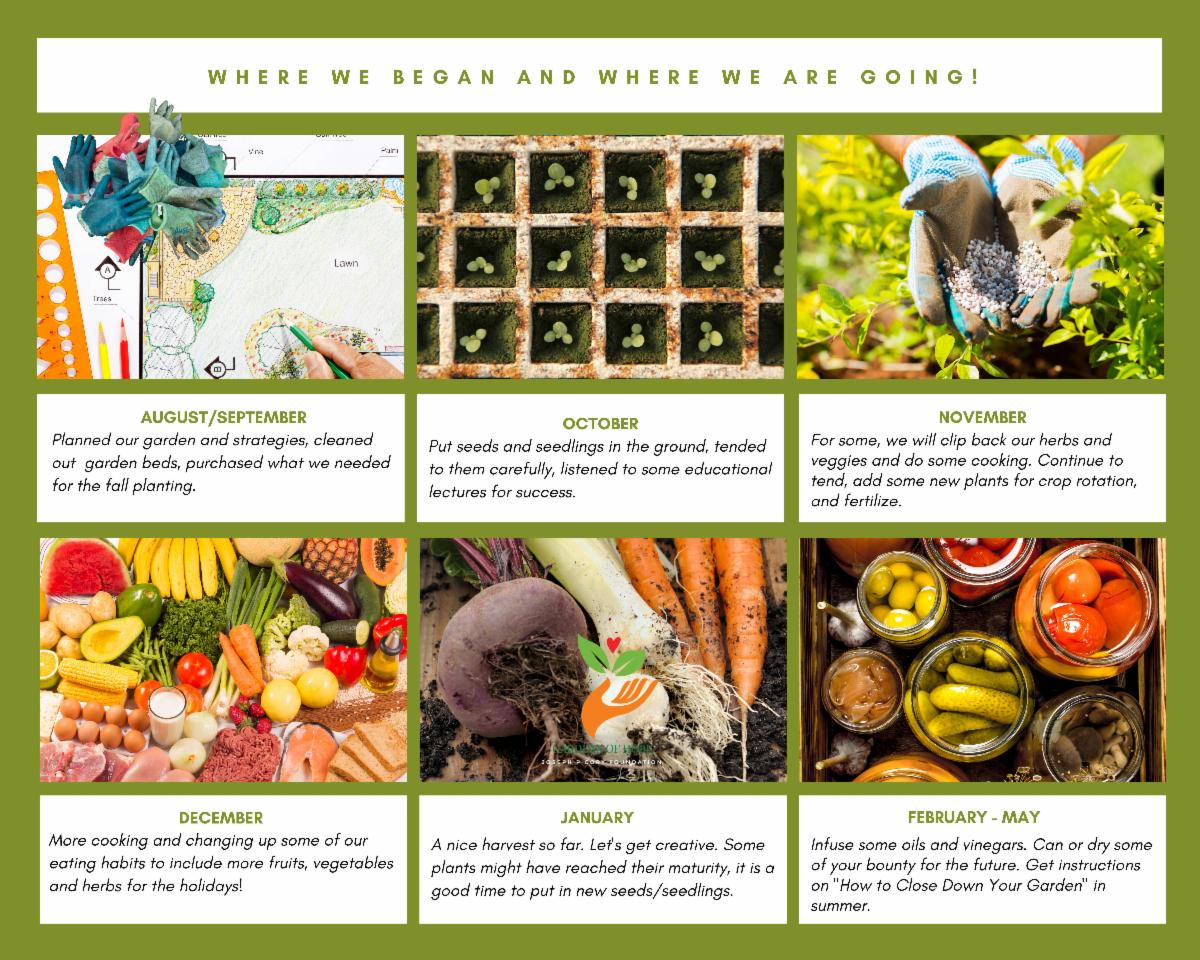
·       Start the excitement! When students are told about “Garden Club” and what is to come, please ask them to bring in egg cartons so in September, they can plant seeds indoors (we will send them to you). These emerging seedlings will be replanted outdoors late October.

·       View the “Ready, Set, Grow” lesson, it will help to make the grow project fun and educational. 

Access PDF

View our Teachers/Parents Guide


Enjoy our updated Teachers/Parents Guide to jumpstart your Fall garden goals. It is geared for the average third grade classroom, and aligns with The School District of Palm Beach County program standards. You can also find this and other guides on our website.


To help with Garden Planning, click the chart below.

DONATE TO EDUCATE HERE!
 

DYI Projects for the Family

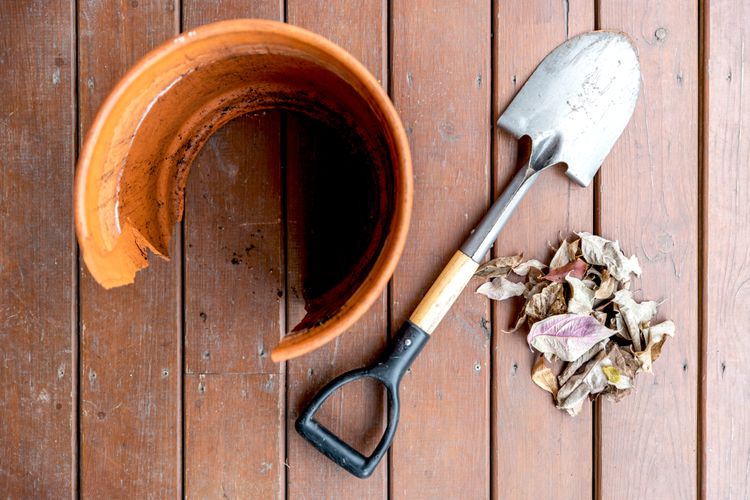
Construct a Toad House


Create a cozy, dark, cool, moist cavern as your "toad abode".

Instructions

Leaf Rubbings


Use leaves from trees or garden plants to capture the beauty of nature.

Instructions

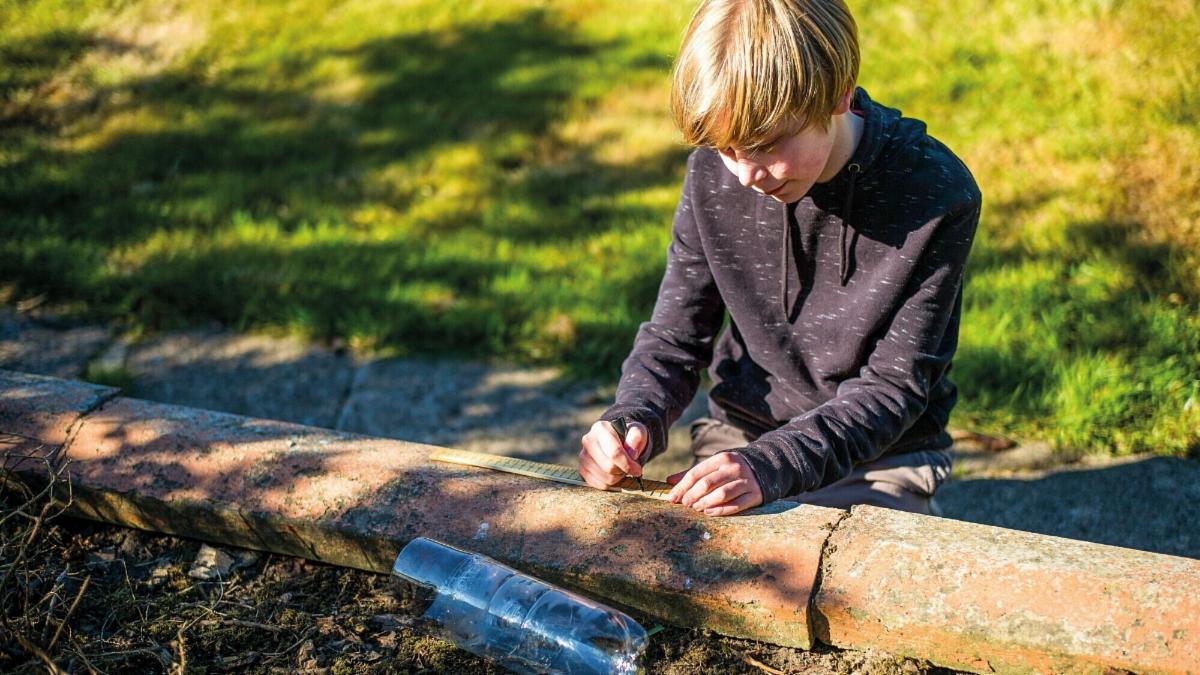
Rain Gauge


Find out how much rain is falling in your area by making a rain gauge.

Instructions


Something for You!

Donate and Receive 5 Unique Cooking Classes with Nada Cory.


All the proceeds from cooking classes go towards supporting the programs and resources of the Joseph P Cory Foundation.

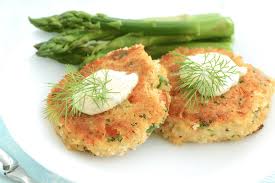
Crab Cake Bonus Recipe - More like this!


Have you ever tasted something so amazing and wondered how you could get it at home whenever you wanted?


You can learn how to cook delicious, nutritious meals, that are simple to prepare for you and your family,


Here is a sample of something you can make and enjoy, it comes from Nada's kitchen, prepared during one of her "Cooking with Nada" classes.

Click on the recipe above for the PDF
CLICK HERE TO READ ENTIRE NEWSLETTER
 
 
Please Note: All medical information/nutritional content is compiled from affiliates and experts in their fields, and is not meant to treat or to replace the advice of your personal healthcare professional. The Joseph P Cory Foundation, provides guidelines and suggestions that align with our mission: Empowering people and communities to achieve wellness
and well-being through education, expertise, and guidance. Nada Cory/the Joseph P Cory Foundation does not receive compensation for recommendations and affiliate links.
Feel free to share this newsletter with colleagues and friends or upload to your social media!
Facebook  Twitter  Instagram  Youtube  
561.501.3538
Email Us!