|
GACA, The Georgia Association for Addiction Professionals
Rooted in Legacy, Growing in Hope:
46 Years of Progress in Addiction Recovery!
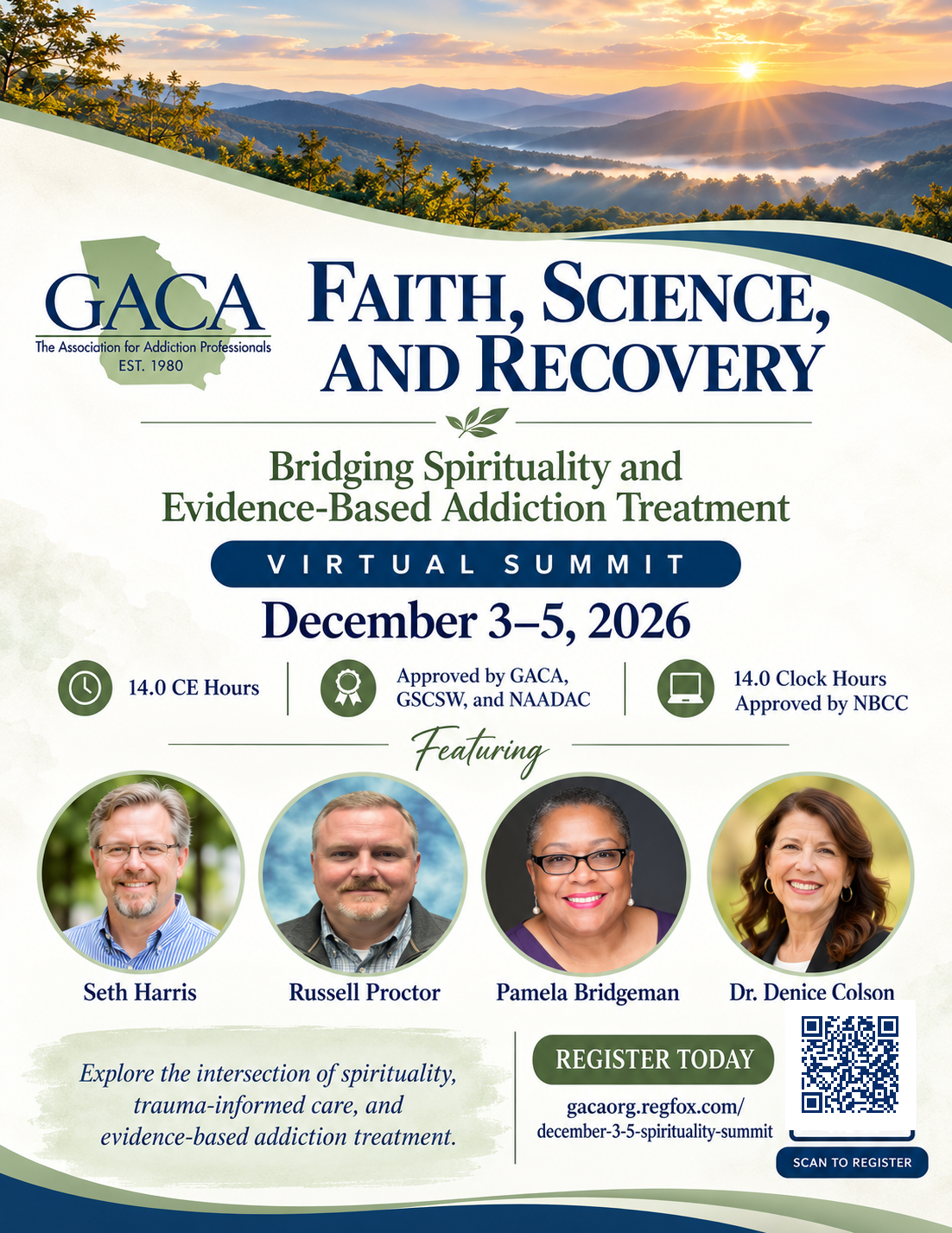
Faith, Science, and Recovery: Bridging Spirituality and Evidence-Based Addiction Treatment
| | |
Leveraging the Why: Navigating Faith and Spirituality in Counseling
Thursday, December 3, 2026
Virtual Only
2.0 CE/Clock Hours approved by GACA, GSCSW, NAADAC and NBCC.
6:45 PM Check-In
7:00 PM Workshop Begins
9:00 PM Workshop Concludes
Location: Online
Description:
Looking at counseling practices through the faith and spirituality lens provides an informed perspective on how a personal belief system can influence a client’s decision making and sense of identity. Guiding a client in identifying their why, or reason for living out their recovery, including motivation and a personal sense of meaning and purpose sets a point of reference for counseling work.
Faith and spirituality lead to effective long-term recovery through deep connection and a sense of belonging, informing worldviews and moral values. Using counseling and coaching tools to provide a structured approach, clients can navigate the healthy advantages as well as the negative impacts of their religious and faith journeys.
In supporting the whole person and being curious and open-minded, counselors can affirm their client’s beliefs and spiritual practices and reflect back their lived experience. When counselors create space to understand the spirituality of those they work with, they gain insight on mental, emotional, and relational aspects of their clients, leading to a more mutually beneficial therapeutic relationship.
| |
| |
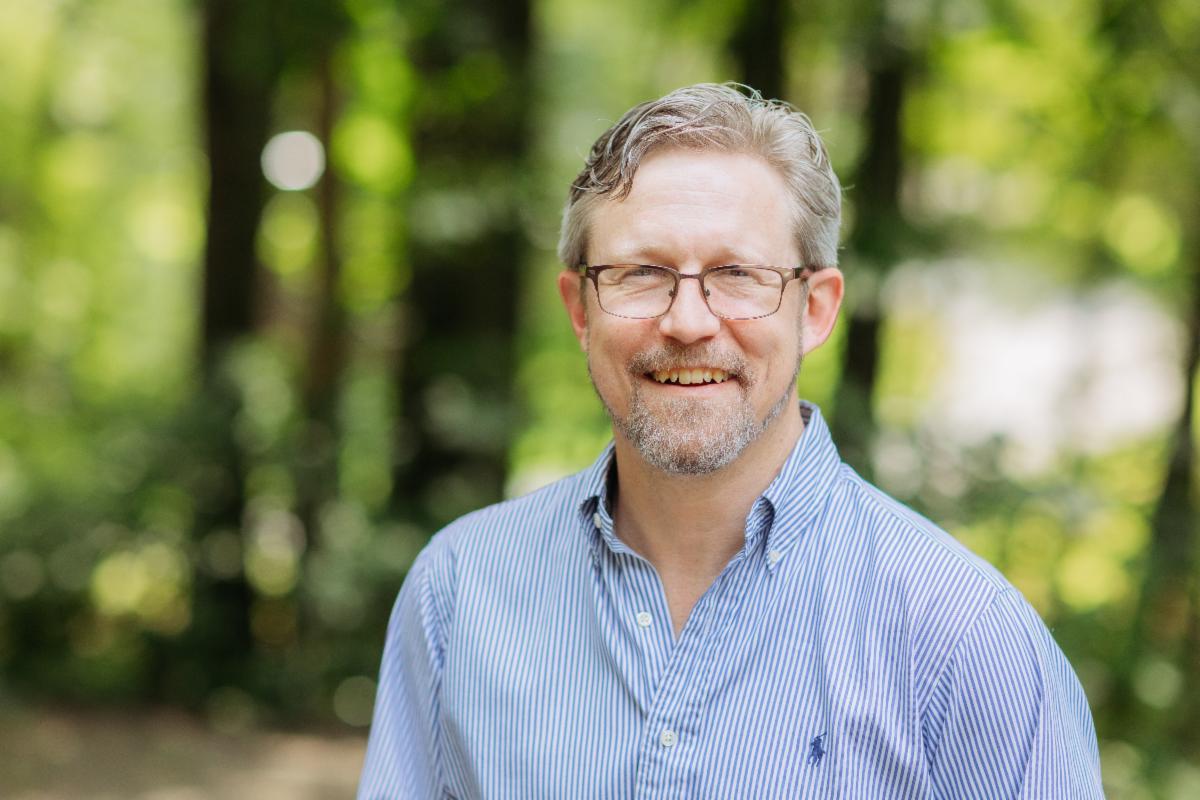
Presenter: Seth Harris, CARES, CPS-AD
Seth Harris serves as Director of Community Engagement for HopeQuest, which provides Christ-centered, clinically effective treatment for men at multiple levels of care for substance use and process addictions. He is a CARES and CPS-AD certified and works as a recovery coach and Peer Support Specialist through HopeQuest as well as The Recovery Coach ATL. Seth founded and is the head of the Georgia Faith and Recovery Collaboration, which brings together Christian leaders to equip and support the church as it grows in all aspects of recovery. He is on the Board of Governors for American Addiction Recovery Association (AARA) and serves on Board of Directors of Never Alone Foundation. Seth is a person in long-term recovery, who advocates throughout the community, and he is co-host of The Recovery Coach Podcast.
| | | | |
Spiritual Recovery: Sobriety is a Byproduct
Friday, December 4, 2026
Virtual Only
3.0 CE/Clock Hours approved by GACA, GSCSW, NAADAC and NBCC.
8:45 AM Check-In
9:00 AM Workshop Begins
12:15 PM Workshop Concludes
Location: Online
Description:
This workshop explores findings from neurotheology, the study of spiritual practices on brain restoration. Applying a Biblical/Christian perspective, this workshop highlights how spiritual growth impacts recovery from substance use disorders. Integrating spiritual practices of worship and prayer into the recovery process can be transformational, empowering, and builds resilience to triggers and cravings.
Learning Objectives:
1. This course will equip counselors with understanding of the spiritual foundations of addiction and recovery.
2. This course will guide counselors on how to engage clients on topics that are crucial for assessing spiritual health, regardless of faith orientation.
3. This course will explore how prayer/worship can strengthen neuropathways associated with healing and recovery.
| |
| | |
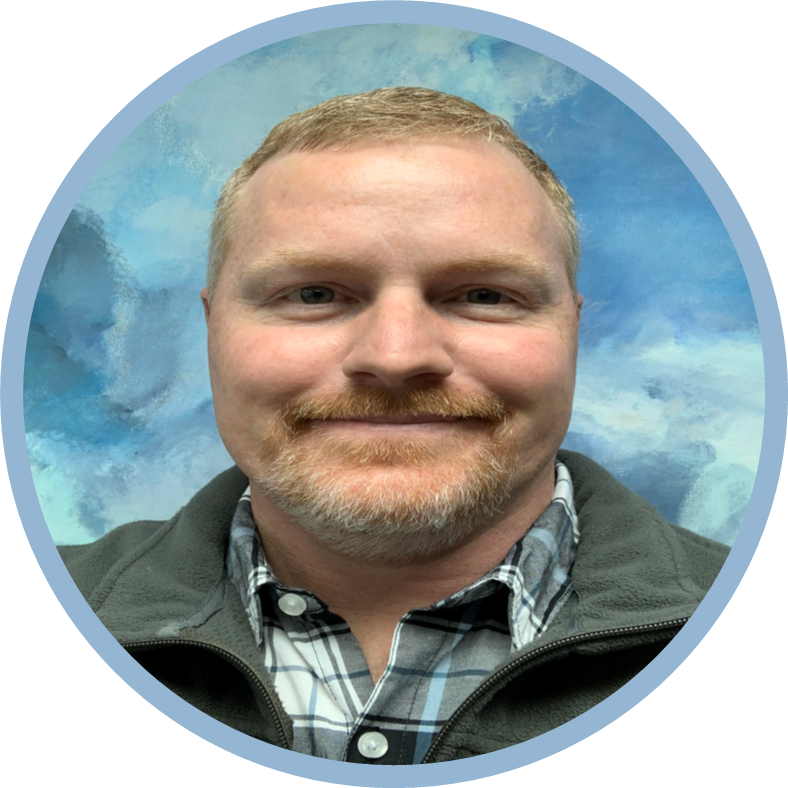
Presenter: Russell Proctor, LMSW, SAP, LADAC-II CAC-II, CCS
Russell has been in the substance abuse field since 2007. Currently, Russell works as a program regulatory consultant, mobile crisis clinician, and as a clinical supervisor/trainer in Georgia and Tennessee. Personal experience with addiction and recovery, combined with his education and work experience have equipped Russell with empathy, clinical skills, and professionalism to serve the substance abuse and mental health treatment fields.
| | | | |
The Ache Beneath the Addiction: Trauma, Shame, Spiritual Longing, and Grace-Centered Recovery
Friday, December 4, 2026
Virtual Only
3.0 CE/Clock Hours approved by GACA, GSCSW, NAADAC and NBCC.
12:45 PM Check-In
1:00 PM Workshop Begins
4:15 PM Workshop Concludes
Location: Online
Description:
Addiction seldom begins as rebellion. More often, it begins as relief. This three-hour training invites addiction professionals to look beneath compulsive substance use and recognize the intertwined effects of neuroadaptation, trauma, grief, shame, attachment disruption, spiritual injury, and the human longing for safety and belonging. Participants will learn to integrate spirituality and faith in ways that are client-led, clinically responsible, culturally humble, and consistent with professional ethics.
Using a biopsychosocial-spiritual framework, the session connects DSM-5-TR substance use disorder concepts, trauma-informed care, motivational interviewing, relapse prevention, evidence-based treatment, and Christian theological themes of dignity, lament, grace, community, and restoration. The aim is not to replace clinical care with religious practice, nor to reduce addiction to sin. The aim is to help counselors recognize when faith is a recovery resource, when religion has become a source of injury or shame, and how to respond without coercion or spiritual bypassing.
Learning Objectives:
By the end of this three-hour session, participants will be able to:
1. Describe substance use disorder through a biopsychosocial-spiritual lens and distinguish clinical diagnosis from moral judgment.
2. Explain at least three ways trauma, grief, shame, attachment disruption, and nervous-system dysregulation can increase vulnerability to substance use and recurrence.
3. Identify the pain-use-relief-shame-isolation cycle and use it to develop compassionate, clinically relevant case formulations.
| |
| | |
Presenter: Pamela Bridgeman, LCSW, CCTP, CMAC
Pamela Bridgeman is a Licensed Clinical Social Worker, Certified Clinical Trauma Professional, and Certified Master Addiction Counselor with extensive experience supporting individuals and families navigating trauma, mental health challenges, and substance use disorders. An Air Force veteran, Pamela brings a compassionate, person-centered perspective to her work, helping individuals build resilience, interrupt harmful patterns, and move toward healing and recovery.
Pamela is the founder of A Healing Journey Counseling & Consultation in Cartersville, Georgia. Her clinical approach incorporates evidence-informed interventions and recognizes the importance of addressing the emotional, psychological, and personal dimensions of healing. Her work reflects a commitment to treating the whole person and supporting individuals as they discover renewed strength, meaning, and hope throughout the recovery journey.
Through her clinical experience, Pamela brings a valuable perspective to conversations about the intersection of trauma, addiction, spirituality, and recovery, contributing to the Faith Summit’s exploration of how compassionate, evidence-informed care can support lasting change.
| | | | |
Treating the Trauma of Substance Use Disorder: Healing the Patient and the Family Using the 12STR® Faith-Based Model
Saturday, December 4, 2026
Virtual Only
6.0 CE/Clock Hours approved by GACA, GSCSW, NAADAC and NBCC.
8:45 AM Check-In
9:00 AM Workshop Begins
12:15 PM Lunch Break
1:00 PM Workshop Resumes
4:15 PM Workshop Concludes
Location: Online
Description:
Substance Use Disorder is not simply a behavioral problem, a moral failure, or a brain disease in isolation. For the client who lives it and the family that surrounds them, SUD is a traumatic experience — one that generates profound losses, shattered expectations, distorted identities, and cascading grief that rarely gets named or treated.
This workshop introduces addiction counselors to a paradigm-shifting clinical perspective: that SUD must be treated as trauma — for the patient AND the family — if lasting recovery is to take hold. Drawing directly from Dr. Colson’s proprietary 12STR® (Strategic Trauma and Abuse Recovery System) and her clinical training manual, “Treating the Trauma of Substance Use Disorder,” participants will gain both a theoretical framework and a practical clinical toolkit for implementing trauma-informed SUD treatment in individual and group settings.
This is not a theory-only workshop. Participants will engage with some actual clinical tools used in the 12STR® model — including the Simple Trauma Source Assessment©, the Impact of Trauma Matrix, ACE Pyramid, and the Lend-a-Hand approach to addressing near-term trauma— and learn how to apply each tool with SUD clients and their families.
Learning Objectives:
1. Articulate the clinical rationale for treating SUD as trauma for both the patient and the family system
2. Describe the three phases and twelve stages of the 12STR® model and their application to SUD treatment
3. Role-Play structured grief work with SUD clients using the Lend-a-Hand near-term trauma approach.
| |
| | |
Presenter: Dr. R. Denice Colson, PhD, LPC, MAC, CPCS, CCS, DAAETS
Dr. Denice Colson is a licensed professional counselor, master addiction counselor, certified clinical supervisor, and Diplomate in the American Academy of Experts in Traumatic Stress. She is the founder of TraumaEducation.com and the creator of the 12STR® (Strategic Trauma and Abuse Recovery System), a spiritually-integrated, 3-phase trauma recovery model used in individual counseling, group therapy, substance abuse treatment and churches around GA and the US.
| | | | |
The Association for Addiction Professionals (NAADAC) represents the professional interests of more than 100,000 addiction counselors, educators, and other addiction-focused health care professionals.
| | | |
Georgia Addiction Counselors Association has been approved by NBCC as an Approved Continuing Education Provider, ACEP No. 7302. Programs that do not qualify for NBCC credit are clearly identified. Georgia Addiction Counselors Association is solely responsible for all aspects of the program.
| | |
CE Provider Approvals for CORE Hours:
GACA Addiction Counselors: Georgia Addiction Counselors Association
National Addiction Counselors: NAADAC, The Association for Addiction Professionals
Licensed Professional Counselors: National Board for Certified Counselors
Marriage and Family Therapists: Georgia Association of Marriage and Family Therapists
Social Workers: Georgia Society of Clinical Social Workers
| | GACA, the Georgia Association for Addiction Professionals, is a not-for-profit member association that provides credentialing, training, education, advocacy and support for addiction-focused professionals in Georgia and surrounding states. Founded in 1980, GACA is a statewide association for addiction counselors and other professionals interested in addiction, prevention, treatment and recovery. | | | | |