|
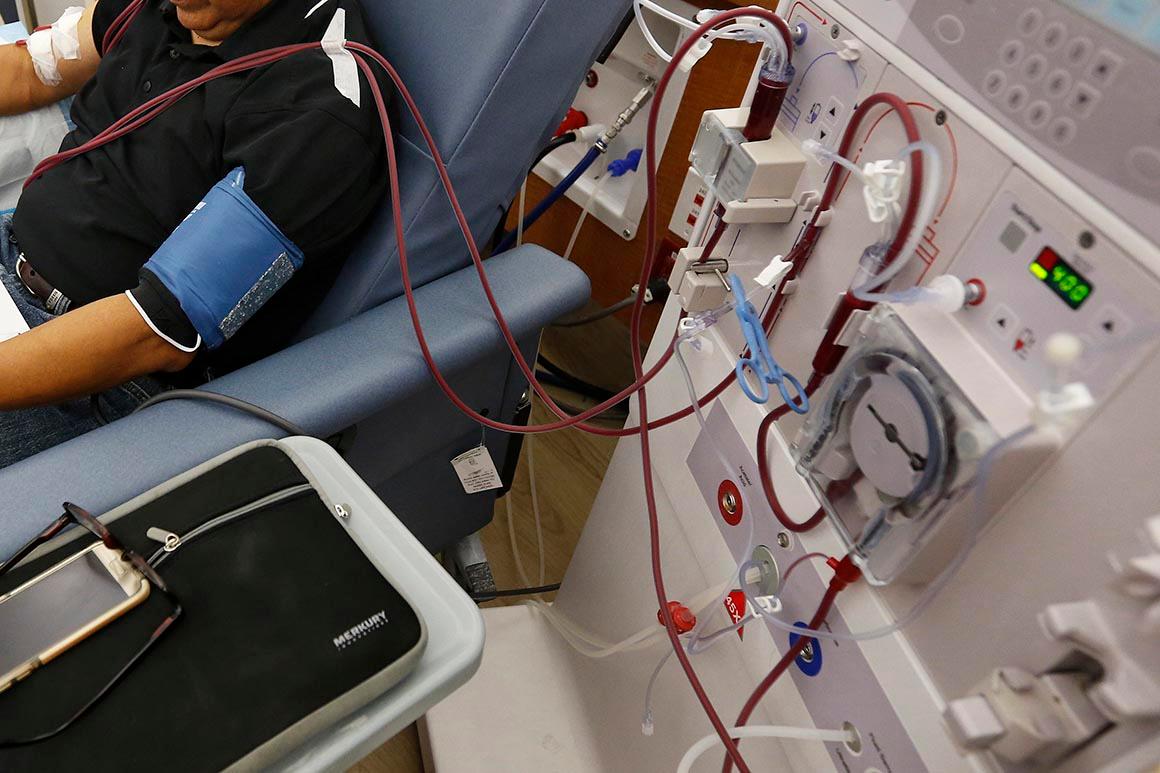
Kennedy said prevention would help many people avoid the need to undergo dialysis, which he said has seen no technological improvement over the past 50 years. | Rich Pedroncelli/AP Photo
Health Secretary Robert F. Kennedy Jr. announced a new national kidney plan Tuesday, foreshadowing broader screening for kidney disease. That would be a major win for a patient group that has called for it for years.
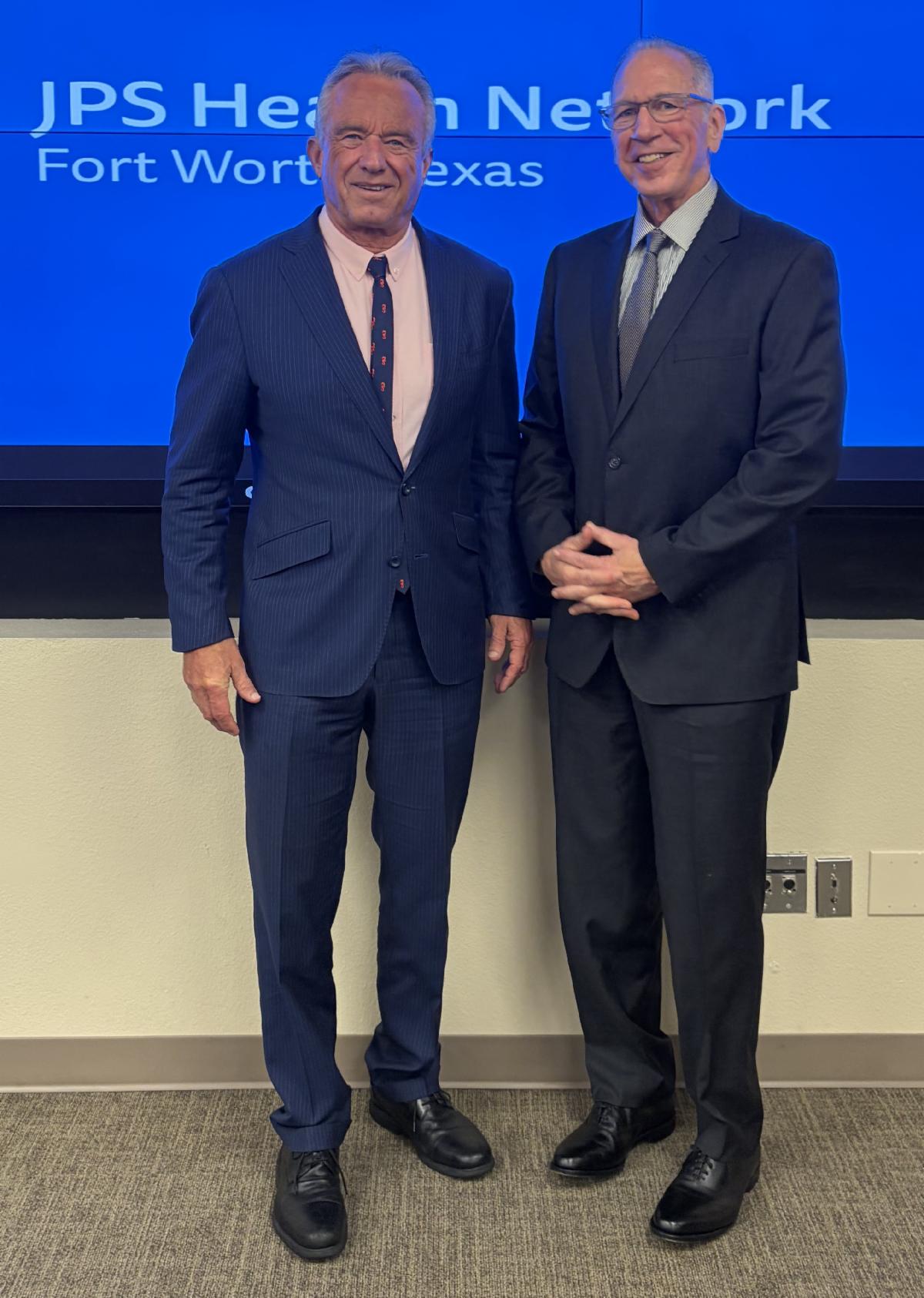
“There’s 36 million Americans who don’t know they have kidney disease, and the reforms that we put into place in the United States preventative health services [task force] are going to help us start screening more effectively so that Americans know,” Kennedy told reporters after visiting the JPS Health Network, a public health care system in Fort Worth, Texas.
The U.S. Preventive Services Task Force, made up of volunteer doctors, evaluates the benefits of preventive services, such as colonoscopies and mammograms. Under the Affordable Care Act, insurers must cover preventive screenings the task force finds to have at least moderate health benefits.
The panel said in 2012 that the evidence to assess the balance of benefits and harms of routine screening for chronic kidney disease in asymptomatic adults was insufficient.
The American Association of Kidney Patients, whose corporate members include drug companies that develop kidney disease treatments, including Novartis and AstraZeneca, has long criticized the task force for refusing to endorse universal screening. The association says that it would help prevent chronic kidney disease, saving both lives and money. Last year, it urged Kennedy to fire the task force’s members and appoint new ones.
Kennedy fired the task force members in May and appointed eight new members in September, many of whom were physician specialists, a break from past practice that favored general practitioners.
“We are very optimistic with the changes that Secretary Kennedy made to the USPSTF,” said Paul Conway, the patient group’s vice president and chair of policy and global affairs.
The task force had been reevaluating its position on kidney disease screening since before Kennedy took office last year. It was not immediately clear whether Kennedy’s statement Tuesday signaled that the task force, which he has called “lackadaisical and negligent,” would now recommend universal screening. Previously, recommendations were based on independent assessments of the benefits of screening and other preventive services.
|