October 2025

ACCG News

ACCG Membership Approves 2026 Policy Priorities


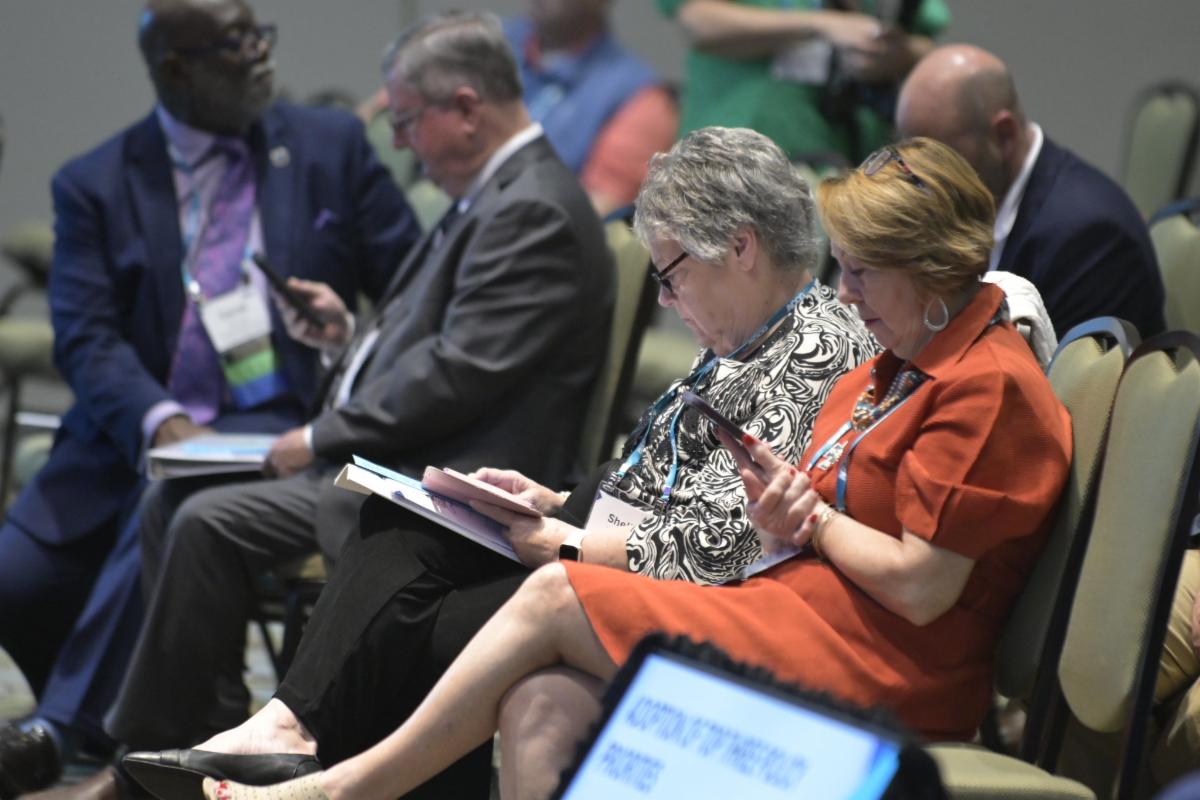
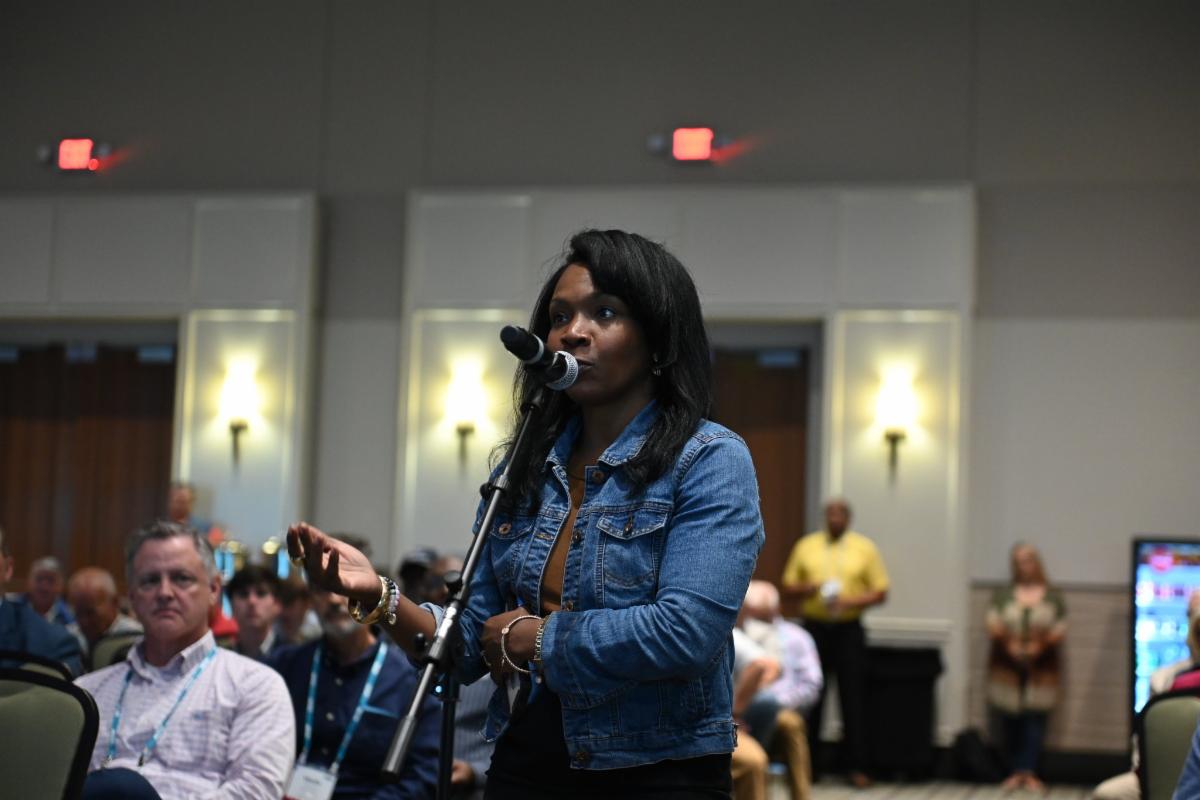
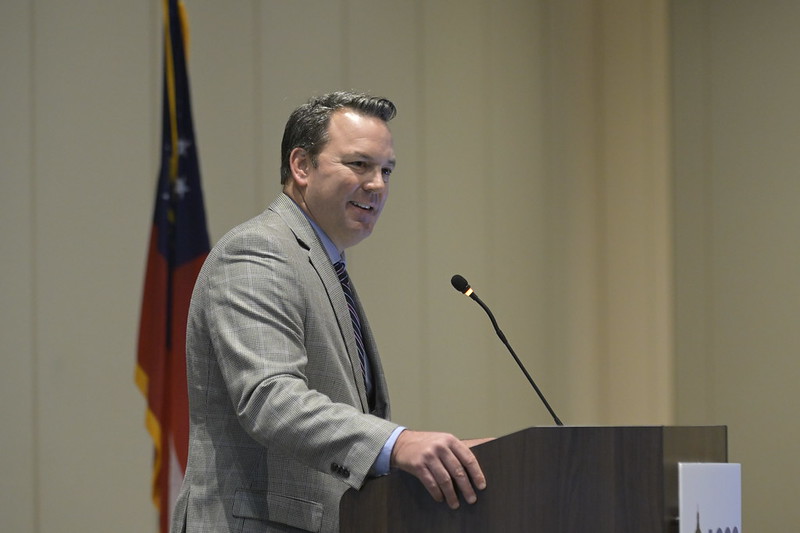
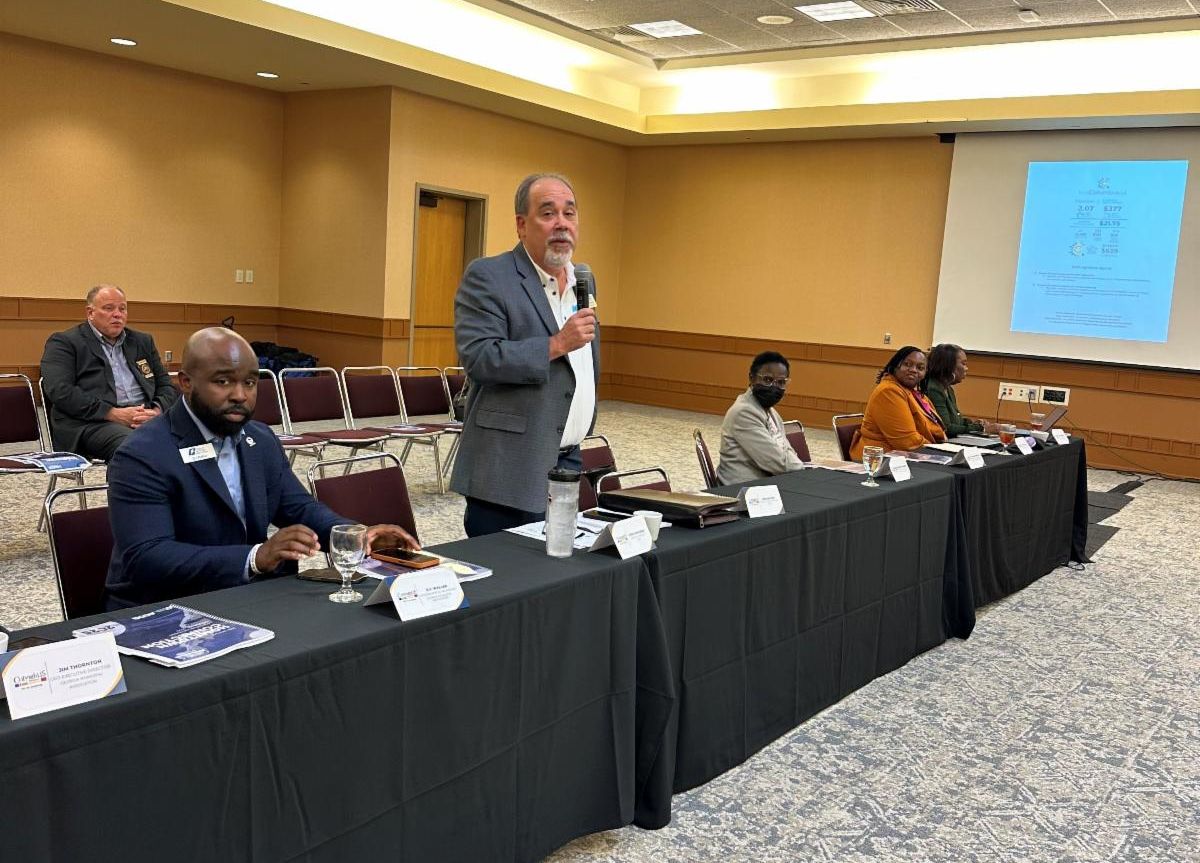
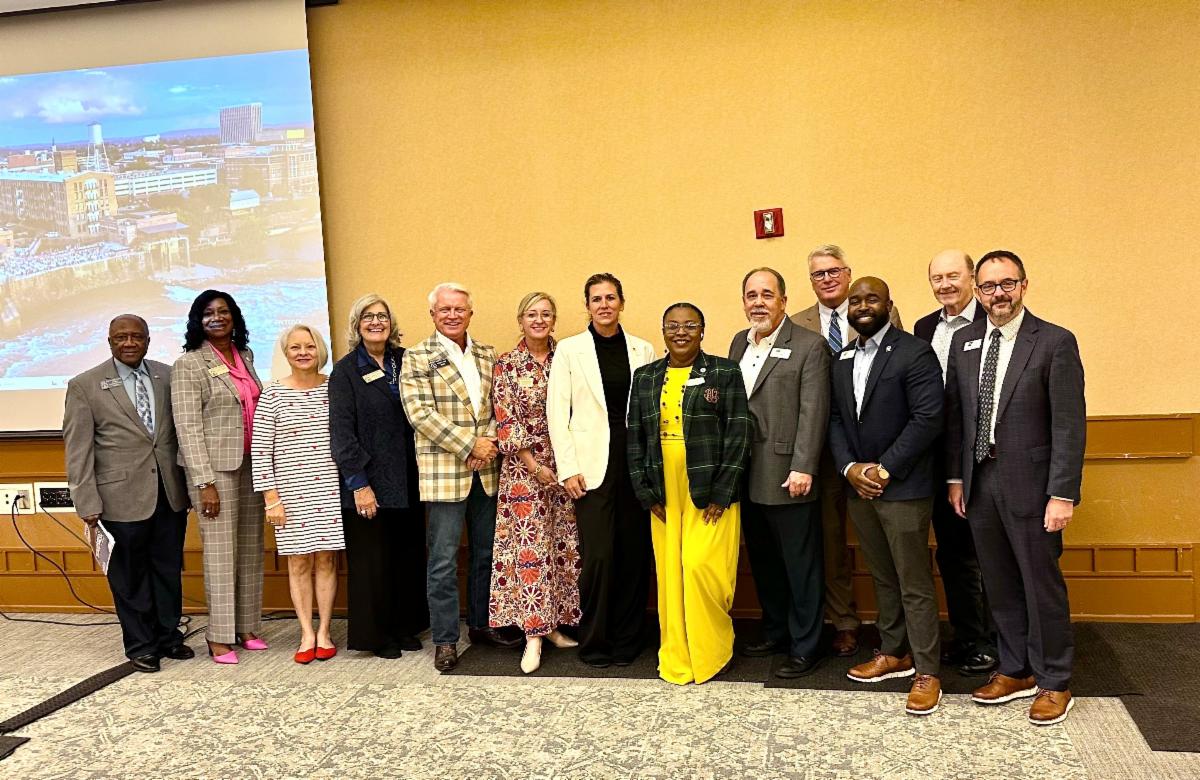
The ACCG membership approved the association's 2026 Policy Priorities during the Legislative Leadership Conference in Glynn County. The top three Policy Priorities for 2026 are Implementation of Next Generation 911, Long-Term Transportation Funding Mechanisms, and Electric Franchise Fees. The full list of policy priorities can be found here.


ACCG appreciates all county officials who have participated in this year's policy development process and looks forward to working with all counties to advocate for the Policy Priorities during the 2026 legislative session. 


Legislative Leadership Conference Resources Now Available

Photos from the Legislative Leadership Conference are now available. Click here to browse the highlights and to relive the moments from the conference.


In case you missed the Sales Tax Reform Storm session or would like a refresher, the presentation is now available for download. Click here to access the file.

ACCG Testifies Before House Blue Ribbon Study Committee on Election Procedures


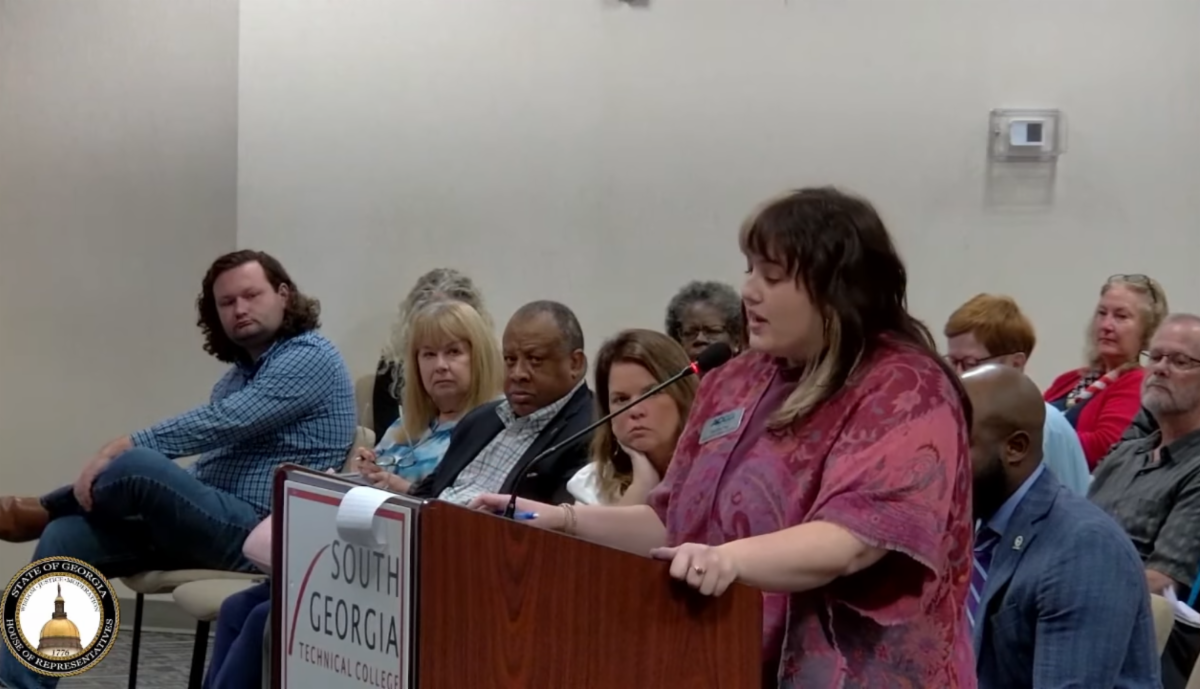
ACCG Governmental Affairs Associate Kaylon Day recently testified before the House Blue Ribbon Study Committee on Election Procedures, alongside the Georgia Municipal Association, to provide a county government perspective on how early voting structures and election-related mandates impact local operations and budgets, as requested by the committee. Day emphasized that while counties are committed to ensuring accessible and secure elections, the current early voting structure creates significant financial challenges, especially for smaller, rural counties. The importance of state-county partnership and adequate funding for election administration, including training, equipment maintenance, and flexibility to tailor early voting to local needs, was reiterated.


Concerns were also raised about the timeline and cost implications of removing QR codes from ballots, noting that numerous counties have already finalized their upcoming budgets and will struggle to meet the July 1, 2026, deadline for QR code removal without state assistance.


The committee was urged to consider policies that promote clarity, consistency, and adequate funding support. These steps are crucial to striking a balance between election efficiency and fiscal responsibility across the state. Committee recommendations are expected before the end of the year. 


Previous Study Committee Meeting Recordings:


House Elections Study Committee

Senate Recovery Residences

Columbus - Muscogee County Adopts 2026 Legislative Agenda


ACCG Director of Governmental Affairs Todd Edwards attended Columbus-Muscogee County's 18th Annual Hometown Connection on Wednesday, Oct. 15. Among other topics discussed, Columbus unveiled its 2026 Legislative Agenda, which included several of ACCG’s 2026 Legislative Priorities sponsored by Councilwoman and ACCG Board member Toyia Tucker: Next Generation 911 implementation, opposition to sovereign immunity waivers, special election cost reimbursement, out-of-network ambulance services, and emergency medical services reimbursement.

State News

UGA CyberArch 101 Webinar


Join the University of Georgia’s CyberArch Program, housed at the Carl Vinson Institute of Government, for CyberArch 101—a webinar designed to help local governments, small businesses, rural hospitals, nonprofits, and school systems strengthen their digital defenses. The webinar will take place on Wednesday, Oct. 29, at 12:00 p.m. Don't miss the opportunity to hear firsthand from a county government IT director and small business owner about their experience partnering with UGA CyberArch and how cybersecurity impacts their operations. Click here to register.


Georgia Supreme Court Rules that Citizens May Seek to Overturn County Zoning Decisions


On September 30, the Georgia Supreme Court issued a decision in a case involving a zoning dispute in McIntosh County. The County had amended its zoning ordinance to increase the maximum allowable size for dwellings in a portion of the county (Sapelo Island). Dissatisfied county residents challenged that decision under a provision of the Georgia Constitution allowing citizens to seek to overturn county ordinances, first by gathering a minimum number of signatures on a petition and then via a referendum election. While the county argued that the citizen petition/referendum process is not available to seek a repeal or change zoning ordinances (because zoning power is derived from a different portion of the Constitution), the Court disagreed. County officials should discuss with the county attorney the potential impact of this Court decision (Bailey v. McIntosh County) on county zoning decisions.


DCA Clarifies Rules for Modular and Manufactured Homes


On Oct. 1, 2025, the Georgia Department of Community Affairs (DCA) released updated guidance distinguishing industrialized/modular buildings from manufactured homes. The memo clarifies permitting, code compliance, and installation requirements under law. Modular buildings must meet state building codes and be installed by licensed Georgia contractors, while manufactured homes follow HUD standards and require HUD-certified installers. DCA emphasized that while local governments maintain zoning and land-use authority, they may not deny permits based solely on a structure's construction method. A copy of the memorandum can be found here.


For additional guidance, contact DCA's Construction Codes and Industrialized Buildings division at codes@dca.ga.gov or IB@dca.ga.gov. You can also contact the Safety Fire Commissioner's Office Manufactured Housing Division at ManHousing@oci.ga.gov or 404-656-9498.


Georgia House Rural Development Committee


The House Rural Development Committee met in early October at Mercer University in Macon-Bibb County to discuss issues affecting counties. Lawmakers reviewed House Bill 244, which would raise the audit threshold for local governments from $550,000 to $2.5 million and ease requirements for smaller ones. Cities and counties that do not comply risk losing key state funding that supports joint projects. They also discussed Georgia’s $30 million cap on historic tax credits, which is fully allocated through 2029 and limits access for rural areas. Lawmakers are considering changes to make the program more accessible. Finally, the committee addressed the rural healthcare crisis. Twenty rural hospitals have closed in recent years, and more are at risk. Low Medicaid reimbursement and shrinking local tax bases are putting added financial pressure on counties.


Click here to view a full recording of the meeting.


Stakeholder Meetings Announced for Proposed Updates to State Water Plan


The Georgia Environmental Protection Division, on behalf of the State Water Council, is conducting stakeholder meetings on Nov. 10, 2025, to discuss proposed updates to Section 14 of the State Water Plan. The proposed changes can be found here. Click here for additional information and to access links to stakeholder meetings. Written comments must be submitted by the close of business on Nov. 14, 2025, to veronica.craw@dnr.ga.gov. The words “State Water Plan” should be placed at the top of the first page of comments and in the email subject line.


Call for Financing Water Projects Now Open


The Georgia Environmental Finance Authority (GEFA) 2026 Water Financing Call for Projects period is now open for the following funding sources:


  • Clean Water State Revolving Fund (CWSRF)
  • Drinking Water State Revolving Fund (DWSRF)
  • Georgia Fund
  • Hurricane Helene Resilience Funding


To be eligible for funding, submit a pre-application by 5:00 p.m. on Wednesday, Dec. 31, 2025. Click here for more information on each fund. To submit pre-applications, access the portal here. For more information, please call 404-584-1000 or email waterresources@gefa.ga.gov. 


Clean Georgia Rivers - Trash Trap Grants Available


Thanks to a generous donation, Georgia Rivers has funding available to provide grants for trash traps with the intent of reducing trash and plastic pollution in waterways. All river basins are eligible except for Chattahoochee Basin (the donor has funded traps in the Chattahoochee through another program). Additional funding may be available in 2026 and 2027, so requests not funded in 2025 will be held for future consideration. Click here to access the application.


All questions should be directed to Dana Skelton at dana@garivers.org or 706-247-6998. Grants will be funded on a rolling basis while funds last.


FEMA Nonprofit Security Grant Program Applications Open


The Georgia Emergency Management & Homeland Security Agency (GEMA/HS) has opened the application period for the FEMA Nonprofit Security Grant Program (NSGP). The application window opened on Oct. 1, 2025, and applications are due by Nov. 17, 2025. If you are interested in applying, reach out directly to GEMA/HS to confirm your eligibility and discuss potential project ideas. Detailed information on the application process can be found here.

Federal News

NACo Cybersecurity Resources


In observance of Cybersecurity Awareness Month, NACo is offering resources to help counties strengthen their cybersecurity programs. Access a practical checklist designed to help ensure your organization’s cybersecurity program is resilient and not vulnerable to cyber threats. Click here to access the checklist.


Additionally, don’t miss the upcoming webinar: "Cyber Resilience in Action: County Leaders Share Their Strategies." In this session, panelists will discuss how they are protecting local government systems, employees, and constituents from the growing threat of cyberattacks. Click here to register.


Two NACo Priorities Pass the Senate, Awaiting Action in the House


The United States Senate amended the National Defense Authorization Act of 2026 to include two NACo priorities: the Second Chance Reauthorization Act of 2025 (H.R. 3552/S.1843) and the ROAD to Housing Act (S.2651).


For NACo’s analysis of the Second Chance Reauthorization Act, click here. For NACo’s analysis of the ROAD to Housing Act, click here. The NDAA of 2026 will be under consideration when the House returns to regular order.


NACo Seeks Feedback on Federal Shutdown


NACo is seeking member feedback on how the government shutdown is impacting county operations. We appreciate your responses as NACo continues to call on our federal partners to work in a bipartisan way to keep the federal government fully operational. Click here to provide feedback.


Learn More about the Rural Health Transformation Program


The Centers for Medicare & Medicaid Services (CMS) has released the Rural Health Transformation (RHT) Program Notice of Funding Opportunity (NOFO), opening the application period for states. The RHT Program will invest $50 billion over five years (FY 2026–2030) to strengthen rural health systems by improving access, workforce capacity, technology, and innovative models of care. To support applicants, CMS will host informational webinars on Sept. 25 from 3:00–4:30 p.m. ET. Applications are due by Wednesday, Nov. 5. 


For more information, click here. 


Reminder: ADA Compliance for Local Government Websites and Mobile Apps


A rule published by the federal Department of Justice, under the authority of Title II of the Americans with Disabilities Act, includes specific requirements for state and local governments about how to ensure that web content and mobile applications (apps) are accessible to people with disabilities.


Government entities with total populations of 50,000 or more have until 2026 to bring their websites/apps into compliance, while government entities with total populations under 50,000 have until 2027. Websites and apps will have to meet the technical requirements of Web Content Accessibility Guidelines Version 2.1, Level AA. These requirements will apply regardless of whether the government websites/apps are hosted directly or via third parties.


Various exceptions are included in the Rule, such as for archived/older materials.

Click here for more information and to view the official fact sheet. Any questions should be directed to your county attorney.

Questions? Email the

ACCG Governmental Affairs Team:

Todd Edwards

Kaylon Day

Dante Handel

Keenan Rogers

Joel Truss

View the 2026 ACCG Policy Priorities

Follow us on social media!

Facebook  X  

ACCG is YOUR county association. We are here to advance all 159 Georgia county governments. Please feel free to contact a member of the Governmental Affairs Team if they can assist in any way.