Faulkner County Agriculture Update
November 14, 2025
| | |
Weather
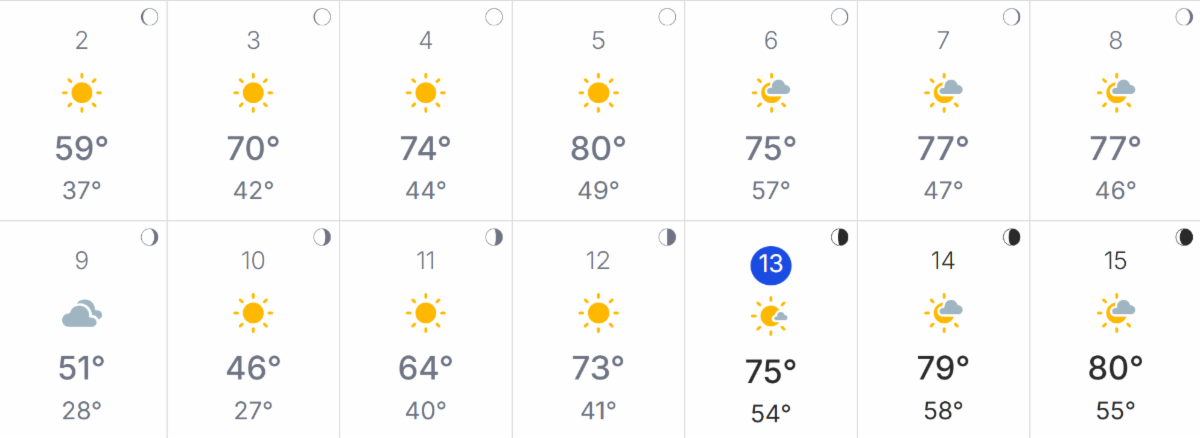
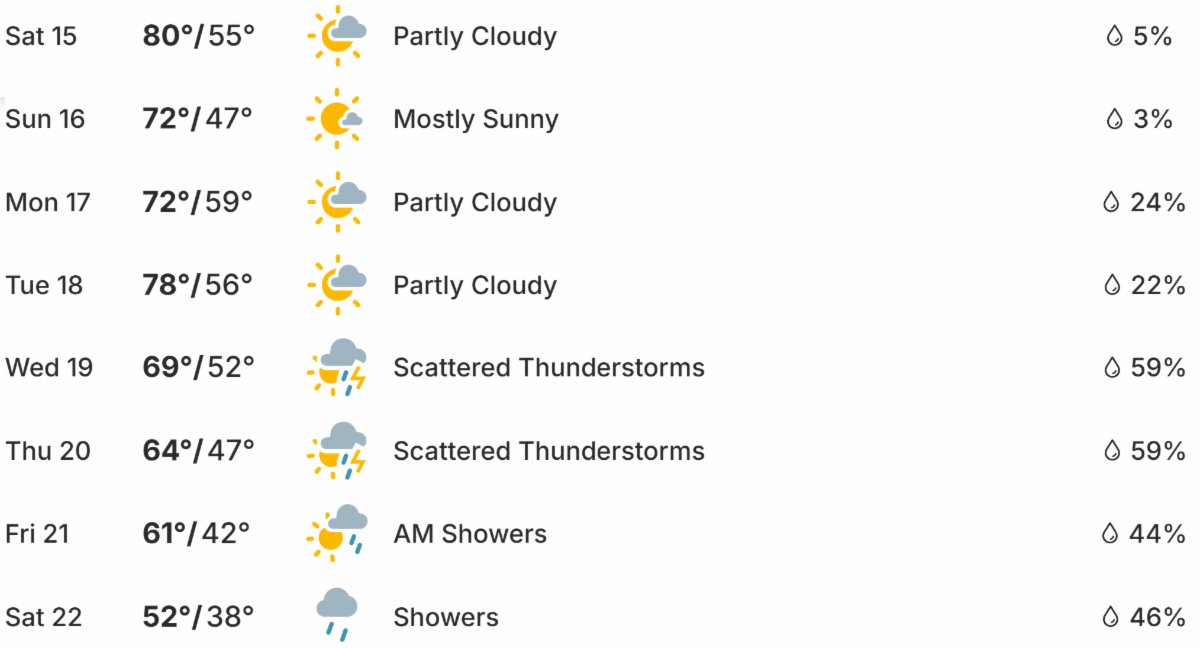
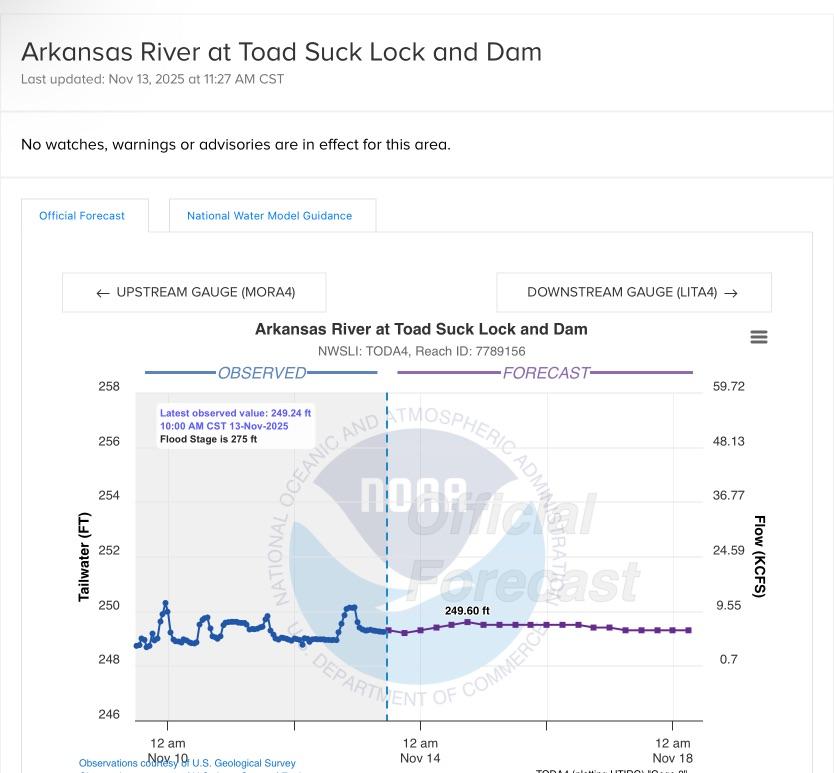
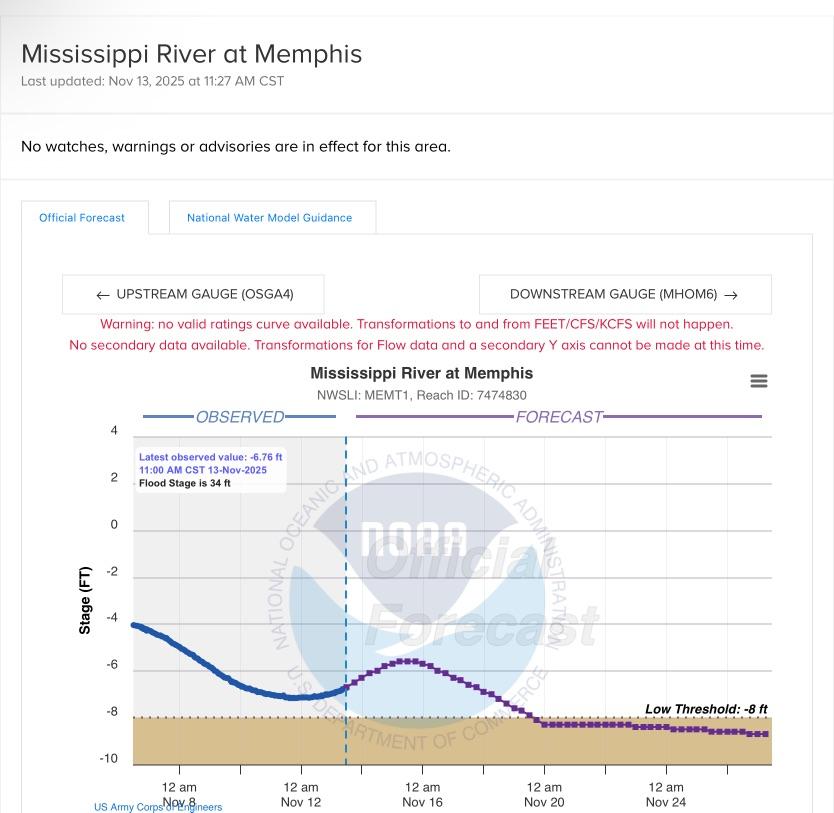
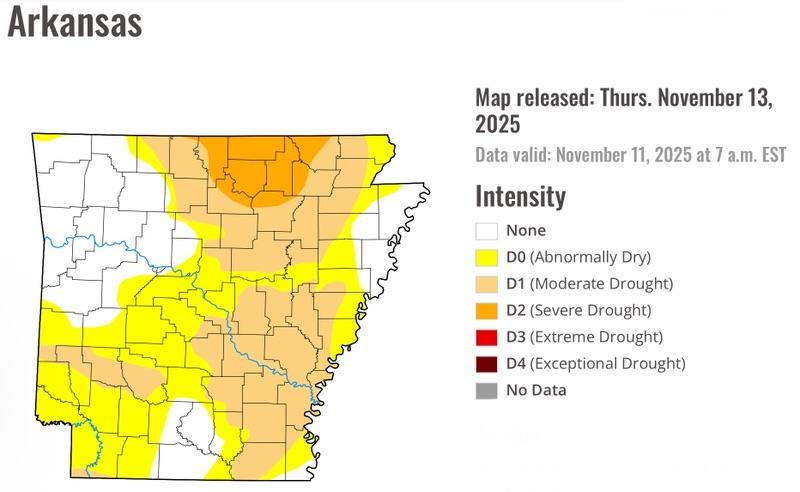
This week had our first big freeze of the fall. We got down to the high 20's on Sunday and Monday night. Anything that was still green should go dormant now. By the end of the week we were back up to the 80's. We are really getting dry but there are two chances of rain next week with even a possibility of some severe weather. We need the rain so hopefully we will see some next week.
| | Arkansas and Mississippi River | |
Wheat
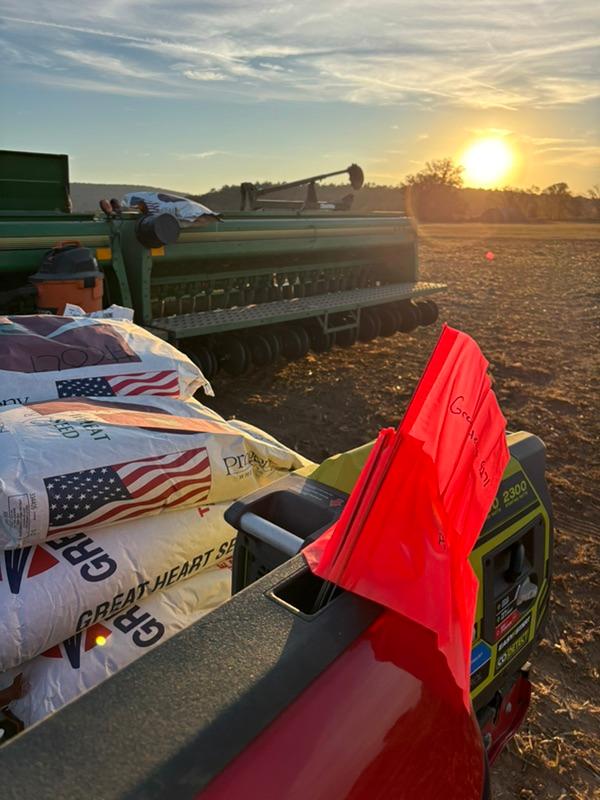
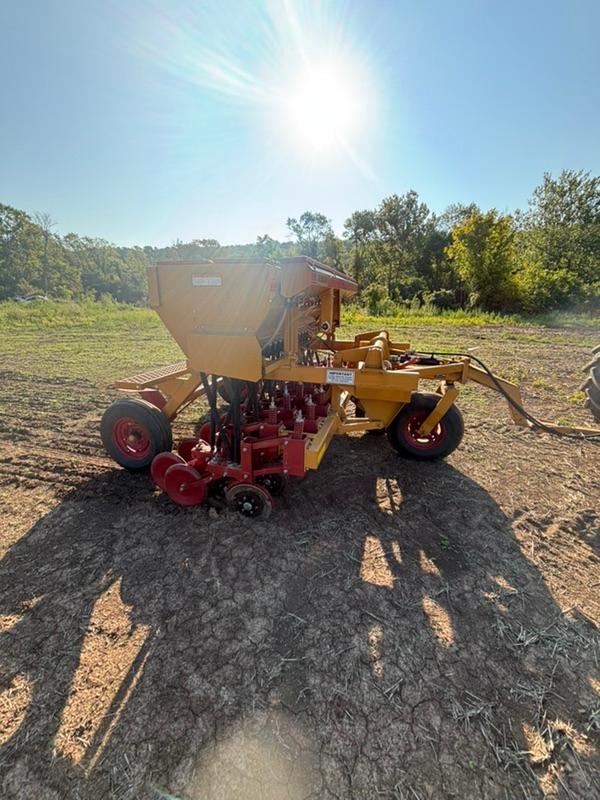
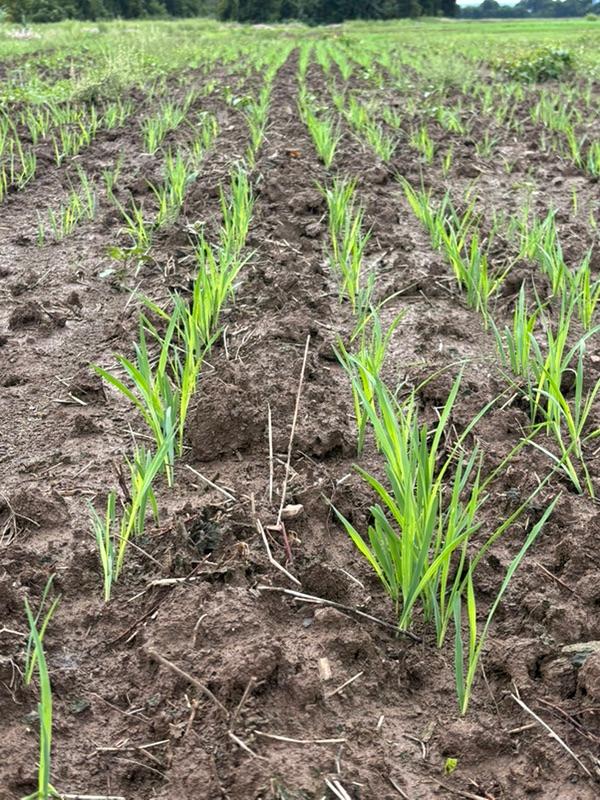
We got the wheat variety trial in the ground on November 11. We planted 8 varieties that we will be looking at:
Great Heart GHT-940
Progeny Buster
Great Heart GHT-9612
Progeny Turbo
Great Heart GHT-9271
Progeny Colt
Great Heart GHT-9530
Pioneer P26R33
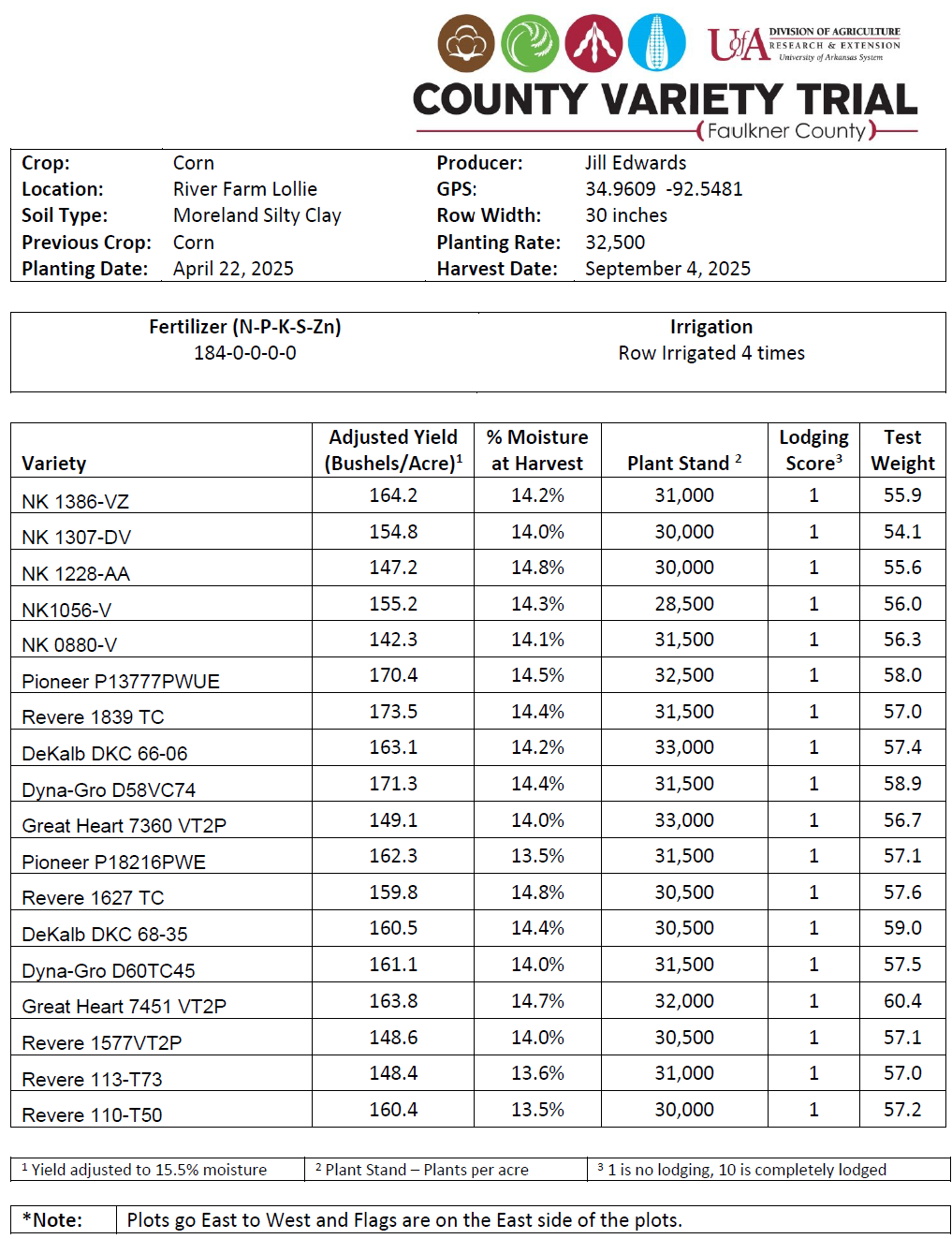
| | 2025 Arkansas Corn Performance Tests Preliminary Results | |
2025 Arkansas Rice Performance Trials
Jarrod Hardke, Rice Extension Agronomist
The link to Rice Information Sheet No. 185 Arkansas Rice Performance Trials 2025 is provided below. This contains the final results of the Arkansas Rice Performance Trials (ARPT) and DD50 Planting Date studies, as well as updated cultivar descriptions and disease ratings.
| | |
Row Crop Production Meetings
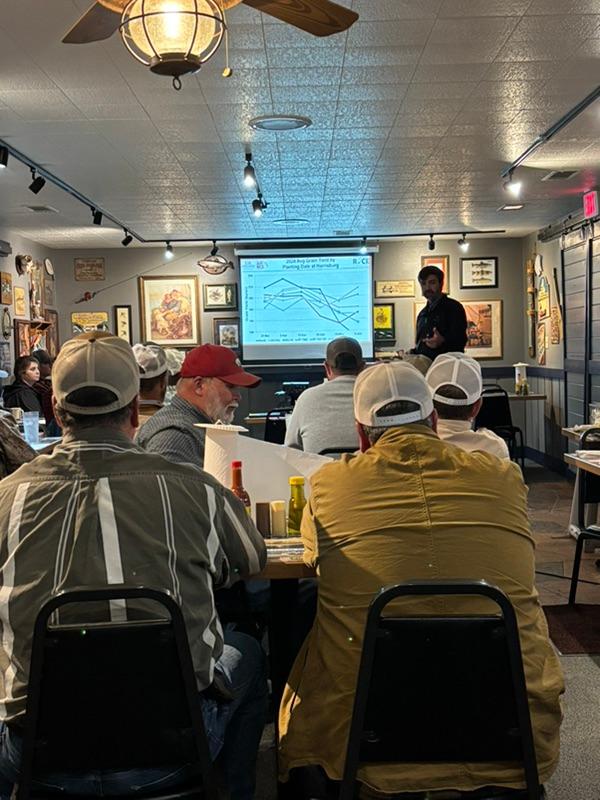
Our annual row crop production meetings will be coming up in early 2026. Save theses dates and I will share more information as we get it.
Corn and Soybean Production Meeting - January 22, 2026 - Morrilton (Place TBA)
Rice Production Meeting - February 24, 2026 - The Barn at Lollie
| | |
Developing a Market Plan in the Post-Harvest Window
Dr. Andrew McKenzie, Professor and Associate Director of the Fryar Price Risk Management Center, Agricultural Economics and Agribusiness
Mr. H. Scott Stiles, Program Associate, Agricultural Economics and Agribusiness
Dr. Ryan Loy, Assistant Professor and Extension Economist, Agricultural Economics and Agribusiness
Introduction
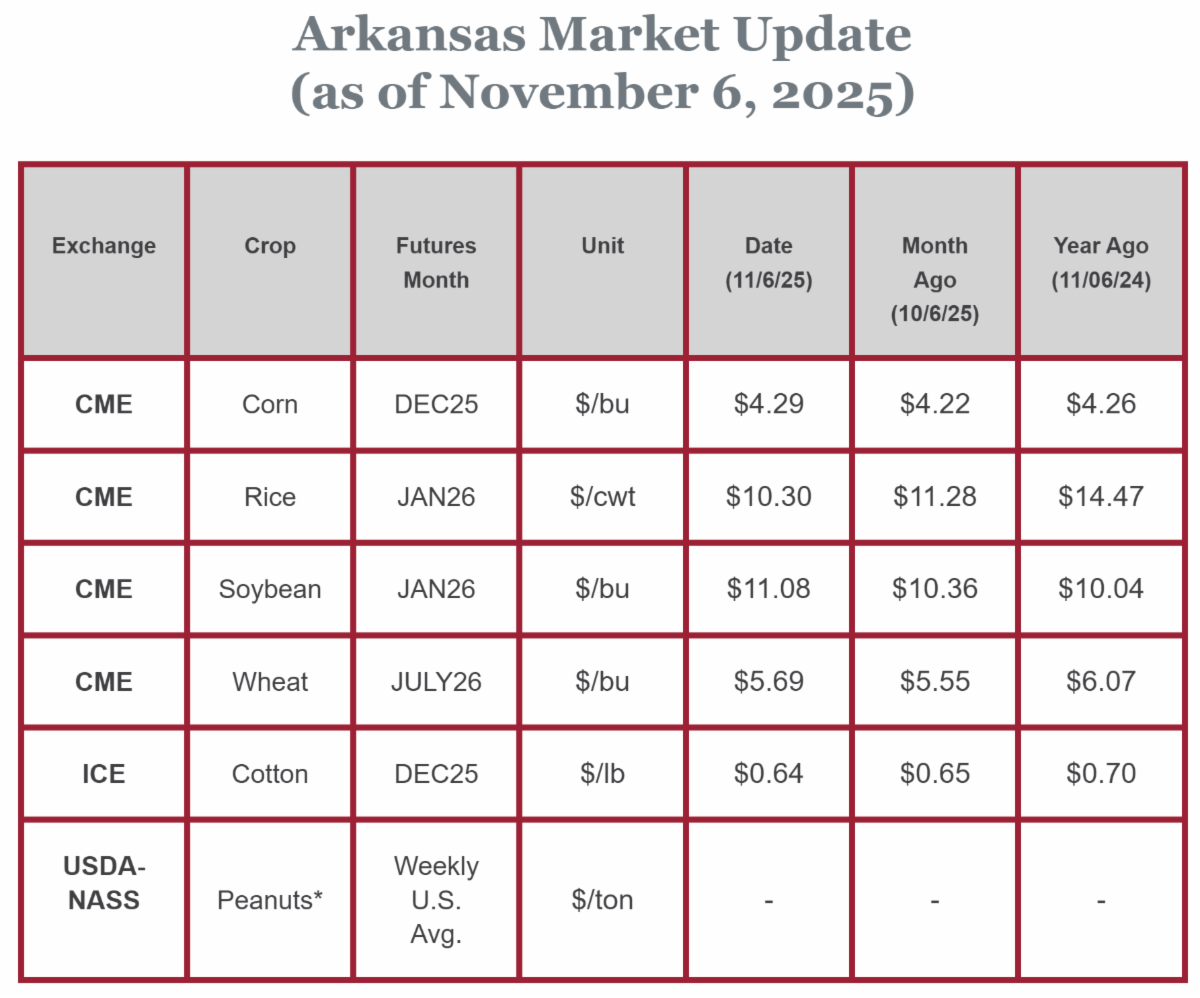
This week’s newsletter is based on a recent fact sheet (see here) that outlines how best to use the five-step marketing plan during the pre-harvest window. With the majority of the Midsouth harvest wrapping up, we wanted to take this opportunity to discuss how to use the same marketing plan in the post-harvest window. Recent changes in trade policy have made upside price potential a challenging goal; however, with China now committing to purchase soybeans from the United States, markets have positively reacted, and farmers may still have time to capture these higher prices.
Once grain is harvested and stored, the goal shifts from growing to protecting the crop's value. Storing grain adds cost, ties up working capital, and exposes the farm to price and basis changes. A post-harvest marketing plan does not have to be complicated. It does need to be realistic, written, and followed as closely as possible. The goal is not to pick the highest prices, but rather to make decisions that best protect margin and on-farm cash flows.
Know What’s in Storage
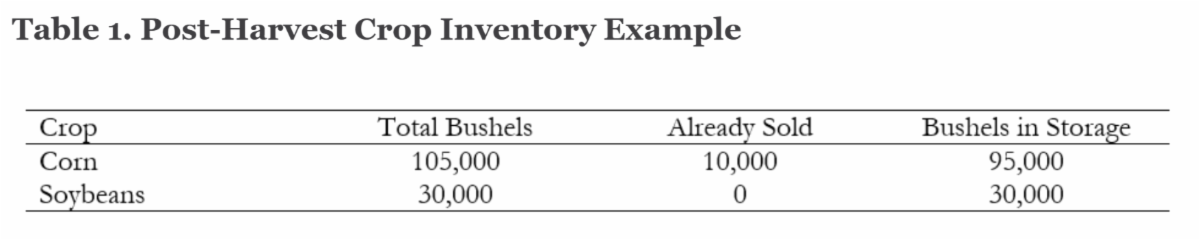
The first step is to record total bushels, moisture, priced grain, and unpriced grain (i.e., available to market in the post-harvest window). Accurate numbers will help guide realistic sales and protect on-farm margins, rather than waiting for the ‘highest price.’ Table 1 below provides an example inventory of a corn and soybean farm in Arkansas.
| | |
In this example, 105,000 bushels of corn and 30,000 bushels of soybeans are harvested. The farmer sold 10,000 bushels of corn at harvest and has 95,000 bushels of corn and 30,000 bushels of soybeans available to market in the post-harvest window. The farmer plans to hold this grain until January and wants to know the price required to cover storage costs and their breakeven price at harvest.
Consider the Cost to Store Grain
It’s worth noting that every farming operation is different, and this example is not meant to represent any one farm. The numbers in the following example are estimates, and actual on-farm costs are likely to differ.
Storing grain incurs real costs that vary significantly across farming operations and regions. Storage costs in the Midsouth region often range from 3 to 10 cents per bushel per month, depending on the crop, debt obligations, and storage setup. Table 2 presents the estimated monthly storage costs for corn and soybeans. For more information on calculating storage expenses, please see here.
| | |
Table 2 shows that storing corn costs around 8 cents per bushel per month, and soybeans around 13 cents per bushel per month due to higher interest costs tied to their higher value (relative to corn). As mentioned before, the farmer is aiming to sell in January, which is two months from now. Selling in January results in a total storage cost of $0.16/bu and $0.26/bu for corn and soybeans, respectively. This means that any price increase between harvest and January must exceed these costs before storing grain becomes profitable.
Consider a scenario in which corn prices rise by 10 cents per bushel in January. In this example, even though the market improved, the farmer would still lose 6 cents per corn bushel after storage costs. Storing grain works, but one must ensure the gains exceed the cost of carrying it over.
Set Realistic Cash Price Targets
Start with the estimated breakeven price at harvest, add storage costs, and finally add a reasonable profit goal. Table 3 breaks down formulating a target price for selling in January.
| | |
In this scenario, to reach the profit goal target, the farmer must receive $5.46/bu and $12.06/bu for their corn and soybeans in storage, respectively. If breakeven is the most realistic approach, remove the profit target and only consider breakeven and storage costs.
In conclusion, extending the pre-harvest marketing plan into the post-harvest window provides a cost-based framework for evaluating marketing decisions. Grain storage is a valuable management tool, but it also has financial considerations, including interest expenses, handling losses, and storage expenses, which must be incorporated into pricing targets. By aligning sales decisions with breakeven values and/or profit margins, farmers can better capture market opportunities while maintaining working capital and income stability.
| | Beef, Small Ruminants, & Forages | | |
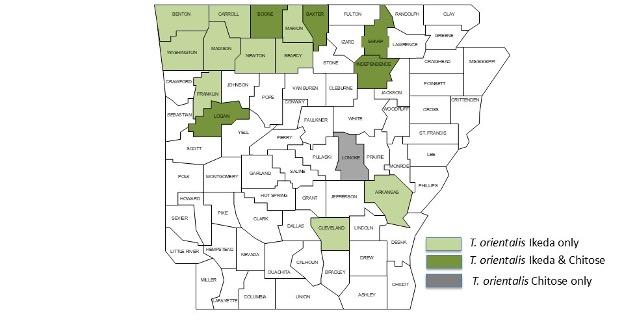
Bovine Theileriosis and Asian longhorned tick information
Kelly Loftin Extension Entomologist
Below is a link to information on Theileriosis and the Asian longhorned ticks. It includes basic information, and links to updated newsletter articles and handouts. It also includes links that should be useful. We will likely add some pictures and additional information as it becomes available.
As counties are added to the list of counties with confirmed cases of Theileria orientalis Ikeda or populations of the Asian longhorned tick this site will be updated. I think this will be the best way to make the most up-to-date information available. Geographical distribution of the disease and tick frequently occurs shortly after a newsletter article is published.
| | |
Weather Fluctuations and Cattle Health
Kirsten Midkiff, Ph.D. – Extension Animal Health and Wellbeing Specialist
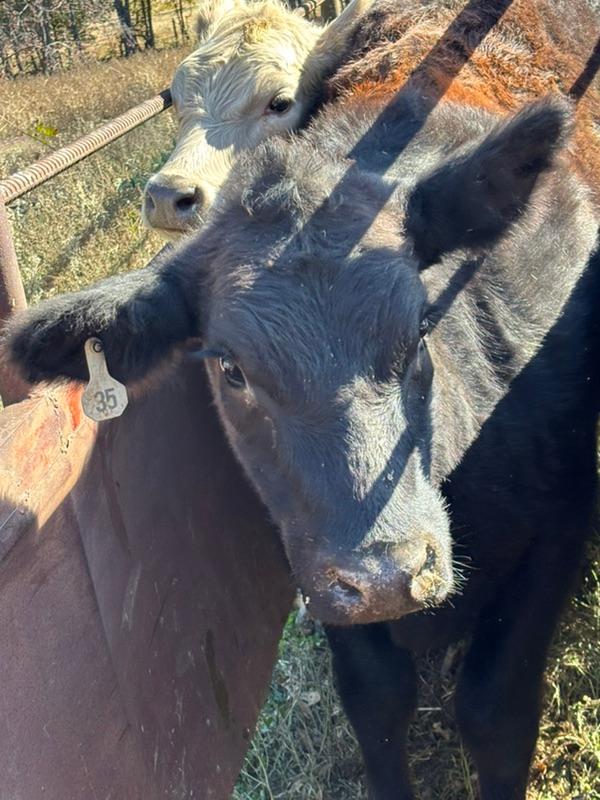
Recently, we welcomed the rain that has been gracing our pastures. Thankfully with the recent cool front, temperatures will start to fall as we move into November, but with that comes its own challenges. Two things come to mind when thinking about this time of year – 1. cattle may be under some additional stress with the weather changes; and 2. (while we are especially thankful for any rain we may get) cool, wet conditions may cause additional risk of illness. Specifically, the changing weather comes with problems with respiratory illness. Let’s take a moment to talk about this and some of the signs we may look out for.
We hear much about respiratory disease in cattle that are newly weaned and sold, but respiratory disease can affect any of the cattle in our herd. Think about nursing calves, replacement heifers or bulls that had been recently purchased and transported to your operation, or those cows in the herd that are getting “up there” in age. But it’s not just those specific examples to keep your eye on – all cattle, regardless of age or breed, are susceptible. Respiratory disease is considered the most devastating illness in the United States cattle population. This disease is complex, being caused by many factors like stress from a multitude of sources (ex. environmental, transportation, poor nutrition) that weakens the immune system, as well as pathogenic bacteria and viruses. Stressful events weaken the animal’s immune system, and that allows for these pathogens to cause the disease. Bacteria multiply in the upper respiratory tract and eventually infect the lungs of cattle, leading to pneumonia. When the disease sets in, we can see a variety of symptoms in our animals. Other than a fever, some visual signs to look out for include nasal and/or eye discharge, depression (standing away from the herd), decreased appetite, ears appearing “droopy”, low head carriage, shallow or labored breathing, and a cough. The cough can vary from a more dry, shallow cough to a deep, “honking” cough, which may be seen in more severe cases. When an animal is identified that may be sick, contact a veterinarian to get a proper diagnosis and treatment. Typically, antibiotics will be administered to cattle that are diagnosed with respiratory disease, and in some cases a veterinarian may opt to administer an anti-inflammatory drug (NSAID) to help reduce fever.
During the changes from warmer to cooler months, it is crucial to be mindful of illnesses that may affect our operations. Keep an eye on the herd during this critical time to ensure that any illness, not just respiratory disease, may be caught early.
| | |
Build Back Better – Replacement Heifers Series
Mark Z. Johnson, Oklahoma State University Extension Beef Cattle Breeding Specialist
In spite of market volatility over the past three weeks, the strong market fundamentals and current status of the U.S. beef industry remain unchanged, and can be distilled down into a few short bullet points:
- The lowest beef cow inventory since the early 1960s
- The lowest number of feeder calves in the production chain since the 1950s
- Strongest consumer demand for beef in several decades
- Very little evidence (over past several calf crops) of heifer calves being retained to develop as the next generation of cows.
These factors indicate the robust values of all classes of cattle (and beef) we are seeing now should continue for several years. Why? Because of the biological time lag between heifers selected now to develop as replacements, and the 24 months before they would potentially wean their first calf to enter the production system. Furthermore, it is most likely the beef cow inventory of 2026 will be lower than 2025.
This current status is the result of droughts, the threat of New World screwworm, the resilience of cattle producers, high input cost and the great success story of cattle breeders improving the additive genetic merit of U.S. cattle to consistently yield a high quality, great tasting beef product to meet consumer demand.
The existing cow inventory will age out of production; thereby, replacement heifers are needed! In the weeks ahead, a “Build Back Better” series of articles targeting cow-calf producers who are motivated by sustainable profit will be presented. Analysis of your production system, proper breeding objectives, mating decisions and development ensure the replacement heifers you are bringing into production are the right fit for your environment and set your operation up for success over the long-term.
Heifer Development
In order to maximize profit potential it is important to have heifers calving at two years of age. Research shows heifers becoming pregnant early in their first breeding season, (specifically the first 21 days) remain in the herd longer and produce more total calf weaning weight over their lifetime in production.
How do we select and manage replacement heifers so that they are having fertile heats and ready to conceive by 14-15 months of age? Genetics, photoperiod, level of nutrition and growth rate all influence when beef heifers reach puberty; that being said, heifers that have reached 65% of their mature weight by this age should have reached puberty and be ready to breed. Obviously, age should be taken into account, (along with other selection criterion covered last week), when selecting replacements, with older heifers having an advantage. Heifers calves born earlier in the calving season, are produced by cows that conceived earlier in the breeding season.
After heifers are selected, how do we arrive at the target weight they need to gain from weaning until their first breeding season? First we need an accurate estimate of the average mature weight of the cowherd that produced the heifers. This can be calculated from weights taken at weaning time on the 4 to 7-year old cows and adjusting to a Body Condition Score (BCS) of 5. If developing purchased heifers, target an optimum plane of growth having the heifers in a BCS of 6 by 14-15 months of age.
What is the best way to feed to reach that Target Weight? In a normal Oklahoma year, spring born heifers weaned in fall can be grown on wheat pasture typically available by late November and gain 1.5 lb. per day (or better) to reach target weight. With wheat pasture conditions currently sporadic in Oklahoma, it is comforting to know that heifers can grow very slowly through the winter months and fed harder for the couple of months going into breeding season in order to reach target weight by breeding season. In regard to gestating bred heifers due to calve next spring. Target a body condition of 6 and 80% of their mature weight at first calving.
| | |
Soil Sampling
I often get questions about when is the best time to soil sample and how often should I soil sample. Here are a couple of tips to remember when soil sampling pastures and hay fields.
How often to sample
Soil samples are good for three years. I will get producers that want to soil sample every year, especially after applying lime to see how well the lime is working. Lime takes awhile to work so it is better to wait three years and see where you are at. If you are trying to improve fertility, this will also give you a better idea of how well you are doing on that. If you have small acreage, I would do the whole farm every three years. If you have a lot of acres you may want to divide the farm into three and sample a third of the farm every year.
When to sample
There isn't a magic time to sample pasture or hay fields. The key is to always sample the same time of year. If you sampled your fields in the fall three years ago, do it in the fall again. If you are doing it in the spring, then do it in the spring again. Soil sample results will vary depending on the time of year and if you truly want to see how you are progressing always sample at the same time of year. Just remember that when we get to spring, there are a lot of samples going through the system so there may be a delay on getting that information back, so make sure you take your samples in plenty of time to get them back.
| | |
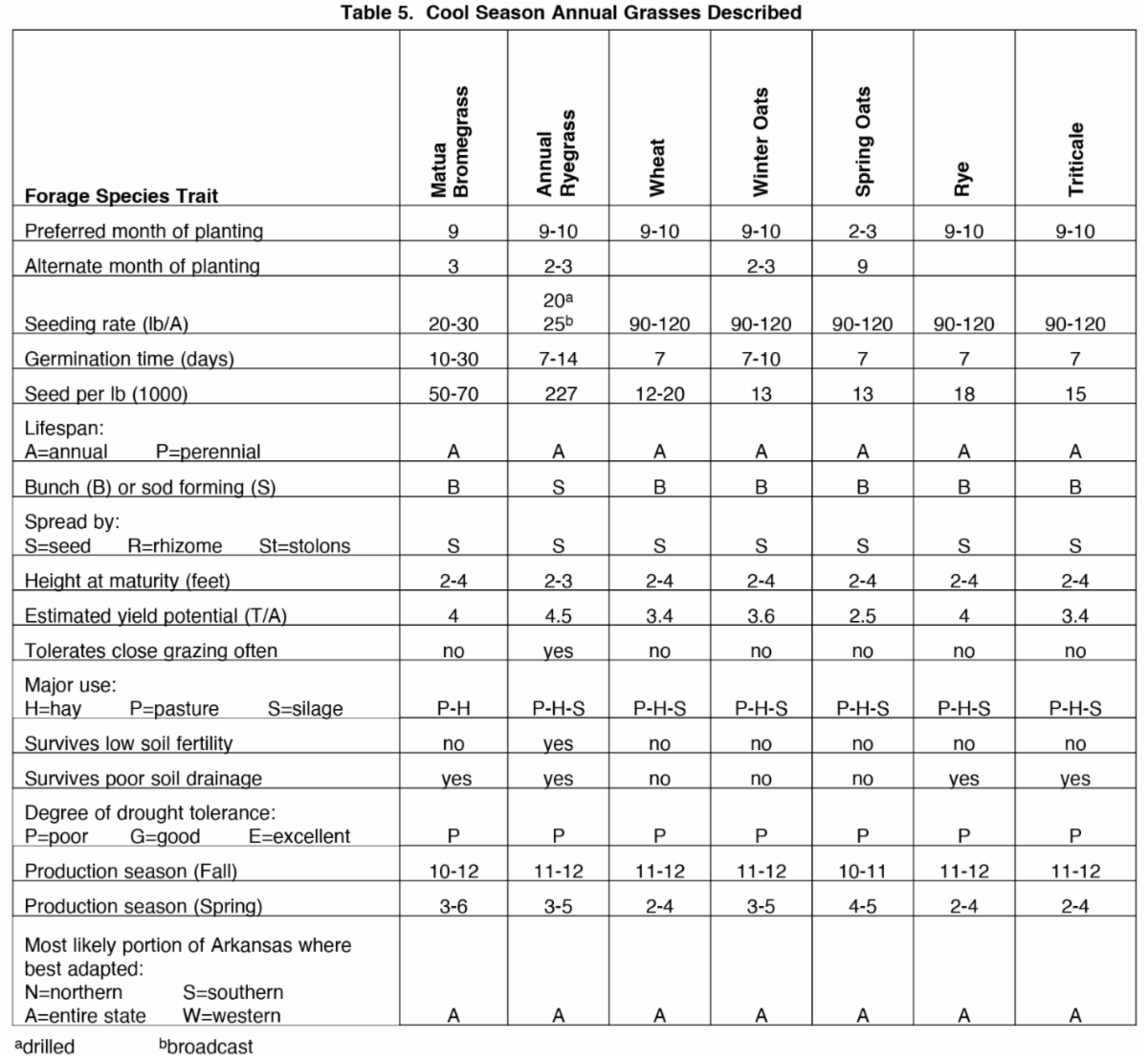
Cool Season Annual Resources
I have gotten a few questions on planting cool season annuals this week about how late can I plant. I would say if we can get it in by the first of December I would go ahead and put it in the ground. We still have time and it looks like next week is a good week to get things planted.
| | |
Pesticide Applicator Trainings
In order to purchase restricted use pesticides (herbicides, insecticides, fungicides, etc) you must have a private applicators license. The license is good for 5 years.
To obtain a license you must first attend a certification training. Certification trainings are done in person by a County Extension Agent or you can go online and be certified. Below is a link to the online training.
In person trainings this year will all be at the Faulkner County Extension Office and will be on:
December 11 - 2:00 PM
January 29 - 6:00 PM
March 12 - 6:00 PM
April 30 - 2:00 PM
A certification training costs $20 and is due the day of the training.
Once a producer is certified, they will go through the Arkansas Department of Agriculture to obtain the license which is $45.
Please call the Extension office at 501-329-8344 to sign up for one of these dates.
There will be other opportunities for trainings in Perry and Conway County and I will post those as soon as those dates are available.
If you have a question about your license, please follow the License Search and Verification link below to find your license.
| | |
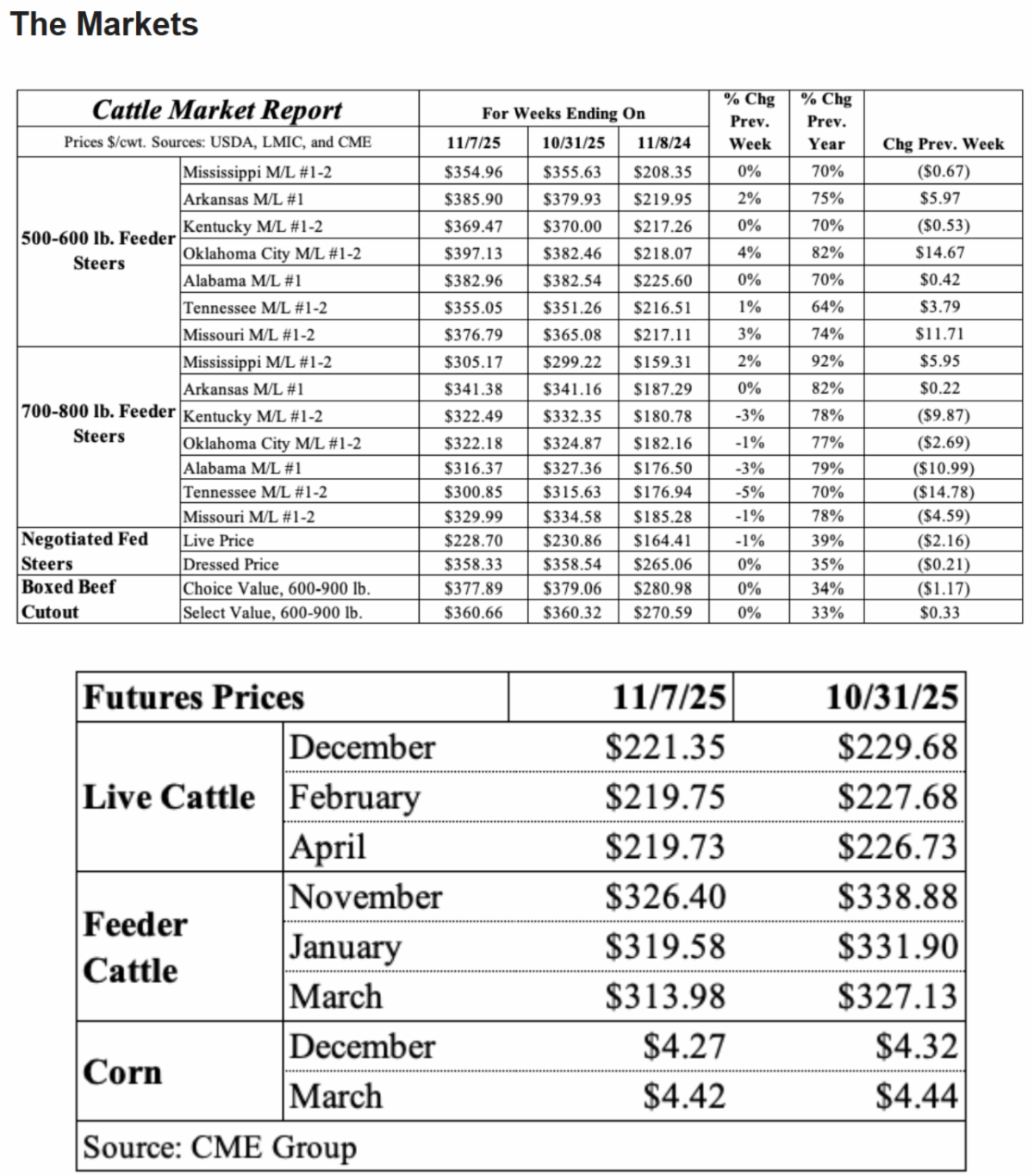
Livestock Market Report
The weekly livestock market report is available on the Arkansas Department of Agriculture website.
| | |
Sign up for Text Alerts
You can now sign up for text alerts from me throughout the year. I have two areas you can sign up for which includes Faulkner Livestock or Faulkner Ag (Row Crop Updates). To sign up you can follow one of these links or use the QR Codes below.
| | Pursuant to 7 CFR § 15.3, the University of Arkansas System Division of Agriculture offers all its Extension and Research programs and services (including employment) without regard to race, color, sex, national origin, religion, age, disability, marital or veteran status, genetic information, sexual preference, pregnancy or any other legally protected status, and is an equal opportunity institution. | | | | |