|
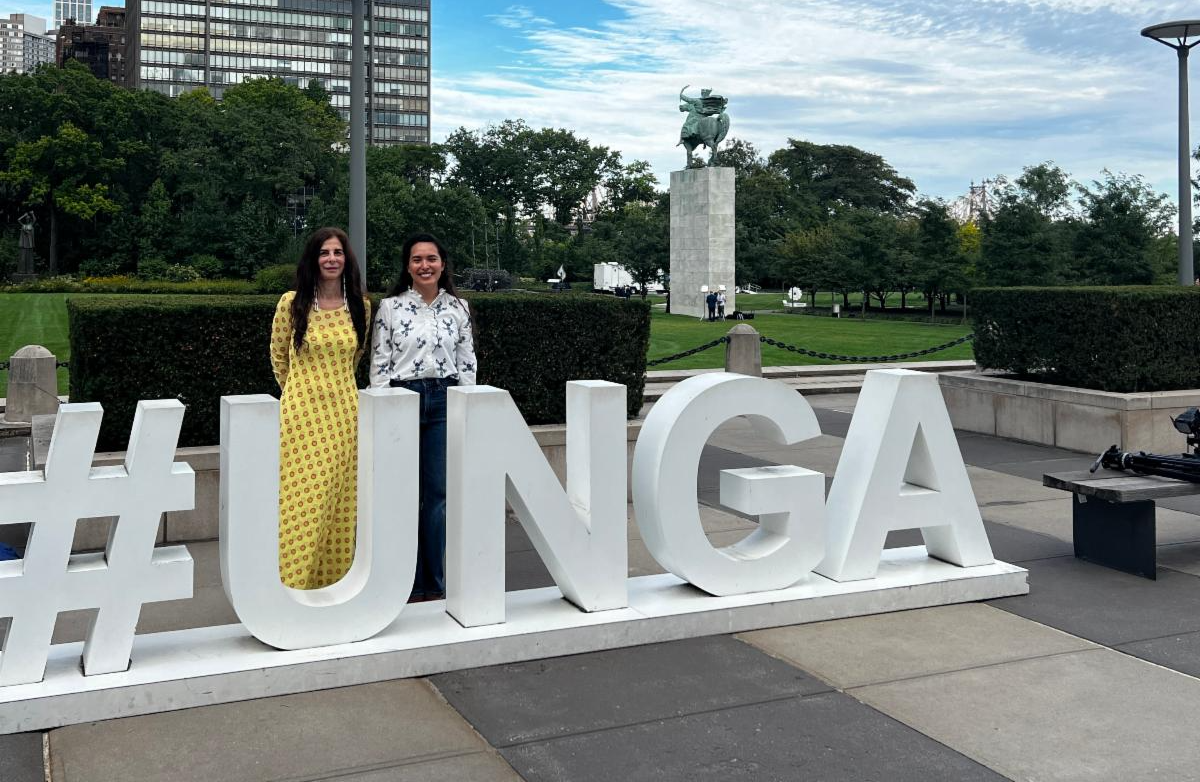
As the UN General Assembly and New York Climate Week came to a close last week, the ongoing reality and impacts of the climate crisis were impossible to ignore, and with that, the need for urgent action remains crystal clear.
From major flooding and emergency declarations across New York to the catastrophic flooding and loss of thousands of lives in the Himalayas, and record hot ocean temperatures in the Pacific and polar regions, the climate crisis is accelerating. The latest Planetary Health Check shows that seven of nine planetary boundaries have now been breached, underscoring the growing pressures on the Earth systems that sustain life.
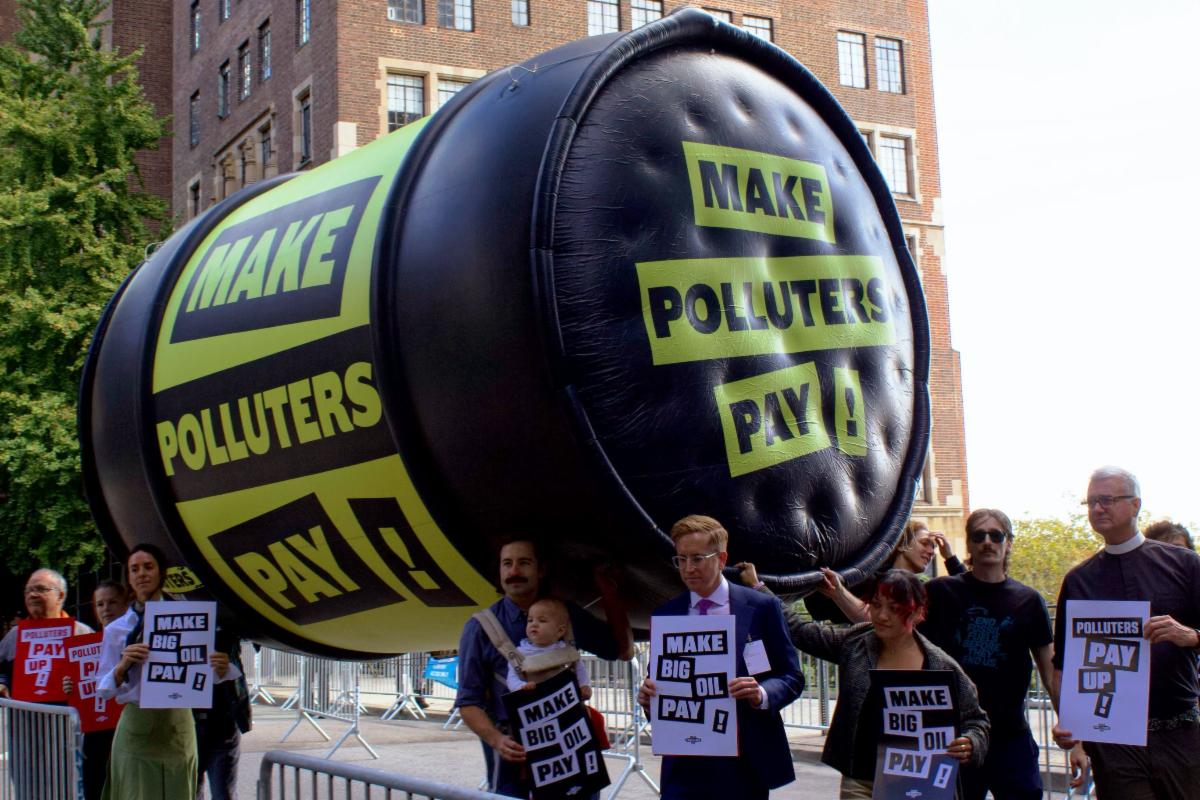
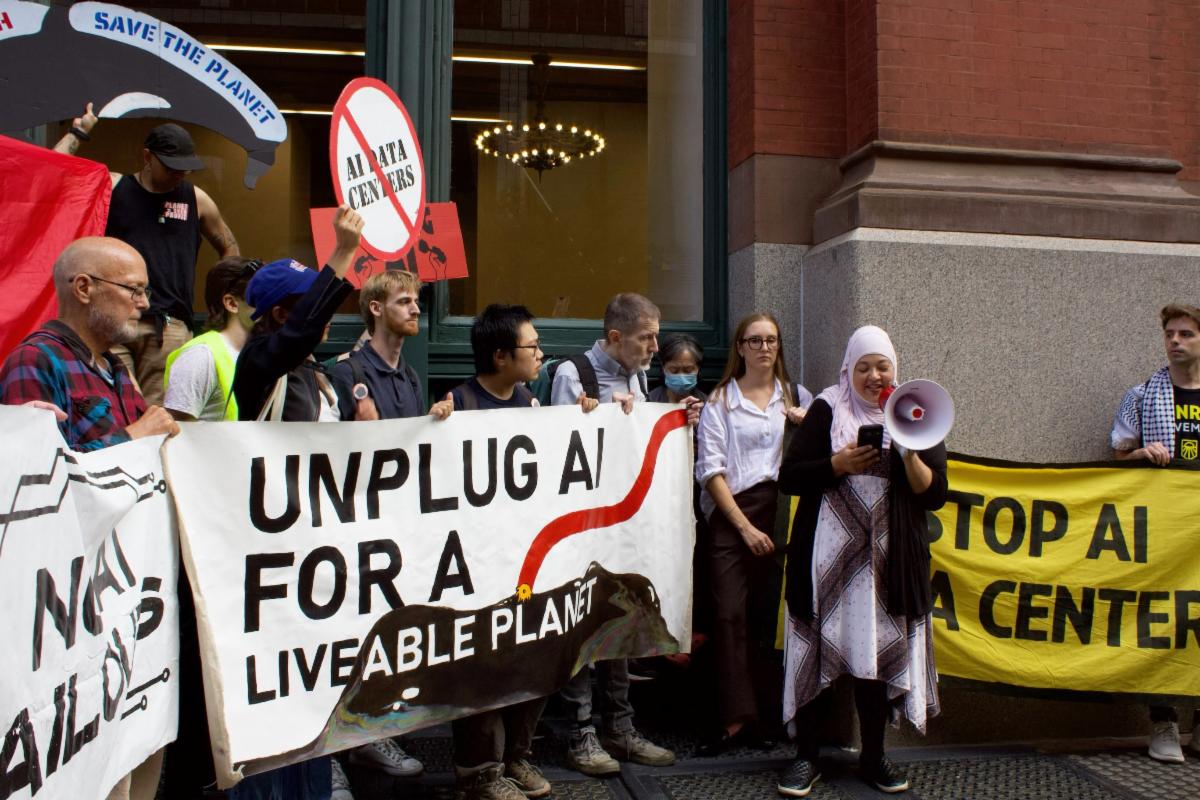
It is alarming that in the face of this extreme hardship, we see backsliding such as the U.S. Environmental Protection Agency announcing the elimination of federal limits on greenhouse gas emissions from power plants and Australia continuing to expand fossil fuel production, including through the approval of new and extended coal mining projects. Across many conversations we joined in New York, the scale and urgency of the climate crisis frequently didn’t match the pace of entrenched political action. As fossil fuel expansion continues and communities face escalating impacts, climate commitments must move beyond announcements and into significant implementation. In his final speech, UN Secretary-General António Guterres called for stronger climate action and emphasized that “polluters must pay," reinforcing the need for greater accountability as governments work to address the climate crisis. WECAN wholly supports this call for accountability from polluters, and during New York Climate Week we participated in the Unplug AI and Make Polluters Pay actions.
There were also important openings for progress as Germany announced a roadmap for transitioning away from fossil fuels, while Tuvalu and Ireland announced plans for the Second International Conference on Transitioning Away from Fossil Fuels in 2027. The UN Nature Summit also highlighted Panama's leadership in championing a Universal Declaration for the Rights of Nature.
In this newsletter recap, we share highlights from WECAN’s Climate Week advocacy and events, from our engagement with governments and UN processes to our work advancing a Universal Declaration on the Rights of Nature, supporting the Fossil Fuel Treaty, calling for gender-responsive climate action, and uplifting Indigenous and women-led solutions. As we prepare for COP31 and beyond, we remain focused on turning commitments into implementation and strengthening the movements and pathways needed for a just, regenerative, and fossil fuel-free future.
| | Women Building a Resilient World: Implementing a Just Transition and Fossil Fuel Phaseout | | |
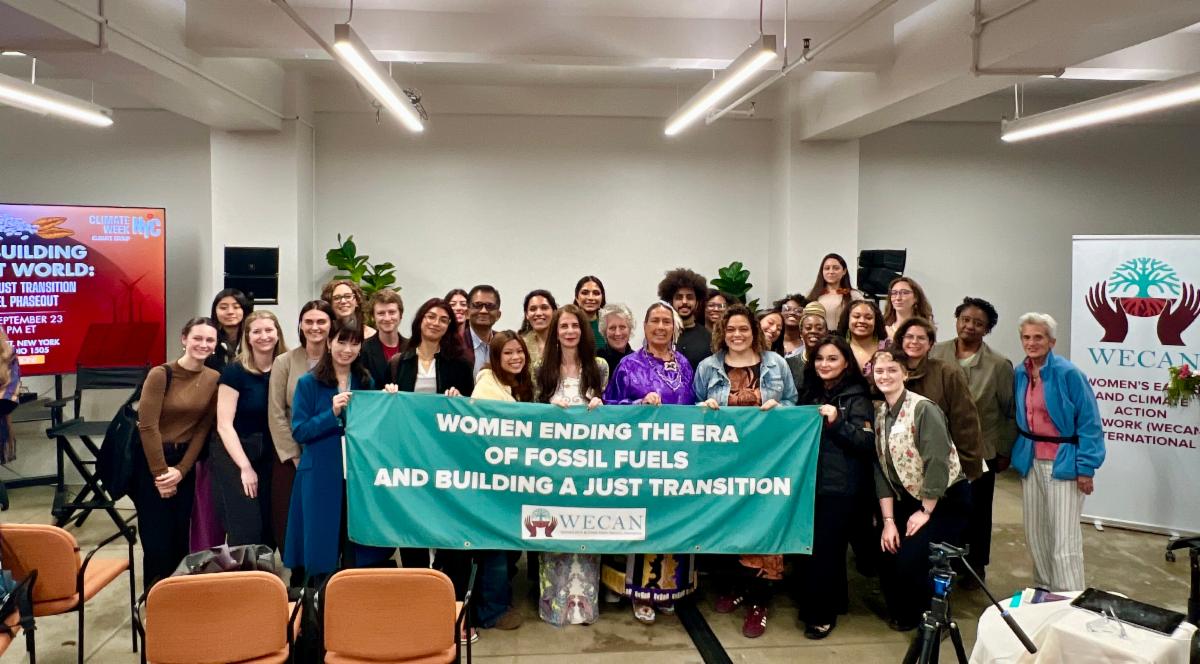
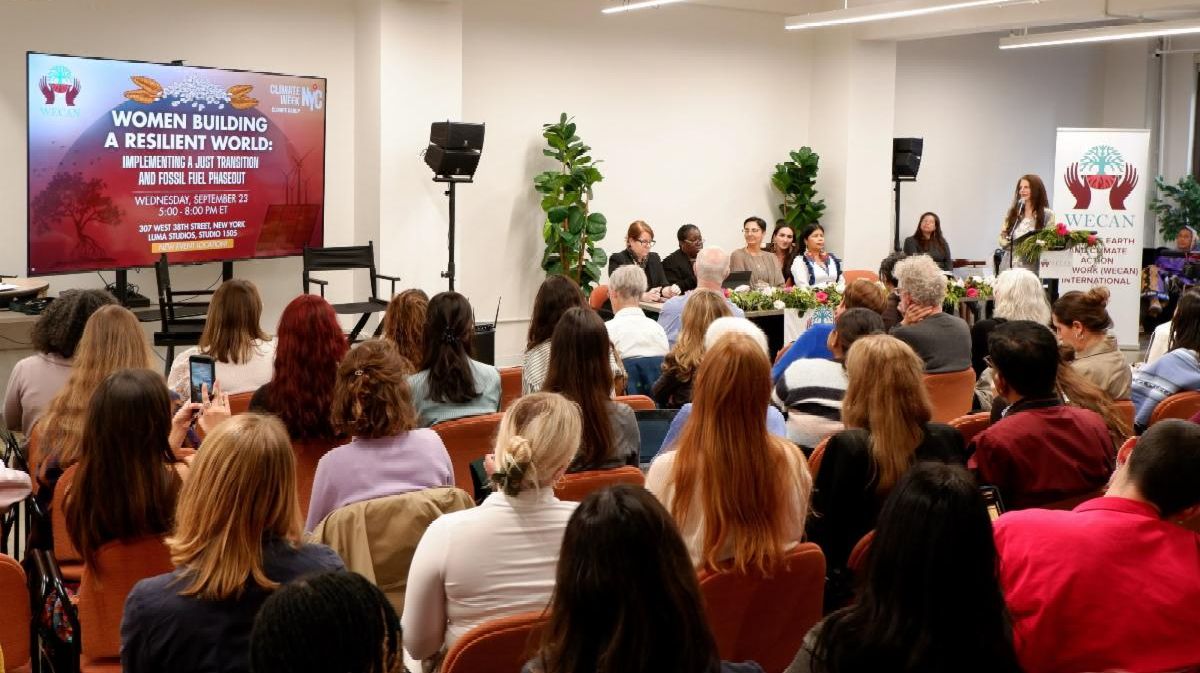
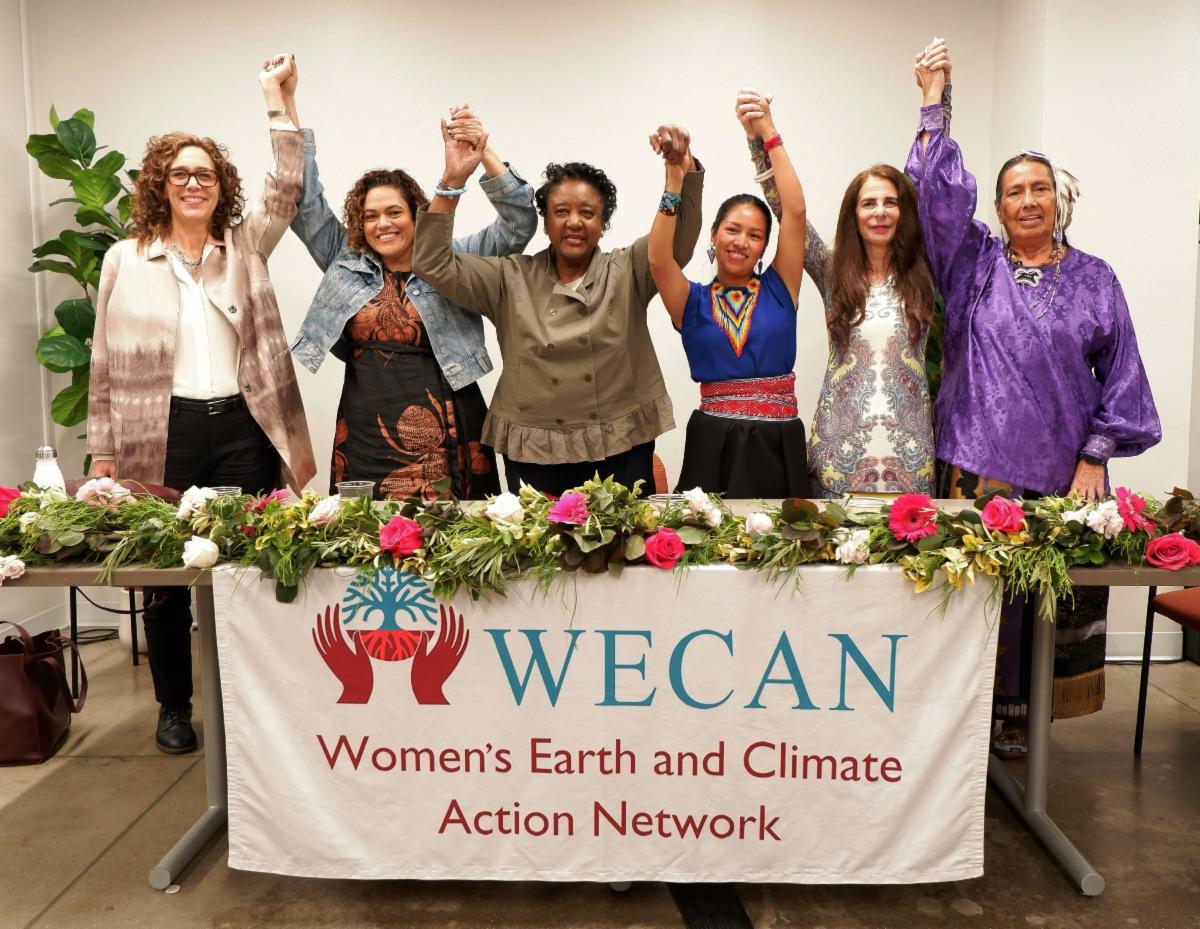
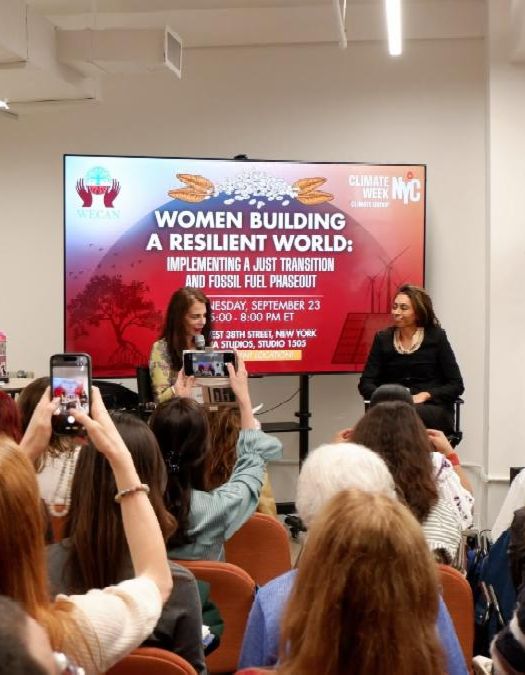
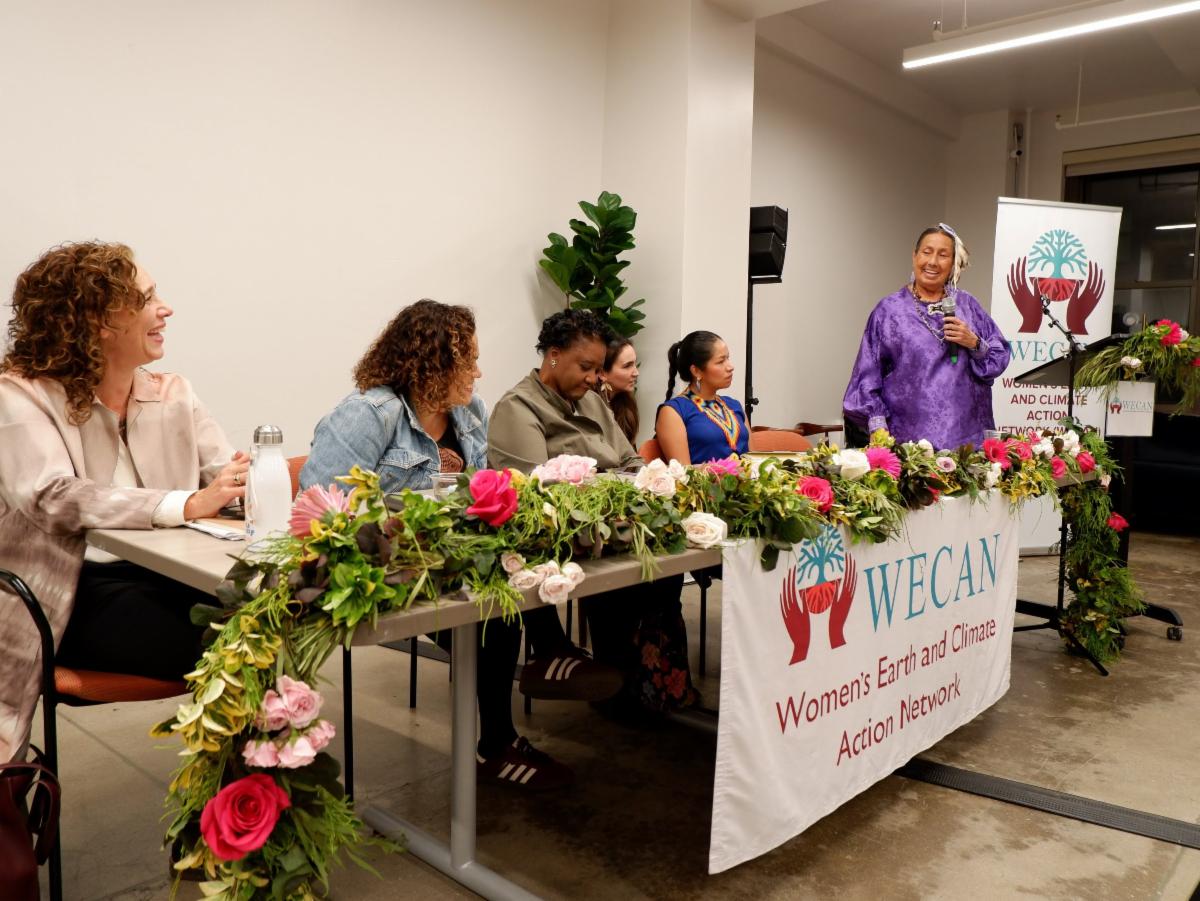
On September 23, WECAN hosted our New York Climate Week event, “Women Building a Resilient World: Implementing a Just Transition and Fossil Fuel Phaseout.”
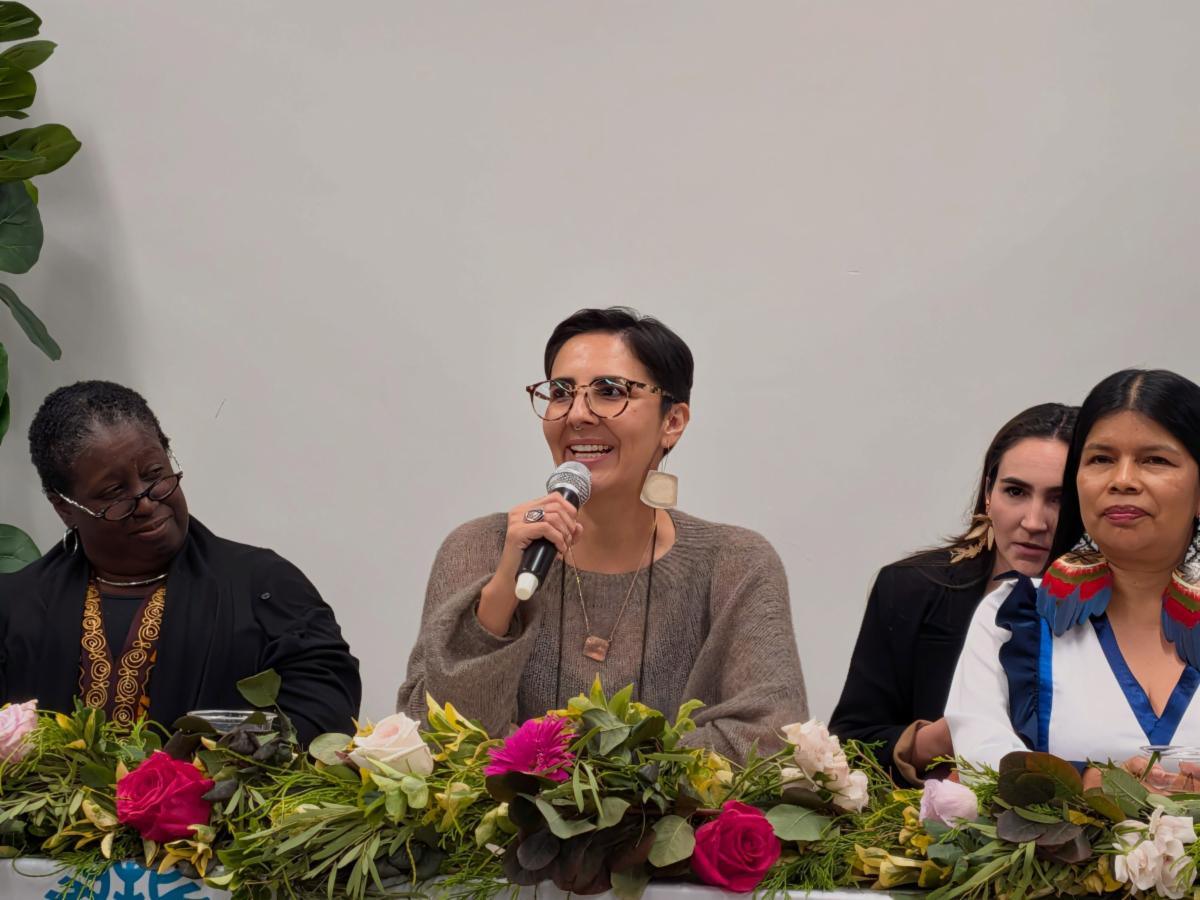
During the event, we heard from powerful women leaders in all of their diversity, Indigenous leaders, policymakers, and climate justice advocates on the bold action and systems change needed to move from climate commitments to meaningful implementation.
| |
"It is Indigenous communities that have raised the alarm bells on the climate crisis long before there was even a UNFCCC. We have been calling for a move away from extractive ideologies and the idea of man's dominion over Earth."
-Eriel Tchekwie Deranger (Athabasca Chipewyan First Nation), President of Indigenous Climate Action and Founder of The Woven Project, Turtle Island/Canada
| We were also honored to premiere WECAN’s new short film, From Resistance to Regeneration: Women Advancing a Just Transition Beyond Fossil Fuels. | | |
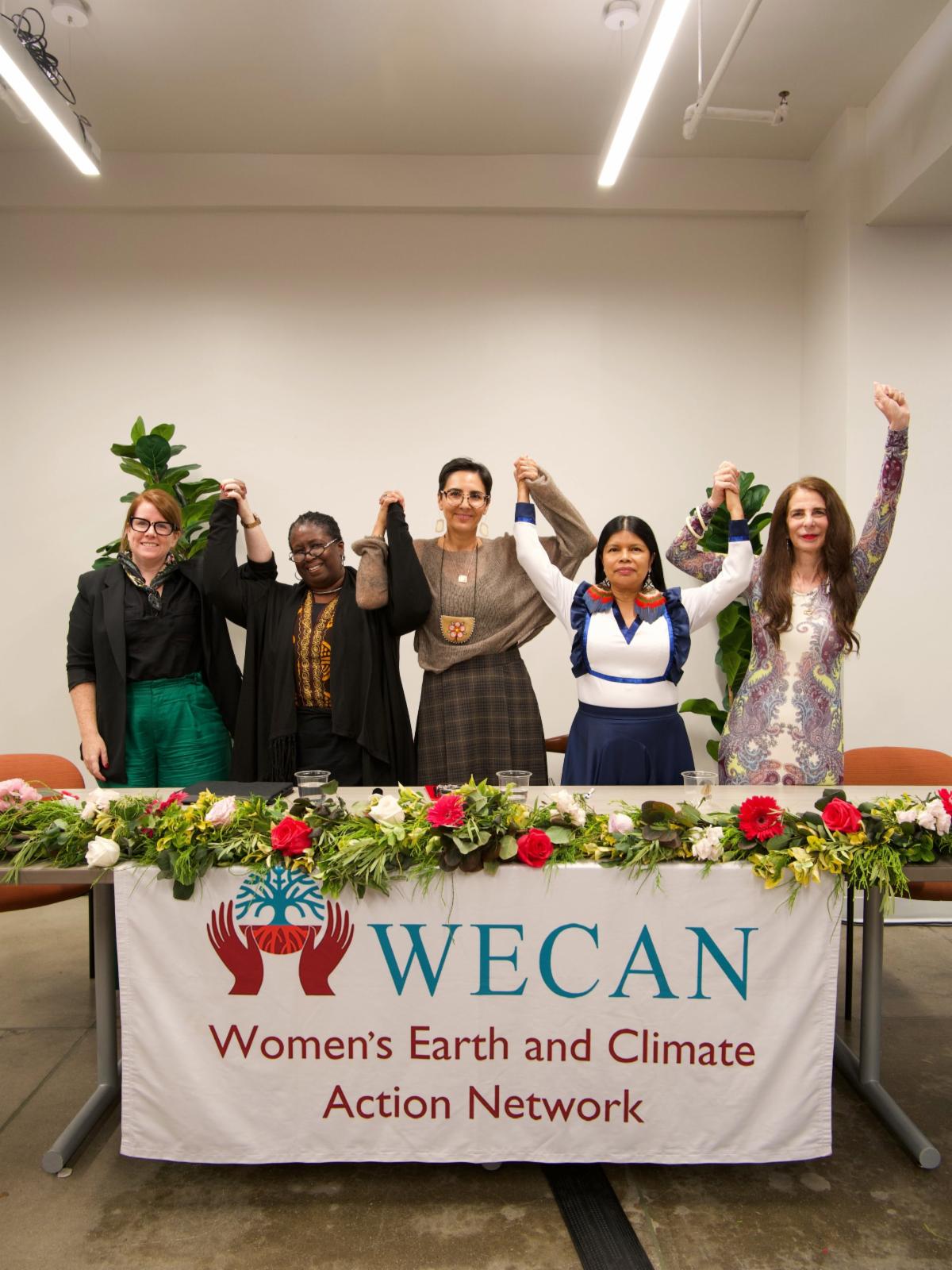
Throughout the evening, speakers reminded us that implementation must be rooted in justice, Indigenous leadership, community power, and the voices of women on the frontlines of the climate crisis. Together, we explored pathways to build a resilient world grounded in the principles of climate justice, feminist care economies, Rights of Nature, human and Indigenous rights, and a rapid, equitable transition away from fossil fuels.
Many thanks to our amazing speakers:
-
Ambassador Ilana Seid, Chair of the Alliance of Small Island States (AOSIS) and Permanent Representative of Palau to the United Nations
-
Tzeporah Berman, Chair, Fossil Fuel Treaty Initiative
-
Casey Camp-Horinek (Ponca Nation), Ponca Nation Environmental Ambassador and WECAN Board Member and Project Coordinator
-
Jacqueline Patterson, Founder and Executive Director, The Chisholm Legacy Project
-
Bridget Burns, Director, Women’s Environment and Development Organization (WEDO)
-
Patricia Gualinga (Kichwa), Member of the United Nations Permanent Forum on Indigenous Issues, WECAN Coordinator in Ecuador, and Spokeswoman for Mujeres Amazónicas
-
Eriel Tchekwie Deranger (Athabasca Chipewyan First Nation), President of Indigenous Climate Action and Founder of The Woven Project
-
Sharon Lewis, Executive Director, Connecticut Coalition for Environmental Justice (CCEJ)
-
Larissa Baldwin-Roberts (Widjabul Wiabal/Bundjalung), Co-Chair of the Indigenous People Caucus for COP31 & COP32, Co-founder and CEO of Common Threads Indigenous Peoples Organization
-
Sandra Chindoy (Kamëntšá), Colombian Senate Member, Indigenous Leader, and Journalist
-
Moderation and comments by Osprey Orielle Lake, Founder and Executive Director of WECAN
| |
Advancing the Fossil Fuel Treaty
At COP31 and into the Pacific
| | |
During the UN General Assembly and New York Climate Week, Tuvalu announced plans to host the Second Conference on Transitioning Away from Fossil Fuels in 2027, creating a vital opportunity for governments, civil society, and movements to continue advancing an equitable phase-out of fossil fuels.
WECAN looks forward to hosting a virtual Global Assembly in the Spring of next year in the lead-up to the Second Conference, building on the momentum and collective organizing regarding a Just Transition off of fossil fuels.
Osprey Orielle Lake, WECAN’s Founder and Executive Director, is continuing work for the Fossil Fuel Treaty through the Negotiating Mandate Working Group and as a member of the Fossil Fuel Treaty’s Steering Committee.
| |
Advocacy for Rights of Nature at Climate Week
Roundtables with Island Nations and UN Nature Summit
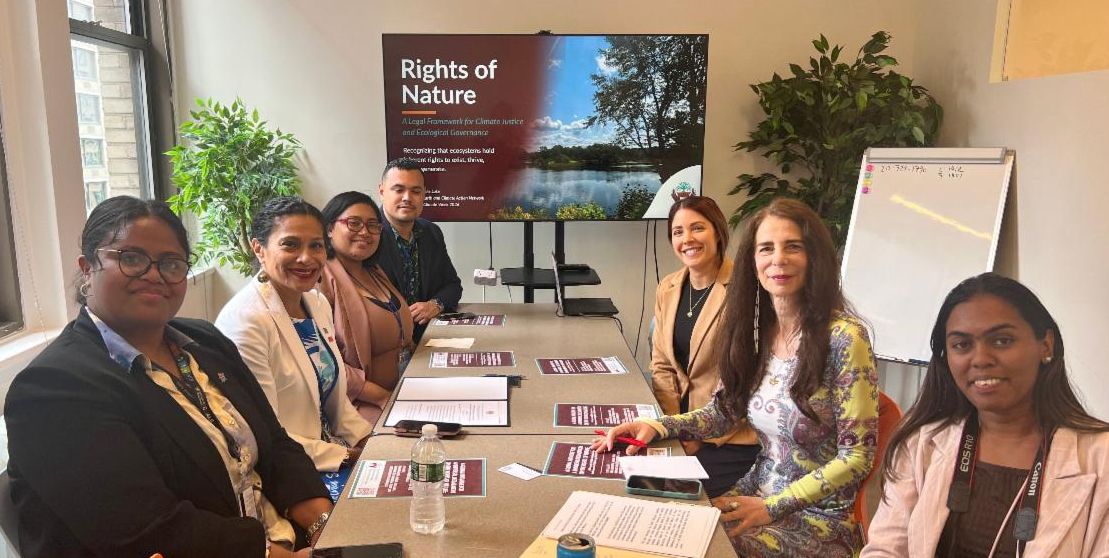
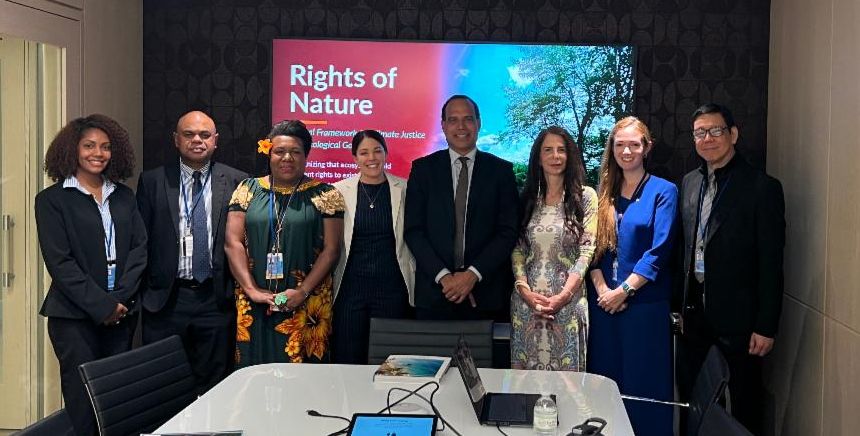
| | Photo of Fiji Minister Tabuya and her delegation, alongside Osprey Orielle Lake (WECAN), and Michelle Bender (Ocean Vision Legal). Photo Credit: WECAN | | During the UN General Assembly and New York Climate Week, WECAN convened and participated in a series of roundtables with ministerial leaders and government officials from Fiji, Vanuatu, and Papua New Guinea to explore how Rights of Nature can strengthen climate resilience, ocean governance, nature protection, and community stewardship. Fiji’s Minister of Information, Environment and Climate, Minister Tabuya, has also expressed support for advancing a Universal Declaration on the Rights of Nature, building on growing interest among Pacific Island governments in rights-based approaches to protecting the ecosystems upon which communities, cultures, and economies depend. These conversations highlighted the importance of creating opportunities for island nations to shape emerging international discussions on Rights of Nature and ensure that Pacific leadership is foundational to this work leading up to COP31, with Fiji hosting the Pre-COP next week. | Vanuatu Minister Regenvanu and his delegation, alongside Papua New Guinea representative, Michelle Bender (Ocean Vision Legal), Callie Veelenturf and Felix Wing Solis (forNature), and Osprey Orielle Lake (WECAN). Photo Credit: WECAN | |
WECAN is celebrating Callie Veelenturf’s forNature initiative and Panama’s leadership in advancing Rights of Nature at the UN Nature Summit on September 24, 2026. Panama has announced its intention to lead an international effort toward a Universal Declaration for the Rights of Nature by first upholding a UN Harmony with Nature Resolution, which establishes an open, government-led process for developing such a declaration. The December vote on the Harmony with Nature Resolution represents an important opportunity to open a formal UN-level process through which governments and other stakeholders can discuss and shape what a Universal Declaration on the Rights of Nature could look like.
As part of our advocacy, WECAN will continue working with our partners to advance Rights of Nature, uphold the principles of climate justice, and ensure meaningful participation from civil society, frontline communities, and island nations.
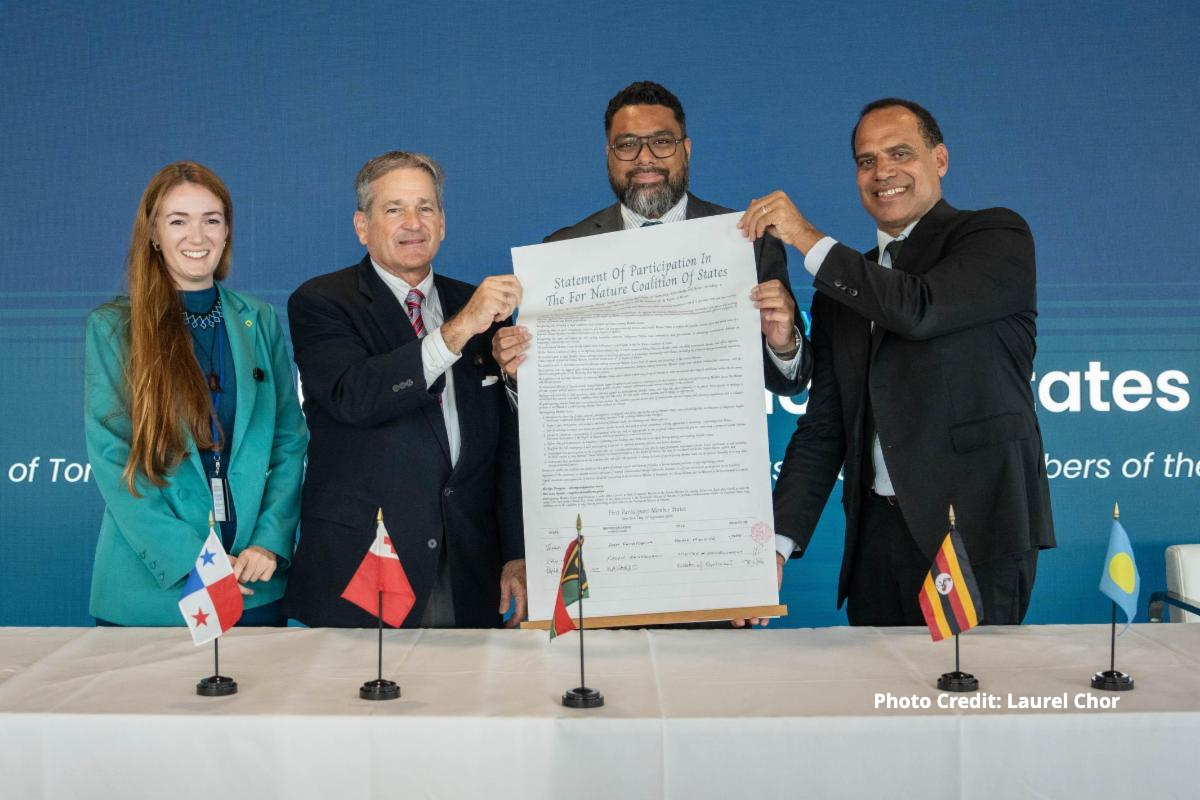
WECAN was honored to attend the Nature Summit at the UN and to applaud Callie Veelenturf’s presentation and the launch of the forNature Coalition of States, an alliance of countries coming together to support a Universal Declaration on the Rights of Nature at the UN General Assembly. This growing coalition represents an important step toward building international support for Rights of Nature and creating a pathway for governments to advance these discussions at the UN level, including through the upcoming December vote on the Harmony with Nature Resolution.
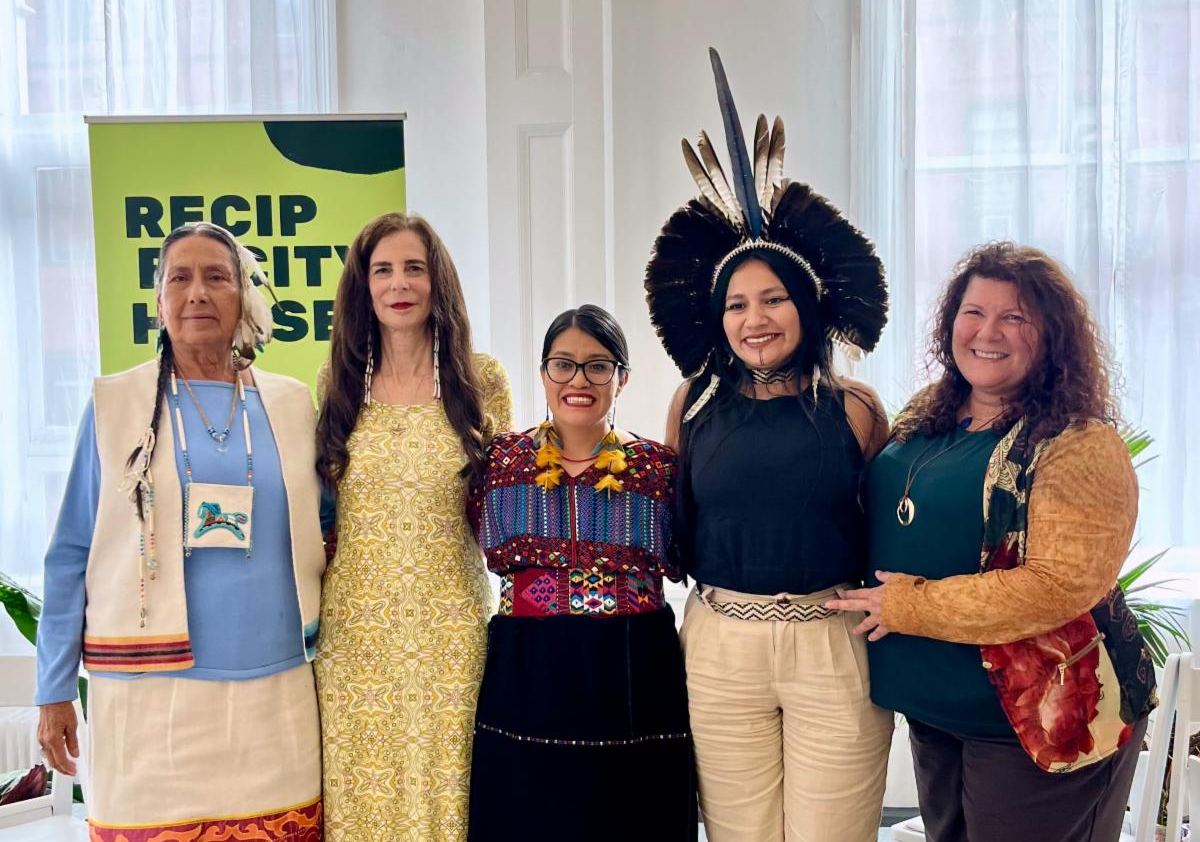
| | From left to right, Callie Veelenturf (forNature), Juan Canavarro (Minister of Environment of Panama), Lord Fatafehi Fakafānua (Prime Minister of Tonga), and Ralph Regenvanu (Vanuatu’s Minister for Climate Change Adaptation) | | Women Leaders in All of Their Diversity: Cultivating Health and Harmony for People and Planet | | From left to right, Casey Camp-Horinek (Ponca Nation), Osprey Orielle Lake (WECAN), Lucia Ixchíu (Maya K’iche’), Luana Kaingang (Kaingang people) and Paula Alvarado, Moderator (INUTW). Photo Credit: WECAN | | |
On September 22, WECAN, If Not Us Then Who?, and Health in Harmony co-hosted a powerful and inspiring event exploring the unbreakable connections between the health of women, communities, territories, and the planet. During the session, “Women Leaders in All of Their Diversity: Cultivating Health and Harmony for People and Planet,” frontline and Indigenous women leaders and global advocates shared how storytelling, advocacy, and shifting paradigms to center care, Traditional Ecological Knowledge, and reciprocity with the Earth are powerful tools for a healthy present and future.
WECAN also initiated a call to action for audience members to make a public comment to protect the Tongass Rainforest as we fight back against attacks on the Roadless Rule. Read on in the newsletter to learn more about submitting a public comment.
Thank you to the incredible leaders for sharing your stories:
-
Lucia Ixchíu (Maya K’iche’), Journalist, Indigenous storyteller, and Impact Producer, If Not Us Then Who?, Guatemala
-
Casey Camp-Horinek (Ponca Nation), Ponca Nation Environmental Ambassador, and WECAN Board Member & Project Coordinator, Turtle Island/USA
-
Luana Kaingang (Kaingang people), Brazil General Coordinator, ARPINSUL
-
Osprey Orielle Lake, Founder and Executive Director of the Women’s Earth and Climate Action Network (WECAN), Turtle Island/USA
-
Moderated by Paula Alvarado, Strategic Circle, If Not Us Then Who?, Sweden
| |
Additional Climate Week Highlights
Building Momentum Toward COP31
| | |
On September 23, UN Secretary-General António Guterres convened a High-Level Event on Climate Action and the Just Transition during the UN General Assembly, calling on governments to increase ambition and action to accelerate the transition away from fossil fuels. As he stated, “We are the first generation with the tools to end the fossil fuel age – and the last who can avert climate catastrophe.” Read the UN Secretary-General’s remarks.
Without an immediate phaseout of fossil fuels, there is no Just Transition. Yet fossil fuel production continues to expand while communities around the world face escalating climate impacts. Throughout Climate Week, WECAN continued sharing our vision for a Just Transition beyond fossil fuels, from community-led solutions grounded in climate justice and rights to research and advocacy highlighting the risks of transition mineral mining and the need for a truly equitable energy transition.
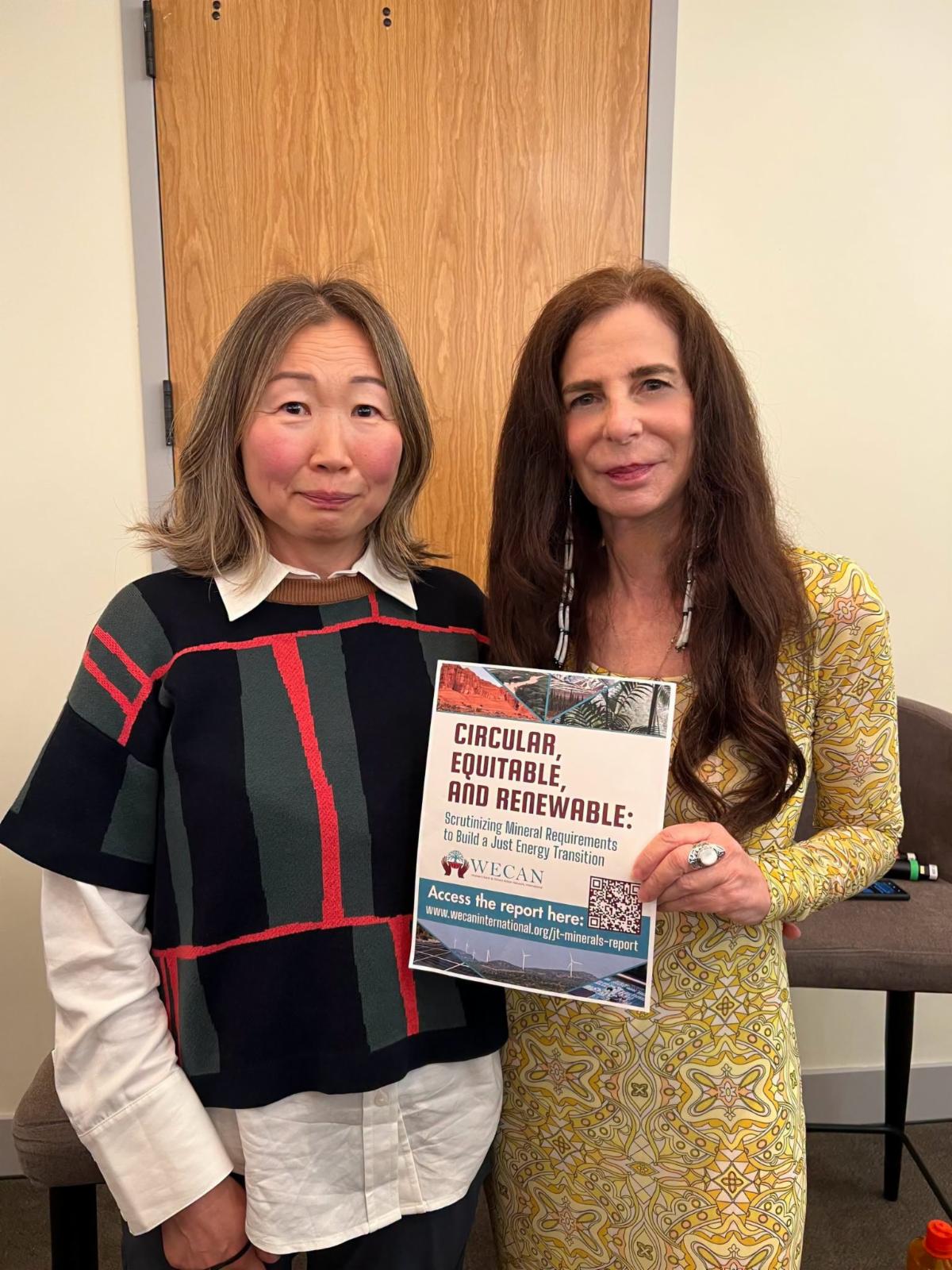
WECAN attended Beyond Mineral Supply Security where we shared our mining report and speakers from Oxfam, SIRGE Coalition, Resource Justice Network, and more discussed equitably financing a Just renewable energy transition, defending Indigenous and human rights, and a civil society action agenda for COP31. Osprey Orielle Lake also shared with Galina Angarova, Executive Director of the SIRGE coalition, the WECAN report Circular, Equitable, and Renewable: Scrutinizing Mineral Requirements to Build a Just Energy Transition.
WECAN attended the launch of the COP31 Action Agenda at the UN Headquarters to hear from the COP31 Presidency as they outlined their priorities for the UNFCCC negotiations in Turkey this November.
| | |
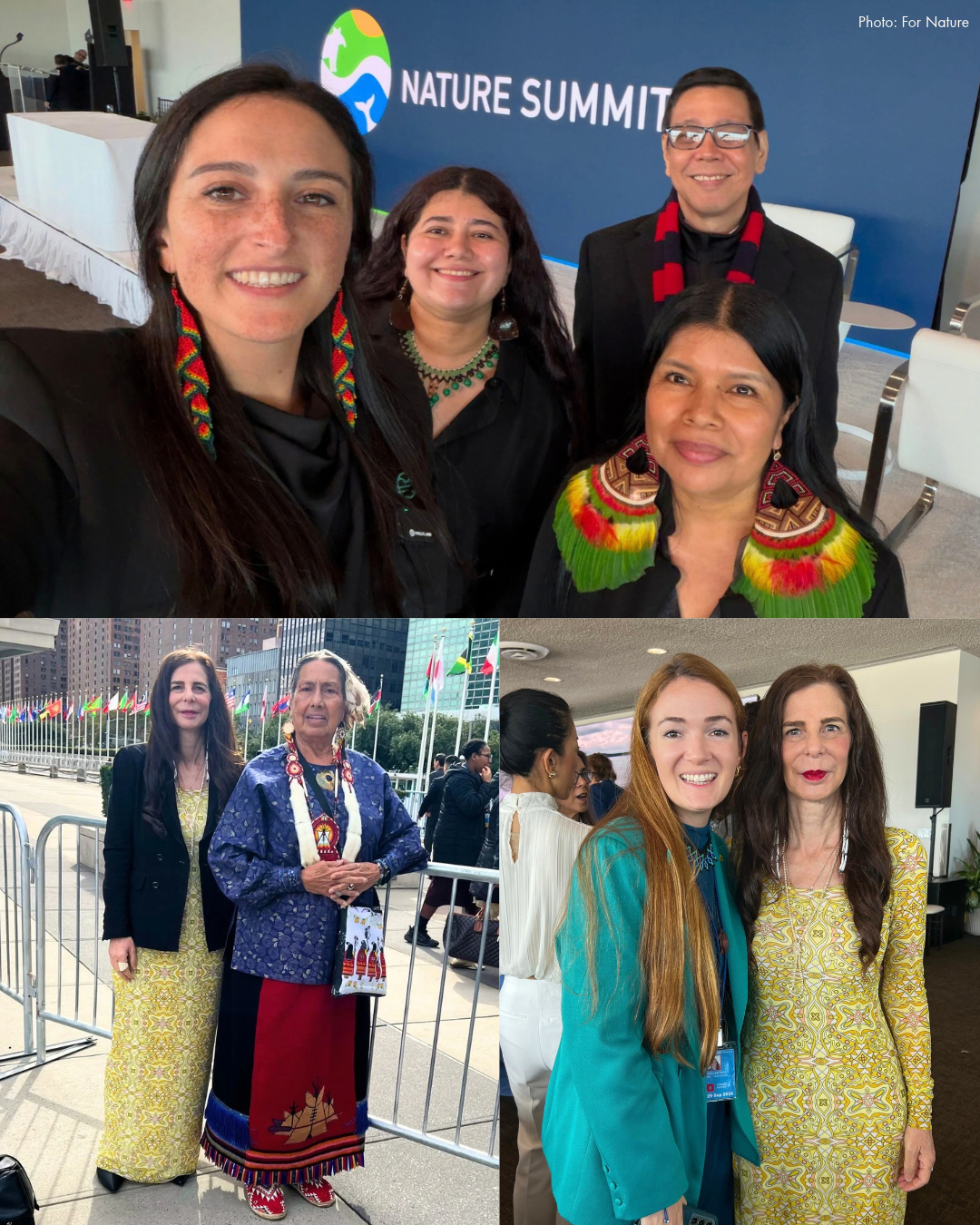
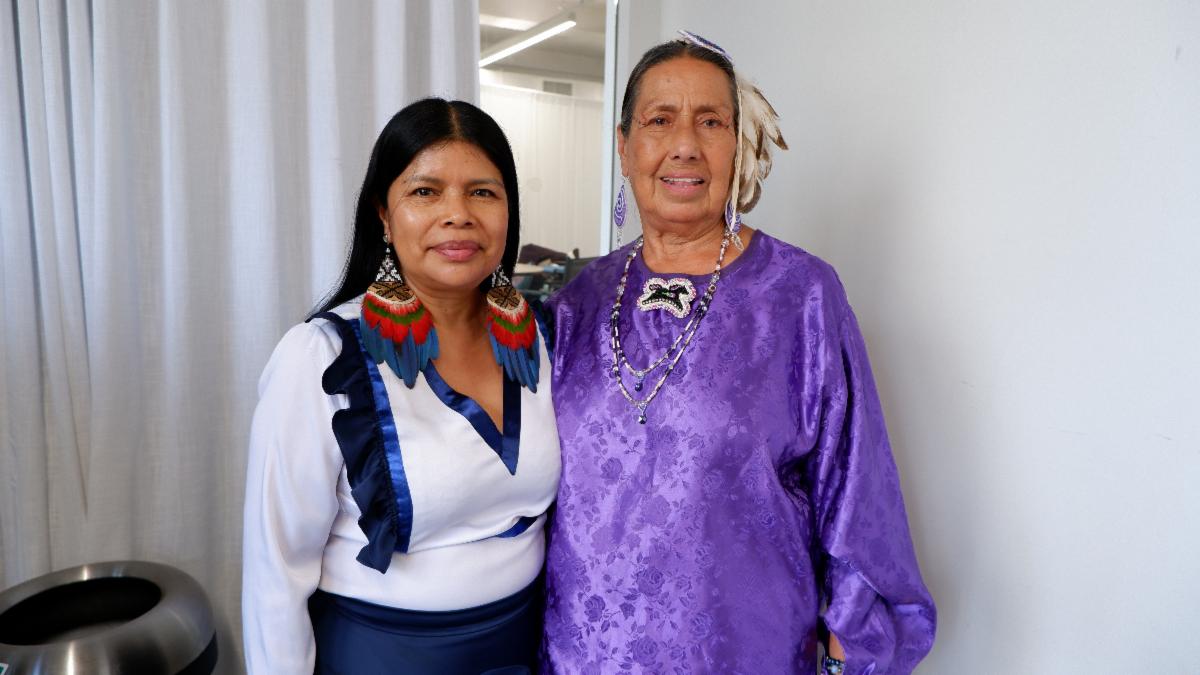
WECAN also supported coordination among Indigenous leaders and organizations, including a meeting with Patricia Gualinga and Casey Camp-Horinek, and discussed opportunities to advance Rights of Nature, acknowledging Patricia Gualinga’s role as an expert and one of eight appointed members of the UNPFII, an advisory body to ECOSOC on matters related to the rights and well-being of Indigenous Peoples around the world. We also celebrate our Sarayaku partners for their inspiring Climate Week event centered on preserving Kawsak Sacha (the Living Forest), uplifting Indigenous leadership, and protecting living ecosystems and ancestral territories.
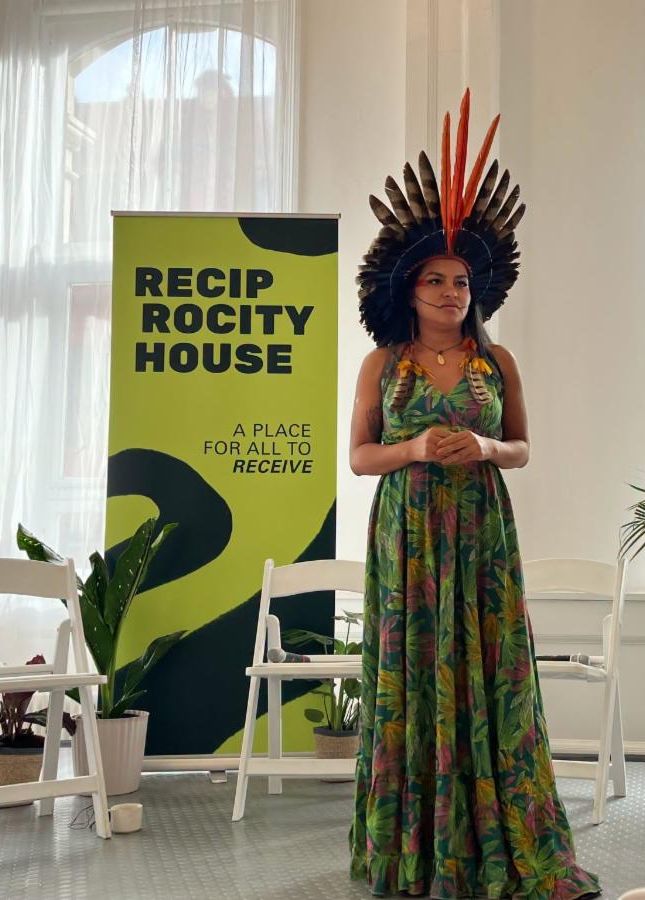
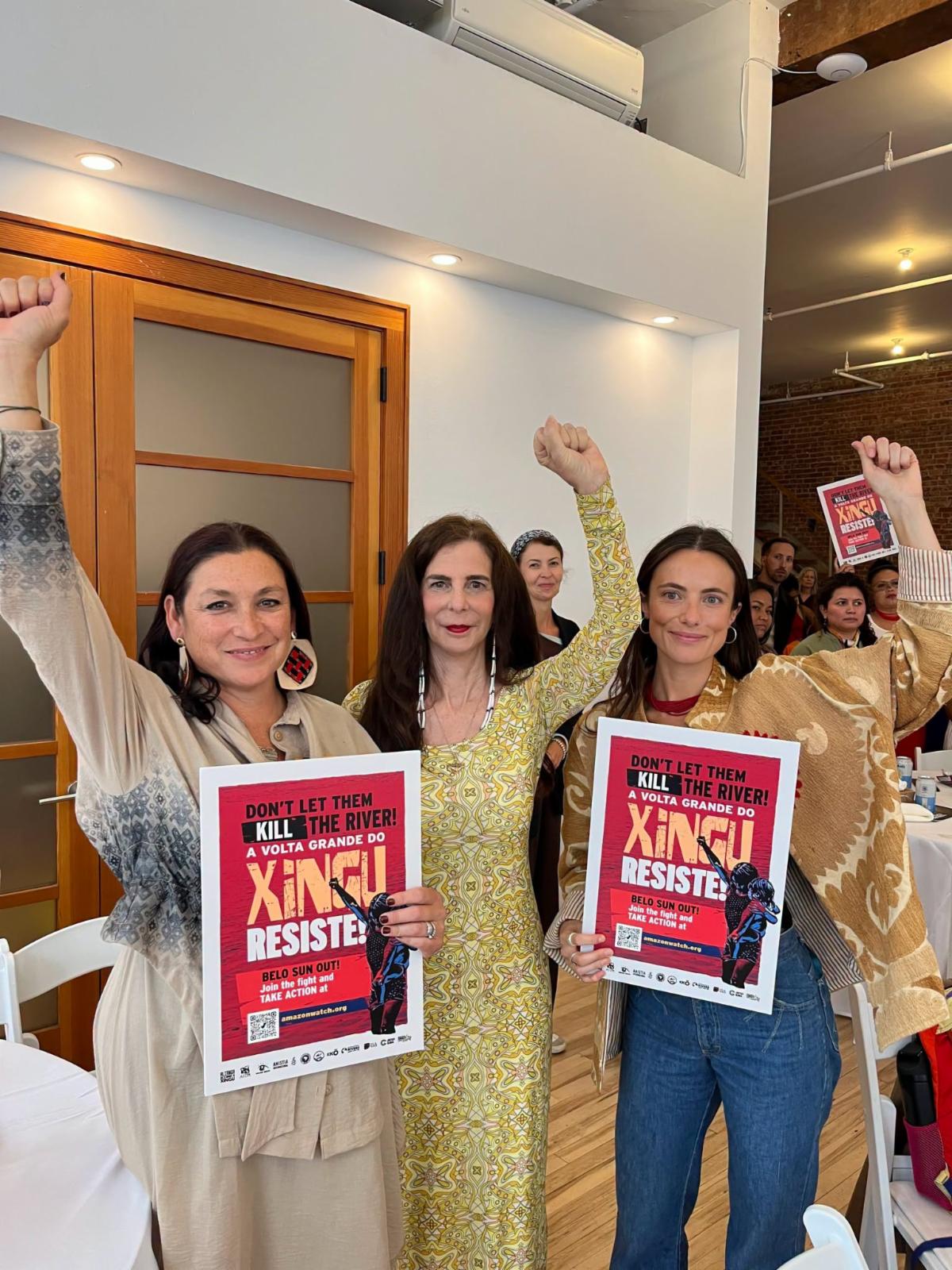
During the Call to Action for the Amazon organized by Amazon Watch, we heard from Juma Xipaia, Indigenous Woman Defender from the Xingu River Basin in the Brazilian Amazon, and joined Amazon Watch, Instituto Juma, and Earth Alliance in calls to stop Belo Sun from continuing catastrophic mining in the banks of the Xingu River.
| | Patricia Gualinga (Kichwa) and Casey Camp-Horinek (Ponca Nation). Photo Credit: WECAN | | Juma Xipaia. Photo Credit: WECAN | | Members of Xingu Resistance Campaign and Osprey Orielle Lake. Photo Credit: WECAN | | WECAN also joined the U.S. Climate Action Network (USCAN) International Policy Action Team strategy meeting, connecting with partners to strengthen coordination, share perspectives, and build a collective strategy for international climate policy and advocacy ahead of COP31. Throughout Climate Week, WECAN and our partners also continued to lift up campaigns and actions calling for accountability and systemic change, including Make Polluters Pay and Unplug AI, while highlighting our Women for Forests program through various events and conversations. | | Together, these efforts reflect WECAN’s commitment to connecting international policy with the leadership of women in all of their diversity, Indigenous Peoples, and frontline communities working to protect forests, territories, ecosystems, and our collective future. | |
PROTECTING THE TONGASS NATIONAL FORESTS
Speak Up to Uphold the Roadless Rule!
| | |
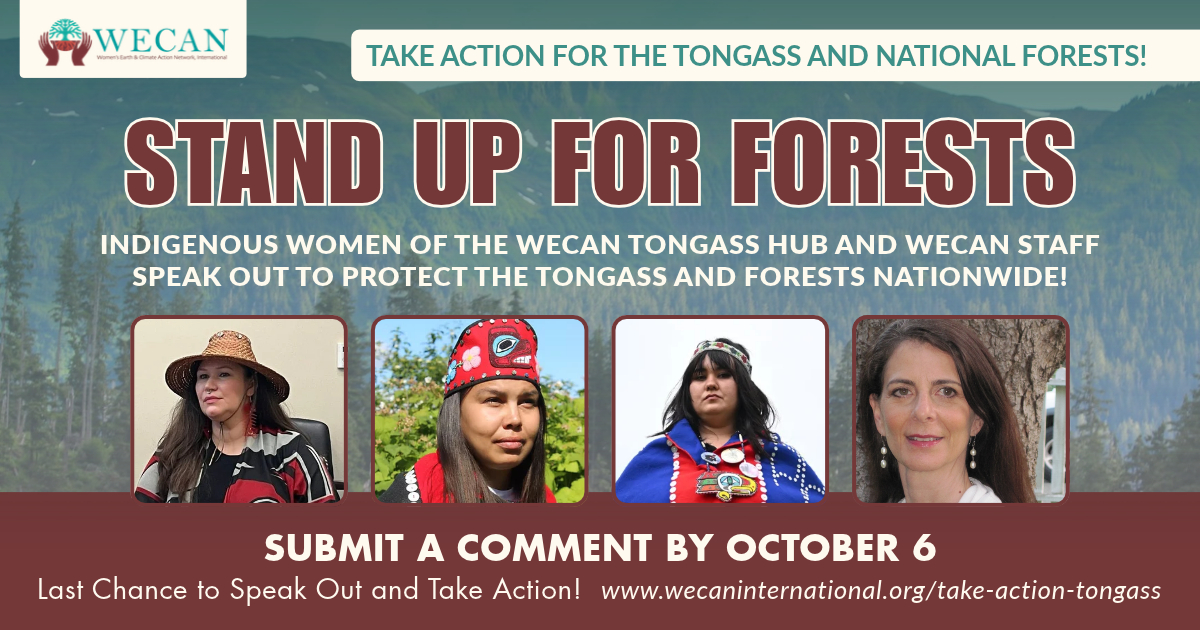
On September 30, Indigenous women of the WECAN Tongass Hub and WECAN staff participated in two virtual hearings hosted by the U.S. Forest Service to call for the protection of the Tongass Rainforest of Alaska and Indigenous lifeways. These public hearings are one of very limited opportunities organized by the USFS for community members to share concerns about the proposed rescinding of the 2001 Roadless Area Conservation Rule.
“In the Tlingit way of thinking, it is our responsibility to protect what cannot protect itself from our harmful impact…if we are able to harm it, then it is our job to protect it. And when you make decisions about opening roadless areas, about increasing logging, about removing protections that you are responsible for, you are not making decisions about land-use–you are making decisions that impact that entire living system.”
— Yolanda Fulmer (Tlingit), WECAN Tongass Representative
“Rescinding the Roadless Rule would be a failure of this administration in protecting biodiversity, public wellbeing, and the global climate. The Tongass is referred to as “America’s Climate Forest,” acting as a shield to worsening climate catastrophes. In times of escalating climate-fueled weather disasters, such floods, heatwaves, extreme coastal storms, and more, we must protect our first line of defense – our forests – now, more than ever. If Roadless is rescinded, all life in the Tongass is threatened and the global climate put at risk.”
— Osprey Orielle Lake, Founder and Executive Director, WECAN
Indigenous women from the WECAN Tongass Hub working to protect the Tongass National Forest have been speaking out throughout the year, bringing their leadership, lived experience, and deep relationships with the Tongass to the ongoing effort to protect these lands that sustain Indigenous cultures, livelihoods, and ecosystems. Over 435,000 public comments have been submitted so far, and we need your help to reach our goal of 1 million comments by October 6, 2026.
There is still time to make your voice heard. Add your comment and stand with communities working to protect the Tongass and all forests nationwide.
| | Please consider supporting WECAN as we continue to uplift the leadership and solutions of women worldwide fighting for climate justice and the defense of the planet for current and future generations. | |
For the Earth and All Generations,
Women's Earth and Climate Action Network
(WECAN) International Team
| | S T A Y C O N N E C T E D | | | | |