Meet Namni
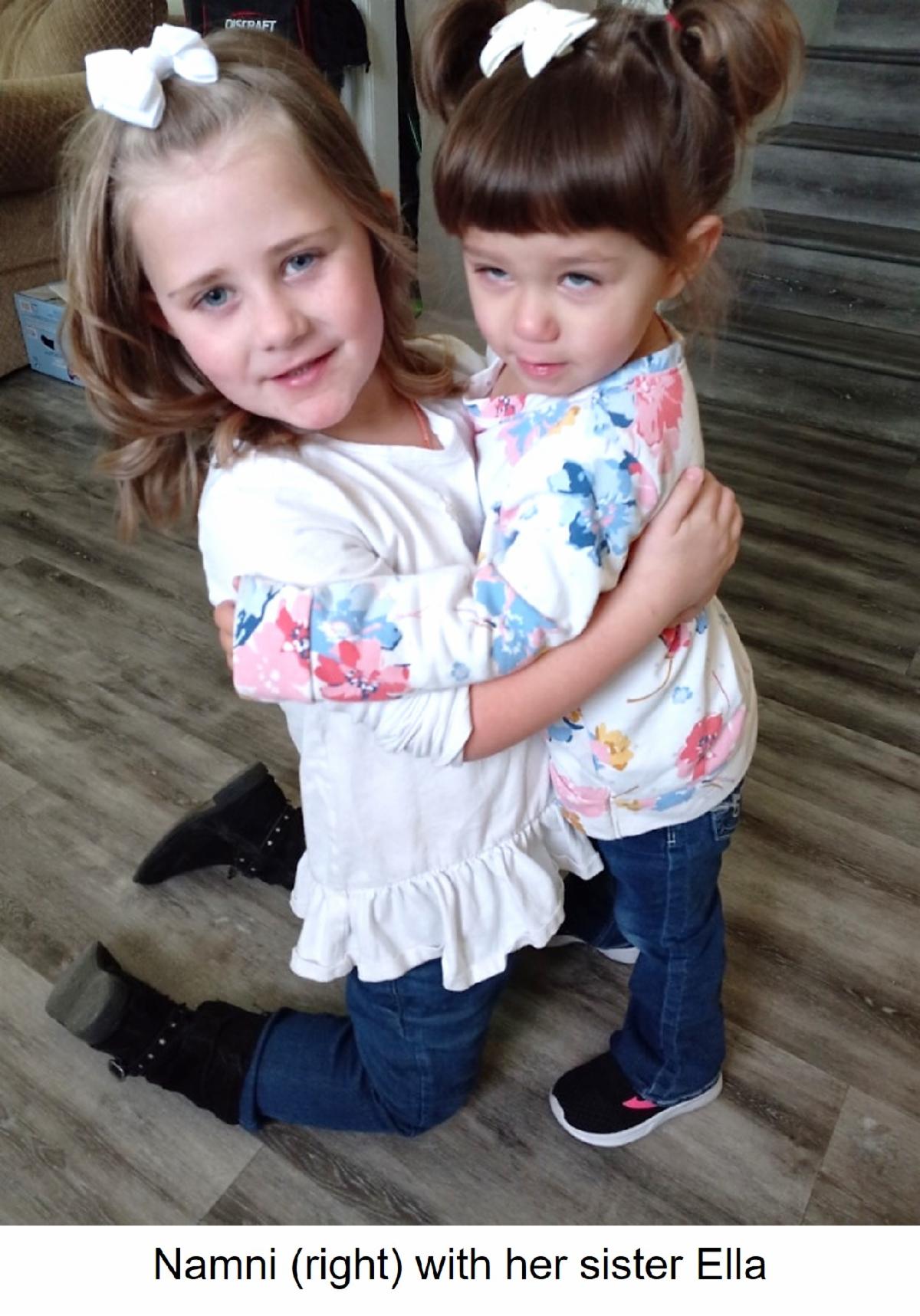
Nothing stops Namni. Not even her visual impairment. When she was diagnosed with optic nerve hypoplasia when she was four months old, her parents Shelly and Kreigh wondered what they did wrong. “Then we realized there was no sense in being sad when she was thriving. She doesn’t let anything stop her from learning,” says Shelly.

Shelly and Kreigh began working with their EI-TVI from A Shared Vision when Namni was six months old. “Our teacher taught us that being hands-on is very important, and every minute counts when your child is learning with a disability," explains Shelly. 

Namni’s EI-TVI also taught her how to understand her feelings. Her teacher and another provider created a self-soothing strategy for Namni called “smelling the flower and blowing out the candle” because Namni loves flowers and birthdays. Now when Namni gets angry or frustrated, she’ll say to herself, “Do you want to close your eyes and breathe?”, and she calms down. Because she’s been taught to identify her own feelings, Namni can recognize feelings in other people, too.

Being empathetic will help Namni build new friendships when she starts preschool in her Grand Junction, CO, school district this March. “Namni can’t wait! She has a bright and bubbly personality. She absolutely loves meeting new kids her age, and she is very social,” says Shelly.

When a child turns three, A Shared Vision no longer provide early intervention services to our families. Many children enter preschool in their local school districts. This transition isn’t always easy, but your EI-TVI can help you navigate this process. The key is starting early. Click HERE for more resources.
Make a Pot o' Gold

Celebrate St. Patrick’s Day by experiencing this Pot o’ Gold sensory bottle with your little one.

It’s easy to make! All you need is a small, clear plastic bottle or spice jar, rainbow glitter, and 10 to 15 shiny pennies. First, pour a ½- inch thick layer of glitter in the jar. Drop the pennies in the jar. Counting out loud as you go teaches your little one that numbers follow a sequence. Close the jar tight. Now you’ve got a pot of “gold” to discover in a rainbow of glitter. When you shake the jar, you can watch the glitter and the coins fall inside the bottle and listen to the pennies clinking together.
The Value of Empathy

It takes empathy, understanding the feelings of others, to build successful relationships. A typical child begins to gather information about others' feelings after understanding their own feelings and identifying similar feelings in others by observing facial expressions. A child who is blind or visually impaired will need to be taught to identify their own feelings, to understand others, have feelings that differ from their own feelings, and to recognize one’s words and actions can alter others’ feelings. HERE are some tips on teaching empathy to a very young child who is visually impaired.
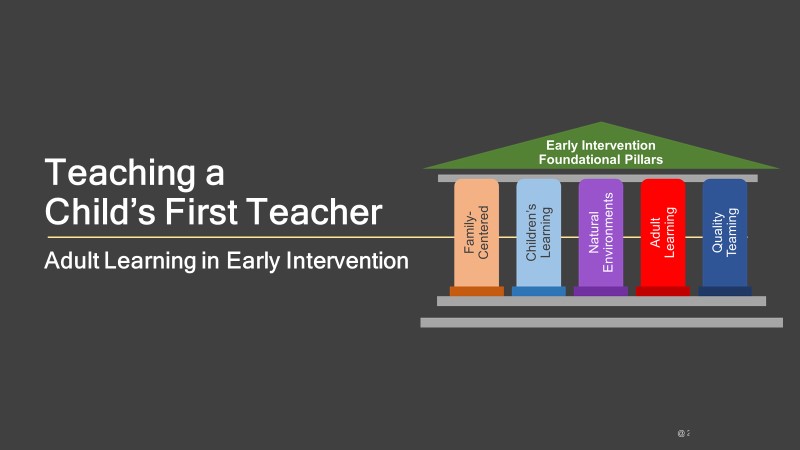
How Do You Teach a Child's First Teacher?
While the focus of early intervention is to improve a child’s developmental outcomes, providers like EI-TVIs and therapists focus on the child’s caregivers because they are the child’s first teachers. How can providers become more effective at teaching adults who have different learning styles and preferences?

A Shared Vision’s co-founders Paula Landry and Steven Lindauer shared some answers during a March 3 webinar for the TSBVI Outreach Coffee Hour sponsored by the Western Regional Early Intervention Conference. "Thanks! This webinar was really great and helpful - a good reset and reframe to continue how I practice," commented one participant.

The recorded session will be available soon HERE.
A Shared Vision is a 501(c)(3) nonprofit and the leading provider of in-home and community early intervention vision services in Colorado. We inspire and empower families to nurture the development of their very young children who are blind or visually impaired so that all children may discover their brightest future.
Share this email: