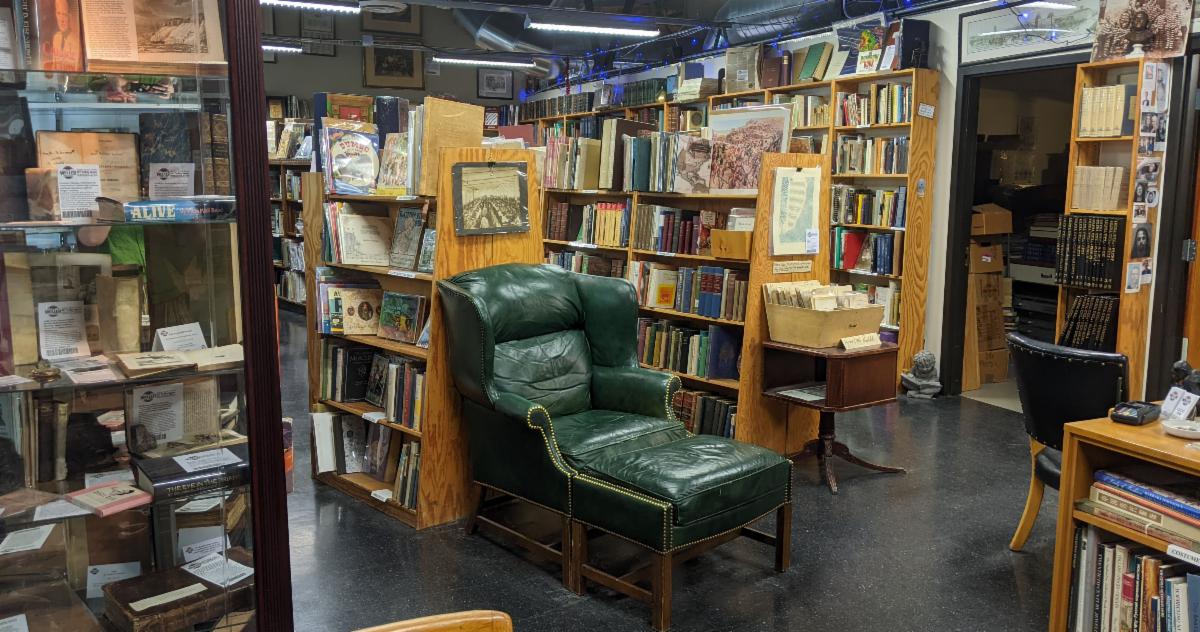
Weller Book Works, formerly Sam Weller’s Books and founded as Zion Bookstore, has been selling books since August, 1929—that’s 93 years in 2022. No special celebrations this year. We are happy to continue serving your reading desires. Thank you for supporting us. |
|
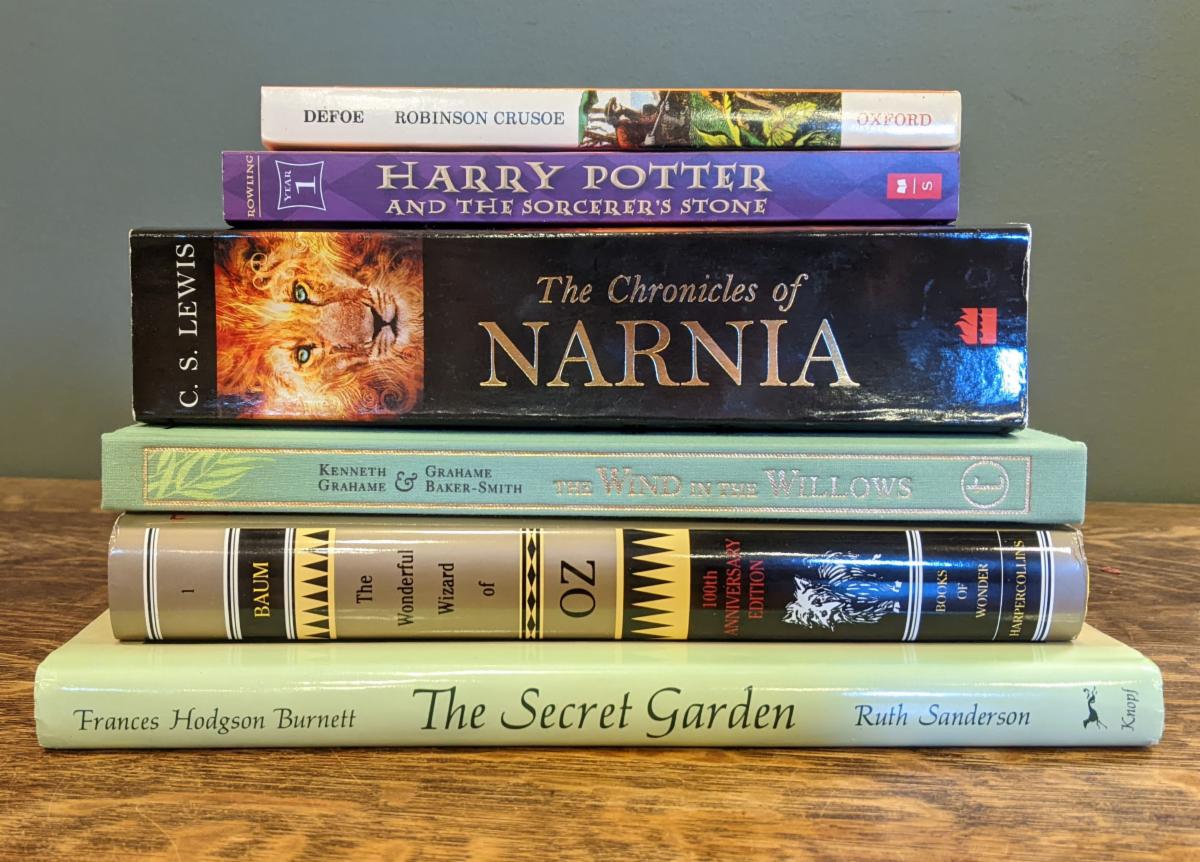
One of my favorite things about my family is that we share interest in books. Catherine and I started reading to our baby within days of her birth, back in the 1990s. We built a list of books to read and read books that were way over her baby head. For a brief while, we read whatever one of us was reading for ourselves, out-loud together in the evenings. We understood that a baby’s linguistic development begins very early, long before an infant can make words or demonstrate comprehension. So when we hit a rather explicit passage in Henry Miller’s Sexus one evening when baby was about six months old, we built the juvenile program. Our child chose age appropriate books during days, but evenings were reserved for family books; before entering pre-school, she had heard Huckleberry Finn and Tom Sawyer. She heard the first few Oz books and Robinson Crusoe. We read The Water Babies and Back of the West Wind. She entered pre-school with a large vocabulary and she spoke in whole sentences.
By three or four, our daughter was obviously engrossed in the whole stories in our books. We read Narnia and Harry Potter. I especially loved Inkheart and The Secret Garden, which I had not previously read. The family shared these stories and we were always on the same page. In about fourth grade, our daughter rebelled against the reading program. I felt desperate, made strong assertions, and proposed a new program to keep us reading together. Henceforth, we took turns picking family reading books.
By her high school years, we were reading mostly adult books. We kept reading as a family, almost nightly, until our daughter was in her second year of college and other concerns filled her time. Nineteen years of family story time had ended for us but my sense of loss did not strike me until our wonderful child left our home.
Not long after that, our lives and the world were thrown into new chaos as we confronted the coronavirus pandemic. We closed the bookstore for safety on March 28th, 2020. Covid-19 disruptions exacerbated numerous other signs of societal deterioration and brought most of us to new levels of insecurity. I found myself in surreal fugue with a gathering sense that the dull inertia of culture could be so immovable that…that… By the end of April, Catherine and I decided we would resume story time without the child. The first book we selected was Don Quixote which we finished that October.
We do not find time to read each and every day but on most evenings we still read together. We take turns picking books and find ourselves on the same page. I love out tradition and encourage anyone who has housemates to consider reading together. We read Noam Chomsky’s On Anarchism and Hamnet by Maggie O’Farrell. We recently read Orwell’s Homage to Catalonia, then Rebecca Solnit’s Orwell’s Roses. Maybe we will finish Gravity’s Rainbow before 2023.
|
|
The Collectors' Book Salon Returns |
|
Hello. Maybe you attended the last Collectors’ Book Salon we hosted before Covid-19 struck and we all went into hiding. It occurred in February 2020 and featured professor, author, reader, friend, and erudite raconteur John Reed speaking about his lifetime of military reading. If you weren’t there, you don’t know his presentation took surprising turns. Maybe you attended the first Collectors’ Book Salon we hosted in June 2012. I gave the inaugural Collector’s Chat: Readers as Vanguards of Revolution, during which I showed several cherished books that inspired me to my most extreme opinions and beliefs. From rebel Weller to John Reed we enjoyed 84 salons and heard stories of bibliophilic passion from over 60 book nerds and held at least 10 salons where the group shared books together.
Weller Book Works Collectors’ Book Salons feature libations and treats, social time for conversation, and a special deal on rare books that is only available to guests. Books are bridges across the divides of time and space and they embrace the diversity of the human experience, we try to keep our treats, speakers and deals diverse, which is maybe another word for unpredictable. I believe in the power of environment and consider costume a piece of it. In that spirit I use our salons to play with attire and encourage guests to dress up, or down, or weird, or playfully, to help our sensibilities out of predictable zones.
We will fill salon glasses again on July 29th! After 29 months’ hiatus we will resume the monthly gathering with a group sharing event and I am asking you to attend with a book you esteem that was not authored by a Caucasian male. White guys have held stage for too long and our civil progress will be better served if we balance our perception. This is a gathering for book fetishists. What makes your volume special? Please choose a book and come prepared to share your choice with other guests.
On August 26th, John Sillito will provide our Collector’s Chat. Sillito is Emeritus Professor at Weber State University, and a member of the board of editors of the Utah Historical Quarterly. He has been a book collector for sixty years, mostly on American history, and remembers his first purchases as a teenager at Zion’s on Main, Wilson’s on East Second South, and Earl Marshall’s shop on West Temple. He is the author of B. H. Roberts: A Life in the Public Arena (Signature Books, 2021), and the editor of History’s Apprentice: The Diaries of B. H. Roberts, 1880-98 (Signature Books, 2004). His book, co-authored with John S. McCormick, A History of Utah Radicalism: Startling, Socialistic and Decidedly Revolutionary, published by Utah State University Press, received the Francis Armstrong Madsen Award for the Best Book in Utah History in 2011 from the Utah State Historical Society.
We start start with drinks and nibbles at 6:30 and muster for the Collector’s Chat at 7:15. Fridays July 29 and August 26 in our Rare Book Room. The event has no digital component.
|
|
Rare Books
By Tony Weller
|
|
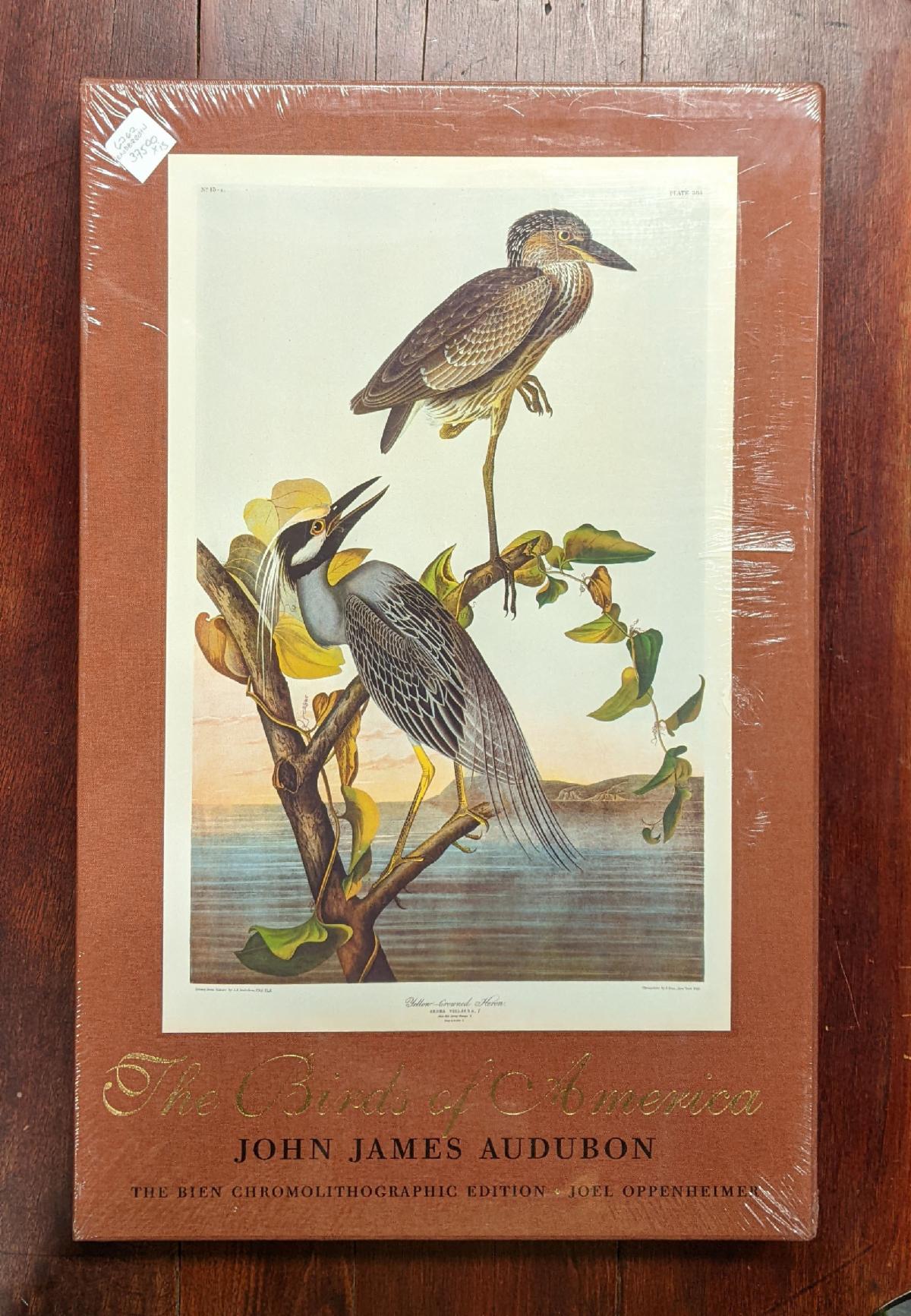
An unopened shrink-wrapped copy of John James Audubon’s Birds of America, the Bien Chromolithographic Edition first published in 1858, in the present century reproduced by Norton in 2013. It is a 48 centimeter folio bound in cider-orange linen and housed in a matching slipcase. $375. Another copy in original publisher’s cardboard box for $400 |
|
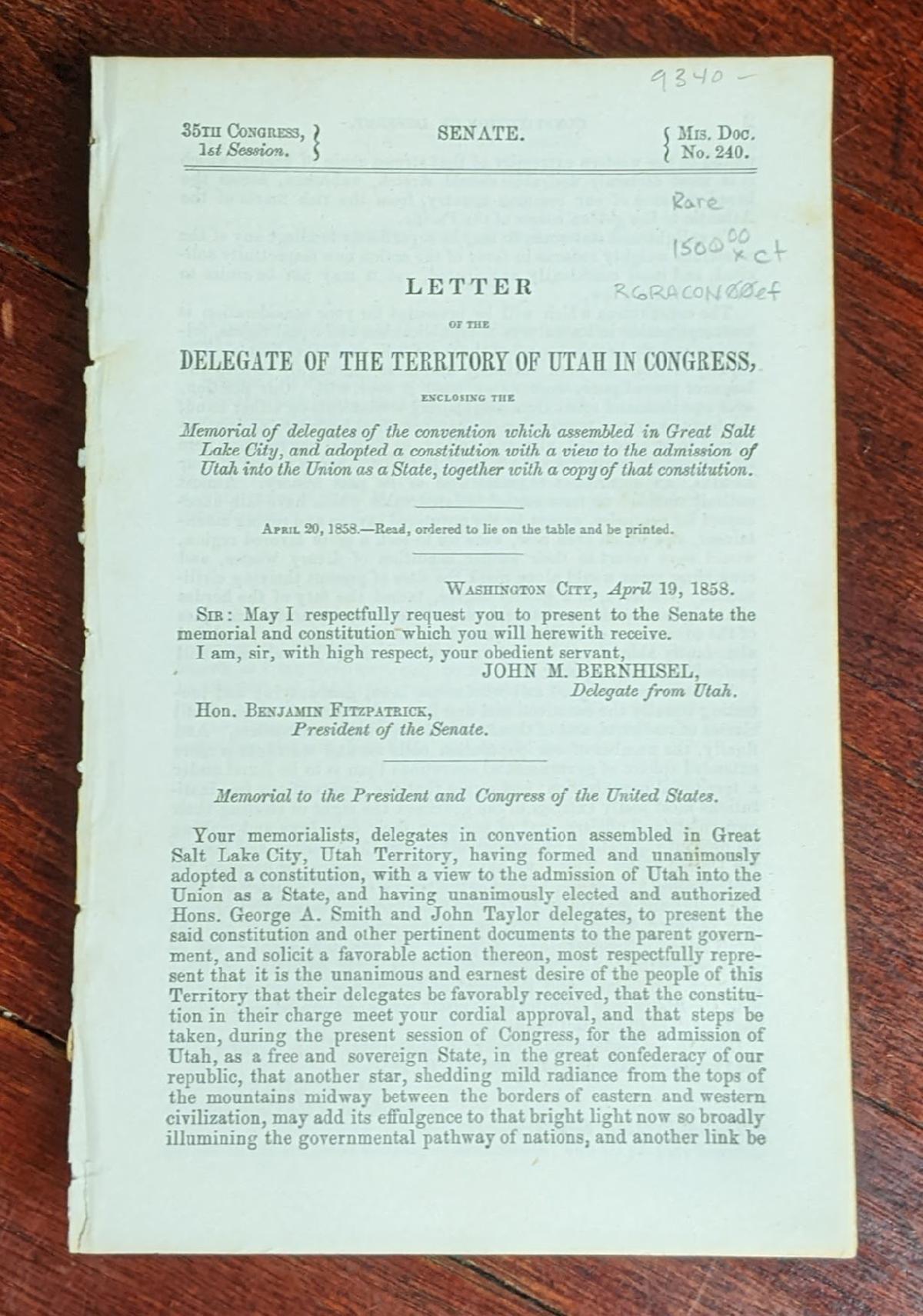
John M. Bernhisel was a high priest in Nauvoo and a close associate of Joseph Smith’s. In Deseret, he became Utah’s first Congressional delegate. This April 1858 Senate document 240 was submitted by Bernhisel as an early attempt to achieve statehood. The preamble by Jedediah M. Grant was authored in March 1856. It makes some assertions about peaceful relations with travelers, but that was before Mountain Meadows. Interesting that it is printed after Grant’s death and the Massacre, right before the hopeful Constitution of the State of Deseret. Quite rare. $1500 |
|
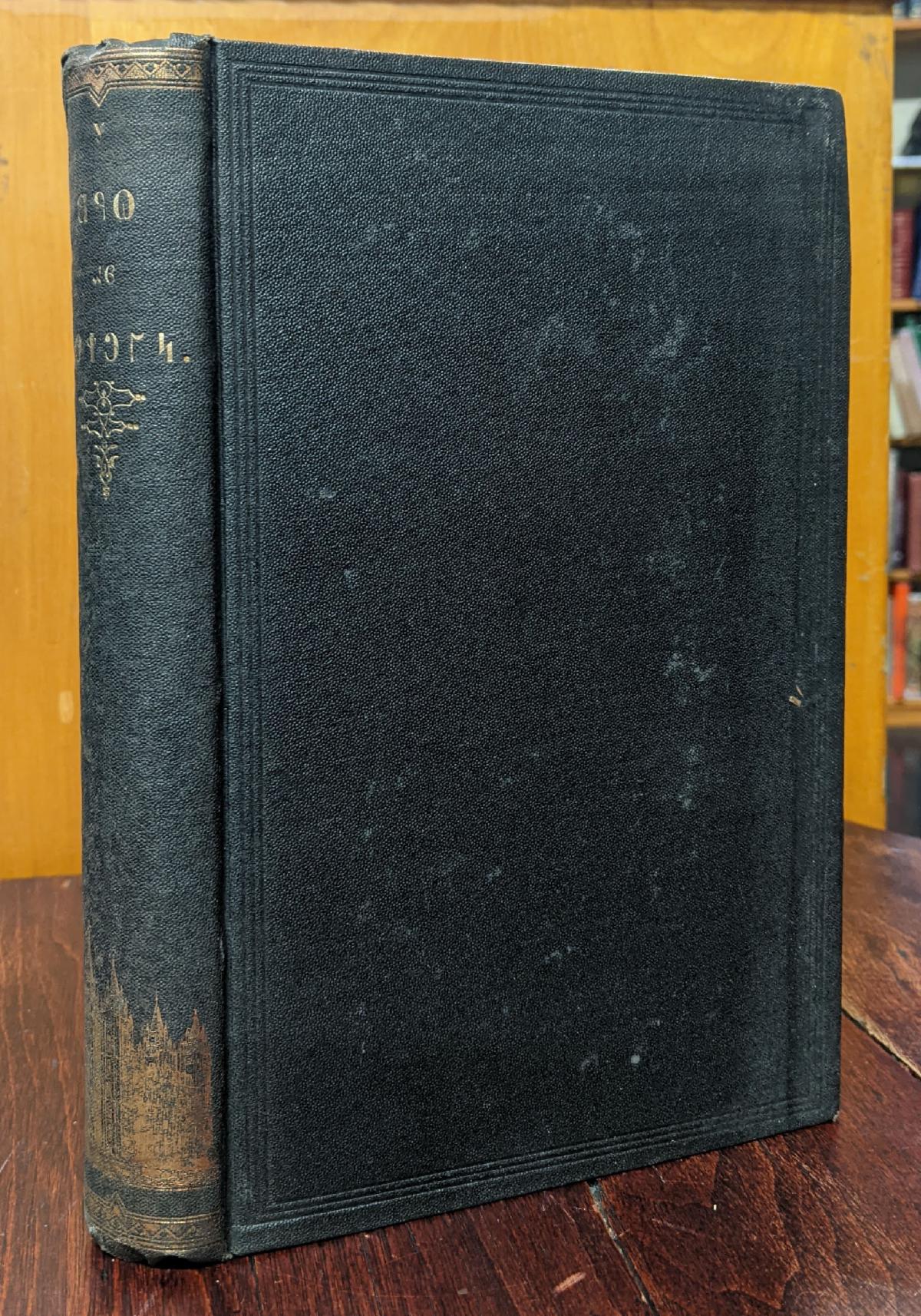
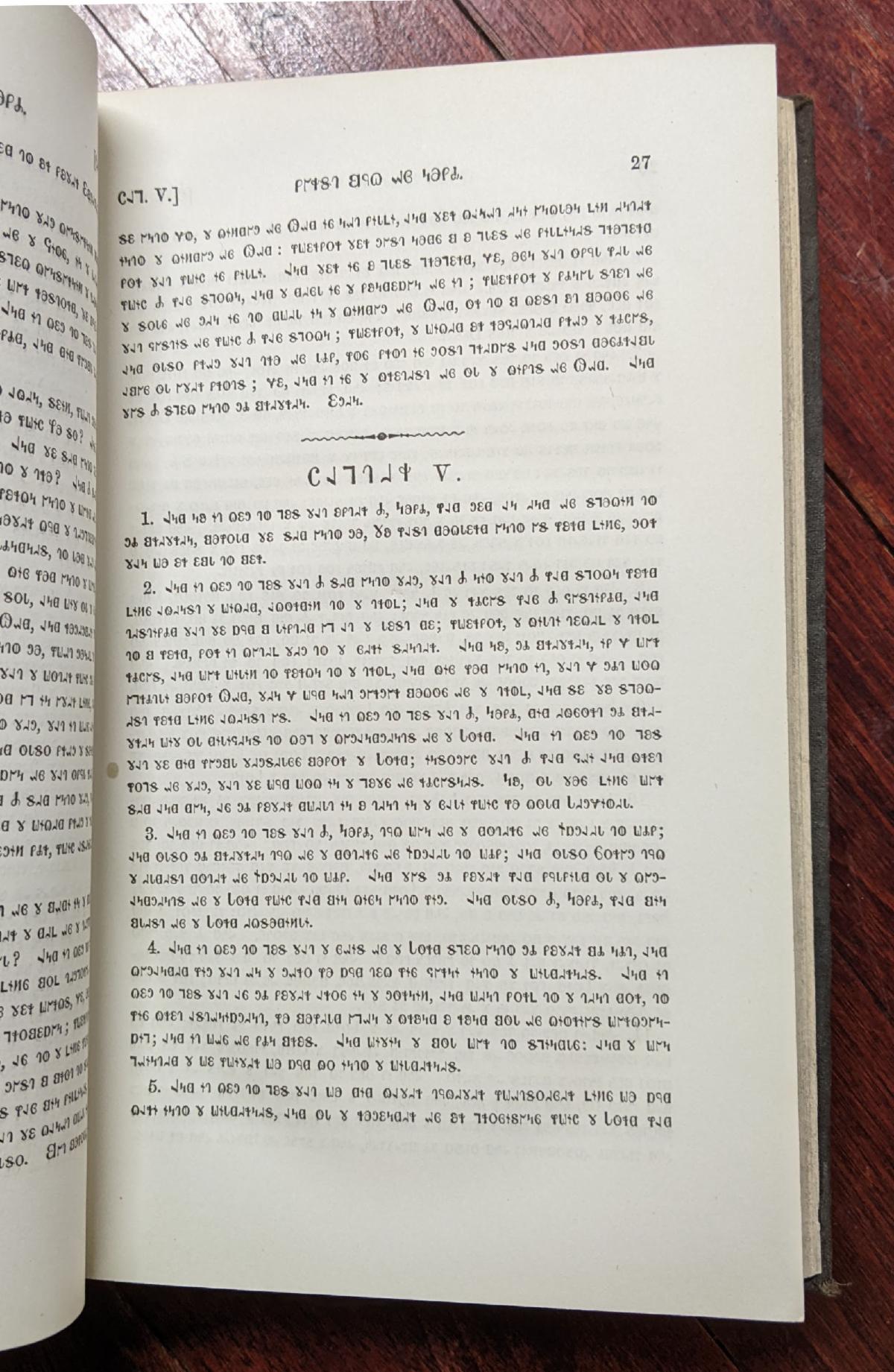
Deseret Alphabet books are among the strangest publications of pioneer Mormons. In 1868, primers were published to help sundry foreign converts learn English phonetics. In 1869, the full Book of Mormon was published. It is the most notable work found in this short-lived experimental form. We have a much better copy than is usually seen for $8500 |
|
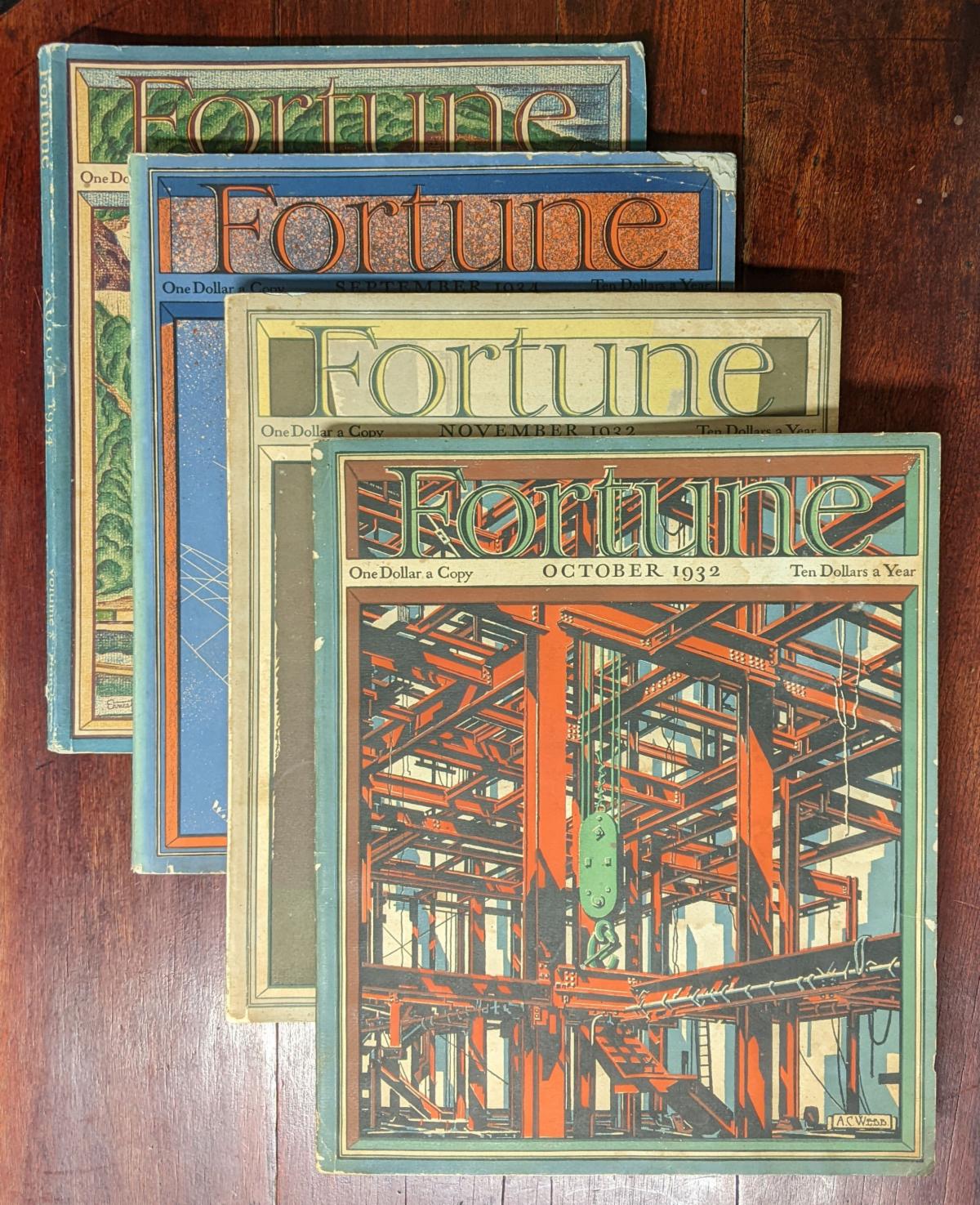
Fortune Magazine was founded in 1929 one month after our bookstore was founded. Depression Era issues are quite beautiful with stunning photographs, artful designs and an abundance of vivid color. I just spent 10 minutes showing them to staff. We have four issues 1932–1934. You gotta see ’em. $40–$50
|
|
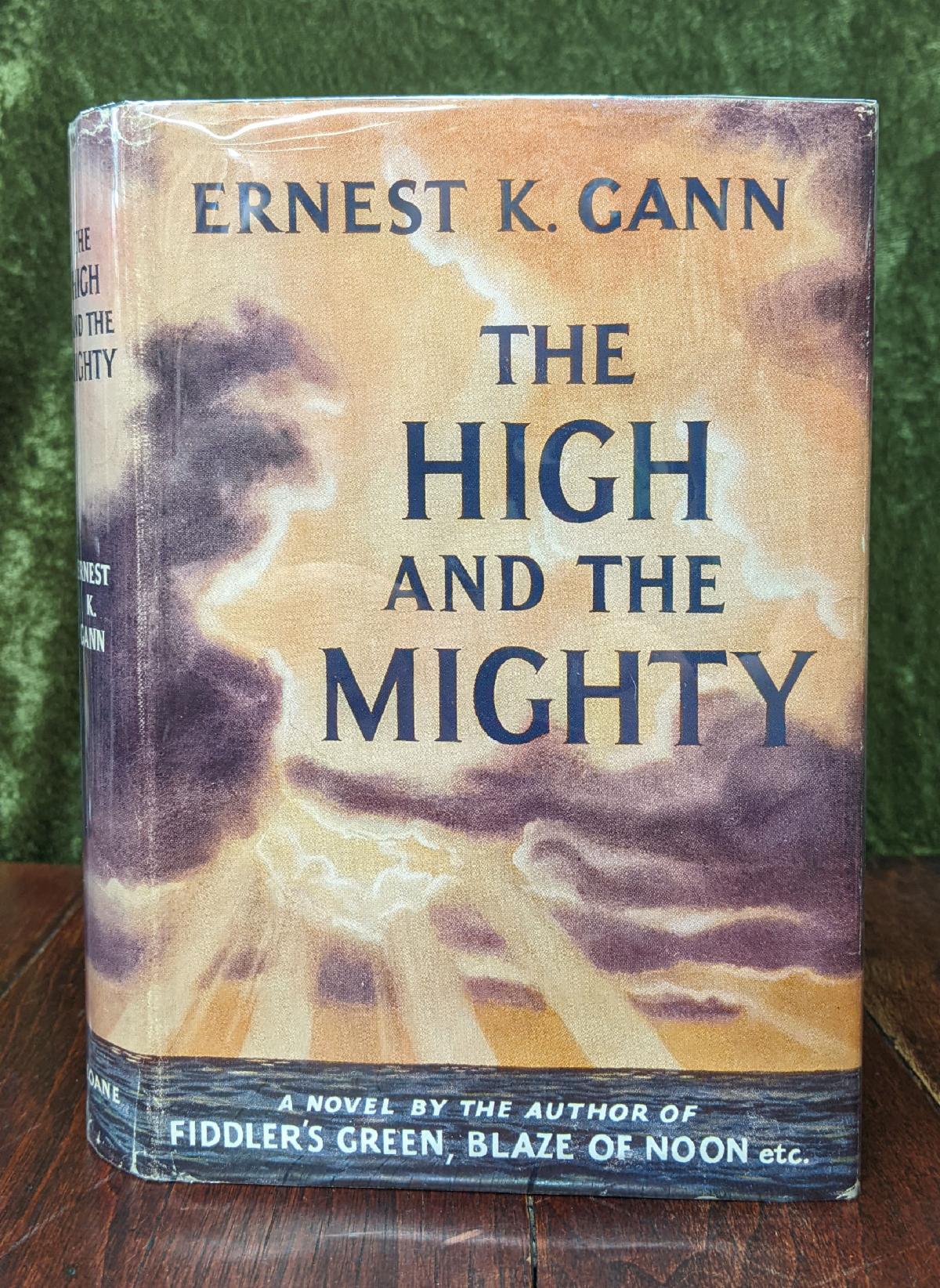
Sam Weller had a pilot’s license for a while following his WWII experiences. Among his books were several on aviation. One of his favorites was Ernest K. Gann’s The High and the Mighty. If he had a chance to acquire the first edition he missed it, but after an enjoyable meeting with him in 1981, Sam laid Gann’s thank you note written on Gann’s letterhead into his well-kept and jacketed book club edition. The book and the letter: $675 |
|
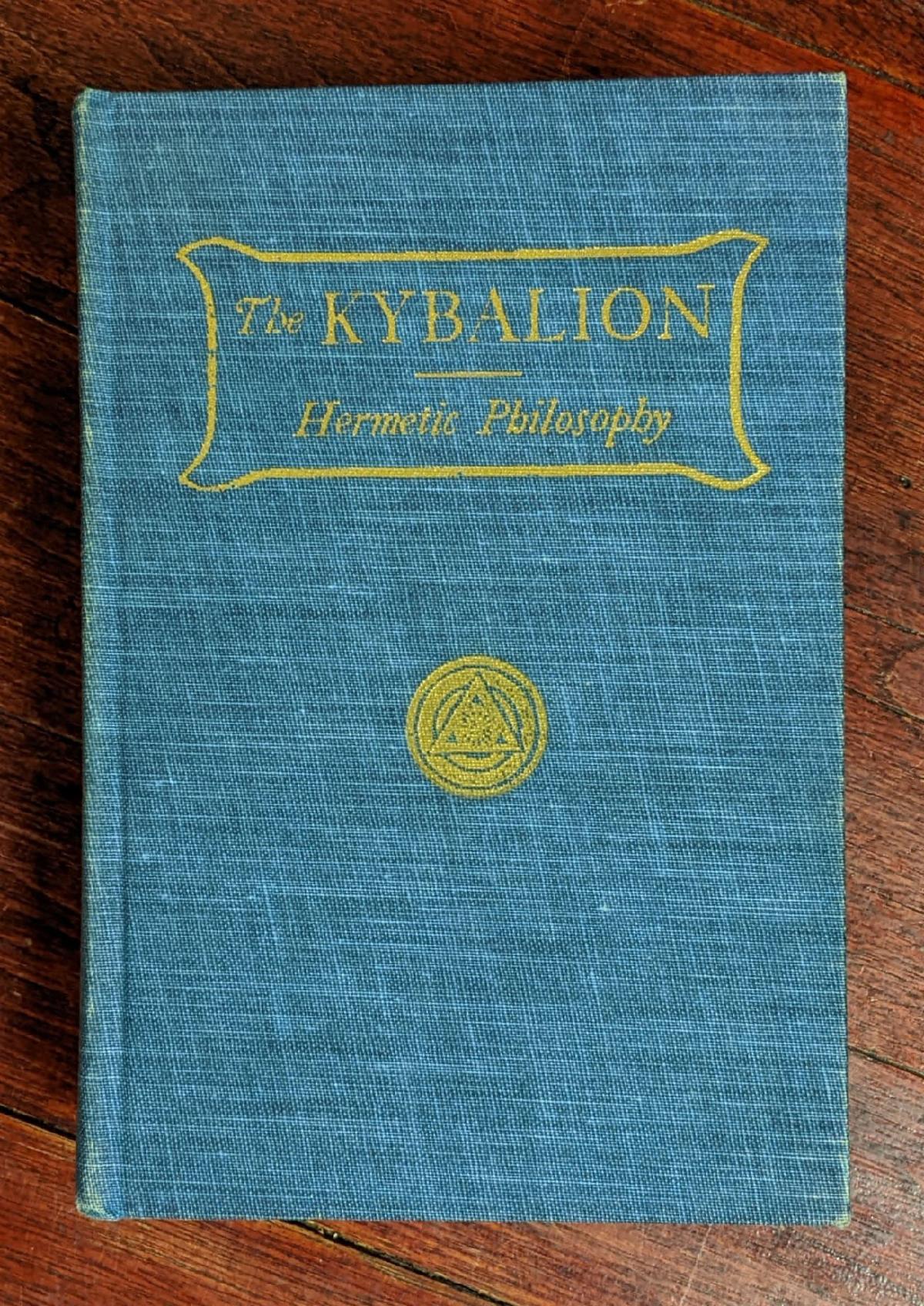
A nearly perfect 1936 copy of The Kybalion: A Study of the Hermetic Philosophy of Ancient Egypt and Greece. The first edition was published in Chicago in 1908. Great copies of this age are very hard to locate. $1000 |
|
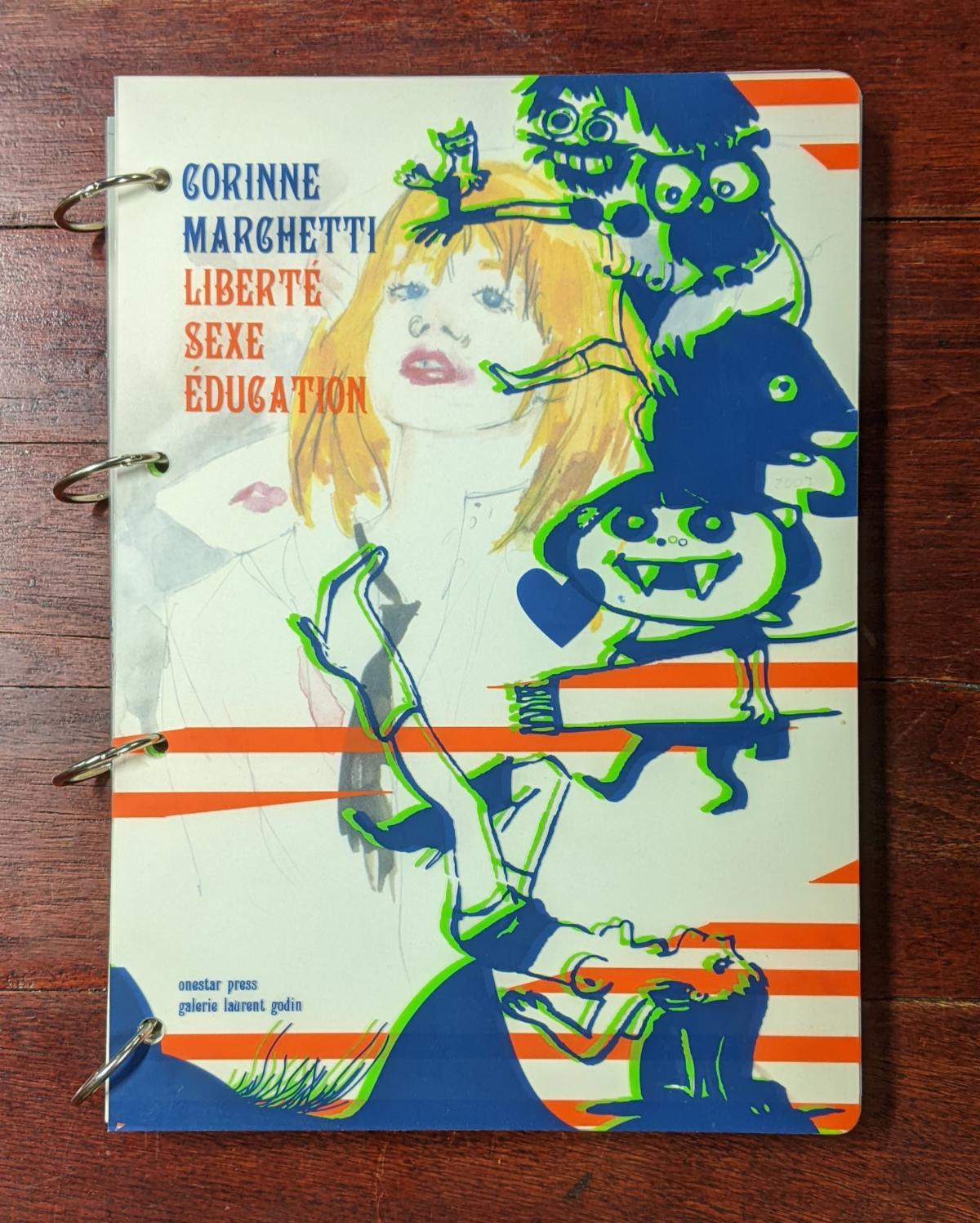
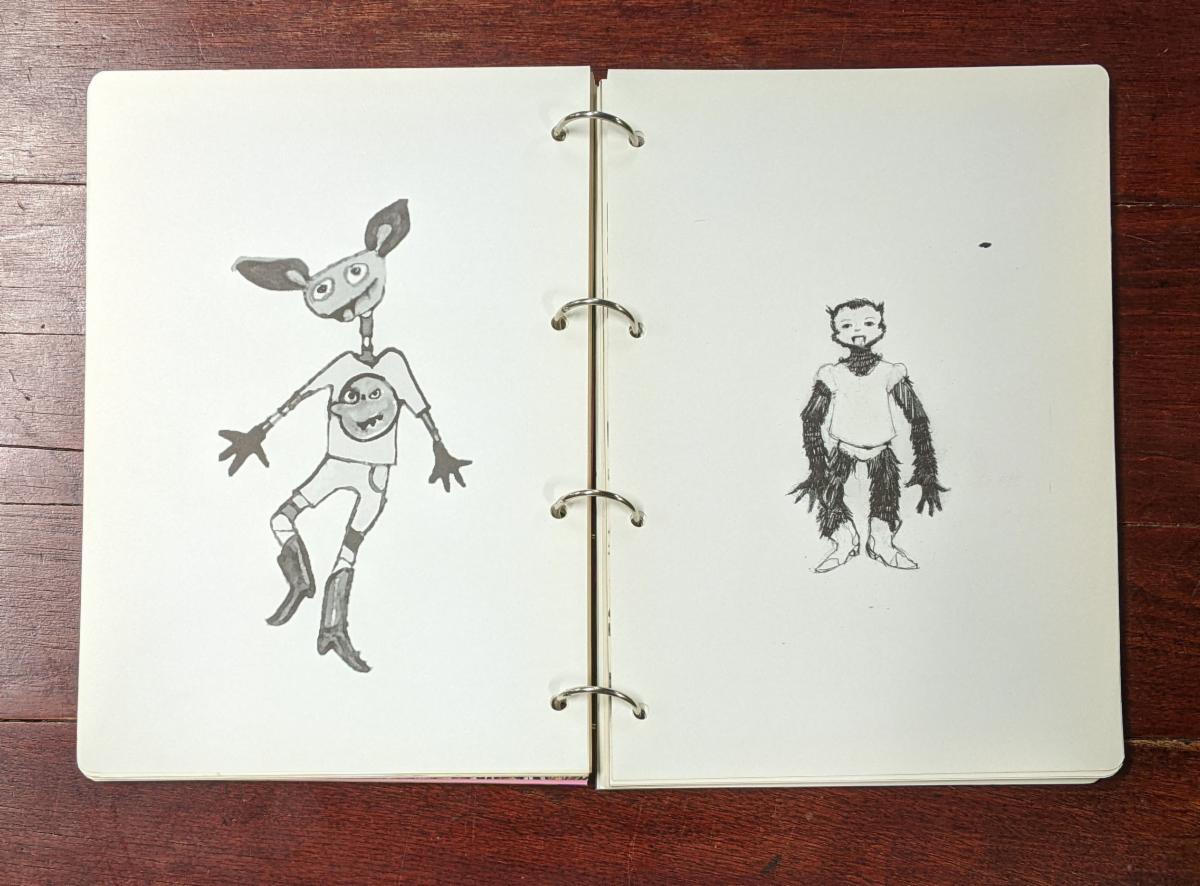
Liberté, Sexe Èducation. One of 700 copies of this edgy strange art book by Corinne Marchetti. A first (likely only) edition of this ring-bound quarto published in Paris in 2007. $450 |
|
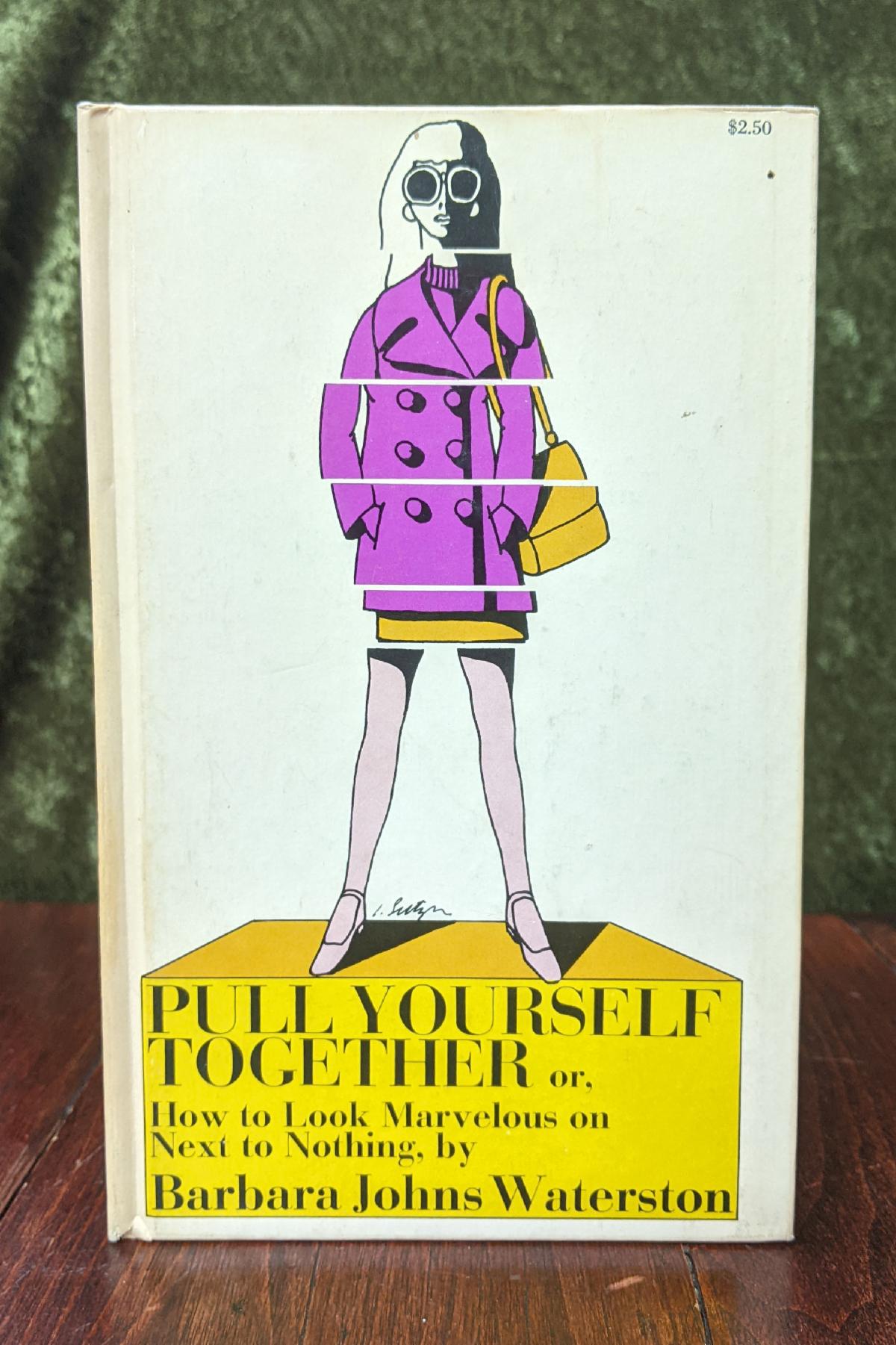
Pull Yourself Together or, How to Look Marvelous on Next to Nothing. The scarce hardcover first edition of this hip 1967 fashion guide by Barbara Johns Waterson. Grooovy. $150 |
|
Receive 20% off when you purchase during July & August
|
|
Scribner
Hardcover
Sale price $23.20
|
|
Manifest Destiny had many meanings to the Europeans who made their new home in America; to some it meant harvesting the treasures that lay in wait in this new land. In In Whose Ruins, Alicia Puglionesi examines myths created by whites about Manifest Destiny by looking at four regions of the country where they drew literal power from the landscape and symbolic power from history. “To sooth the conscience of fortune-seekers who left a trail of fire, flood and ghosts, their stories affirmed that this was indeed the destined course of history.” As many of these areas are not all that well known now, and some have fallen into ruin, Puglionesi brings to life the myths surrounding them in this well-researched history, enlivening it with well-developed historical characters.
When early explorers and farmers came across the great structures of the Mound Builders, they didn’t quite know what to make of them. Their dismissive beliefs of this earlier civilization justified—in their own eyes—taking lands of the native dwellers, for obviously they were not the first inhabitants. Puglionesi uses the example of Henry Schoolcraft to explain the explorer’s myths of the Mound Builders. After a few professional failures, Schoolcraft hoped to redeem himself through his role as an Indian Officer and by recording and publishing Native myths. He married into a Native family, first truly loving his highly-schooled wife, but later forcing his white person’s views onto her beliefs and writings.
Promoters of the early oil industry also found their power in the indigenous past. Spiritualist mediums claimed to channel Native American spirits from the afterlife who ostensibly told them where to drill for profitable wells. They also used and protected this oil for healing purposes.
By the early 1900s, businessmen envisioned a new and spectacular source of energy: hydroelectric power. Eventually, nearly every river was damned to support this end (an exception was the Yellowstone). As the waters backed up, they displaced the people living by them, disrupting their lands and lives.
The book ends in the mythical landscape of the American Southwest. As the home of the Los Alamos National Laboratory, this remote land would soon become the most radioactive place in the United States. In terms of national defense, the race to develop new power meant secrecy and risks in development of a new weapon and power source. It was also the land of the Navajos, Pueblos and Hopis. The land had always been a lure for its beauty and healthy environment. The Natives soon learned to eke out a living by selling their crafts, and many of the scientists at Los Alamos soon became enamored of their pottery.
In Whose Ruins is an amazing work of revisionist history that deals with the strange twists and tales of those that reaped the rewards of the land they conquered and how they built a world of myth surrounding that conquest.
|
|
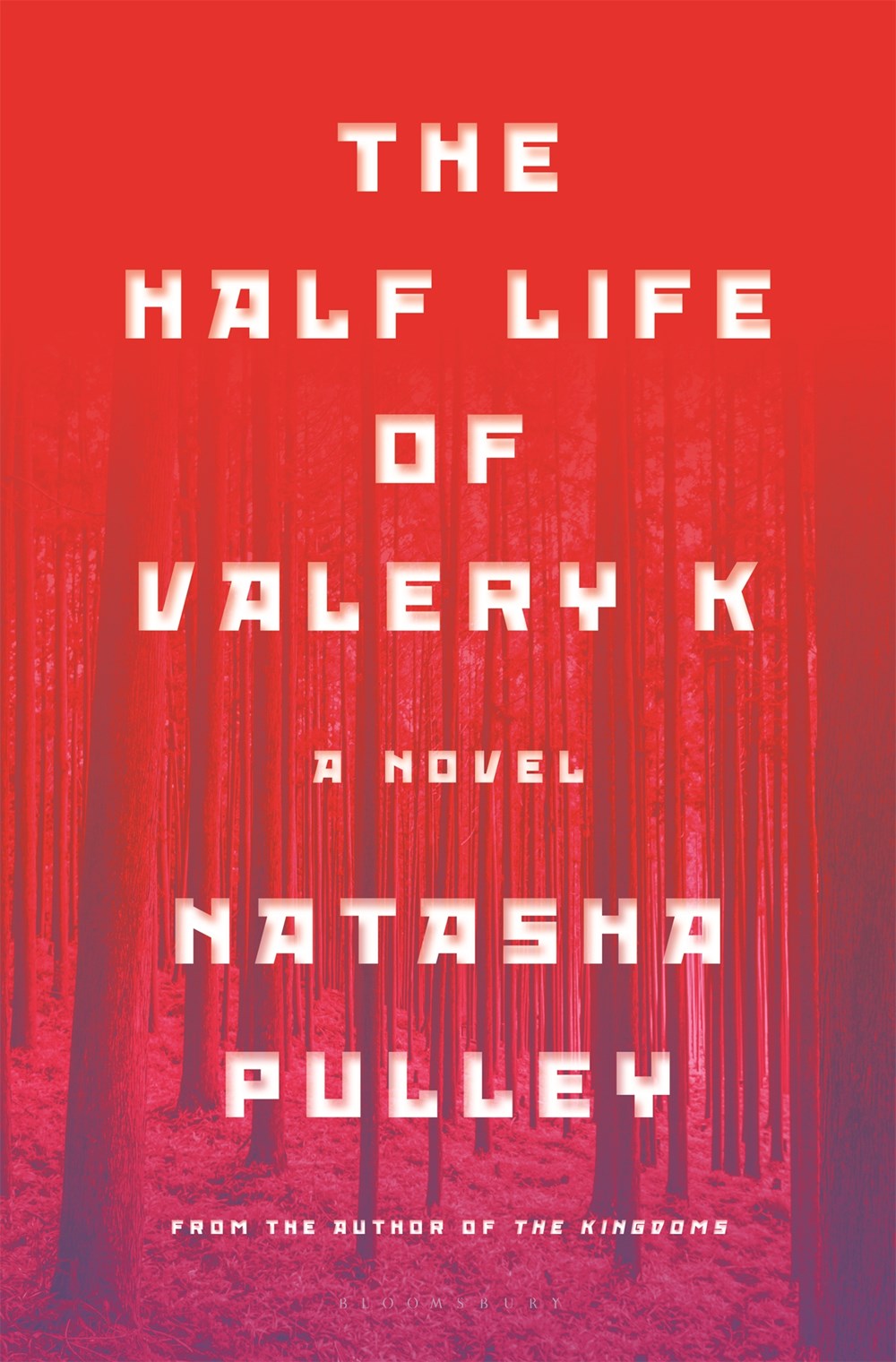
By Natasha Pulley
Bloomsbury
Hardcover
$27.00
Available July 26, 2022
Reviewed by José Knighton
|
|
A quarter of the way through The Half Life of Valery K, the reader learns in a flashback that, as a Soviet exchange student studying in Berlin, Valery Kolkhanov met a German doctor named Joe who was very interested in finding out how atomic “radiation changes DNA” and might be used to alter it “in a targeted way to correct genetic errors.” Soon, however, Hitler invaded Poland and Valery and his female Soviet professor, Doctor Resovskya, were evicted from Germany. Joe, as it turned out, would become a famous Nazi doctor, eventually convicted of war crimes, with the last name of Mengele.
Natasha Pulley, author of the acclaimed novel The Watchmaker of Filigree Street, has proven herself to be not only prolific with five novels in seven years, but one of the most compassionate writers of her generation as well. That does not mean, however, that she makes life easy for her characters. When The Half Life opens, Valery K is in a Siberian Gulag and awakens with his “hair frozen to his pillow.” At least he has a pet rat named Boris.
Expecting eventual “liquidation,” Valery is surprised to find himself released from the Gulag and reunited with his former professor. Resovskya is studying the effects of a radioactive “incident” on the remaining population of City 40 (an actual event similar to the Cheronobyl disaster, but kept secret until the fall of the Soviet Union). She has requested Valery's assistance, as an exceptionally skilled researcher, on what are essentially "human trials" on radiation resistance. Regarding Valery's imprisonment (like one sixth of the Soviet population), Resovskya is sanguine: “Stalin himself said it was worth arresting a thousand people to find one spy.”
One of Pulley's greatest skills as a writer is her ability to convincingly encourage unusual acquaintances to blossom into deep friendships under difficult circumstances. When Valery confirms his suspicions that Resovskya is performing radiation-enhanced eugenics experiments (à la Dr. Mengele), he and his supervising KGB officer, Konstantin Shenkov, whose wife and children are endangered by the same radiation exposure, become unlikely allies. The reader is privileged to witness their friendship grow like crystals in a geode as they struggle to overcome the bureaucratic monstrosity threatening innocent civilians with “the shrapnel from the broken cores of atoms.”
|
|
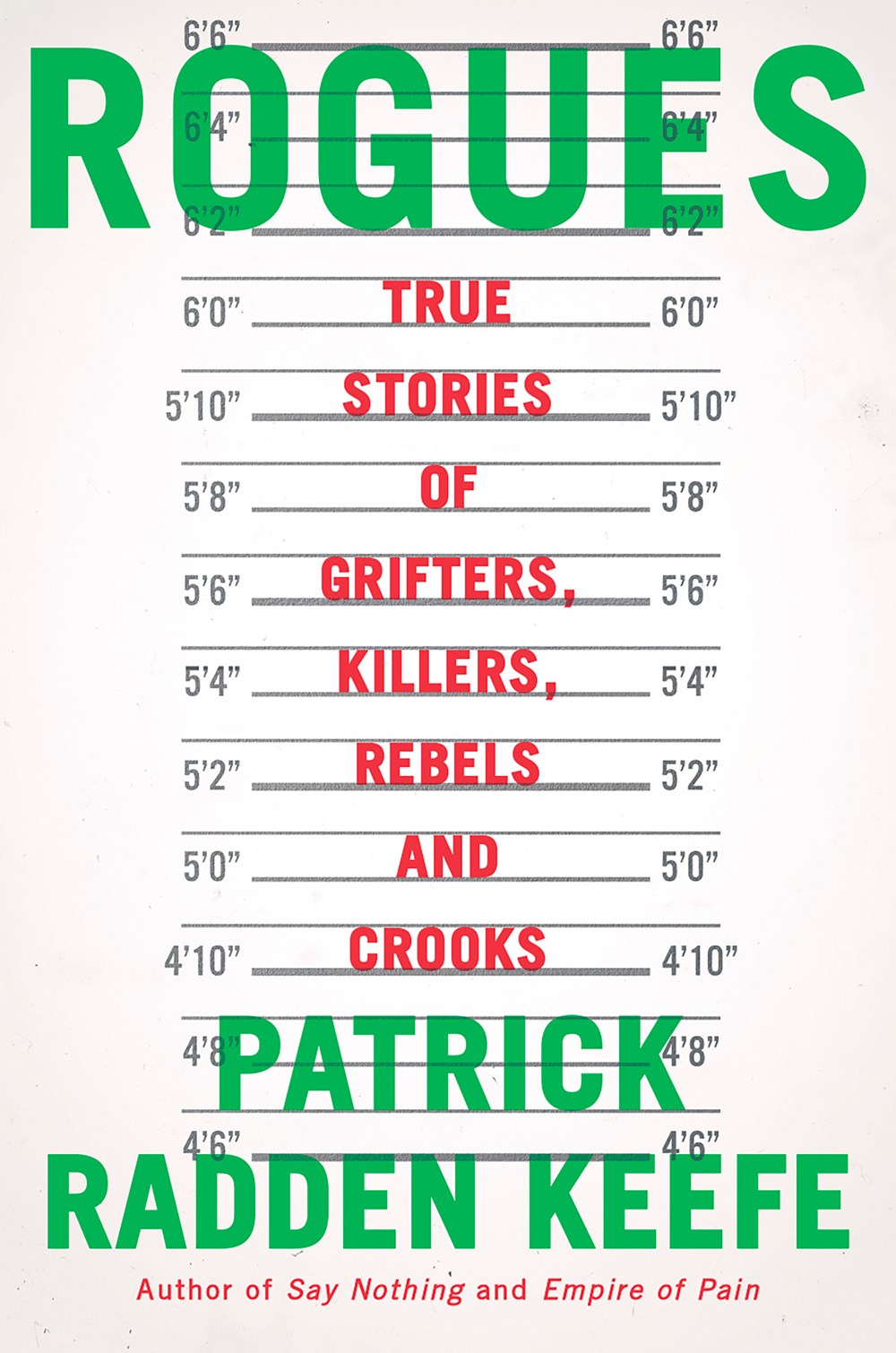
By Patrick Radden Keefe
Doubleday
Hardcover
$30.00
Reviewed by Emma Fox
|
|
In this collection of investigative journalism originally published in The New Yorker, Patrick Radden Keefe offers a motley assortment of encounters that are astounding to hear, from a phone call with the lawyer of the notorious and escape-prone drug lord El Chapo to a string of ex-wives willing to tell all about reality TV producer Mark Burnett. Keefe begins with an investigation into alleged wine forgeries and the elusive con man who may have created them and ends with a profile of food writer and chef Anthony Bourdain, whose refusal to be tamed may explain why, in the face of encroaching old age and a legacy of early death in his family, Bourdain chose to end his life in 2018.
Keefe makes it clear in the preface that his intention with every story is to report as honestly and as thoroughly as possible. The result in each story is an encompassing attempt that pushes the edges of the confines of one man’s lens, a true reach beyond our human confines to delve deeper and see farther. Keefe’s stories are not about salacious true crime but about examining the choices made by a person who, for better or worse, may be considered a grifter, a known killer, a rebel, or a crook.
Most fascinating for me was the story of death row lawyer Judy Clarke who defended a rogue’s gallery of villains: Unabomber Ted Kaczynski; Susan Smith, who killed her children by submerging them in her car in a lake; and Dhokar Tsarnaev, who with his brother Tamerlan committed the 2013 bombing of the Boston Marathon. Clarke pleads with juries to sentence her clients to life in prison rather than the death penalty. Keefe examines Clarke and presents a profile of a gifted lawyer whose deeply held convictions may be difficult to understand by those wounded by her clients.
|
|
The audiobook version of Rogues is read by the author, which I always find more delightful than listening to a paid actor: only Patrick Radden Keefe can read his material in the cadence and delivery he intended. If you are an audiobook listener or would like to become one, please consider subscribing to Libro.fm, our audiobook partner. You can sign up at libro.fm/wellerbookworks, and the benefits are immediate and delightful: just for signing up, you will receive one free audiobook of your choosing, and with your first month’s subscription at $14.99, you will receive credits for two more audiobooks valued at $14.99 each. Plus, members receive a 30% discount off of all audiobook purchases. Buying audiobooks through Libro.fm supports your favorite local indie bookstore, too—we receive a portion of each audiobook sale if you designate Weller Book Works as your local bookstore. |
|
Click here for our July events newsletter.
We host both virtual and in-person events, and we look forward to seeing you soon.
|
|
Come visit us!
SUNDAY 12-5
MONDAY-THURSDAY 10-8
FRIDAY & SATURDAY 10-9
|
|
Can't make it to the store?
Support your local indie from home!
|
|
Order by phone or online, then pick up at the store or the curb!
We also ship!
|
|
Give us a call at 801-328-2586
|
|
Thanks for supporting your local, independent bookstore!
|
|
Store hours: Sunday 12PM-5 PM | Monday-Thursday 10 AM-8 PM | Friday & Saturday 10 AM-8 PM
|
|
|
|
|
|
|