|
Welcome to the September issue of the Net Zero Times! As we transition from the warm, active days of summer to the focused energy of the back-to-school season, it is the perfect time to look forward and rethink how we conserve energy, reduce waste, and protect our environment. Welcome to your quick guide to seasonal conservation, local green initiatives, and community climate action.
This month, we highlight groundbreaking developments and inspiring grassroots projects from across the country:
-
Unprecedented Clean Energy Investment: Learn about the Government of Canada's landmark agreement supporting hydroelectric and wind energy projects valued at nearly C$70 billion (USD$50.5 billion), marking the largest clean energy investment in North American history.
-
Resilient Communities: Discover how cities are preparing for the future with the federal government's newly announced $34 million investment to help communities build resilience against extreme heat, wildfires, flooding, and tornadoes.
-
Green Classrooms & Education: Read about raising the bar for climate action with back-to-school curriculum resources, and explore how Camp Kawartha in Peterborough is using sustainable building design and nature-based experiences to help youth overcome eco-anxiety.
-
Healing Through Nature: Take a closer look at the innovative design of South Niagara Hospital, which integrates 14 gardens, terraces, and a designated wetland to support physical and mental well-being.
-
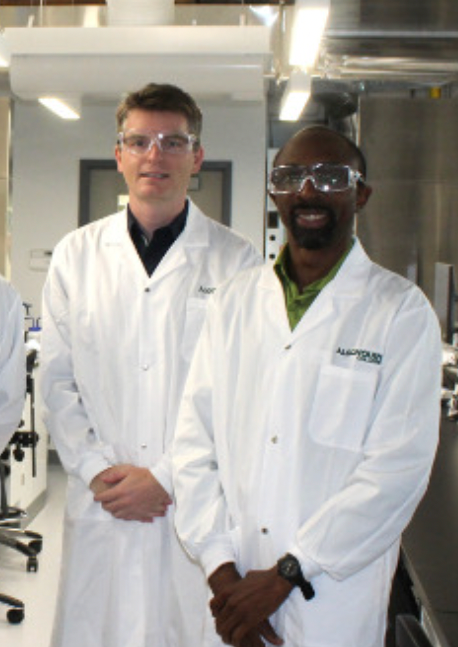
Corporate Responsibility & Research: Explore how Algonquin College is leveraging its new $2.5 million Bio-EARTH environmental research hub, and find practical strategies for businesses to align their waste reduction and recycling targets with ESG goals with Clean River Recycling Solutions.
Let's work together to make this new season one of shared action and sustainable progress! Don't hesitate to get in touch with us if you have a story you wish to share with our readers: @mcresswell@thomascoleinc.com
| | | | |
Canada Backs $50 Billion of New Clean Energy Projects
The Government of Canada announced an agreement to support hydroelectric and wind energy projects valued at nearly C$70 billion (USD$50.5 billion), representing what it called the largest clean energy investment in North American history.
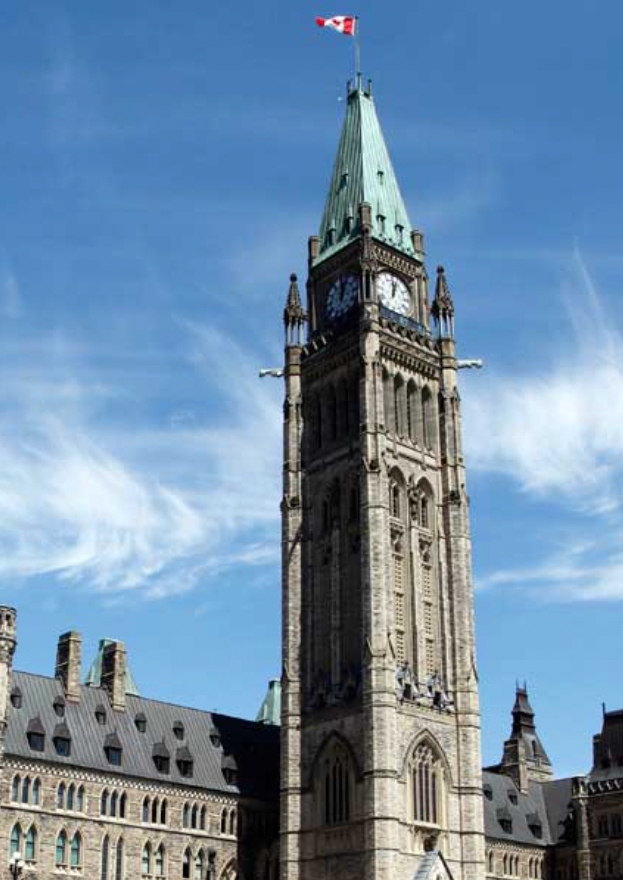
Announced by Canadian Prime Minister Mark Carney, alongside the Premiers of Québec and of Premier of Newfoundland and Labrador, the new agreement includes up to C$10 billion in federal financial support and investments for projects anticipated to generate 14 GW of renewable power.
| | | | |
Back to School Sustainability Resources
As schools prepare for the back-to-school season, it's a great opportunity to raise the bar in your approach to climate action by incorporating additional resources into the curriculum. Here are some valuable teacher resources and activities to consider:
- Education Resources
- Classroom Activies
- Online Courses and Webinars
Consider selecting a few of these resources and activities to implement in your classroom this school year.
| | | | |
Federal government announces $34M to help communities cope with climate change
The federal government is spending $34 million on projects to make Canadian communities more resilient to the effects of climate change.
The funds come as cities and towns across the country spend another summer battling extreme heat, wildfires, flooding and tornadoes.
Environment Minister Julie Dabrusin made the announcement in Halifax Wednesday morning. The city is receiving nearly $800,000 to install cooling measures in its parks to help residents cope with extreme heat.
| | | | |
The clean energy transition needs land. Can it help restore it too?
What if the infrastructure needed to fight climate change could also help repair the land beneath it?
Renewable-energy expansion is potentially “one of history’s largest land use transformations”, said Julian Blanc, head of the Biodiversity and Land Branch at the UN Environment Programme (UNEP).
“The real question is no longer whether renewable energy is going to expand or not. It is, and the question is whether it expands in ways that leaves landscapes, ecosystems and people better off than before.”
| |
🌟 Lindsay Taylor 🌟
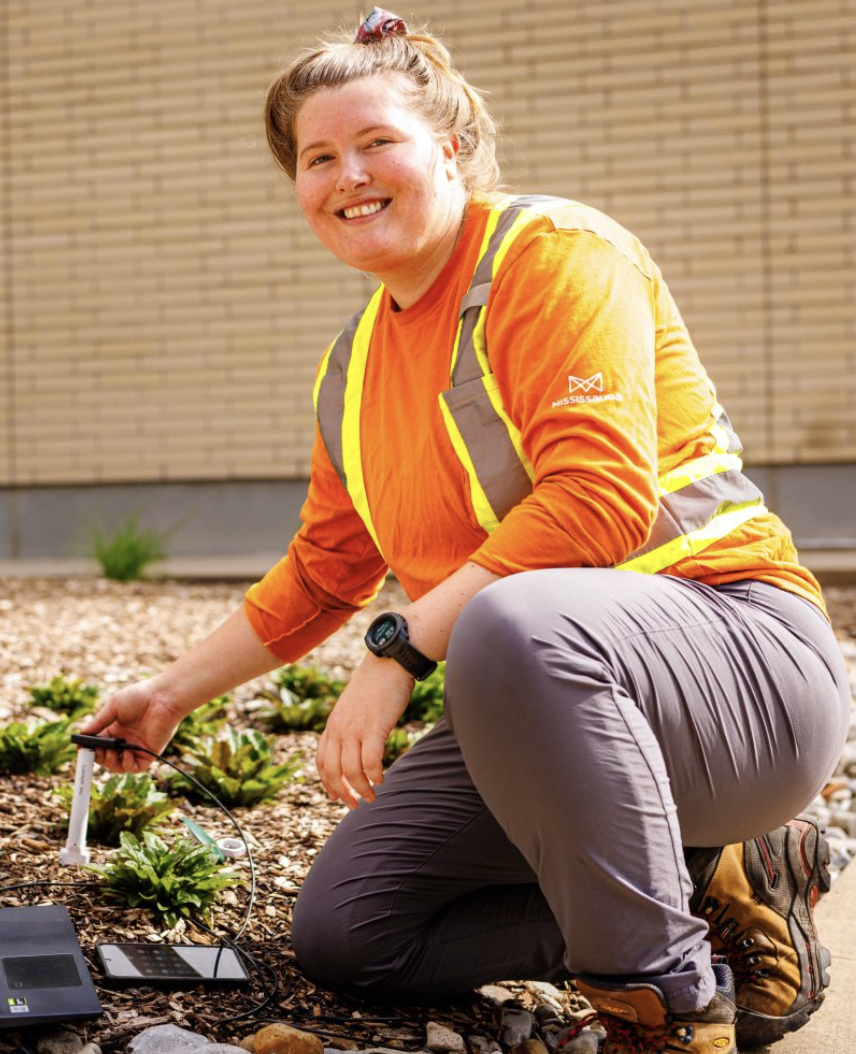
Long before Lindsay Taylor (BA ’19) began her master’s in Earth Sciences at Brock University, she was already planting the seeds for a community-based research project exploring green infrastructure and sustainable flood mitigation strategies.
After studying Labour Studies and Psychology at the University and completing an Environmental Technician diploma and postgraduate studies in Ecosystem Restoration at Niagara College, Taylor spent several years working in sustainability roles across the region.
While serving as Sustainability Director for the St. Catharines Downtown Association (SCDA), she noticed the downspout of Silver Spire Church on St. Paul Street drained stormwater onto a patch of grass, making it an ideal location for a rain garden.
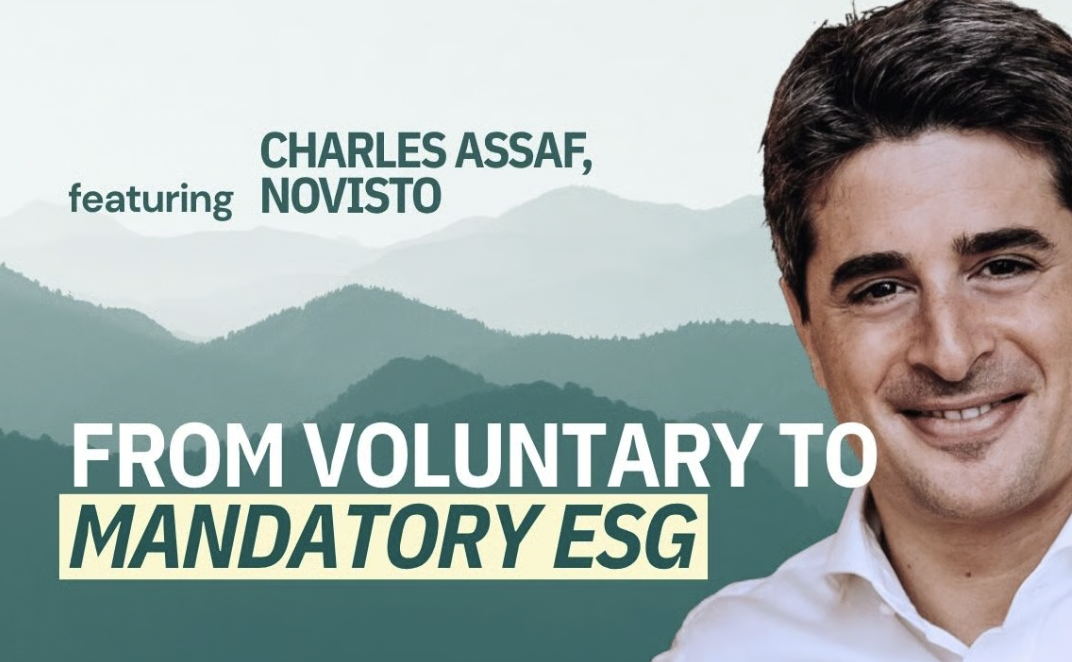
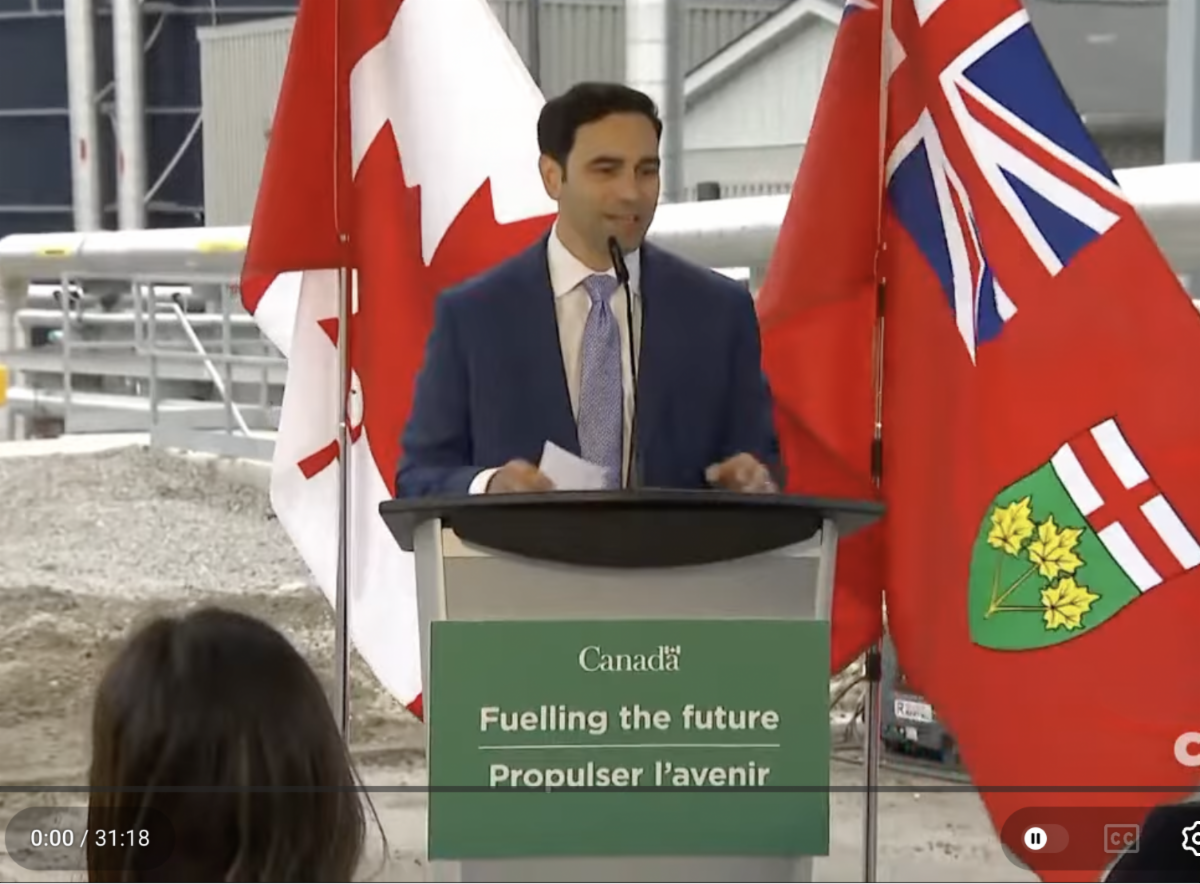
| | Right Size Your HVAC Investments Save Capital and Boost Operational Efficiency Webinar Recording | | Voluntary to Mandatory: Building ESG's Trust Infrastructure | | Feds invest in renewable natural gas production in Ontario | | Passive Solar Greenhouses: Could be the Secret to Food Security in Northern Nations | | |
How Recycling and Waste Diversion Can Help with ESG Goals
Environmental, Social, and Governance (ESG) principles have become increasingly important in the corporate world as businesses strive to minimize their environmental impact and enhance their sustainability efforts.
Among the key aspects of ESG, waste reduction and recycling play a crucial role. In this article, we will explore a comprehensive guide on how companies can meet waste and recycling targets that align with ESG principles.
By implementing the following strategies, businesses can reduce their environmental footprint, enhance their reputation, and contribute to a more sustainable future.
| | |
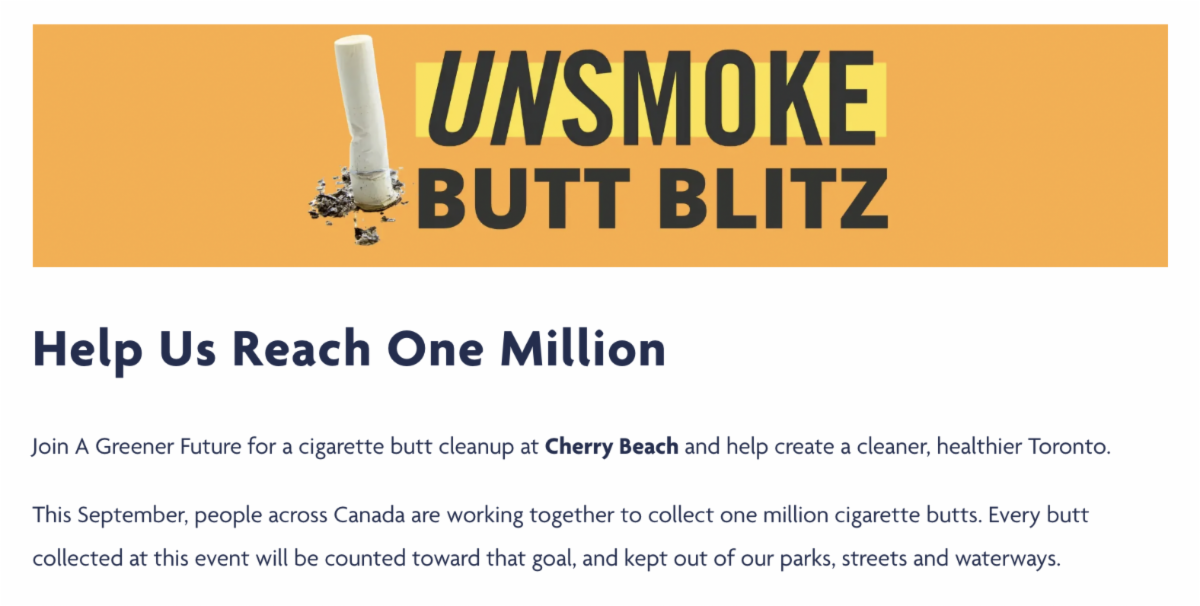
Saturday, September 12, 2026
10:00 a.m. 12:00 p.m.
|
| | | |