News and information that journalists need to serve the public and stay safe.
|
|
Reporter
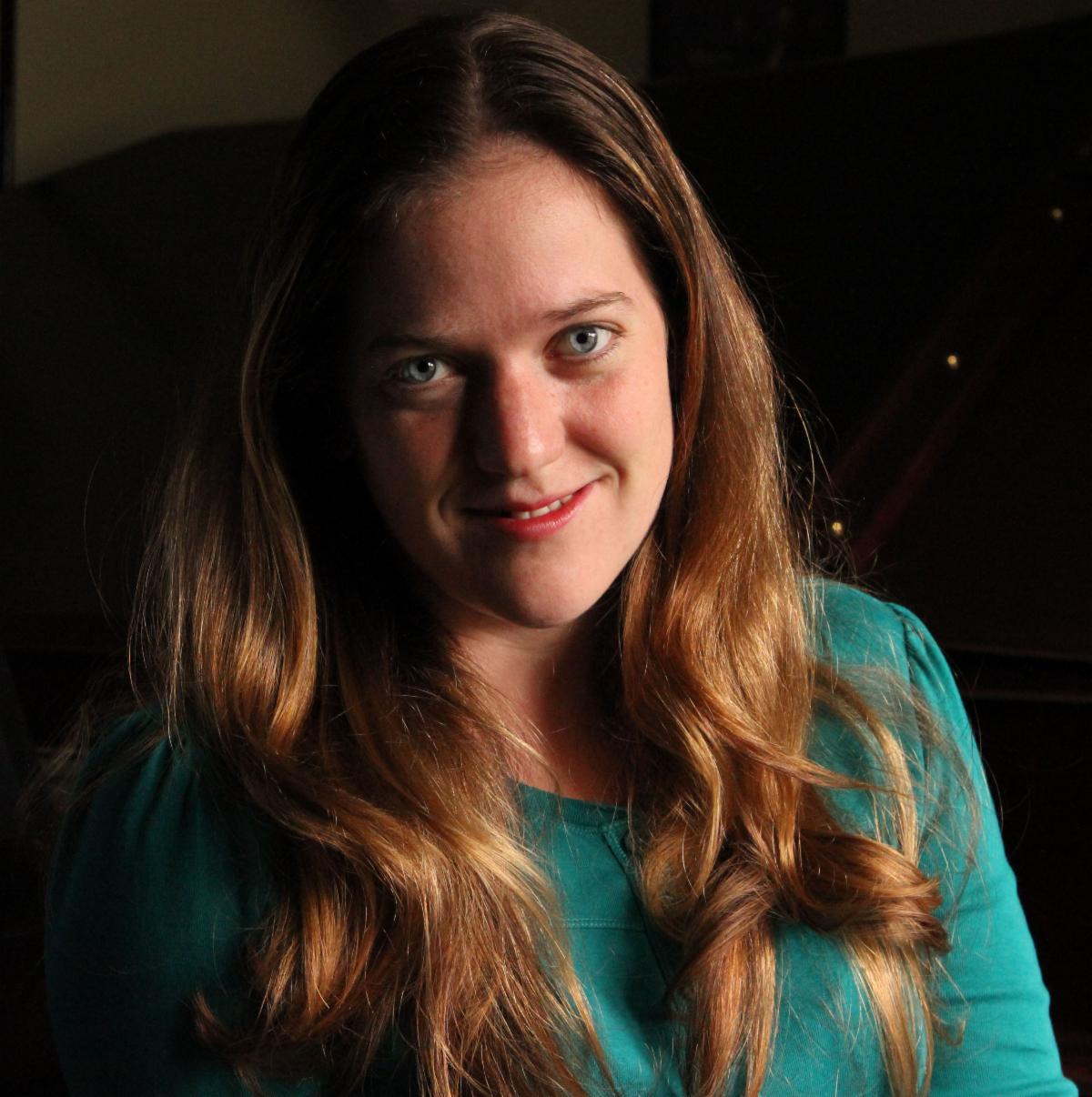
Melody Schreiber
sees a connection between climate change and the coronavirus pandemic. A freelance journalist who has covered
global health and climate change around the world, Schreiber recently launched a newsletter called “
Not a Doctor
” to break down scientific studies around COVID-19 and help the public navigate the pandemic.
We asked
Schreiber to weigh in on the parallels between climate change and coronavirus.
What do you think are the most important connections between COVID-19 and climate change?
Schreiber
:
The first connection: In a changing climate, we're going to see more outbreaks like this. Viruses that jump from animals to people
—
called zoonotic spillovers
—
will become more common as habitats change and animals are forced to seek refuge closer to people. It's not just bats and other animals, but also insects, like ticks and mosquitoes, coming into closer contact with us. For example, the range of mosquitoes, which carry many deadly diseases, is expanding rapidly as the world warms.
The second connection: There are many similarities in how we deal with crises like this, in terms of policy and leadership. Sexy, I know! But as I said recently
in my newsletter
, watching the pandemic unfold has been like watching a speeded-up version of our response to climate change. How seriously we take the threat, and how well we prepare, can make all the difference.
What advice do you have to help interpret the data and make it easier for readers to understand?
Schreiber
:
It can be hard to be thrust onto a new beat, especially during an extremely stressful time like this. But good journalism is always the same: ask lots and lots of questions, check facts relentlessly, read up on other stories whenever you can, and ask your sources who other good experts are to make sure they have a strong reputation in the field.
Read on
to learn how reporting on climate change prepared
Schreiber for the pandemic and the inspiration for her newsletter, “Not a Doctor.”
|
|
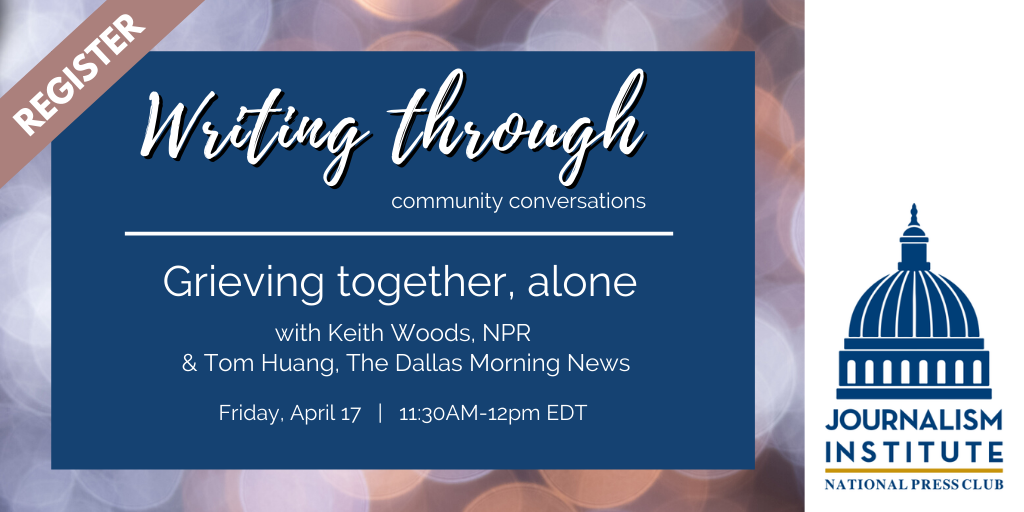
Join us on
Friday, April 17
to explore writing about personal loss in a time of collective grief.
Keith Woods
, NPR’s chief diversity officer, and
Tom Huang
, The Dallas Morning News assistant managing editor for journalism initiatives, will discuss their experiences with
“Grieving together, alone”
and take questions from 11:30 a.m. to noon.
|
|
There’s no time like the present for a little digital deep-cleaning. The COVID-19 pandemic has dramatically shifted the media job landscape, flooding seasoned journalists and graduating students alike into an uncertain employment market.
Job seekers at any level should have and maintain an online presence that best reflects them, says
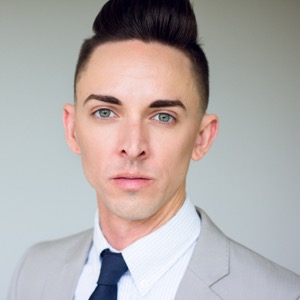
Jeremiah Patterson
, who teaches a variety of multimedia and broadcast courses in the journalism division at American University’s School of Communication. “So as long as you have a personal portfolio site, a LinkedIn account and maybe a Twitter feed they can look at, [an employer can] get a good sense of your digital footprint,” he said.
Patterson shared his tips for building a dynamic site that reflects your work.
What should job-seekers consider when it comes to an online portfolio?
Patterson
: More than anything, put your mind in the frame of a potential employer. Ask what you'd want them to know and understand about you when they visit your portfolio. Walk through that experience in your head and then write content and design the space accordingly. Make things easy to find — especially relevant work and your contact information. (Please have your contact information — an email and a phone number. If you don't want to list your real phone number, then get a Google number and forward it.) Keep it clean. Keep it professional. Keep it organized. Remember: the whole point isn't just to toot your own horn, it's to frame yourself as a solution to the employer's need.
What are the most important things to keep in mind when selecting an online portfolio service? Should I build my own site?
Patterson
: The most important thing to keep in mind is whether the online portfolio service is meeting your needs as the one who's using it. There are lots of solutions out there, and they each have strengths and weaknesses. But at the end of the day, you're the one using it. So if you find a particular platform frustrating and that frustration is preventing you from producing or updating your portfolio, then get a different one! There aren't right and wrong answers here.
Read on
to learn what to include in an online portfolio, as well as sites to consider using to show off your work.
|
|
Bill Plante Chair in Leadership & Media Integrity, Loyola University Chicago
Freedom Forum Fellow in Women’s Leadership
There’s a classic theory about the life cycle of teams. The late psychology professor Bruce Tuckman coined these memorable terms for team development way back in 1965, and they’re
taught to this day
:
- Forming: the group gets going, identifies roles, goals and responsibilities; there’s lots of energy
- Storming: reality hits; not everything works, people get frustrated with each other and become skeptical of goals; without good leadership the team can flounder
- Norming: things are sorted out, systems are fine-tuned, people settle into habits and feel comfortable with the work and with each other
- Performing: the team hits its stride, people are competent and confident; there’s pride in accomplishment
Consider those four steps as they apply to your colleagues who made a near-overnight jump from working in a newsroom to working from home.
Remote teams
are a different breed, using new tools, communication and workflows.
For your newborn remote team, the initial “forming” phase probably involved an emphasis on being hardy, adaptable, and mission-driven. “We’re all in this together as we work it out” was a common theme. Everyone improvised, shared tips and cut each other some slack as they did the best with what they had.
Now, weeks into the new reality, it’s time for leaders to check on the status of their teams.
Read on
to discover how.
|
|
|
Self-Care:
When to say no to notifications
|
Chances are you’ve received at least one alert while reading this newsletter. If you made it this far without one, consider yourself lucky:
Research
in 2014 showed people dealt with an average of 60 notifications a day — and that didn’t include Slack. Or apps.
Or a pandemic.
Carving out space for yourself, especially amid covering an ongoing global crisis, can feel selfish or, worse, create a fear of missing out on a story or opportunity.
FOMO is real
, and it can add stress and distraction to an already anxious time. But media professionals and first-responders could benefit from
a break from notifications
. Doing so
can improve focus
and productivity when you are back online.
Where to start:
- Set boundaries and share them. It’s OK to tell people that your phone is off for a couple of hours each night.
- Review your work expectations with your boss. If news does break, what is your responsibility?
- Turn off push notifications on your phone and computer. If you feel as if you can’t, select at least a handful that you can turn off.
|
|
Book Bracket: Check out who advanced to Round 2 and vote your favorites
|
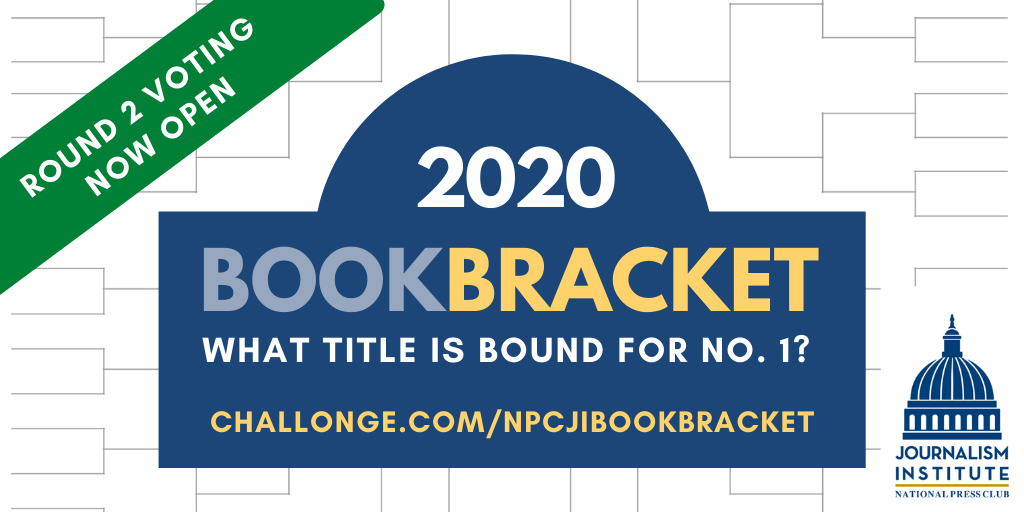
Your votes have decided Round 1 of the
2020 Book Brackets
and, despite some upsets among the lower seeds, the top contenders are holding strong. Now we need your votes to determine which journalism books will earn a place among the Sweet Sixteen.
Voting for Round 2 closes at midnight Monday, April 20. Anyone can vote in any round, whether
you made a prediction
or voted before.
The winning title — and the runners up — will be featured at the National Press Club's Eric Friedheim National Journalism Library as the Institute curates titles for the collection later this year.
For those of you who submitted predictions,
keep an eye on your brackets
. The person who most closely identifies the winners in each round will receive special recognition — as well as a surprise — once the 2020 Book Bracket champion title is announced. The more votes the better, so share this with friends to get them involved.
|
|
This newsletter is written & edited by the National Press Club Journalism Institute staff: Beth Francesco, Holly Butcher Grant, Jim Kuhnhenn, and Julie Moos.
Send us your questions and suggestions
for topics to cover.
|
|
The National Press Club Journalism Institute promotes an engaged global citizenry through an independent and free press, and equips journalists with skills and standards to inform the public in ways that inspire civic engagement. Support our important work with a tax-deductible contribution today.
|
|
|
|
|
|
|