February 2025 Newsletter

In This Issue

  • Get Engaged
  • Let's Talk About Plastics
  • Learn More About Plastics
  • What More Can We Do In Stow About Plastics?
  • Drought Bill Needs Our Support

Get Engaged!

Achieving our sustainability goals is up to each of us. Consider participating through these local groups and activities.


If you have questions or comments, send them to GreenAdvisory@stow-ma.gov.

Let's Talk About Plastics

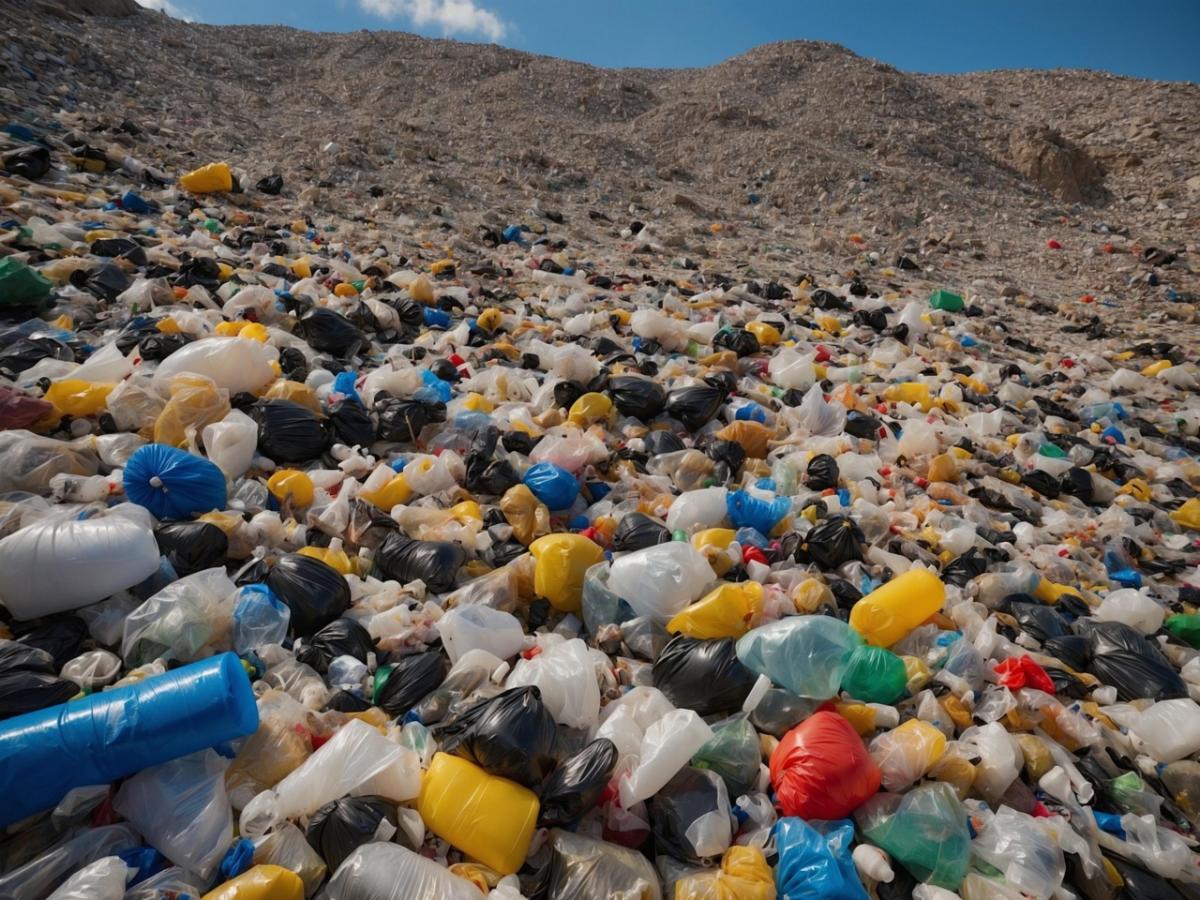
Each year we hear more news about the impact of plastic in our environment. It’s a problem along the roads, in the rivers, and particularly in the ocean. Science now tells us that microplastics are even found in our bodies. Microplastics pose a potential health risk. The Environmental Protection Agency has cited past studies that show that microplastics — extremely small pieces of plastic that are either manufactured or a byproduct of the breakdown of larger plastic items — are not only harmful to the environment, but also to human health. 


Why can’t plastic be recycled? It turns out that recycling plastic is harder than the plastic industry would have us believe. In part this is due to the necessity of separating different types of plastic. Different types of plastic don't mix well when they are processed, and small amounts of the wrong type can degrade the quality of a whole batch. Remember the recycling numbers on the bottom of plastics? They were put there to distinguish the different type of plastics and which could or could not be recycled. For example, 1 Plastics – PET or PETE (Polyethylene Terephthalate) often used for soda and water bottles; mouthwash bottles; peanut butter containers; salad dressing and vegetable oil containers; etc. should be able to be recycled. While Number 6 Plastics – PS (Polystyrene) used in disposable plates and cups, meat trays, egg cartons, carry-out containers, aspirin bottles, compact disc cases; etc. cannot. If they become mixed, then the whole batch is corrupted. To make it more discouraging, very little of what is supposed to be recycled is actually used because of the ease of making “virgin” material. 


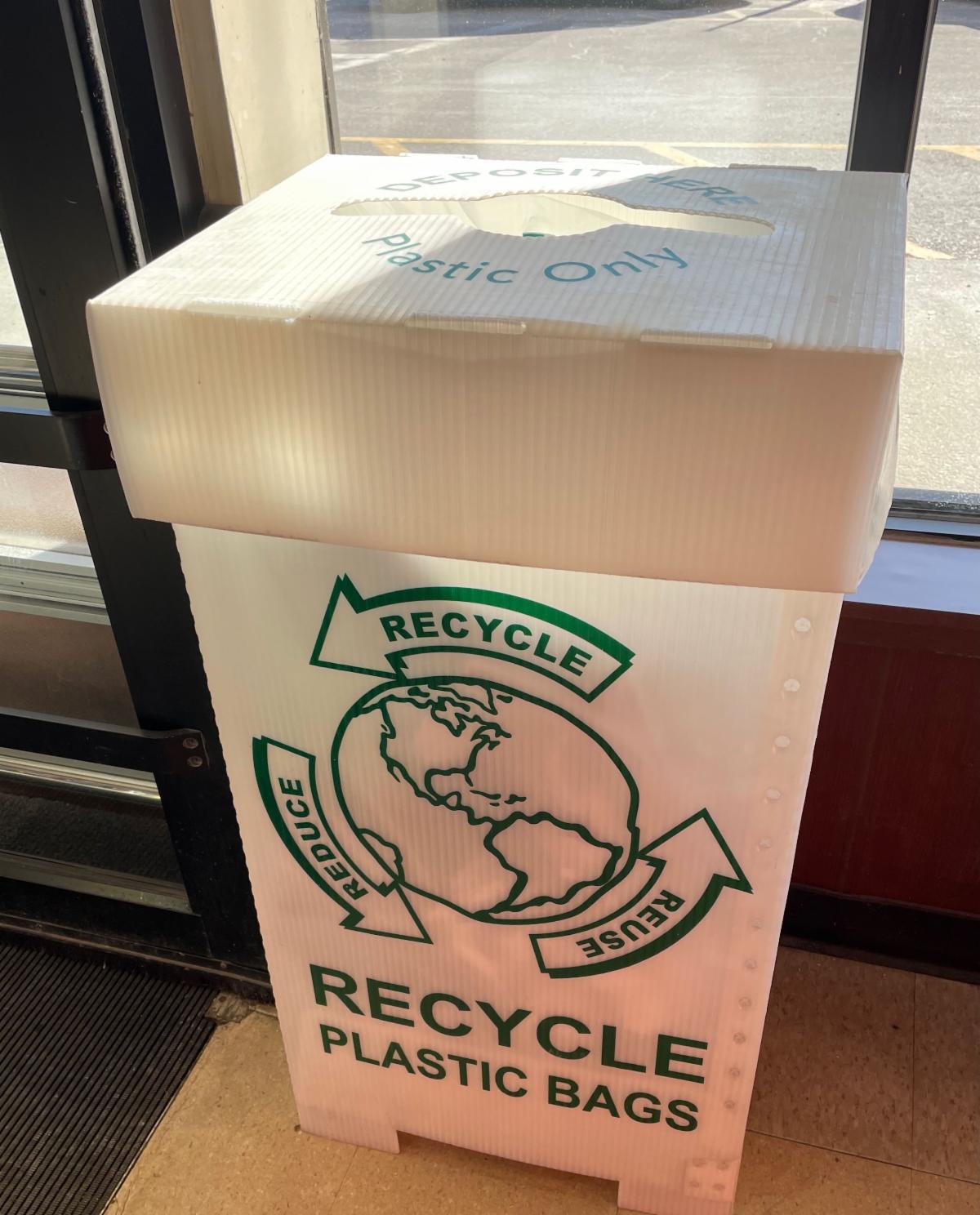
Another problem area is plastic bags, like the ubiquitous shopping bags we get at checkout. You can recycle many (but not all) of your plastic bags. But you can’t put them into the same recycling bins where you put paper, cans, bottles, etc. Putting plastic bags in the wrong bin contaminates other recycling.


What to do? Look carefully at the plastics before recycling and only recycle those that have recycling marks 1 and 2 at the bottom of the plastic. Instead of plastic bags use cloth or paper reusable bags. Keep some in your car when you are shopping. Finally, if you do end up with a plastic bag, many supermarkets (like Shaw’s) have plastic bag recycling drop bins. Before you deposit a bag, make sure it is clean and dry, without any paper labels or stickers. Remove receipts and any zip-lock and hard-plastic slider seals before dropping them in the bin.

Learn More About Plastics

Join Sustainable Stow, Randall Library and special guest Dr. Alex Vai for a talk on the problem of plastic in our environment and what we can do.


Dr.Vai volunteers as the Campaigns Coordinator and Treasurer for the Surfrider Foundation’s Massachusetts Chapter. The Surfrider Foundation is dedicated to the protection and enjoyment of the world’s ocean, waves, and beaches. He has been personally involved in over 20 campaign victories since starting with Surfrider MA in 2018. In his day job, Alex is a chemist and product development lead at a Boston-area cleantech start-up.

Register in advance for this talk on Zoom Weds, Feb 19 at 7PM by clicking on the button below. After registering, you will receive a confirmation email containing information about joining the meeting.

Register for the Climate Talk

What More Can We Do in Stow about Plastics?

Most Massachusetts towns and cities already have plastic bag bans. This includes our immediate neighbors: Maynard, Hudson, and Acton. Shoppers in those towns rely on paper bags or reusable bags.


This spring, Stow’s Green Advisory Committee will sponsor a plastic bag ban for carryout bags provided by stores to a customer at check-out. (This proposed ban will not include bags provided by farms/orchards to customers for “pick-your-own” services or the thin film bags often used for vegetables.) You will hear more about Stow’s efforts to ban plastic bags in the weeks before town meeting. 

Drought Bill Needs Our Support

The unpredictable and often very dry weather brought about in part by climate change is increasing the extent and impact of wildfires. We all saw wildfires do incredible damage out west. And we had much smaller ones here in our state. Right now, we are in a drought as winter (so far) has brought little rain or snow. The state just raised the drought level to stage #3, critical.


In Stow, we have little ability to control the use of water around town, even in a drought. Some people act as if their well is their own private water supply. But this is not the case. We all depend on common aquifers. If you water your lawn in a drought, you will be “borrowing” your neighbor’s water. If that neighbor has a well that is shallower than yours, you may cause their well to run dry. Many towns issue watering restrictions in a drought. Stow has had difficulty issuing such a restriction.


Climate change is making precipitation more unpredictable and variable with periods of extreme precipitation as well as severe drought. We need a state-wide plan. There are multiple bills introduced by our legislators to address this problem. Our own Senator, Jamie Eldridge, has introduced one of these bills. If passed, it would establish a drought management task force within the existing Executive Office of Energy and Environmental Affairs. This office would have the authority to mandate water conservation during severe droughts. This would include the ability to limit nonessential outdoor watering. Rep. Joan Meschino filed a similar bill in the House. For more, see bills SD.1668 and HD.1423.


We can each reach out to Sen Eldridge and our representative, Kate Hogan, to explain our support for legislation to manage water in this warming world.


Missed Our Last Climate Talk?

Missed our last climate talk? December’s climate talk with Justin Connell, the General Manager of our electric utility, Hudson Light and Power, is now available on Stow TV here.