Aerial Bombings by Los Chapitos Cartel | |
On 28 October 2024, a small aircraft, reportedly operated by a member of the Sinaloa Cartel (CDS)-Los Chapitos faction, flew over the city of Vascogil, Durango, and dropped four bombs on the outskirts of the city. Fortunately, no damage was reported to property or residents. Just days later, on 2 November 2024, another video showed a small fixed-wing aircraft, likely a single-engine piston aircraft such as a Cessna, dropping bombs on hills in the countryside near Tamazula, Durango. Again, no injuries or significant property damage were reported, but these incidents signal a concerning shift in cartel tactics. The pilot is rumored to be affiliated with the Los Chapitos faction of the Sinaloa Cartel.
Response from the Mayo Zambada Faction
That same day, the CDS-Mayo Zambada faction released an audio message responding to the attacks by Los Chapitos. The message condemned the attacks and accused Los Chapitos of endangering innocent farmers and ranchers in the area. In a pointed challenge, Mayo Zambada’s faction invited Los Chapitos to engage directly with La Mayiza (Zambada’s faction) rather than targeting civilians and rural communities.
Strategic and Symbolic Targeting of Sinaloa Cartel Strongholds
These two instances of the Sinaloa Cartel utilizing manned aircraft to conduct bombing runs over rural areas within one week should be of grave concern. This emerging pattern suggests that Los Chapitos are both testing the feasibility of aerial attacks and using them as a means to intimidate and destabilize regions of Mexico under the influence of their rivals, namely the Mayo Zambada faction. The choice of targets—Vascogil and Tamazula—may hold significant symbolic weight, as both villages have historically served as refuges for high-ranking Sinaloa Cartel figures, including Mayo Zambada himself. These locations are also home to remote, luxurious compounds, rumored to belong to the Zambada family or close associates, underscoring the strategic and psychological impact of these attacks.
Implications of Aerial Bombing as a New Cartel Tactic
The use of aerial bombardment represents a stark escalation in cartel warfare tactics. Traditionally, cartels have relied on ground-based confrontations, ambushes, and intimidation. However, Los Chapitos’ adoption of aerial bombing indicates a shift towards more militarized and unconventional methods, borrowing from guerilla warfare tactics. This strategy not only provides a tactical advantage—enabling strikes on remote, heavily guarded compounds without risking ground troops—but also sends a powerful psychological message to both rivals and civilians. By directly targeting areas associated with Mayo Zambada and his loyalists, Los Chapitos are demonstrating their willingness to challenge traditional strongholds and disrupt the cartel’s established hierarchy.
Alliance with CJNG and Formation of 'Fuerzas Especiales Unión'
The implications of this development are significant. First, this tactic could set a dangerous precedent, encouraging other cartels to adopt similar methods, potentially leading to an escalation in violence that could affect civilians caught in crossfire zones. The psychological effect on residents and rival factions alike is profound, as aerial attacks instill fear and uncertainty, disrupting the traditional balance of power in cartel-controlled regions. Furthermore, this move comes amid rising tensions within the cartel landscape. The Jalisco New Generation Cartel (CJNG) has reportedly taken notice of Los Chapitos' bold tactics and has allied with them, forming a coalition known as ‘Fuerzas Especiales Unión’ (Union Special Forces). This partnership is strategic: by combining resources and leveraging CJNG’s existing power, Los Chapitos gain an added layer of support against the Zambada faction. This alliance consolidates Los Chapitos’ position and indicates a unified front that could challenge Mayo Zambada's weakened faction.
Potential Outcomes and Broader Implications
The recent arrest of Mayo Zambada in July 2024 has left his faction vulnerable, creating an opportunity for Los Chapitos to intensify pressure on La Mayiza by striking both symbolically and strategically. With the Zambada faction weakened by leadership voids and mounting attacks, Los Chapitos, backed by CJNG, are well-positioned to dominate the power struggle within the Sinaloa Cartel. Analysts speculate that this combined pressure and the introduction of aerial tactics could ultimately lead to Los Chapitos emerging victorious over Mayo Zambada's faction, reshaping the power dynamics within the Sinaloa Cartel and potentially across Mexico’s broader narco-landscape.
| | |
TRAC Incident Report: Bandits Seize Control of Largest Military Training Camp Leading to the Evacuation of 23 Communities, Nagwamase Camp, Kontagora LGA, Niger State, Nigeria | |
|
On 28 October 2024, bandits executed the largest and most well-coordinated assault ever recorded against Nigerian military forces, seizing control of the Nagwamase Military Cantonment in Kontagora, Niger State. This cantonment is not just any military installation; it is Nigeria’s most significant military training facility, responsible for training and housing a substantial portion of the nation’s soldiers. The takeover has led to a government-mandated evacuation of at least 23 surrounding communities, as the bandits have entrenched themselves both within and around the cantonment, establishing multiple camps and securing access to the base’s weapons and resources. This development poses an unprecedented security risk to the region and marks an alarming shift in the operational capacity of Nigerian bandit groups.
This event represents a historic breakthrough for Nigerian bandits, who have, until now, primarily conducted smaller-scale, sporadic attacks against vulnerable communities and less fortified military outposts. The sheer scale and precision of this operation reveal a new level of sophistication and inter-group collaboration among the bandits, making it one of the most successful strikes ever carried out against the Nigerian military. While no specific leader has been identified as the mastermind, intelligence suggests that this was not the work of a single faction or kingpin. Rather, it appears to have been a coordinated effort among multiple bandit groups, all united by a common goal: to establish a bandit-dominated zone in Niger State, similar to the lawless regions in Katsina State, where the military has little presence and bandits operate with impunity.
The bandits’ seizure of such a critical military installation reflects a broader territorial expansion strategy driven by rising numbers and a lack of available land in northern Nigeria. In many northern areas, powerful bandit leaders have already carved out territories under their exclusive control, leaving newer or smaller groups with limited options. This scarcity of territory is pushing bandit groups southward, forcing them into direct confrontation with the Nigerian military, which is more heavily concentrated in the south to protect vital oil assets. This encroachment and the strategic targeting of a major military facility signify a shift from opportunistic raids to a concerted, organized effort to undermine military authority and establish autonomous zones.
The Nigerian military’s response—or lack thereof—was telling. Source on the ground indicate that the military abandoned the Nagwamase base without mounting any significant defense. Intelligence had reportedly alerted the military to the presence of numerous bandit camps encircling the base, ready to strike, and commanders were aware that many soldiers stationed at the base were new recruits with limited combat experience. Faced with an overwhelming threat, military leaders opted not to reinforce the cantonment, effectively surrendering one of the most important strongholds in northern Nigeria. This decision left the remaining civilians in the area vulnerable to banditry and highlighted a glaring gap in Nigeria’s defensive strategy.
The strategic vulnerability of the Nagwamase Cantonment was compounded by long-standing infrastructural neglect. Spanning a vast 40 square kilometer area, the base lacks essential security measures such as retaining walls or perimeter fencing. Although a trench for a security fence was dug years ago, construction was never completed—an indication of the government’s reluctance or inability to invest in defensive infrastructure amidst economic constraints. The terrain itself, with mountainous regions and secluded areas, has served as a haven for bandits since 2021, who capitalized on the army’s infrequent patrols and lack of active training in the region. Civilian entry to these areas is discouraged by warning signs, creating an isolated zone that was ripe for exploitation by bandit groups. The strategic importance of the region cannot be overstated. Within a thirty-minute drive of the Nagwamase Cantonment lie the Nigerian Army Corps of Artillery (NACA) and the Nigerian Army Training Centre (NATRAC) in Kontagora. Government statements initially claimed that a few hundred Nigerian soldiers were deployed across these facilities; however, TRAC's assessment suggests otherwise. Had the full complement of soldiers been present, it is unlikely that the bandits could have successfully overtaken such a crucial base. This discrepancy points to a troubling conclusion: the Nigerian military is likely reallocating its resources to prioritize the southern oil-rich regions and insurgency-prone northern areas, inadvertently leaving central regions vulnerable to bandit incursions.
The implications of this historic assault are profound. By capturing such a high-profile military facility, the bandits have not only achieved a symbolic victory but have also demonstrated the capability to launch large-scale, coordinated attacks. The loss of this base weakens the Nigerian military's regional presence, emboldens bandit groups, and potentially encourages similar assaults on other under-resourced military facilities.
| |
(Poster) Al-Azaim Media (Unofficial Islamic State Khurasan/ISK): Blood for Blood (Featuring the Cologne Cathedral) | |
|
This Al-Azaim Media poster, titled Blood for Blood!, is a provocative piece of propaganda, explicitly urging attacks on Christian places of worship. The message, “Target Them in Their Temples!” is a direct call to action, using religious language to encourage followers to commit violence against Christian sites. The slogan “Blood for Blood!” reinforces a sense of retributive justice, attempting to frame these attacks as acts of vengeance rather than random violence. By presenting the violence as justified, the poster seeks to morally legitimize and intensify its appeal to potential attackers, radicalizing them by framing these attacks as a form of "holy retribution."
The poster’s use of the Cologne Cathedral in Germany as its visual focal point is symbolic and strategic. As one of the most renowned Christian landmarks in Europe, the Cologne Cathedral represents Western Christian heritage and holds substantial cultural and religious significance. By highlighting this iconic site, the poster suggests a high-profile target, chosen not only for its religious importance but also to maximize psychological impact. The inclusion of such recognizable landmark signals to followers that attacks on well-known and heavily attended sites are desired, as they would generate maximum shock and media attention. This is especially concerning as the Christmas season approaches, a period when Christian sites are packed with worshippers, making them both symbolically and tactically significant targets.
The foreground shows a hooded figure holding a large knife, evoking fear and a sense of impending violence. The image of a blood-stained axe embedded in a chopping block, with “Blood for Blood” scrawled in red on the street, further emphasizes the poster’s theme of brutality and revenge. The barbed wire imagery and the shadowed urban street setting suggest that attacks could occur in public, everyday settings.
The poster also builds on recent violent incidents, including the attack in Solingen, likely aiming to inspire followers by showcasing recent “successes” as examples to emulate. By connecting to recent attacks, Al-Azaim Media seeks to create momentum, encouraging followers to see themselves as part of an ongoing campaign rather than isolated incidents. This continuity aims to instill a sense of duty and urgency among followers, pushing them to carry out similar acts of violence.
| |
(Video/ Right-Wing Extremism): InJekt Division Circulate Propaganda Video ‘We Are Everywhere’ | |
|
On 2 November 2024, InJekt Division released a 47-second propaganda video titled 'We Are Everywhere'. This video serves as a powerful piece of stochastic terrorism propaganda, intended to inspire fear, intimidate opponents, and galvanize support from like-minded individuals. The footage is a compilation of previously circulated images and videos, showing tagging, stickering, and other symbolic actions infused with Nazi iconography, demonstrating the group’s aim to establish a visible presence in public spaces and reinforce their commitment to white supremacist and accelerationist ideologies.
At 36 seconds into the video, a sticker depicts a lone individual scaling a mountain, symbolizing the group's "lone wolf" mentality and relentless pursuit of their extremist goals. The accompanying text reflects InJekt Division’s ideology, which glorifies “death, destruction, suffering, and disaster.” This phrase encapsulates the group’s commitment to chaos and their rejection of traditional societal structures, positioning themselves as harbingers of a new, violent order. The image of an isolated figure climbing a mountain also suggests a sense of radical individualism and martyrdom, themes that resonate within extremist communities where individuals are encouraged to act independently to further the group’s cause. The video also includes footage of the InJekt Division flag and masked members giving Nazi salutes and brandishing assault rifles, reinforcing their alignment with neo-Nazi and white supremacist ideologies. Many of these individuals display prominent tattoos with extremist references such as “1494”— referring to the romanticized Treaty of Tordesillas, which divided newly discovered lands outside Europe between the Spanish and Portuguese empires—and “Pray For Rain,” a cryptic slogan that suggests a desire for destruction or societal upheaval. These phrases are further emphasized through graffiti and tagging actions throughout the video, with messages like “White Lives Matter” and “Pray For Rain” scrawled across urban spaces.
This video exemplifies InJekt Division's approach of combining fundamentalist religious views with Nazi symbolism, creating a unique brand of extremism that defies simple categorization. The group’s rhetoric merges Christian nationalist language with calls for racial purity, aiming to create a so-called “Holy War” that they believe will lead to the collapse of society. By framing their mission as divinely sanctioned, InJekt Division seeks to imbue their actions with a higher purpose than mere "accelerationism", appealing to those who view themselves as warriors in a battle between good and evil. This religious overlay not only broadens their appeal among certain radicalized individuals but also intensifies their sense of mission, portraying violence as a necessary step towards purifying society.
The video’s intent is clear: to communicate an accelerationist ideology that demands radical transformation through destruction. InJekt Division promotes the belief that only through societal collapse and chaos can a new, racially "pure" society emerge. By blending extremist religious fervor with Nazi symbolism, InJekt Division is not only attempting to recruit followers but also to normalize their ideology among fringe groups who may be drawn to this apocalyptic vision.
| |
TRAC Incident Report: Hafiz Gul Bahadur (HGB) Militants Double Tap Suicide Bombing and Armed Assault on a Security Check Point in Mir Ali, North Waziristan, Khyber Pakhtunkhwa, Pakistan | |
|
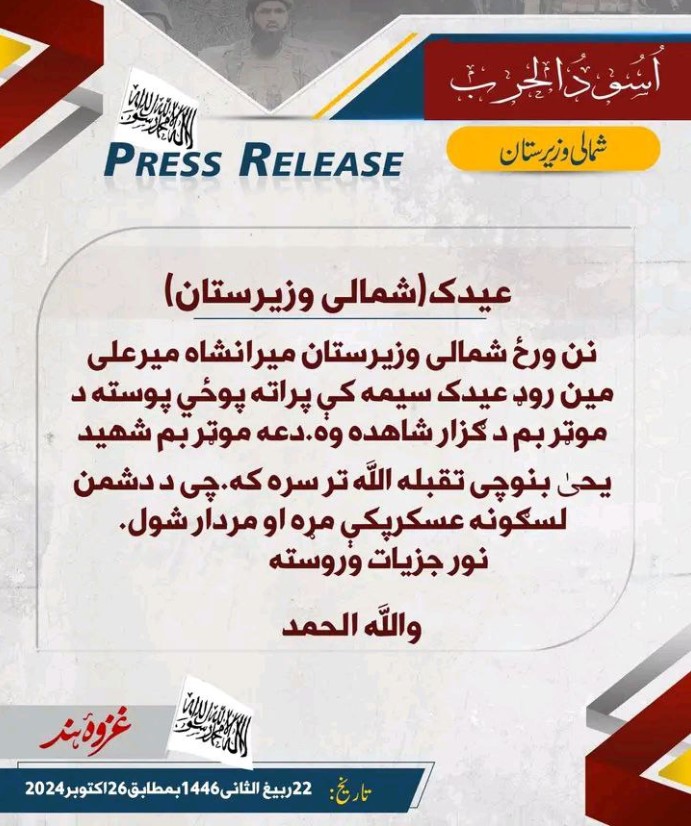
On 26 October 2024, eight people —among them four police officers and two soldiers—were killed in a coordinated suicide bombing attack on a joint police and security forces checkpoint in the Mir Ali area of North Waziristan District, Khyber Pakhtunkhwa. Hafiz Gul Bahadur (HGB) claimed responsibility for the attack, identifying the suicide bomber as Yahya Bannuchi. According to HGB, Bannuchi carried out the assault using an improvised explosive device (IED) attached to his motorcycle, which he detonated at close range, specifically targeting the Aslam outpost near the village of Eidak. The explosion impacted security vehicles and personnel, after which militants reportedly opened fire briefly before fleeing the scene. This type of "double-tap" tactic—an initial explosion followed by a secondary assault—is designed to maximize casualties and create chaos, demonstrating an increasing level of sophistication in HGB’s operations.
This attack marks a significant escalation in HGB’s militant campaign, which has intensified since the announcement of “Operation Al-Fatah bi al-Nusratul Rehman” on 28 June 2024. This operation was launched as a direct counter to the Pakistani government’s Operation Azm-e-Istehkam, which had been initiated just days earlier to bolster Pakistan’s counter-terrorism measures in North Waziristan. By openly challenging a government-led counter-terrorism operation, HGB has positioned itself as a formidable and defiant force in the region, directly contesting the Pakistani state’s authority. This latest bombing reflects not only HGB’s resolve to resist these efforts but also its enhanced operational capabilities.
The resurgence of HGB and its affiliates across Khyber Pakhtunkhwa underscores a worrying trend of escalating militancy in the region. Over recent months, HGB has intensified its activities, often conducting joint operations with factions such as Jaish-e-Umari (JuA)—an HGB splinter faction—and the Tehreek-e-Taliban Pakistan (TTP). These alliances have allowed HGB to expand its reach, enhance its tactical operations, and increase its strategic impact. The collaboration with these influential militant groups reflects a broader effort to destabilize the region by overwhelming state security forces and undermining local governance. The increased cooperation between HGB and TTP, in particular, indicates a consolidation of extremist elements aimed at unifying resources, intelligence, and operational strength against the Pakistani state.
Notably, however, this recent bombing in North Waziristan appears to be an independent operation by HGB, signaling a possible strategic shift toward greater autonomy. Unlike previous attacks in the region, which frequently involved joint operations with allied factions, this incident shows HGB acting alone, suggesting an emerging capability and confidence to operate independently. This move towards autonomy is further underscored by another incident on 24 September 2024, when a firefight between Pakistani forces and HGB militants in Mir Ali led to mortar shelling that severely damaged local vegetable and livestock markets. Such independent actions reflect a tactical pivot by HGB, which may be seeking to assert its own identity and operational capability within the militant landscape, possibly to establish itself as a more distinct and powerful entity.
The implications of this shift towards autonomous action are significant. Independent operations allow HGB to pursue its own strategic goals without relying on allies, potentially enabling it to carry out attacks with greater speed, flexibility, and surprise. This autonomy could make HGB less predictable and more difficult for Pakistani security forces to counter, as the group becomes less reliant on established networks and more self-sufficient in planning and executing its operations. This evolution towards self-sufficiency could also increase HGB’s appeal among local recruits and sympathizers, as it positions itself as a capable force within the broader insurgent movement.
| |
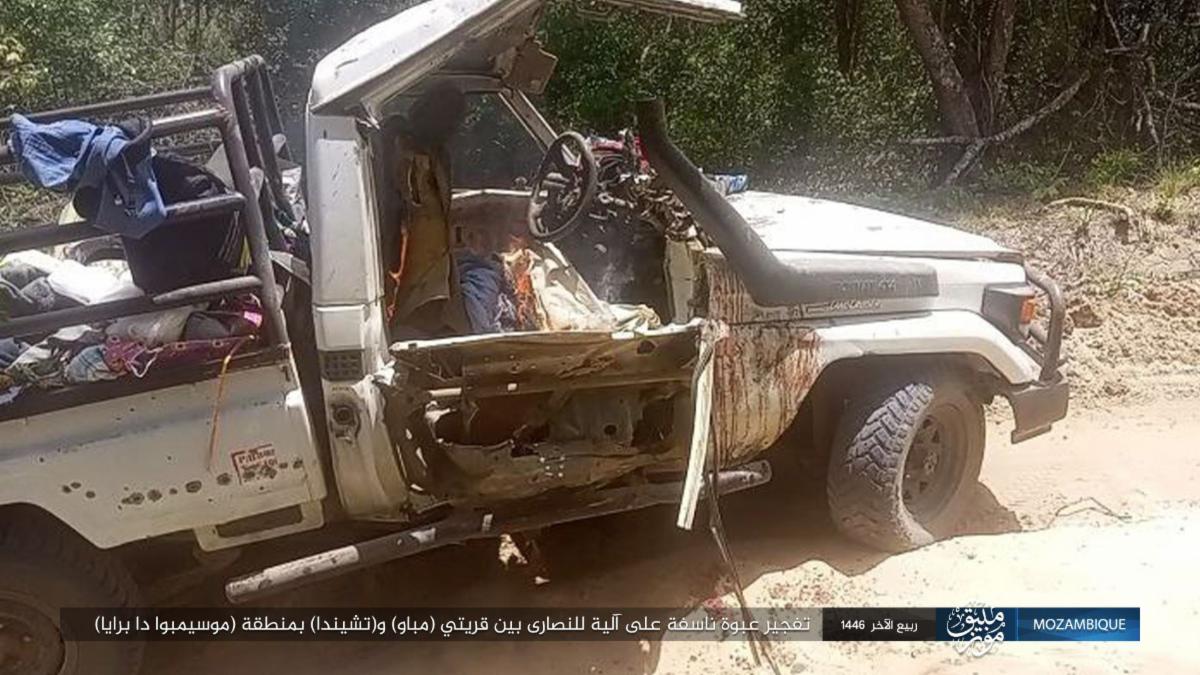
TRAC Incident Report: Islamic State Mozambique (IS-M/Shabaab Cult/Wilayat Muzinbik) Militants Detonated an IED Targeting Civilians Between Mbau and Chinda, Mocimboa da Praia, Cabo Delgado Province, Mozambique | |
(Claim) al-Shabaab Targeted a Christian Missionary, Killing One and Injuring 5 Others, in Doubly City, Lower Juba, Southern Somalia
| |
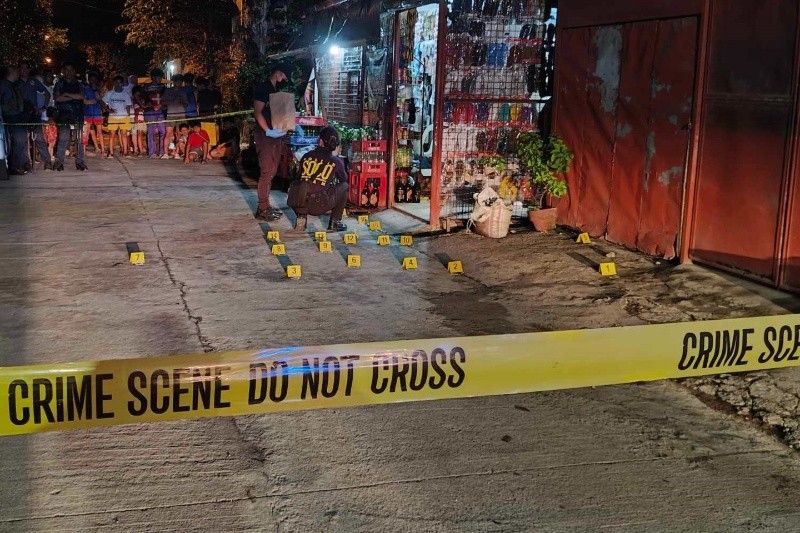
Suspected Maute (ISEA) Gunmen Open Fire, Wounding a Barangay Councilor and Their office Bookkeeper in a Targeted Attack, Barangay Rosary Heights 9, Cotabato City, Bangsamoro Region, Philippines | | | | |