Indirect Impacts of Climate Change on Human Health


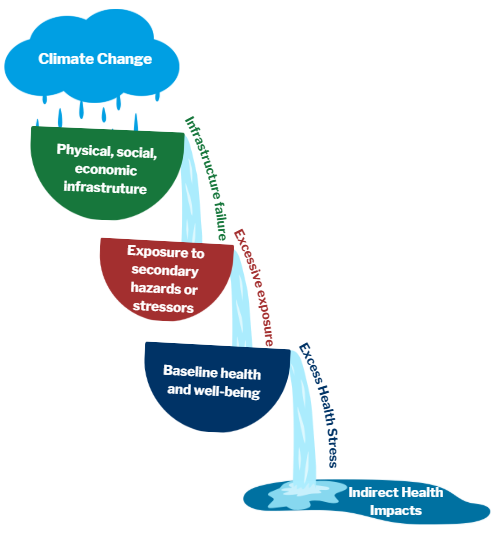
The Vermont Climate Council published the 2025 Climate Action Plan on July 1 with a new Health chapter written by Vermont Tracking program manager David Grass. The chapter explores how damage from climate events to physical, social and economic infrastructure results in long-term human health impacts, drawing from real-life examples from Vermont flooding. While the direct health impacts of climate events are easier to track through data like hospitalizations, it's important to consider the lasting indirect health impacts of climate change like housing insecurity, substance use, depression and stress-related illnesses.


New Hospitalization Data by Race Report

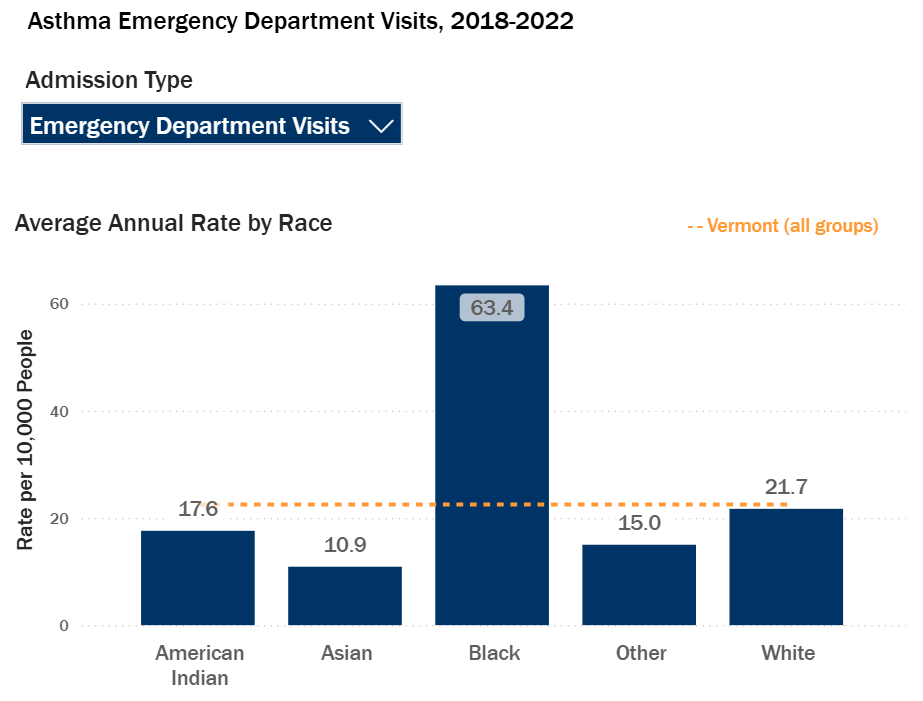
Did you know Black or African American people living in Vermont are twice as likely to visit the emergency department for asthma than all other racial or ethnic groups? The new Hospitalization Data by Race report explores health disparities in emergency department visits for asthma, chronic obstructive pulmonary disease (COPD) and heart attacks in Vermont.


Learn more about the root causes of health disparities, read the Racial and Ethnic Differences in Asthma Emergency Department Visits report and check out this new interactive data report on the Environmental Justice & Health Equity Data page.

New Health Benefits of Home Weatherization Summaries

Weatherization strategies, like adding insulation, can make homes more energy efficient, healthy and comfortable. Vermont Tracking collaborated with the Health Department's Climate and Health program to explore the health benefits of home weatherization for Vermont Medicaid recipients. Learn what we found in our analysis by reading a 2-page, visual or technical summary on the Take Action on Climate Change page.

Tracking Awareness Week

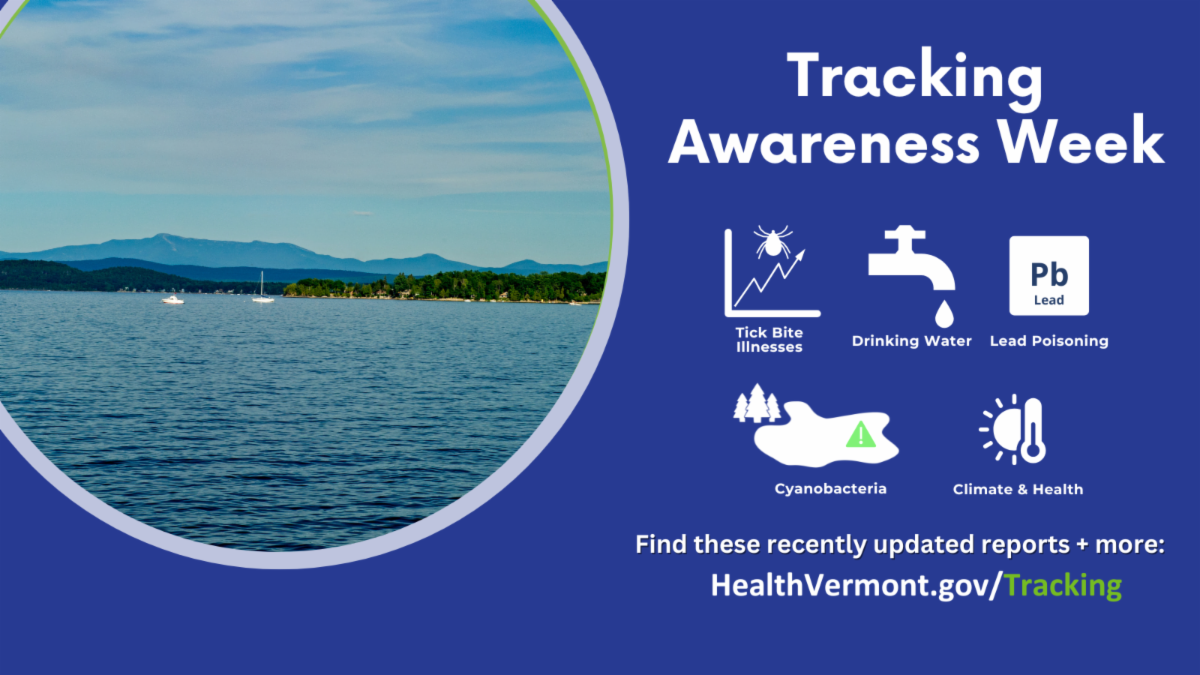
The CDC Tracking Network celebrated Tracking Awareness Week from July 7 - 11. We're continuing to celebrate 12 years of the Vermont Tracking program's impactful work! Here are some examples of Vermont Tracking data in action from over the years:

  • Collaborating with the Radon program and local health offices to improve radon test kits in the Northeast Kingdom
  • Protecting Vermonters from cyanobacteria blooms through the Cyanobacteria Tracker map
  • Working with the Agency of Education and Department of Environmental Conservation on the pilot project that uncovered the need for statewide lead testing in schools

About Environmental Public Health Tracking

The Vermont Tracking Program is part of a nationwide network of partners funded by the CDC. At the local, state, and national levels, the Tracking Program uses a network of people and information systems to deliver a core set of health, exposure, and hazards data, information summaries, and tools to enable analysis, visualization and reporting of insights drawn from data.

Follow Us!

Facebook  Instagram  LinkedIn  YouTube