Greetings!
I was in the middle of preparing this newsletter when a friend sent a text advising me that President Biden announced we would be totally withdrawn from Afghanistan by September 21. You and I first began in 2003 to raise the funds needed to construct a school in the village of Lalander, Afghanistan. For eighteen years my hope for the country has been that it became safer over time. It didn't. In fact it's less safe than when we began. It's understandable why we're withdrawing. We invaded Afghanistan in 2001 soon after 911 to "get Bin Laden", a mission that took 10 years to accomplish. It's ten years later since he was found and only 2,500 troops remain. It's time to leave. It's not time to abandon humanitarian aid.
Trust in Education is not leaving until we run out of money or are prevented from continuing our work. We've impacted and are able to impact the lives of thousands at a cost that's ridiculously low. We provide aid to Afghan families surviving on the bottom rungs of the economic ladder by supporting education of their children (computer libraries and classes) and direct economic support (sponsorship). Education is the solution to ending cyclical poverty and gender inequality. What greater support can we possibly provide? There is also an equally compelling reason to continue.
Those of us who are familiar with the history of US involvement in the region know the conditions in Afghanistan are to a significant degree consequences of our involvement in Afghanistan's internal affairs, dating back to 1979, when we began financing the mujahideen in Pakistan to wage war in Afghanistan. Our goal according to Zbigniew Brzezinski, President Carter's National Security advisor, was to "turn Afghanistan into Russia's Viet Nam". We succeeded, at a cost of 1,500,000 Afghan lives and the creation of 5 million Afghan refugees. We empowered religious extremists with modern weapons and withdrew all aid to Afghanistan in 1993 when it was a failed state.
Afghanistan would in my view, be better off had we not intervened and the Russians controlled the country today. This would certainly be true for Afghan women living wherever the Taliban gain control. I've written about our obligations before in response to the question I'm most often asked, "Why Afghanistan"? For you new recruits read "Afghanistan, Why Should Anyone Care"
https://www.trustineducation.org/why-afghanistan/afghanistan-why-should-anyone-care/.
Distribution Has Finally Begun!
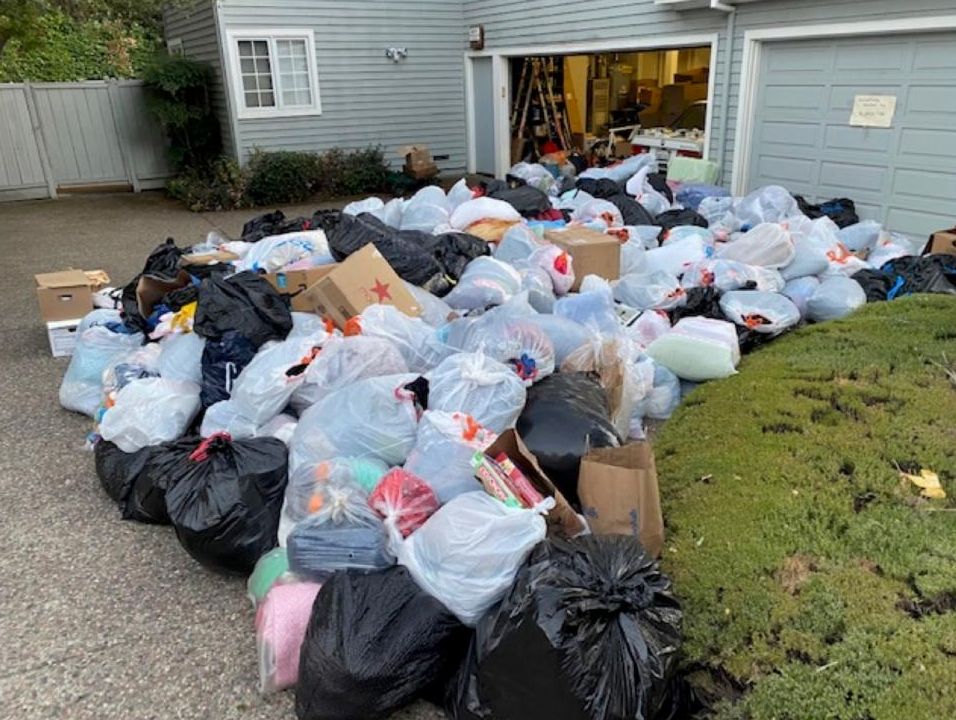
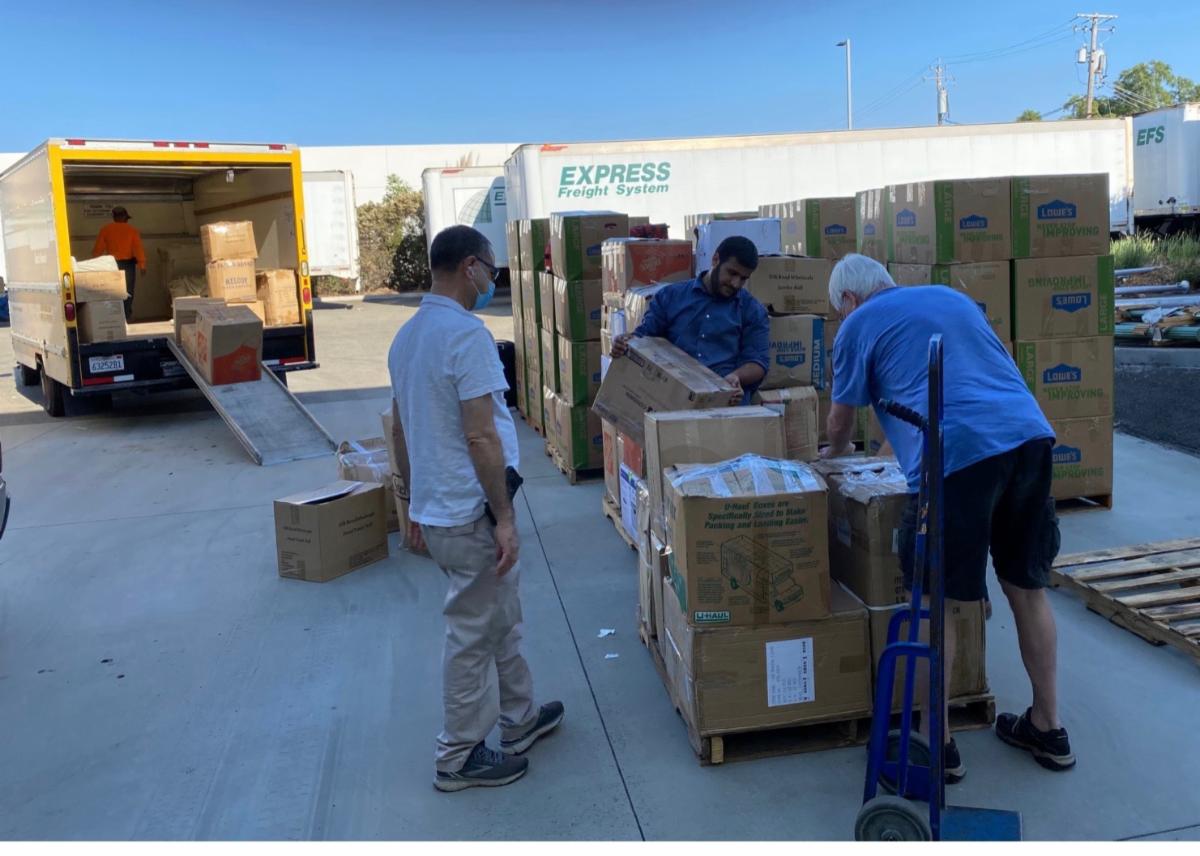
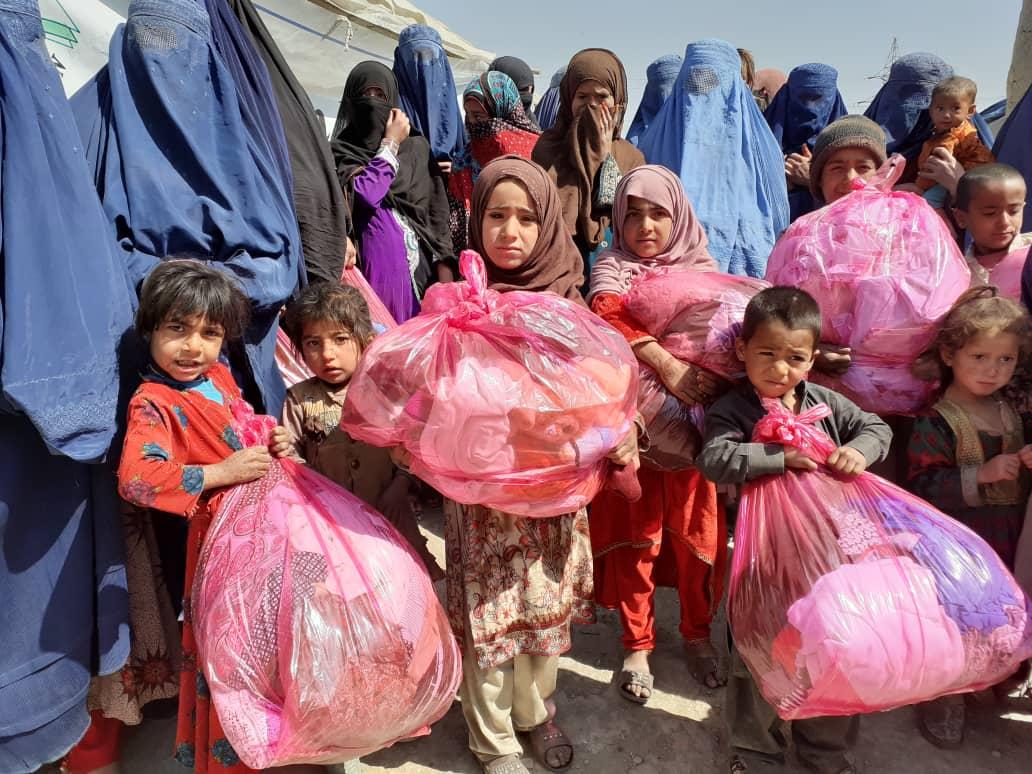
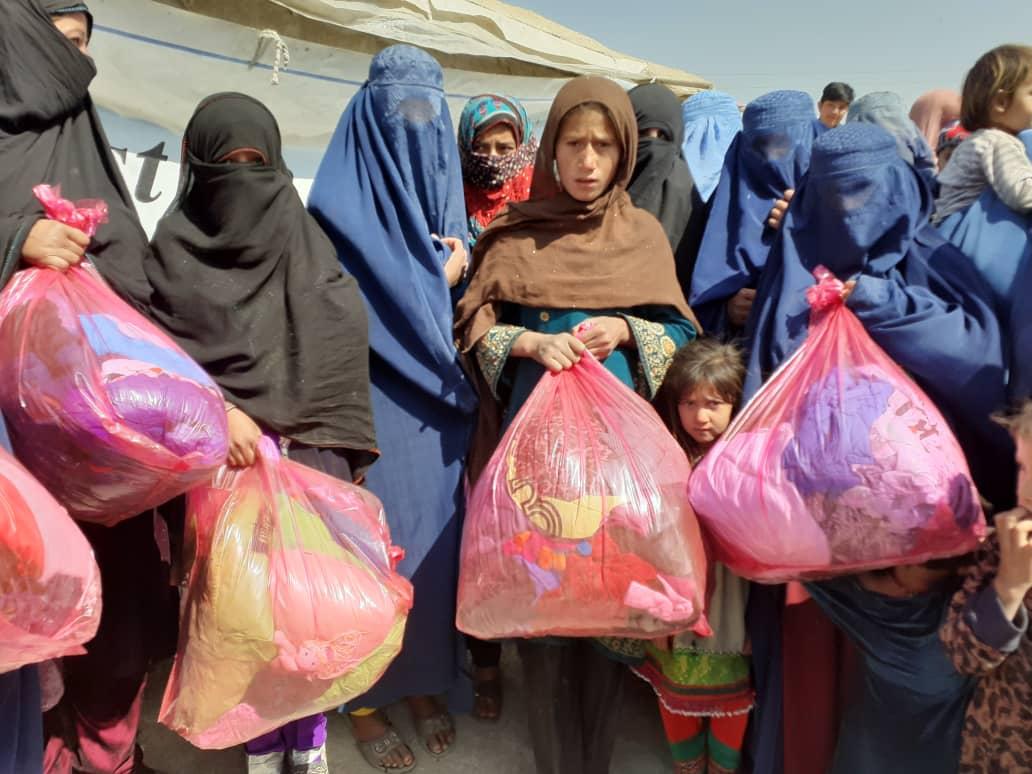
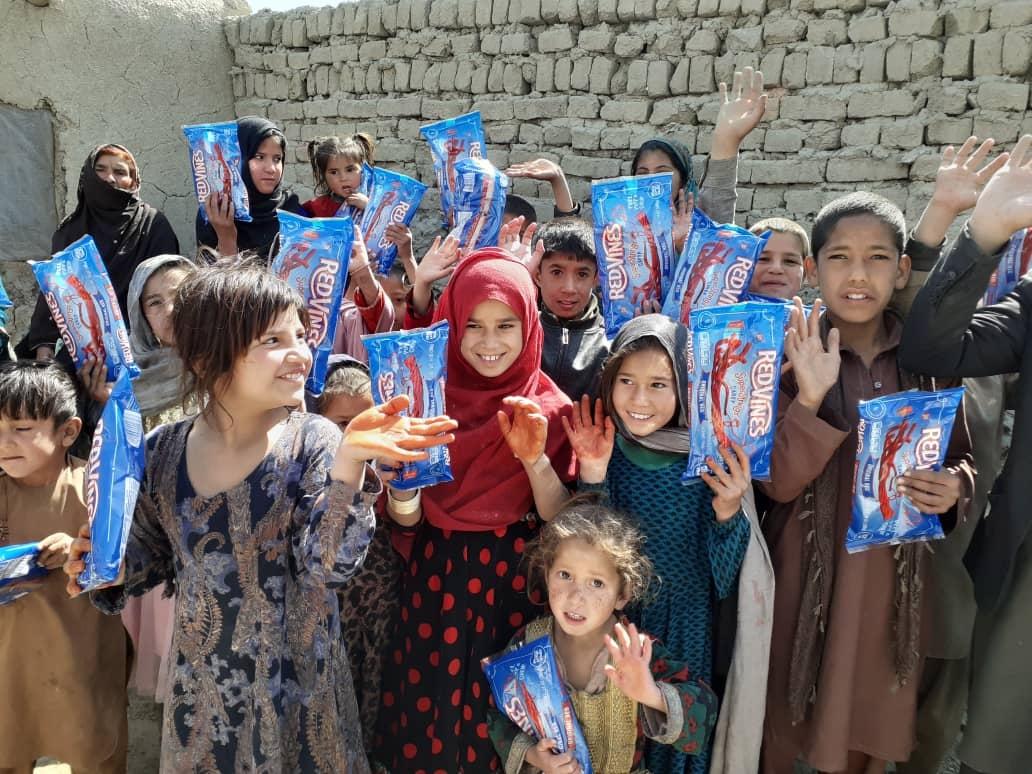
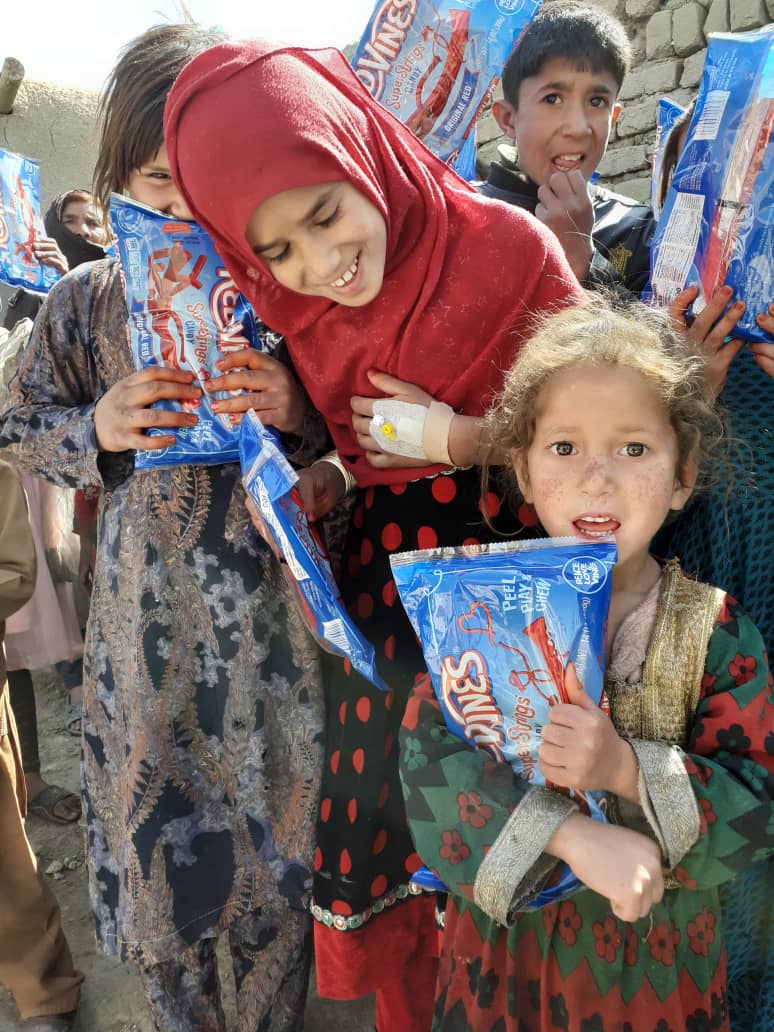
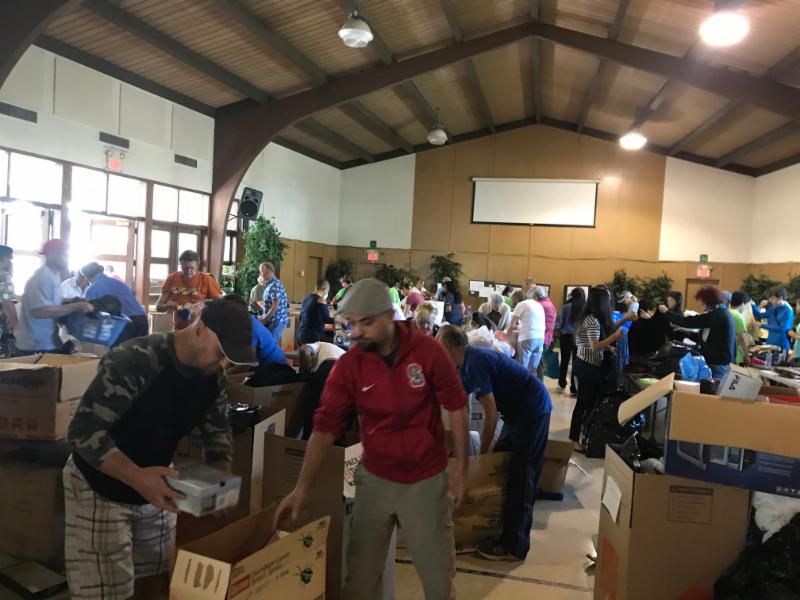
Our most recent and likely last Denton shipment to Afghanistan, packed last October by volunteers at my home, arrived at Bagram air base in Kabul on January 21st. We expected to begin distributing the 36,000 pounds of donations to families living in refugee camps by the middle of February. Due to a formidable bureaucratic nightmare Basir was finally able to pick up the last of it on March 29th. The pick up process starts when our military personnel obtain permission to enter the gate from the coalition forces. Our military contact characterized the process as follows; "there are roadblocks at every turn".
The first approved pick up was scheduled for February 24. Basir, three trucks and their drivers arrived the day before as required, spent the night in the staging area, expecting to get in the following day. The next day two of the three trucks were refused entrance. The first driver was told his name was not on the list. The second was told his ID card wasn't on white paper. It wasn't on white paper because the Afghan government had issued him an ID card on paper that wasn't white. He returned home. The third truck got in, was loaded and returned with Basir to Kabul. The truck that "wasn't on the list" stayed another night and day and still wasn't on the list. He returned home. One out of three made it through!
The staging area is a "dead zone". No calls can be made in or out. The drivers bring what they plan to eat. Basir had to leave the staging area to buy them food when they were required to stay longer than expected, and to call his wife, Qudsia, to let her know when there was a problem. She in turn would get a message to Nabi. We then contacted the US soldier helping us. Whatever message we received from him had to be relayed to Basir through Qudsia and Basir couldn't be in the dead zone when she called. This process is complicated by the even hour time zone difference between California and Afghanistan.
On their fourth and final trip, the drivers and trucks we'd used before were told they were not on the list to enter the gate. Every other truck in the staging area the night before was allowed in. They stayed another day and night not knowing whether they'd be on the list the following day. Fortunately, they were.
The US military does not have control over the gate or staging area. The gate is controlled by Georgians. If our contact person hadn't been so persistent it would have taken longer. It's also possible we would not have been allowed in at all.
The explanation was that these procedures have been established for security reasons. My reaction after having our drivers told twice they were not on the list is that there is either a complete lack of communication or cooperation between American forces and the Georgians or the Georgians at the gate were abusing their power. I witnessed several abuses of power in Afghanistan during my 20 visits, particularly over those who have no power.
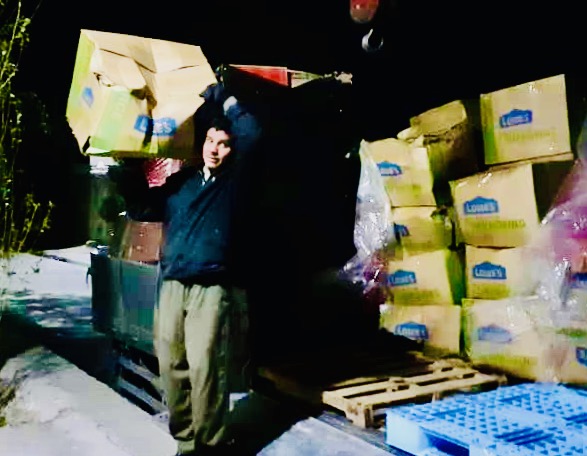
It's worth noting the drivers must stay in or near their trucks the entire time they are in the staging area and it was extremely cold at night. In addition, the drive to Bagram is four hours each way, very dangerous, and there are several roadblocks on the way some requiring a bribe to pass. Basir and the drivers risked their lives knowing how important the donations were to the Afghan families.