Volume CIII ~ November 2026 | | |
A Flash Of The Beacon
Welcome to A Flash of the Beacon! A quick look at what's happening at the Center for Lake Studies, highlights of current news and events, plus what's going on outside in nature.
| | |
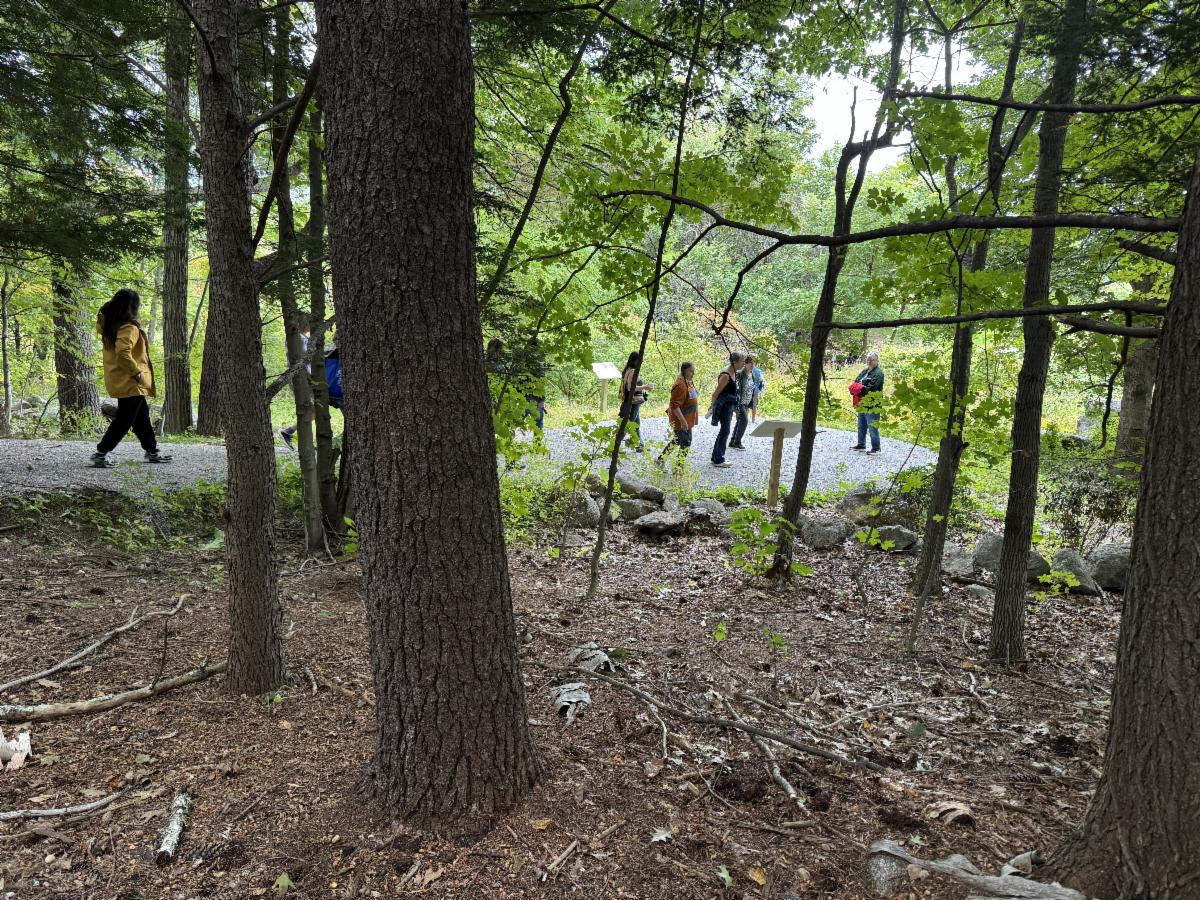
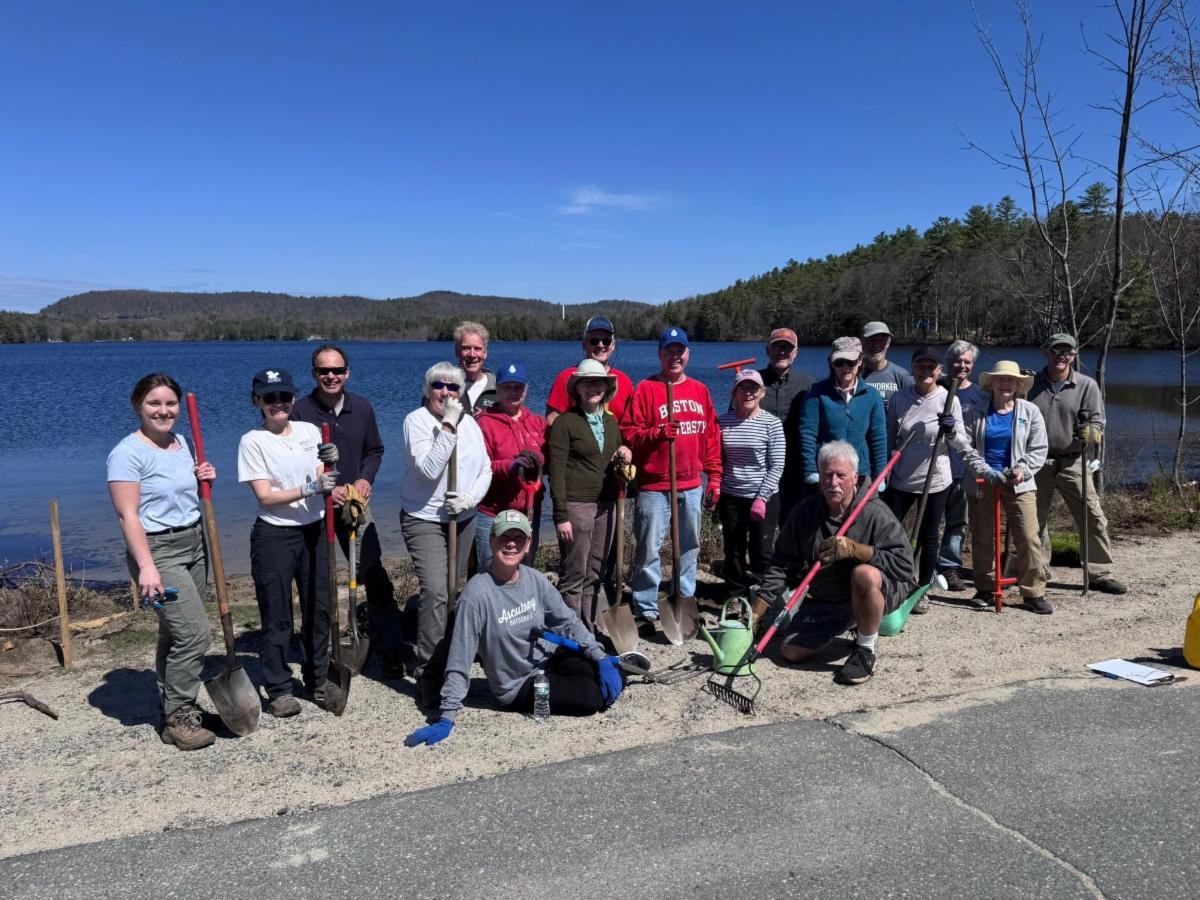
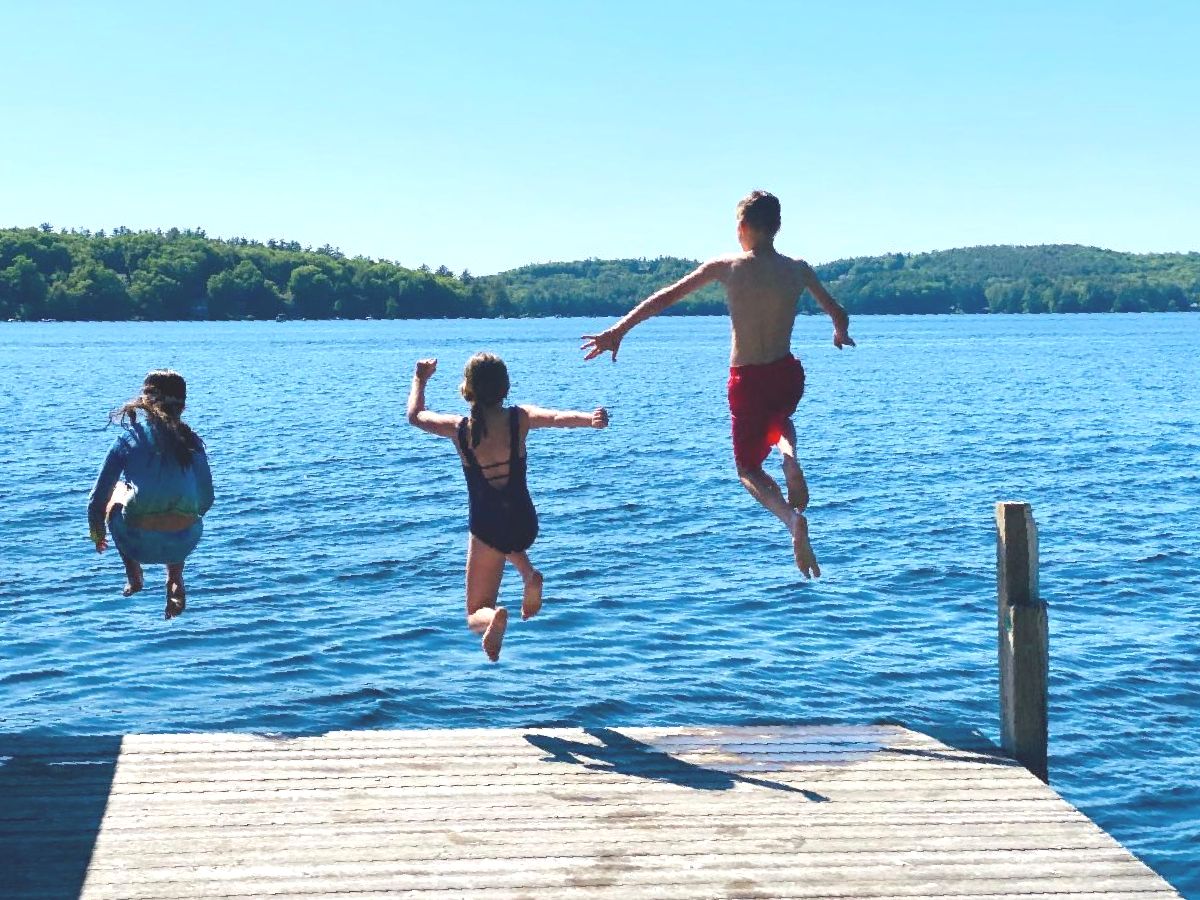
As fall settles into the watershed and winter approaches, we’re feeling especially thankful for the beauty of this place and the community that makes our work possible. Across the watershed, people of all ages are coming together to learn, share knowledge, and take action. From school field trips and professional workshops to water quality data analysis and wrapping up watershed projects before winter, there is still plenty happening at LSPA.
| | |
We’re grateful to be part of such a dedicated community, where people share their time, knowledge, and energy toward a common purpose. When we come together to learn about the issues facing our watershed and then take action, our efforts add up to meaningful progress in protecting our lakes, ponds, and streams.
Thank you for being part of LSPA! We hope you’ll join us for an upcoming program or event as we continue learning, working, and making progress together.
| | |
Septic Systems & the Health of Lake Sunapee
Thursday, November 5
6:30 PM - 8:00 PM
Click here to register.
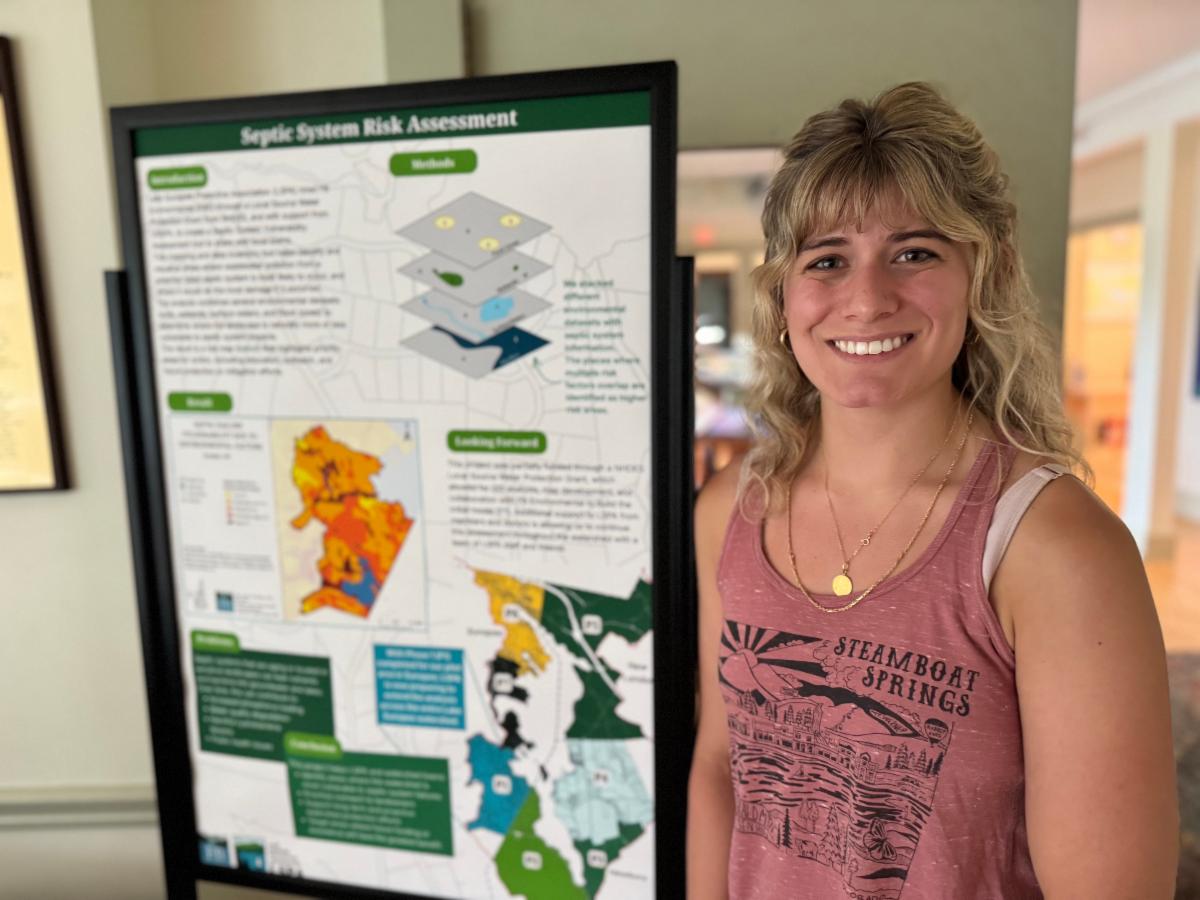
Join Burkehaven Fellow, Maren Elvidge, as she shares findings from her research on septic systems within the Lake Sunapee Watershed. Her work identified areas that may be particularly vulnerable to impacts from a septic system failure. During this presentation, Maren will explore what the research uncovered and how these findings can help guide future watershed protection strategies and inform LSPA’s educational efforts to safeguard soil health and water quality. Come learn what’s happening beneath the surface—and how understanding septic system risks can help us better protect the future health of Lake Sunapee.
| |
Join us for a Field Excursion to Sunapee’s Drinking Water and Wastewater Facilities
Friday, November 13
10:00 AM - 11:30 AM
Click here to register.
Have you ever wondered what happens to the water when you flush the toilet or where it comes from when you turn on the tap? Join David Bailey, Superintendent of the Sunapee Water & Sewer Department, to learn about how the drinking water and wastewater treatment plants operate and some of the challenges faced by the department. The drinking water plant serves a portion of Sunapee residents and businesses, and the wastewater treatment plant treats wastewater from a subset of residents and businesses in Sunapee and New London.
| |
Join us for a Lunch & Learn - "Move Your Snow Operation Forward"
Friday, November 20
11:30 AM - 1:30 PM
RSVP to Susie Burbidge at susieb@lakesunapee.org
As the snow and ice industry continues to evolve so can your operation. We will take an in-depth look at winter liquids and salt reduction strategies that can reduce material output while maintaining a high level of service. As material shortages, high costs and environmental impact become more common we need to look at practical ways to dial in how we operate.
This event is geared for Town personnel including Road Agents, Highway Department staff, Town Managers or Administrators and Snow Plow Contractors. Please forward this to those in your town who may be interested in attending.
| | Native American Heritage Month | | |
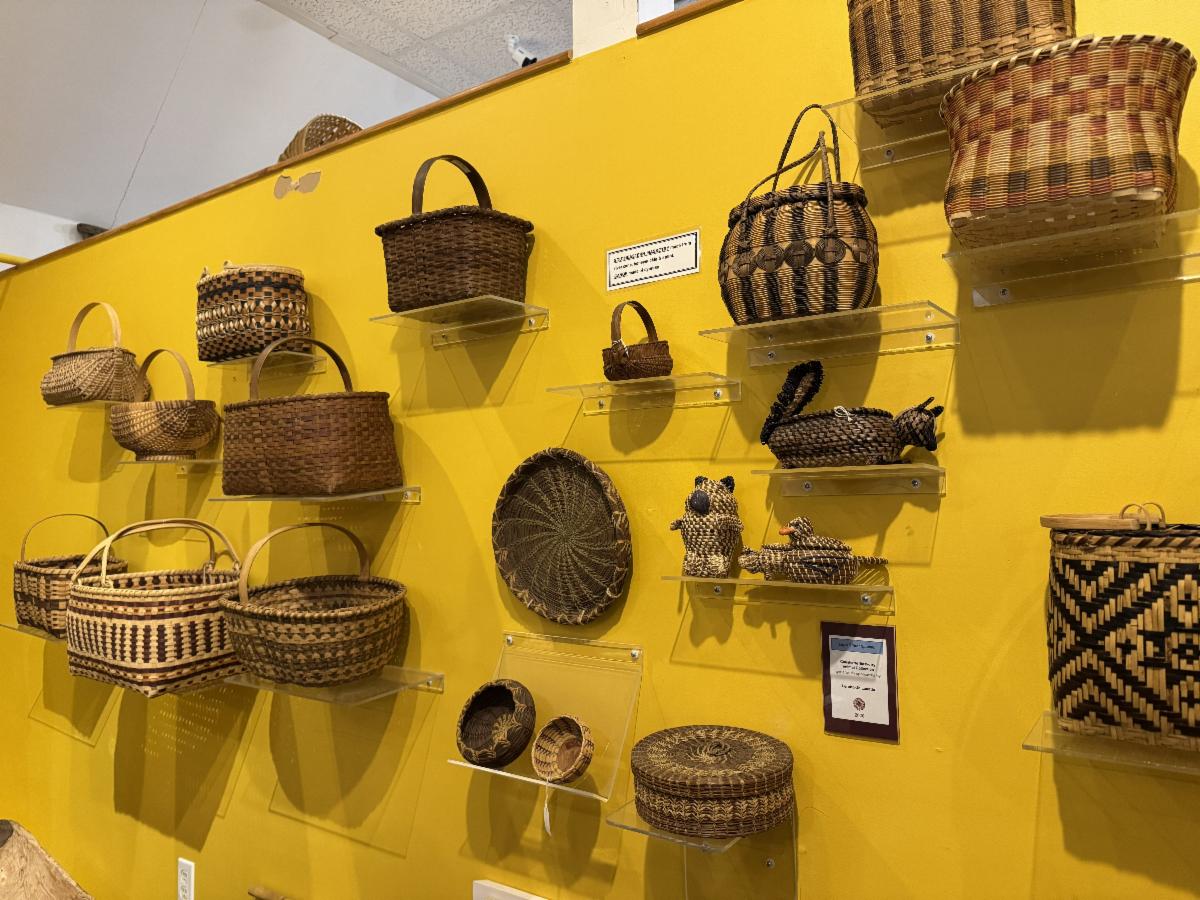
The land and lakes of the Sunapee Region are all part of N'dakinna, the traditional ancestral homeland of the Abenaki, Pennacook, and Wabanaki peoples past and present. LSPA acknowledges and honors, with gratitude, the alnôbak (people) who have stewarded the aki (land) and nebi (water) of N'dakinna throughout generations. We encourage all who reside in N’dakinna to recognize Native American Heritage month by furthering their understanding of historical and contemporary Indigenous heritage and caring for the land and lakes with respect and appreciation.
Local Resources:
| | Join the LSPA Team: Now Hiring a Development Director | | Click here to learn more and apply. Please share this opportunity with anyone in your network who may be interested in joining the LSPA team! | | Support the Future of the Lake Sunapee Watershed | | | | |
Looking for a meaningful way to support the Lake Sunapee Watershed? LSPA’s Giving Tree offers ways to give. Your generosity directly help protect the places we all cherish.
Make a donation online to support LSPA’s work, from planting native vegetation and monitoring water quality to preventing invasive species and inspiring the next generation through environmental education.
Every contribution helps advance LSPA’s mission to preserve and enhance the environmental quality of the Lake Sunapee Watershed.
| | Protect What You Love - Join LSPA's Legacy Society | | |
The LSPA Legacy Society recognizes those who have chosen to include LSPA in their estate plans.
Learn how you can protect the Lake Sunapee Watershed for generations to come here.
| | | |
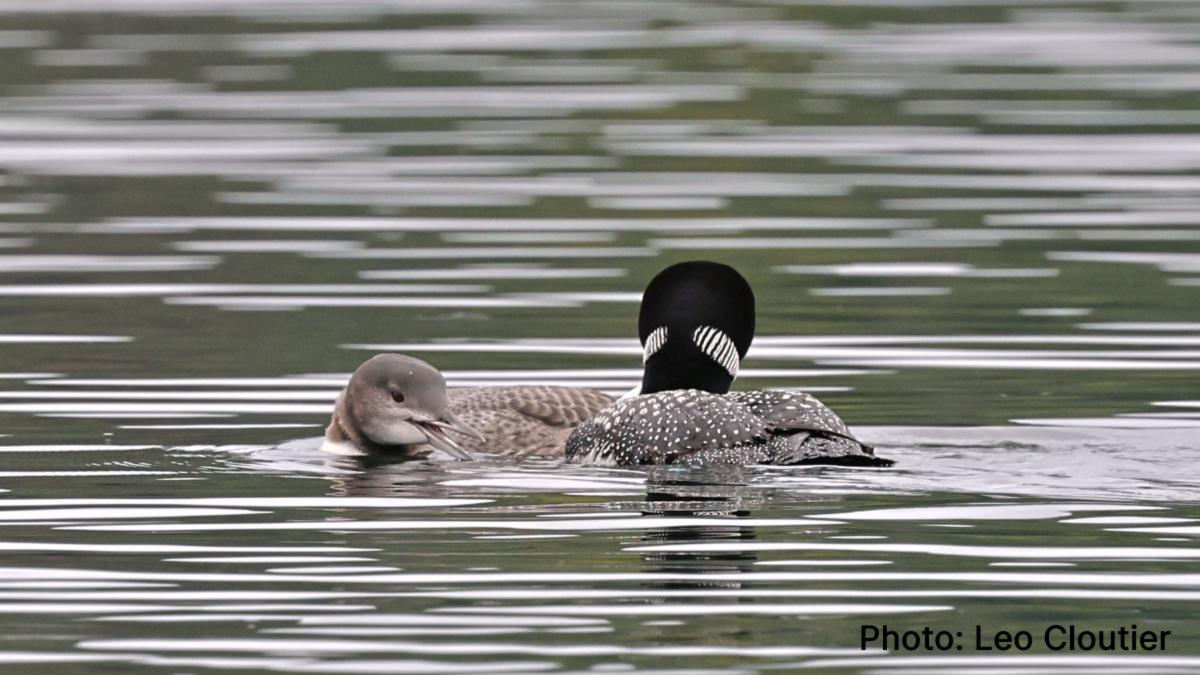
As of mid-October, both loon chicks on Lake Sunapee continue to do well! Only one adult has been seen with the chick in the northern end of the lake so we’re not sure if the other parent is still around. It’s not unusual, though, for the adults to leave the lake and head to their ocean wintering grounds in October or November. The chicks will fend for themselves, often staying on the lake until close to ice-in, before heading to the ocean where they will spend the next few years until they reach maturity.
If you get a close-up look at an adult loon at this time of year (with binoculars, of course!), you may notice that it’s starting to molt into its winter plumage. It begins with the feathers around the base of its bill, followed by the feathers on its head, body and tail. The flight feathers are generally not replaced until loons are on the ocean, when they drop all of them at the same time. However, in recent years, some loons have stayed for too long on our lakes due to warmer winter temperatures, and have started their wing molt, leaving them stranded when the lakes begin to freeze over.
Please let us know if you see large groups of loons together on the lake this fall or any other interesting sightings.
| | Enjoy Lake Sunapee's Loons All Year Long! | | | | |
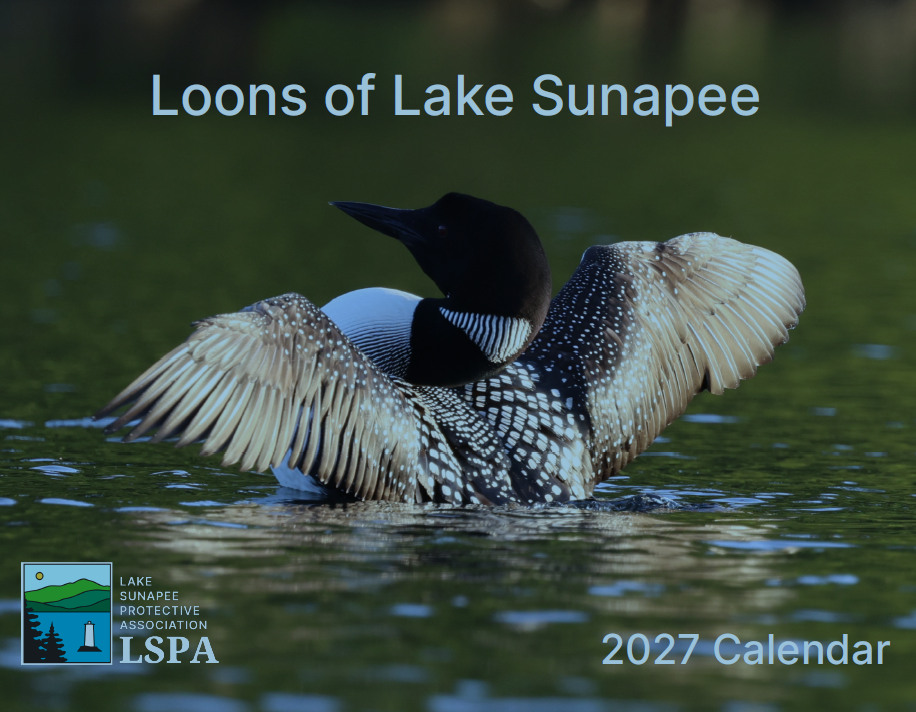
Don’t you wish you could enjoy Sunapee’s loons all year long?! Well, guess what – we have completed a 2027 Loon Calendar, which will be available to purchase by mid-November at The Center for Lake Studies (63 Main Street, Sunapee Harbor) for $20!
It features photos taken this year on Lake Sunapee by Leo Cloutier and includes an educational tidbit each month! Calendars make great teacher or hostess gifts so make sure to get some before they sell out!
| | Mount Sunapee Wastewater System: Meeting Follow-up and Next Steps | | |
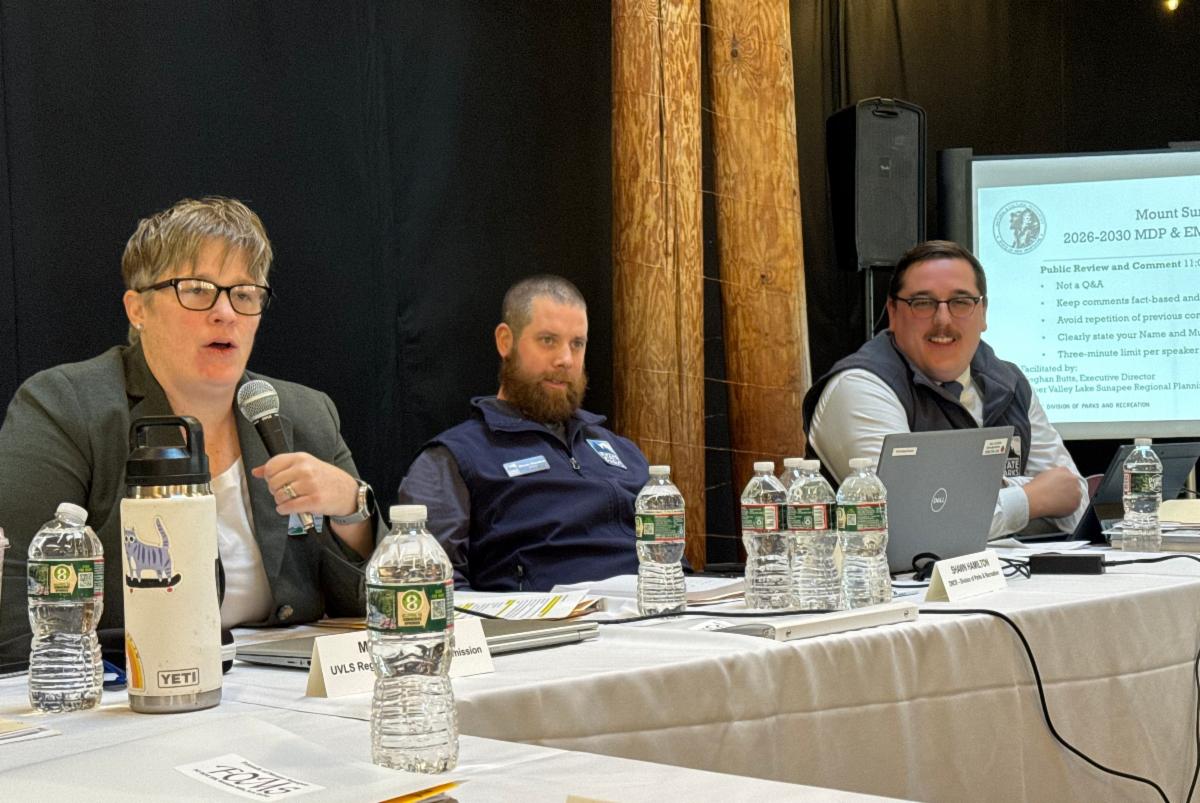
Thank you to everyone in our community who attended the October 20 Mount Sunapee Advisory Commission Meeting. Your participation continues to be an important part of these collaborative discussions. It was clear from the thoughtful comments and discussion that we all share a common goal: being able to enjoy the recreational opportunities that we all value, while also ensuring the protection of the natural resources we care about - including Lake Sunapee and its watershed.
During the meeting, the Mount Sunapee Advisory Commission reviewed and discussed Mount Sunapee Resort's five-year Master Development Plan (MDP) and Environmental Management Plan (EMP). We also reviewed the first technical memorandum from Weston and Sampson, the engineering firm hired to conduct the feasibility study to inform the appropriate next steps to address the outdated wastewater treatment system.
The public hearing portions of the meeting provided opportunities for insightful community input. We appreciate our LSPA members and our local representatives who spoke eloquently about issues we all care about deeply. DNCR will continue to accept written comments until November 3 and has committed to summarizing and responding to all comments raised in the meeting. We appreciate DNCR’s continued commitment to transparency and public engagement. Submit public comment here.
| | |
LSPA has made two key requests regarding the five-year plans:
1) That specific language be incorporated into the plans regarding the implementation of the findings from the wastewater feasibility study
AND
2) That a comprehensive sub-watershed management plan be developed and implemented
Details of these requests are in LSPA's letter to DNCR regarding the 2026 - 2030 MDP and EMP.
During the October 20 meeting, we received confirmation that both of our requests would be addressed in the revised plans. DNCR Commissioner Adam Crepeau confirmed that the language we requested regarding the wastewater treatment study would be incorporated into the final revised versions of the five-year plans. General Manager of Mount Sunapee Resort, Sue Donnelly, also committed to working with DES and LSPA to develop a detailed and actionable sub-watershed management plan. We look forward to continuing these collaborative efforts.
Next Steps:
The MSAC will meet again in December to review the additional feasibility study reports from Weston and Sampson that are expected to be completed by the end of November. These findings will inform the next steps in efforts to modernize the outdated wastewater treatment system.
Thank you for being an important part of a community that cares deeply about the lands and waters that make the Sunapee Region so special!
We will continue to provide updates as we learn more.
| | A Banner Year for Watershed Wise! | | |
LSPA's Watershed Wise program offers free, confidential recommendations to property owners about how to protect the water quality of streams, lakes and ponds within the Lake Sunapee Watershed.
Over the past year, we spent time revamping the program and our efforts really paid off! We shortened the questionnaire, while keeping the educational focus. We also restructured our website to make it easier for homeowners to find resources they need to address erosion issues on their property that may impact water quality. We have created a separate page with best practices for different areas of a property including driveway & parking areas, buildings and structures, recreational areas, and the waterfront area, if applicable.
| | |
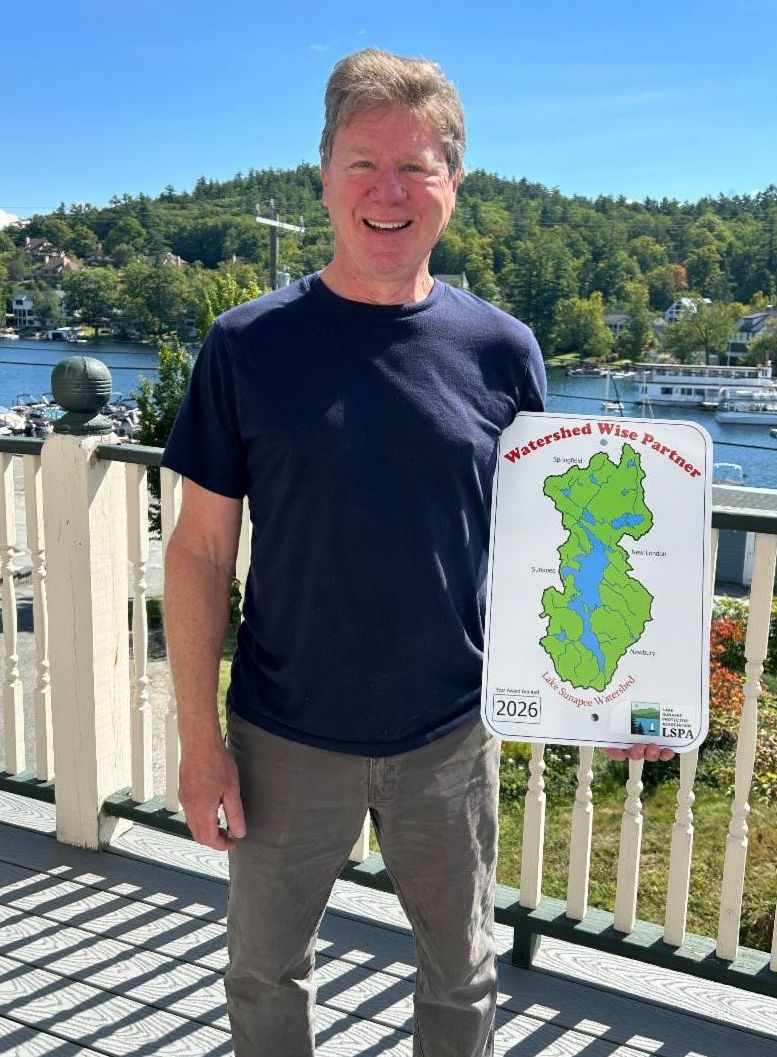
In 2026, a total of 35 property owners completed the updated online questionnaire, and LSPA staff conducted 28 onsite visits, which is more than triple the number we had in 2025! A few additional visits were unable to be scheduled this year, so we look forward to visiting those properties in 2027!
When homeowners take action on their own property to protect water quality, our whole community benefits from their efforts!
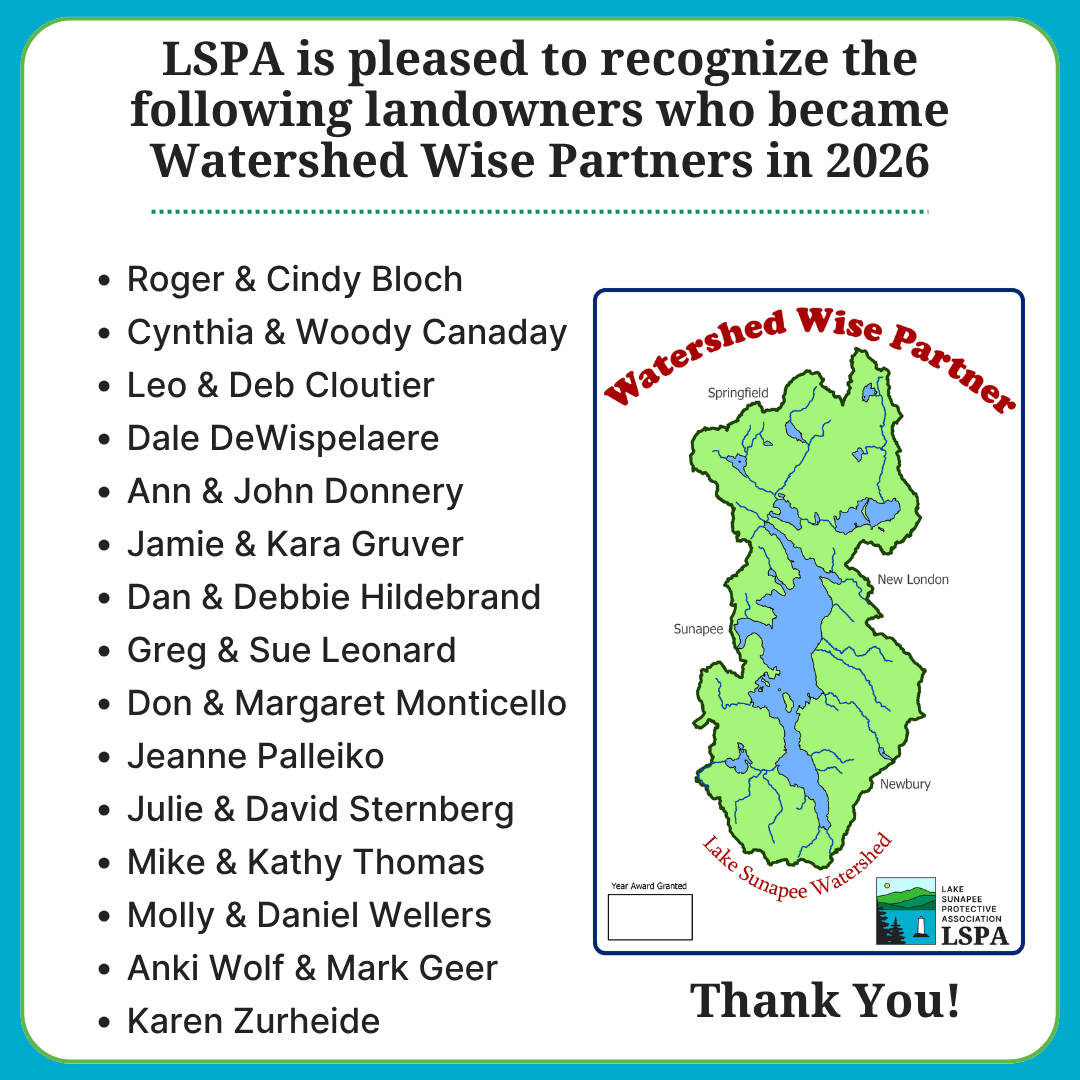
Congrats to our 2026 Watershed Wise Partners and thank you for your commitment to protecting our watershed!
| | Property visits have concluded for the 2026 season, but if you are interested in becoming a Watershed Wise partner, please fill out our Watershed Wise questionnaire and a staff member will follow up to schedule a free site visit for the Spring of 2027. | | Don’t Add Nutrients to Our Lakes by Mistake! | | |
Dumping leaves into lakes adds nutrients to the water, feeding algae and cyanobacteria.
If you're doing a fall clean-up, try this instead:
- Compost your leaves to create enriched soil to use in future years
- Rake leaves into flower beds and around shrubs—this will protect them during the winter
- Leave the leaves or pile them in forested areas
Leaves protect the soil from erosion during freeze/thaw cycles and from snow melt and rainstorms. They also insulate plant roots, thereby protecting your plants, and provide critical habitat for overwintering wildlife.
Learn more about best practices for landscaping and recreational spaces here.
| | |
Are you taking your dock out this fall?
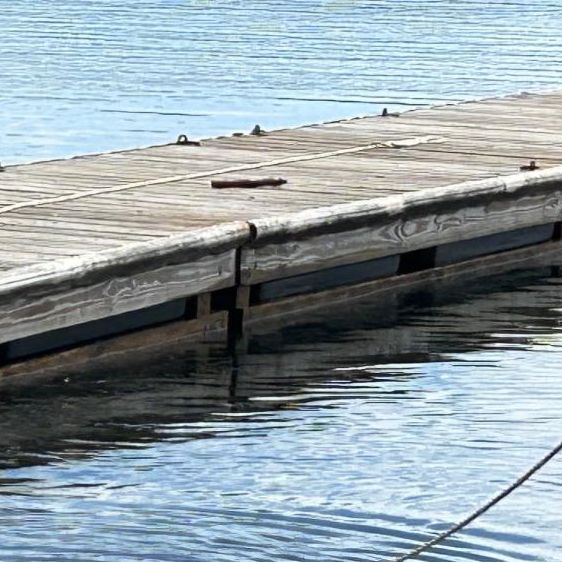
If you're taking your dock out for the winter season or making repairs this fall, now is a great time to consider switching to encapsulated foam to protect our lakes. Unencapsulated foam can breakdown when waterlogged or from prolonged exposure to sunlight and it is often found floating in the water or washed up on shore.
While, polystyrene is banned in some parts of the country, there are no state or local bans in New Hampshire. There are alternatives, like encapsulated foam, which help protect the environment and save homeowners money as it lasts longer.
| | |
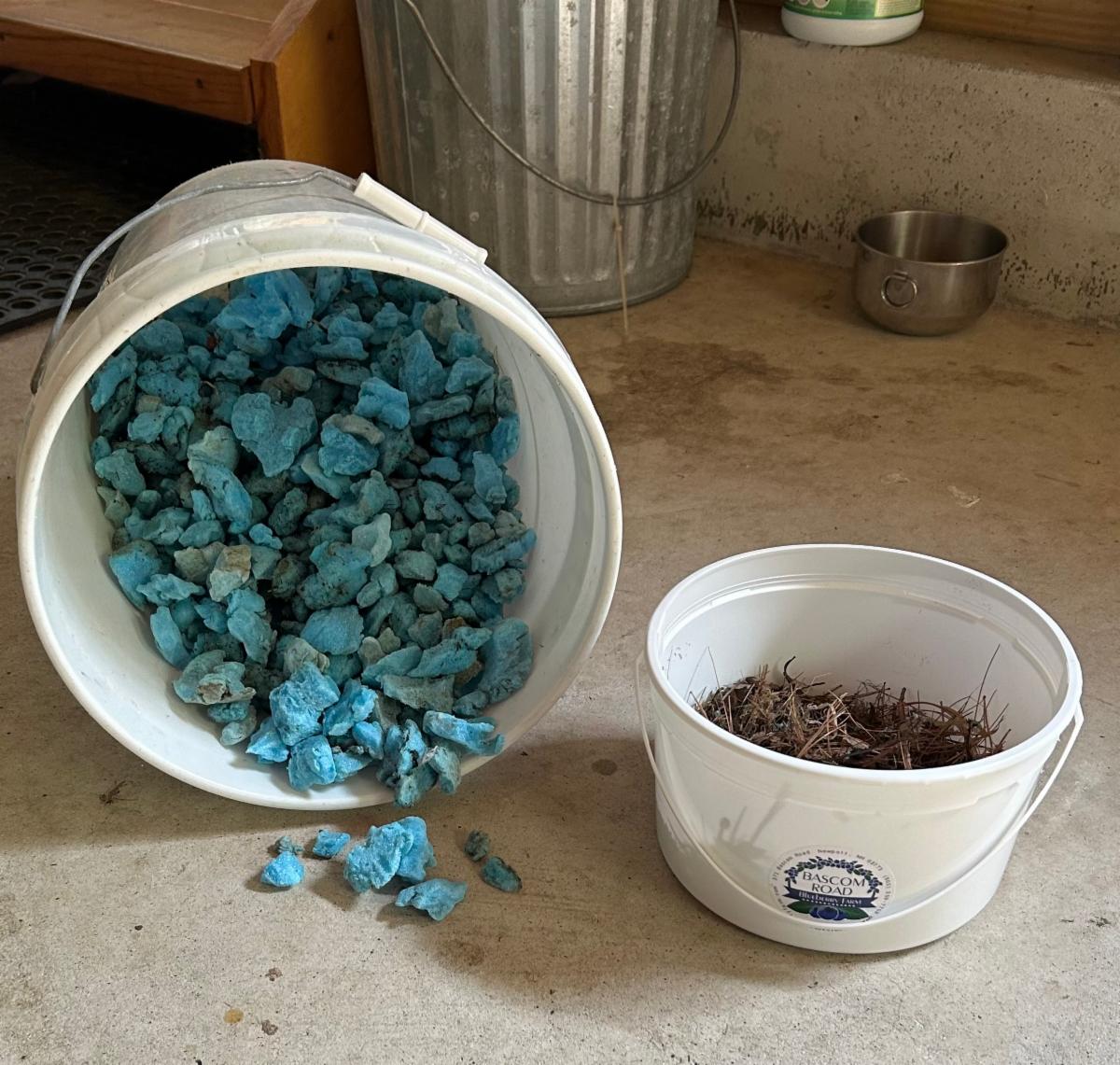
In the photo on the left, you can see small pieces of blue foam that were collected along the shore of Lake Sunapee. The dock on the right once used blue foam for flotation, but it was replaced with encapsulated foam last spring. Burkehaven Boat Club, who owns the dock, is planning to replace the blue foam in their other docks in the coming year. This is a great example of how switching to encapsulated foam can help reduce pollution and protect our lakes.
Photo of blue foam in a bucket by Norm Dalton
| | | | |
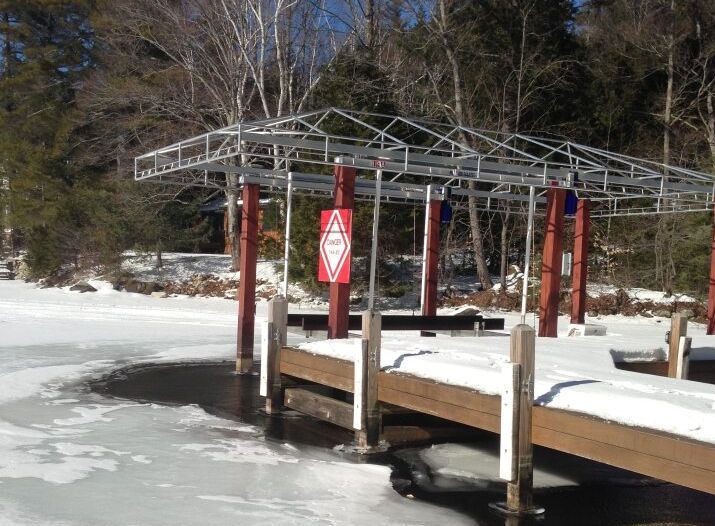
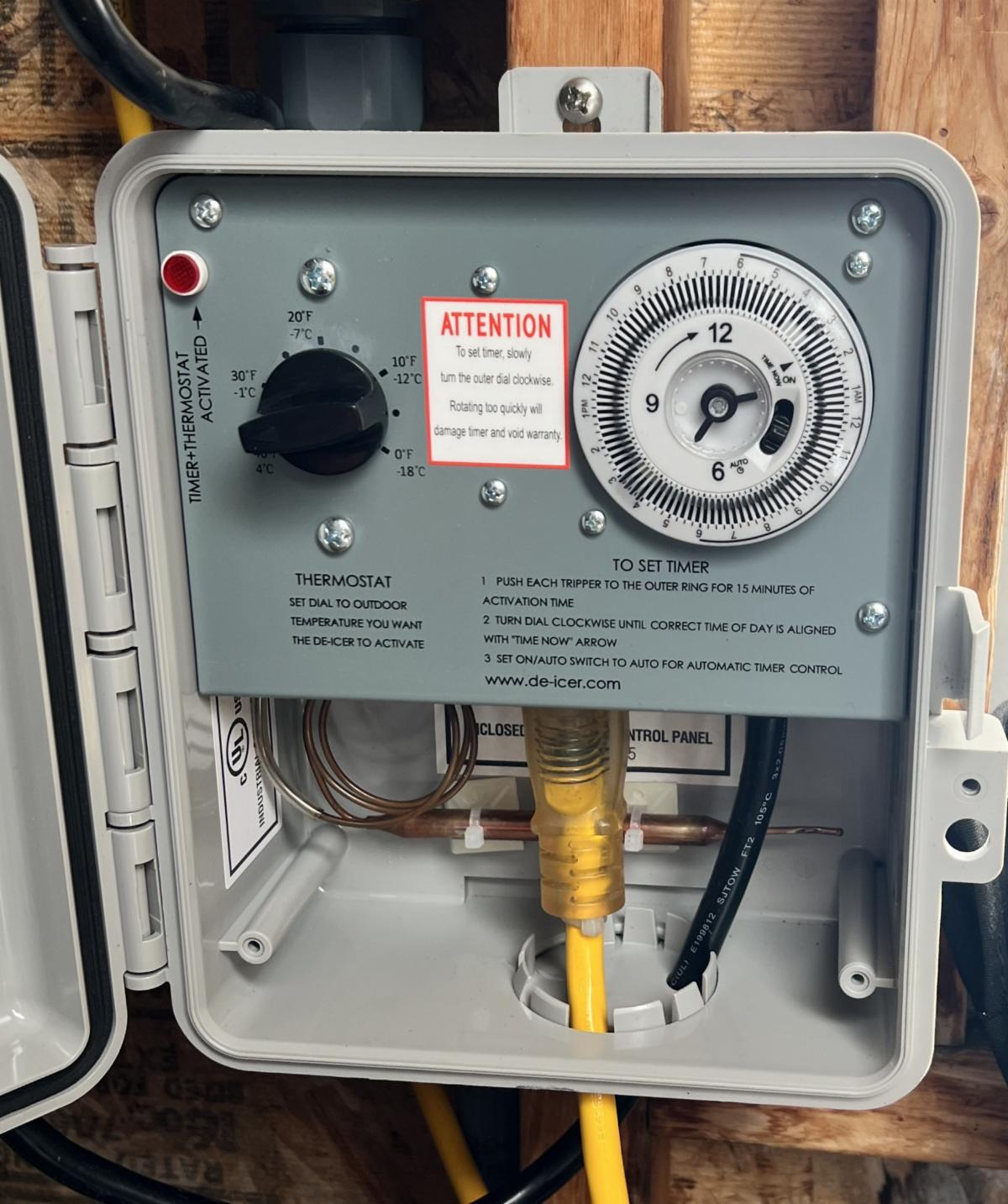
Are you or your property manager installing a dock de-icer?
Minimize your impact on water quality and recreation this winter by:
- Using an appropriately sized de-icer, a timer and thermostat to minimize the ice-free zone around your dock
- Setting timer and thermostat to operate de-icer only a few hours a day when air temperature falls below 32° F.
- Routinely checking the device to make sure it is operating correctly
- Installing the required “Danger Thin Ice” warning signs– it’s the law!
Learn more about the proper use of dock de-icers here.
| | Professional Workshops at LSPA - Salt Tea & Snowfighters' Seminar | | |
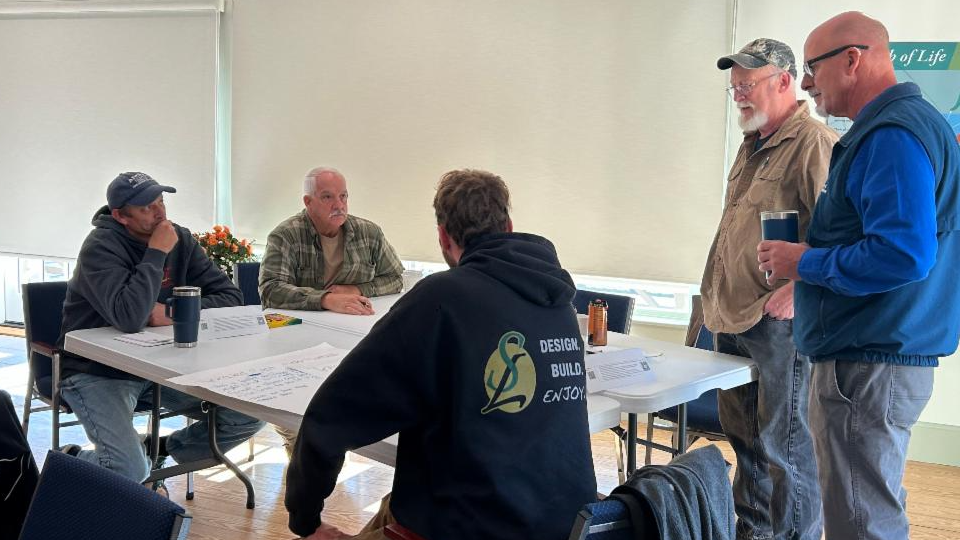
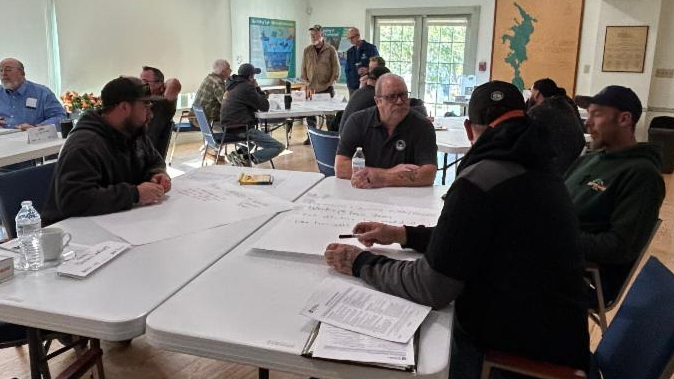
Road salt is an issue LSPA is very concerned about, as chloride levels are rising in our lakes and ponds, which can harm lake ecosystems and make cyanobacteria blooms more likely to occur. We hosted two workshops in October led by the UNH Technology Transfer Center (UNH T2) which provided contractors and municipal employees with the tools they need to keep our roads and walkways safe while also reducing their impact on our water resources.
During the half-day Salt Tea event, contractors and municipal employees learned about liquid de-icers, treated salts and other materials to help reduce their chloride usage in winter operations. At the full day Snowfighters' Seminar, instructors discussed challenges faced with winter road maintenance, safe and defensive driving basics, materials and technology currently being used, application rates, and other topics.
| | |
Here's what you can do on your property to reduce your impact to water quality:
- Use chloride-free ice-melting products
- Shovel and scrape regularly to minimize the need for salt
- Apply sand or ashes only where needed for traction
- Apply ice-melting products sparingly
- Support snow plow contractors who are Green SnowPro certified
To learn more visit our road salt webpage.
| Upcoming EPA Webinar: The Economic Benefits of Protecting Healthy Watersheds | | |
Tuesday, December 1
1:00 PM
Click here to register
How does protecting our watersheds benefit local economies? Join the December 1 webinar to learn about the economic returns of watershed protection, featuring findings from the EPA’s April 2026 fact sheet, The Economic Benefits of Protecting Healthy Watersheds.
| | Collaboration & Community Science | | Lake Turnover at LSPA's Water Quality Buoy | | |
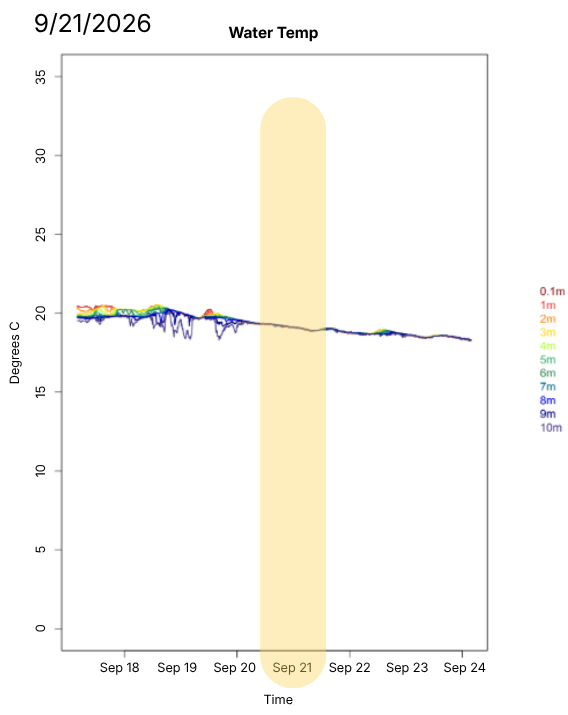
On September 21, turnover occurred in Lake Sunapee at LSPA's Water Quality Buoy! This fascinating phenomenon happens in freshwater lakes from Summer to Fall and from Winter to Spring, where the entire volume in the lake is mixed by wind and density.
But how does this work?
Have you ever noticed that the deeper you swim in a lake in the summer, the colder it gets? That’s thermal stratification (distinct and separated layers of water)! So during the summer, the epilimnion, or the surface layer, is the warmest, and the deepest layer, the hypolimnion, is the coldest. When the surface water cools, it becomes denser, causing it to sink, forcing the hypolimnion to then rise, “turning over” the layers. Monitoring these seasonal changes helps us better understand what’s happening beneath the surface of Lake Sunapee.
LSPA’s Water Quality Buoy was upgraded in 2024 thanks to a generous donation from the Calhoun Family, whose support also helps fund LSPA’s partnership with Virginia Tech. Through this partnership, we can better understand seasonal changes in Lake Sunapee, including fall turnover.
The graph below shows water temperature recorded by the buoy’s sensor 10 meters below the surface. By comparing temperatures at different depths, scientists can identify when the lake reaches a similar temperature throughout the water column, signaling that turnover has occurred.
LSPA's Water Quality buoy's impact extends far beyond Lake Sunapee. Its data are shared through the Global Lake Ecological Observatory Network (GLEON), connecting LSPA’s monitoring efforts with lake scientists around the world. These measurements contribute to global research that advances our understanding of lake ecosystems and how they respond to environmental change.
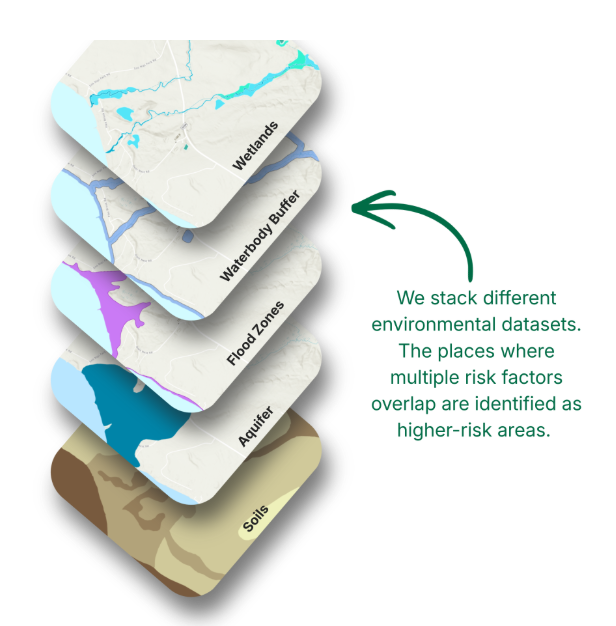
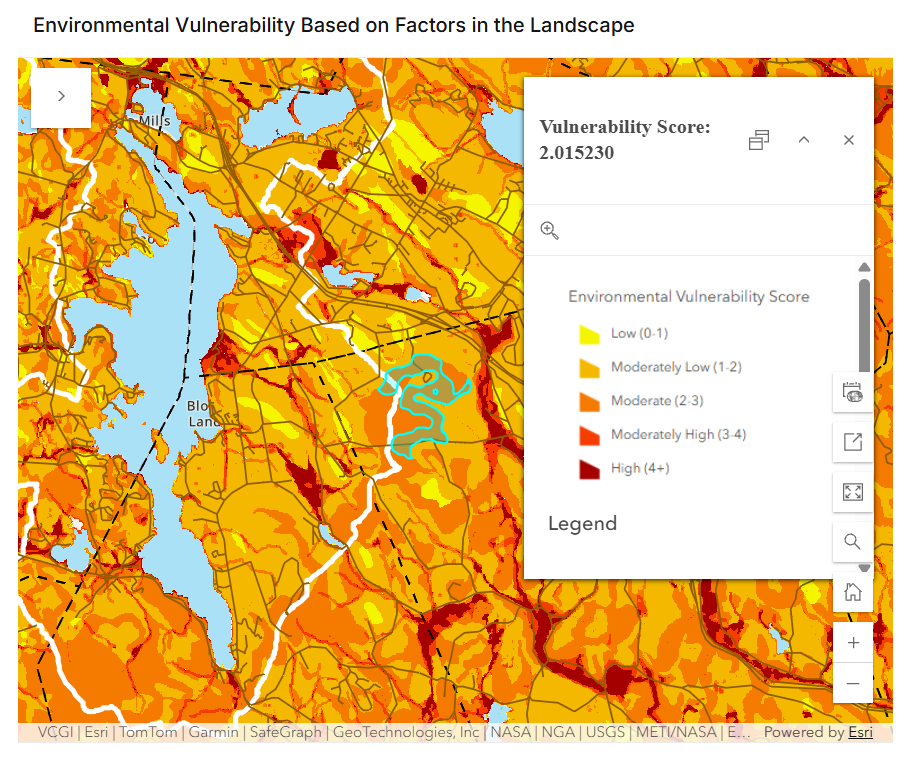
| | | Mapping Septic Vulnerability In Our Watershed & Beyond | | | | Over the course of the summer, LSPA's Science Program Coordinator, Alyssa Spencer, and Burkehaven Fellow, Maren Elvidge, created two digital maps for you to explore on our website! Calculated for the watershed and beyond, these mapping and data inventory tools help visualize areas where pollution from a potential failed septic system in that area is most likely to occur, or where it would do the most damage if it occurred. | | |
These two maps show the vulnerability of the landscape to failed systems based on the following environmental factors:
- Soil characteristics
- The presence of wetlands
- The presence of highly transmissive aquifers
- The presence of flood zones
- The distance to streams and lakes
This project helps LSPA and watershed towns:
- Identify areas where septic systems may be at higher risk for failure
- Prioritize outreach & education to landowners
- Support long-term watershed planning and protection
- Target areas where future funding or assistance will have the greatest benefit
- Promote collaboration with Town Health Officers and Town Officials
Click here to interact with these maps.
Join us on Thursday, November 5, for Burkehaven Fellow Maren Elvidge's presentation on this work. Click here to register.
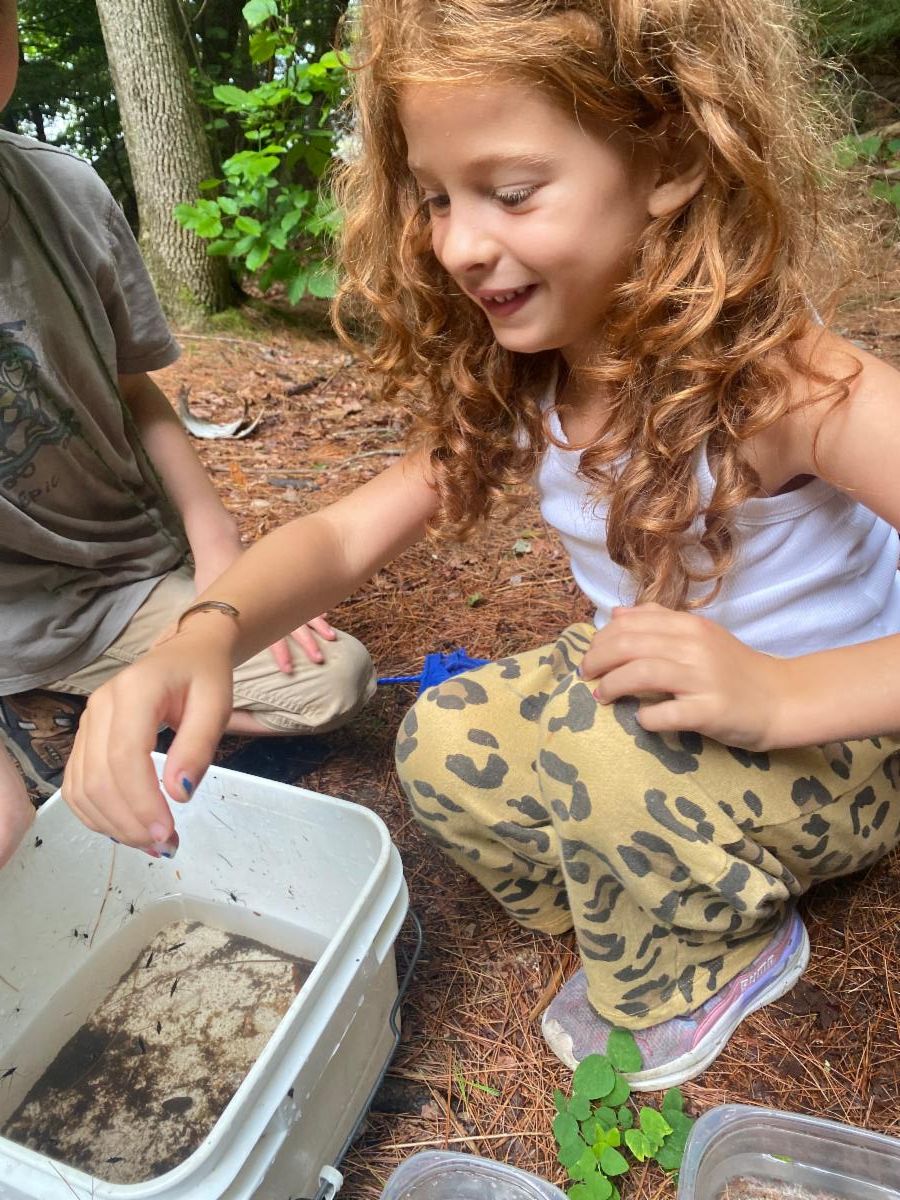
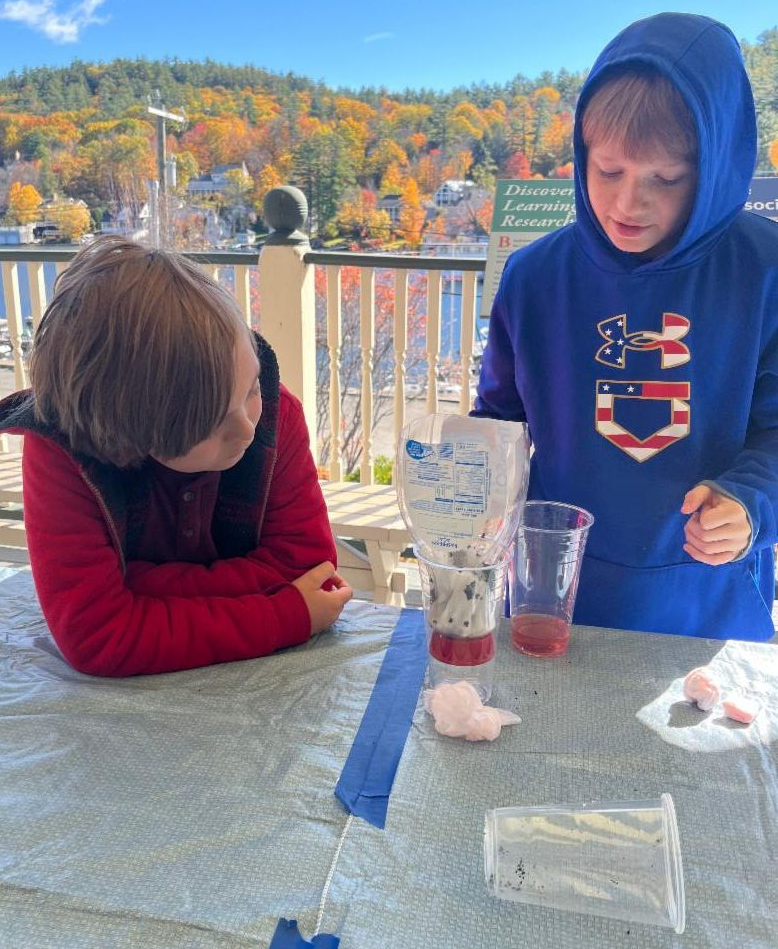
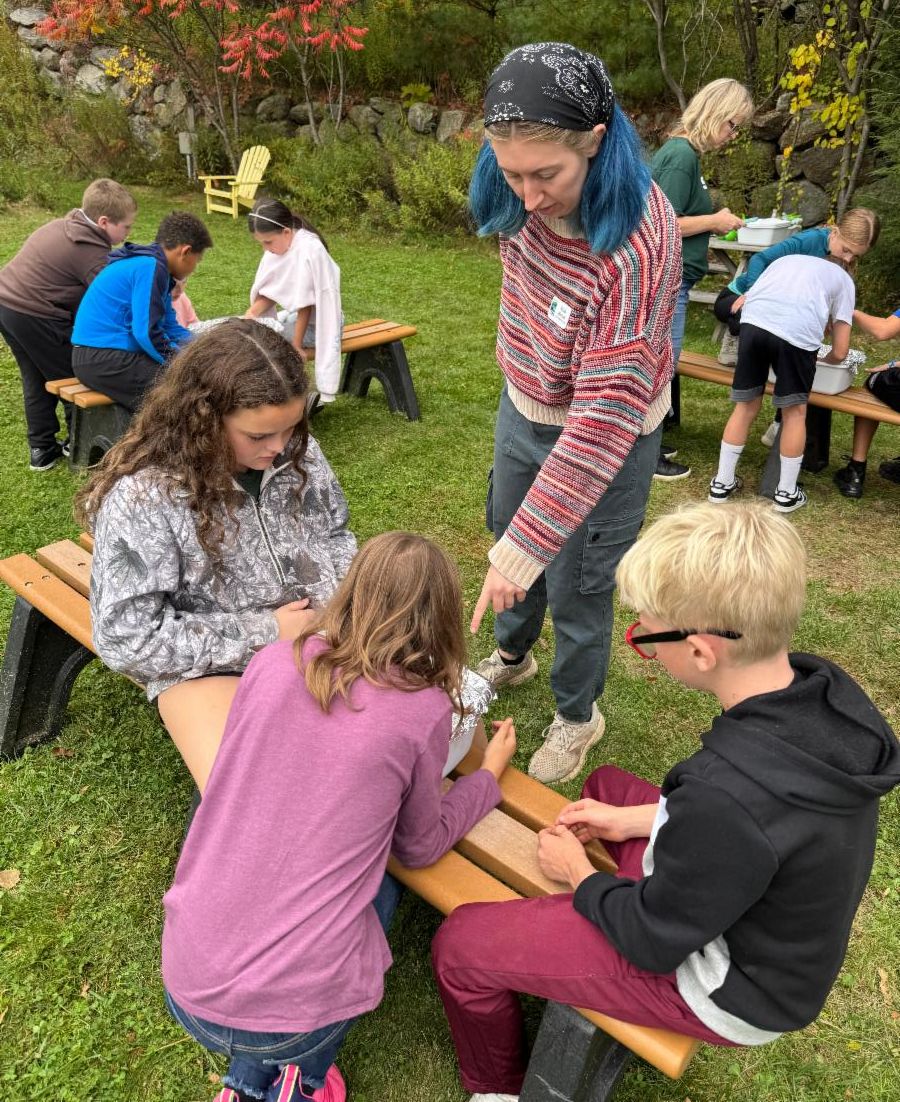
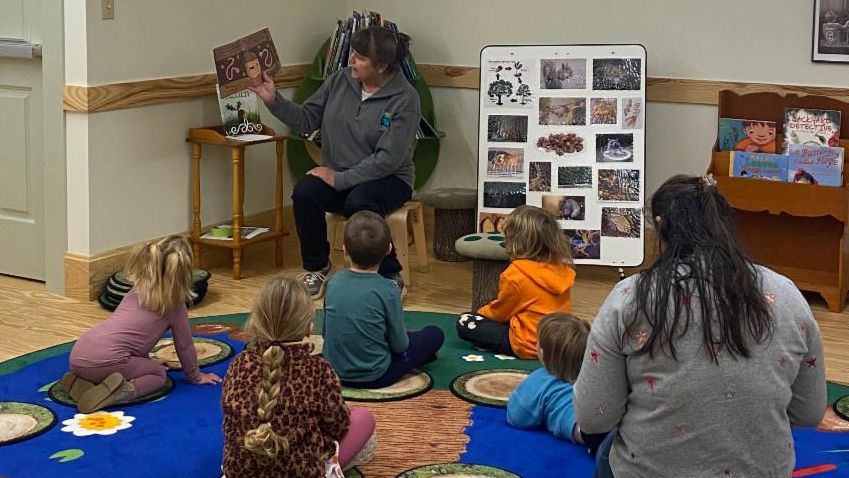
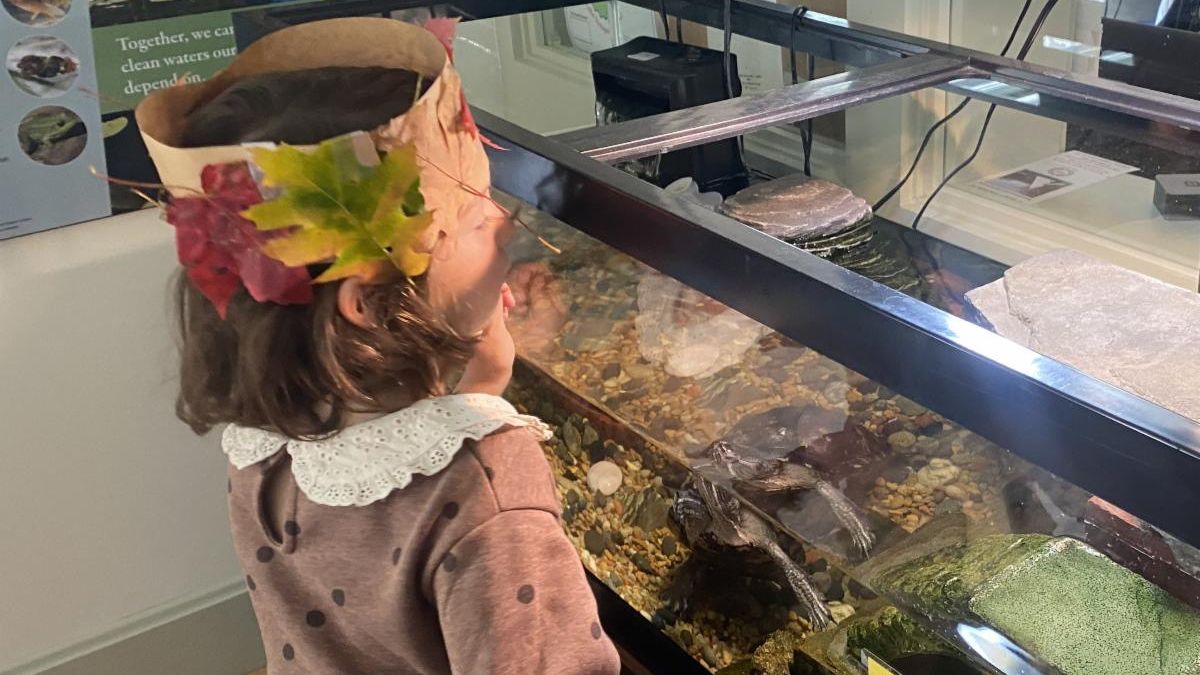
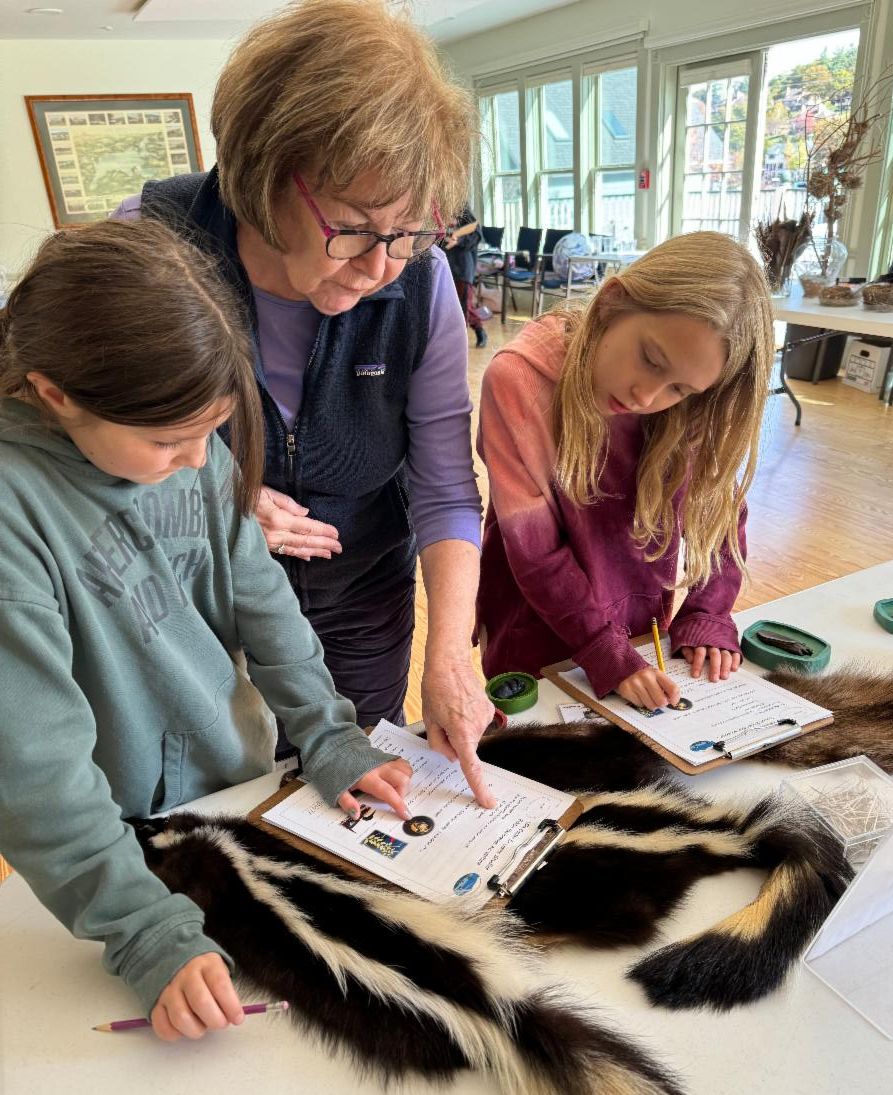
| | Education as a Foundation of Stewardship | | LSPA Environmental Education | | The Center for Lake Studies has been bustling with students from across the region, including 5th graders on their Watershed Discovery Days field trips. Students from Sunapee, Bradford, Simonds, and New London came to explore what makes up a watershed, the water cycle, how to design your own water filter, and to learn just how precious our resource of clean, fresh water is. All together there were 145 students over four days! | | | | | Every Watershed Discovery Day ends with students sharing something they learned; anything from figuring out that it takes more filters than expected to get clean water, experiencing that one water droplet can get stuck in the ocean for a long time in the water cycle, or that one thing we can do to protect loons is to not use lead tackle. Ending with a student-made “rainstorm” and a circle of smiles, they leave excited to share what they learned about watersheds and how to care for them. | | A special thank you to the MacKenzie Family, who donate every year to help fund Watershed Discovery Day field trips. This special donation is made in memory of Grant MacKenzie. | | Join us at Nature Exploration Story Time (NEST) for hands-on learning through sensory experiences, guided exploration, creative play, art, music, and story time! Designed for young children and their caregivers, each session explores a different ecological theme. This fall, we’ve explored the world of mushrooms (from cap to mycelium), sung about seed dispersal, and even got a little messy with pumpkin guts! In November, we’ll discover the busy work of beavers, say “later, loons!”, think small about the world of lichens, and talk like turkeys. Join us for nature-inspired fun on Tuesdays at 10 AM! Check out the November and December NEST schedule here. | | | Thank you Education Committee! | | |
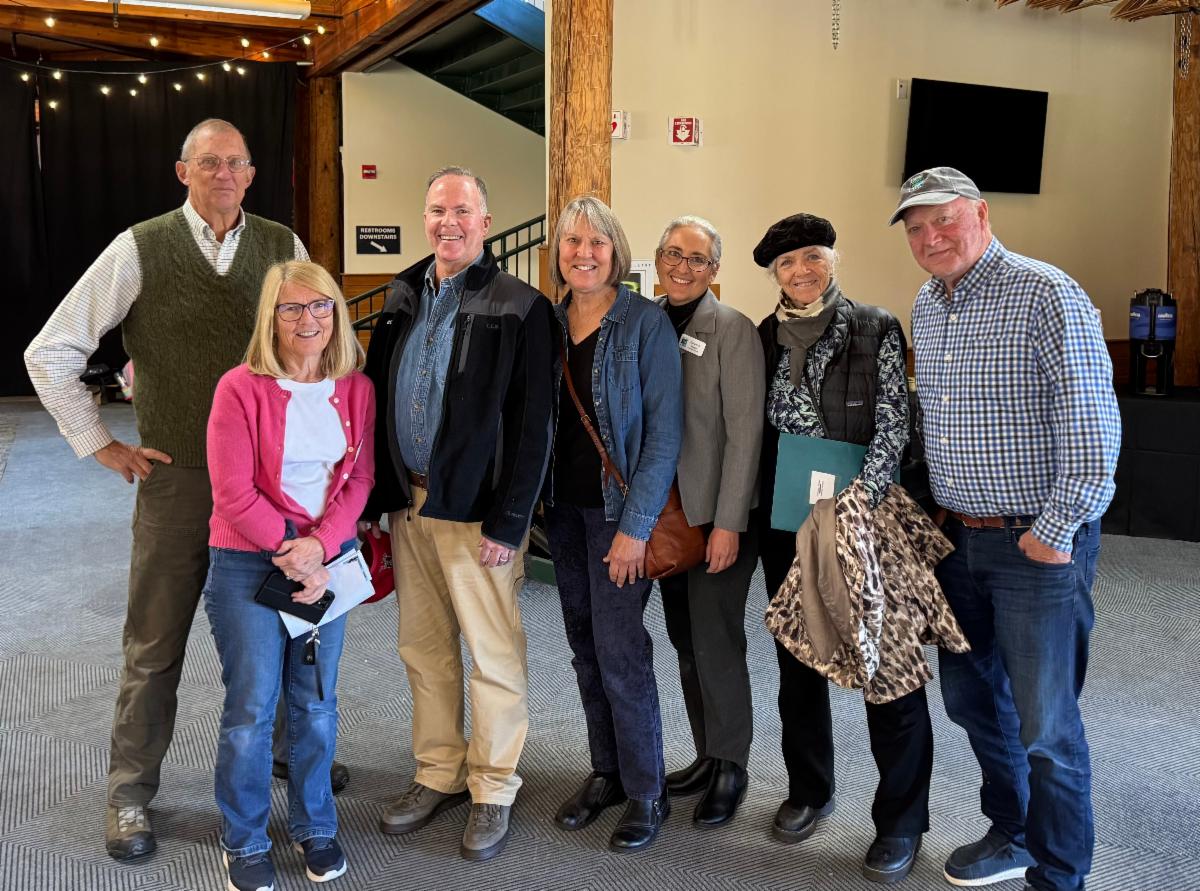
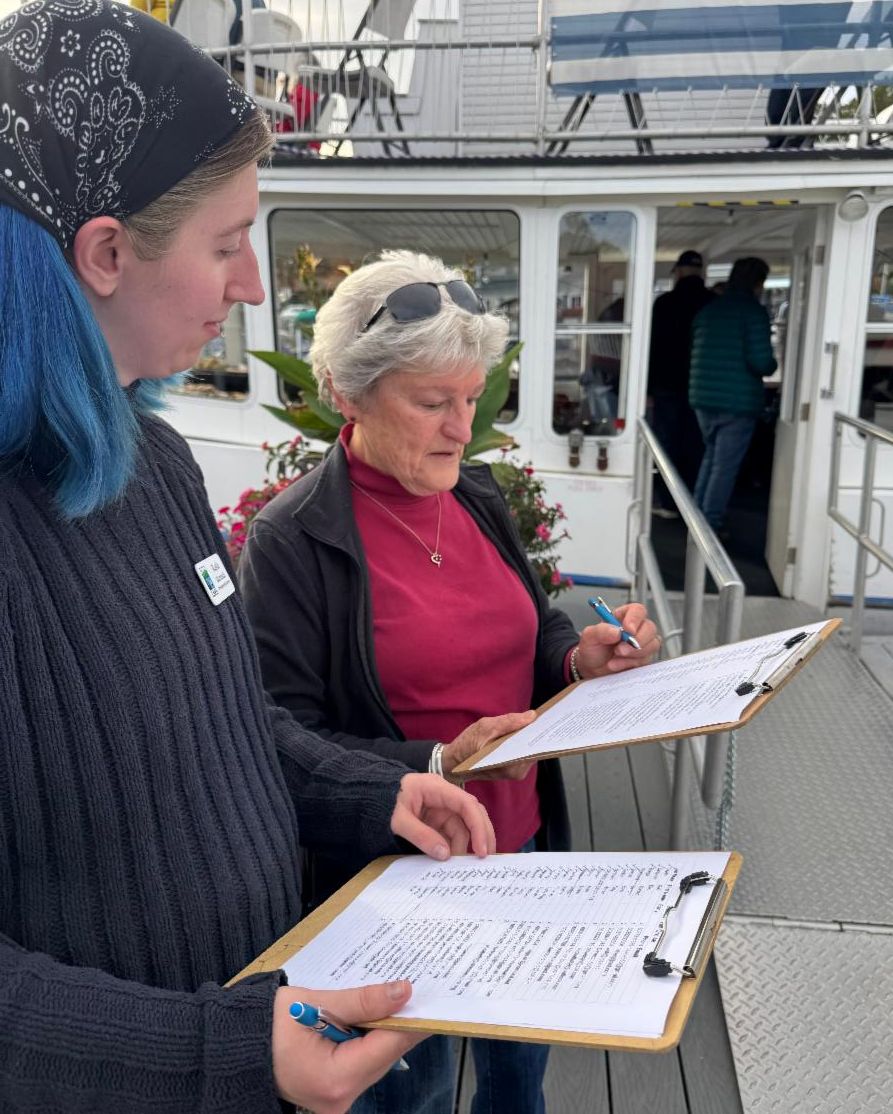
Throughout the year the LSPA’s Education Committee steps into any role needed to keep education programs running smoothly, and we’re always especially grateful for their time and commitment during the fall season. From providing a delicious buffet of snacks for our Full Moon Cruise fundraiser, to spending full days at the center helping with Watershed Discovery Day field trips, and all of the small details of planning and preparation in between. Thank you Education Committee for your continued support, teamwork, and for inspiring the next generation of environmental stewards.
If you would like to volunteer to help with education events, fill out our volunteer interest form!
| | | Invasive Species Prevention | | |
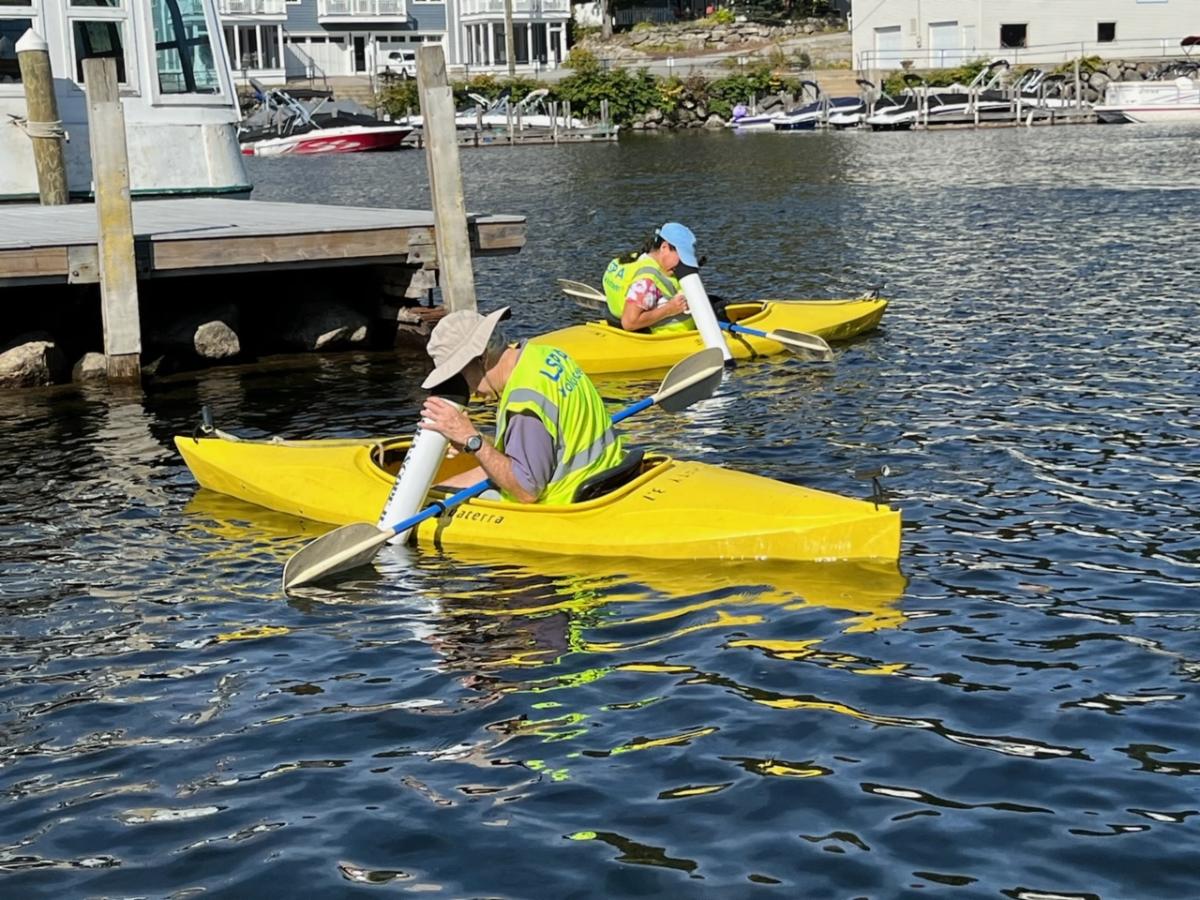
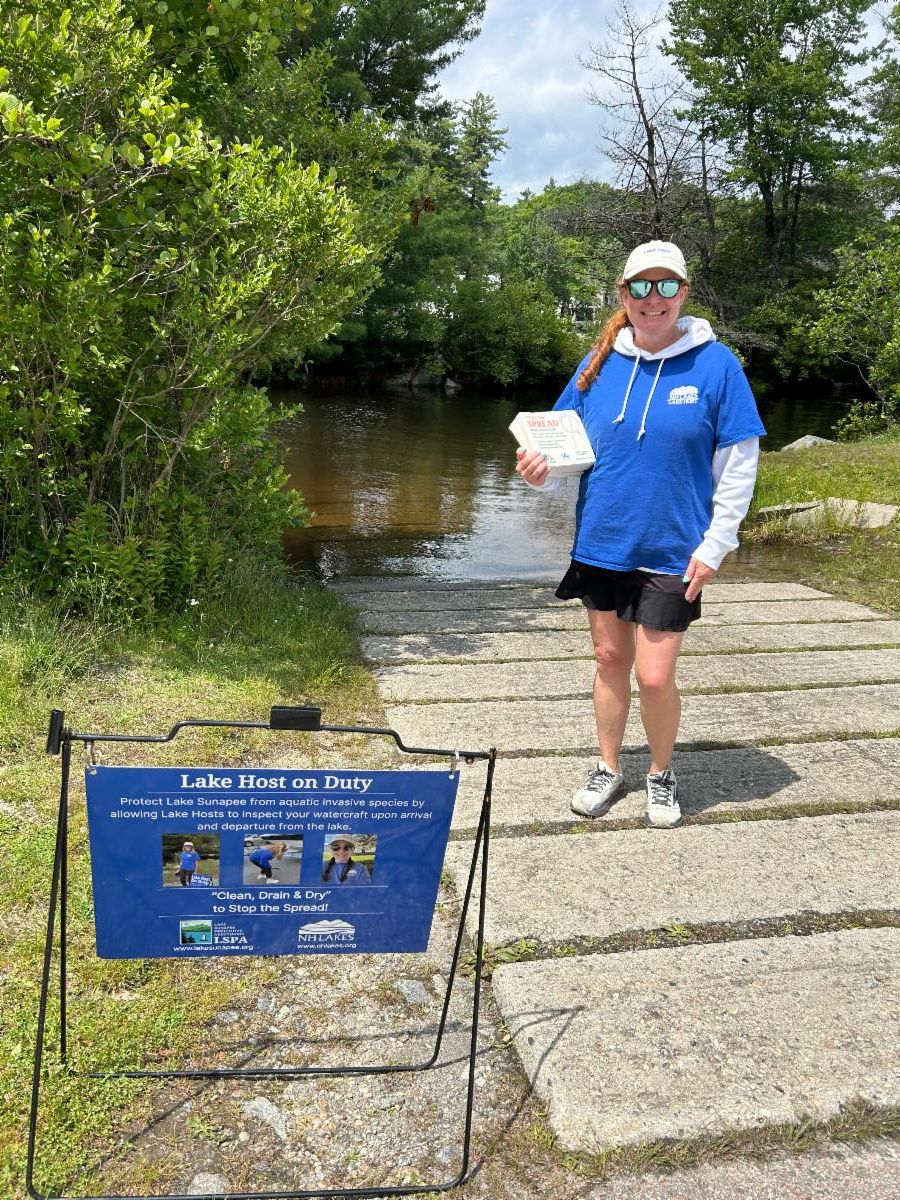
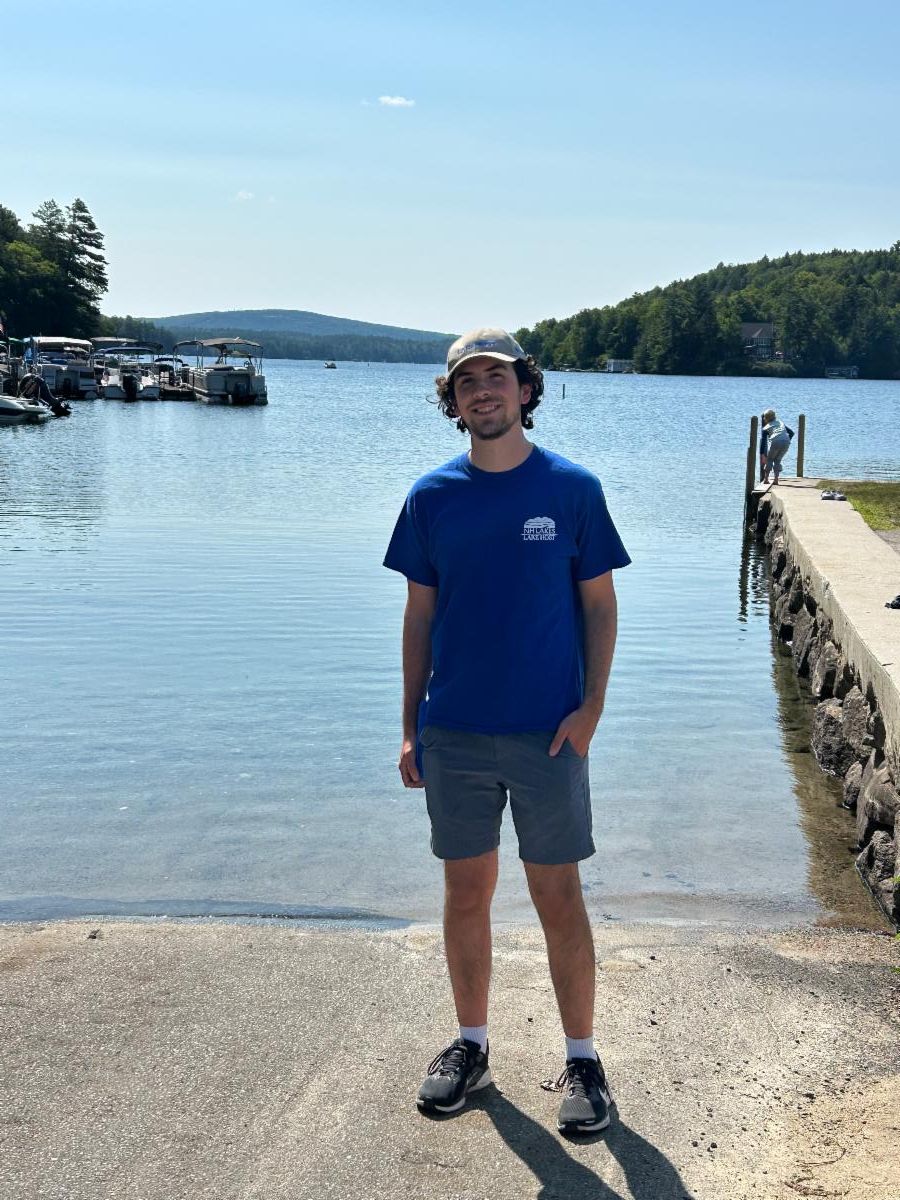
The Lake Host program, managed in collaboration with NH LAKES, provides complimentary boat inspections to check for and remove aquatic invasive species (AIS). Lake Hosts also educate boaters about preventing the spread of invasive species and the importance of Clean, Drain, & Dry practices for watercraft and gear between waterbodies.
This year, our team of Lake Hosts, which included 13 paid hosts and 3 volunteers, conducted over 5,200 inspections of boats arriving and departing from Lake Sunapee. They were stationed at all of Lake Sunapee's five ramps from May 15 continuing through September, with one additional shift on October 3. While hours and coverage vary by ramp, the three main ramps – Sunapee Harbor, Georges Mills and the State Park Beach – were staffed seven days a week from Memorial Day to Labor Day.
| | Lake Host Julie at the State Park Beach Boat Ramp. | | Lake Host Remi at the Georges Mills Boat Ramp. | | |
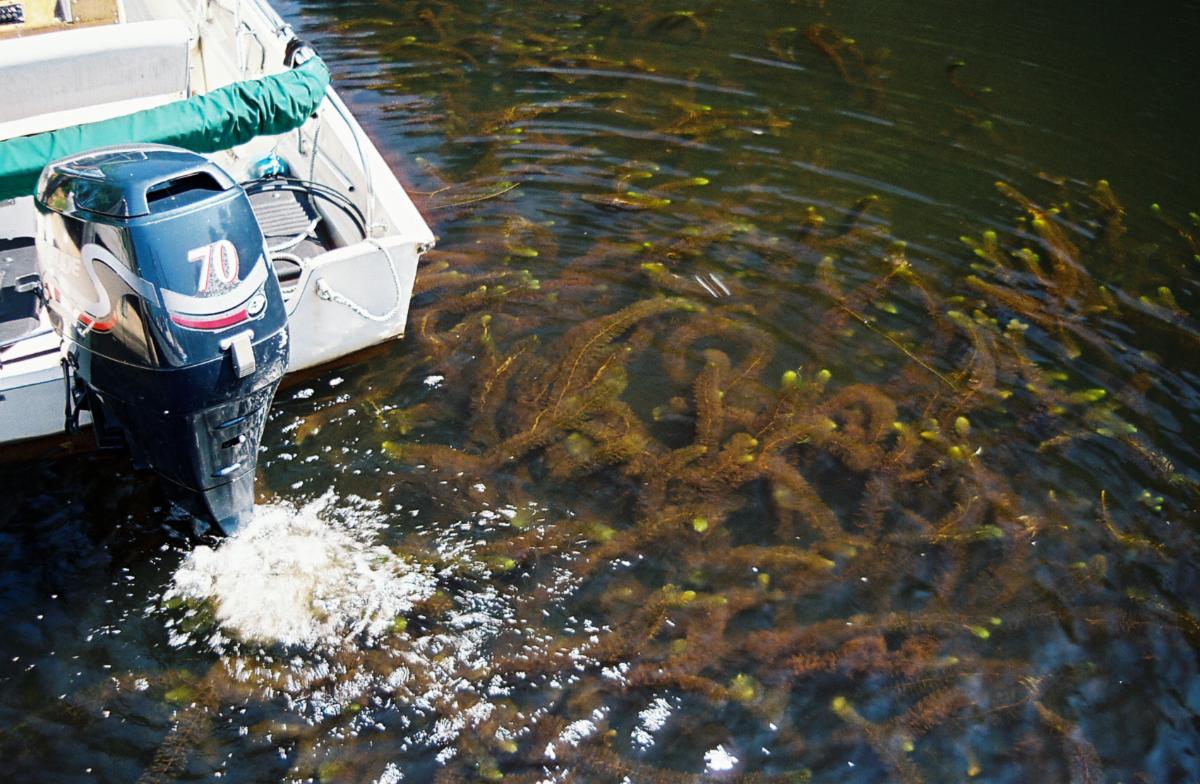
In early June, there was one save on Lake Sunapee when a Lake Host found a piece of invasive curly-leaf pondweed on a boat that was preparing to launch. Lake Hosts also collected and submitted a few other specimens found on boats or trailers, which turned out to be native species.
Statewide, there have been a total of 28 saves this year, 3.5 times the number in 2025. This illustrates the importance of the Lake Host Program in our watershed and throughout New Hampshire. It is the first line of defense against aquatic invasive species, and we are grateful to NH LAKES for their continued partnership and collaboration in delivering the program. We also greatly appreciate the financial contributions from the three waterfront towns surrounding Lake Sunapee for our invasive species prevention programs.
Together, we can protect our lakes and ponds and continue the fight against aquatic invasive species!
| | |
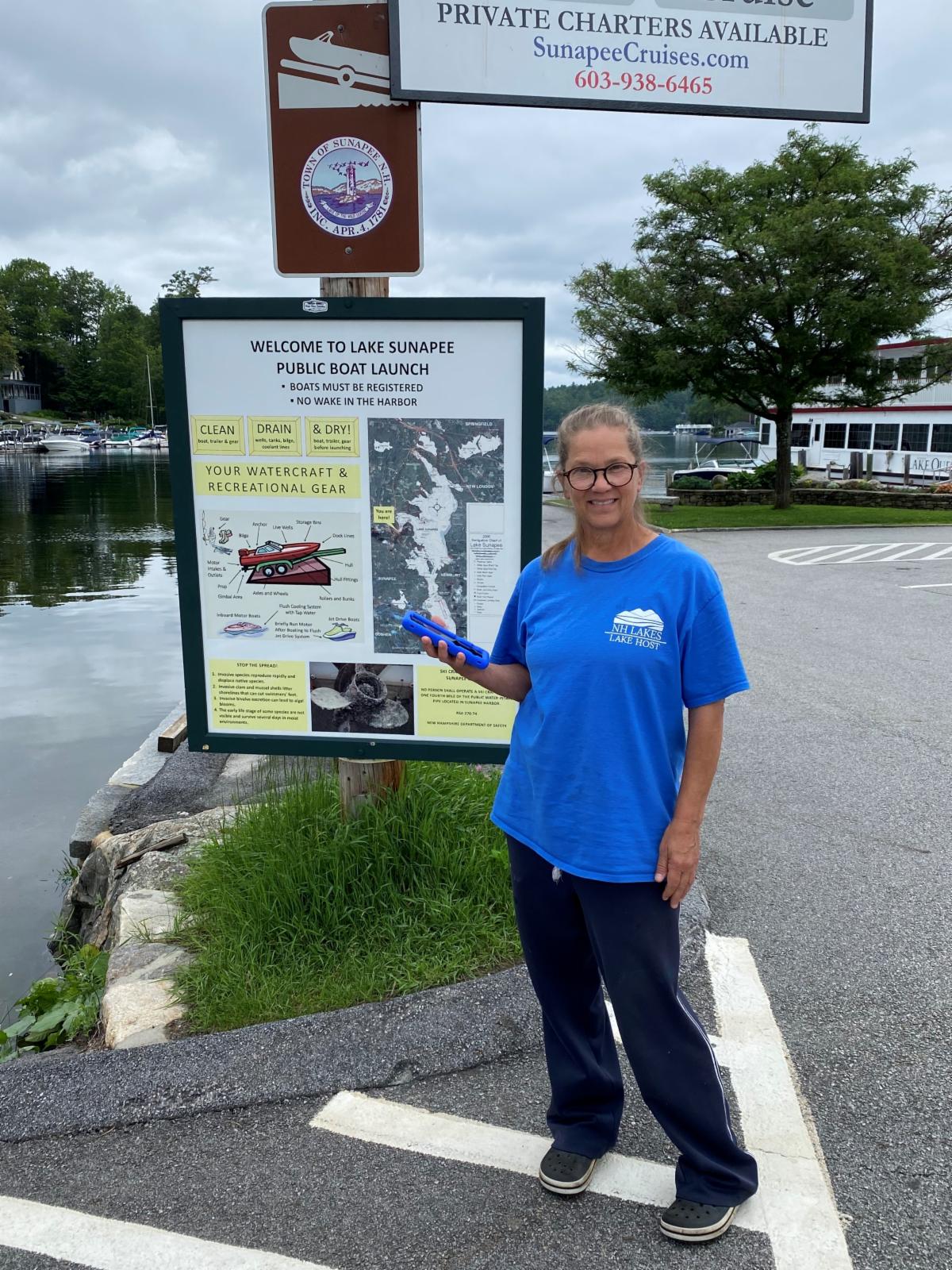
We were saddened to learn of the recent passing of Mary Ellen Wright who worked with us as a Lake Host from 2021-2025.
Our thoughts are with her friends and family during this difficult time. She will be missed!
| | Mary Ellen working at the Sunapee Harbor Boat Ramp. | | Participate in a Survey About Milfoil Awareness | | | | |
New England College student, Aidan McCarthy, is conducting a survey on public awareness of invasive species in New Hampshire as part of his research thesis project.
Please consider taking the survey! It takes less than 10 minutes to complete. Thank you for your assistance!
Take the survey here.
| | Vote Like Your Lakes Depends on It! | | |
Election Day is November 3. Read this op-ed by NH LAKES President Andrea LaMoreaux, who encourages New Hampshire residents to keep lake health part of the conversation with candidates this election season. Learn more through NH LAKES’ “Vote Like Your Lakes Depend On It” campaign, which provides resources to help voters ask candidates about issues affecting New Hampshire’s lakes. Our lakes are an important part of our communities and local economies—let’s keep their protection part of the conversation.
| | |
Stronger Stone Wall at LSPA's Center for Lake Studies
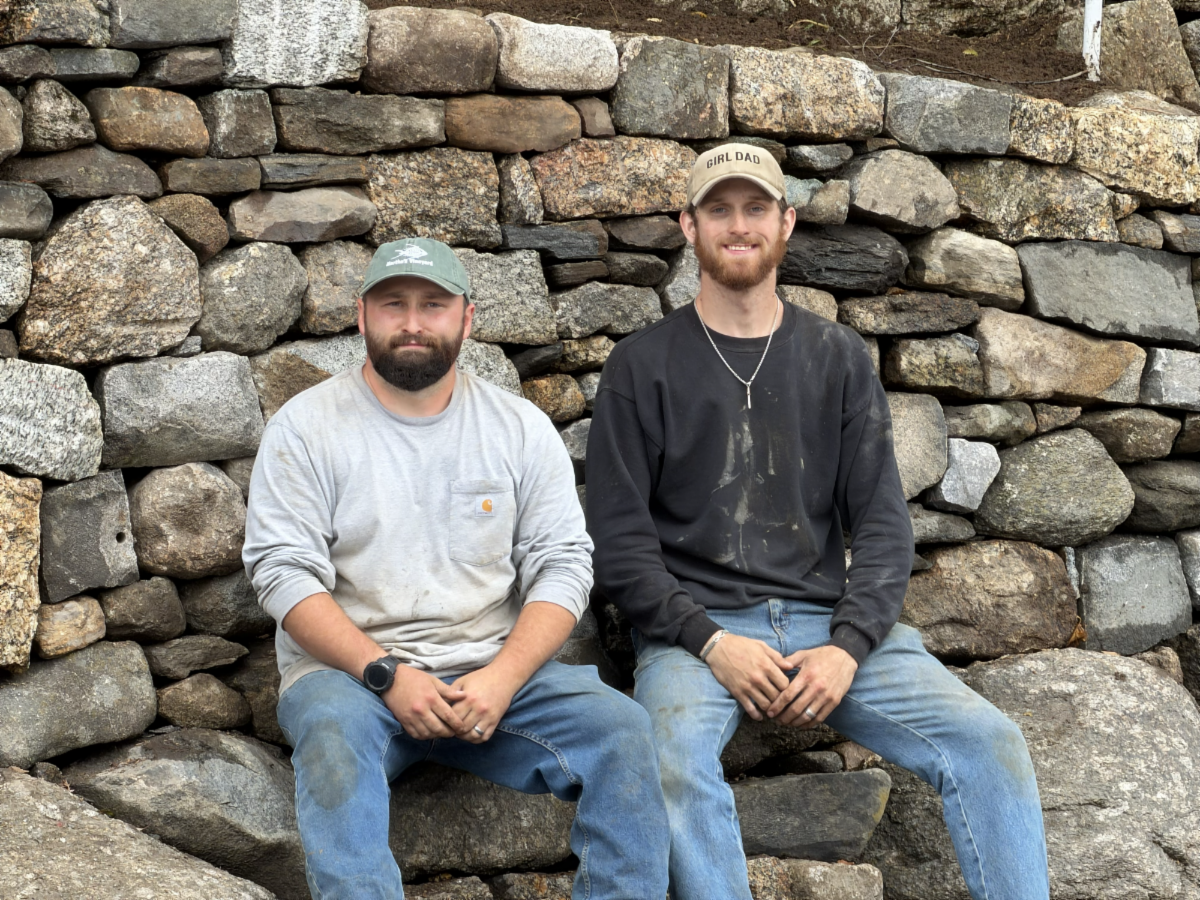
You may have noticed that the terraced stone wall in front of LSPA’s Center for Lake Studies has been rebuilt! Thanks to the skilled craftsmanship of Matthew Humphrey of True North Masonry and Nicholas Lynch of Lynch Rustic Stoneworks, the wall has been strengthened to ensure it remains safe and stable for years to come.
Matthew is a member of The Stone Trust, a nonprofit organization dedicated to preserving and advancing the art and craft of dry stone walling through education, training, and consulting services. We are grateful for their expertise and care in helping maintain and enhance the landscape around the Center for Lake Studies!
| | | | Thank You to LSPA Members Who Make This Work Possible! | Your membership donations provide the majority of the funding for our annual operating budget. We could not do our work without our dedicated members! | | |
Renew Your Membership or Become a New Member today! LSPA membership donations directly support programs that protect the Lake Sunapee Watershed, including:
- Monitoring water quality throughout our watershed
- Preventing and controlling aquatic invasive species
- Building infrastructure to reduce stormwater runoff
- Providing free environmental education programs to schools, families, and professionals
- Supporting property owners in becoming responsible stewards
- Shaping environmental policy at the local and state levels
Click here to renew your membership or become a new member.
With the holidays approaching, please consider giving the gift of membership or giving tree items to your friends and family!
| | |
Send us your favorite pictures from around the watershed!
If you have photos from around the Lake Sunapee Region from all seasons that you would like to share, send them to photos@lakesunapee.org and please include your name in your email so we can give you photo credit.
| | | Please forward this to your friends and family. | |
|
Lake Sunapee Protective Association
Center for Lake Studies
Physical Address:
63 Main Street
Sunapee, NH 03782
Mailing Address:
PO Box 683, Sunapee, NH 03782
| | | | |