ECOLOGICAL SIGNS OF THE TIMES
When I was invited to prepare an article for Update about present-day ecological signs of the times, I wasn’t sure if I knew what an ecological biblical sign was. I looked it up in a dictionary and found that a partial meaning of a sign is that it is an indicator that directs our attention to a significant reality. The English words ecology and economics have the same Greek root oikos meaning home or household. Pope Francis in his environmental encyclical PRAISE BE TO YOU Laudato Si’ is subtitled On Care for Our Common Home asks all of humanity to observe the changes happening in the universe and to become better caregivers.
The significant reality I’m writing about today is climate change and environmental degradation. I will discuss signs of the times on planet Earth that indicate the ecological problems we should be concerned about and pay attention to.
As a biologist I think one significant sign of the time is the decline in biodiversity. I read recently that half of the present day 8,800 species of birds may go extinct before the turn of this century. Many bird species are highly visible, and are often beautiful and have interesting behaviour. They can be seen as representing tens of thousands of species rarely seen and many more, perhaps millions, never seen and as of yet are unknown to science.
Another sign is plastic which can be found everywhere we look for it. Most of us are aware of the accumulation of plastic in landfills and in the oceans. We think of plastic bags, fabrics, synthetic ropes, fishing nets, bottles and packaging. Some plastics take thousands of years to breakdown. Micro plastics are found in the cells of humans and other life forms. We do not fully know the effect micro plastics have on our bodies. It is estimated that by the year 2050 the amount of plastic in the oceans may be greater than the total biomass of fish living in those same oceans.
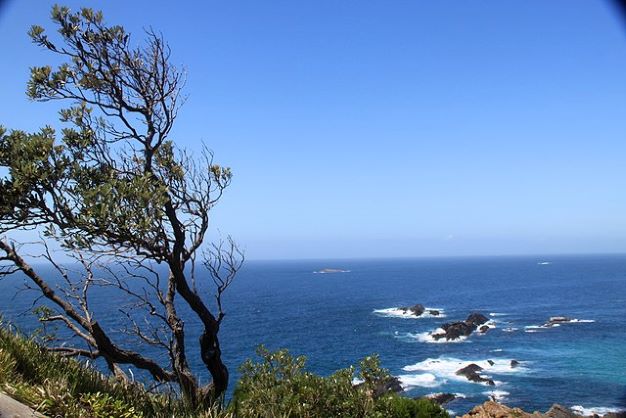
We all know the oceans are increasing in temperature. Sea level is rising as the volume increases from rising temperature and just as significant, the salinity is also changing. All these variables are causing changes in the geographic patterns of ocean currents like the Gulf Stream and the Labrador Current. This has marked effects on climate and the changing behaviour of everything from algae to plankton to right whales and cod fish.
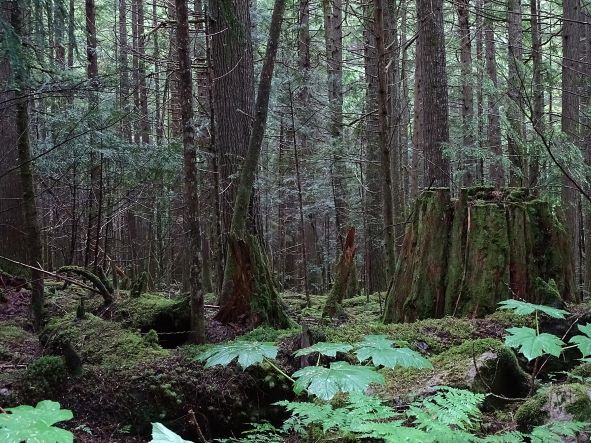
Deforestation is another major sign of the times as it often precedes the formation of deserts. Forests
act as the lungs of the earth converting carbon dioxide to oxygen and the cellulose in wood. They store up or sequester the carbon and water. In particular tropical rainforests are known for their biodiversity. The tropical rainforests of South America, Africa, Southeast Asia and Oceania are being clearcut and often illegally logged. In Canada our temperate rainforests of British Columbia are also being cut down at an unsustainable rate. I suspect that the northern boreal forests of Canada and Russia are also suffering the same fate.
A final sign of the times is the increasing human population and the technology that has allowed humankind to rapidly change the environment. Nature’s ability to change and evolve has been outstripped by human activities including industrial agriculture, mining, forestry, fishing, and hunting and modern methods of travel. Scientists have been warning for decades about these ecological signs of the times. These ecological signs indicate the present reality of climate change, the environmental degradation of the planet Earth and some of the human activities that have caused them. The Earth demands our attention to this significant reality. I believe Jesus also asks us to read these and other ecological signs of the times and to act with better ecological purpose.
Submitted by:
GRANT CURTIS, Companion on the Way, Christian Life Community, Charlottetown, Prince Edward Island