View as Webpage

Download as PDF

CSL document header.png

Advancing our understanding of atmospheric composition and climate


Quarterly Newsletter


Spring 2025 | Issue 9

The Chemical Sciences Laboratory (CSL), located in Boulder, Colorado is one of ten NOAA Research Laboratories throughout the United States organized under the office of Oceanic & Atmospheric Research (OAR). The research and technology development conducted at CSL aims to advance scientific understanding of the chemical and physical processes that affect Earth's atmospheric composition and climate.

Recent News from CSL


Click here to view the latest CSL Quarterly Publications Report


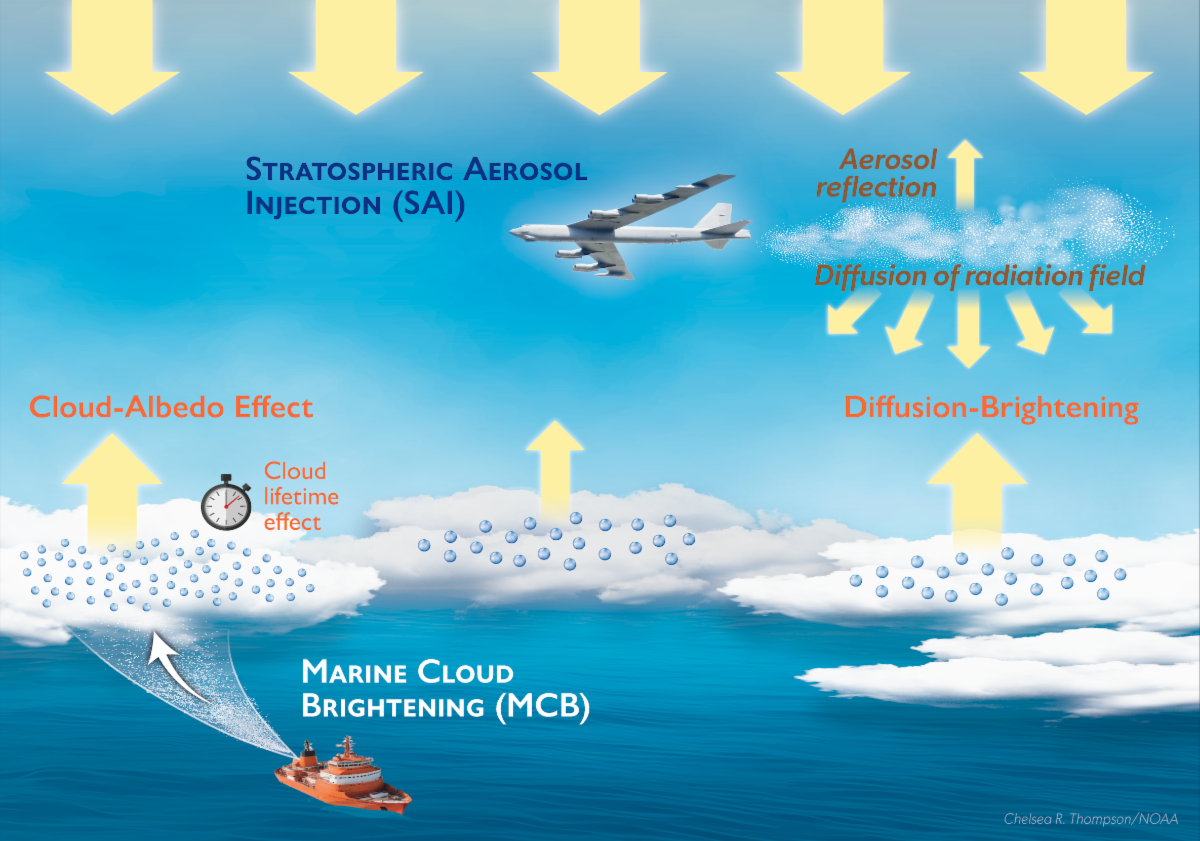
Injecting light-reflecting particles into the stratosphere could also make marine clouds brighter

Over the past decade, there has been increasing scientific discussion about the risks and benefits of intentionally cooling Earth's surface temperature by increasing the reflectivity of the atmosphere. Two methods have emerged as the most potentially viable.


Stratospheric aerosol injection (SAI), involves dispersing microscopic particles between 7 and 30 miles high in the atmosphere to reflect a small portion of sunlight back into space. Marine cloud brightening (MCB), involves seeding low-level marine clouds with sea salt particles to make the clouds more reflective and reduce the amount of sunlight that can reach the waters below.


One well-established characteristic of atmospheric particles is that while they reflect a small fraction of incoming sunlight, a much larger portion of sunlight that is not reflected is largely diffused, or scattered forward in different directions.


Now, a new study led by CIRES/CSL researcher Dr. Jake Gristey, published in the journal Geophysical Research Letters, has found that this diffusion of sunlight from particles in the stratosphere could indirectly make marine clouds thousands of feet below more reflective, or in essence brighter.

Read the full story >>

Cooking emissions rival fossil fuels

as an ozone pollution source

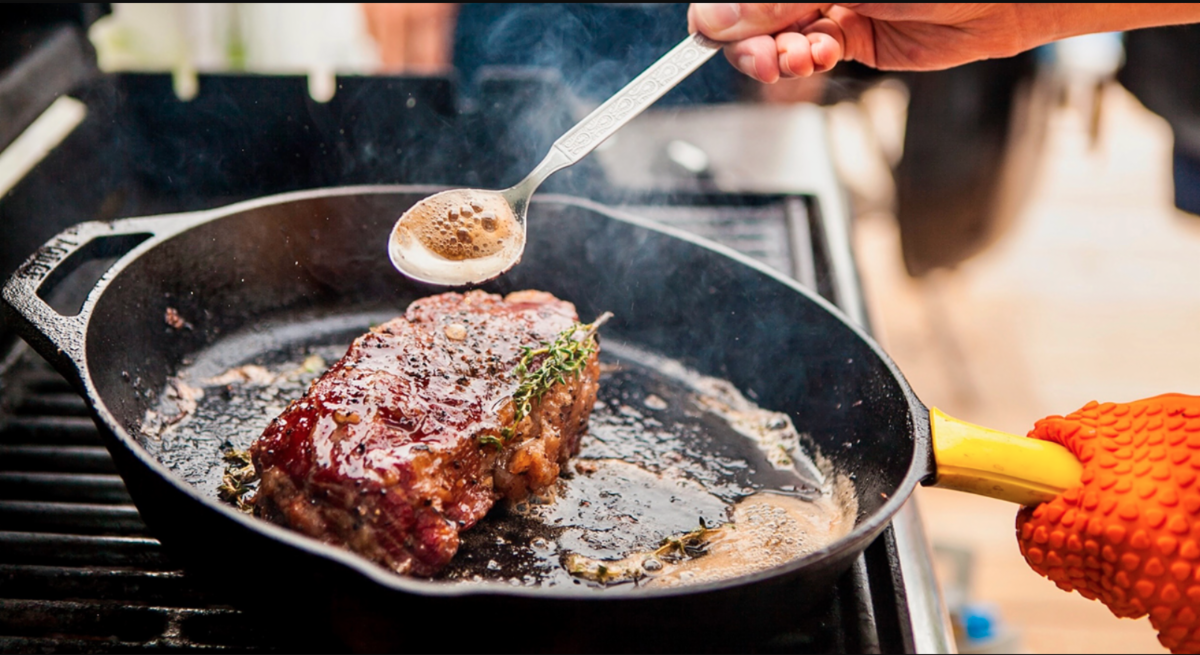
As the adoption of cleaner-burning engines and electric vehicles drives fossil fuel emissions lower, scientists have discovered that a surprising pollution source is playing a significant role in cooking up ozone in the air over Los Angeles.


According to new research from NOAA, the potent and often pungent volatile organic compounds (VOCs) given off from cooking food are now responsible for over a quarter of the ozone production from VOCs generated by human activity in the LA basin. This is roughly equal to the amount of ozone produced by VOCs from on-road and off-road motor vehicles.

The new study, published in Atmospheric Chemistry and Physics, takes a more complete look at the mix of VOCs in urban air by adding chemical compounds specific to cooking emissions to an air quality model set up to replicate the conditions in and around Los Angeles.


"We knew from our research that chemical compounds from cooking can make up an important fraction of VOCs present in urban air, but they were not well represented in inventories or included in air quality models," said lead author Dr. Chelsea Stockwell, a research chemist at NOAA CSL. "Given the known chemical reactivity of these compounds, their omission from air quality models may be a blind spot when it comes to urban ozone production."

Read the full story >>

Scientists turn to artificial intelligence to assess

the warming effects of reduced pollution

A global reduction in sulfur pollution from shipping that has inadvertently contributed to recent warming of the Earth is providing insights into the challenge of evaluating one of two major proposed solar climate intervention approaches, marine cloud brightening.


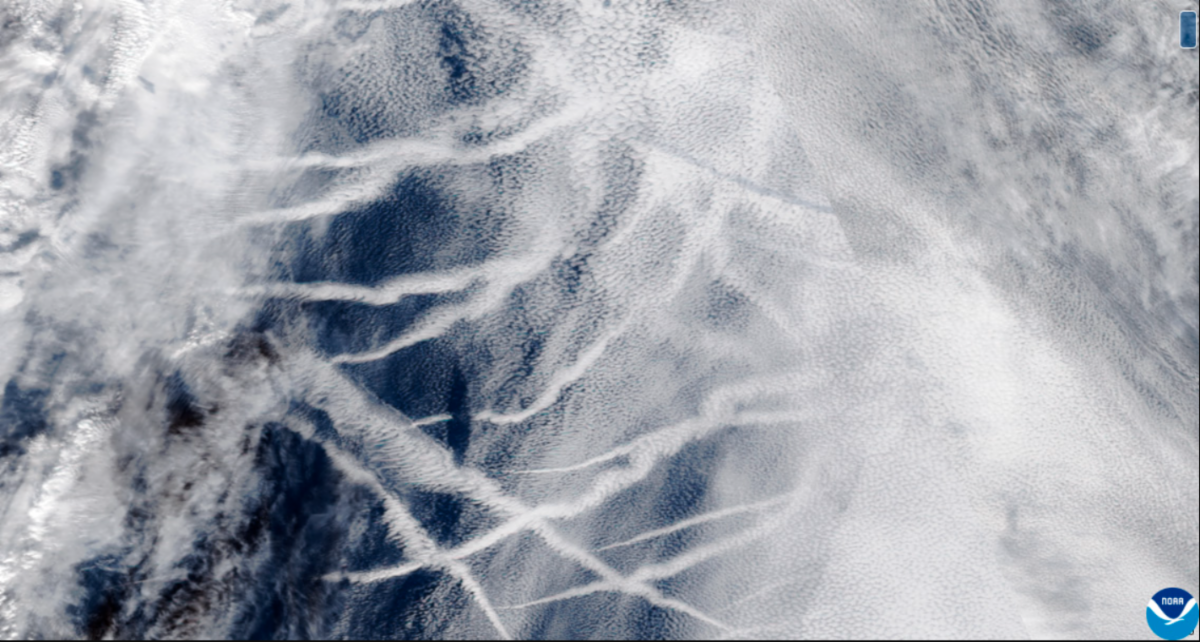
In 2020, the International Maritime Organization imposed a sharp reduction in the level of sulfur in ship fuel to reduce emissions of sulfate aerosols and sulfur dioxide – pollutants associated with premature deaths from asthma, lung cancer, cardiovascular and pulmonary diseases, to improve air quality in coastal and large port communities. This action also reduced the reflectivity of low-level marine clouds that aerosol particles in the exhaust had previously brightened – reducing the cooling effect of clouds that shaded the ocean from the sun's rays.


Quantifying the warming effect of increased sunshine on the ocean surface using conventional climate models has proven challenging because they simply can't represent clouds well enough. So scientists at CSL tried a new approach that harnessed the powerful pattern-recognition capabilities of artificial intelligence (AI) and machine learning to capture and reproduce the complex physical and chemical processes that control cloud formation and unmask the true climate impact that these ship-induced, sunlight-reflecting clouds once had.

Read the full story >>
 

Activities


CSL and collaborators test out

new instruments on the NASA WB-57

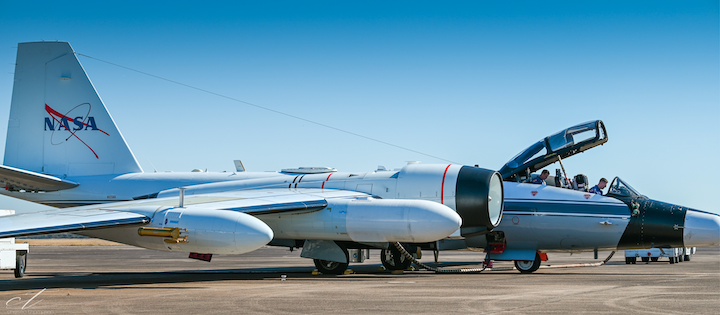
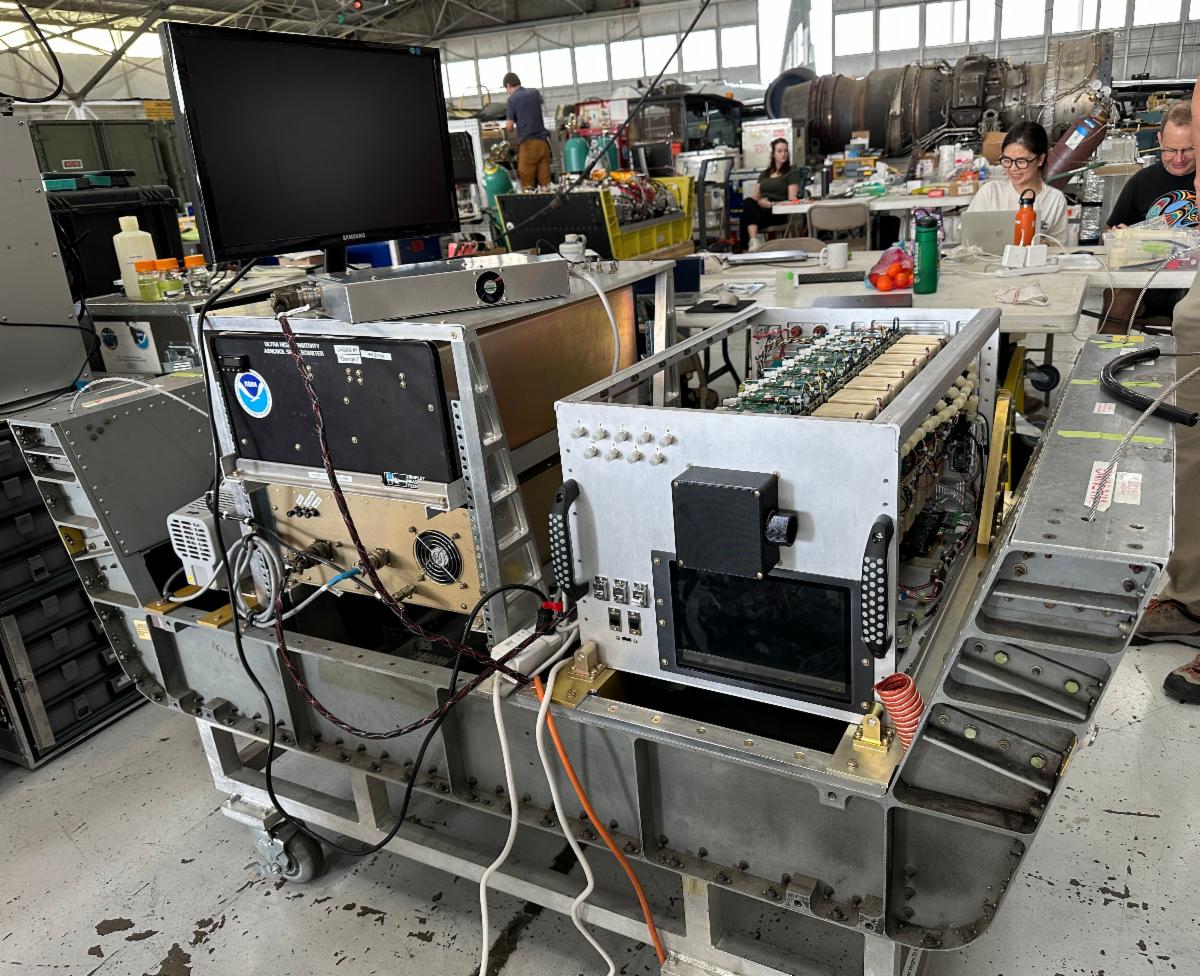
Scientists from CSL, along with collaborators from the Global Monitoring Lab, NASA, and several universities traveled to Ellington Field in Houston, Texas this past February for a round of engineering test flights on NASA's WB-57 high altitude aircraft. The team was testing out new and modified atmospheric instruments designed to measure trace gases and aerosols high up in the stratosphere.


Developing instrumentation capable of collecting measurements in the stratosphere is no small feat. The environmental conditions encountered in the stratosphere are harsh for scientific instruments, with extremely low temperatures and low pressures, on top of the turbulence and g-forces imposed by aircraft flight. In addition, because the aircraft can only carry two aircrew, all instruments must be fully autonomous and able to be controlled remotely from the ground. These conditions cannot be replicated in a laboratory, so test flights like these are a critical phase of R&D.


This work is part of the SABRE (Stratospheric Aerosol processes, Budget, and Radiative Effects) mission within the Earth's Radiation Budget program.


The MicroDop airborne lidar flies on the NOAA P-3

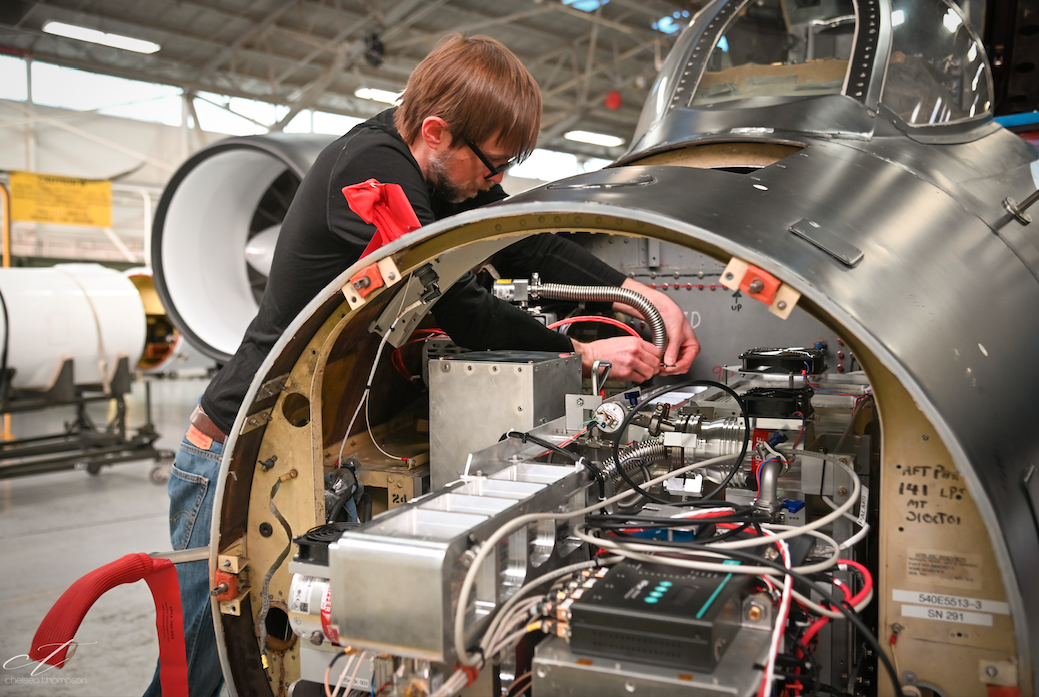
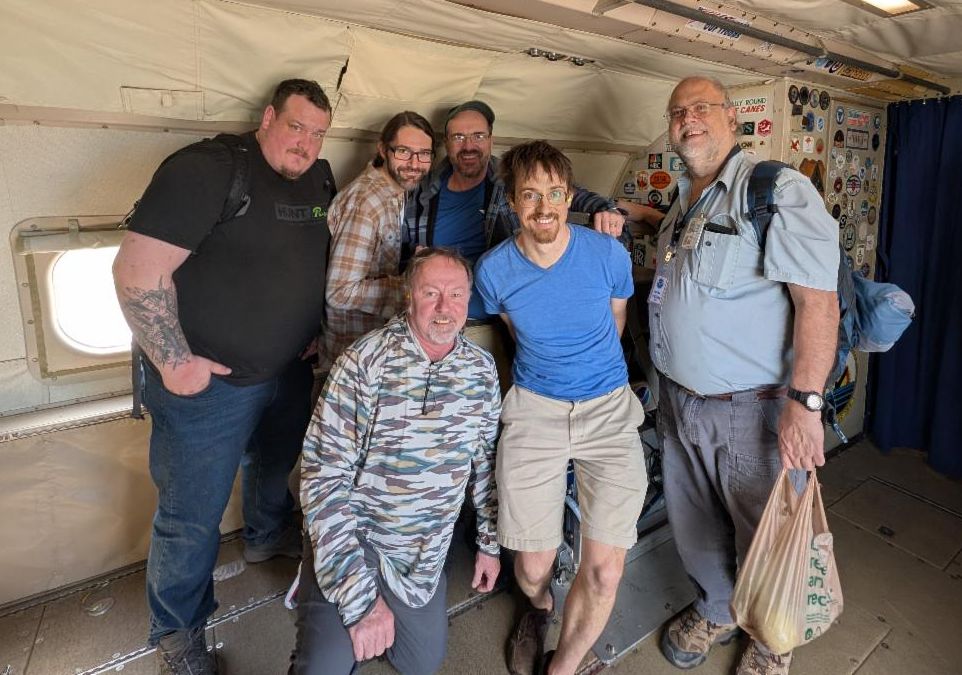
CSL scientists from the Atmospheric Remote Sensing group installed and tested an airborne micro-pulse Doppler (microDop) lidar system, capable of near real-time measurements of 3-dimensional winds, on the NOAA WP-3D aircraft to evaluate instrument performance and sensitivity. The microDop lidar has flown on the NOAA Twin Otter for multiple boundary layer dynamics studies ranging from wild fires to coastal urban areas.


The SITE II microDop system included a more powerful transceiver system and a new (new for CSL) side scanner. The new transceiver should provide greater data coverage while the side scanner would enable the lidar to look both above and below the aircraft.

The installation and test flights on the NOAA WP-3D are in preparation for the upcoming Airborne and Remote sensing Multi Air Pollutant Surveys (AiRMAPS) campaign in 2026 in Texas to study air pollutant emissions and impacts. This effort also makes an airborne Doppler lidar available for future science and weather missions on the NOAA WP-3D, a critical missing measurement capability.


Awards & Recognition


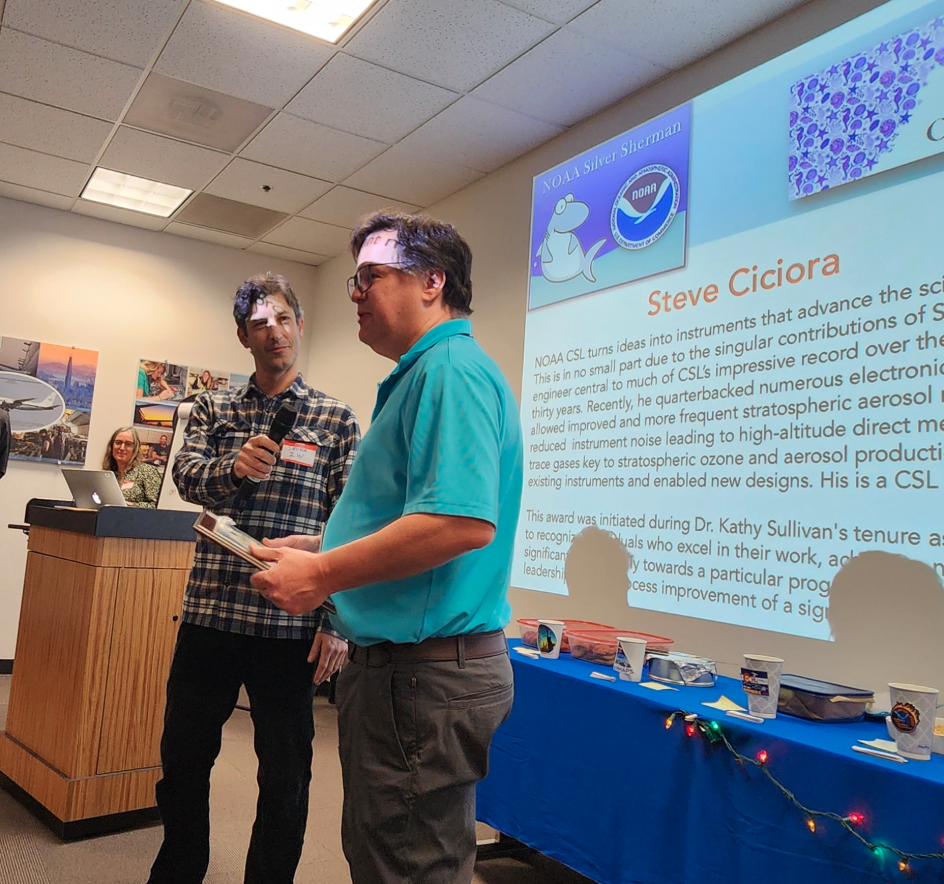
Steve Ciciora Receives

NOAA Silver Sherman Award

CSL's Steve Ciciora received a NOAA Silver Sherman Award in December for his contributions to CSL during his career.


"NOAA CSL turns ideas into instruments that advance the science of our atmosphere. This is in no small part due to the singular contributions of Steven Ciciora, an engineer central to much of CSL's impressive record over the last thirty years. Recently, he quarterbacked numerous electronics solutions that allowed improved and more frequent stratospheric aerosol measurements; reduced instrument noise leading to high-altitude direct measurements of trace gases key to stratospheric ozone and aerosol production; and improved existing instruments and enabled new designs. His is a CSL superstar."


Read more >>

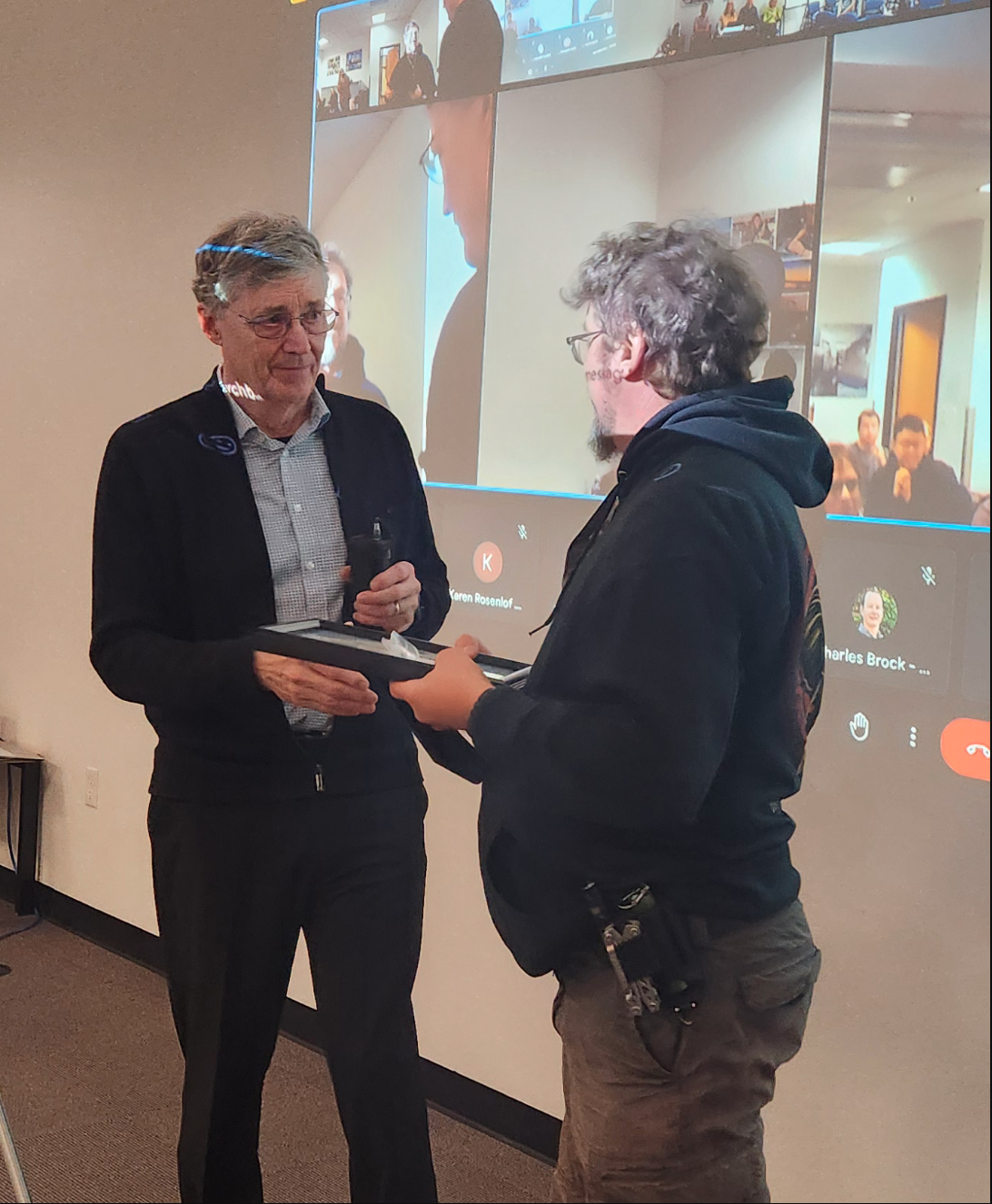
Scott Sandberg Receives

NOAA Silver Sherman Award

CSL's Scott Sandberg received a NOAA Silver Sherman Award in February.


Scott is recognized "for outstanding engineering support of the 2024 CSL Utah Summer Ozone Study (USOS) field campaign. Scott's efforts were essential in specifying and overseeing the upgrades to the new CSL mobile laboratory van, a key sampling platform of the field campaign. His technical knowledge, attention to detail, and communication skills were key aspects of designing and installing the van power system to accommodate the large sampling instrument suite and air conditioning requirements. His engineering support resulted in an on-time delivery of the van to meet the tight summer deployment schedule."


Read more >>


Facebook  Twitter  Instagram