|
A Ministry Moment
"Everybody has a story."
I've said those four words for years. They have guided the way I approach families in funeral service, the Deaf community, ministry, friendships, and even strangers I meet along the way.
Everybody has a story.
Lately, though, those words have been echoing back to me. Maybe that's because July has always been a month of birthdays in our family. My father. My mother. My grandmother. Jon's mother. Other family members. One birthday after another. One memory after another. One chapter after another.
This year was different.
On July 26, my maternal grandmother's birthday came around, and my first thought surprised me.
It's my evil grandmother's birthday.
That was my honest thought. She said hurtful things to me. She treated me differently. She left wounds that lasted long after the words were spoken.
But then something unexpected happened.
Instead of staying with my hurt, I found myself asking another question. I wonder what made her like that?
Not to excuse her. Not to erase what happened. Just to wonder.
Because everybody has a story.
Two days later, on July 28, my mother's birthday arrived.
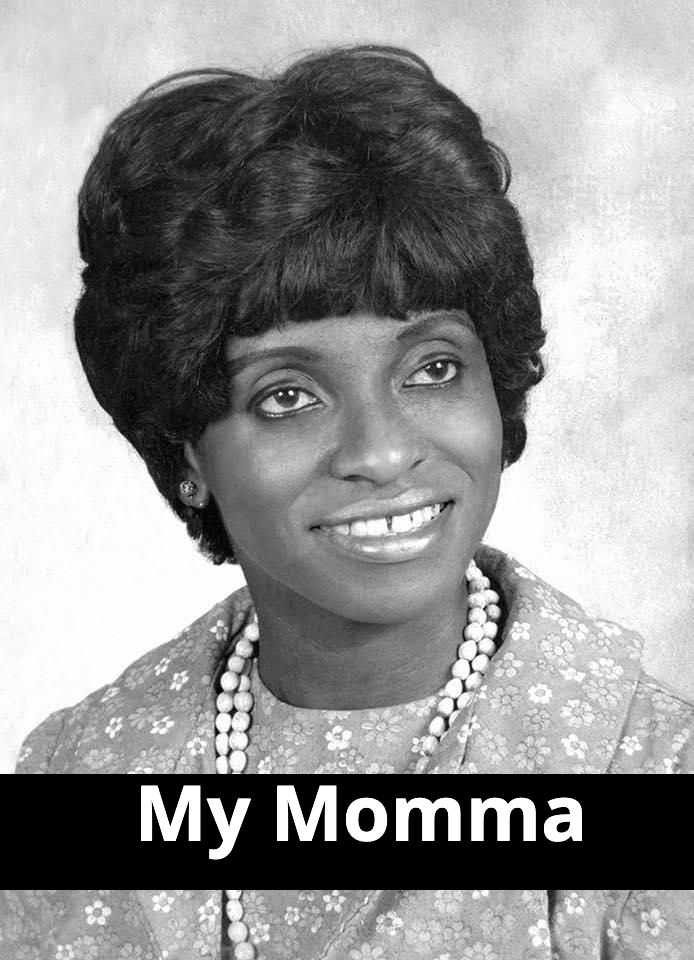
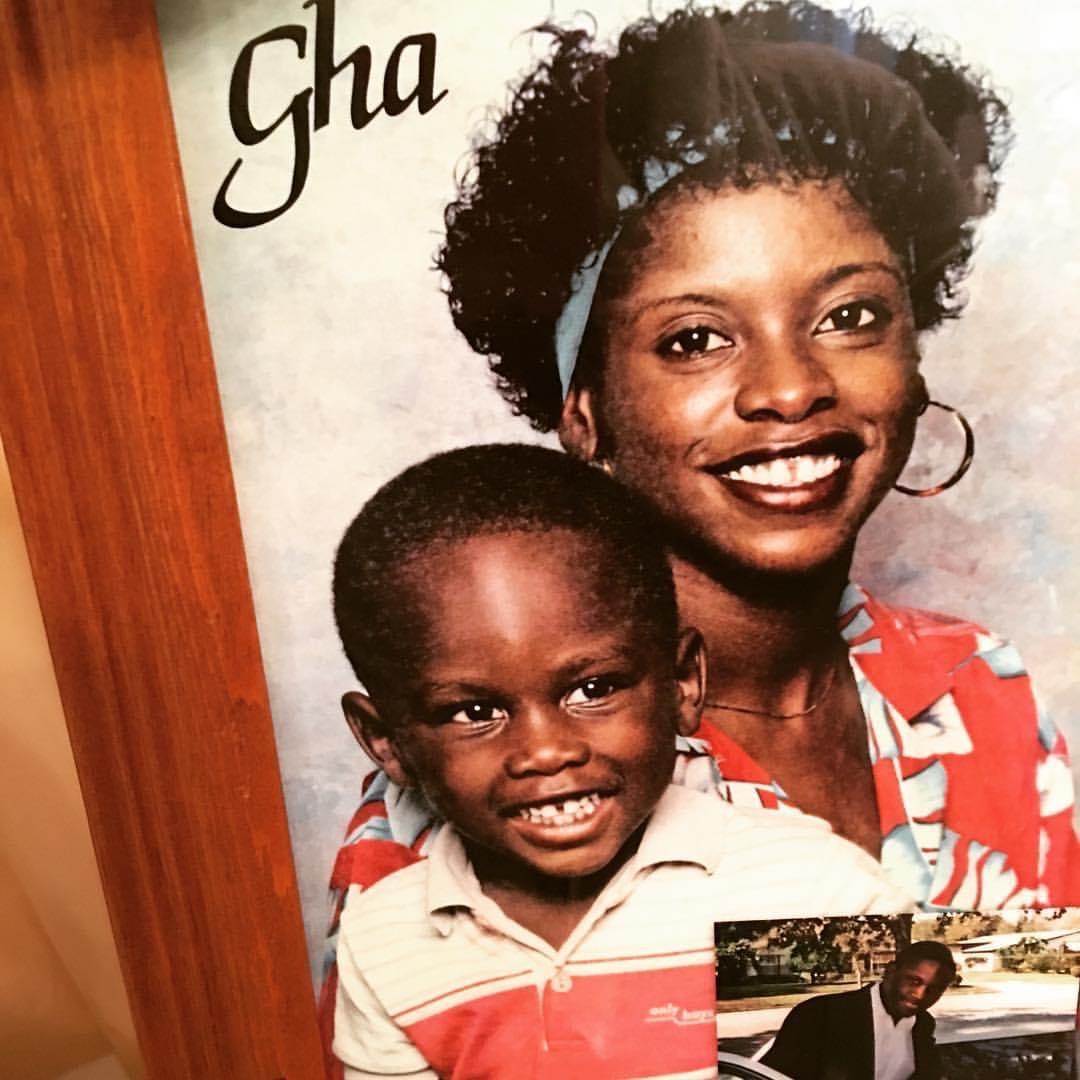
Normally, I would have posted a picture or written a tribute. This year, I couldn't. I was still sitting with my grandmother's story. And then I found myself sitting with my mother's story. A woman whose life ended at just 39 years old. A woman who carried burdens I may never fully understand. A woman whose story ended much too soon. I didn't post anything that day. I just sat with it.
Maybe that's what grief sometimes asks of us.
Not to fix it.
Not to explain it.
Just to sit with it.
Around that same time, I found myself in an orthopedic office because of pain that had become impossible to ignore. X-rays confirmed what I had suspected—a pinched nerve, arthritis, and degenerative changes in my neck. The diagnosis mattered. The prescriptions helped.
But that isn't really what stayed with me. What stayed with me was how I felt.
I felt seen.
I felt heard.
The physician listened.
She wasn't rushed.
She cared.
And later that same day, I found myself talking with a nurse practitioner who also happened to be a therapist.
Somewhere in our conversation I admitted something that surprised even me.
"I've always wanted to talk to a therapist."
She smiled and simply said, "Say more." And I've been thinking about those two words ever since.
Say more.
How often do we give ourselves permission to do that?
How often do we sit with our own story long enough to tell the truth about it? Not the polished version.
Not the version we tell everyone else.
The truth.
Because I've come to believe something.
You can't grieve a lie.
You can only grieve the truth.
You can't grieve the childhood you wish you had.
You have to grieve the one you lived.
You can't grieve the relationship you imagined.
You have to grieve the one that actually existed.
You can't grieve the person you hoped someone would become. You have to grieve who they were. Only then can healing begin.
So let me ask you... When was the last time you sat with your story? Not to judge it. Not to rewrite it. Just to acknowledge it.
What chapter have you been avoiding?
What truth have you been trying not to feel?
Who first taught you to believe the things you still believe about yourself?
Whose story shaped yours?
Friend, everybody has a story.
Some stories are beautiful. Some are broken. Some are still unfolding. And some chapters are so painful we'd rather skip right over them. But healing has a funny way of waiting for us in the chapters we'd rather not read.
So maybe this week...
Sit with your story. Get to know your story. Tell yourself the truth about your story. Because you can't grieve a lie.
You can only grieve the truth. And perhaps that is where God will quietly begin the work of healing.
Let's Pray this Promise
Now unto Him
Who is able
to do exceedingly abundantly
above all that we could ask or think,
according to the power that works in us— Ephesians 3:20
|