NewsletterHeader5.png

Weekly Analyst Review

19 August 2026


Bottom Line Up Front

Laftagareen-Aligned Forces Launch Major Assault on Baidoa, with Alleged al-Shabaab Involvement


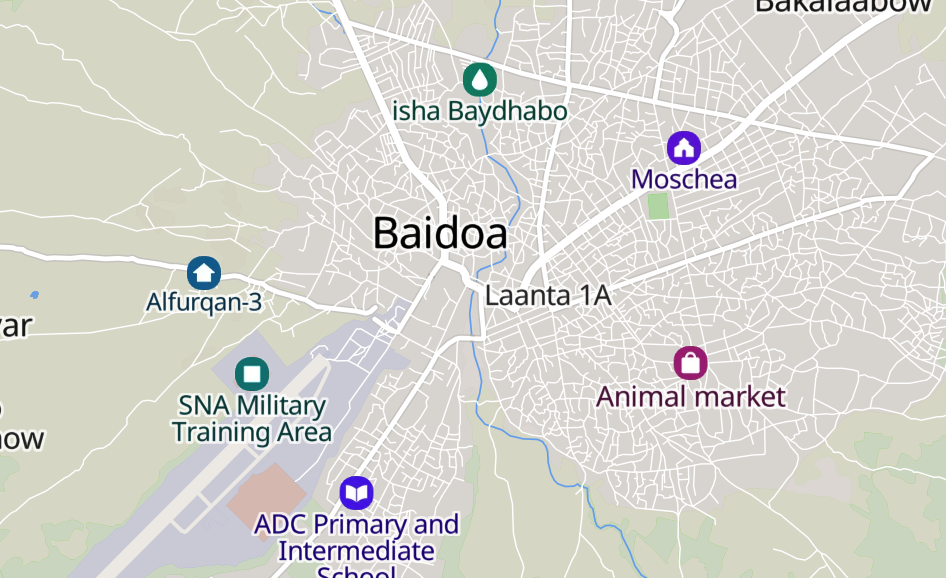
On 17 August 2026, heavy fighting erupted across Baidoa, Bay Region, Somalia, after forces loyal to former South West State President Abdiaziz Hassan Mohamed Laftagareen launched a pre-dawn assault against Somali federal forces controlling the regional capital. Laftagareen-aligned fighters entered Baidoa from two directions, triggering clashes across Siliga, Warshadda Hassay, Boonkaay, Bangi Qiyaamay and Mursal. Opposition forces claimed to have captured several areas and burned a military camp on the city's outskirts, while Laftagareen's spokesman described the offensive as a "fight for freedom" and called on federal forces to surrender.


Somalia's Ministry of Defence stated that the attacking force included Laftagareen-aligned militias and al-Shabaab militants, some employing explosive-laden vehicles. SNAF subsequently drove the attackers from Baidoa, claiming to have killed approximately 30, captured several others and seized weapons and vehicles. Exact casualties and the composition of the attacking force remain unclear.


This battle for Baidoa represents a significant escalation in the conflict between Somalia’s Federal Government and forces loyal to former South West State President Abdiaziz Hassan Mohamed Laftagareen. The fighting reflects the unresolved struggle between Mogadishu and South West State over political authority and centralisation. Federal forces seized key positions across Baidoa on 30 March, prompting Laftagareen’s resignation, but the latest offensive demonstrates that his removal from formal power did not dismantle the armed networks capable of challenging Mogadishu. Their ability to mount a substantial assault on the regional capital almost five months later indicates that the political dispute has evolved into a persistent security threat.


More concerning are government claims that al-Shabaab fighters participated alongside Laftagareen-aligned forces. Their opportunistic involvement demonstrates the group's ability to exploit Somalia's internal political divisions while possessing sufficient manpower and materiel to commit fighters to a secondary confrontation. Baidoa therefore potentially opens a fourth simultaneous security front for Somali federal forces, alongside al-Shabaab, Islamic State Somalia (ISS) and tensions with Puntland. This fragmentation benefits both jihadist organisations by diverting personnel, intelligence resources and political attention from counter-insurgency operations. The longer Mogadishu is forced to expend resources fighting rival Somali factions, the greater the opportunity for al-Shabaab and ISS to exploit the resulting security gaps.

Other Developments

TRAC Incident Report: Four Jalisco New Generation Cartel (CJNG) Members Indicted in U.S. Over Drug-for-Weapons Scheme in Czechia

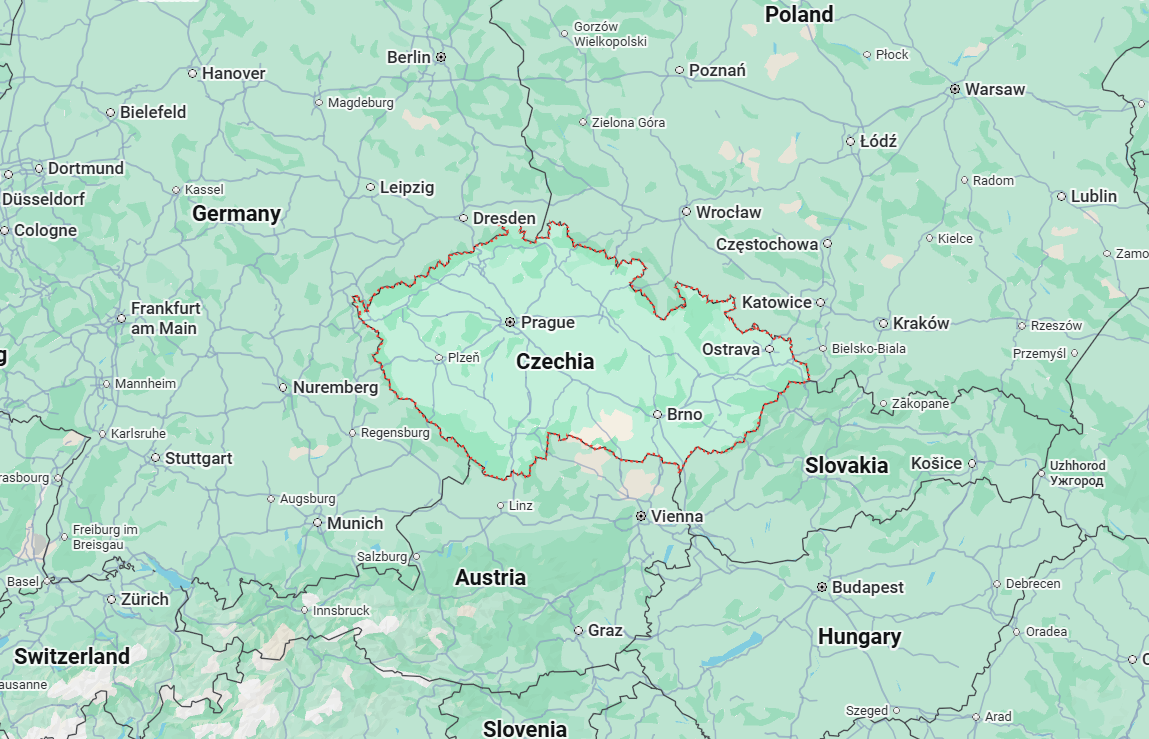
On 11 June 2026, four Jalisco New Generation Cartel (CJNG) operatives were arrested in the Czech Republic in connection with an international narcotics and weapons-trafficking scheme. U.S. authorities allege that the defendants sought to procure military-grade weapons and ordnance in Europe for use in Mexico, with fentanyl and methamphetamine trafficked into the United States intended as payment. The arrests were publicly disclosed on 11 August following the unsealing of the U.S. indictment.


The defendants, Edgar Alejandro López Velasco, Noé Díaz Jiménez, Leobardo Gaxiola López ("Bado") and José Miguel Alvarado Morales, allegedly negotiated the acquisition of European machine guns, rocket-propelled grenade launchers, mortars, ammunition and other military-grade weaponry. U.S. authorities assess that the weapons were intended to facilitate violence against rival cartels, civilians and Mexican security forces. Three defendants face charges including conspiracy to commit narcoterrorism and provide material support to terrorism, alongside drug and firearms-trafficking offences.


The arrests also exposed connections to CJNG's wider leadership and synthetic-drug infrastructure. Díaz Jiménez operated a synthetic-opioid laboratory in Mexico, which authorities dismantled in Zapopan, Jalisco, on 12 June, one day after the Czech arrests. Alvarado Morales is the godson of senior CJNG figure Audias Flores Silva ("El Jardinero"), arrested in Nayarit on 27 April, while López Velasco and Alvarado Morales represented senior CJNG figures during the weapons negotiations. Two defendants have since been extradited to the United States, while the remaining two are awaiting extradition from the Czech Republic.


The case highlights the increasing globalisation of CJNG's procurement and logistics networks. Attempting to exchange synthetic narcotics for European military weaponry demonstrates how the cartel's drug-trafficking and weapons-supply chains are becoming increasingly interconnected. However, this expansion also creates vulnerabilities: operating through multiple jurisdictions exposes additional brokers, financial channels and logistical nodes to coordinated international law-enforcement action. The arrests come amid a broader U.S. pressure campaign, including up to $102 million in rewards announced on 5 August for eight CJNG leaders and associates.


Crucially, this transnational footprint extends beyond Europe. In May 2026, Nigerian authorities dismantled what officials described as the largest industrial-scale methamphetamine laboratory ever discovered in Ogun State, arresting three Mexican nationals. Nigerian authorities did not identify their cartel affiliation; however, the case follows a confirmed CJNG-linked laboratory dismantled in Kenya in September 2024 and fits a wider pattern of Mexican criminal networks establishing production infrastructure in Africa.

TRAC Incident Report: Patriotic Movement for Freedom and Justice (MPLJ) Militants Led an Armed Assault on Nigerien Army Forces in Séguédine, Agadez Region, Niger

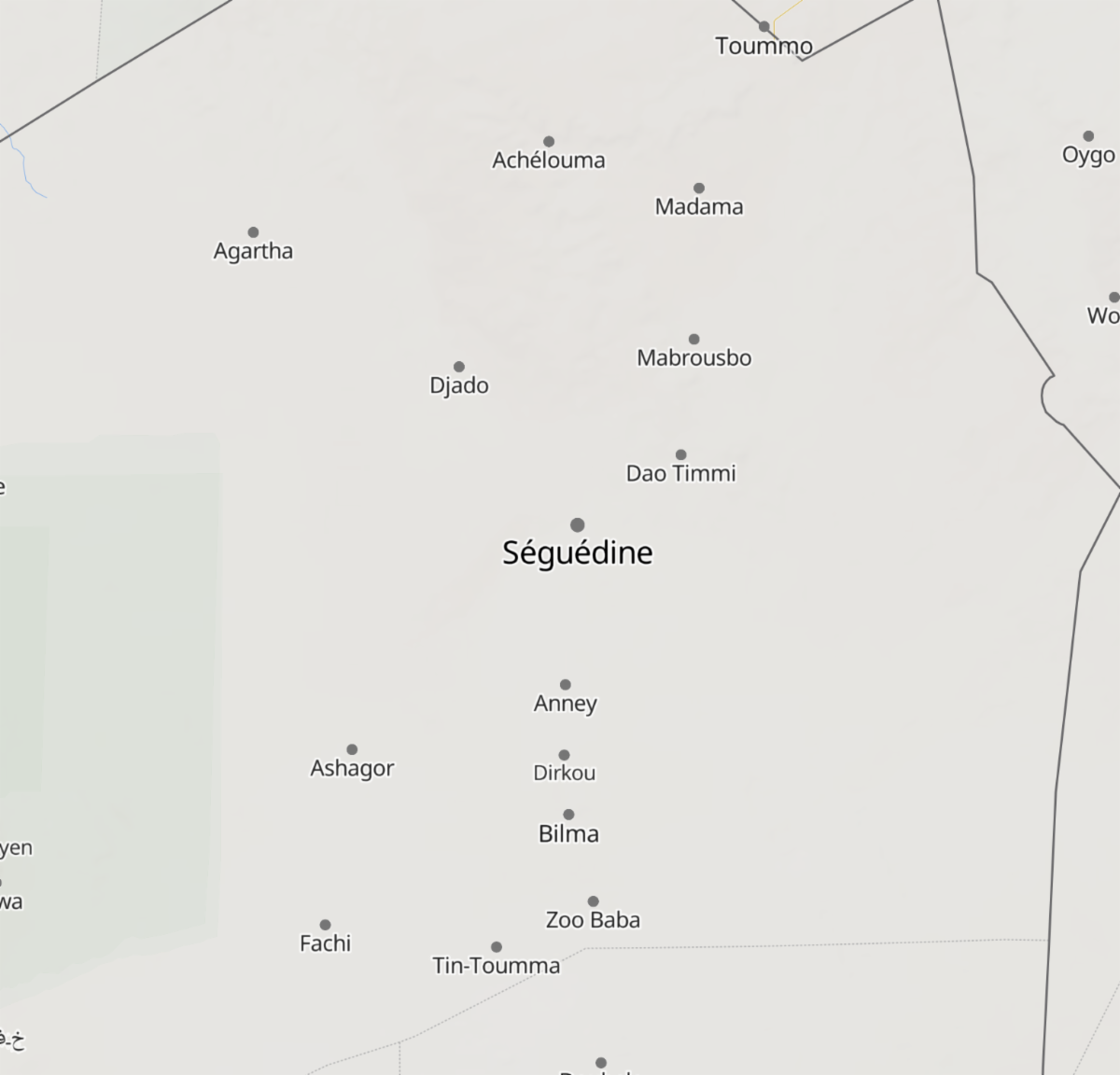
On 15 August 2026, Patriotic Movement for Freedom and Justice (MPLJ) militants led an armed assault on Nigerien army forces in Séguédine, Agadez Region, Niger. The militants captured 3 soldiers during the assault and a variety of equipment. Only two days later, on the 17th of August 2026, Nigerien forces followed a group of the militants to the Chadian border and continued to pursue them, sparking a clash between the Nigerien and Chadian armed forces, reportedly causing casualties on the Nigerien side.


Direct assaults from the MPLJ are often a rarity, with the lion’s share of their activity centred on economic terrorism. The MPLJ’s gradual shift toward directly targeting Nigerien security forces is increasingly concerning, particularly given the already existing threat environment facing the country. Niger is simultaneously contending with pressure from ISWA, ISGS, and JNIM, with jihadist groups already exploiting the country’s porous borders and limited security presence. The emergence of a more confrontational MPLJ adds another armed actor capable of forcing Nigerien forces to divide their resources across multiple fronts. If MPLJ continues transitioning from primarily infrastructure-focused attacks toward sustained attacks on security personnel, it could further stretch an already overextended security apparatus and create additional opportunities for jihadist groups to expand their own operations.


Furthermore, the subsequent border clash between Niger and Chad further highlights the weaknesses in regional border security following Niger’s withdrawal from the Multinational Joint Task Force (MNJTF). The force was specifically designed to facilitate coordination and cross-border operations against militants in the Lake Chad Basin, including mechanisms that enabled troops to pursue them across national boundaries. With Niger no longer participating, communication and operational coordination with neighbouring states have become more difficult, increasing the risk that militants can exploit jurisdictional boundaries to evade pursuing forces.

TRAC Incident Report: Afghanistan’s Security Crisis Deepens as Taliban (IEA) Faces Attacks Across Multiple Fronts

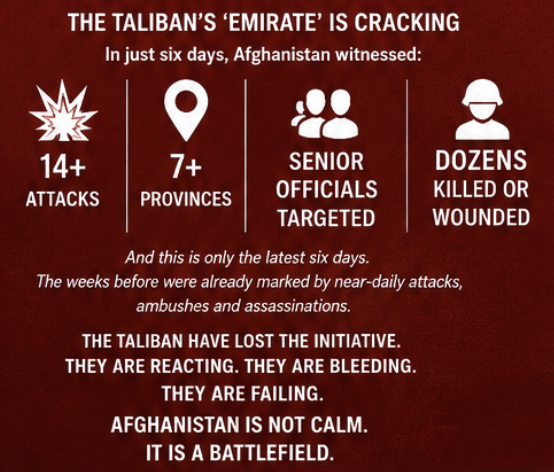
Afghanistan witnessed an exceptional concentration of armed activity over the past six days, with the National Resistance Front (NRF), Afghanistan Freedom Front (AFF), Afghanistan United Front (AUF), and suspected Islamic State Khurasan (ISK) militants conducting or being linked to attacks across the country. From Badakhshan and Baghlan in the north-east to Kandahar and Helmand in the Taliban’s southern heartland, Taliban personnel, commanders, checkpoints and military installations were repeatedly targeted.


The significance lies not simply in the number of attacks, but their geographic spread and the number of independent actors involved. Between 13 and 18 August, TRAC documented NRF activity across Baghlan, Kunduz and Badakhshan; an intensive AFF campaign in Badakhshan; AUF operations across Kandahar and Helmand; and suspected ISK violence in Kabul and Nangarhar. These groups neither operate under unified command nor necessarily share the same objectives, yet collectively they are forcing the Taliban to confront simultaneous threats across increasingly disparate theatres.


The north-east remains the centre of sustained anti-Taliban resistance. NRF fighters attacked Taliban positions in Baghlan and Kunduz and claimed the 13 August IED assassination of the Taliban-appointed mayor of Fayzabad. Four days later, suspected NRF militants targeted the vehicle of Badakhshan’s deputy police commander. Meanwhile, between 14 and 16 August, AFF fighters repeatedly engaged Taliban forces around Zebak District using mortar fire, ambushes and direct armed assaults, amounting to several days of sustained pressure rather than an isolated attack.


A New Front in the Taliban Heartland

Potentially more consequential is the emergence of the Afghanistan United Front (AUF) under former Afghan general Sami Sadat. Unlike the NRF and AFF’s predominantly northern footprint, the AUF is attempting to establish an insurgent presence in the Pashtun-dominated south.


On 18 August, the AUF conducted operations in Helmand and Kandahar, including an attack against the entrance to the Taliban’s 205th Corps base, following three claimed operations in Lashkar Gah and Daman on 14 August. Kandahar is the Taliban’s political and ideological heartland, while Helmand was one of its principal strongholds during the previous insurgency. The AUF therefore does not need to threaten territorial control to create a strategic problem: sustained attacks alone would force the Taliban to divert resources toward areas it should consider among its most secure.


ISK Adds a Different Security Threat

Simultaneously, the Taliban continues to confront Islamic State Khurasan, an adversary fundamentally different from the republican resistance movements. On 17 August, suspected ISK militants were linked to an alleged IED attack against a Shia religious school in Dasht-e Barchi, Kabul, and the beheading of a Taliban security-force member in Nangarhar.


The Taliban is therefore confronting two distinct challenges: resistance movements attempting to undermine the regime and its security apparatus, and ISK simultaneously attacking the Taliban while pursuing its wider sectarian campaign against Afghan civilians. Suppressing one threat does little to resolve the other.


TRAC Assessment

None of these groups currently appears capable of overthrowing the Taliban independently, nor does the recent violence indicate imminent regime collapse. However, the Taliban’s central claim since returning to power, that it restored security after decades of war, is becoming increasingly difficult to sustain.


Within just six days, Afghanistan witnessed provincial officials assassinated, senior police commanders targeted, military installations attacked, checkpoints assaulted, patrol vehicles bombed, sustained clashes in remote districts, sectarian violence in Kabul and a newly active resistance movement striking the Taliban’s southern heartland. Crucially, this is only a six-day snapshot. The preceding weeks were already characterised by repeated resistance attacks and suspected ISK activity. The latest incidents therefore represent an intensification within an already deteriorating security environment.


The Taliban’s emerging problem is one of accumulation and overstretch. Any single NRF, AFF, AUF or ISK attack may be manageable; simultaneous operations across opposite ends of Afghanistan increasingly force the regime to divide intelligence, personnel and counter-insurgency resources across multiple fronts. Afghanistan is not witnessing one unified nationwide insurgency. Instead, multiple independent centres of armed resistance and jihadist violence are exploiting different geographic, political, ethnic and sectarian fault lines simultaneously. Nearly five years after returning to Kabul, the Taliban has monopolised formal political power, but it has failed to eliminate armed opposition.


The Taliban’s security problem is no longer contracting. It is multiplying.

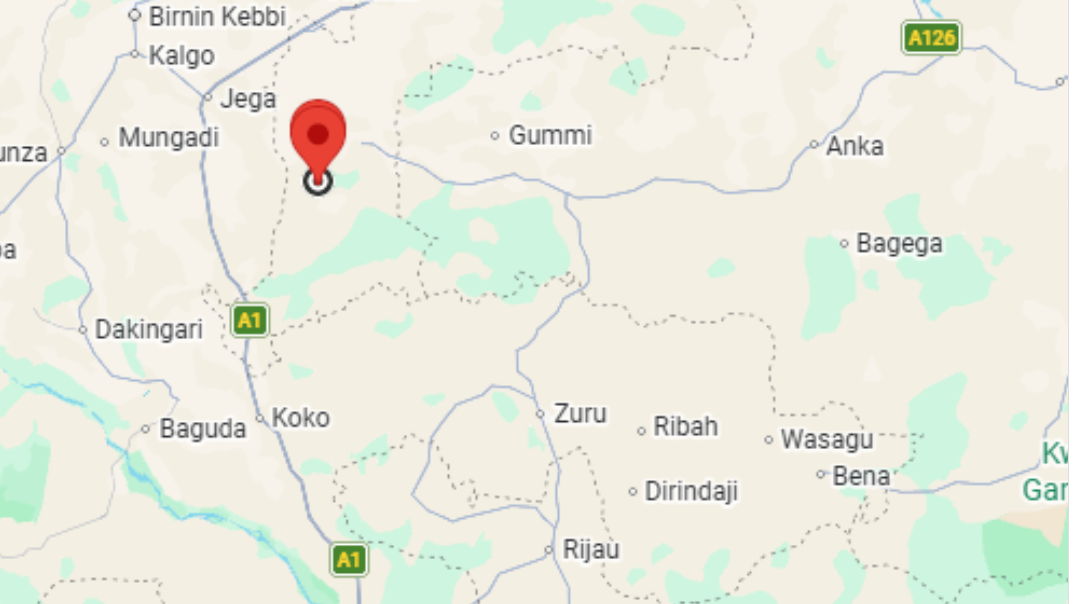
TRAC Incident Report: Suspected Lakurawa Militants Assault and Kill 32 During Friday Prayers in Ungushi Village, Sokoto State, Nigeria

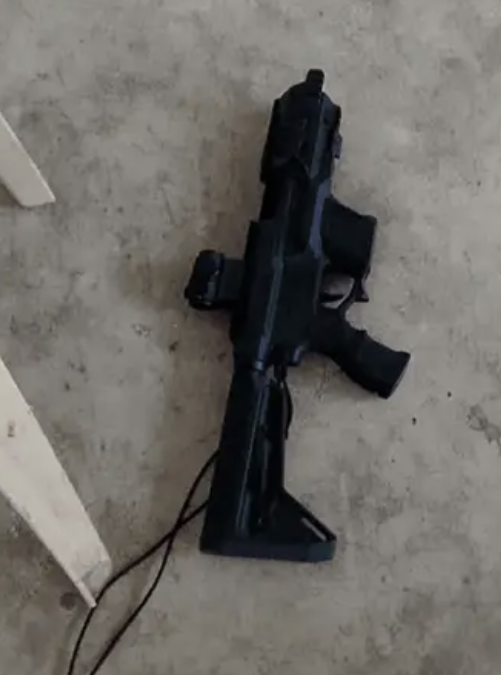
TRAC Incident Report: Suspected 764-Linked Teenager Commits Suicide After Opening Fire at the Ateneo de Zamboanga University (AdZU) Tumaga Campus, Barangay Tumaga, Zamboanga, Philippines


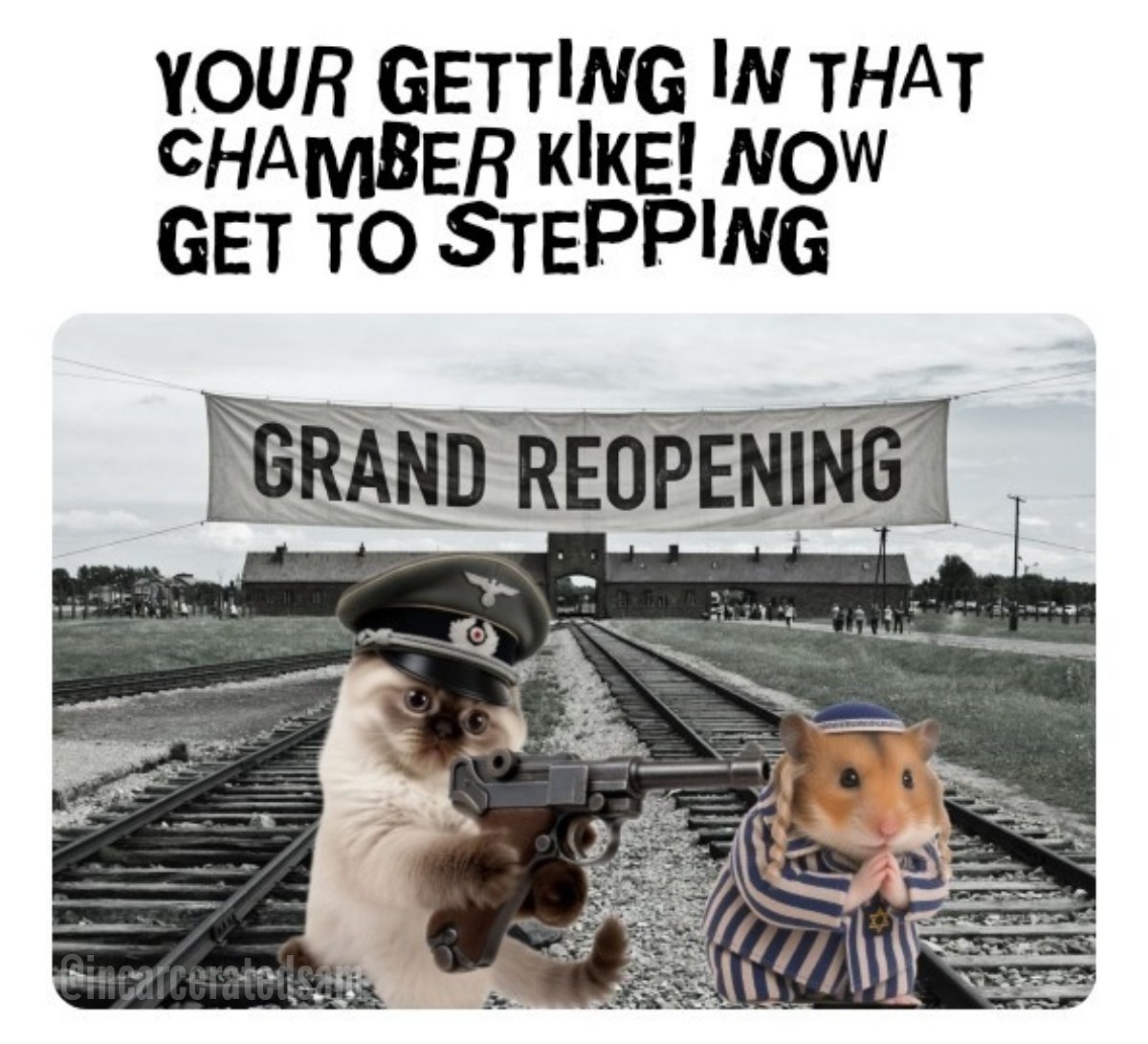
(Poster/Right-Wing Extremism): Accelerationist Channel Shares Stochastic Terror Poster ‘You’re Getting In That Chamber Kike’

TRACFusion_Newsletter2.png

CLICK HERE FOR PAST WEEKLY BRIEFINGS

TRAC Logo_Primary_TransparentWhite.png
Facebook          X          Instagram