Newsletter


June, 2024

ABOUT US
CONTACT US
WAYS TO GIVE


In this newsletter

  • AOK Celebrates 25 years of science-based management
  • Water Conservation is critically needed in Kansas to protect the future of our wetlands and rural communities
  • AOK's Hutton Ranch now officially a part of Niobrara's 'Quiet Trail' - What will you hear?
  • Niobrara Council fails audit
  • How ducks avoid hunters
  • AOK Events
  • July 6: "Beginning Birding Walk" at Arkalon Park, Liberal
  • July 10: "3 Billion Birds Lost & What to do about it" in Mequon, Wisconsin & VIRTUAL
  • July 15: "America's National Parks" at Basehor Public Library
  • July 20: "Spider Walk" at Mount Mitchell Heritage Prairie Park, Wamego
  • July 24: "3 Billion Birds Lost & What to do about it" at the Manhattan Public Library, sponsored by the Northern Flint Hills Audubon Society
  • Philanthropy Corner: Sponsor AOK's Celebration of Cranes
  • Chapter Spotlight: Sperry-Galligar Audubon participates in Prothonotary Warbler research
  • AOK Nature Spot Recommendations: Prairie Spirit Trail has a great name and some great birds in Anderson County

AOK Celebrates 25 years of science-based management


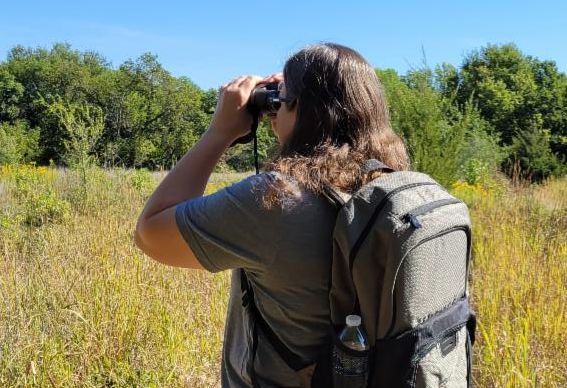
June is the month of breeding bird surveys! Breeding bird surveys are the best way to get information on the number and species of birds breeding in an area. Bird surveys consist of 20-25 points where a trained observer records all the birds seen and heard for 3 minutes before moving on to the next point. Comparing the data gathered over time helps us determine how birds are responding to habitat management. For example, we now have 20 years of data from Hutton Niobrara Ranch Wildlife Sanctuary. It is clear that when AOK acquired the ranch, the land was being overgrazed because there was an abundance of Horned Larks observed. They love very short grass and are often seen in agricultural areas. As grazing rates were reduced and the grass grew taller, we have seen fewer Horned Larks and more species that require thicker cover, like Northern Bobwhite, increase.


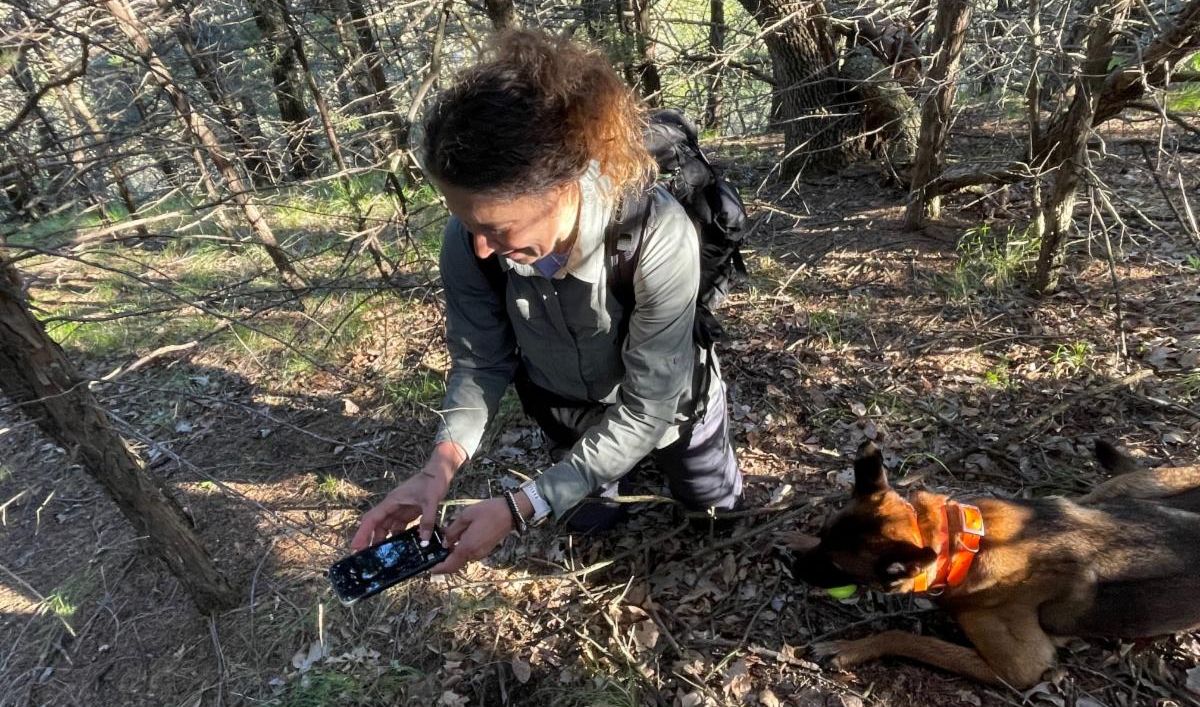
Breeding bird surveys are just one way AOK monitors the plants and animals on their sanctuaries. This past spring, AOK also hosted biologists from Nebraska Game & Parks as they conducted surveys for Mountain Lion on the Hutton Niobrara Ranch Wildlife Sanctuary. These surveys required a dog trained to locate mountain lion scat via scent. The dog found many signs of mountain lion presence and was rewarded with a tennis ball. What was interesting was that at one location, we found porcupine quills stuck in a tree indicating a confrontation between the mountain lion and a porcupine. As there were no signs of blood, we thought the porcupine may have gotten away! However, the next location had a piece of porcupine hide nearby, and the next location had porcupine quills embedded in the scat. I guess we know what happened to that porcupine!

Read more about wildlife monitoring at AOK's Sanctuaries

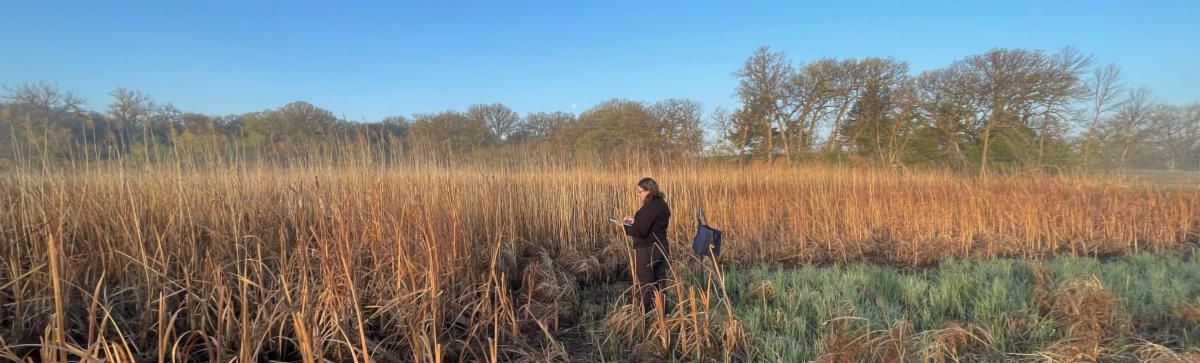
Photo above by Scott Shupe of Jackie Augustine conducting a rail survey.

Photo below by JK Augustine of a biologist documenting mountain lion scat while the scent dog enjoys his ball.

Water Conservation is critically needed in Kansas to protect the future of our wetlands and rural communities


AOK continues to participate in discussions with the Rattlesnake Creek Working Group. This group includes the Kansas Department of Agriculture's Division of Water Resources, the US Fish and Wildlife Service, Kansas Corn, Kansas Livestock Association, The Nature Conservancy, Kansas Water Users Association, landowners, and others. We are all working to ensure there is enough water to meet the water rights of Quivira National Wildlife Refuge while minimizing the impact on agricultural users. Right now, landowners have the opportunity to sign up for voluntary water conservation agreements through a Compensated Allocation Management Program (CAMP) designed by the Central Kansas Water Bank as well as a Water Conservation Area (WCA) designed by several industry groups. If voluntary conservation is not sufficient to meet the water right of Quivira, the state may have to administer water rights.


The Kansas Rural Center offers this commentary on the issue:

"Continually kicking the can down the road in denying the challenges of excessive crop irrigation - around national treasures such as the Quivira National Wildlife Refuge - must be challenged. Kansas now has a significant ‘budget stabilization fund (rainy-day fund)’ of $1.7 billion that should be tapped to buy back certain water rights (with the professional assessment of the Kansas Geological Survey) and work with farmers on other cropping and grazing options to balance lost income."


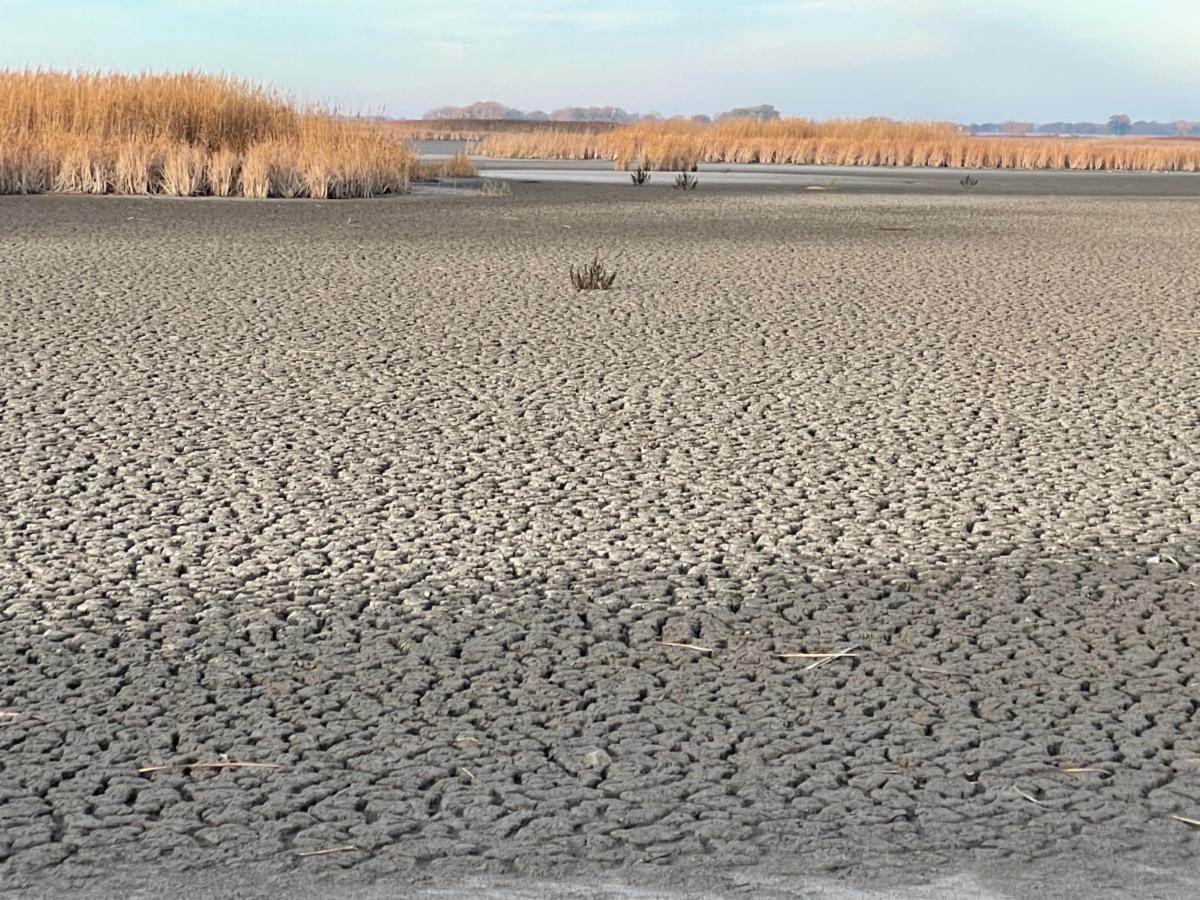
Why now? The need is urgent! Prolonged and more frequent drought has exacerbated the problem of over-appropriation of water over the last 50 years resulting in reduced water levels at Quivira, creating fewer places for birds to refuel during migration, higher concentrations of birds in the remaining pools, and increased disease transmission among those birds. We are also seeing some irrigation and household wells run dry in the area. If we are to have healthy rural communities alongside healthy ecosystems, we need to prioritize sustainable water use NOW before more wells run dry.


Contact the Governor's Office, thanking them for their work thus far in the Kansas Department of Agriculture's Division of Water Resources, and encourage them to find a solution that will work for Quivira in the long term (such as permanent water rights buy-backs, not just 5 or 10-year lease programs).


Photo: Dry pool at Quivira National Wildlife Refuge by JK Augustine

Read more about Kansas Legislative Policy concerning water from the Kansas Rural Center
 

AOK's Hutton Ranch now officially a part of Niobrara's 'Quiet Trail' - What will you hear?


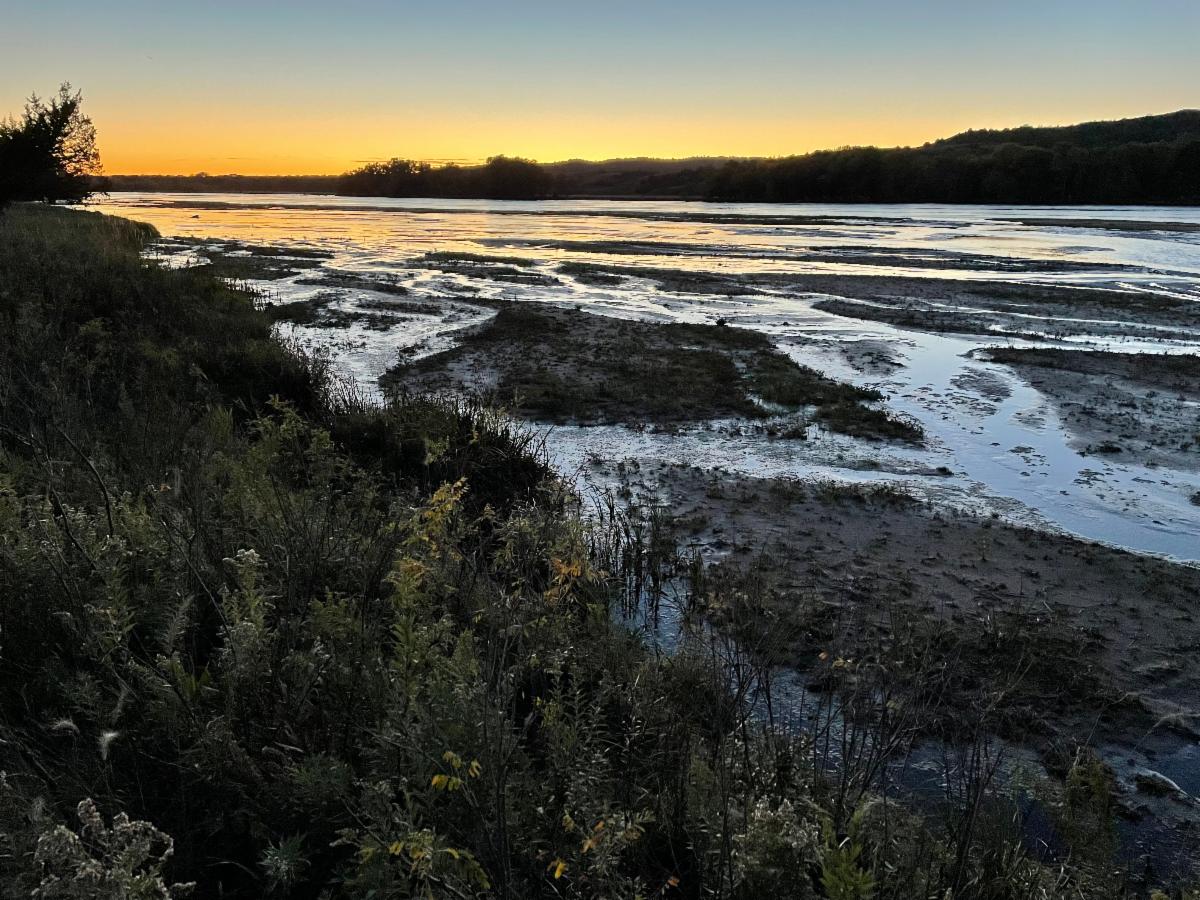
In 1991, the Niobrara National Scenic River was established. Of the 76 miles of river protected with this special designation, over 3.5 miles are located in AOK's Hutton Niobrara Ranch Wildlife Sanctuary. Now, the area has received a new honor: it is North America's first 'Quiet Trail' by the nonprofit organization, Quiet Parks International.


To receive such a designation 'natural quiet' must prevail through the testing period. As any outdoor enthusiast knows, 'natural quiet' is far from quiet! In summer, you might hear Sandhill Cranes as they defend their nesting territory over the cacophony of Red-winged Blackbirds doing the same. In winter, Bald Eagles line the river and make their weak and stuttered calls as they hunt for fish. Year round, there is always the gurgle of the river and the swish of wind through the trees.


Photo: The Niobrara River as seen from Hutton Niobrara Ranch Wildlife Sanctuary. Photo by JK Augustine.

Read an article in the Nebraska Examiner

Niobrara Council fails audit


Funds which were supposed to be used to support conservation along the Niobrara River were used inappropriately. The Nebraska Auditor recently reported that the Niobrara Council used funds to give staff bonuses. Additionally, there were several other deficiencies reported including failure to make annual reports to the Nebraska Natural Resources Committee.


Audubon of Kansas has been dissatisfied by the Niobrara Council's actions, including not approving AOK's bid for a wetland easement at our Hutton Niobrara Ranch Wildlife Sanctuary in Nebraska, even though one of the stated tasks of the Council is to develop conservation easements.

Read more about the failed audit
Read more about how AOK was able to get an easement
 

How Ducks Avoid Hunters


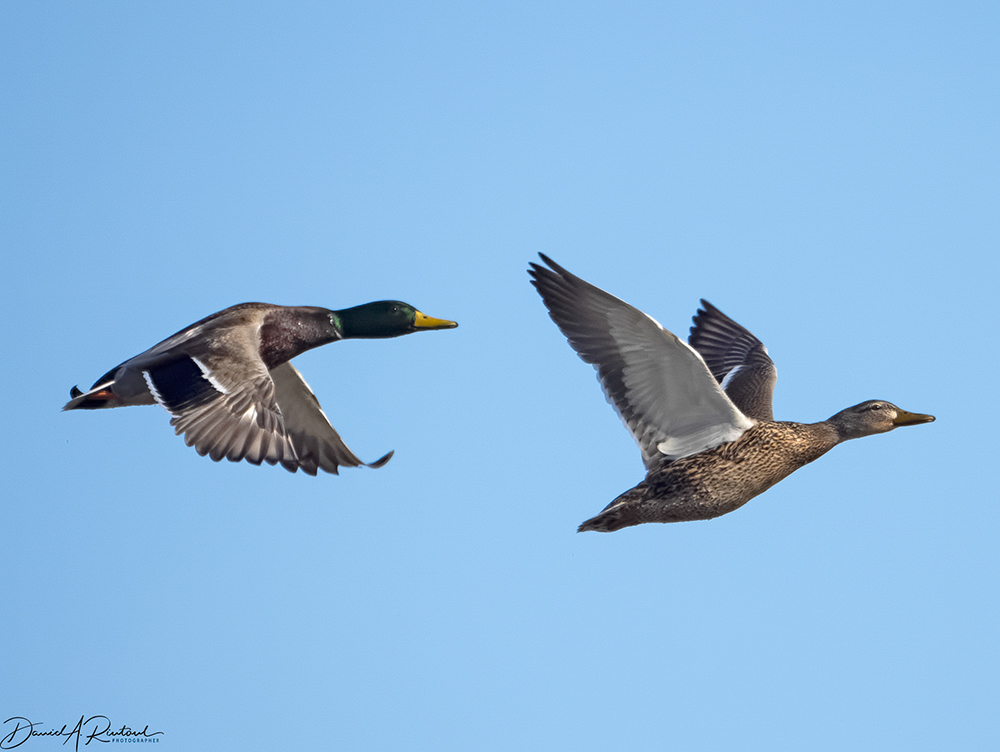
Ethan Dittmer, a waterfowl scientist and doctoral student, said his research this past year on the Southeast Kansas Mallard GPS project indicates the ducks are smart enough to hide from hunters. During the day, the ducks spend their time in refuges closed to hunting. At night when it is too dark to hunt, the birds fly to private lands to take advantage of more abundant food resources. “Mallards are incredibly capable of navigating the landscape with extreme hunting pressure safely,” he said. “What I mean by that is they don't often make random movements or flights. They know when to fly and where to go when it's safe.”


Photo of Mallard pair by David Rintoul

Read the full article

AOK Events


July 6, 9am: "Beginning Birding Walk"

Arkalon Park, 11123 Arkalon Park Rd, Liberal

Dr. Jackie Augustine, Audubon of Kansas Executive Director, will start at 9:00am with a short presentation about bird watching. A Nature Walk will start at 9:30 am. We hope to see turkey, red-headed woodpecker, scissor-tailed flycatcher, and orioles. In order to be prepared to spend time outside watching birds, consider bringing insect repellent, sunscreen, and water. Binoculars will be available to borrow, but you should bring a pair if you have them.

CLICK HERE for more information

Sponsored by Friends of Arkalon Park


July 10, 7pm: "3 Billion Birds Lost & What to do about it" (Highlighting Wisconsin)

Mequon Nature Preserve, 8200 West County Line Road, Mequon, Wisconsin & VIRTUAL

A recent study revealed that we’ve lost one in four individual birds since 1970. However, not all species declined, and some habitats have experienced greater declines than others. Jackie Augustine will explain how this was estimated, describe trends in the data with respect to species and habitats, and shares ways you can prevent further losses in your own neighborhood as well as in general.

CLICK HERE to get tickets for the in person event

CLICK HERE to register for the virtual meeting

Sponsored by Ozaukee Washington Birding Coalition


July 15, 6:30pm: "America's National Parks"

Basehor Public Library, 1400 158th St., Basehor

Dr. Jackie Augustine, Audubon of Kansas Executive Director, has traveled to 29 of the 63 National Parks in the United States. She will tell stories of her adventures, and show wonderful photos. You will be inspired to start your own National Parks quest! No registration required. 

Sponsored by Basehor Community Library


July 20, 9pm: "Spider Walk"

Mount Mitchell Heritage Prairie Park, 29377 Mitchell Prairie Ln, Wamego

See announcement below. No registration required. 

Sponsored by Audubon of Kansas


July 24, 7pm: "3 Billion Birds Lost & What to do about it" (Highlighting Kansas)

Manhattan Public Library - Groesbeck Room; 629 Poyntz Ave, Manhattan, KS 66502

A recent study revealed that we have lost one in four individual birds since 1970, amounting to nearly 3 billion birds. However, not all species declined, and some habitats experienced more declines than others. Dr. Jackie Augustine, Audubon of Kansas Executive Director, will explain how this was estimated, describe trends in the data with respect to species and habitats, and share ways you can prevent further losses in your own neighborhood. No registration required. 

Sponsored by the Northern Flint Hills Audubon Society


October 3-7

Work Fun! Week at Hutton Niobrara Ranch Wildlife Sanctuary, Bassett, NE


October 6

Open House at Hutton Niobrara Ranch Wildlife Sanctuary, Bassett, NE


November 1-2

Celebration of Cranes at Sterling/Quivira National Wildlife Refuge


December

Registration opens for Kansas Lek Treks Prairie-Chicken Festival


April 10-13, 2025

Kansas Lek Treks Prairie-Chicken Festival, Hays, KS

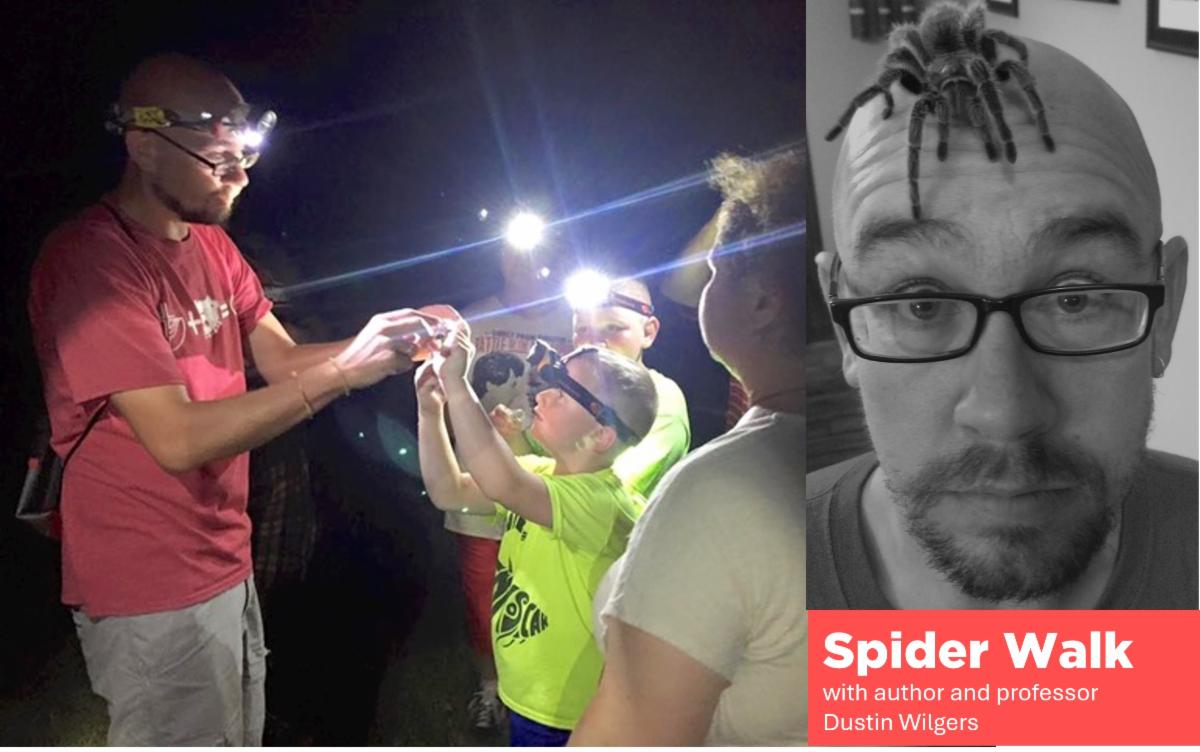
What has 8 legs, 8 eyes and is one of the more important invertebrate predators of our prairie ecosystem? SPIDERS!


While they may be some people’s worst nightmare, these interesting creatures play an extremely valuable role in this ecosystem. Saturday, July 20, Dustin Wilgers will hold a spider night walk event at Mount Mitchell Heritage Prairie Park near Wamego, KS. The event starts at 9:00 PM and will likely run to 11:00 PM, although participants can leave whenever they would like. These spider night walks are a hands-on program, followed by a walk through various habitats searching for one particular spider, wolf spiders. Participants will learn about spider biology, including some of the adaptations that allow these creatures to be so active at night, along with their importance to our ecosystem and why to conserve them.


Dr. Wilgers will have various live spiders for people of all ages to interact with and then will teach participants how to find and catch wolf spiders using the eye-shine method. This program is fun for people of all ages. I encourage anyone and everyone to attend, learn about spiders. Please bring a flashlight and be ready to begin breaking down any arachnophobia that you may have. Dustin will have copies of his 4 children’s books on hand and available for purchase and signing if you are interested.


Dr. Wilgers received his B.S. in Biology from Southwestern College, M.S. in Biology from Kansas State University, and Ph.D. in Biology from the University of Nebraska. It was at Nebraska where he fell in love with spiders. After getting over a mild case of arachnophobia, he became fascinated by these creatures and has been studying their behaviors for more than a decade. Since 2011, Dustin has been a faculty member in the Natural Sciences Department at McPherson College in Kansas. He enjoys sharing his passions of science, spiders, and conservation with audiences of all ages. He write stories for young readers in ways that educate kids effectively, entertain them so they come back for more, but most importantly excite the next generation to change the world.


More information on Dr. Wilger's books can be found here:

https://dustin-wilgers.square.site/

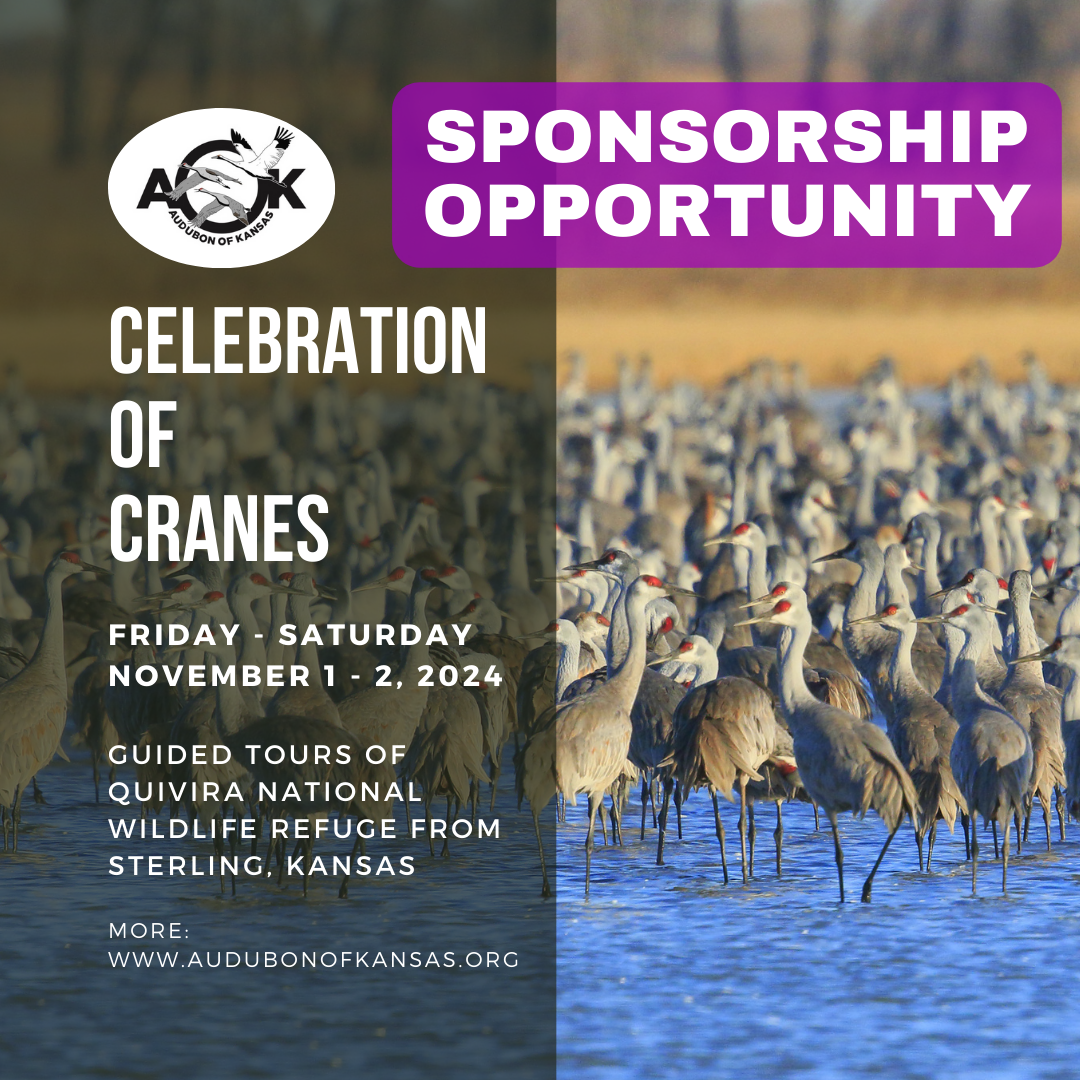
Discover Exclusive Sponsorship Opportunities for Celebration of Cranes


Get ready to experience hundreds of sandhill cranes taking flight at our Celebration of Cranes festival! We're thrilled to offer you an exclusive first look at our sponsorship opportunities that support AOK's advocacy, conservation, and education efforts. Together, we are making a difference and working to ensure a bright future for Kansas' wetlands of international importance, which are crucial migration stopovers for critically endangered whooping cranes. As a sponsor, your support not only helps preserve Kansas' natural heritage but also offers a unique platform to showcase your commitment to environmental stewardship. Enjoy perks such as prominent logo placement, guided van tour seats, and more! Don't miss this chance to join us in celebrating the majestic migration of cranes this November 1-2, 2024. Secure your sponsorship and partner with AOK to defend wildlife and habitat today.

Sponsor Celebration of Cranes Today!

Chapter Spotlight:

Sperry-Galligar Audubon participates in Prothonotary Warbler research


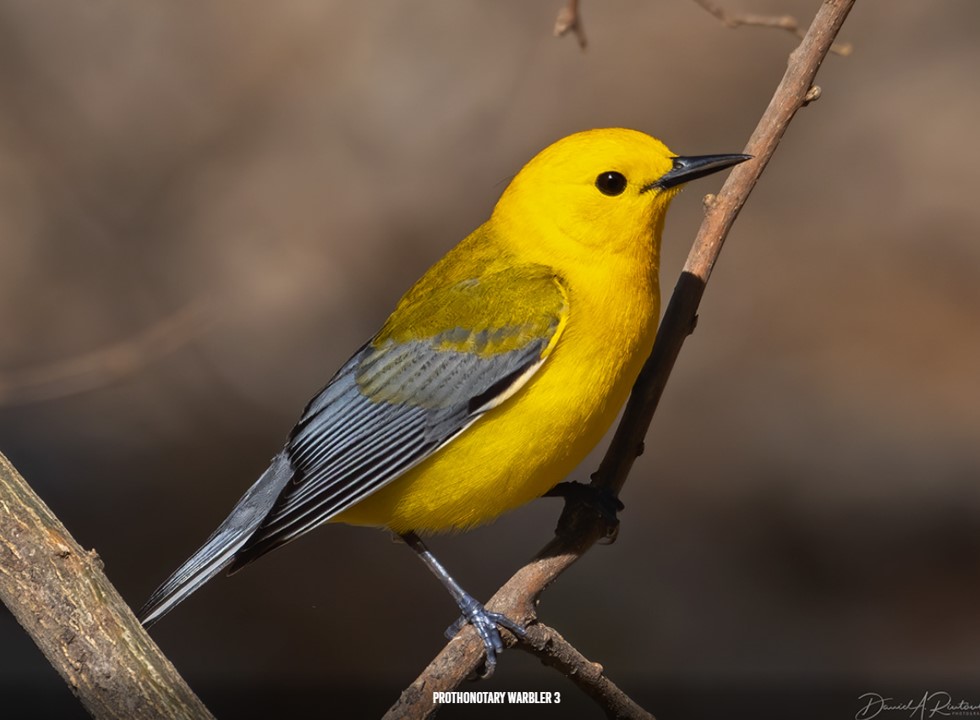
Sperry-Galligar Audubon's Steve Ford shared his experiences observing a Prothonotary Warbler nesting on his back porch in southeast Kansas. These brightly-colored warblers nest in birdhouses built for bluebirds, but placed in close proximity to ponds or large rivers. The Audubon chapter is connected to faculty at nearby Pittsburg State University, and Andy George was able to capture the male defending the nest and place a geolocator on it. If that bird returns next year, Andy and his student researchers will be able to download the bird's position and timing throughout his migratory route. The full story can be read on Sperry-Galligar's Facebook page:

https://www.facebook.com/SperryGalligarAudubon


Photo: Prothonotary Warbler by David Rintoul

Visit Sperry-Galligar's Website
Visit Sperry-Galligar's Facebook page

AOK Nature Spot Recommendations:

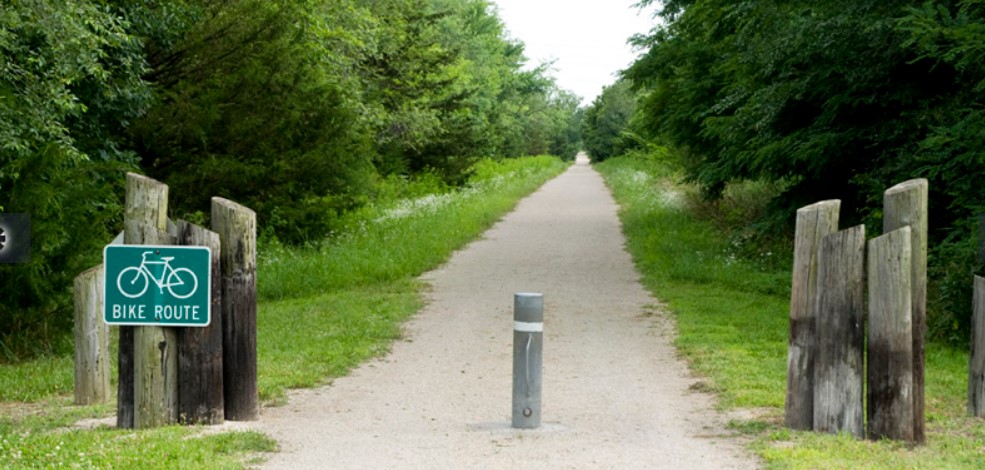
Prairie Spirit Trail has a great name and some great birds in Anderson County


This linear park is located along a former rail bed between Iola and Ottawa, a distance of 51 miles. The city of Garnett is the midway point, and the park office is located at the Garnett Area Chamber of Commerce building. The Prairie Spirit Trail connects with the 9-mile long Southwind Rail Trail between Humboldt and Iola. Combined, the trails pass through 10 charming rural communities.


The Prairie Spirit Trail offers a peaceful and calm tranquility away from the hustle and bustle of big city life. The trail is a linear park passing through three counties with eight pocket-parks along the way. It is a greenway and travel corridor open to pedestrians and bicyclists that traverses diverse ecosystems including tallgrass prairie, riparian areas, agricultural lands, and communities.


Along rural portions, the trail is a hard packed limestone screening surface. The trail is asphalted through Garnett and Ottawa. The trail averages a minimum of 8 feet wide. It follows the original rail bed of the old Leavenworth, Lawrence and Fort Gibson Railroad. Built in the 1860’s, it was the first north-south rail line in Kansas. The grades are moderate, providing easy travel for hikers and cyclists alike.


In October 2020, the U.S. Department of the Interior announced the trail has been designated a National Recreation Trail. NRT designation promotes some of our country's highest-caliber trails with the intention of providing recreation access to rural and urban communities, economic development through tourism, and healthy recreation opportunities.


The birdiest spot along the trail is where it crosses NW Mitchell Road (38.234778, -95.267381), southwest of Garnett, KS. Over 100 species have been recorded here with May being the best time to visit when a dozen species of warblers may be seen. 


Bird information from eBird

Information and photo from KDWP's website 


Contact Us


Jackie Augustine - Executive Director - General Questions, Programs, Sanctuaries Management jackie@audubonofkansas.org


Ellen Johnson Mosley - Director of Philanthropy - Gift Planning, Membership, Endowments, Events Management - ellen@audubonofkansas.org


Amy Kucera - Sanctuary Manager - Questions about AOK sanctuaries and habitat management amy@audubonofkansas.org


Audubon of Kansas

PO Box 1106 - Manhattan, KS 66505

785-537-4385

 
Facebook  Instagram  LinkedIn  YouTube