Rail & Labor News from RWU
| |
Weekly Digest Number 48 - November 28, 2023 | |
Welcome to the RWU Rail & Labor News! This news bulletin is produced and emailed out each Tuesday morning. We hope you find each week's news and information useful. If so, please share with co-workers, friends, and colleagues. If you like, you can sign them up to get all the news from RWU HERE. Or forward them the link. Note: If you read over this news bulletin each week, you will be sure to never miss the important news of what is going on in the railroad world from a worker's perspective!
| |
Editor's Note: It is great to see more and more rail workers in both freight and passenger service making strike authorization votes. A strike at SEPTA is certainly needed. Let's hope elected officials keep their nose out of it! | |
Editor's Note: Traditionally the rail industry has described catastrophes that are weather related as " acts of God". This is unacceptable. As always, good to see the FRA make some suggestions in this regard. But the rail carriers need regulation, not advice | |
|
Joanna Marsh /November 24
U.S. railroads should beef up the procedures they use for responding to adverse weather conditions, including seeing how weather-related technologies can be integrated into positive train control and whether the railroads can collaborate on developing best practices, according to a safety advisory from the Federal Railroad Administration. FRA pointed out that since the start of 2021, there have been 123 rail incidents in which severe weather conditions or weather-related events may have contributed in part or in whole to those accidents. Of these incidents, more than half of them were main-track derailments.
| |
Editor's Note: This tragedy adds to the list of other unnecessary derailments of Amtrak trains in the last few years. This one is especially egregious since an absolute danger of an imminent collision was known about 45 minutes before impact, and the rail industry simply does not have the infrastructure nor the ability to prevent such a disaster. Pathetic... | |
|
MEGAN HICKEY / NOVEMBER 21
A Chicago man called 911 to report a sport-utility vehicle struck on the tracks in Southwest Michigan – and thought a crisis had been averted. But less than an hour later, a Chicago-bound Amtrak train slammed into that very SUV – injuring at least six people.
|
|
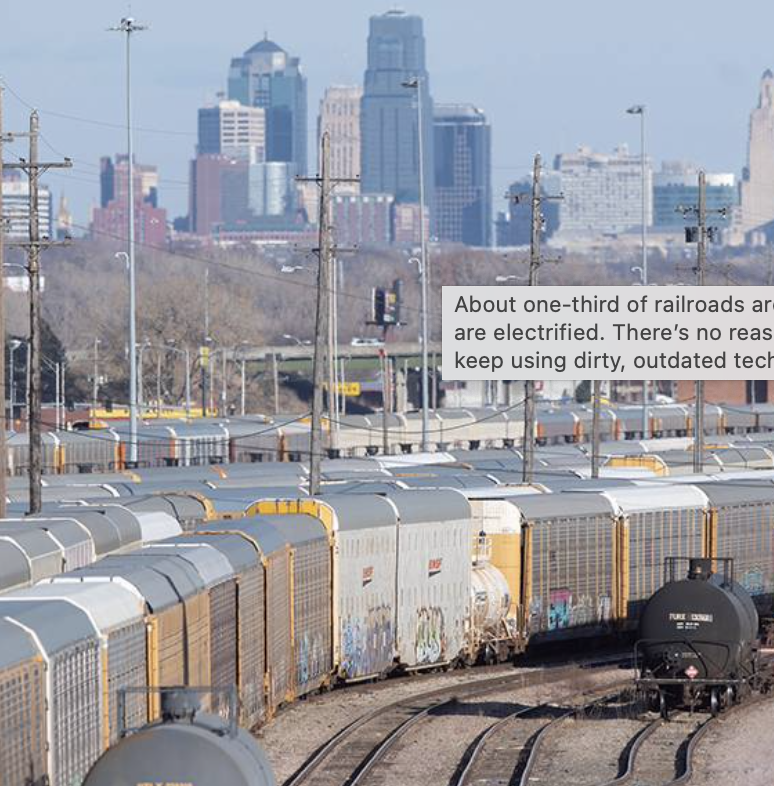
Editor's Note: Replacing diesel switching locomotives - typically the oldest, dirtiest models In the fleet - with zero-emission electric-powered units is one of the fastest ways to ease rail's impact on adjacent communities and rail workers. There is copius, eager federal money (just ask Mike Johnson, Senior Advisor for Climate and Sustainability at FRA) to fund most of the costs of new (or likely remanufactured) switcher locomotives and power/charging infrastructure. The battery technology works now and will only get more efficient, as rail-appropriate battery chemistries are developed. | |
|
Beto Lugo-Martinez, Special to The Kansas City Star / November 10
Kansas City is home to the second-largest rail hub in the United States, and is facing a pivotal moment that will either protect or continue to endanger the health of many of our residents. The exhaust from decades-old diesel locomotives contains particles (nitrogen oxides and black carbon) that scientists and public health experts have long known cause lung cancer, severe asthma, heart disease and neurological disorders.
| |
Editor's Note: This looks to be a nifty tool for visualizing the rail industry's impacts on adjacent communities. This should be a big help in prioritizing mitigation funding for eliminating crossings and replacing dirty locomotives. At first glance it seems like the webinar is a prerequisite to understanding how to use the tool. | |
|
Federal Railroad Administration
You’re invited to join the Federal Railroad Administration (FRA) for a webinar on the new Justice40 Rail Explorer tool! The tool is an interactive web application that combines data from the U.S. DOT Equitable Transportation Community Explorer, the North American Rail Network, FRA’s Grade Crossing Inventory, Diesel emissions levels, and the 2020 Census. The tool allows users to understand rail infrastructure and potential improvement projects in the context of the surrounding communities.
| |
Editor's Note: This article and the one following illustrate how the trucking industry aggressively externalizes its costs. The next time they press for 18-year-old Class 8 truck drivers or lifting weight restrictions remember the driver shortage is complete fiction, and the number of drivers the industry says it's short is eclipsed buy the yearly turnover rate. If trucking companies fairly compensate them drivers will stay. | |
|
Rachel Premack / November 22
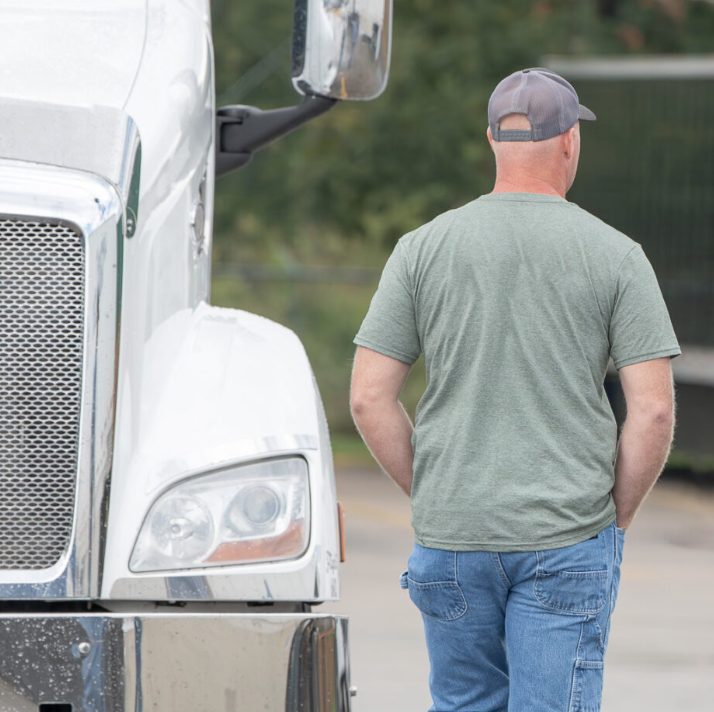
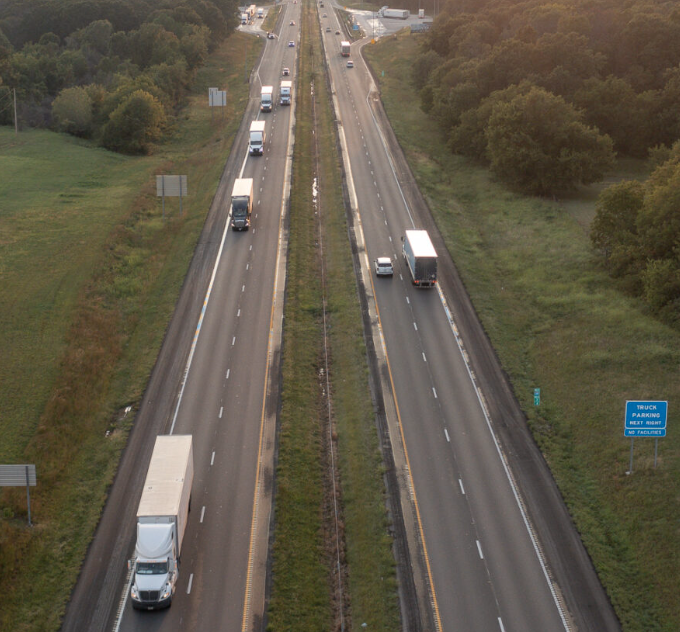
The most fundamental disagreement in this fair industry, perhaps, is whether we are in the midst of a truck driver shortage. Trucking associations say fleets struggle to hire drivers, while researchers have repeatedly concluded that there is no evidence for a long-term labor shortage in trucking. Instead, these companies struggle with massive turnover rates. It’s more profitable for trucking companies to have high turnover than to retain drivers
| |
Editor's Note: It's sad to see jobs and investments get frittered away by profit-taking. This is the true cost of competition and trucking offering rates that erode rail's pricing advantage. The nature of the rail industry (regulated and unionized) makes it far less likely to recklessly add capacity as does trucking. | |
|
Craig Fuller / November 17
We are in one of the worst downturns in freight market history, caused by a massive buildup of capacity, and it’s going to take time to burn it all off. Since early in 2022, many companies have gone out of business or severely cut back by letting employees go. Some of those companies were household names in the industry, such as Yellow Corp. and Convoy. Many others were much smaller, not known perhaps beyond their headquarters location. Nonetheless, the bankruptcies, closures and layoffs have piled up, and the financial and human losses have taken a toll.
| |
Editor's Note: It is encouraging to see the fruits of all the current Amtrak spending. Even though it's concentrated in a sliver of the country it shows what a 'metro' corridor can look like. Half hour service frequencies get people out of cars and off planes. | |
|
Railway Gazette International / November 21
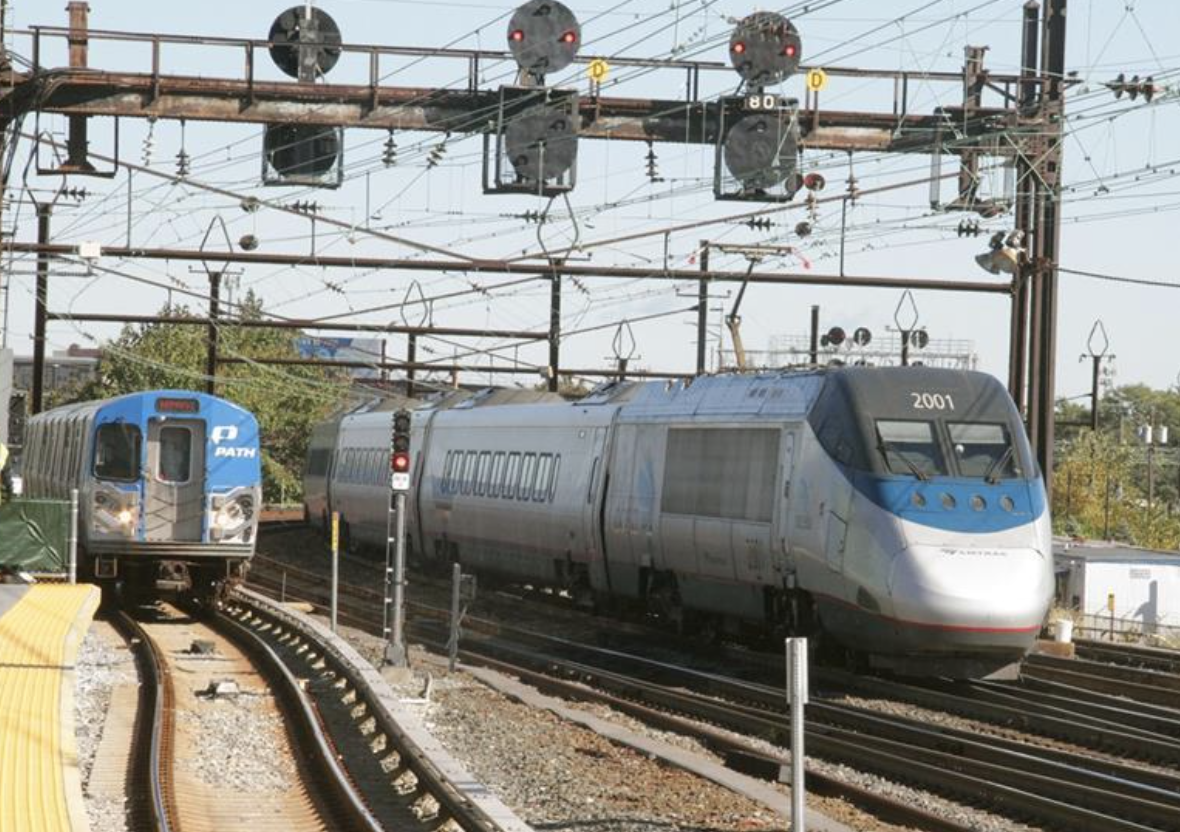
Amtrak and the NEC Commission consortium of stakeholders in the USA’s busiest passenger rail route have updated their plans for modernization of the 456 mile Northeast Corridor linking Boston with New York City and Washington DC, following the award of federal funding. The plan envisages 50% more Amtrak trains between Boston and New York, and a near-doubling of the service between New York and Washington. There would be a 60% increase in commuter trains, including provision for MBTA trains to link Boston and Providence in less than 1 h. New York MTA’s Metro-North operation is expected to add 51 trains per day on the New Haven line serving New York Penn Station, while the MARC service between Washington and Baltimore would increase from 27 to 37 trains each way per day.
| |
NEWS FROM AROUND THE LABOR MOVEMENT | |
Editor's Note: Building an internal caucus is key to challenging cautious and conservative Union leadership that is out of touch with the rank and file. In the last few years both teamsters and Auto Workers have replaced old regimes with new younger, vigorous, progressive leaderships. Rail workers can do it too! Please attend this important workshop! | |
|
STEPHEN FRANKLIN / NOVEMBER 17
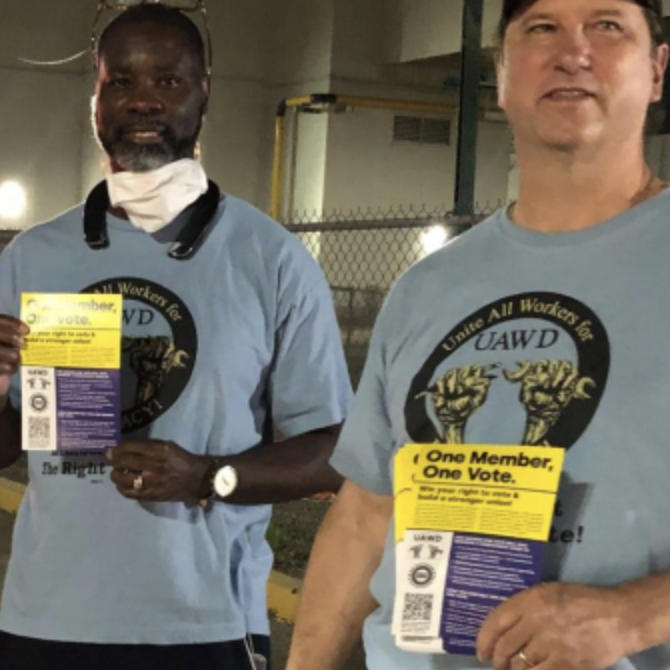
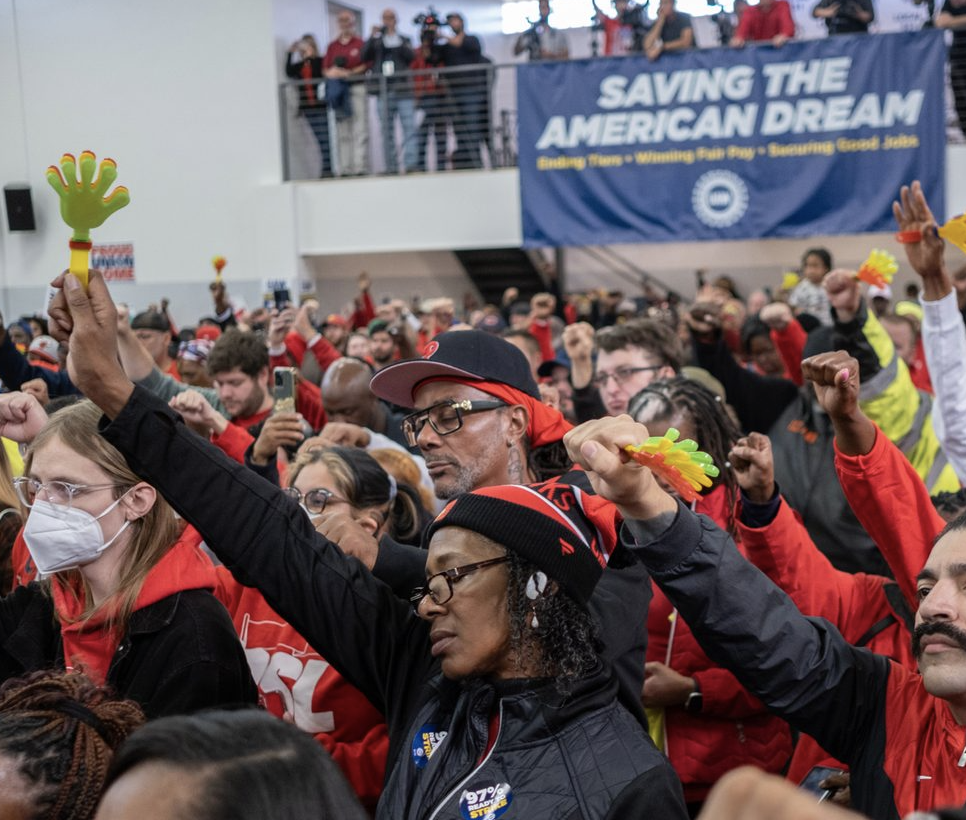
It was the 1990s and organized labor seemed impaled on a death spiral. The Peoria workers’ despair would spread across blue-collar America, driven by factory closings and crushed expectations of a decent, good-paying job. But that was then, and now labor may be the phoenix rising from its ashes.
| |
Weekly Derailment Department | | | | |