Facebook  X  Linkedin  Youtube  

2024

Spring Newsletter

In This Issue:

  • Successful Return to In-Person PCF Training
  • Virtual PCF Training
  • Recent Publications
  • Highlighting Project Websites


In-Person Positive Culture Framework Training Recap


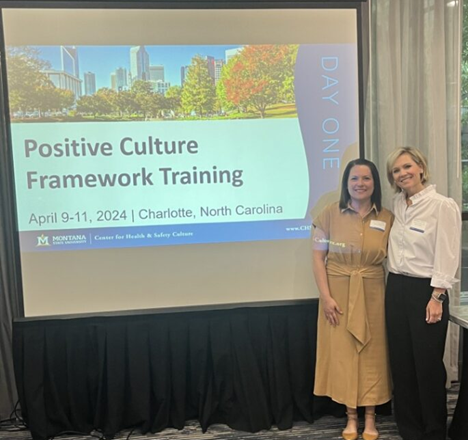
We returned to Charlotte, North Carolina for the 2024 in-person Positive Culture Framework training. Nearly 40 people from across the country gathered in early April to learn and grow skills together. The annual event provided a foundation for efforts to improve health and safety in which training attendees developed and refined skills in three critical areas: leadership, communication, and the integration of effective strategies. Attendees also learned how culture influences behavior, and how to cultivate cultural transformation, and specific next steps for transforming culture. The historic city provided a little reprieve from the busy day to day and an opportunity to reflect and refocus efforts to improve health and safety. 

From CHSC senior trainer Katie Dively, “This spring’s Positive Culture Framework training in Charlotte brought together a diverse group of participants all working to improve health in safety. Professionals from across the United States working to reduce the misuse of substances, improve traffic safety, outcomes for youth, and many other topic areas engaged in rich conversations about growing positive cultures. It was so energizing to be in the room with these incredible leaders!” 

Additionally, from co-trainer Sam Pinzl, “We open the training by hearing why the participants do the work that they do. It always leaves me in awe. We get to be in a room full of people with such a deep passion for improving the health and safety of their organizations and communities. The PCF Training is a refreshing way to connect with others doing this difficult yet important work. It was such a supportive and engaged group!” 

Charlotte PCF training participant quotes: 

  • “This was a great training and both of you were AMAZING trainers! Very personable and easy to understand.” 
  • “Thank you for this training. I wish I would have experienced it earlier in my work.” 
  • “I am going to encourage our organization to bring this training to the rest of our grantees.” 
  • “Best training I have been to in quite some time.” 
  • “Thank both for all the new knowledge!” 
  • “I’m in my first year of being a coalition coordinator and this training has been so beneficial. I’m going to recommend it to all of my coworkers who also run coalitions.” 


If you missed the in-person training opportunity, we are hosting our virtual Positive Cultural Framework training on September 17-19, 2024.

Catch our next Positive Culture Framework Training on September 17-19 virtually.

Our usual 2.5-day, in-person training is now conducted over three days in two-hour virtual sessions. The training provides a foundation for efforts to improve health and safety that addresses a wide variety of complex social issues. 


Training attendees will:

  • Develop and refine skills in three critical areas: leadership, communication, and the integration of effective strategies
  • Learn how culture influences behavior and how to cultivate cultural transformation
  • Gain specific next steps for transforming culture in your community or organization


Who should attend? 

Our training is designed for anyone working to improve health and safety including (but not limited to) substance misuse professionals, prevention specialists, violence prevention advocates, coalition members, traffic safety professionals, educators, government personnel, and law enforcement officers.

Learn More
 

Recent CHSC Publications


Community Support for Harm Reduction and Treatment of Opioid Use Disorder

Bridget Hanson, Ph.D., Kari Finley, Ph.D., and Jay Otto, M.S. with the Center for Health and Safety Culture (CHSC) at Montana State University published an article in the Journal of Community Health. The article shares findings from a study that explored beliefs and attitudes associated with support for three community-based strategies to address opioid misuse and addiction – naloxone availability, needle exchange programs, and medication-assisted treatment. Results showed support for all strategies, with the strongest support for medication-assisted treatment. Stigmatizing and normative beliefs predicted support for all strategies, suggesting that community support for harm reduction and treatment programs may be bolstered by reducing stigma and increasing normative beliefs.


Read and share the article here.


Citation – Hanson, B. L., Finley, K., Otto, J., Ward, N. J., & Banik, S. (2024). Community support for harm reduction and treatment of opioid use disorder. Journal of Community Health. https://doi.org/10.1007/s10900-023-01278-6


Understanding Aggressive Driving And Ways to Reduce It - Phase 1

Kari Finley, Ph.D., Bridget Hanson, Ph.D., Jay Otto, M.S., and Kelly Green, M.P.A. with the Center for Health and Safety Culture (CHSC) at Montana State University completed the final report for a project entitled Understanding Aggressive Driving and Ways to Reduce It – Phase 1 for the Traffic Safety Culture Transportation Pooled Fund led by Montana Department of Transportation. This project explored how aggressive driving is defined, what factors precipitated such behaviors, and what strategies may prevent and reduce the incidence of aggressive driving behaviors. In addition to the final report, a resource document was developed for traffic safety professionals that provides an overview of strategies transportation agencies can use to address aggressive driving. The final report and resources document can be found at https://www.mdt.mt.gov/research/projects/trafficsafety-ad.aspx. 


Citation- Finley, K., Hanson, B., Otto, J., & Green, K. (2024) Understanding aggressive driving and ways to reduce it - Phase 1. (Final Report FHWA/MT-24-001/8882-444-23) Montana Department of Transportation. Retrieved from https://www.mdt.mt.gov/other/webdata/external/research/docs/research_proj/tsc/AGGRESSIVE-DRIVING/Final-Report.pdf 


Highlighting Project Websites

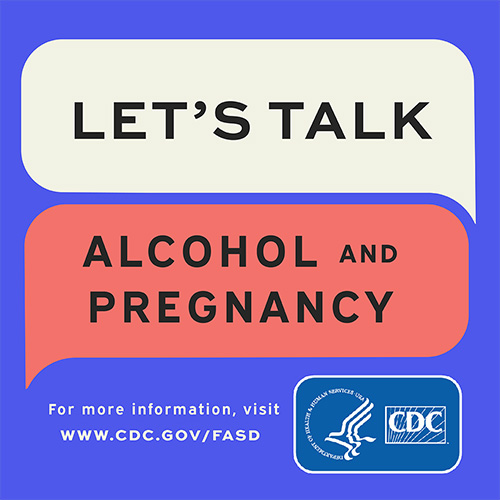
Preventing FASDs with NACCHO and Local Health Departments


The National Association of County and City Health Officials (NACCHO) is a partner of the Center for a project aiming to prevent and address fetal alcohol spectrum disorders (FASDs). NACCHO added this project to their Maternal, Child, and Adolescent Health webpage. With plans to expand in the coming project period, this website offers educational opportunities and resources for local health departments working to promote substance-free pregnancies. 


Learn More

Together for Life


Together for Life Utah is focused on increasing seat belt use throughout rural Utah. The website offers resources and tools aimed at various groups within Utah communities:

  • Adults: Materials to encourage adults to buckle up every time they're in a car.
  • Workplaces: Resources to help businesses promote seat belt use among employees.
  • Key Leaders: Tools to educate community leaders on the importance of seat belt safety and encourage them to spread awareness.
  • Schools: Resources for teachers and students to learn about seat belt safety and its importance.


Learn More

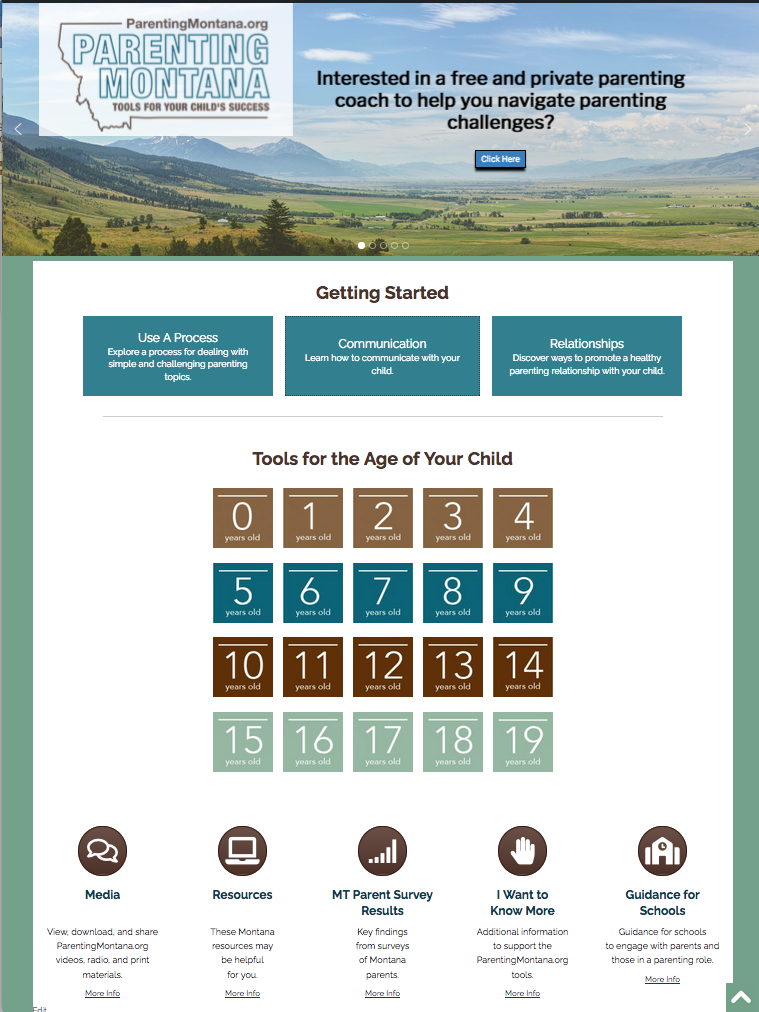
Parenting Montana


ParentingMontana.org is a website designed to support parents and those in a parenting role in Montana with raising children from birth through the teenage years. It provides tools and resources to address a variety of common parenting challenges, focusing on social and emotional development.


Learn More

Traffic Safety Culture Transportation Pooled Fund Program

The Center for Health and Safety Culture is the principal research entity and support agency for the Traffic Safety Culture Transportation Pooled Fund (TSC TPF) led by the Montana Department of Transportation. The TSC TPF has played an integral role and made significant contributions to research regarding Traffic Safety Culture for the past 10 years. The research funded by the pooled fund and led by CHSC has examined the definitions, measurement, development, and evaluation of Traffic Safety Culture. Some of the significant findings that have come from this research include:

• Development of the Traffic Safety Culture Primer 

• Proactive Traffic Safety: Empowering Behaviors to Reach Our Shared Vision of Zero Deaths and Serous Injuries

• Key Information about DUIC policies

• Guidance on Cultural-Based Strategies to Grow Engaged Driving

• Guidance on Messaging to Avoid Reactance and Address Moral Disengagement

Current projects of the TSC TPF include identifying specific interventions that will address multiple risky driving behaviors, better understanding aggressive driving, and developing resources and tools to improve pedestrian safety. The TSC TPF is nearing the end of the second phase of the pooled fund, and we are excited to announce that Montana Department of Transportation will apply to lead another 5-year pooled fund to continue the past decade’s worth of research. 


Learn More


All webinars are recorded and available on our website at

https://chsculture.org/webinars/

About the Center

  • Conducting, Exchanging, and Applying Research
  • Cultural Assessments, Surveys, and Evaluation

  • Positive Culture Framework
  • Integration Skills
  • Stigma Training
  • Instructional Videos
  • Communication & Leadership Skills

  • Moving From Knowledge to Practice
For more information on all our services visit our website at www.CHSCulture.org.

Feel free to contact us if you are interested in our services.
 
STAY CONNECTED
Facebook  X  Linkedin  Youtube  
Center for Health and Safety Culture | www.CHSCulture.org