|
Rapido UK Newsletter No. 65
©2026 Rapido Trains Ltd
| | |
Dear Rapido Customer,
Blimey, that was a lot of boxes!
Although January felt like it was 17 weeks long, February kicked off fast. We had barely turned the page of the calendar when the N Gauge Peaks arrived, so we shipped both these and the OO Gauge Fireless locos (which arrived in late Jan) to our retailers and customers. No sooner had we cleared the decks in our warehouse than an utterly enormous delivery arrived. We finally had the first Evolution Coach production models in our hands.
Combining this hive of activity with a show and another chunk of colour and engineering samples meant we have had a very busy month indeed, and lots to talk about.
Our designers have also been burrowing away like busy Prairie dogs (that joke will make much more sense once you’ve read the rest of the newsletter). So, we have another great (but somewhat expected) announcement to make. With that news, lets get on with the show...
| | If you are using a web-based email service such as Gmail, be sure to click on the link near the bottom of the email that says something like "[Message clipped] View entire message". That will ensure you don't miss any of this newsletter. | | |
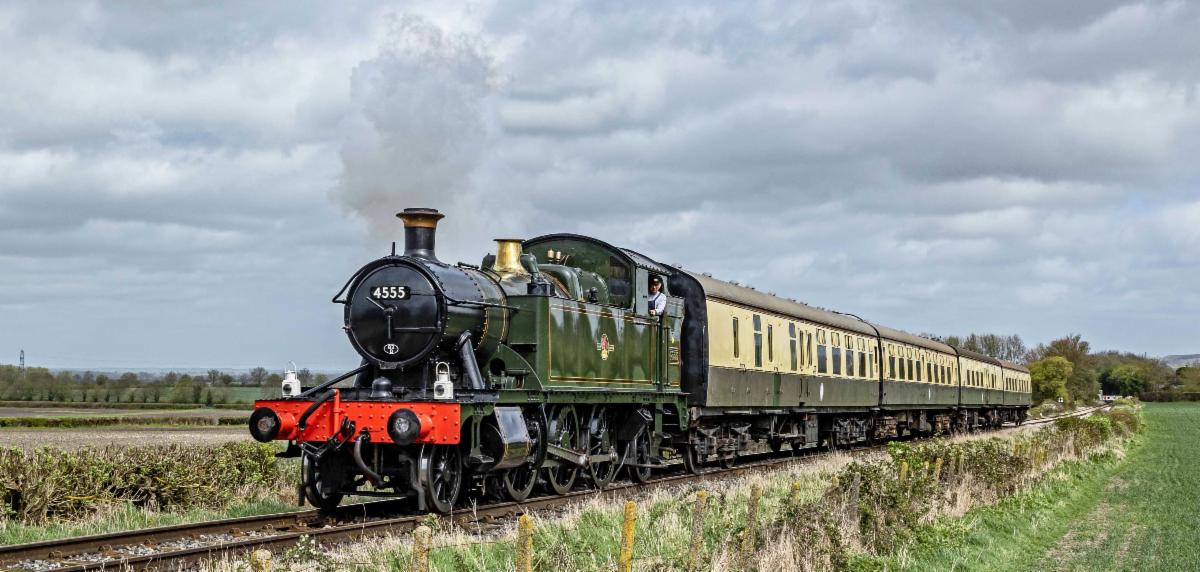
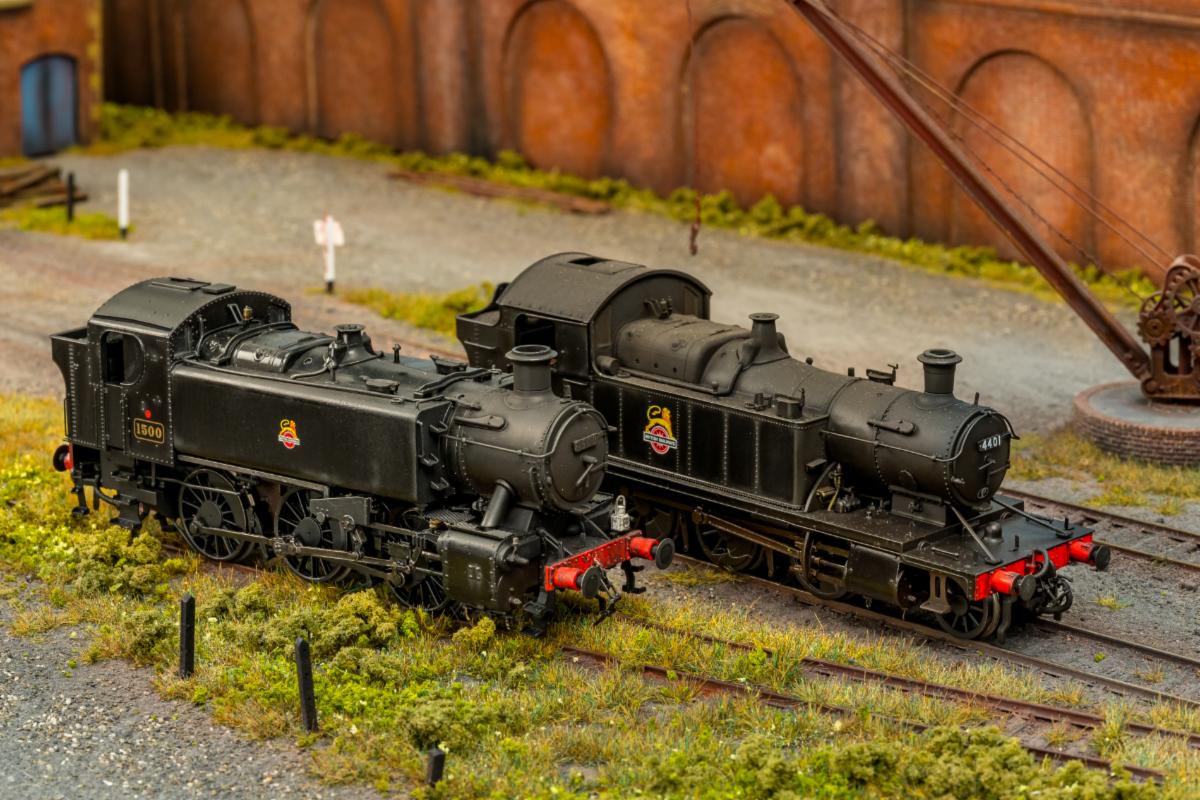
The Great Western Railway introduced the 44xx in 1904; these 2-6-2 outside cylinder tank engines were better known as the Small Prairie. Although they were very efficient locomotives, they had a limited top speed due to their small wheels. For the Small Prairie concept to be practical in other locations, a revision to the original design was required.
George Churchward, who was Chief Mechanical Engineer of the GWR at the time and designer of the 44xx, went back to the drawing board.
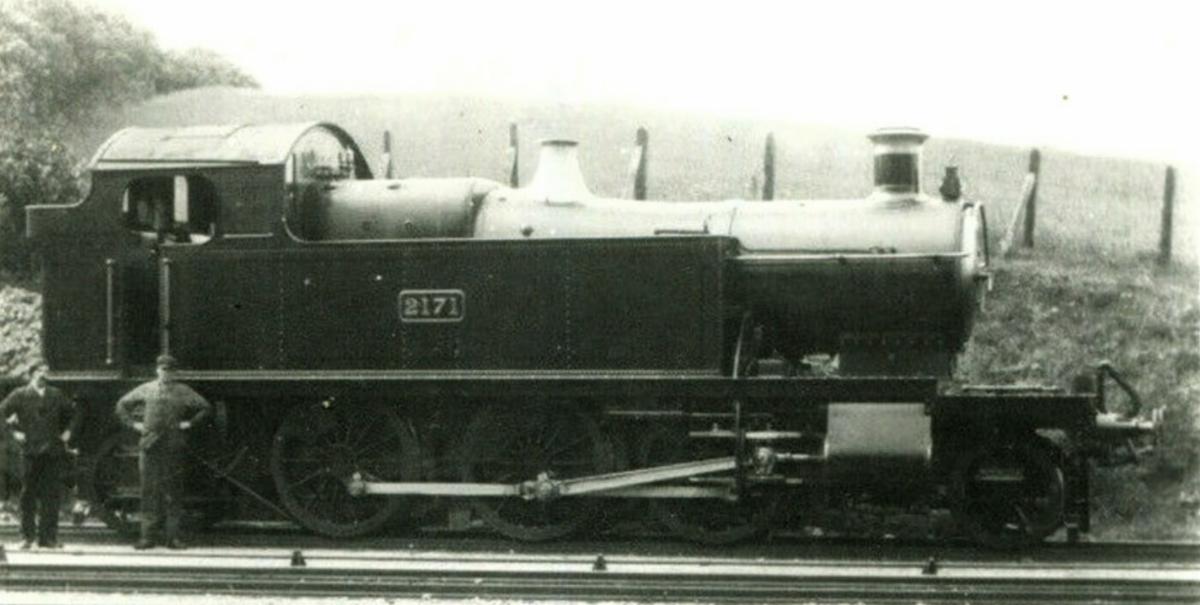
Following his adapted design, Wolverhampton Works built a 4’ 7 ½” wheeled version in 1906. This initial prototype was numbered 2161. The larger wheels enabled speeds of up to 60mph to be reached.
| | |
A further 19 locomotives were then constructed at Wolverhampton. This would be the last class of loco to be built there as the GWR decided to move all new loco builds to Swindon.
In late 1912, the GWR renumbered many of its fleet so that classmates were of consecutive numbers. Numbers 2161 to 2190 were reclassified and given numbers 4500 to 4529. As a class, they became the 45xx.
Ever the pioneering engineer, Churchward made an eclectic mix of tweaks to the 45xx throughout their lifetime to improve reliability, performance and range. This included superheated boilers, front-end support struts, outside steam pipes, and running boards modified from straight to curved front ends. Swindon continued building batches of 45xx locos from 1913 to 1915. The final batch was given superheaters when they were built.
| | |
Churchward retired in 1921. His successor, Charles Collett, clearly liked the 45xx design, as he went on to build another batch of them in 1924, bringing the total up to 75 class members.
This final batch was built with all the mod cons, including larger bunkers, full-length running boards with curved front ends, outside steam pipes and superheated boilers with top feeds from new. They also gained cab side shutters and had their cab front porthole windows removed a few years later.
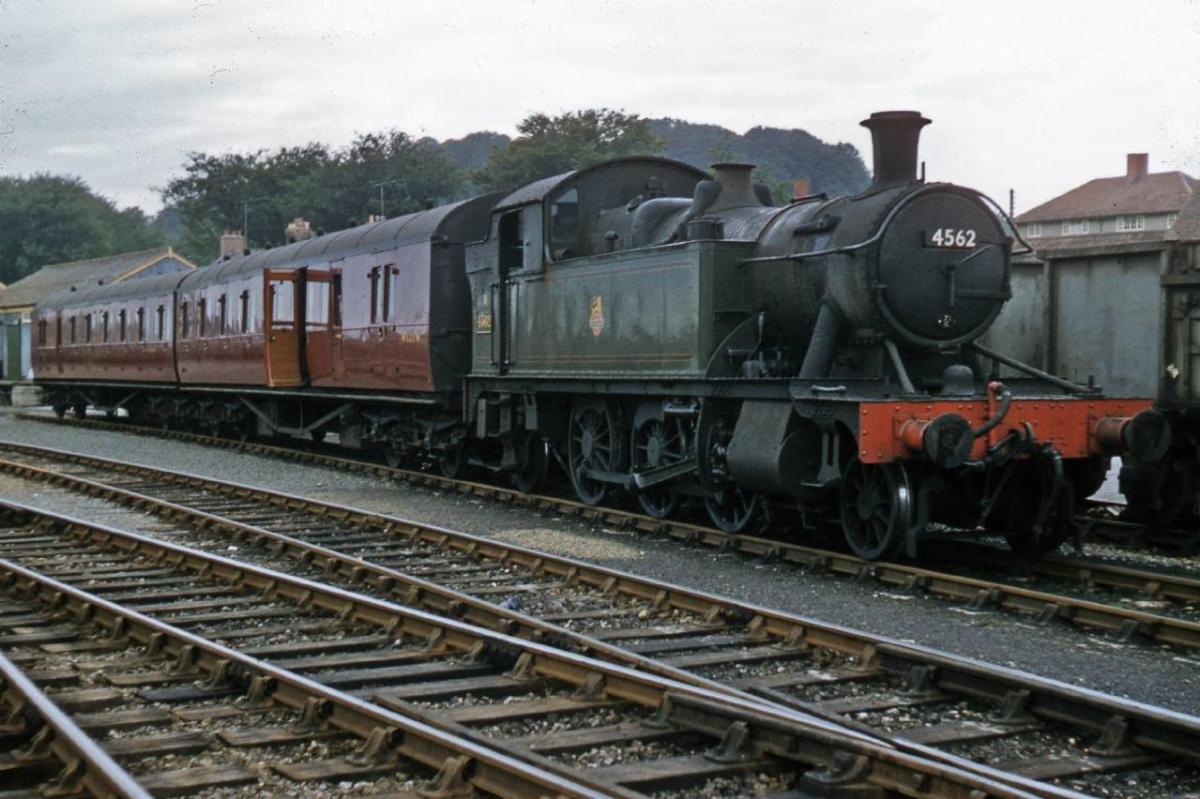
From 1924 onwards, the bunkers of the earlier batches of 45xx locomotives were modified to bring the coal carrying capacity up to 3 tons 14 hundredweight, matching their newly-built counterparts. This involved moving the bufferbeam back with an ‘extension block’, which was visible from the side. The loco became slightly longer as a result.
| | |
The class survived through the grouping years and right through to the days of British Railways. Scrapping began in the early years of BR, with the first examples being condemned in 1950. Throughout the 1950s and 60s they were gradually withdrawn in batches, with the last persisting until 1964. Several 45xx locomotives from the Collett era are preserved, but sadly, no Churchward-built locomotives survived.
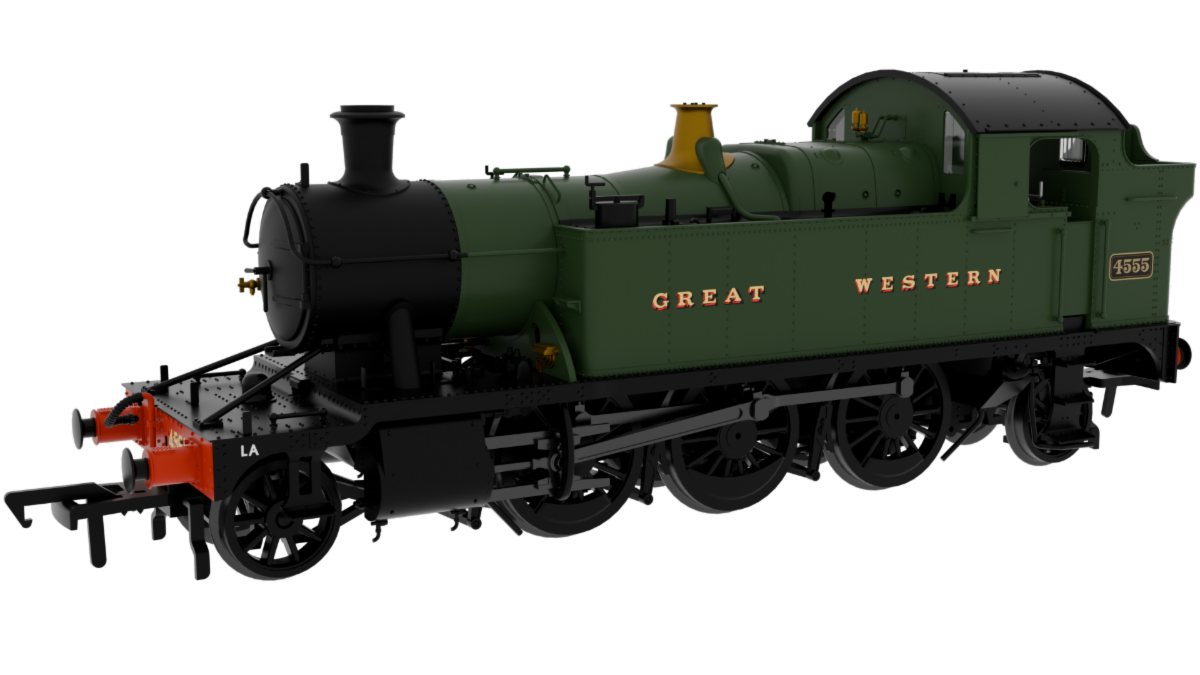
Arguably, No. 4555 is the most famous preserved 45xx. This locomotive was the first of the Collett batch and operated until 1963. The engine was bought directly from BR by Pat Whitehouse and Pat Garland for a total of £750, which included a van full of spares and a spare boiler. BR overhauled the loco, and she was repainted back into GWR livery. Despite being privately-owned, she went back to work for BR for a period. This involved working some goods trains and, at one time, due to a failed diesel, provided assistance to the Pines Express.
| | |
4555 moved to the Dart Valley Railway at Buckfastleigh in 1965, where it hauled the official opening train in 1969 (with Dr. Beeching as special guest!). Finally, it moved to the Paignton & Dartmouth Steam Railway in 1973, where it gained the name Warrior.
Whilst not preserved, another standout in the range is No. 4507. Built in 1907, she was the final Wolverhampton-built locomotive in service when she was withdrawn in October 1963. No. 4507 was also the oldest GWR locomotive in traffic at the time of her withdrawal prior to scrapping in 1964.
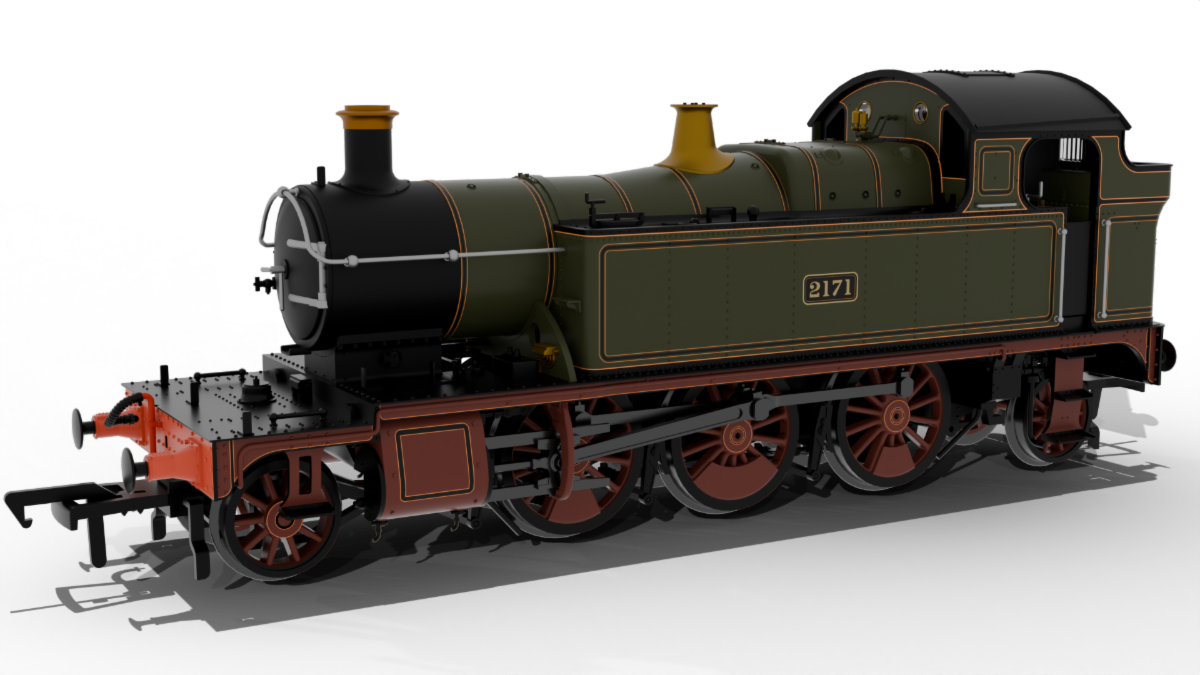
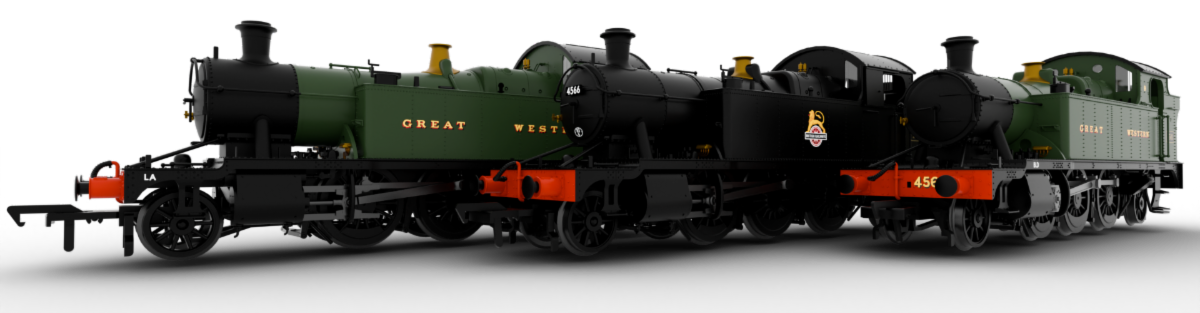
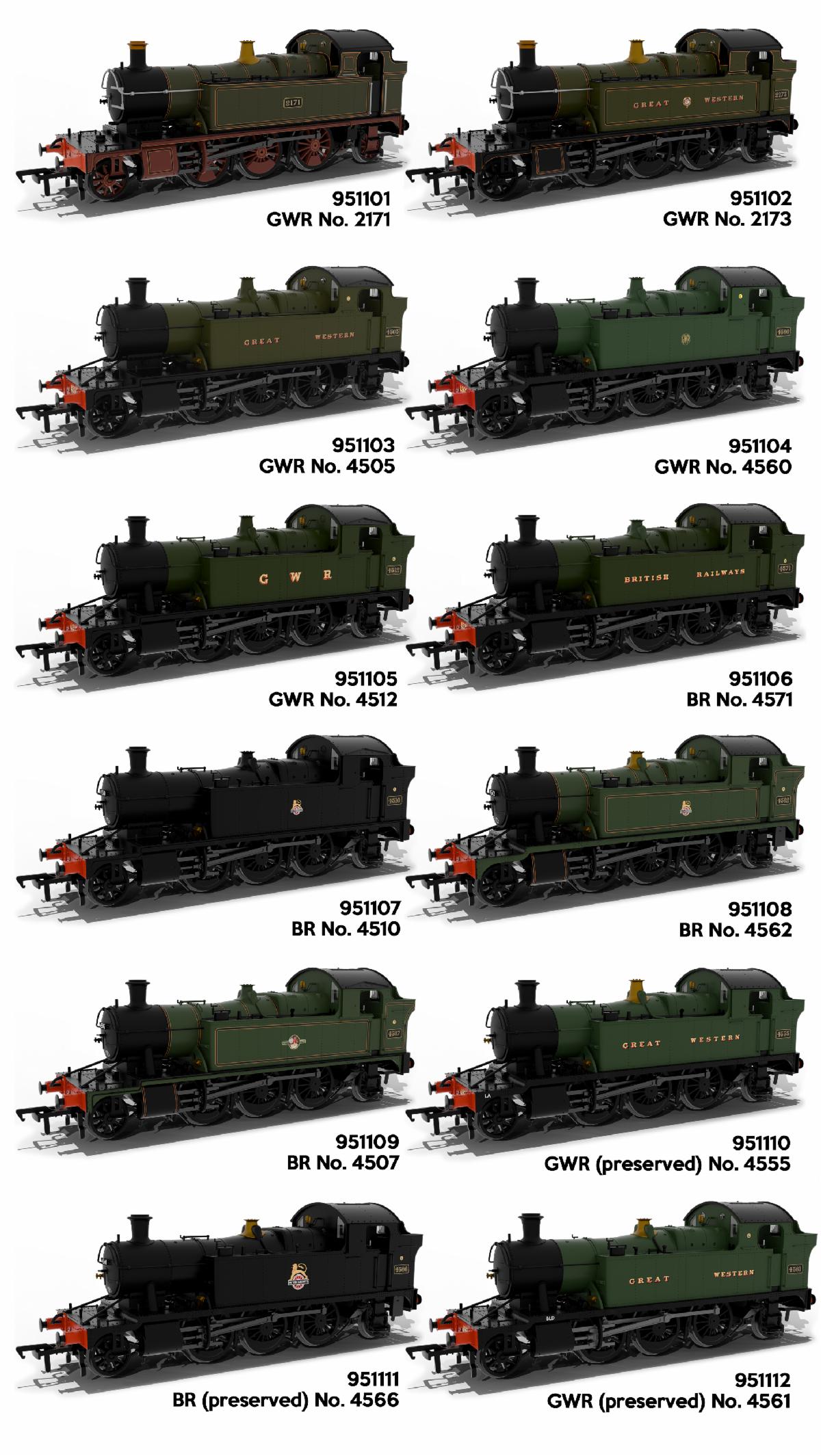
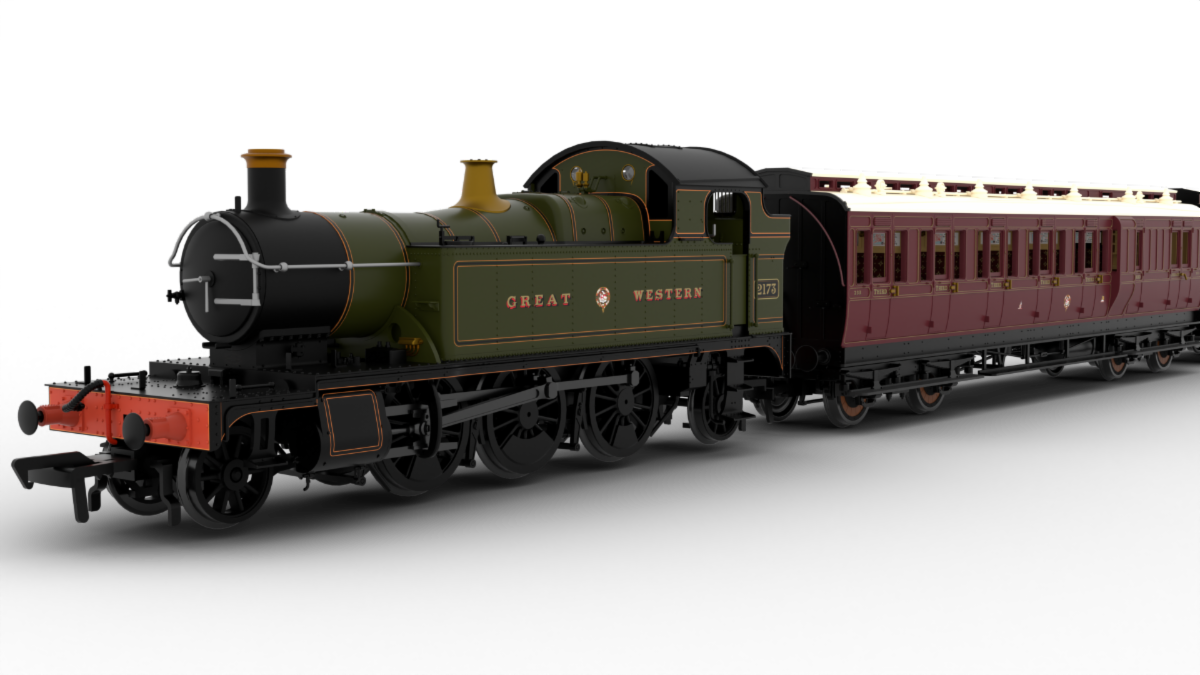
Our highly-detailed OO Gauge rendition of the GWR 45xx ‘Small Prairie’ 2-6-2T will be available in a variety of liveries.
| | |
The 45xx has always been well represented across the country's preserved railways. We have included several preserved versions in the range, including No.4555 as it would have been seen from 1965 to 1968, when it was preserved but still running on BR metals.
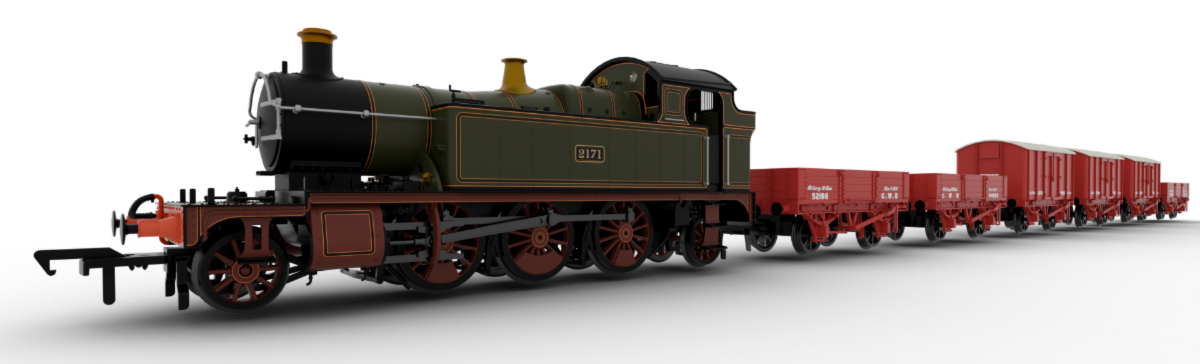
Nos. 2171, 2173 and 4505 are all fitted with the original-length running board, a first for the 45xx tanks in RTR. These represent the locomotives from circa 1909 onwards, after the bunkers were extended upwards but before they were enlarged backwards.
For modellers who prefer etched brass number plates, we will include a painted plate appropriate to the relevant version in the detail bag.
You can look forward to a smooth-running mechanism, a factory-installed speaker, NEM coupler pockets, sprung buffers, a Next18 decoder socket, and firebox flicker with a dynamic fire draw effect.
| | |
Improving further upon the design of the 44xx, the 45xx will be fitted with a MoPower stay-alive capacitor.
We are pleased to say that the project is already at the tooling stage.
The order book is open for these exciting new models, and you can pre-order yours directly from us or from any of our Official Retailers.
| | Evolution Coaches - Batch 3 Additional livery - GWR Lined Crimson Lake (OO Gauge) | | |
To coincide with the announcement of the OO Gauge GWR 45xx ‘Small Prairie’, we thought it would be fitting to do some era-appropriate coaching stock to go alongside it.
Our range of 45xx Small Prairies features a wonderful array of pretty pre-grouping liveries. During the era that these models represent, the GWR repainted their rolling stock with new liveries numerous times, so we thought we would expand the Evolution Range to offer you more choice with a discernibly distinct livery.
Rather than making you wait for potential future batches of the Evolution range, we have gone ahead and added this new livery into Batch 3.
| | |
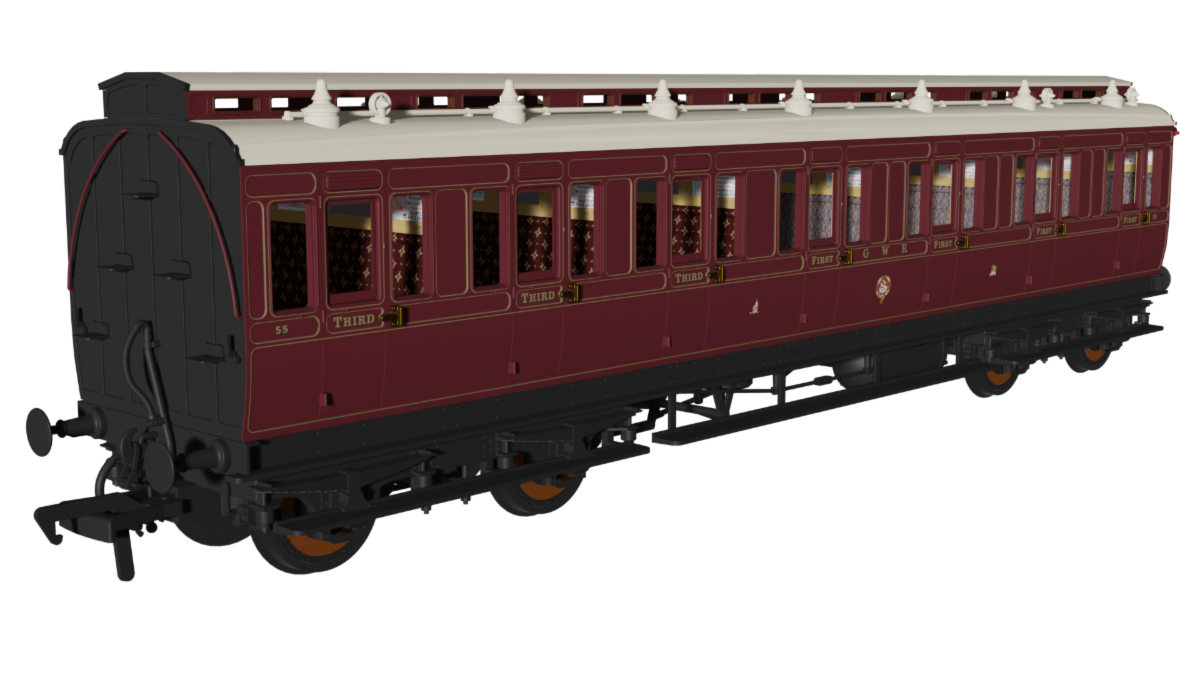
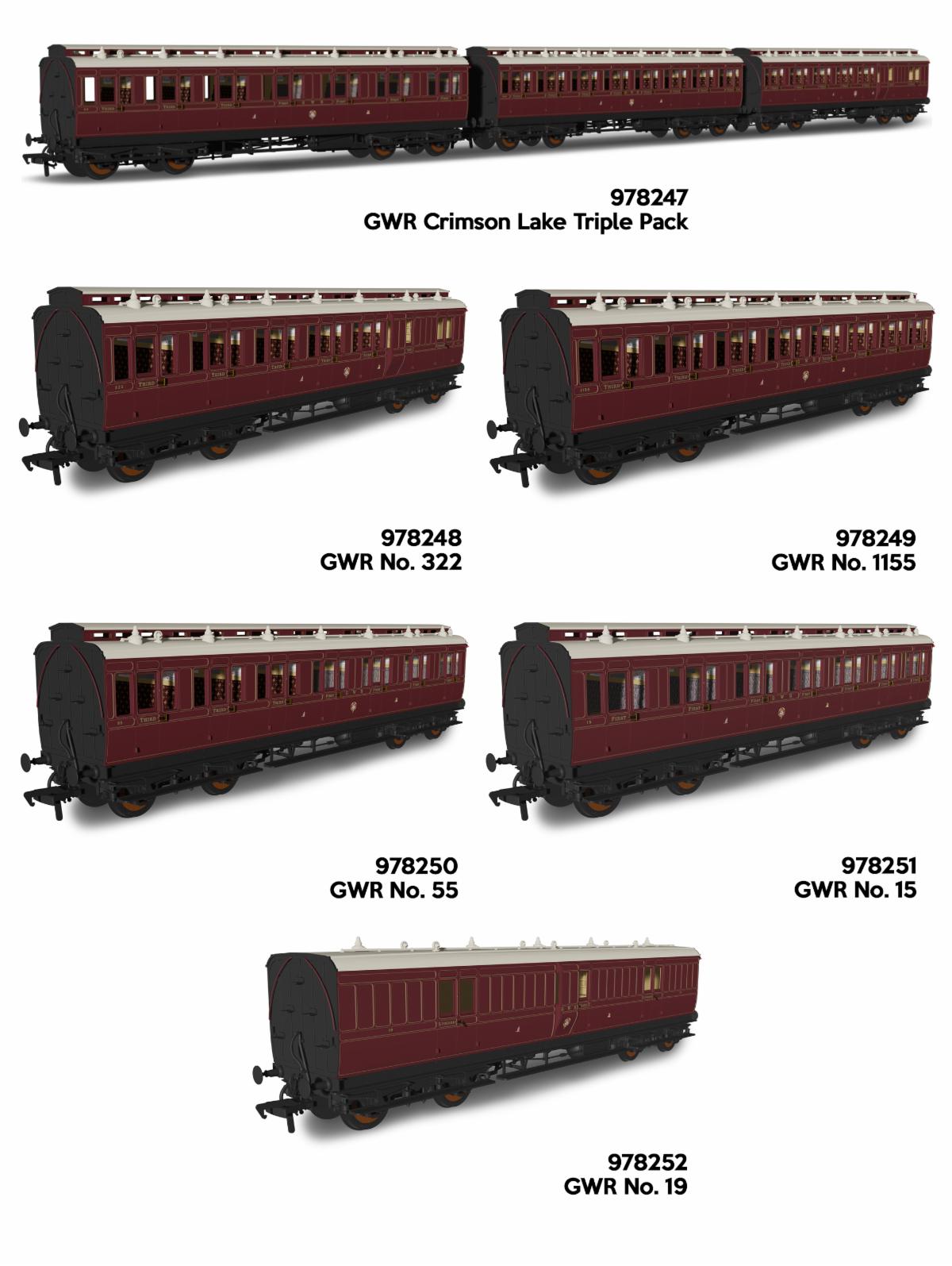
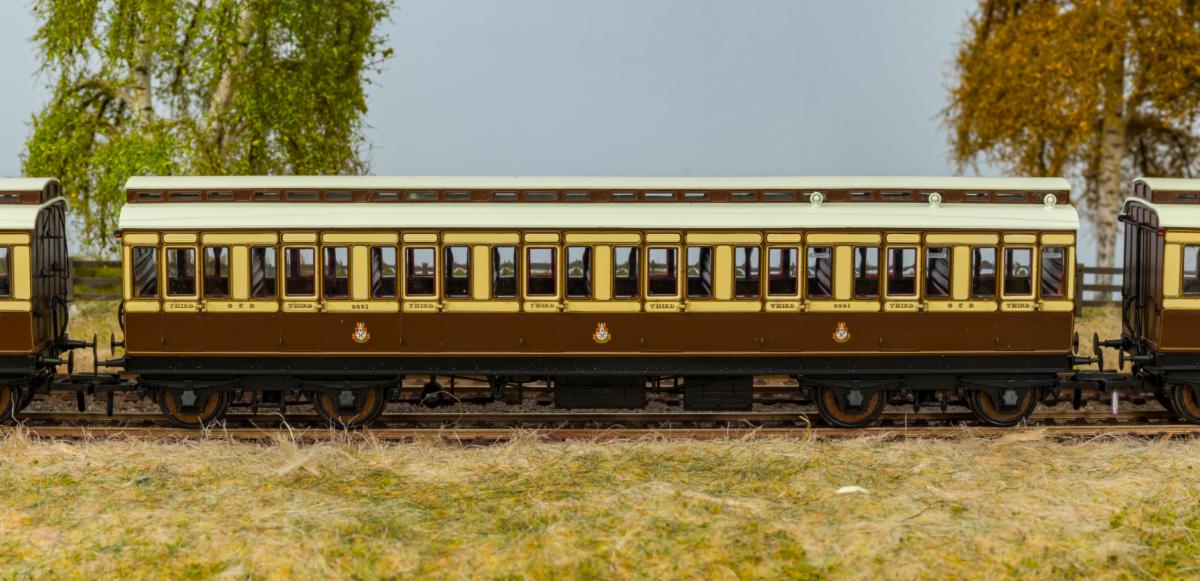
The new GWR Lined Crimson Lake versions represent coaching stock that would have been seen between 1912 and 1922. This makes them ideal for those who are modelling the latter years of the pre-grouping era, or the railways during the Great War.
Much like the other Evolution Coaches, these new models are generic 48’ bogie coaches, each detailed with an array of key features that modellers associate with their pre-grouping railway of choice.
All versions of the new GWR Lined Crimson Lake range feature the Clerestory roof design, except for the Full Brake, which has an elliptical roof. The roofs are easily removable so that you can fit figures into your coaches, should you wish.
| | |
There is also a multitude of separately fitted parts and interior details to bring the coaches to life, including luggage racks, picture frames on compartment dividers and gas light fittings.
The order book is open for Evolution Batch 3, and we have added the new GWR Lined Crimson Lake livery to it. You can order yours directly from rapidotrains.co.uk today or from any of our Official Retailers.
| | Colourful Kerr Stuarts – New 'Sirdar' Colour Samples (009) | | |
Small, but the perfect size. Oh, and astonishingly pretty.
The unpainted engineering prototypes were cute, but with a full livery application, these colour production samples are something else.
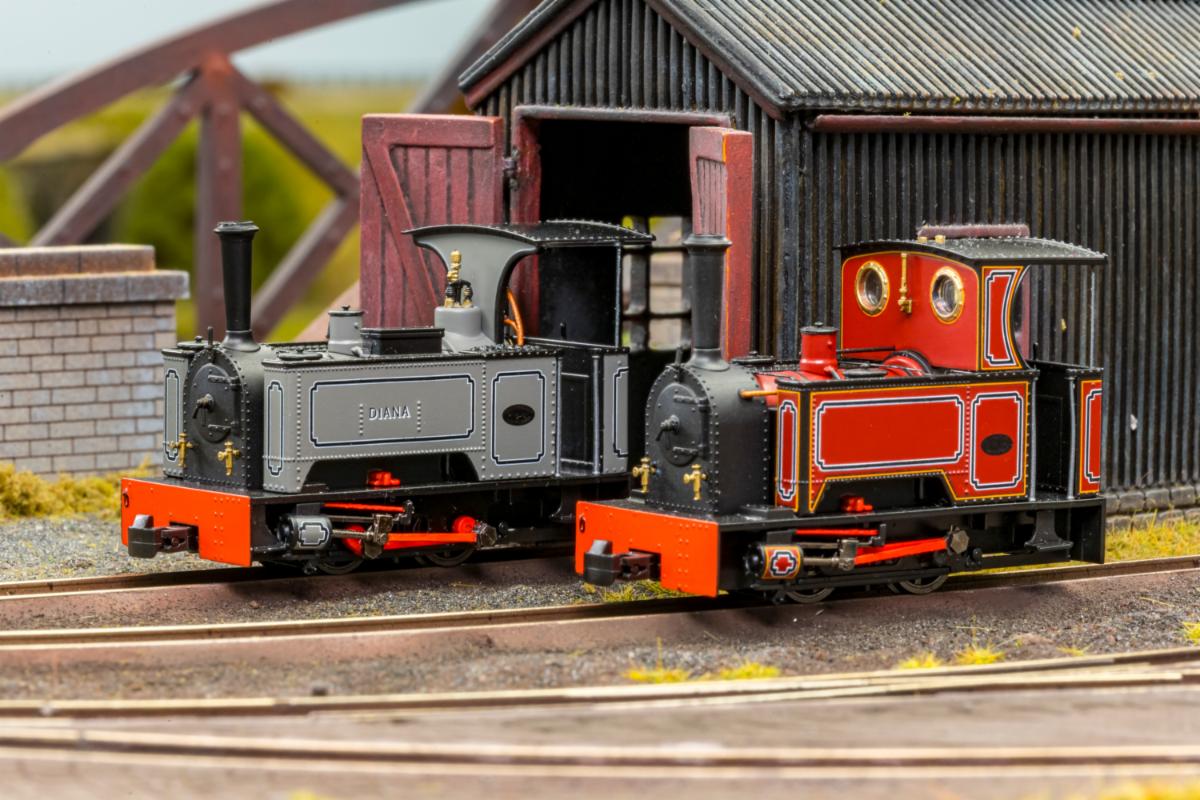
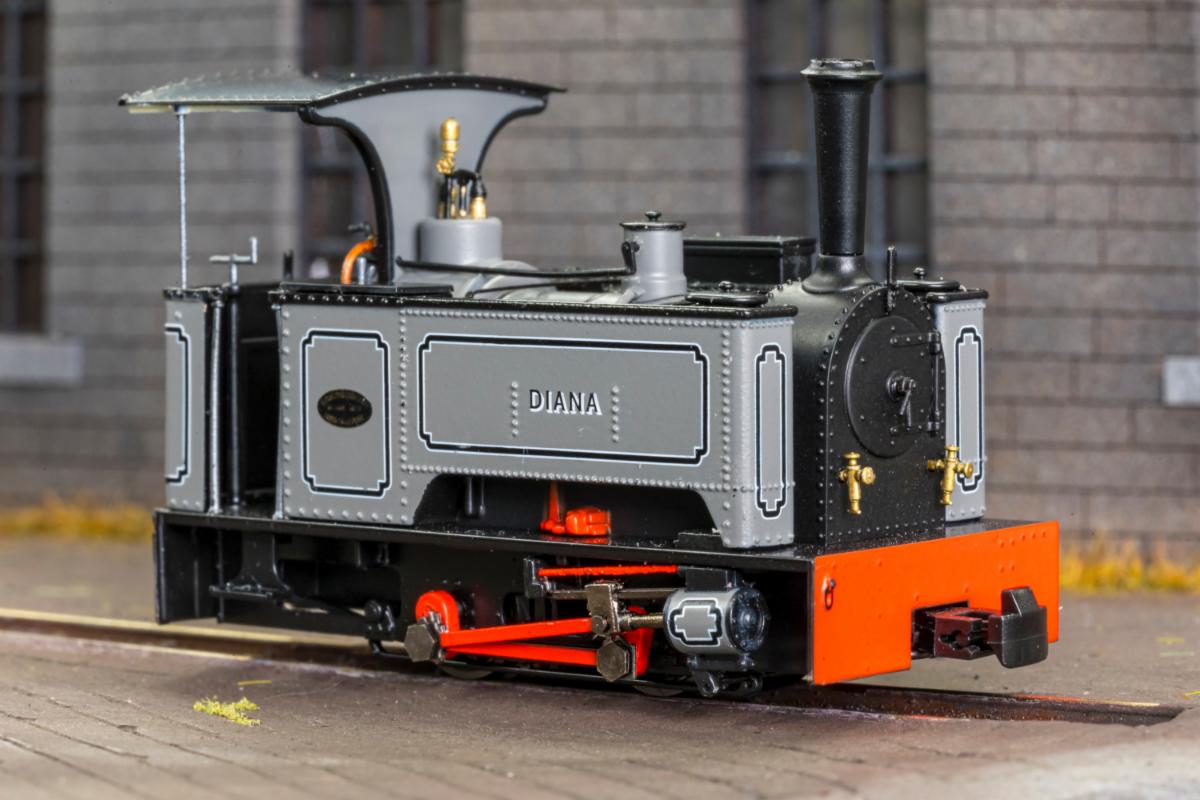
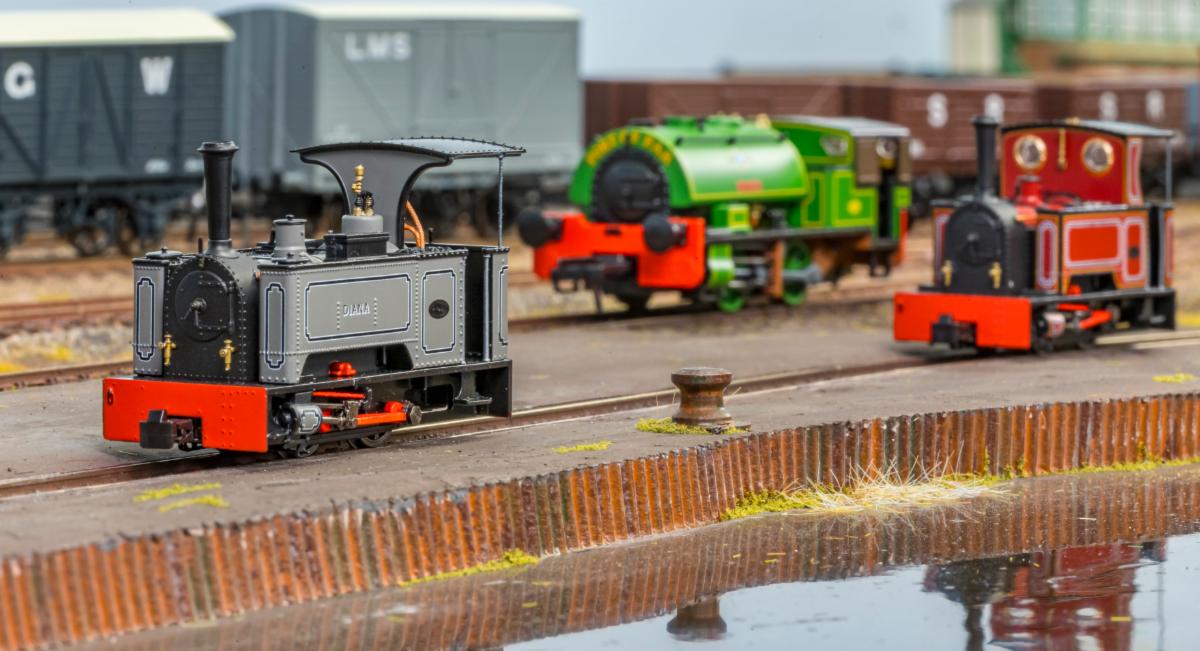
The factory has supplied us with two enchanting 009 Gauge painted samples; one from each of the Sirdar ranges. Probably the most recognisable Sirdar is Diana. We are pleased to know her and her owner very well, as they accompanied us to the National Festival of Railway Modelling last year. She was built by Kerr, Stuart & Co. and is a Long-Tank variant.
| | |
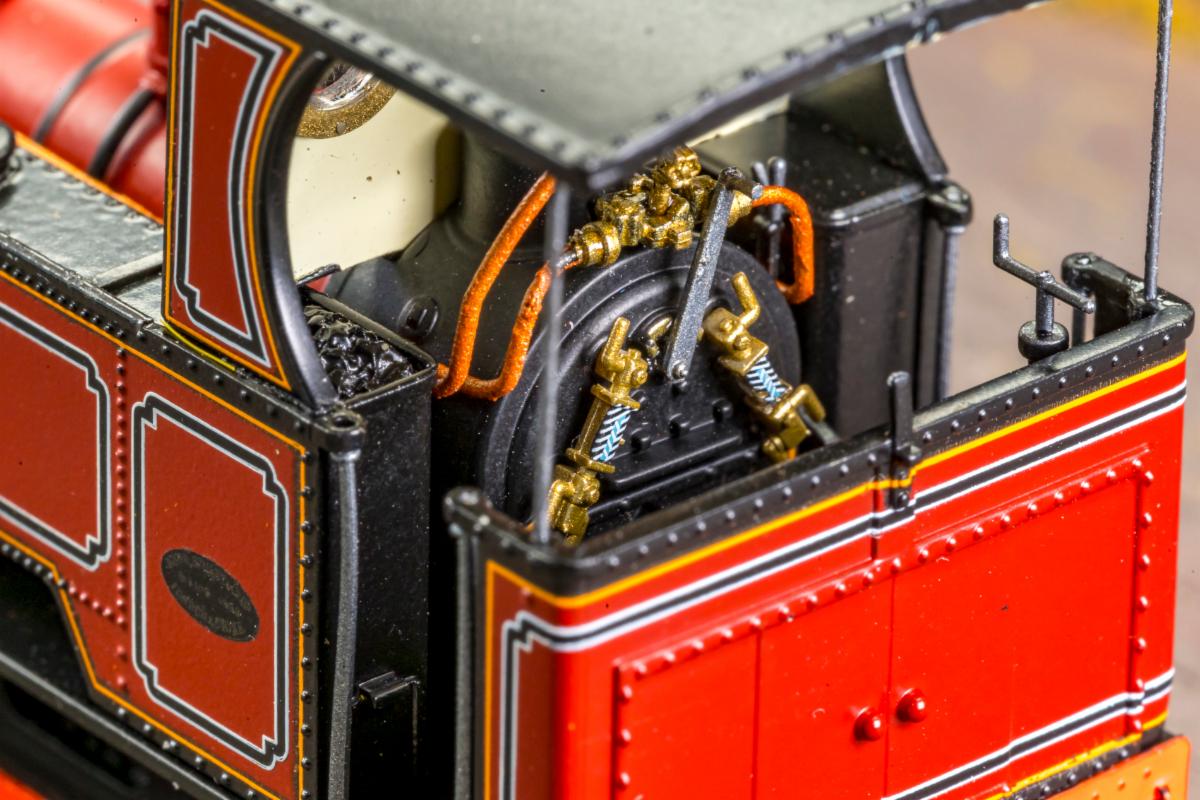
This gorgeous little model is crammed full of subtle details, and thanks to her open back cab, you can see many of them clearly. When you realise that the back head is thinner than the width of our little fingers, you really start to understand the finesse of these models.
Diana is sporting her lined grey livery, which only accentuates her bright red rods further. She’s not just a pretty face, either, as we have had her running around our test track, and despite her modest size, she runs like a dream.
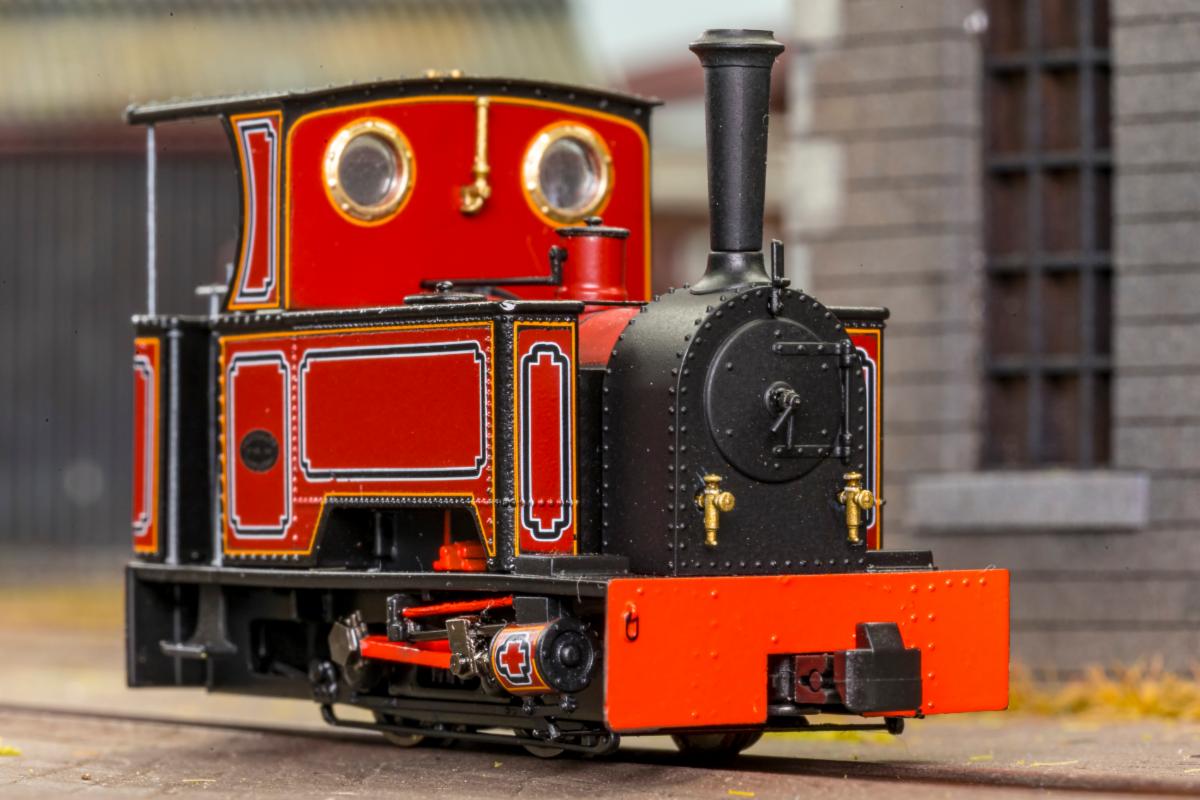
| | You know you are talking about a titchy model when you use the Port of Par Twins in the background to illustrate full-sized locos working alongside narrow gauge lines. | | To go alongside Diana, we also received a ‘What if’ Short-Tank Sirdar, in the striking Ffestiniog Railway Red livery. This is ideal to run alongside the numerous other ready-to-run 009 scale models already in this livery. The Short-Tank Sirdar range features several models in liveries that are common amongst narrow gauge prototypes, and a few eye-catching alternatives for those who want to run a freelance railway with its own story. | | We have a limited number of both the Short and Long Tank versions still available directly through our website, so if you haven’t preordered yours, get your order in before they are all gone! | | Southern Samples – LB&SCR 8-Ton Goods Van Colour Samples (OO Gauge) | | For this month's newsletter, we aim to find something to excite modellers from across the country. So, here's something special for the Southern modellers. | | |
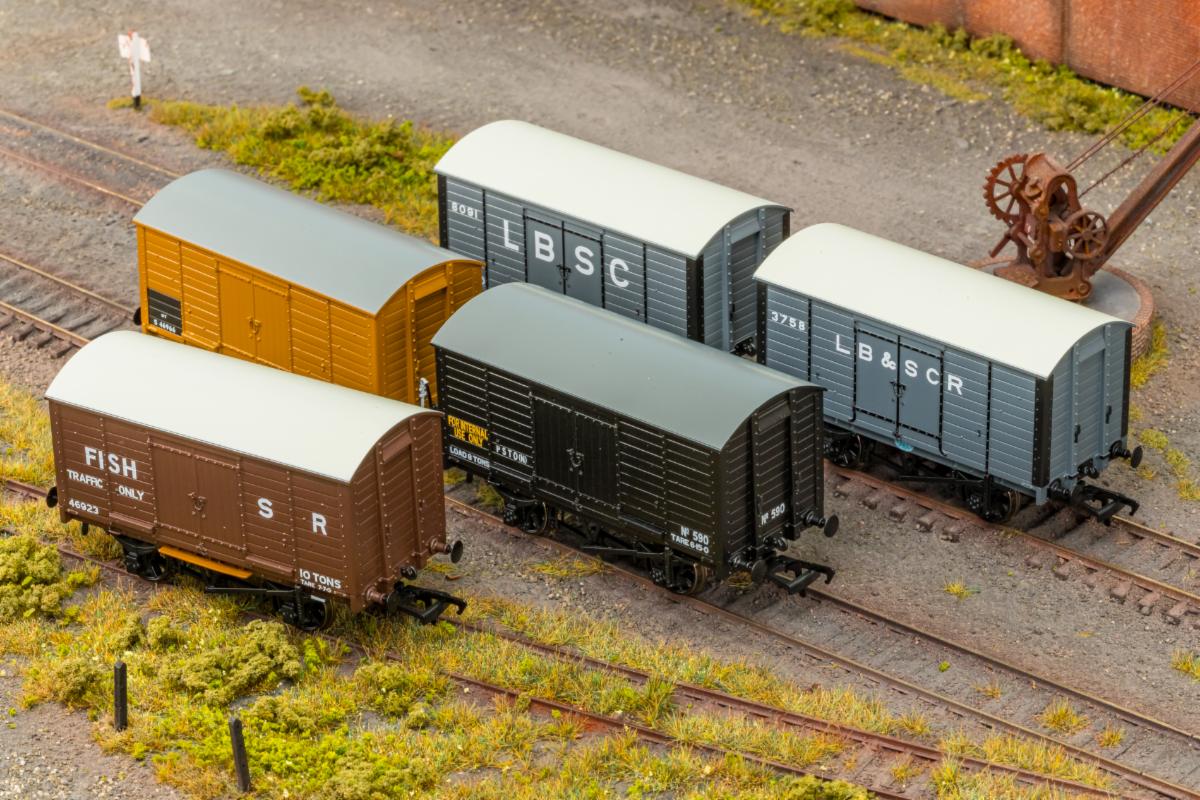
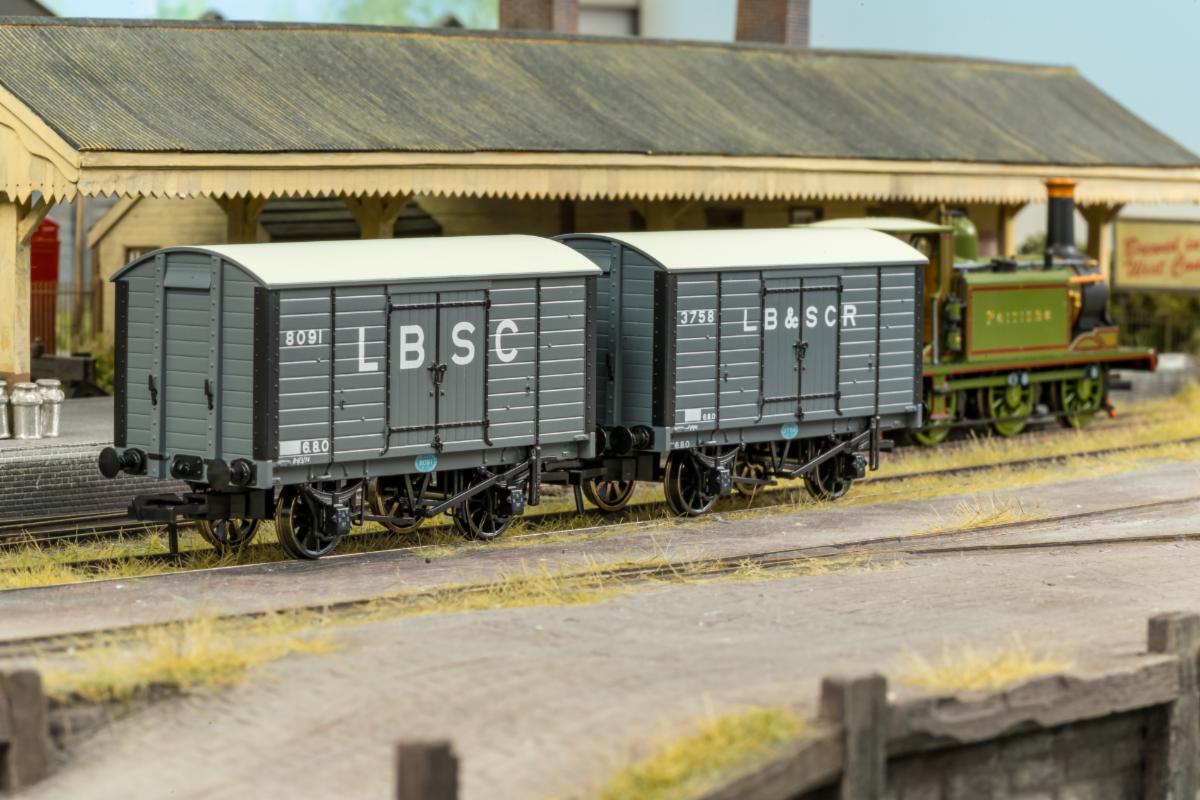
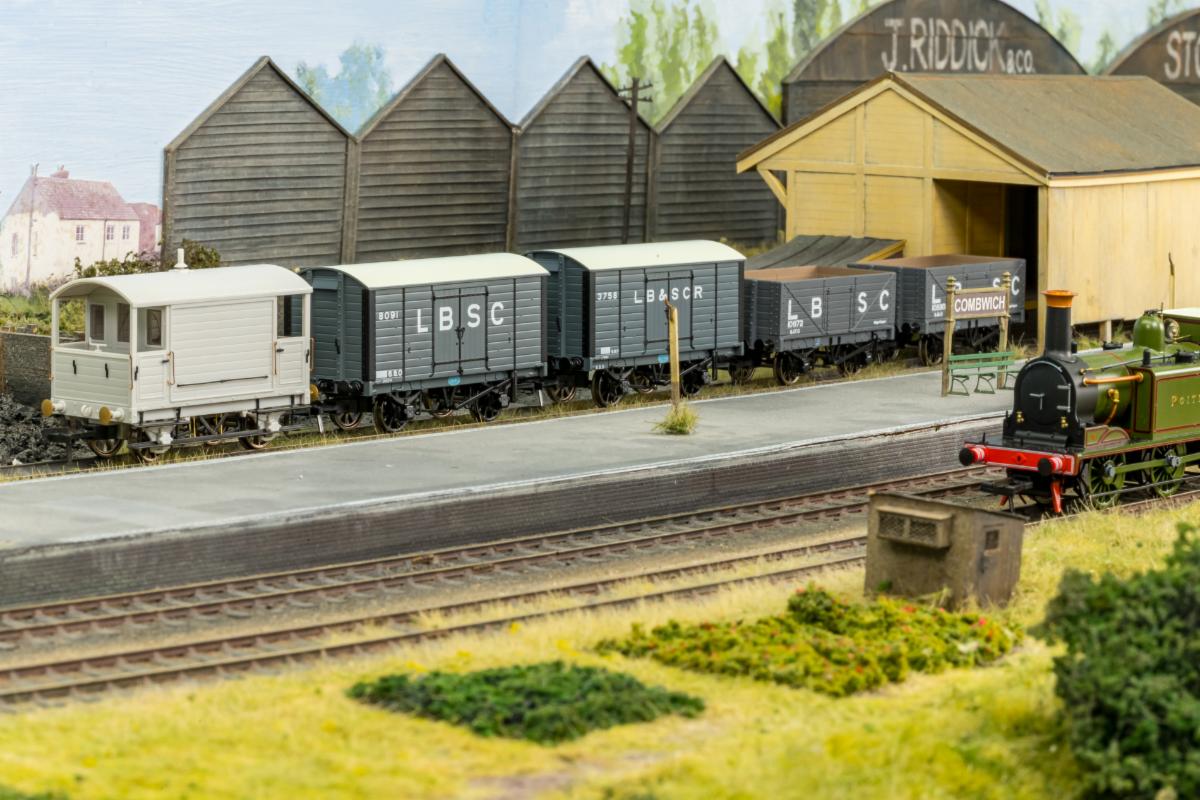
It's been a good month for the budding Brighton modeller. Not only have the LBSC liveried Evolution coaches arrived, but we have also received painted production samples of the upcoming OO Gauge LB&SCR 8-Ton Goods Vans.
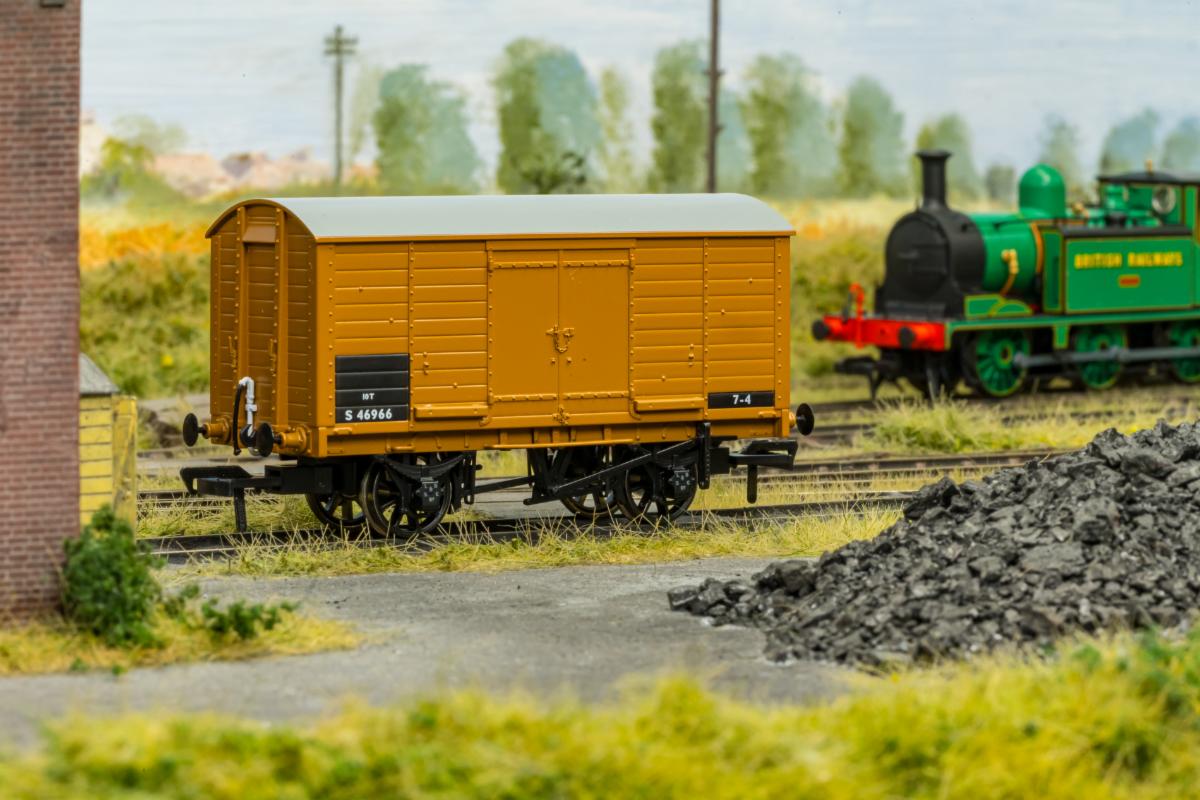
With a nice selection of different liveried samples sent to us, we can see that these wagons are going to look great, no matter what era you model.
| | |
Perfect to couple with the E1s and 1907 RCH 7-Plank Opens that arrived last year, LBSC modellers now have everything they need to create mixed freight or dedicated box van trains.
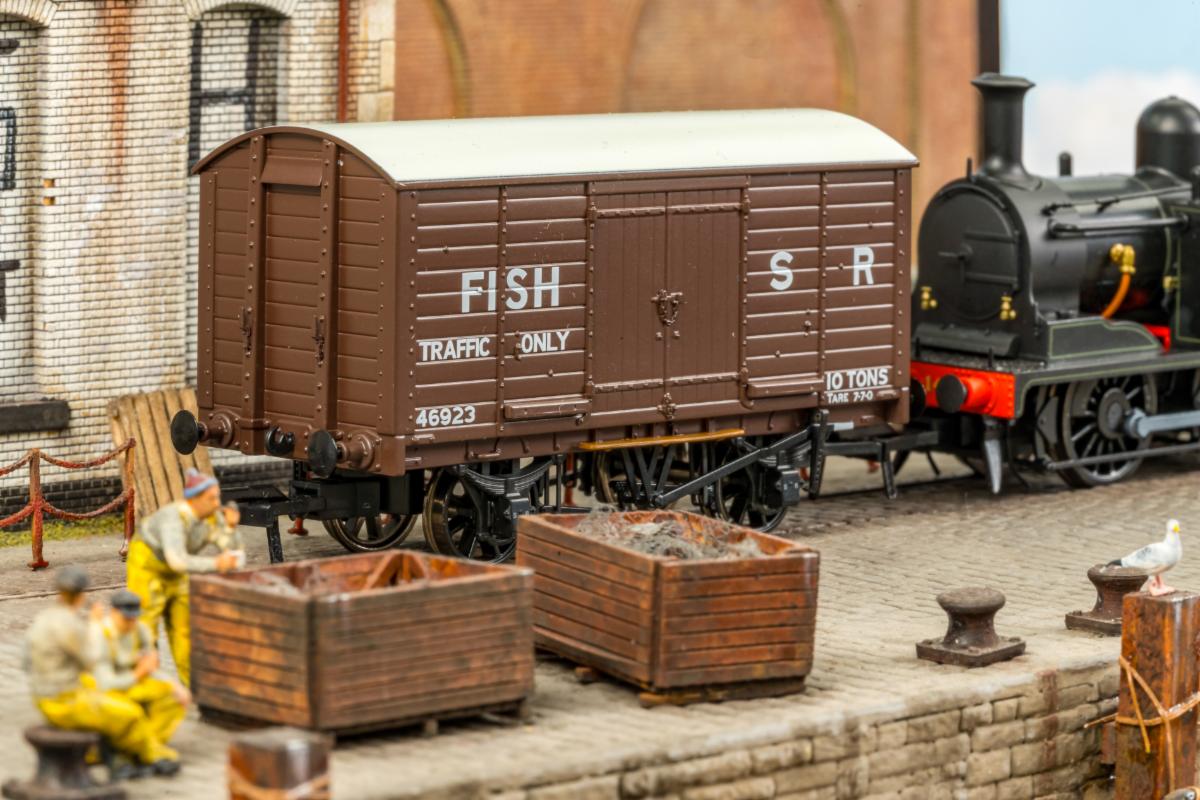
The Isle of Wight is a very popular location for Southern modellers and collectors. Some vans on the island were assigned to carry fish. The Southern Railway had previously combined luggage and fish in the same vehicle, much to the dismay of some passengers who received suspiciously smelly luggage.
| | |
By the time the remaining LB&SCR 8-Ton Goods Vans had reached the BR era, they could be found across the entire south. In addition to those that were used for general merchandise, several examples were utilised as departmental vehicles at depots across the region.
The arrival of these models will now fall into Q2, and almost every version has sold out directly through our website.
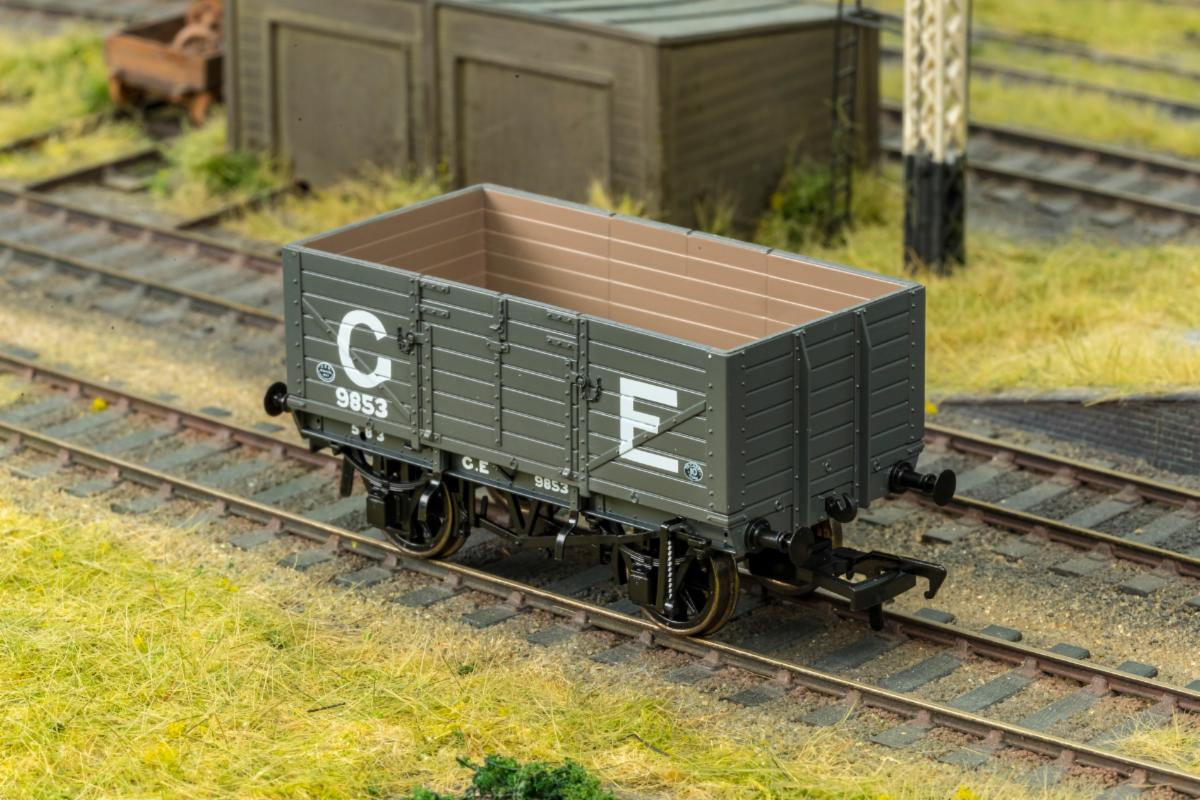
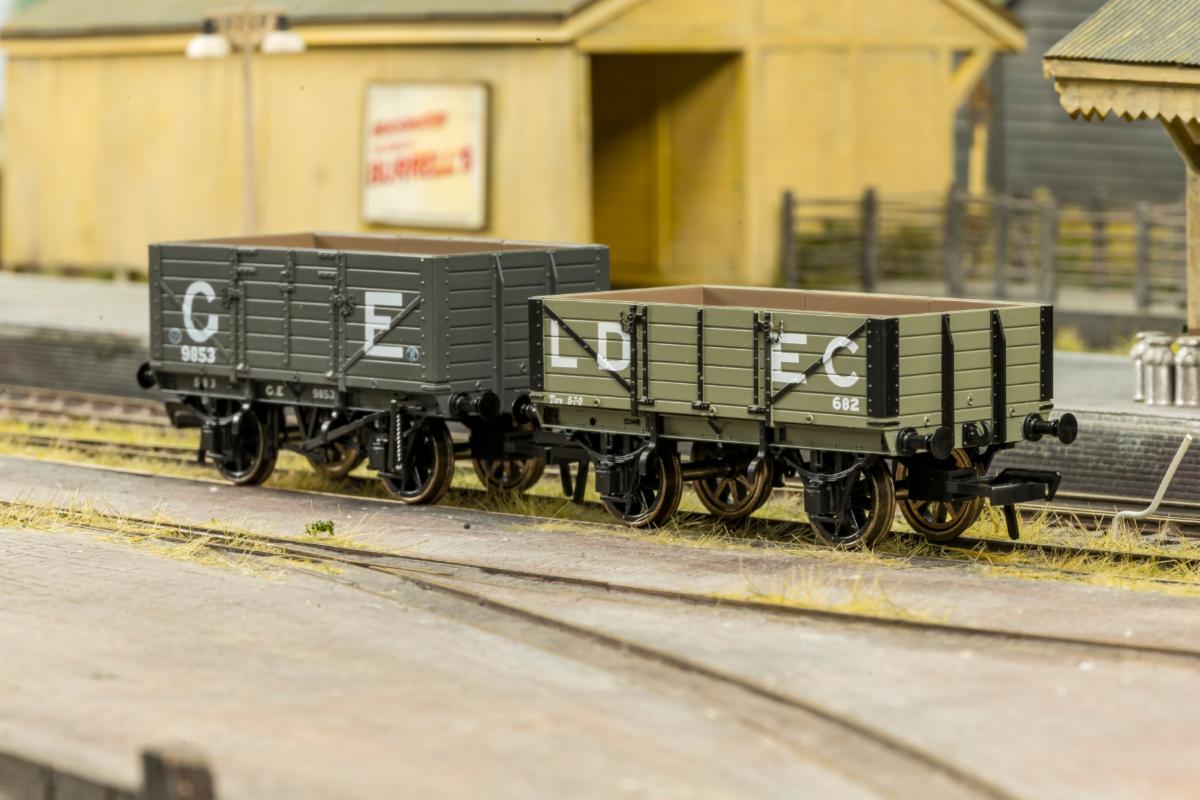
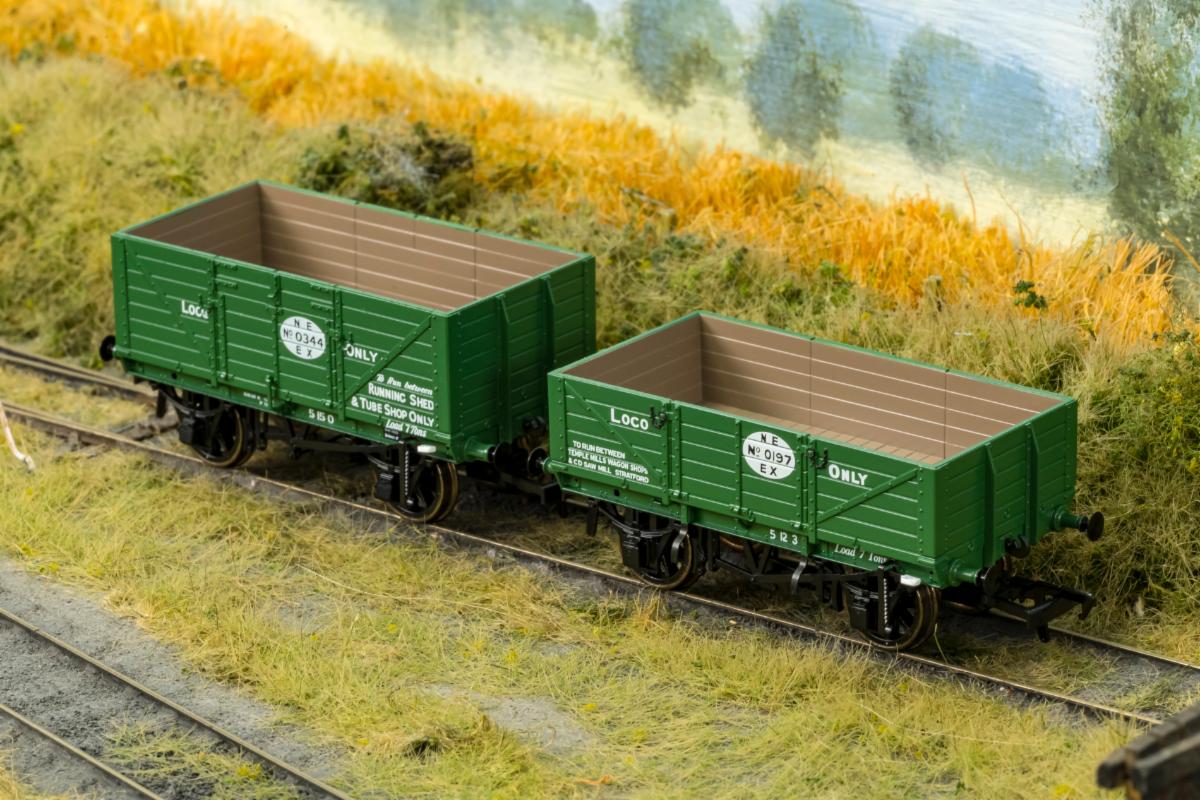
| | Eastbound Freight – GER 5 & 7 Plank Open Wagon Painted Production Samples (OO Gauge) | | This month, our range's gradual expansion of accurate pre-grouping wagon prototypes has an Eastern Region theme. Our factory has sent us painted production prototypes of the upcoming OO Gauge Great Eastern 5 & 7 Plank Open Wagons. | | |
Bristling with interesting pre-grouping liveries that cover several railway companies, these models are a must-have for anyone modelling the constituent companies of the LNER.
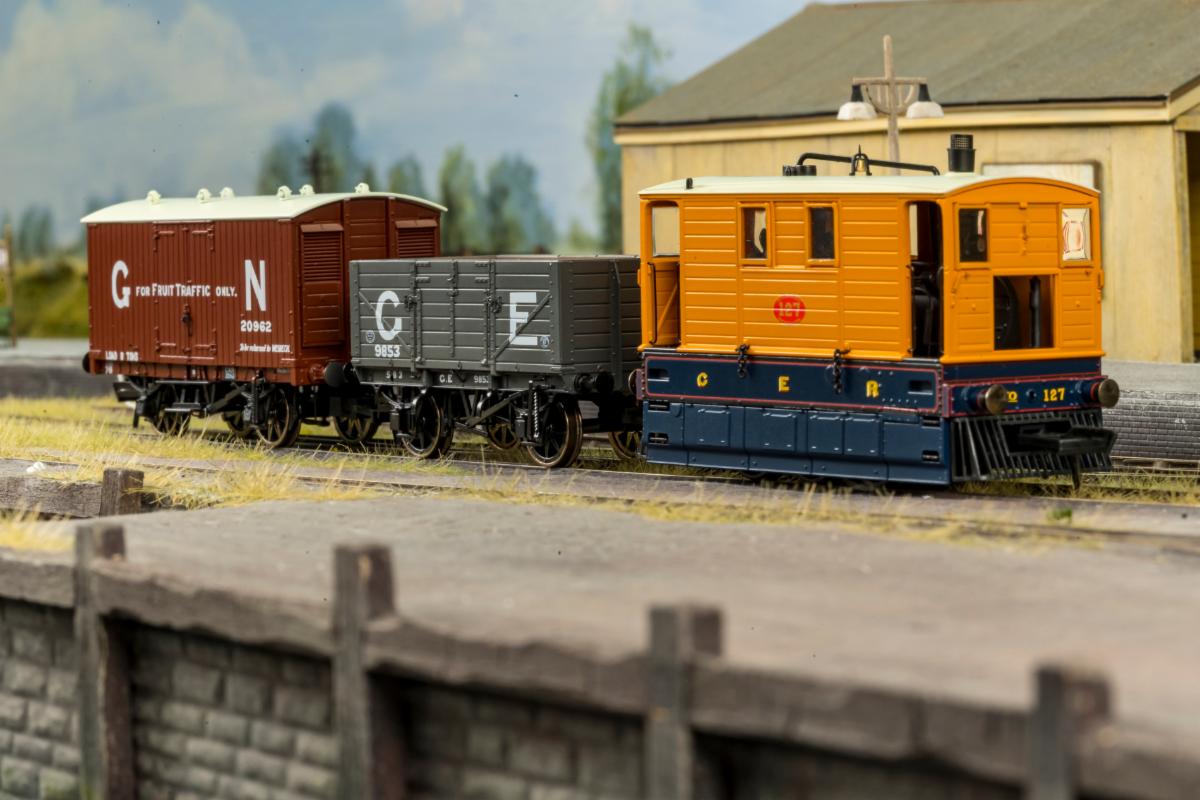
These complement our GER C53/LNER J70 Trams perfectly, as well as a variety of other recently arrived GER locos from other manufacturers. As the first accurate, ready-to-run GER open wagon to be produced in OO Gauge RTR, it’s never been a better time to model the railways of East Anglia and the adjacent counties.
| | Don’t forget the Dia.17 5 plank range also features Great Central Railway, and Lancashire, Derbyshire and East Coast versions. These will look great alongside our upcoming range of GCR wagons that we announced last month. Oh, and the GCR 15T Brake Van, which is arriving later this year. | | These will shortly be ready to ship, and we expect them to arrive at the start of Q2. We have sold out of almost every version directly through our website, but many of our Official Retailers took stock of these models, so they may still have the model you seek in stock. We suggest contacting them as soon as possible, if you don’t want to miss out! | | Spectacularly Scottish Samples – LNER D40 & HR Loch Class Engineering Prototypes (OO Gauge) | | |
We’ve got some really cool news for Scottish modellers, and anyone who loves great-looking locos.
Our factory has sent us engineering prototypes for not one, but two upcoming Scottish-based locos, and with Model Rail Scotland drawing nearer, we couldn’t have asked for better timing. Here are a few sneak peeks ahead of the show!
| | LNER D40 4-4-0 (GNoSR V & F) (OO Gauge) | | |
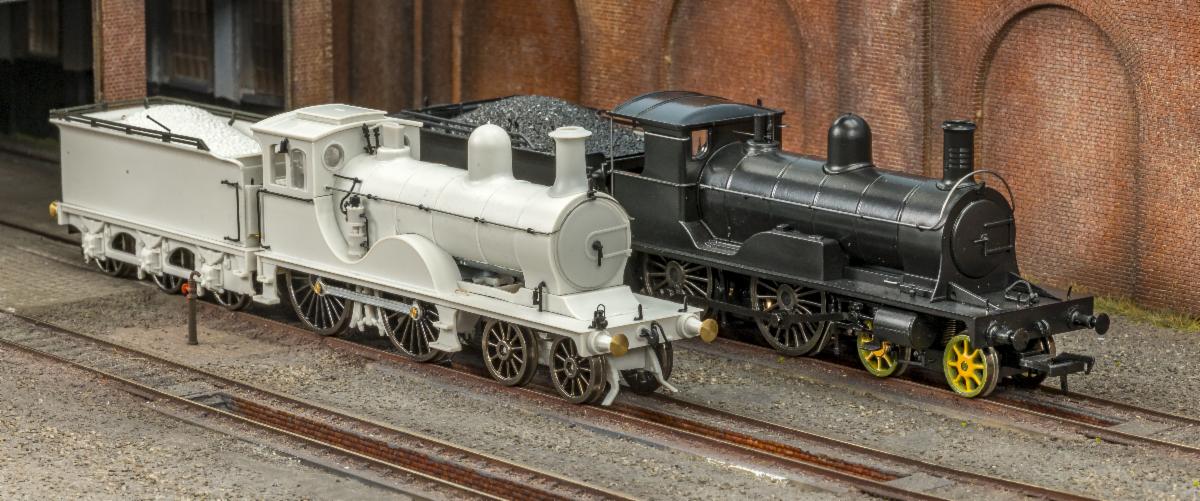
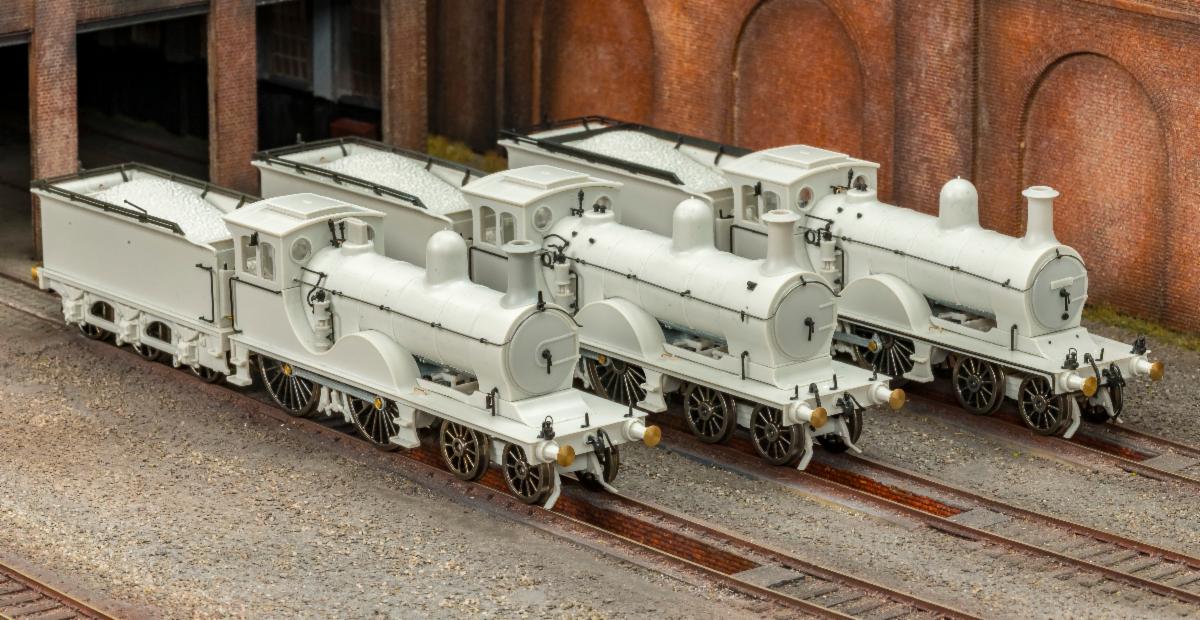
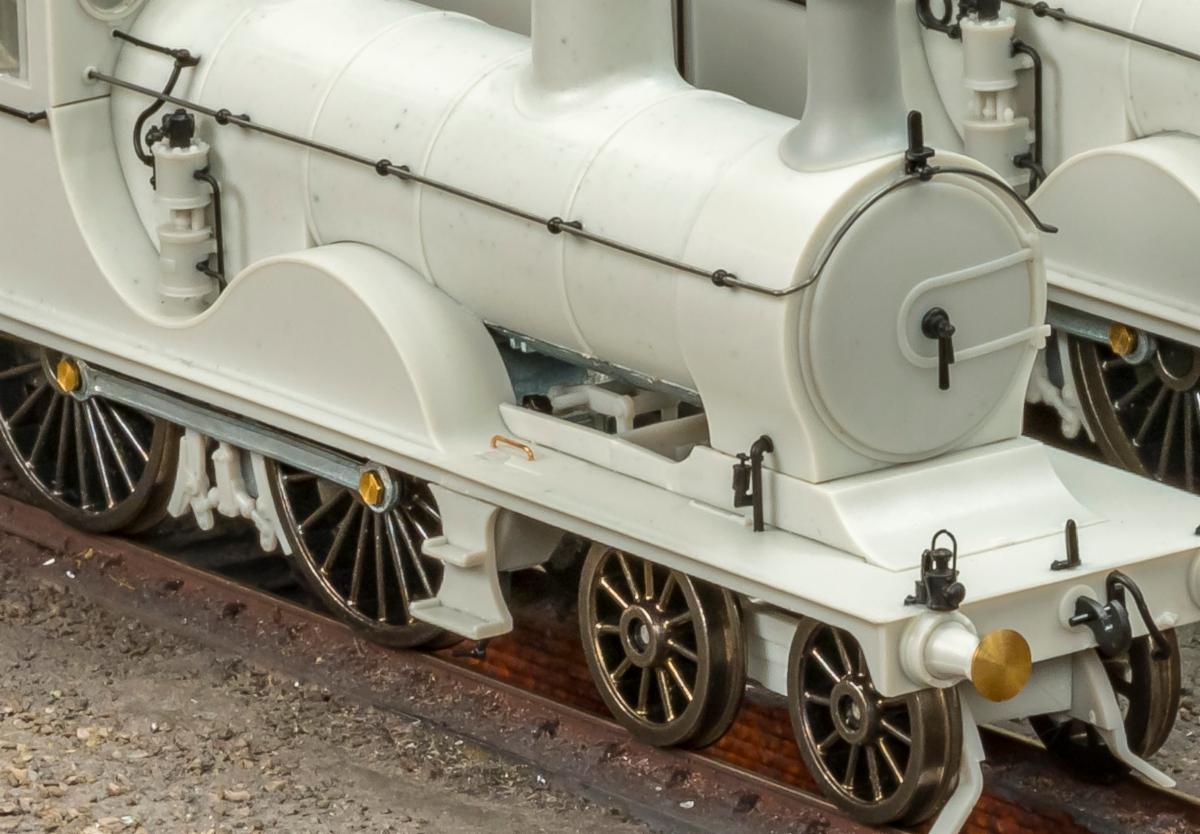
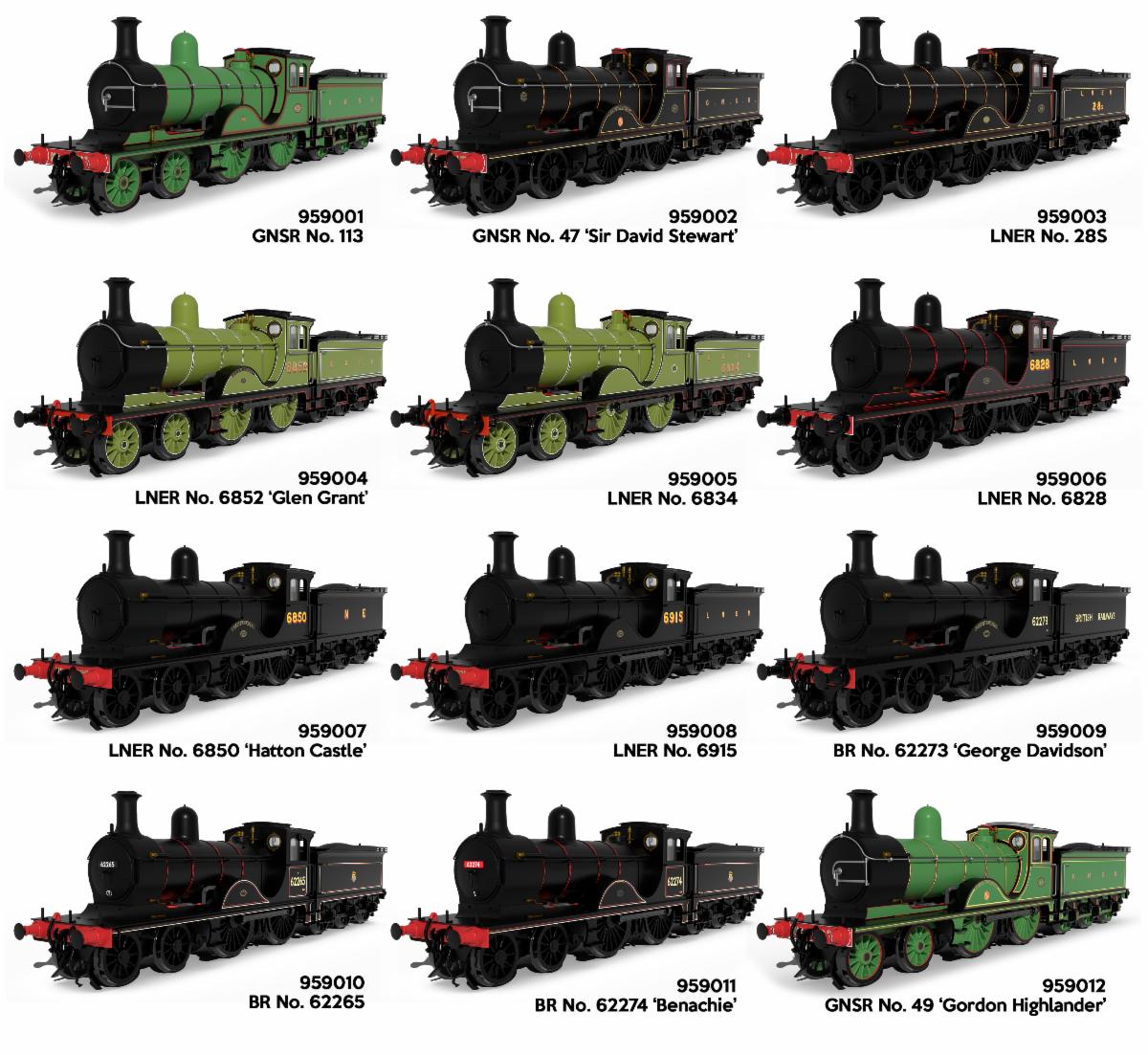
The first engineering prototype is of the legendary LNER D40, but many of you know it better as Great North of Scotland Railway F Class No.49, Gordon Highlander. We have received a handful of prototypes of this upcoming model; these include both GNoSR V & F Class variants.
Covering two loco classes and the subtle differences that set them apart involves a generous amount of separately fitted parts and interchangeable details. These engineering prototypes bring out these differences nicely, giving you an insight into the depths we have gone to ensure that these are as highly detailed as possible.
| | |
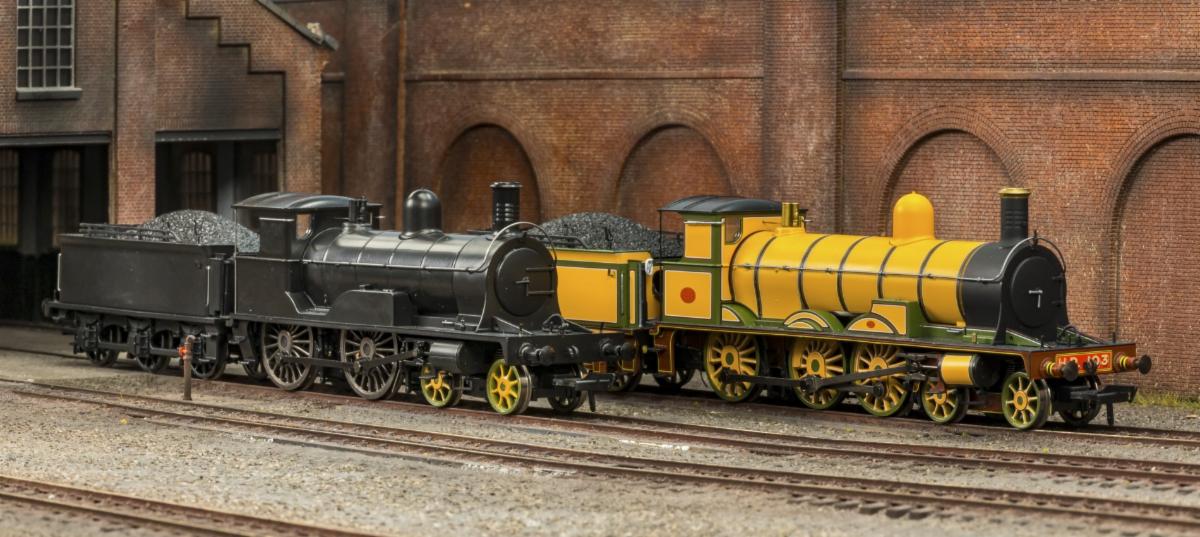
The models feature tooling variations covering both the saturated boiler F Class and superheated V Class. Side by side, you can see how much bigger this makes the smokebox of the V Class.
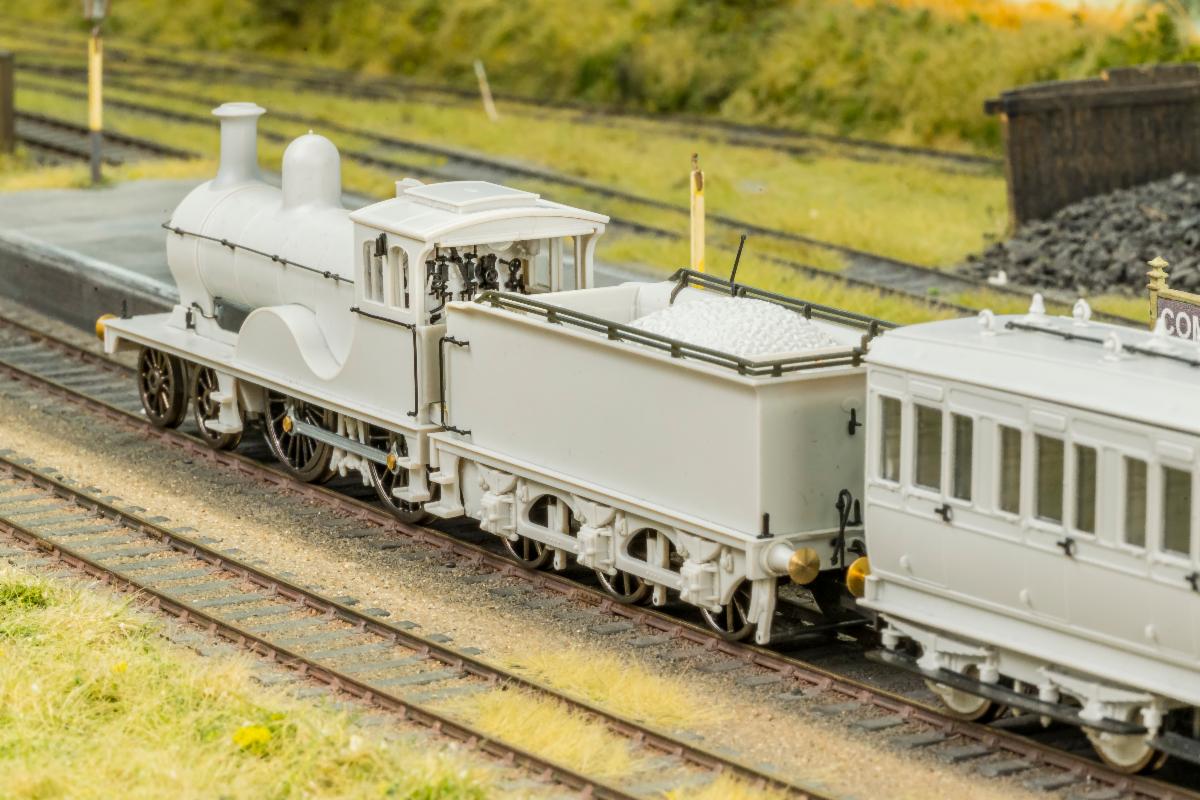
Throughout the locos' lives, they were amended to have various new fittings. A great example of this is the tender coal rails. The prototypes that we received show a couple of the different versions that are in the range.
| | |
Even at this early stage, it's hard not to be impressed by the level of detail that will be included in the cab. A multitude of separately-fitted parts make up this busy section of the model, and with its big cab windows and firebox glow, you will be able to enjoy these details when this hero of Scottish preservation trundles around your layout.
One of the joys of modelling the pre-grouping era is locos with cosmetic inside valve gear. The D40 is a great example of this. Bringing an already gorgeous engine to life with subtle details. In this engineering prototype form, you can begin to see what you have to look forward to. With a range crammed full of green and black liveried locos, this cosmetic motion will only be emphasised more once it is painted. This gives us something to look forward to when the colour samples arrive at some point further down the line.
| | |
Order books are still open for the OO Gauge LNER D40 4-4-0; you can pre-order yours directly from our website or from any of our Official Retailers.
If you are looking for some suitable coaches to run with your LNER D40, Batch 3 of our Evolution Coach range is the place to go. With GNoSR, LNER, and BR with Eastern Region running numbers available to pre-order as part of our Batch 3 liveries, there is everything you need to create the perfect train, whatever your era of choice may be. You can pre-order yours directly from rapidotrains.co.uk today or from any of our Official Retailers.
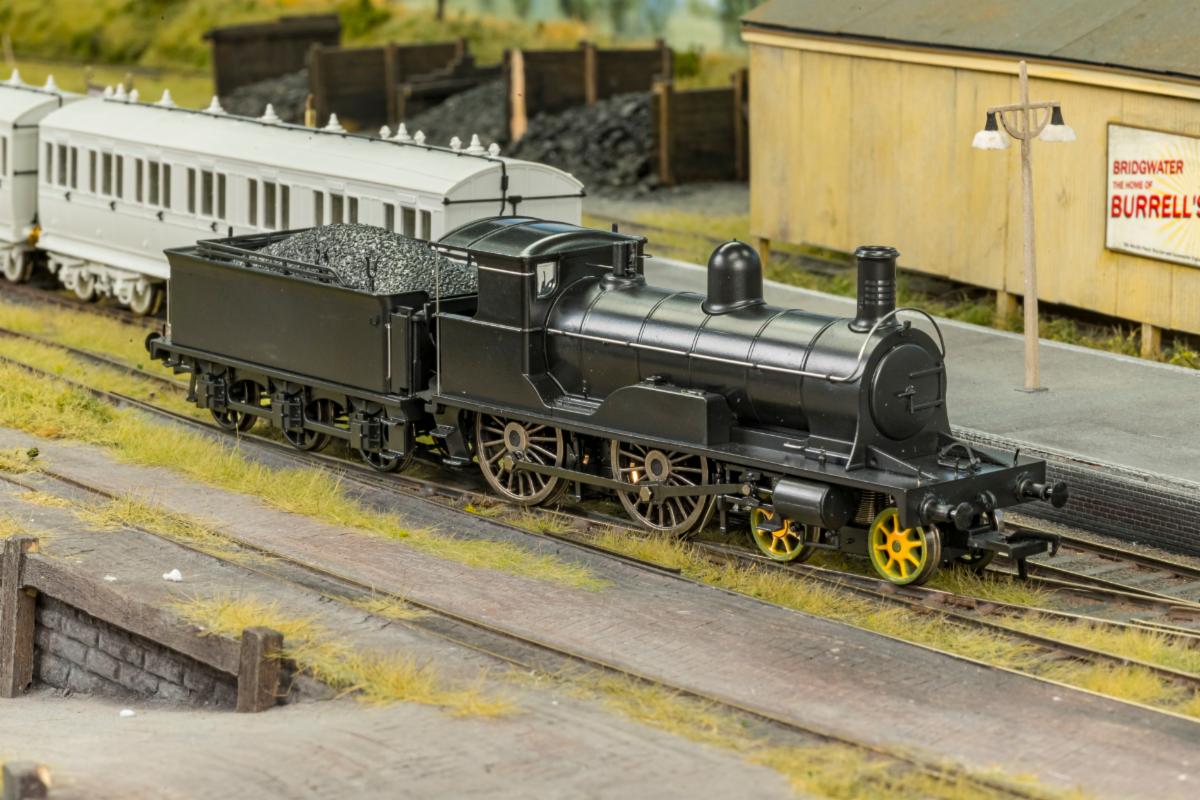
| | Highland Railway Loch Class 4-4-0 (OO Gauge) | | To go alongside Gordon Highlander and as an encore to our highly regarded ‘Jones Goods’, we have received the engineering prototype for the OO Gauge Highland Railway Loch Class. | | |
It’s fair to say that the ‘Jones Goods’ will be a tough act to follow, but judging by the sample, the Loch Class rises to the challenge.
Expanding our Highland Railway range to include a passenger locomotive gives the budding Scottish modeller what you need to create a layout, as you now have classes suitable for all traffic.
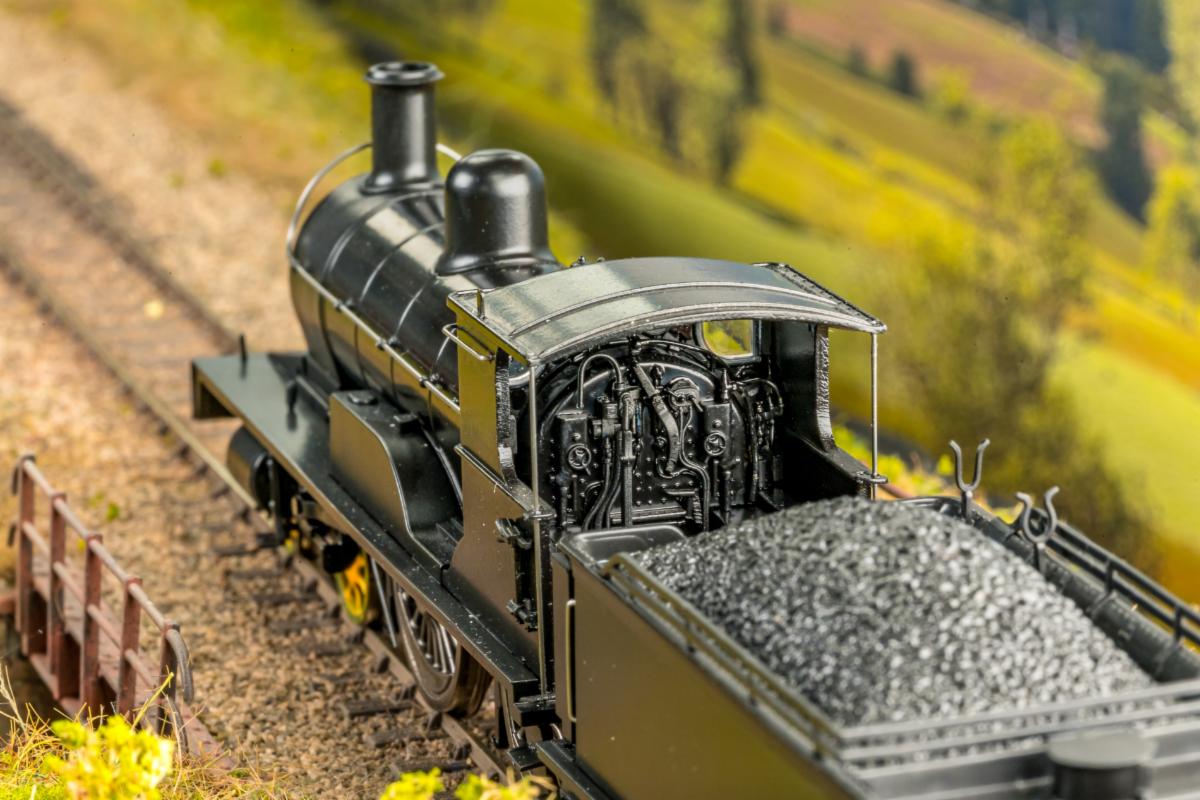
The Loch is as detailed as its predecessor, and we have included as many metal parts as possible in the model, giving it that all-important weight for smooth running and added traction. We have also made a few improvements, one of which is including a stay-alive capacitor.
| | |
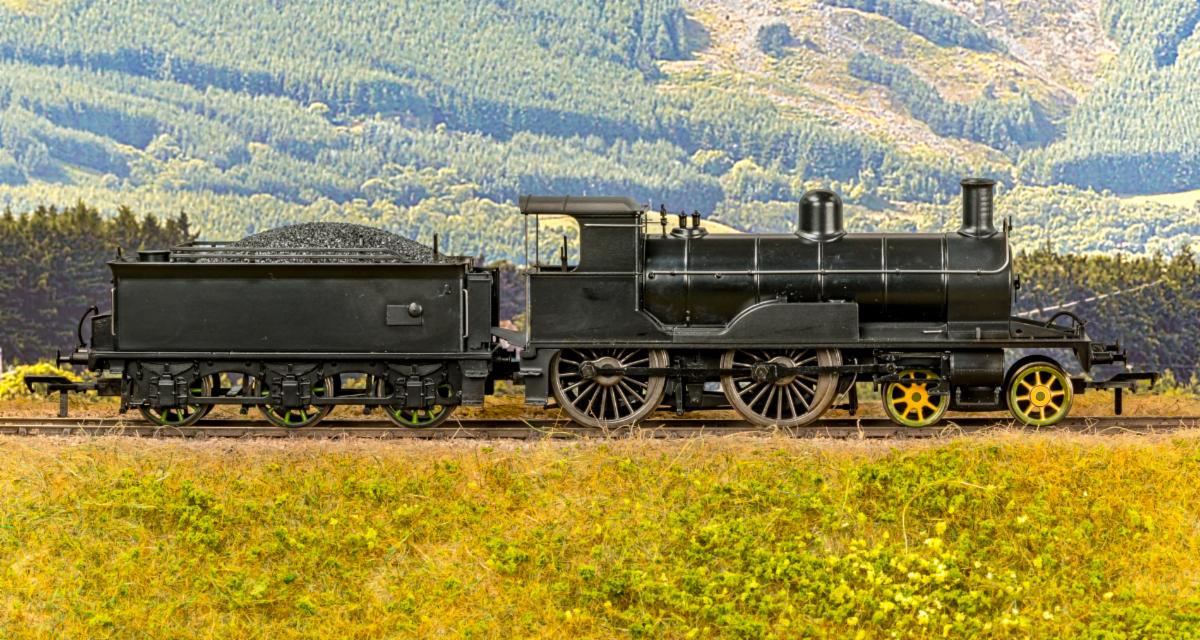
Although our engineering sample is in black, you can still get a good idea of just how much detail we have squeezed into the cab. We are really proud of how these key details have turned out, and we think you’ll agree.
There are some details to adjust - particularly that handrail above the smokebox (this was bent by hand rather than in a former as used in the production models). These will be rectified prior to production.
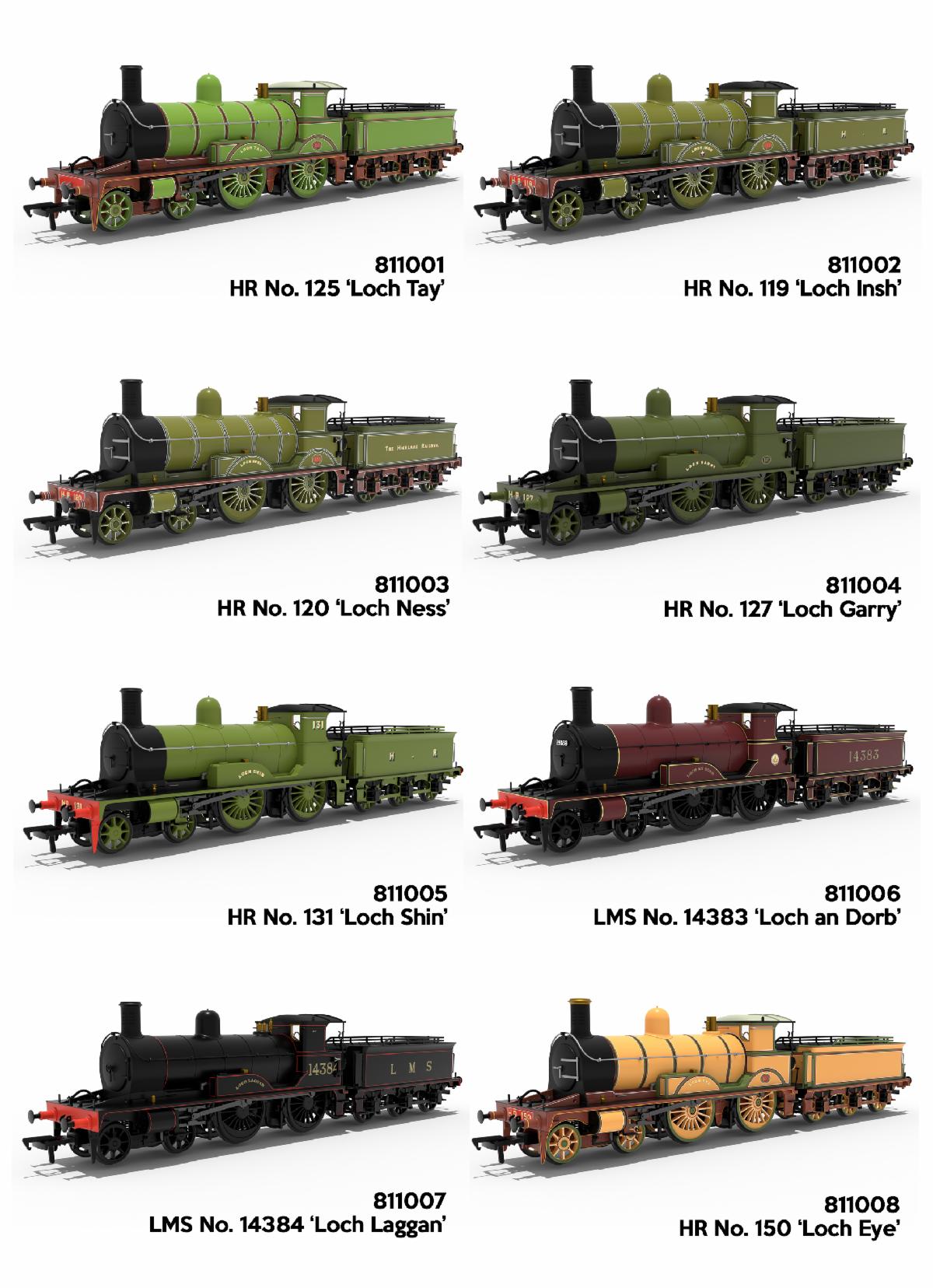
There are so many eye-catching liveries in the range that we suspect you’ll have a tough time choosing your favourite. There are versions that match the Jones livery selection, so you can run them alongside one another. One of these is the ‘What If’ HR Lined Yellow No. 150 Loch Eye, which matches the livery that the Jones would have been seen in during the 1960s. This was the most popular livery by quite some margin, so we expect many of you will want a Loch Class model to match it.
| | As this is a loco that was designed for passenger services, we know you are going to want some coaches too. We included the HR livery in Batch 2 of Evolution. Order books have closed, and we have almost sold out of all of our HR versions; however, many of our Official Retailers took stock of these lovely two-tone coaches. So, if you are still looking to grab some coaches for your Loch Class to haul, we suggest contacting your chosen retailer as swiftly as possible. | | The order books are going to be closing soon for the OO Gauge Highland Railway Loch Class, so make sure you pre-order yours before Monday, the 30th of March. You can do so directly through our website or with any of our Official Retailers. | | |
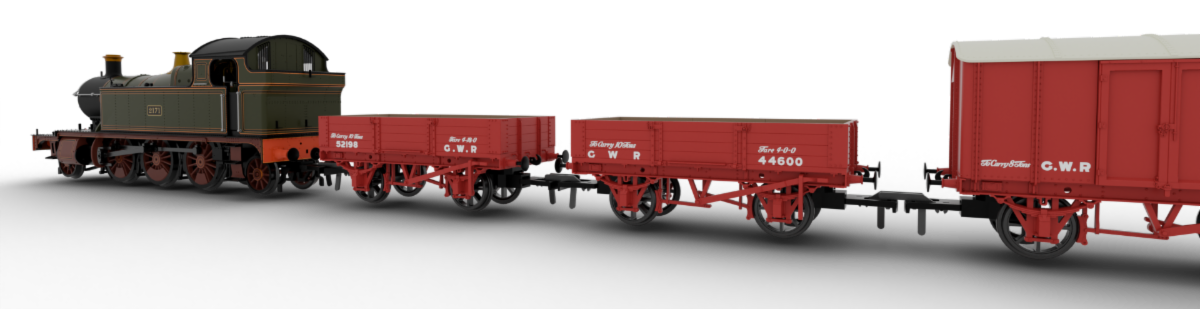
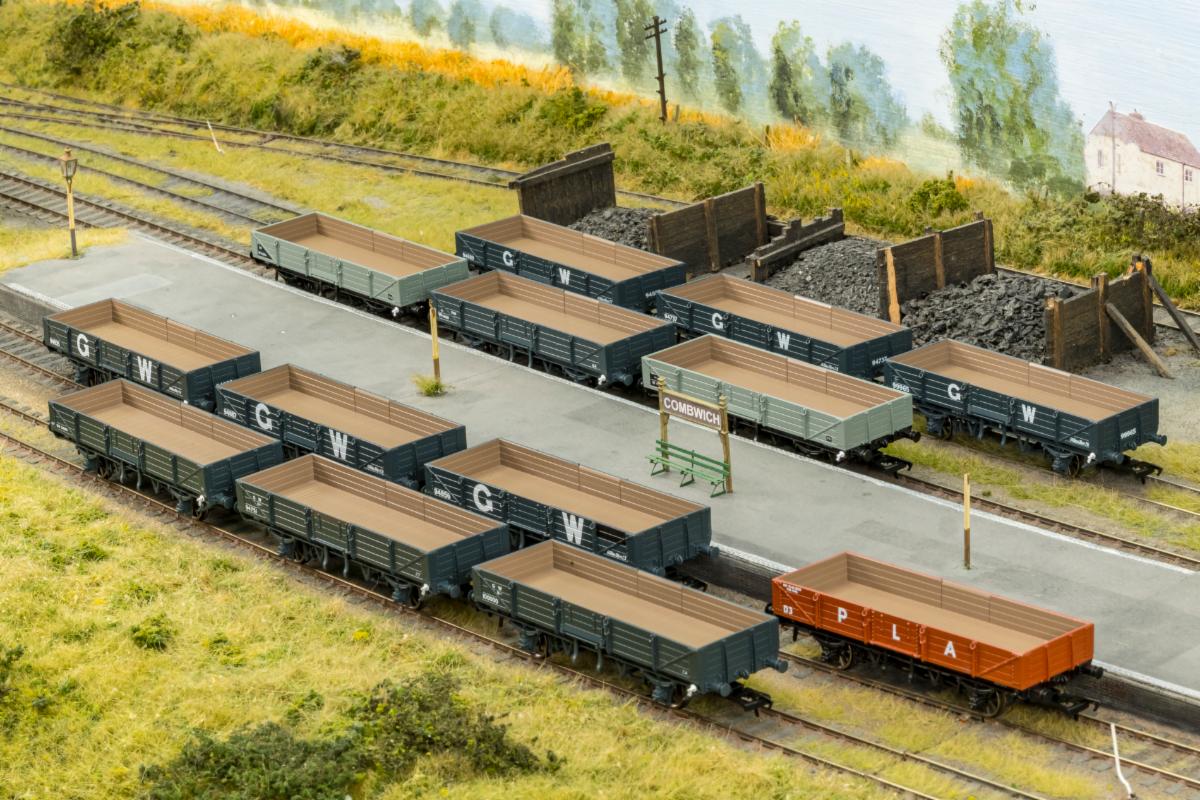
As we open the order books for a new GWR release, we close the book on some others. This gives our GWR fans a constant stream of models to add to their collection. This latest batch of wagons is a little special as they even feature the seldom-seen GWR red livery.
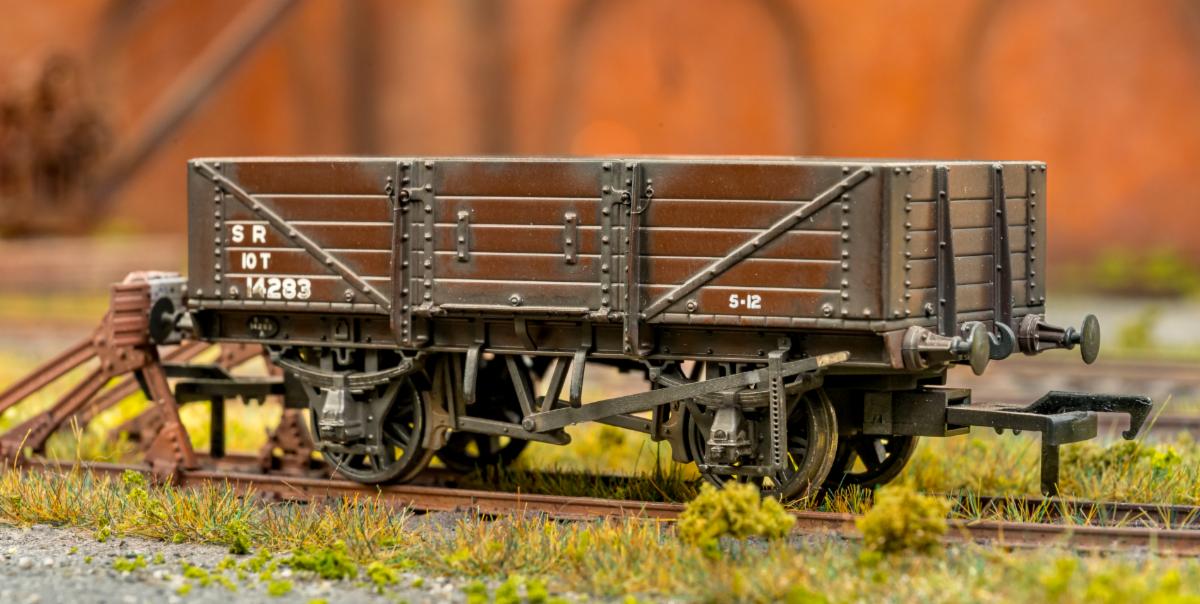
Don’t panic, it’s not just westbound freight that is the focus of this month's order book closures, as we are also wrapping up the order books for the Not-Quite-Minks.
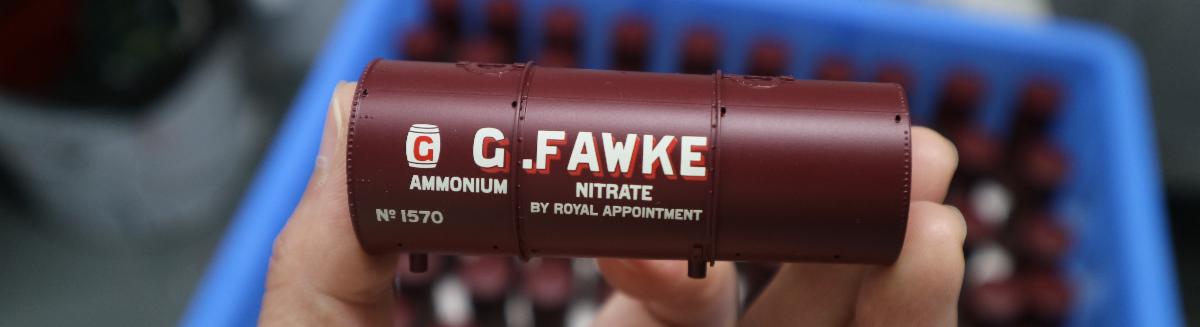
Crammed full of interesting liveries from the pre-grouping, grouping and BR era, there is a version suitable for everyone's collection in this colourful range. Oh, and there are two G. Fawkes variants too, for those who don’t mind handling hazardous goods on their railways. You can find out more about the range in our video here:
| | |
Get your pre-orders in by Monday the 2nd of March, for the following items:
| | |
Following this, the next order book closing is in late March, and this should make Scottish modellers very happy indeed.
Order books close on Monday the 30th of March, for the following:
Remember, if you want to pre-order any of these models, you can do so directly through our website or with any of our Official Retailers.
| | A Model of Marcia – Well Maybe! | | |
Part 1 – The Idea
Ever since we bought Marcia, we have been inundated with requests from you to produce it in model form. We have always thought this would be a great thing to do, but also realised we can use it as an example to show you how we create our models in an occasional series of articles. So where do we begin?
| | |
Firstly – it is probably best to say that this does not guarantee we will actually produce a model! Yes, we are actively looking at it (along with telling you about it) but until we are a bit further along the line we cannot confirm anything.
Ideas for new models come to us in a variety of ways, including staff suggestions, retailer discussions and our public product suggestion form.
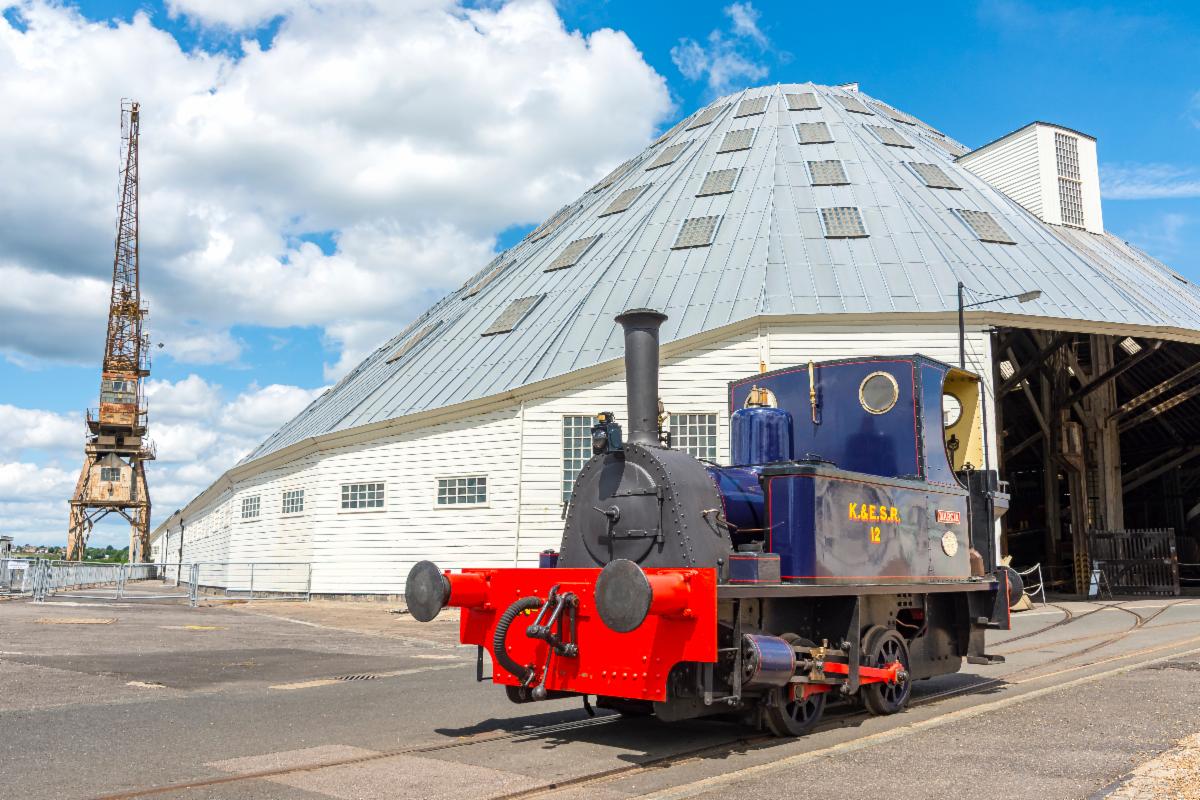
Obviously, Marcia was slightly different as we had bought the real engine!
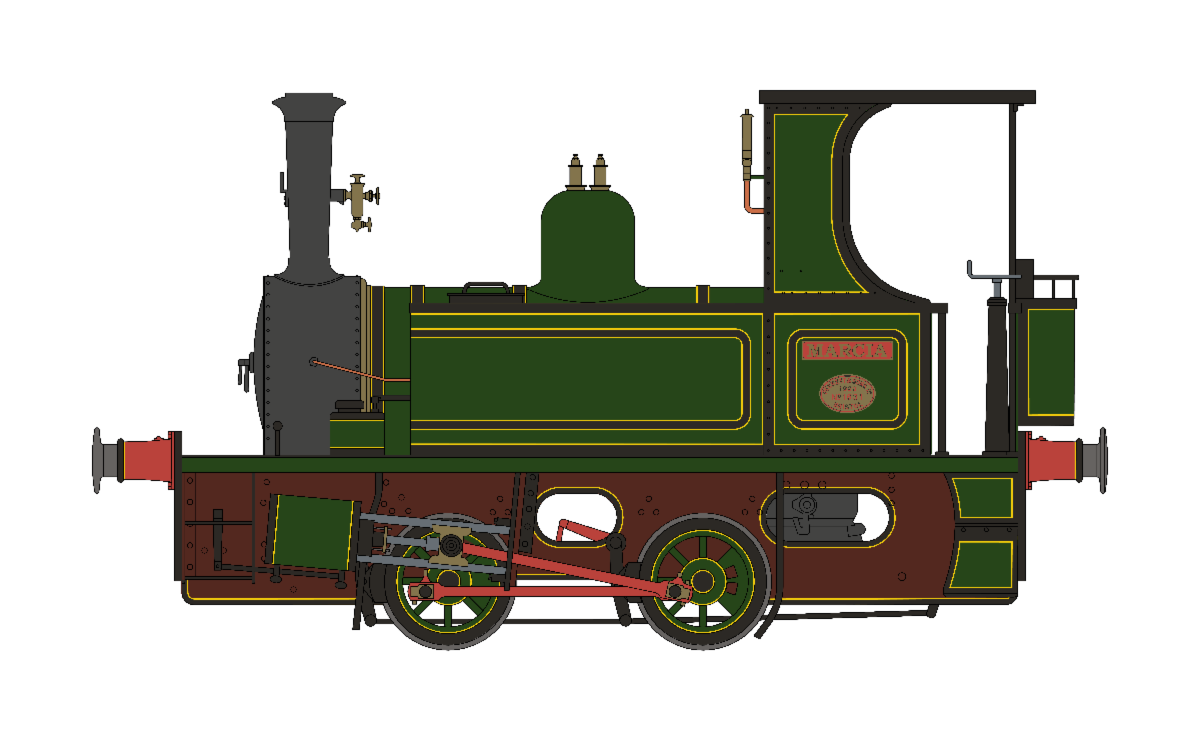
Initially we try to flesh out the idea and look at what models we could produce in a range. To do this we look at factors like physical variations and livery changes carried by the locomotive, or the locomotive’s class, during their working lives. We will also look at the prototype’s history, number built, geographic spread and if any engines are preserved. If certain criteria are met, then we may green light the project for further research.
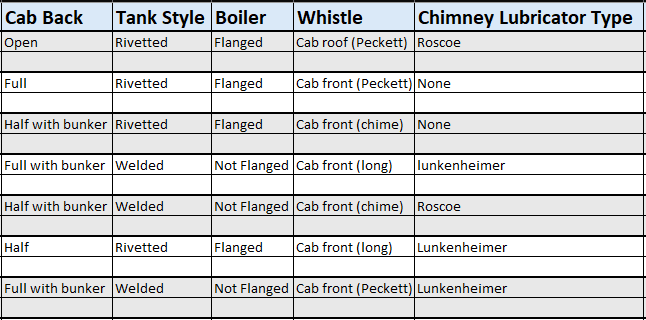
Initially we will build a database which we call the ‘admin sheet’ that shows the varying physical changes a locomotive type carried against the different liveries or identities that we can apply to the model. This gives us the basis of what will be needed to make a range of models that we think the modeller will like and, more importantly, purchase. The sheet is built after consulting photos, books and other reference material related to the prototype. This database acts as our “master” which the team here at Rapido all refer to (and update) during the model's development.
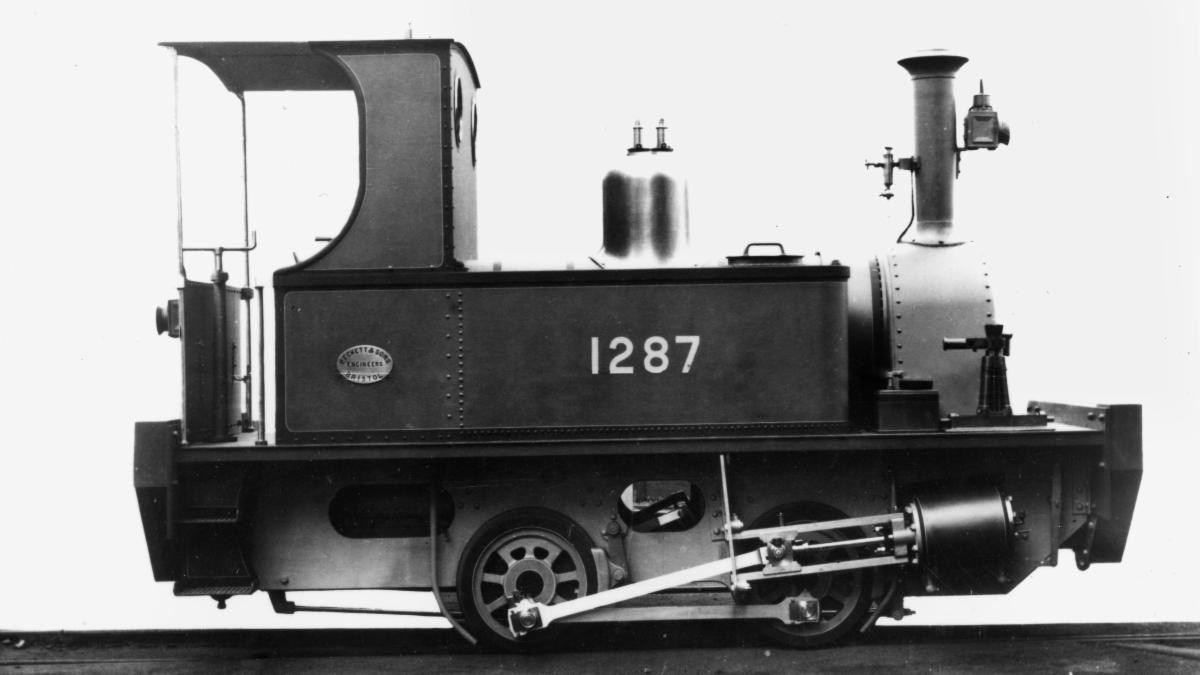
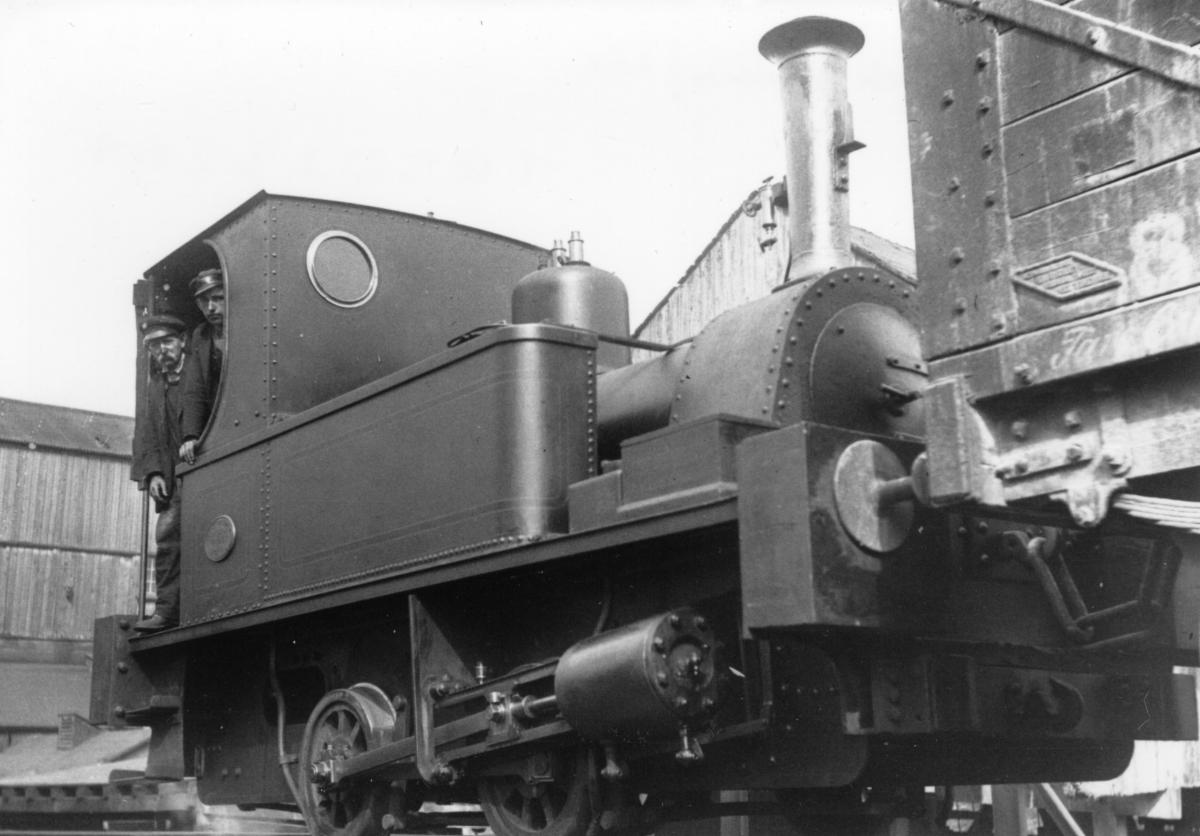
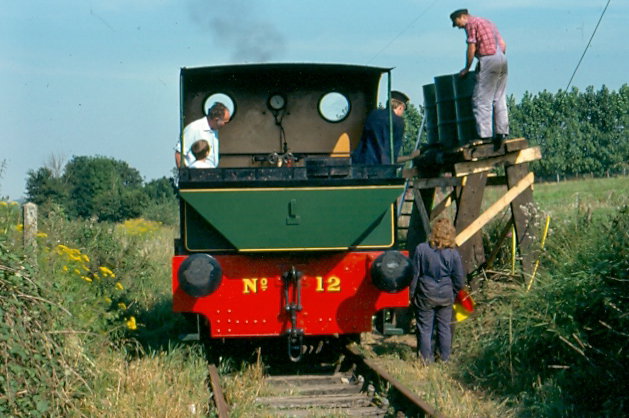
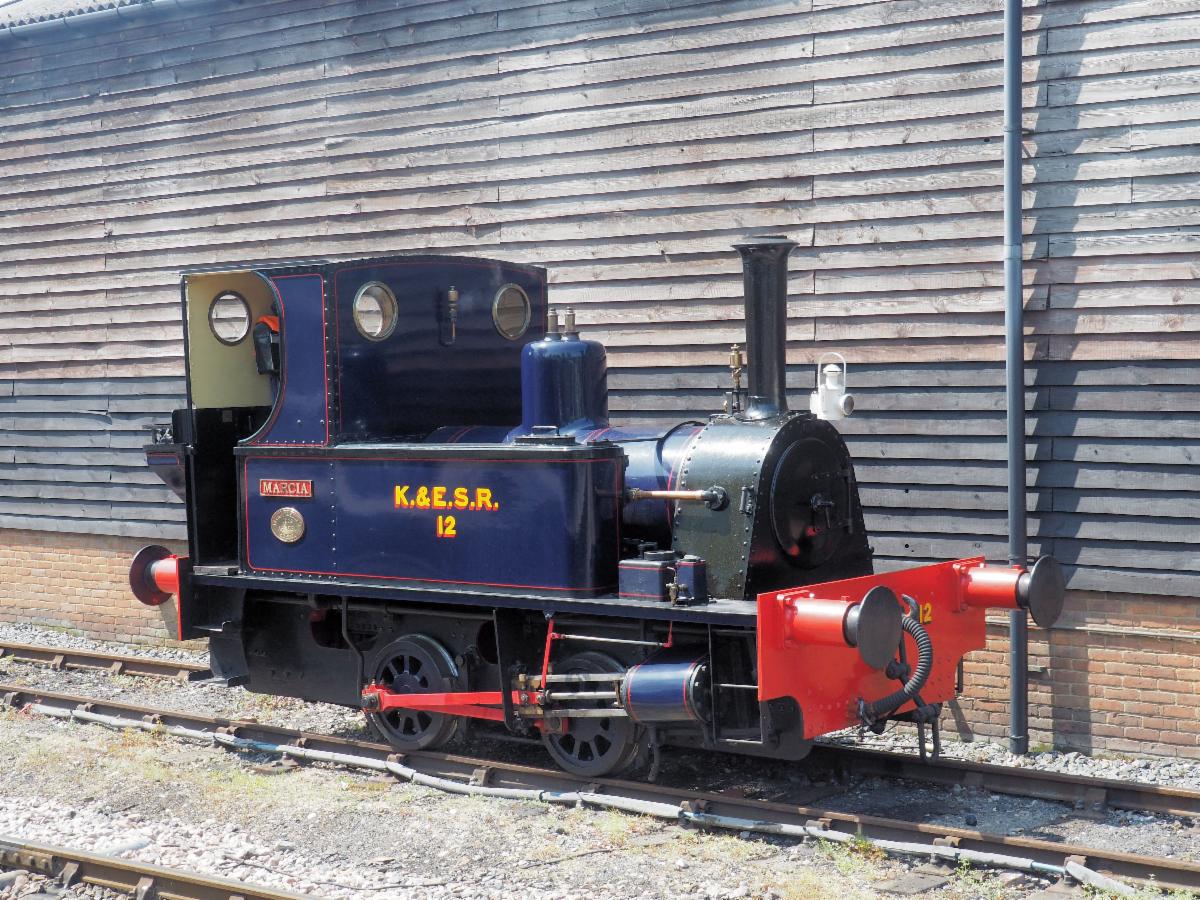
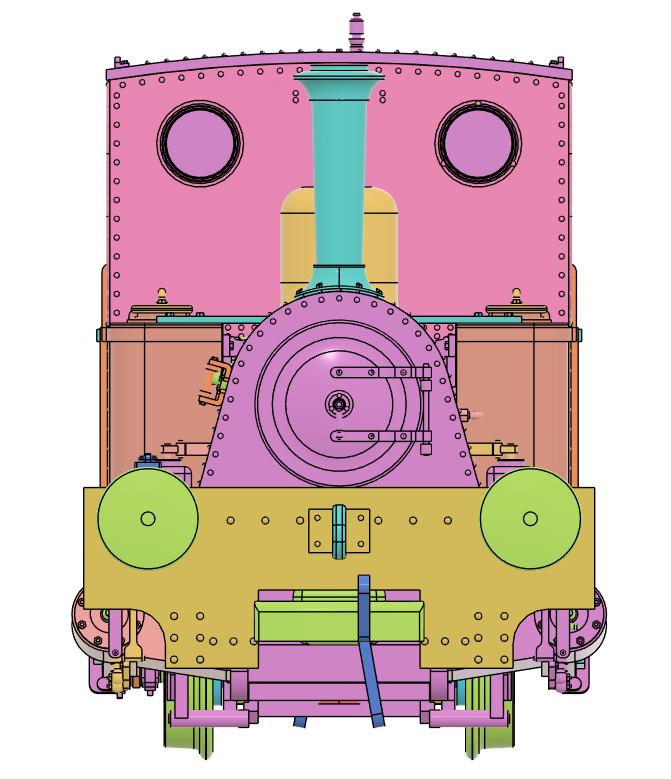
| | An excerpt from an admin sheet detailing the various part combinations. | | So, let’s look at Marcia. She was the second of two members in the ‘1287 class’ built by Peckett & Sons. Comparing early photos, you can already see several changes between the two locomotives, which is not surprising considering that they were built four years apart. Looking at the photos, you can see differences to the locomotive frame shape, bufferbeam, cab backs and other details. Further photos and history can be found on our dedicated website. | | No.1287 (left) and Marcia (right). Note the different cab back arrangements, buffing gear and frame plate shape. | | Marcia herself has changed over the years, when built in 1923 the engine had an open-back cab and internal bunker. Several decades later the locomotive gained a full enclosed cab back and in preservation has been modified again to have an external coal bunker and both half cab and full cab variations. Other items that have changed include mechanical and displacement lubricators, rivetted and welded tanks, whistles, vacuum gear, front steps and buffers. | | The shape of the future - the current repaint of "Marcia" should see her return to steam in this condition. | | It’s not only physical changes that occurred on the engine. Marcia’s livery has changed several times during her life too. Originally outshopped in standard Peckett Dark Green and Indian Red, the engine later became a mid-green colour at Hardman and Holden, before Apple Green and GER style blue at the Kent & Sussex Railway during preservation. | | Marcia, now sporting a half cab with external bunker in apple green livery during a "Bodiam in Steam" event in 1980 - Courtesy of Tom Burnham. | | We are currently repainting Marcia into its original livery, whilst keeping the modern external bunker and half-cab arrangement, effectively adding another livery variation to a possible range. We also like to produce ‘what-if’ liveries so we could consider offering some other freelance liveries to the model to provide further variation and options to our customers. | | Now with fully enclosed cab - Marcia sits at Tenterden Town during a gala weekend - Courtesy of Phil Edwards. | | |
Taking all of the above into account, we will end up with a master SKU (Stock Keeping Unit) list. This will tell us the exact condition and livery in which each model in the range will be produced. If we think the range is sufficient and we think we can sell enough models to make the project viable we will move onto the next phase…
We shall leave it there for this month. The burning question is “Would you like to see a model and which livery would you choose?” We are open to suggestions!
Stay tuned for part 2…
| | We have had lots of deliveries arrive at Rapido HQ, and many more are on the way too. So, let's jump into what new models you have heading your way. | | Evolution Coaches Batch 1 Group A Have Arrived! (OO Gauge) | | |
We've been unloading pallet after pallet of coaches!
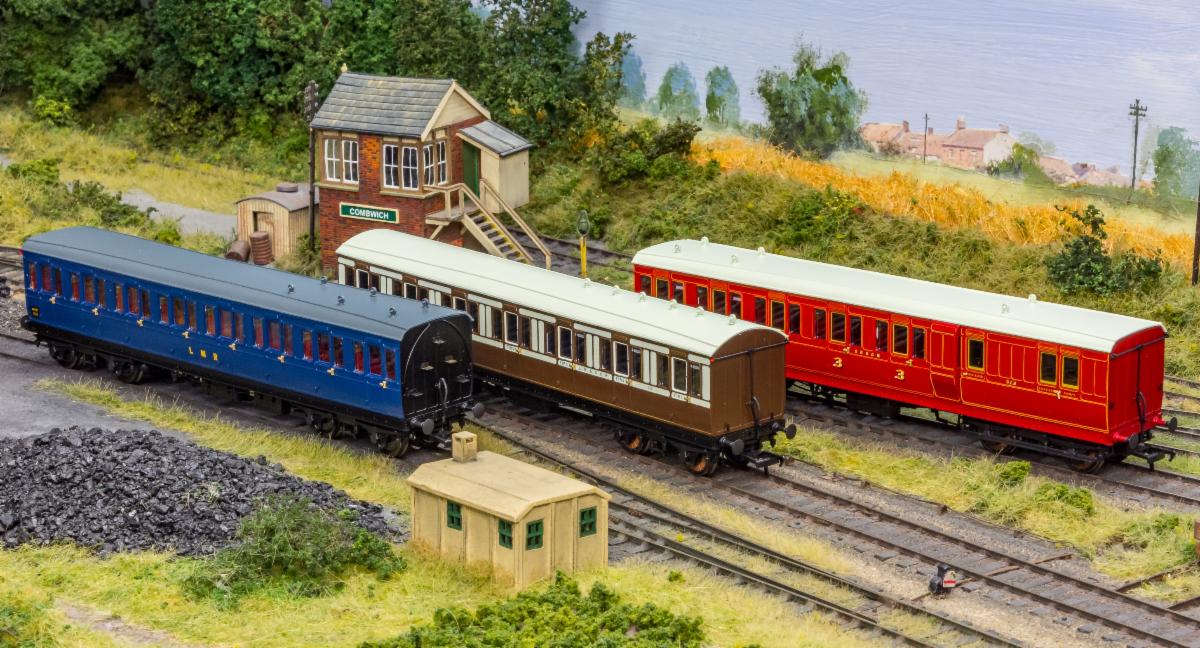
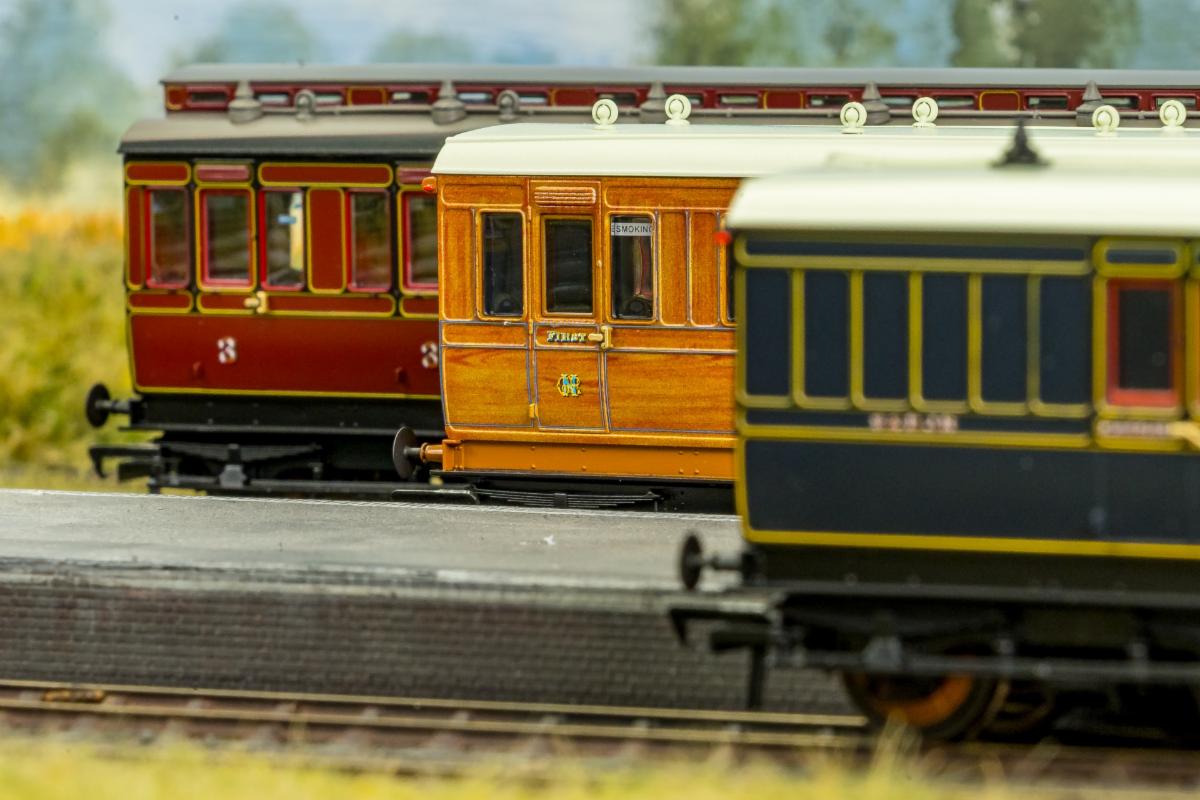
Batch 1 Group A liveries of the OO Gauge Evolution Coaches includes the South Eastern and Chatham Railway; the London, Brighton and South Coast Railway; and the Longmoor Military Railway.
This marks the next stage of a wonderful journey: bringing Project Evolution to life and putting an eclectic mix of generic, pre-grouping, and prototypically literate coaches into your hands.
If you have pre-ordered yours directly through our website and haven’t received a reminder that your order has arrived, please get in touch with our customer service department, and they will help you resolve your pre-order and get those lovely models to you as quickly as possible.
| | |
Evolution Coaches Batch 1 Group B & C Are on The Way!
(OO Gauge)
| |
Pre-ordered the other liveries in Batch 1? Please don’t panic! Instead, you should prepare for their arrival. Batch 1 Group B and Group C are now on ships and bobbing their way to the UK.
Group B consists of the Midland Railway, the Great Northern Railway, and the Somerset and Dorset Joint Railway. Group B versions are expected to arrive in the UK in mid-March, and they will then undergo our detailed QC checks. We recommend that customers who have pre-ordered directly through our website keep an eye on your emails, as these are likely to be here before the next newsletter drops in your inbox.
| |
Group C was completed by our factory in China before the Chinese New Year break and has begun the long journey to the UK. This features the Great Central Railway, London and North Western Railway, and Great Western Railway examples.
With this shipment heading in the right direction, we expect these to arrive at some point in mid Q2. Until they arrive, we cannot give you a clearer ETA. Keep an eye on future newsletters for further information and updates.
| | |
GWR ‘Open C’ and LMS Iron Ore Hoppers Have Also Arrived
(OO Gauge)
| |
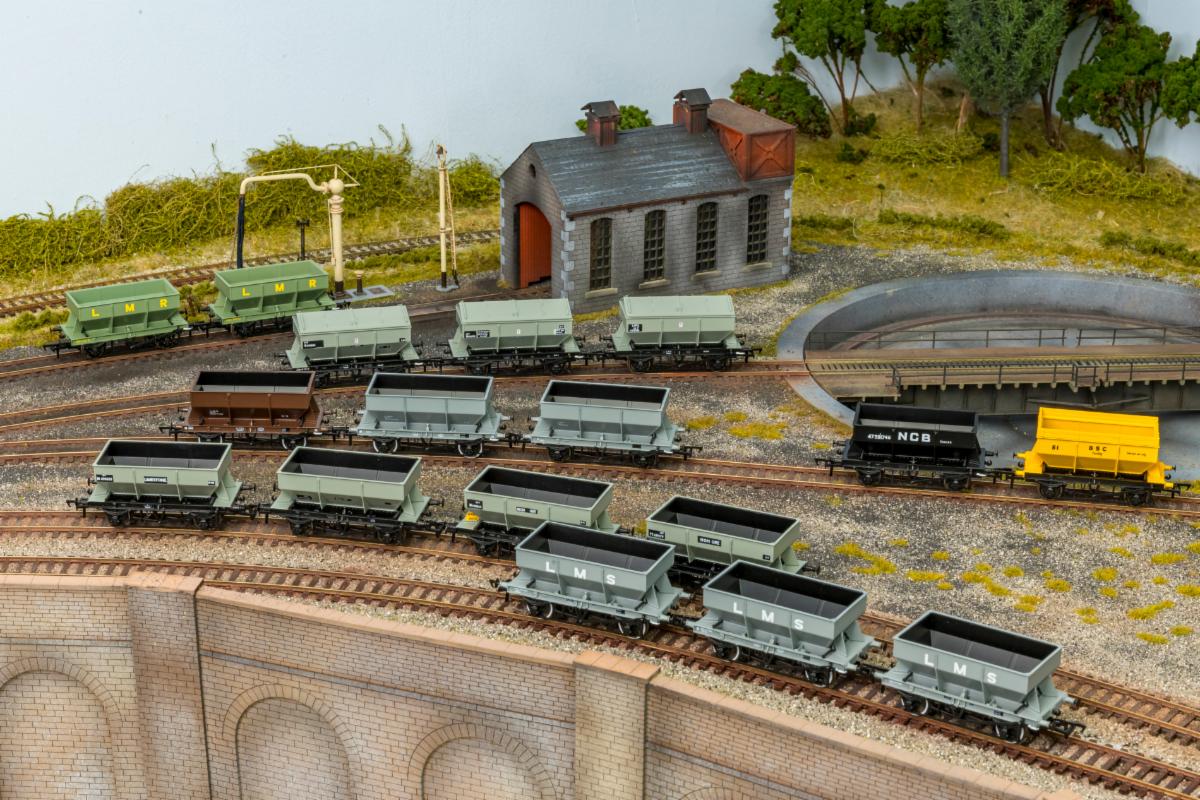
It’s not just pretty passenger stock that has arrived. We also received two brand-new wagon types in our delivery. So, freight fans have something to get their teeth into.
Both the GWR ‘Open C’ and LMS Iron Ore Hoppers arrived alongside Evolution Batch 1 Group A, and they have completed their QC checks.
| | |
These models offer lots of potential for interesting rakes, whether it's adding some diversity to your mixed freight trains or as a specific block train. We look forward to seeing what you all do with yours.
Any customers who have ordered directly through our website will have received an email reminder that contains a payment link. If you have pre-ordered these models from us but haven’t had an email, don’t hesitate to contact our Customer Service department, and they will help you complete the order by phone.
| | LNER Dynamometer Cars Have Just Arrived
(N Gauge) | | |
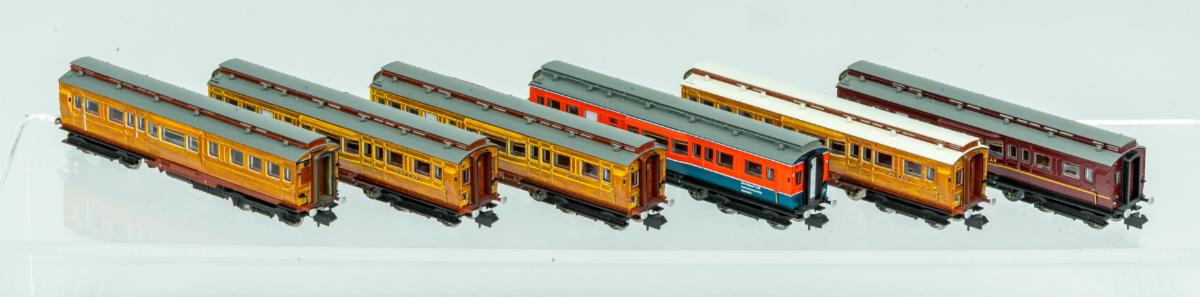
Just before the newsletter was due to hit your inboxes, we received another delivery. This one should make our N Gauge fans happy, as it’s a model many of you have been patiently waiting for.
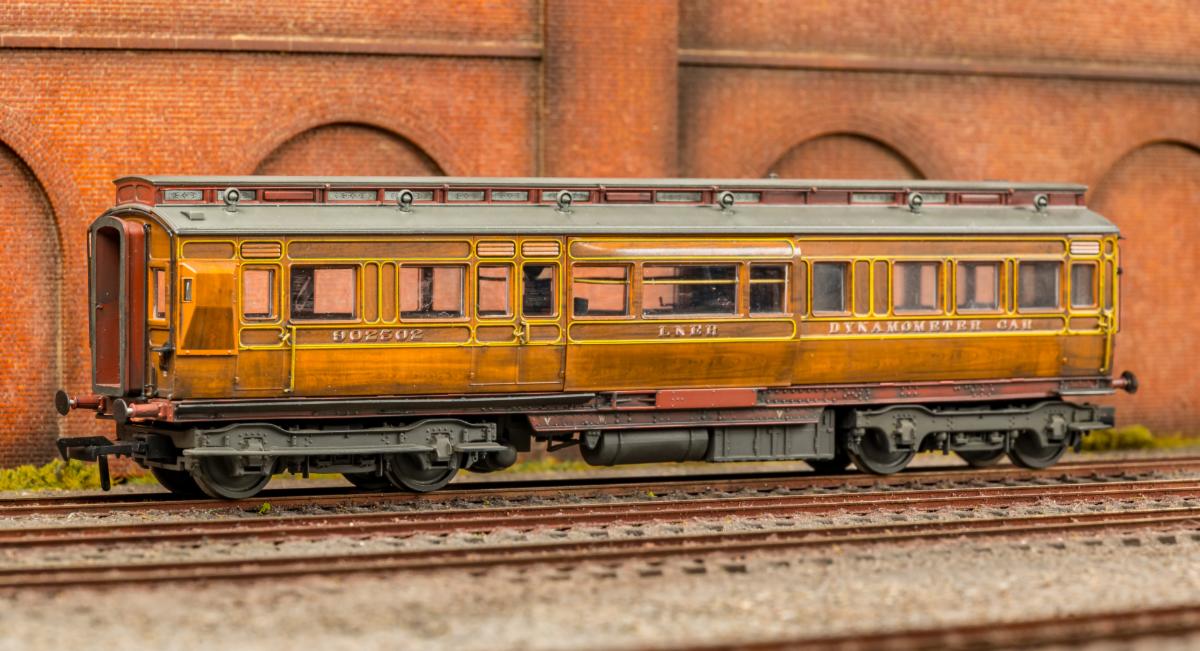
The famous LNER Dynamometer Car has arrived!
| | |
These models are so gorgeous with their ostentatious teak finish that they will be the pride of your fleet. With a plethora of mainline locos that have been produced in N Gauge over the years, everyone should have something suitable to put in front of this record-breaking coach.
Orders have already been dispatched to our Official Retailers and direct customers. These are sold out direct with us so speak to your preferred retailer if you would like to get your hands on one.
| | |
As we head into Q2, we are expecting a flurry of further deliveries. So, if there is something that you were expecting to arrive in early 2026, fear not! It will be on the way very soon.
You can find out the current status and ETA for many of our upcoming projects via our website's Delivery Schedule.
| |
|
As our factories have been shut down for a couple of weeks for their New Year holidays there has not been a huge number of updates to show this month.
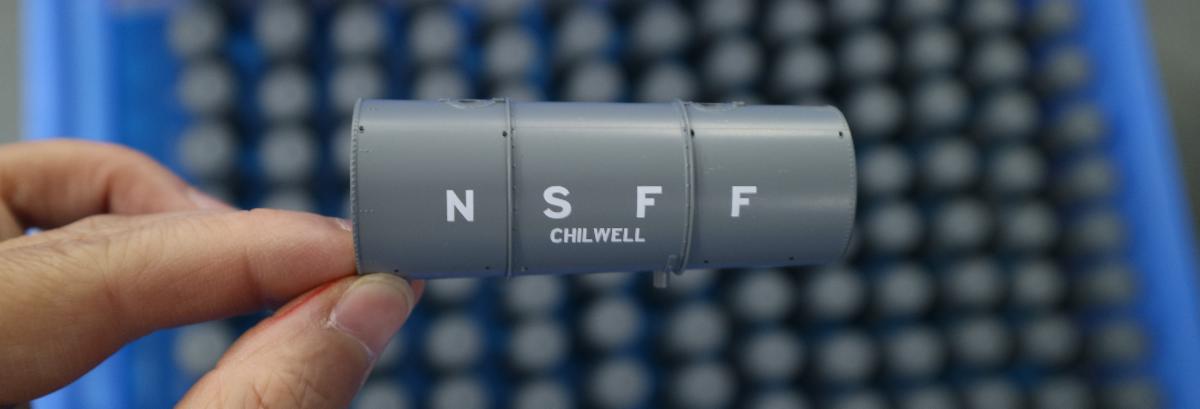
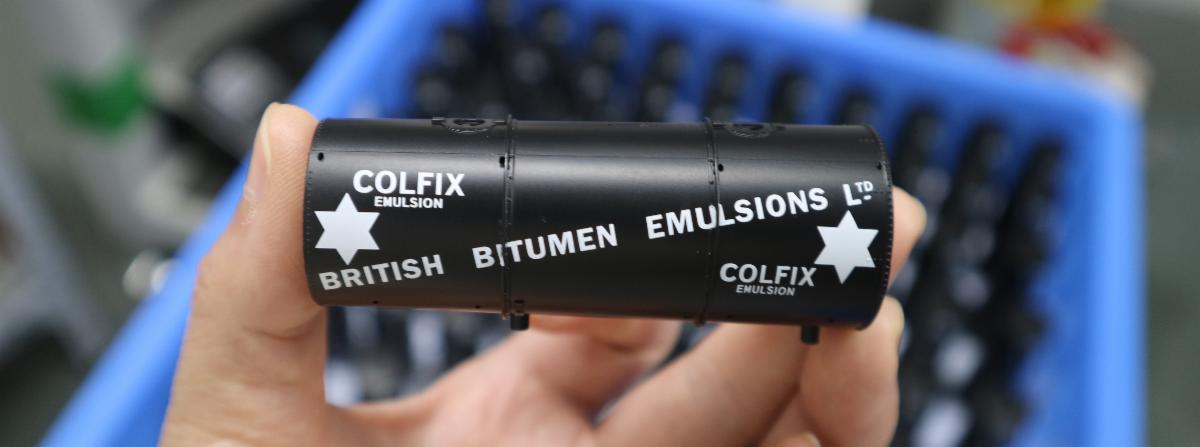
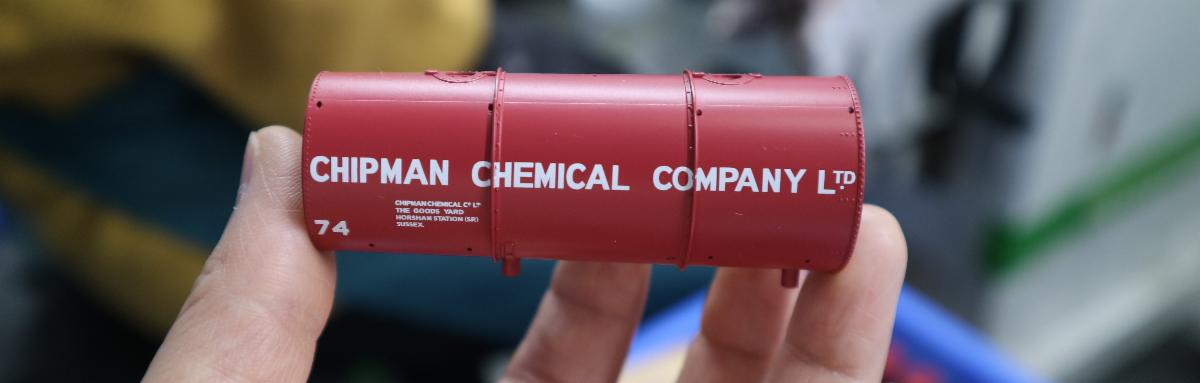
Just before the break we received a few images for our forthcoming Ammonium Nitrate tank wagons. These liveries have been a challenge to apply on a conical surface but the end results are fantastic.
| | |
Don't worry, the last one is not a mistake - its just part way through the printing process.
The factories will reopen shortly and we will have more factory progress to share with you next month.
| | |
Join our Team!
Do you like trains? Can you use Adobe Illustrator? Can you colour in between the lines and have a good eye for detail? If so we might have a job for you!
| | We are looking for a Technical Graphic Artist to join our team. If you think you have what it takes drop us an email with your CV to joinourteam@rapidotrains.co.uk | | March Exhibition Calendar | | |
Just a polite reminder that we will be packing our van and heading to two of the UK’s biggest model railway shows this coming month. We will be bringing all of the latest samples and prototypes with us for you to see them for yourself. Pop by our stand, have a chat with our staff, and catch a glimpse of all the latest Rapido niceties.
We will be attending the following shows in March:
· Sat 21st to Sun 22nd – The London Festival of Railway Modelling – Alexandra Palace, London.
· Fri 27th to Sun 29th – Model Rail Scotland – Scottish Event Campus, Glasgow.
| | |
Whether you weather or whether you don’t?
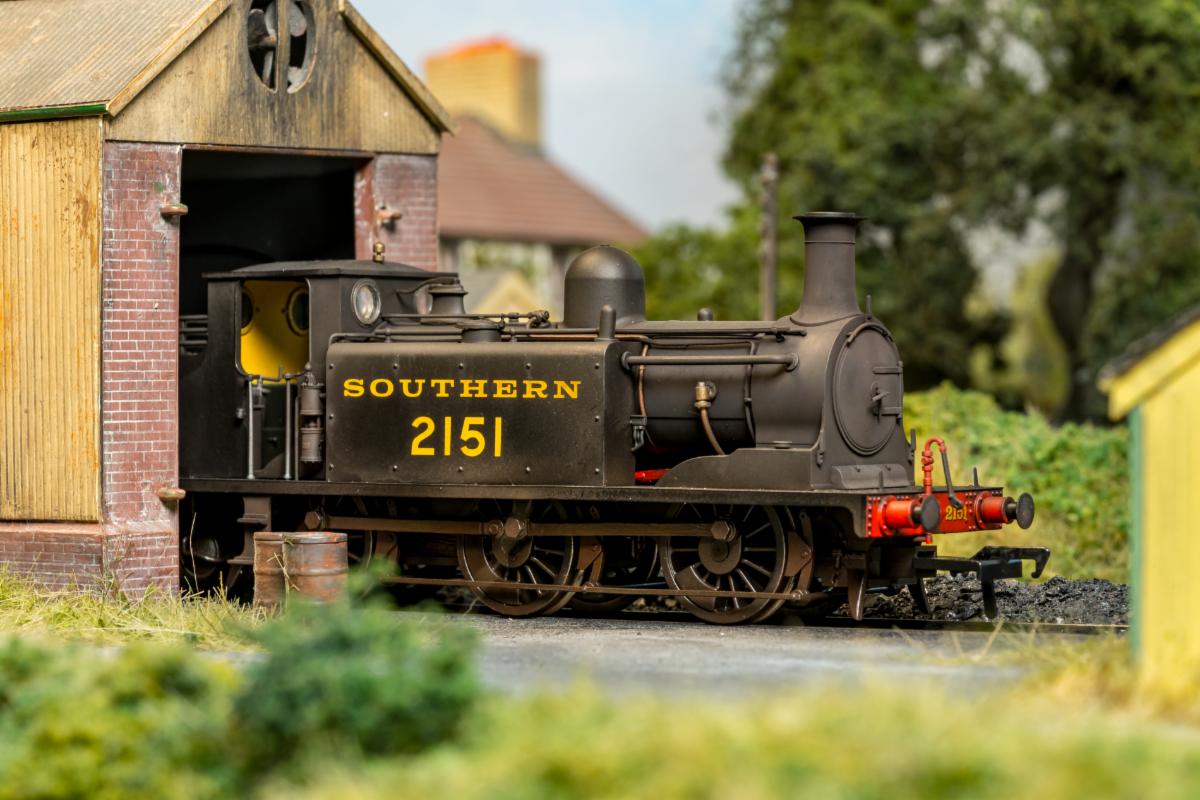
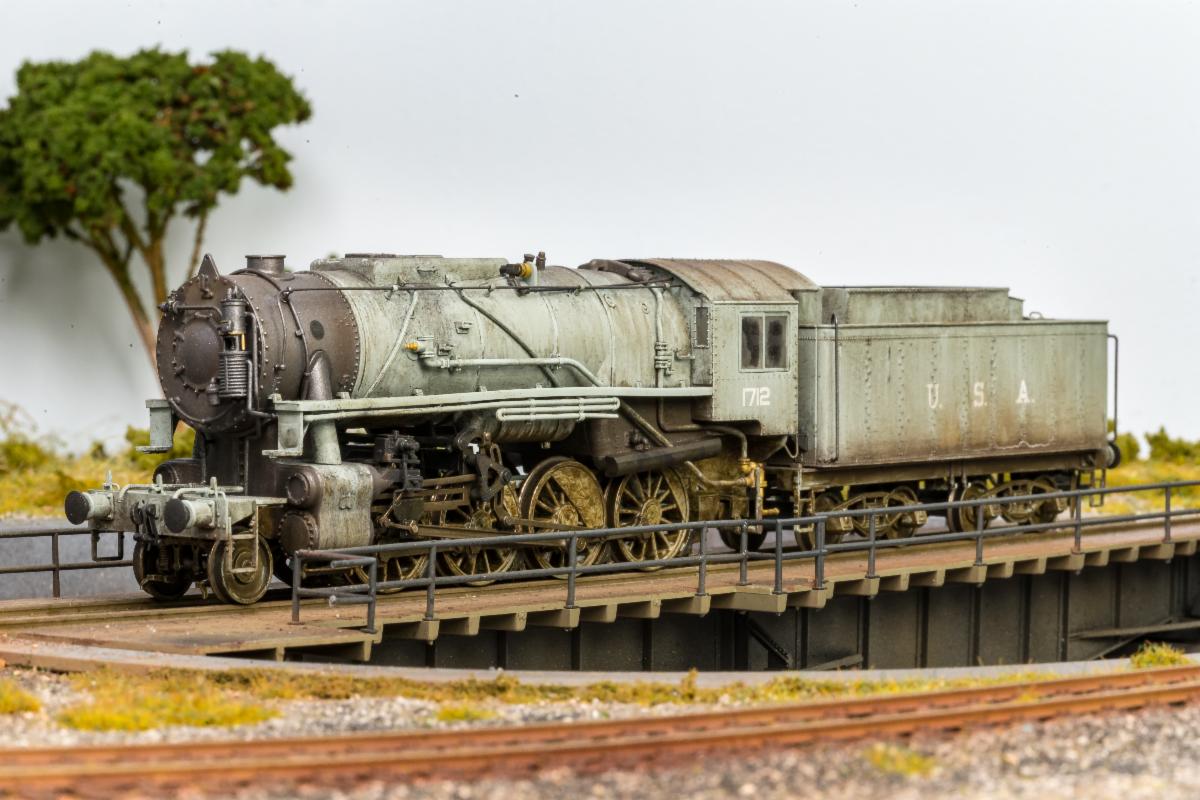
Seeing that beautifully weathered S160 in last month's newsletter got us thinking about all things weathering. So, we pose a question for this month's Thought of the Month; we want to know whether you weather your models, or not? Blimey, that’s more weather than a Highlands winter. Anyway, on with the discussion.
In a previous article (Newsletter No.39 Dec 2023), we did cover weathering, but this was tailored towards what impact the weathering has on the mechanical integrity of your model, and what we can do from a warranty perspective if your weathered model breaks or stops working. This article looks at weathering as a preference and whether you should consider it.
| | |
We know this is one of the many Marmite opinions in the model railway world, but it's definitely worth discussing, and you never know, it might change your outlook.
Unless a locomotive or piece of rolling stock has just rolled off the factory floor or has been cleaned within an inch of its life, it will have marks and wear and tear. Then, within a short space of time of being built or cleaned, it will start to build up dirt, soot, watermarks, and all manner of grimy spots. This is a natural and unavoidable occurrence when a vehicle is used. Over time, a vehicle may also incur things like missing or broken parts, rust spots, chalk marks, permanent stains, and chipped or faded paintwork.
Some modellers like to do their best to replicate this more realistic look. To the uninitiated, this is called weathering. In contrast, others believe that it devalues the model or ruins the livery. There is no correct answer, simply personal preference.
| | |
If you are going to weather your models, we suggest you consider the following principles:
-
If you’ve never done it before, start with a wagon before you approach your brand new loco with paints, powders and misplaced confidence.
-
Seek advice from those who have done it before and watch some videos on YouTube.
-
Less is more. It’s easy to add more on if you think it’s not quite enough, but it’s not as easy to remove it without tarnishing paintwork or the overall finish of the model.
-
Work out if you prefer acrylic, oil, or enamel paints. Again, don’t do paint tests on your favourite model; practice on an old wagon or something similar.
-
Make sure the model is fully intact and fitted with a decoder before weathering it if you want to run it on DCC. Thoroughly run it in to check it is working properly before you start weathering and again through the weathering process. For more on this, we recommend going back and reading newsletter No.39. You can find this on our website.
Once you have done all of these things, find some photos as a reference for how you want it to look, as this is key to getting a realistic finish. Was the loco based in a hard water region, which means if it's not looked after, it is prone to limescale buildups? Was there a particular load in the wagon that would have caused a specific type of wear and tear? A good example would be pre-grouping cattle wagons; you need to weather these with build-ups of white powder around the bottom of the doors, as they used lime as a disinfectant and to prevent the spread of disease. A photo will clearly show the amount of weathering this sort of thing caused, but it isn’t the colour you would immediately pick for a wagon unless you had done your homework.
| | |
There are loads of great tools, paints, weathering powders, washes, and sprays available, but practice definitely makes perfect. It’s better to be knowledgeable on how to get the desired effect with limited resources at your disposal than to have all the gear and no idea. Just be mindful not to overdo it, as excessive weathering can ruin a model!
However, the Rail Head Treatment Trains that pass by the Rapido office at this time of year often look like they have been pulled out of a mud bath, so heavy weathering still has its place. We do not envy the cleaners at Tonbridge Yard when that’s heading back…
It's also worth bearing in mind the era that you model, as this will impact the level and type of weathering. Pre-grouping locos were regularly cleaned to a professional level in much the same way that preserved locos are, whereas BR locos were left to deteriorate into ruin by the end of steam. So, taking our SECR O1 as an example, its shed crews during the early 1900s would have cleaned it beautifully, in much the same way that the team at the Bluebell Railway do currently. However, during the 1960s, the class certainly weren’t treated with such care.
Then there is the sensitive subject of graffiti. Yes, it is criminal damage, but it is sadly an era-defining part of the railway world and has been seen plastered on everything from bridges to brand new rolling stock for many years. So, if ultra realism is your goal, it is an integral part of the finished piece. Again, this is a matter of preference, and a nicely weathered modern era vehicle still looks great with or without graffiti.
| | |
If you are considering giving it a go, or want weathered models, but feel like the process of slapping paint onto your brand-new, ready-to-run model is daunting, we get it. Nobody wants to ruin their model. Thankfully, there are courses for this sort of thing run up and down the country, and a variety of our Official Retailers offer a weathering service. We recommend you contact these organisations if you need further support, rather than regretting the destruction of a beloved model.
Finally, there are those who consider weathering a model to be a sin. The usual points that are raised are that they do not wish to ruin it, it impacts its resale value, and it may void warranties with certain manufacturers. Fundamentally, they are happy with how it looks already. Some also admit that weathering is a skill they have never learnt, so they are reluctant to dive straight in. These are all good points, and if Rapido and the other manufacturers entirely disagreed, then we would only make pre-weathered models, so we understand.
| | |
In summary, we think weathering certainly has its place in the hobby, because it often looks brilliant, and helps define a model's features. But if you are going to have a go at it, we suggest you practice on something less important before you move on to your pride and joy. Oh, and if your preference is models that are as the factory made them, then that’s fair enough. After all, they already look great, don’t they!
Thankfully, the choice is yours.
What are your thoughts on weathering? Do you love it or loathe it? Have you got a favourite Rapido model that you have weathered? Let us know.
| | |
Well that wraps up all the news we have for February.
We look forward to seeing many of you at the upcoming shows in March and expect to have lots more tell in the next newsletter.
Thanks a lot for reading!
| |
You can write to us at Rapido Trains UK, Unit 3, Clinton Business Centre, Lodge Road, Staplehurst, Kent TN12 0QF. Alternatively, you can call us on 03304 609496 or you can
e-mail us at customerservice@rapidotrains.co.uk
| | Check out our YouTube channel, Facebook page, Instagram and Twitter! | | | | |