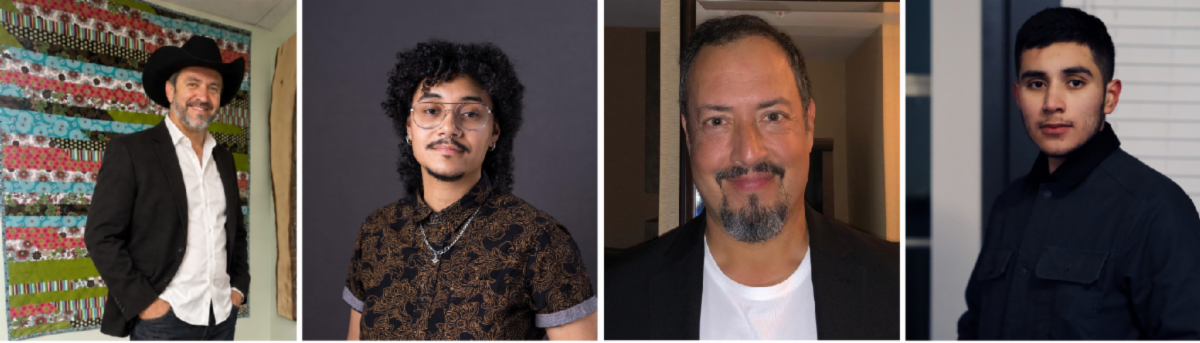
Left to Right: Manny Hernandez, Jared Verdejo, Roger Moreano, and Jony Vargas | | Executive Director's Corner | | |
Greetings,
October ushers in warm autumnal colors of changing leaves, cool, crisp fall evenings with the first hints of frost, pumpkin everything, and Halloween and harvest fests aplenty. October also ends a month-long celebration of Hispanic/Latine Heritage Month (Sept 15-October 15). Did you know that there are over 156,000 Latine businesses in Illinois which employ over 107,000 people, with an annual payroll of over 4.6 billion dollars, and generating over 26.3 billion dollars in revenue according to an Illinois Hispanic Heritage Month proclamation? This is essential to economic and community health given that Employment and Income was the top Social Driver of Health identified during HFNLC’s 2024 Summer Community Listening Initiative. Speaking of Lake County, did you know that Latines comprise nearly 25% of Lake County, making it the second largest ethnic group in the county, and that Spanish is spoken in nearly 20% of Lake County homes, according to recent census data? For more information on Latine business development in Illinois and Lake County, please visit the Illinois Hispanic Chamber of Commerce and Hispanic Chamber of Lake County websites.
Latines are an integral part of our community. Therefore, it brings me much joy to share four community partners from the following grantee organizations: Family First Center of Lake County, Waukegan to College, Center for Immigrant Progress, and the HAP Foundation. These four dynamic Latinos, Manny Hernandez, Jared Verdejo, Roger Moreano, and Jony Vargas, share their unique lived experiences, cultural backgrounds, community aspirations, and much more!
---------------------------------------------------------------------------------------------
Manny Hernandez, CHW,
Director of Operations,
Family First Center of Lake County
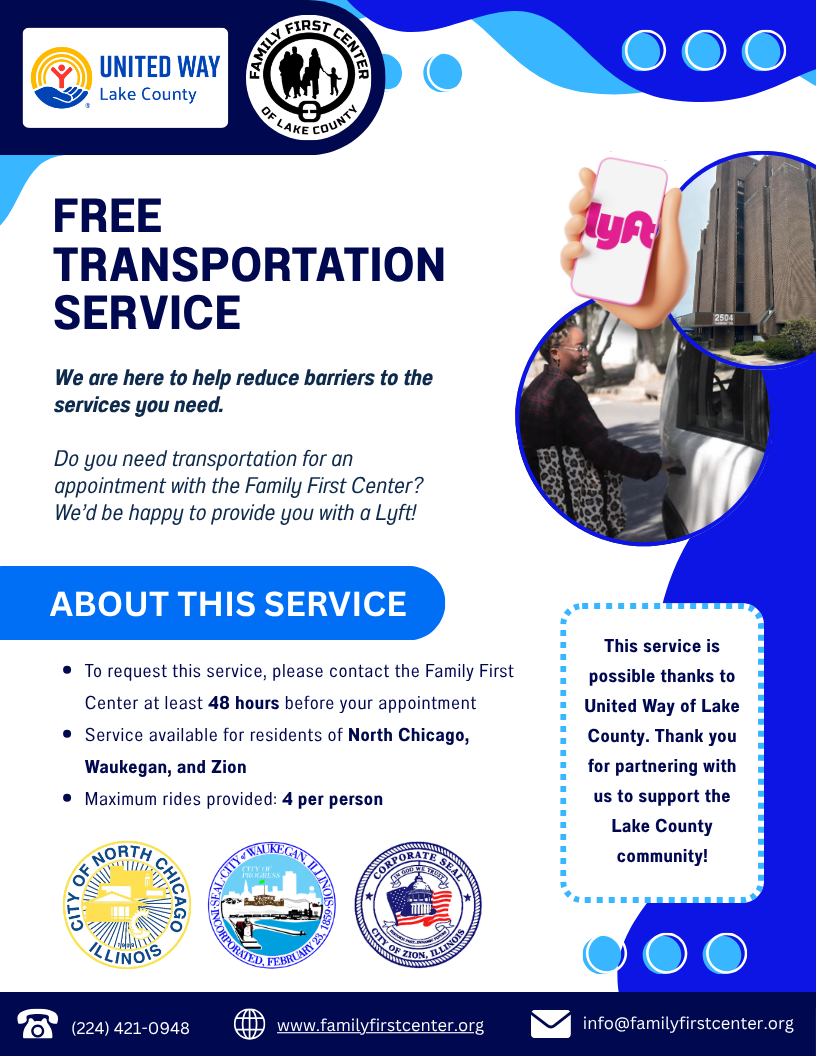
emigrated from Mexico to Waukegan and 30-year Lake County resident.
What does Hispanic Heritage Month mean to you and why is it important (feel free to share how you celebrate it)?
As a Mexican immigrant, Hispanic Heritage Month is an opportunity for me to celebrate the rich diversity of our communities and reflect on how culture shapes who we are. It reminds us that, regardless of where we come from, we are all equal, and each person has something valuable to contribute. It is also a time to recognize the journey of learning and unlearning that many immigrants experience as we adapt to life in this country while preserving the traditions, identity, and values that connect us to our roots. I celebrate by honoring my Mexican heritage, learning about other cultures, and participating in their celebrations and, of course, enjoying the food that brings our people together.
What do you want others to know about your culture?
Our culture is deeply rooted in community and in what the Spanish word "Convivir" represents. It means much more than simply spending time together; it means sharing life with harmony, mutual support, meaningful connection, and a collective celebration of life.
I also want others to know that our culture is grounded in hard work, respect, perseverance, and a strong desire to prosper while helping our families and communities move forward. Sometimes, immigrants may struggle with a sense of not fully belonging or deserving the opportunities available to them. This, and our desire to preserve our language and traditions, can be misunderstood as an unwillingness to assimilate. In reality, we are learning how to become part of a new society while remaining connected to the identity, values, and heritage that give us strength.
How does your organization or program support Lake County’s Latine communities (feel free to name specific programs or services)?
Family First Center of Lake County welcomes and serves people from all backgrounds. At the same time, we understand that effectively supporting Lake County’s Latine communities requires more than translating services, it requires cultural representation, humility, trust, and a genuine understanding of peoples lived experiences.
Our staff reflect the people we serve not only in numbers, but also culturally. Many team members share the language, traditions, experiences, and values of our Latine clients and families. This representation helps us build stronger relationships and provide services that feel relevant, respectful, and accessible. Our leadership has not only welcomed Latine culture but has embraced it and actively participates in our traditions, celebrations, language, and community life.
We put this commitment into practice through bilingual behavioral health services, case management, care coordination, Community Health Worker programs, support groups, family wellness initiatives, and culturally responsive education and outreach. The cultural knowledge and perspectives of our staff strengthen the quality of our services while enriching our entire organization.
Are there any needs specific to Latine males that you’d like to share? If there are, what advice would you give to providers to better reach and serve Latine males?
Community programs are often designed around the people who already participate in services, who are frequently women. As a result, some programs may not feel relevant, welcoming, or appealing to Latine men. This does not mean that every Latine man has the same interests; it means providers should offer different ways for men to connect with services.
Providers should recognize the cultural expectations many Latine men experience, including pressure to be strong, provide for their families, and solve problems independently. Services should build on these strengths while creating safe opportunities for men to ask for help without feeling judged or diminished. Most importantly, providers should listen directly to Latine men and involve them in designing programs that reflect their needs, interests, schedules, experiences, and strengths.
---------------------------------------------------------------------------------------------
Jared Verdejo,
Marketing & Communications Specialist,
Waukegan to College,
raised in Waukegan of Puerto Rican (Afro-Latino) and LGBTQ+ cultures.
What does Hispanic Heritage Month mean to you and why is it important (feel free to share how you celebrate it)? And How do you identify ethnically and/or culturally, and how has it shaped you?
"Growing up as a Puerto Rican Afro-Latino LGBTQ+ person, I often struggled with questions of identity—especially around gender and race. I honor my story by continuing to educate myself and advocating for people who look like me. Hispanic Heritage Month is a reminder to celebrate my culture, my ancestors, and the community that shaped me.
How does your organization or program support Lake County’s Latine communities (feel free to name specific programs or services)?
At Waukegan to College, we serve a community made up largely of Latine students and families. Through advising, student and family cohort sessions, tutoring, career exploration, and college visits, we equip students and families with the guidance and resources they need to turn their dreams into reality—from middle school through college and beyond. I often reflect back to my high school and college years and think, “How I wish I had been in a program like this with people rooting for me.” Knowing that our work can help young people break cycles, support their families, and pursue their dreams with confidence is an incredibly powerful and fulfilling feeling.
Are there any needs specific to Latine males that you’d like to share? If there are, what advice would you give to providers to better reach and serve Latine males?
That personal connection also shapes why I care deeply about reaching more Latine boys and young men. In education, we cannot ignore the need to help young men envision and prepare for a future that may include college, trade school, or another meaningful dream or career path. In the U.S., women currently outnumber men in undergraduate enrollment and graduation rates. At Waukegan to College, we want to help close that gap by ensuring more young men see themselves in higher education and have the support to succeed.
---------------------------------------------------------------------------------------------
Roger Moreano,
Director of Equity, Advocacy, and Organizing,
Center for Immigrant Progress,
raised in Round Lake Beach and has lived in Gurnee for over twenty years is of Puerto Rican and Ecuadorian ancestry.
What does Hispanic Heritage Month mean to you and why is it important (feel free to share how you celebrate it)?
Hispanic Heritage is important to me because the stories and histories of our unique and beautiful cultures need to be easily identifiable, valued, and respected aspects of our multiracial, multiethnic society.
What do you want others to know about your culture?
I would like folks to understand that the things they like about my cultures - the food, the music, the community centeredness, are, indeed, wonderful. But we are also much more than that. We are amazing contributors to our society. We are teachers, leaders, scientists, and health care workers, landscapers, and community organizers, and doctors, and academics, and political leaders, and CEOs, and so much more.
How does your organization or program support Lake County’s Latine communities (feel free to name specific programs or services)?
Center for Immigrant Progress' mission is to build communities that provide advocacy, education, and social and economic opportunity for immigrant children and families.
Are there any needs specific to Latine males that you’d like to share? If there are, what advice would you give to providers to better reach and serve Latine males?
One specific need I think Latine males need to address is mental health. We need to break through the stigma of mental health care and the perception that men are "weak" if they seek help. Providers can continue to educate and do outreach in communities to inform, encourage, and support men in getting the help they may need.
---------------------------------------------------------------------------------------------
Jony Vargas, CHW,
Community Education Associate & Research Liaison,
The Hap Foundation,
longtime Lake County resident, who identifies as Hispanic American.
What does Hispanic Heritage Month mean to you and why is it important?
Hispanic Heritage Month gives me a chance to celebrate my roots, my culture, and the people who came before me. As a young Hispanic professional and emerging leader, it is important to me because it gives me an opportunity to represent my community and hopefully inspire others to be proud of who they are, but also do it in a way where they feel Truly Themselves.
What do you want others to know about your culture?
I want others to know that Hispanic culture is diverse, beautiful, and full of strong traditions. Family, community, food, and resilience are all important parts of our culture that I am proud to carry with me. These parts mold me into a better version of myself every day. Regardless of what success I attain, I will always honor these parts of me and my culture.
How does your organization or program support Lake County’s Latine communities?
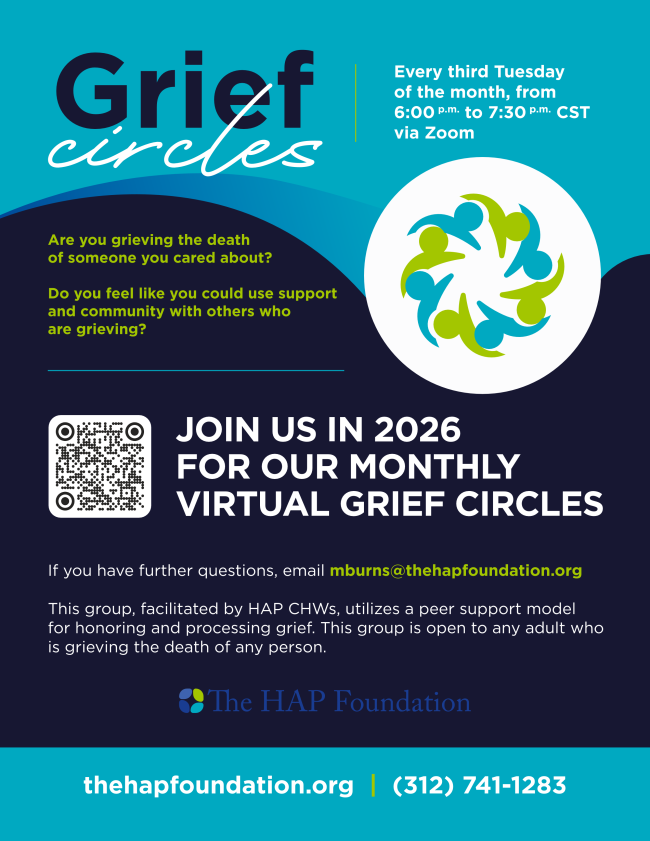
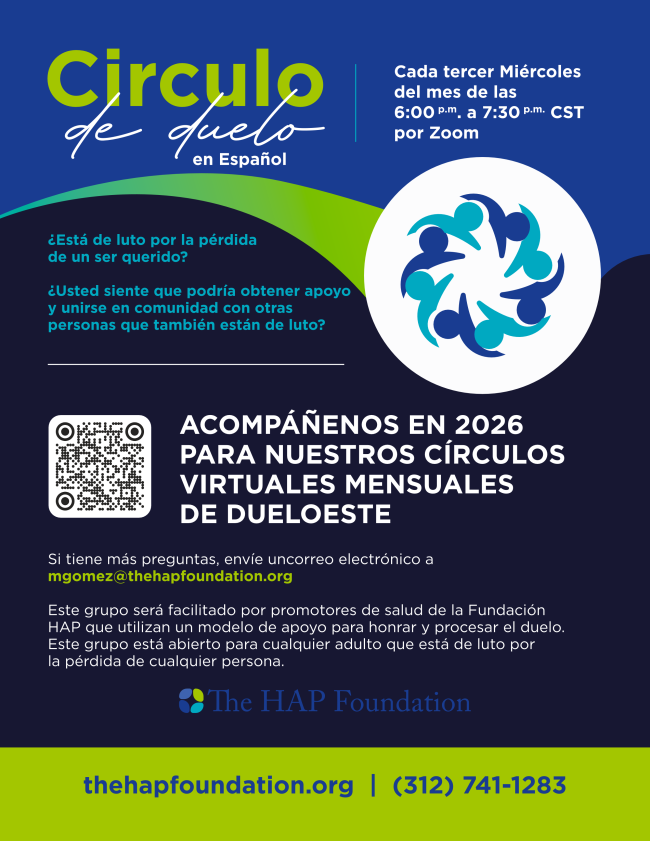
Through my role as a Community Health Worker with Hap Foundation, I help connect individuals and families to support and share resources and education around serious illness and grief. We offer Spanish-speaking support groups, creating a culturally and linguistically accessible space for members of the Latine community to connect, heal, and support one another.
Are there any needs specific to Latine males that you’d like to share?
I believe Latine men need more spaces where they feel comfortable asking for help and talking about their challenges. I hope to challenge providers to aim their focus on this by using my voice to not only make awareness but find where we need to bridge the gaps. This helps by building trust, listening without judgment, and understanding the importance of culture and community. Without community, we have nothing.
---------------------------------------------------------------------------------------------
HFNLC extends our deepest gratitude to our Hispanic/Latine Heritage Month contributors and to the organizations that they represent for helping to make Northern Lake County a healthier, more inclusive, equitable, and diverse community! To learn more about Manny, Jared, Roger, and Jony’s culture, vision for the future, and favorite foods, please click on the link.
Felicidades y Saludos,
Venoncia
|
| |
Healing Is Health: Rethinking Whole-Person Well-Being
When we think about health, it is easy to picture a doctor’s office, hospital, counseling room, or pharmacy. Those places matter. Access to quality healthcare and behavioral health services remains essential to healthy communities.
But health doesn’t begin or end when someone walks through a clinic door.
The longer I work in community health, the more I see how much health is shaped by what happens throughout our lives—our relationships, sense of safety and belonging, ability to manage stress, stability, and opportunities to connect, create, move, and experience joy.
That broader understanding continues to shape the way I think about our work at HFNLC and what it means to invest in health.
Caring for the Whole Person
One idea that has stayed with me from a recent wellness conference is deceptively simple: design for the person, not the diagnosis.
People don’t experience their lives in categories. Someone seeking help for anxiety may also be navigating financial stress or isolation. A young person struggling at school may need academic support, but also a trusted adult, a sense of belonging, and tools to manage stress.
We see this whole-person approach across northern Lake County. Behavioral health organizations provide essential clinical care, while organizations focused on youth development, education, employment, and housing are increasingly incorporating mental health, wellness, and social-emotional supports into their work.
The settings may be different, but the idea is the same: we can’t support one part of a person’s life without recognizing the others.
Creativity Can Be Part of Health, Too
Another idea from the conference that made me think differently was this: creativity can be a health behavior.
Creative health can include art, music, and writing, as well as movement, play, time in nature, and reflection. These experiences can help us process emotion, manage stress, connect with others and make meaning.
We see this locally, too. Art Impact Project uses trauma-informed artmaking and reflection to support emotional well-being and connection. Brushwood Center brings together nature, creativity, and community. And at Gateway Foundation’s Lake Villa campus, recovery can include clinical treatment alongside fitness, outdoor recreation, meditation, gardening, and art.
It is a reminder that healing can take many forms.
Connection Is Health
Sometimes well-being grows through a counseling relationship. Sometimes it happens on a soccer field, while making art, during a walk in nature, around a shared meal or simply in a place where someone feels seen and welcomed.
That is one reason HFNLC has begun to think more intentionally about Community Engagement & Social Support as part of our broader approach to health. Connection, belonging, and supportive relationships can help build resilience—and create support before challenges become crises.
For HFNLC, broadening our understanding of health does not mean moving away from healthcare. Healthcare accessibility and availability remain central to our work. But 20 years in northern Lake County have also taught us that healthcare is one part of a much larger picture.
Health can be supported through clinical care and counseling. It can be strengthened through stability, nutritious food, and meaningful relationships. And sometimes healing can begin through a paintbrush, a garden, movement, music, nature, or connection with another person.
As our understanding of health expands, so does our understanding of what a health investment can look like.
And in the spirit of making a little room for creativity, I’ll leave you with this:
Health can look like many things.
A conversation.
A garden.
A song you know by heart.
Paint on your hands.
A walk beneath the trees.
A place where you belong.
A moment to breathe.
| | HFNLC Summer Intern Experience | My HFNLC Experience: Latasha Smith | |
From Data to Direction: My Summer with HFNLC
My name is Tasha Smith, and I am currently pursuing a Master of Public Health degree while working in patient access. In my work, I help patients navigate barriers that can affect whether they are able to begin or continue their prescribed treatment. I have seen how insurance coverage, affordability, health literacy, and communication can shape a person's experience with the health care system. Personal health experiences within my own family have also shown me how difficult that system can be to navigate. These experiences led me to pursue public health because I wanted to better understand the larger systems and inequities behind the challenges patients face and learn how I could contribute to solutions that improve access and health outcomes.
This summer, I had the opportunity to explore those interests through my internship with the Healthcare Foundation of Northern Lake County. I came into the experience wanting to understand how community organizations work together to address barriers to care and improve health. My time with HFNLC gave me a closer look at the relationships, communication, and coordination behind that work. It also helped me connect what I have learned in the classroom and through patient access with the realities organizations face while serving their communities.
From Listening to Collaboration
My main internship project was From Listening to Collaboration: A Systems Mapping and Learning Framework for HFNLC. The project grew from HFNLC's Summer Community Listening Initiative and focused on how organizations across northern Lake County collaborate. I wanted to understand what meaningful collaboration looks like to community partners, where partnerships are working well, what gets in the way, and how HFNLC can continue supporting stronger connections.
I began with a stakeholder survey and later conducted 12 interviews with leaders from community-based organizations, health-focused coalitions, foundations, and public agencies. I asked each person to share how they define collaboration, what has helped their partnerships succeed, what challenges they have faced, and what role HFNLC could play. I combined what I heard in the interviews with the survey findings and used the themes to develop a Collaboration Spectrum and a network map showing how organizations and coalitions are connected.
The Experiences That Stood Out
The interviews were the part of the internship that stood out most to me. Every conversation offered a different view of community health work, yet many of the same ideas continued to surface. Partners talked about the importance of trust, consistent communication, shared goals, and strong leadership. They also discussed limited staff capacity, funding constraints, structural barriers, and the time it takes to build relationships. Listening to these experiences helped me understand that organizations can care deeply about the same issue and still need support to move from working alongside one another to working together.
Creating the network map was another memorable part of my experience. Before building it, I understood that many local organizations were connected, but seeing those relationships displayed visually made the larger system much clearer. The map showed where organizations were already working across different areas of health and where additional connections might be useful. It gave me a new appreciation for systems thinking and for how much work happens behind the scenes before a partnership becomes visible to the community.
A Broader View of Philanthropy and Public Health
Before this internship, I primarily viewed philanthropy through the lens of funding. My time with HFNLC broadened that understanding. I learned that a foundation can also listen, convene, connect, and create space for learning. By bringing organizations together and paying attention to what community partners are experiencing, philanthropy can help identify shared priorities, strengthen relationships, and reveal gaps that may be harder to see when organizations work separately. Funding is important, but the trust and infrastructure surrounding it can influence whether collaboration lasts.
The internship also deepened my understanding of public health. Access to health care was an important anchor for my project, but the survey and interviews showed how closely it is connected to healthy food, income and employment, community engagement, and social support. A person may technically have a health service available and still be unable to use it because of transportation, cost, language, trust, or another barrier. This experience reinforced that no single organization can address the social drivers of health alone. Progress requires organizations to understand how their work connects and to listen to the people closest to the issues.
What I Will Carry Forward
This internship strengthened skills that I will use throughout the rest of my MPH program and in my career. I gained more experience with qualitative interviewing, survey analysis, systems mapping, project organization, and translating a large amount of information into findings that others can use. I also became more comfortable asking open-ended questions, listening without making assumptions, and looking for the meaning behind a pattern in the data.
The experience also helped me narrow the career pathway I want to pursue. I am especially interested in Real-World Evidence and other data-focused work that uses information from patients and health care settings to better understand access, outcomes, and disparities. The combination of interviewing, analyzing survey data, identifying themes, and translating findings into practical tools showed me how much I enjoy using data to answer meaningful health questions and support better decisions.
As I continue building a career that connects health care, research, data, and public health, I will carry these lessons with me. The internship taught me to look beyond one program or organization and consider the larger system shaping a person's ability to be healthy. It also reminded me to ask whose perspective may be missing and how partnerships can include community knowledge in decision-making. I hope that as my education and career continue, I will soon be able to do my part within the community and contribute to making Lake County a healthier and better place for everyone.
I am grateful to Angela Baran, Dr. Venoncia Bate-Ambrus, Elvira Barragan- Lopez, Michael Darling, and the entire HFNLC team for their guidance, encouragement, and trust throughout my internship. I also appreciate every community partner who shared their time and experiences with me. Their insights shaped my project and deepened my respect for the collaborative work taking place across northern Lake County.
|
| |
AmeriCorps Program - Expands to Lake County
The HAP Foundation has received funding to expand its AmeriCorps Seniors Workforce Development Program into Lake, DuPage, and Will Counties over the next three years.
We have begun recruitment efforts in Lake County and are offering two Community Health Worker (CHW) pathways for adults 55 and older:
- Workforce Reentry Track: Designed for individuals returning to the workforce who are interested in becoming Community Health Workers and pursuing future state certification.
- Volunteer Advancement Track: Designed for individuals who want to strengthen their skills and serve their communities through CHW volunteer roles. This track may also help some individuals maintain SNAP and Medicaid benefits by meeting volunteer hour requirements.
We are especially excited about this opportunity because it complements our existing work to expand the CHW workforce in Lake County. For organizations interested in hiring a CHW, the program can help create a pipeline of trained and qualified candidates. For organizations that may not be able to hire CHWs, the volunteer track could fill critical roles a CHW provides that will not be reimbursable through Medicaid.
We are currently seeking community partners to collaborate in any of the following ways:
- Refer volunteers or individuals age 55+ who may benefit from the program.
- Host trained CHW volunteers to support outreach, navigation, resource connection, and other community-based services.
- Serve as a training site for Workforce Reentry participants completing the 80 hours of supervised on-the-job training required for CHW certification.
Participants will receive training aligned with Illinois CHW education guidelines and earn stipends while completing program requirements. Individuals in the Volunteer Advancement Track can earn up to $625, while those in the Workforce Reentry Track can earn up to $2,250 through training and on-the-job learning experiences.
You can learn more about the program on our website: AmeriCorps - The HAP Foundation
| | |
Living Landscape Brief: Tracking Progress for Lake County Community Health Worker (CHW) Learning Collaborative and Medicaid Reimbursement Initiative
The HAP Foundation is pleased to share our quarterly update of the Living Landscape Brief, a dynamic tool designed to capture key developments and milestone achievements throughout our three-year Lake County Community Health Worker (CHW) Learning Collaborative and Medicaid Reimbursement Initiative.
The attached brief provides a snapshot of our current progress across four core focus areas. A few highlights are also shared below:
-
Community Engagement & Priority Setting Activities – Ensuring community voices guide decision-making
- A Project Advisory Committee has been established
-
CHW Training, Mentorship, and Education – Building knowledge, skills, and professional growth
- A CHW Learning Collaborative has been formed and has met twice
- A CHW Supervisor Learning Collaborative has been formed and begun meeting
-
CHW Workforce Readiness, Supervision, and Support – Strengthening systems that sustain the workforce
- To date, one-on-one readiness assessments have been completed with 18 organizations, helping identify areas for ongoing support.
-
Certification & Billing – Advancing pathways for credentialing and reimbursement
- We have provided six webinars to support organizations interested in CHW integration and Medicaid billing.
If you are interested in viewing prior Living Landscape Brief, or accessing any of the webinars, please visit: Lake County Community Health Worker Learning Collaborative & Medicaid Reimbursement Initiative - The HAP Foundation
As we continue implementing this project, we recognize that the landscape for Community Health Workers is evolving. This may result in priorities shifting with new needs and opportunities emerge. The “living” nature of this brief allows us to remain flexible, responsive, and aligned with the communities we serve.
If you’d like to learn more, please contact Rachael Telleen, rtelleen@thehapfoundation.org, or Maureen Burns, mburns@thehapfoundation.org.
| | |
Career Opportunity: Director of Finance and Administrative Services/CFO
Salary: $140,257.29 - $161,296.14 Annually
Job Type: Full-Time
Department: Health Department
Location: Waukegan, IL
General Description
The Director of Finance and Administrative Services/CFO performs work of considerable difficulty serving as Director of Finance and Administrative Services/CFO for the Lake County Health Department (LCHD). This high level of financial work is involved with the formulation of policies and procedures in the administration of the accounting area as well as the financial administration of the Health Department. In addition to financial direction, this employee provides technical expertise as to the status of the Health Department’s financial records and accounts.
This position also performs administrative supervision and technical work in the accounting, financial, facilities, and materials management on a department-wide basis. Responsibilities include but are not limited to payables, receivables, medical coding, expenditure, revenue cycle, materials management, facilities, financial reporting, and budgeting. The employee is responsible for establishing processes and improving the central accounting functions and internal control financial procedures for the Health Department in accordance with generally accepted accounting principles for local governments. Direction is received from the Executive Director. Supervision is exercised over professional, technical, and clerical personnel.
Salary determined based on qualifications and experience.
| |
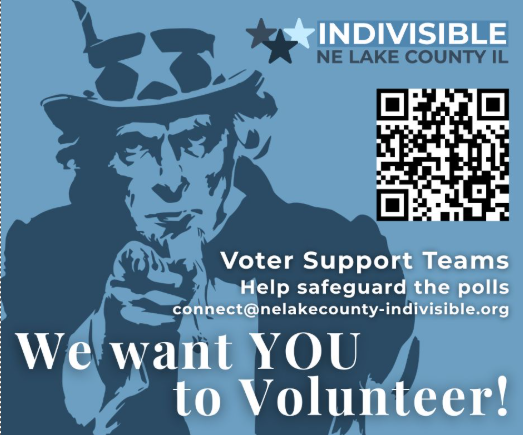
Volunteers Needed for Voter Support Teams
There is still time to join our Voter Support Teams! Volunteers will be deployed to high-risk polling sites on Election Day to assist voters and watch for election interference. Training will be provided.
Click here to register for the 10/15 Grayslake Informational Meeting:
📅 Date: Thursday 10/15
🕐 Time: 7:00-8:00 pm
📍 Where: Grayslake Public Library
Volunteers need only attend 1 Informational Meeting.
| | |
Learn CHIP Implementation Strategies on Oct. 8
On October 8th, we're hosting a webinar in partnership with NACCHO to highlight how Green Lake County turned their CHIP priorities into measurable action.
Join us to gain practical strategies for moving from planning to implementation, including partner engagement, evaluation planning, and progress tracking for sustaining community health improvement efforts.
| | |
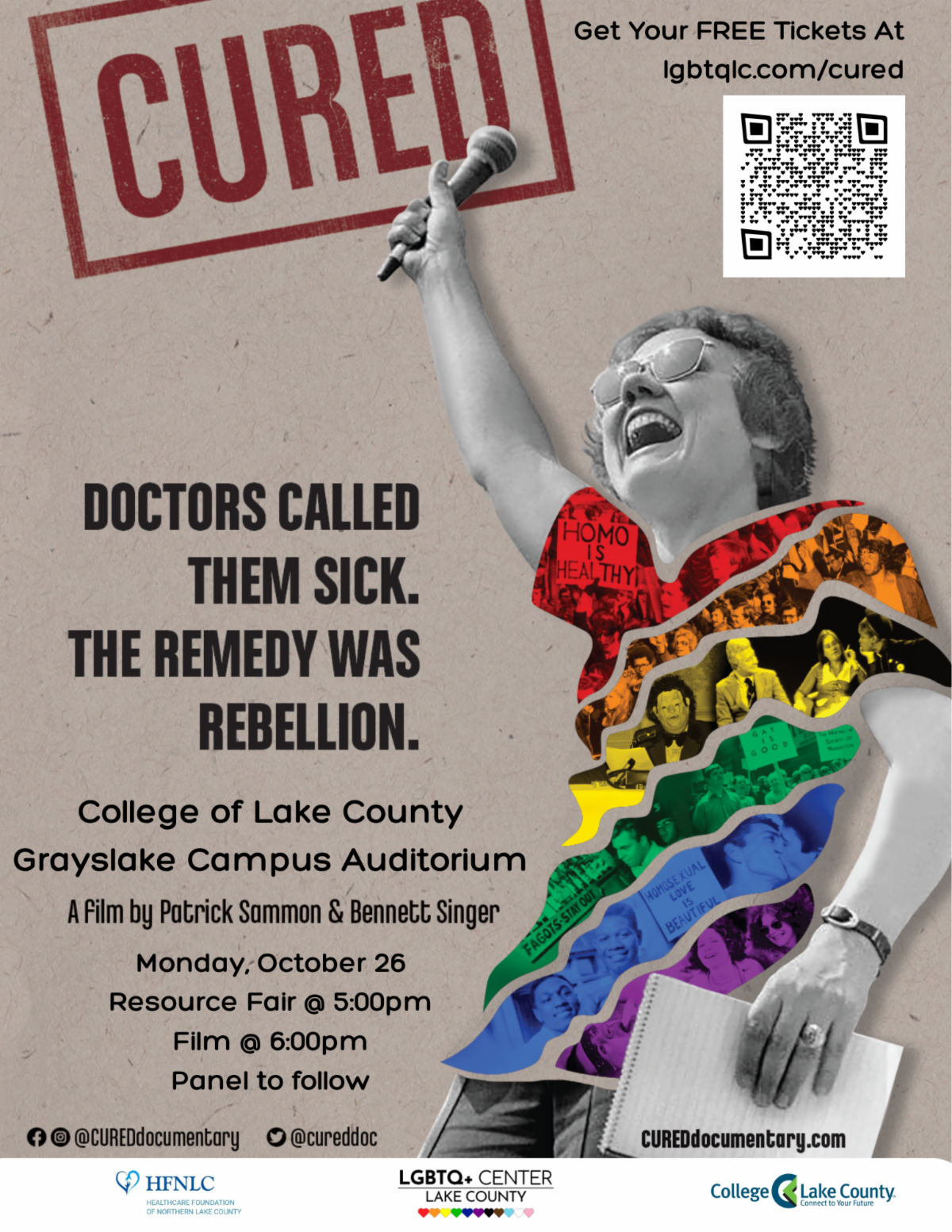
CURED Documentary Screening
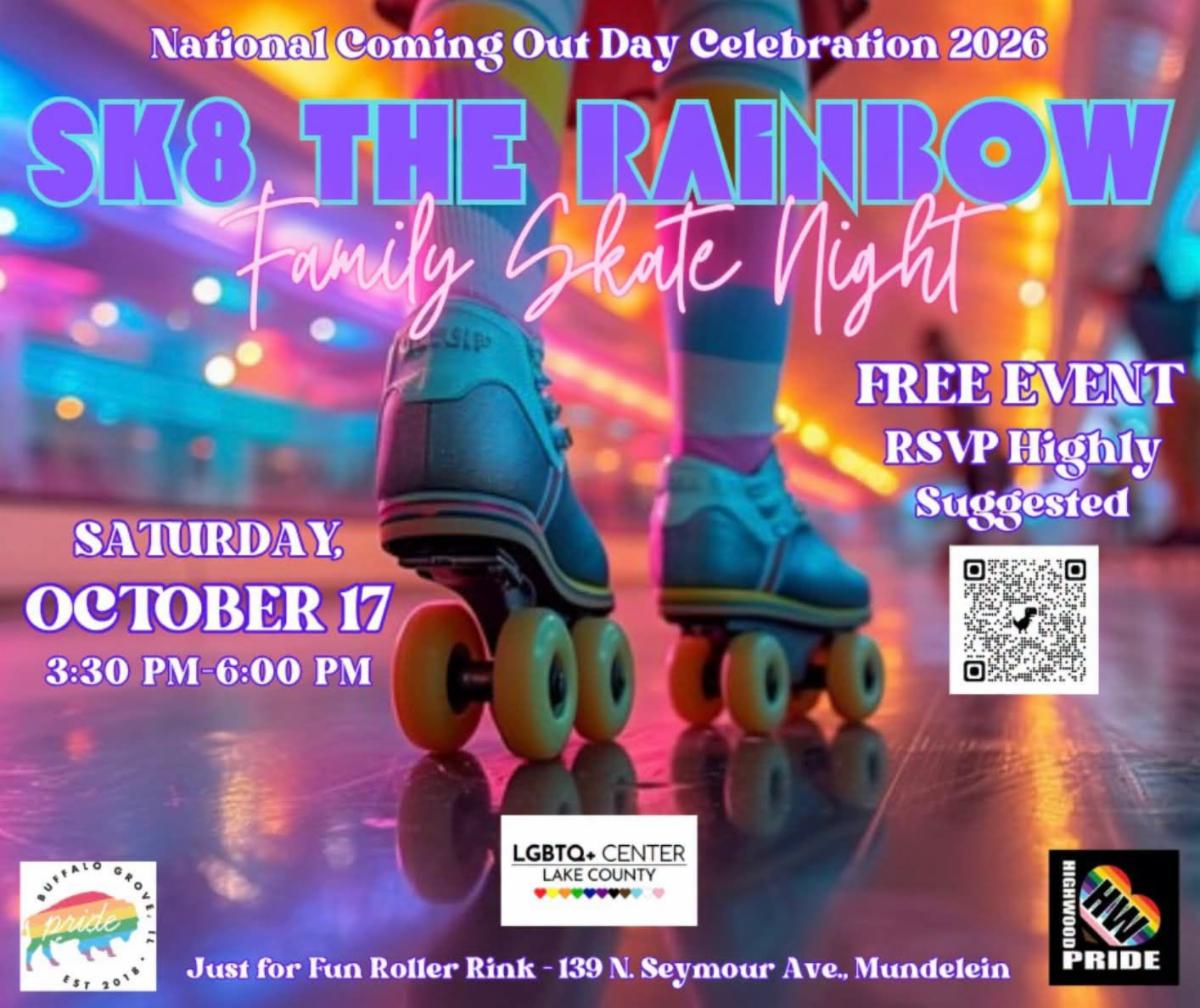
Join the LGBTQ+ Center Lake County, Healthcare Foundation of Northern Lake County, and the College of Lake County’s Pride Alliance for a screening of CURED, the story of the campaign that led the American Psychiatric Association (APA) to remove the diagnosis of homosexuality from its manual of mental illnesses.
Join us on October 26th from 5:00-8:00 pm at the College of Lake County’s main auditorium. This event is free of charge, but an RSVP is required.
Click here to RSVP.
| | |
Community Wealth Building - Free Webinar Series
2. Inclusive Ownership
November 18, 2026 | Explore community ownership, co-operatives, social enterprises, and other models that keep wealth in local communities.
3. Locally Rooted Finance
January 27, 2027 | Learn how local investment, community finance, and innovative financing can mobilize capital for community benefit.
4. Progressive Procurement and Fair Work
March 24, 2027 | Discover how purchasing power and employment practices can create quality jobs and strengthen local supply chains.
5. Just Use of Land and Property
May 5, 2027 | Explore how land, buildings, and community assets can generate social, environmental, and economic value.
6. Putting It All Together
July 28, 2027 | Bring the five pillars together and explore how to develop a Community Wealth Building strategy rooted in your community’s assets and priorities.
Whether you’re new to Community Wealth Building or already working on related initiatives, this series will offer practical knowledge, inspiring examples, useful resources, and connections to support your work.
| | |
October 5: National Do Something Nice Day
| |
October 9: World Post Day
| |
October 14: Bring Your Teddy Bear to Work and School Day
*Send in your pictures to be featured next month!*
| |
October 29: National Oatmeal Day
| | |
If you have a success story, news, or event you'd like HFNLC to publicize, please send it our way. We'll consider sharing your entries through HFNLC's monthly e-newsletter.
If possible, include pictures or graphic designs. Send your entries to Elvira Barragan-Lopez at elvira.barraganlopez@hfnlc.org.
| |
OUR MISSION
The Healthcare Foundation of Northern Lake County supports efforts that improve access to health services for underserved Lake County, Illinois, residents. We strive to improve the health status of uninsured, underinsured, and medically underserved residents.
We are especially interested in addressing gaps in health services, increasing the capacity of effective organizations and programs, and fostering innovative solutions to persistent healthcare access problems.
| | Questions about the Healthcare Foundation of Northern Lake County? Contact: | | |
Dr. Venoncia Bate'-Ambrus
Executive Director
(847) 377-0525, Ext. 25
vbateambrus@hfnlc.org
| |
Angela Baran
Senior Director of Community Impact
(847) 377-0525, Ext. 26
angela.baran@hfnlc.org
| | |
Michael Darling
Director of Operations & Finance
(847) 377-0525, Ext. 27
michael.darling@hfnlc.org
| |
Elvira Barragan-Lopez
Program Associate
(847) 377-0525, Ext. 28
elvira.barraganlopez@hfnlc.org
| | | | |