|
Insights From The Alliance
As we prepare to kick off the fall semester, there's a palpable sense of excitement in the air. Our rural community colleges are buzzing with the energy of new and returning students, many of whom are adult working learners balancing their educational goals with professional and personal responsibilities. This demographic is critical to our institutions, as they bring diverse perspectives and a wealth of real-world experience to the classroom. At the Rural Community College Alliance (RCCA), we're committed to supporting these learners by ensuring our member institutions have the resources, strategies, and partnerships needed to help them succeed.
A recent report from the Community College Baccalaureate Association sheds light on the growing importance of adult working learners and the unique challenges they face. The data emphasizes the need for flexible learning options, robust support services, and tailored educational pathways that align with their career goals. I encourage you to read the full report to explore the insights and recommendations that can help us better serve this vital student population. Let's continue to innovate and collaborate to create environments where all our students can thrive.
| |
RCCA Board Feature
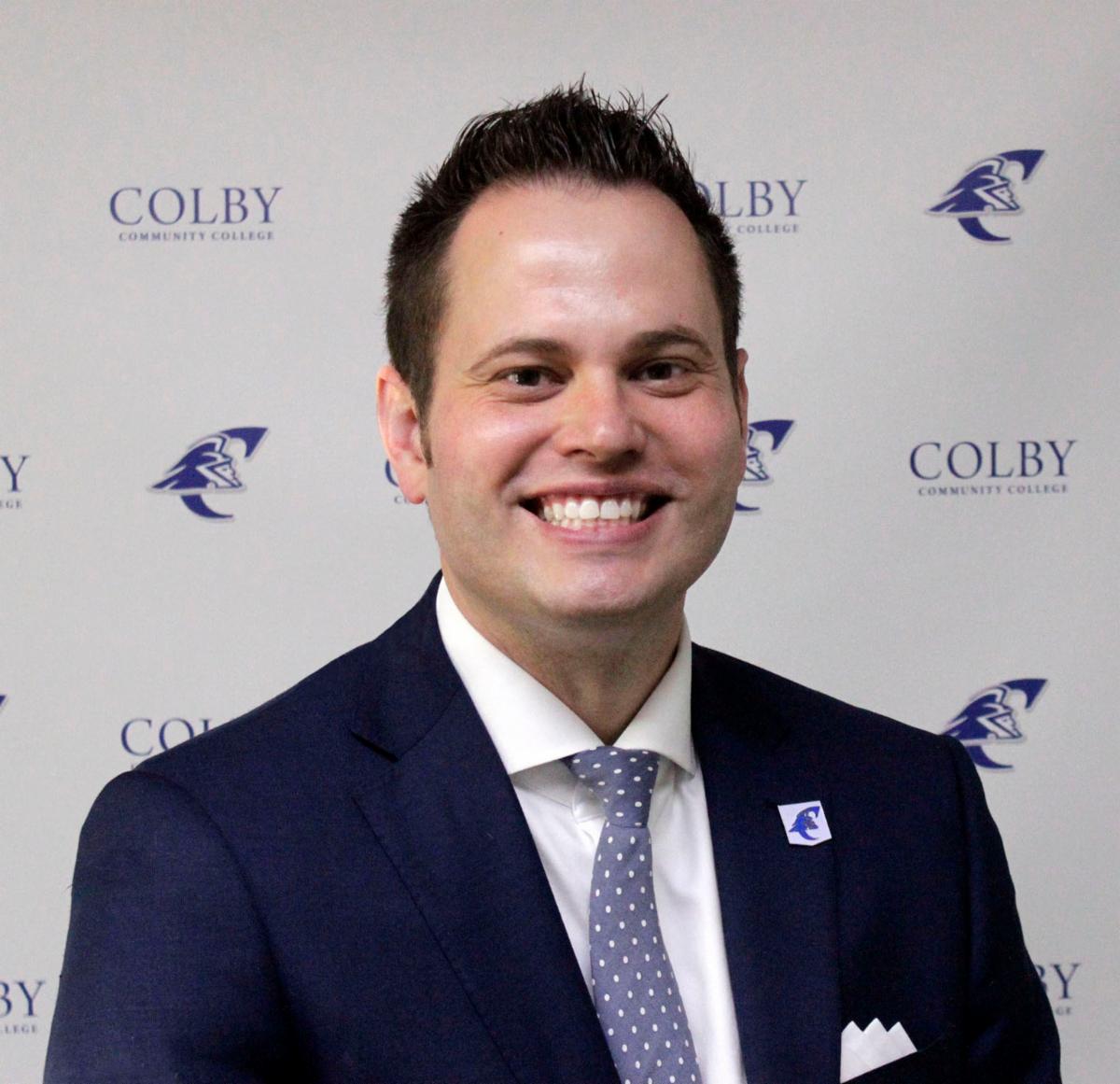
Seth Carter, Ed.D
President of Colby Community College
RCCA Board President
A rural community college is such a unique organization. We are tasked with providing a high-quality, affordable education, often lacking the resources of some larger, more metropolitan institutions. However, having resource scarcity is not unique or anomalous; what is so rare about a community college is what we are tasked to do.
A community college often serves as the life force of a community. I work at Colby Community College in the small Northwest Kansas town of Colby. Our college plays an instrumental part in the community through volunteering, enhancing community engagement, bringing in students to support the local economy, making all our facilities available, and offering educational programs that serve the workforce. All of these are ancillary services, often with no additional funding, but they are necessary to have a vibrant, rural community. I can reasonably predict that when there is a strong community college in a rural area, the community will often prosper and be a wonderful place to live.
Even though our rural institutions are understaffed and under-resourced, it is imperative always to maintain sight of our mission and how we really do work to serve the community and the state. I am the proud product of a rural community college and would not trade that educational experience with anyone. I want every student to experience how formative and wonderful that experience was; that still drives me to this day and keeps me passionate about serving as president at a rural institution.
Education is one of the last pure professions, in my opinion. We work to serve others and improve the future. As a rural representative, please always remember that your work is essential and that you directly and indirectly work to change the lives of your students, those around them, and the generations to come. It sounds cliché, but the community is often the middle name of our institutions. I believe rural community colleges embody this and illustrate our commitment to this in our everyday actions.
| |
New RCCA Board Member
Jonathan Paul Lord, Ph.D Vice President of Student Life and Enrollment Services, College of Southern Idaho
Jonathan Paul Lord has been a leader in higher education since 2015, significantly impacting the College of Southern Idaho (CSI) and beyond. As Education Department Chair, he managed regional school relationships and served on the Idaho Association of Certified Teacher Educators (IACTE) board for five years. Jonathan developed the P20 Conference, uniting southern Idaho educators to explore innovative teaching. As Assistant Dean of Early College at CSI, he merged dual credit and transition coordinator programs, serving over 7,000 students annually and generating $2.5 million in revenue. At Idaho State University, he was key in developing transfer-based programs on the Twin Falls campus.
As Dean of Student Access at CSI, Jonathan integrated early college and admissions into a streamlined student access branch, introducing a transformative One-Stop student services model. As Vice President of Student Affairs and Enrollment Management, he oversaw student services, including housing, counseling, and strategic enrollment management. Jonathan is a recognized leader in his field, with numerous publications and presentations on SEM implementation and rural community college initiatives. He continues to advance higher education through volunteer work, board memberships, and participation in prestigious fellowship programs.
| | | |
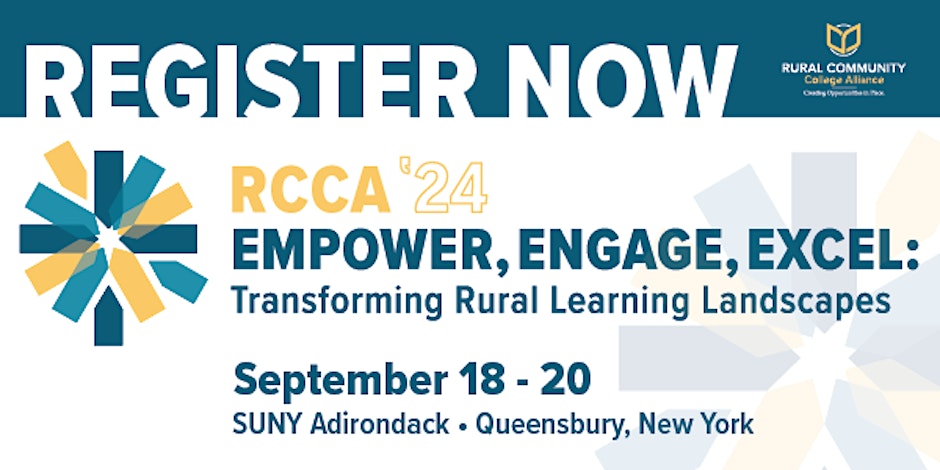
Have you registered for the RCCA 2024 National Conference? | |
|
Teaching: When AI is everywhere, what should instructors do next?
In "Teaching: When AI is Everywhere, What Should Instructors Do Next?", Beth McMurtrie shares insights from the "Teaching and Learning With AI" conference held by the University of Central Florida. With AI tools becoming ubiquitous in education, the conference addressed how educators can adapt their teaching methods.
Faculty members discussed the need to integrate AI into teaching responsibly, develop creative assignments, and enhance students' critical thinking and information literacy. The article also highlights resources for educators to stay updated on AI tools and best practices for using AI in the classroom.
| | | |
|
Multimedia Case Study: Rural Partnerships
“Brain drain” is a perennial challenge for rural colleges and communities. Many local students don’t pursue higher education—and those who do often leave when they graduate.
However, some rural institutions have found creative pathways for students to earn college degrees and build meaningful careers close to home. This multimedia case study explores rural success stories nationwide, from targeted recruitment to employer and government partnerships.
| |
Articles from Inside Higher Ed | |
|
Addressing Scholarships’ Equity Problem
A new Common App report highlights the challenge of getting scholarship money into the hands of those who need it most—and proposes solutions to make it happen.
| |
|
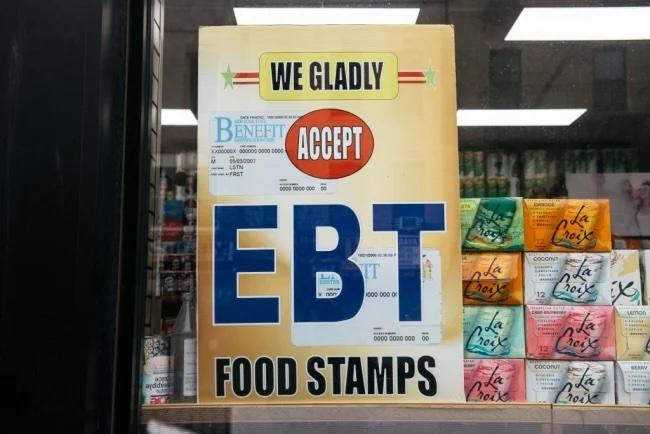
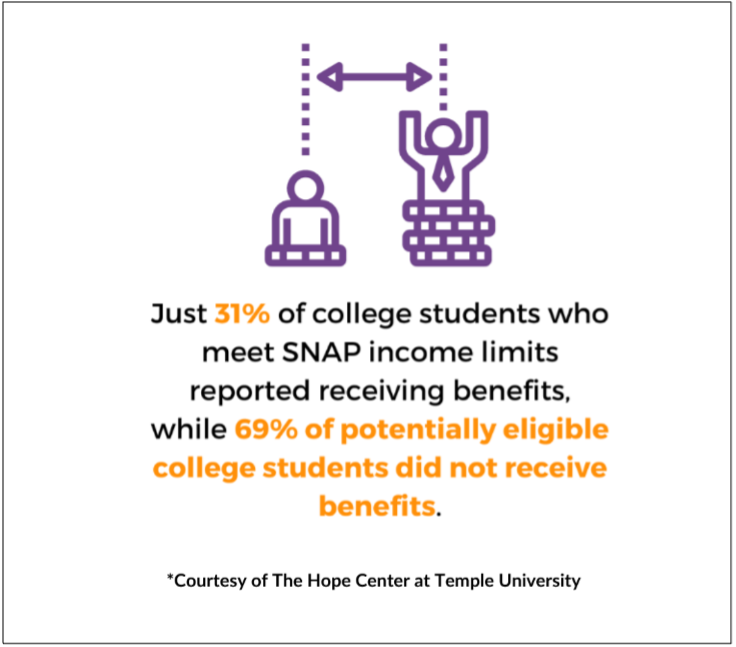
GAO Report on Students’ Food Insecurity Highlights SNAP Gap
The latest federal study on food insecurity among college students underscores the need for more systemic changes to the federal food assistance program.
| |
|
Academic Pathways: More Clarity Needed
In a new analysis of Student Voice survey findings, both two- and four-year students say they’d benefit from more clarity around navigating their various academic pathways through college.
| |
NACCE/SkillPointe Create School Counselor Advisory Council | |
|
The National Association for Community College Entrepreneurship (NACCE) has launched the SkillPointe School Counselor Advisory Council, aimed at transforming the introduction of skilled trade careers to students nationwide.
Led by Rebecca Johnson, Alabama's 2023 School Counselor of the Year, the Council will expand SkillPointe's mission of promoting 80 skilled trade careers that don't require a bachelor's degree. The initiative seeks to address the skilled trades gap by integrating career awareness into all education levels, ultimately reducing student debt and opening pathways to entrepreneurship.
| |
Resources and Opportunities | | |
|
2024 Title IX Regulations: Pointers for Implementation
July 2024
The U.S. Department of Education has released changes to Title IX regulations, effective August 1, 2024.
This resource outlines essential steps schools need to take for compliance, including appointing a Title IX Coordinator, updating nondiscrimination policies, providing comprehensive training, revising grievance procedures, and ensuring effective responses to sex discrimination and pregnancy-related conditions.
For a detailed overview, refer to the 2024 Title IX Regulations preamble.
| | | |
*NEW* Digital Equity Competitive Grant Program
The Department of Commerce recently issued a notice of funding opportunity soliciting applications for the Digital Equity Competitive Grants program. The goal of the program is to fund initiatives that ensure communities have the access and skills to fully participate in the digital world, regardless of their background or circumstances. This program will complement digital equity activities funded by the Capacity Grant Program.
The deadline to submit applications is September 23.
| | | |
|
Jump Start your Science Career: DOE Applications for 2025 Student Internships Now Open
Students and Recent Graduates Will Conduct Research and Technical Projects at National Laboratories
Applications are currently being accepted for the Spring 2025 term of two programs offered by the Department of Energy (DOE) Office of Science (SC): the Science Undergraduate Laboratory Internships (SULI) program and the Community College Internships (CCI) program. The application deadline for the two programs is 5:00 pm (ET) October 2, 2024.
Through the SULI and CCI programs, undergraduate students and recent graduates discover science and technology careers at the DOE national laboratories and gain the experience needed to transition from internship to employment. Interns work directly with national laboratory scientists and engineers, assisting them on research or technology projects that support the DOE mission.
SULI is open to full-time students attending four-year institutions and community colleges or recent graduates within two years of receiving their bachelor’s degree or associate degree, while CCI is exclusively for community college students. Both programs are stipend-based and are offered three times annually in fall, spring, and summer terms.
Two workshops are planned to provide strategies for submitting a compliant application followed by office hours to answer administrative questions. These workshops will introduce the program and application process for each program. The office hours are open to CCI and SULI applicants and letter-of-recommendation writers to answer questions pertaining to uploading transcripts, submitting letters of recommendation, and general questions. Attendance is optional at the workshops and office hours.
SULI and CCI are managed by the Office of Workforce Development for Teachers and Scientists (WDTS) in the Office of Science.
More information can be found on the WDTS website
| |
|
Good Jobs Challenge
Supporting Americans in Good Jobs
EDA is now accepting applications for the FY 2024 Good Jobs Challenge Notice of Funding Opportunity, which will invest $25 million into high-quality, locally led workforce training programs. The deadline to apply is September 27, 2024, at 4:59 EST. For more information, click here.
The Good Jobs Challenge supports regional workforce training systems to establish sectoral partnerships that train and place workers in good jobs. Good jobs are those that align with the Departments of Labor and Commerce Good Jobs Principles. The Good Jobs Challenge highlights workforce development as key to accelerating local economic growth and rebuilding regional economies so they are more resilient to future challenges, while providing good job opportunities for American workers to achieve economic mobility and security.
The awardees funded by the Good Jobs Challenge expand opportunities across diverse populations, regions, and communities, focusing on coordinated and comprehensive approaches to removing systemic barriers for workers through support services such as childcare and transportation, and opening doors to a variety of paid on-the-job training opportunities.
| | | |
Resources to Support Student Economic Independence | |
The Association of Community College Trustees (ACCT) is excited to extend an invitation for members to apply to participate in our SNAP Employment and Training (E&T) project focused on strengthening institutional offerings that support students in new and creative ways.
The project is open to rural or rural serving community colleges and state or regional systems and associations.
As a SNAP E&T third-party provider, community and technical colleges are eligible for partial reimbursement of costs that support students, such as:
- Books
- Course registration fees
- Medical services, including vision and dental
- Equipment, tools, safety clothing, uniforms
- Testing and credentialing fees
- Transportation fares, gasoline, auto repairs
- Childcare expenses
- Personal hygiene items
- And more!
Don’t miss this great opportunity to leverage this under-utilized funding stream. Join a cohort of institutions for extensive technical assistance from national experts, a series of mini-trainings, a plethora of additional resources, and a small stipend.
- Applications will be reviewed on a rolling basis until the cohort is full.
- Seeking seven rural/rural serving community colleges and two states/system/intermediary applications.
Funding for this project was provided by United States Department of Agriculture (USDA).
USDA is an equal opportunity employer and provider.
| | |
Follow the RCCA Facebook Page | | | | |