|
In a village nestled between mountains, a curious girl named Mina loved asking questions about everything around her. While most villagers grew tired of her inquiries, her grandmother always encouraged her curiosity, saying that questions help us learn about the world.
One day, a traveling scholar noticed Mina’s eagerness to learn. When she asked him about the changing shapes of the moon, he asked why she was so curious. Mina replied, “Because when I ask, I learn, and the world feels bigger.”
The scholar smiled and told her, “Never lose that curiosity; it will guide you far.” Mina continued to ask questions, inspiring her village to see the world in new ways, and eventually became a teacher, not because she knew all the answers, but because she understood the value of asking.
Why Asking Better Questions Matters
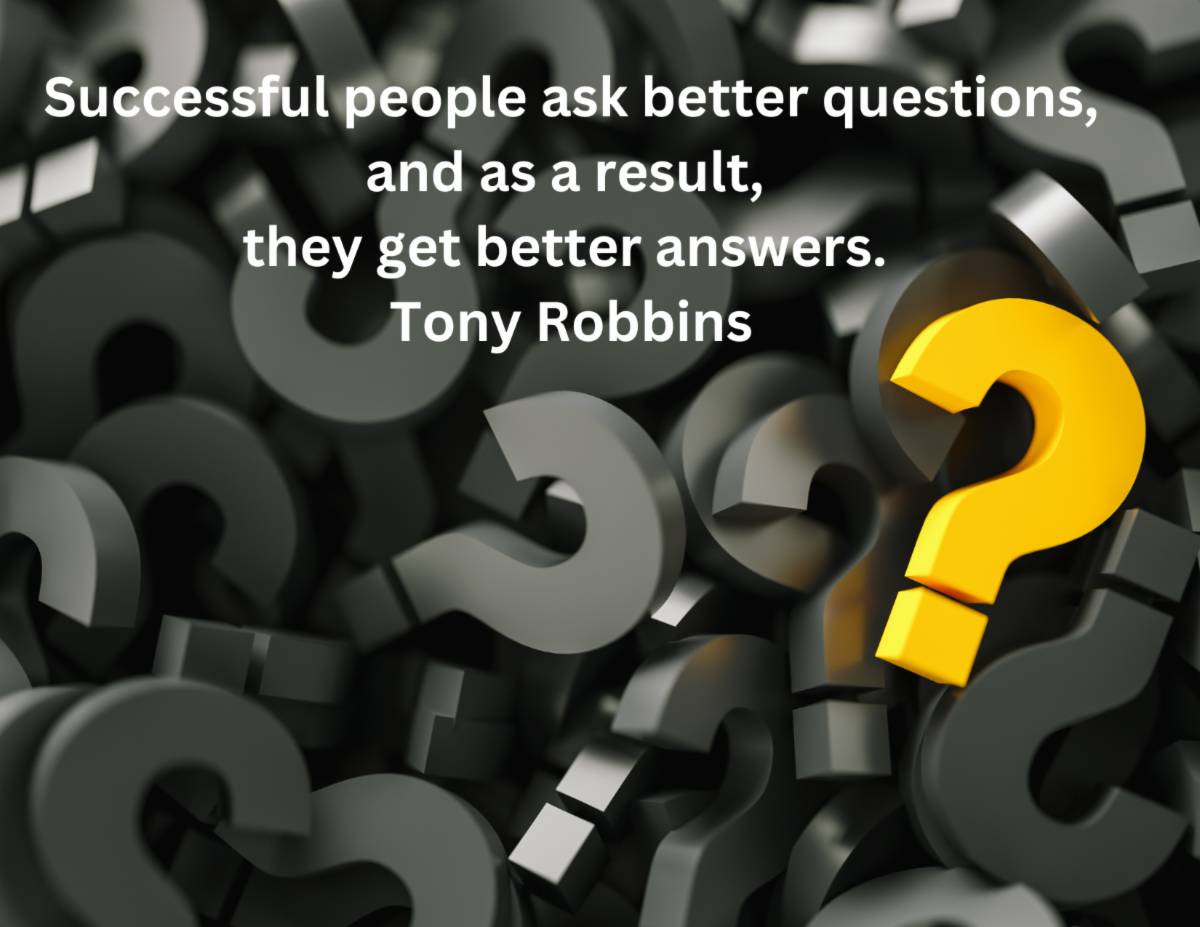
Asking insightful questions deepens our comprehension and facilitates active learning.
Good questions challenge our assumptions and prompt critical thinking.
Effective questions can clarify our thoughts, resolve ambiguities, and improve mutual understanding.
Asking the right questions can lead to new insights, innovation and creative solutions.
Thoughtful, timely questions show genuine interest and can strengthen personal and professional relationships.
What Gets in the Way of Asking
Here are a few of the more common reasons we may not ask:
Fear of Judgment
We may be afraid of being seen as ignorant, uninformed, incompetent or even rude. We don't want to receive a negative response, so we don't ask.
Tip: Often, the questions we’re hesitant to ask are the ones others are also wondering about. Asking brings better understanding. Keep it simple and don't apologize. Use questions that begin with "how" & "what". Be careful with "why" questions as they can be perceived as threatening and may trigger defensiveness or resistance.
Habit & Control
Asking questions can take us off track and we may not want to lose control of the conversation. Sometimes we're so focused on sharing our own ideas, we don't even think to ask questions. Or we're used to being in a position where we respond to situations with answers, advice or solutions, rather than asking questions. When we’re giving an answer, it comes from a place of control. We know what it's about and how it's going to end.
Tip: Slow it down. Asking questions offers the opportunity for others' ideas & solutions to be considered. It also helps us get to the root of an issue and be able to provide clearer & more accurate answers. "What other options could we consider?" "Who has a different perspective?" "How would you approach this?"
Assuming
We might assume we already know the answer, or think the answer is obvious. Or maybe we're content with surface-level information and feel like we already know enough. This can lead to missed insights and perspectives.
Tips: Stay curious a little longer. Ask, "What could I learn from this?" "What else could this mean?" Asking questions helps to confirm, challenge or expand what we think we know. It also offers the opportunity to actively listen. When we do this, we override our brain's natural "prediction engine". Result? Awareness, learning and better decision-making.
Hold the hypothesis loosely. If we're too attached to our initial answer, we may refuse to let it go when the data leads elsewhere. Make sure to ask questions that seek to prove AND disprove. "What is and isn't working?" "What are the possible intended and unintended consequences?"
Lack of Time or Patience
We may be concerned that asking questions will take too much of our own or others' time. In fast-paced environments, we might feel pressured to move quickly and avoid deeper inquiry. This level of urgency has us jumping to quick decisions & conclusions instead of asking questions.
Tips: Make it a habit to ask, "What might I/we be missing?" "What do you think might happen if we did X?" Resist unnecessary urgency. Group think happens quickly and doesn't always mean we're on the right track. Taking the time to ask better questions can save time in the long run by preventing misunderstandings and poor decisions.
Not Knowing How
Formulating good questions requires practice and skill, and we may not always know how to frame our thoughts into effective questions.
Tips: Try using your favorite AI tool to generate questions about a topic or situation. In 30 seconds, you will receive a question "game plan" which often includes the rationale behind each question. Use your judgment to choose which ones to try.
Start with follow up questions. Follow up questions have special powers. They signal you are listening; you care & you want to know more. Follow up questions don't require a lot of prep as they present naturally in conversations. "Can you say more about...?" or "What specifically do you mean by...?" "What is the next step?" "How can I help?"
Quality Questions Contain These Ingredients:
- They're relevant to the person & the situation.
- They're genuine, not leading and well timed.
- They generate engagement and lead to deeper understanding and/or creative action.
- They leave room for more exploration.
When we get these ingredients right, we create conditions for growth, creativity and understanding, leading to richer, more rewarding experiences and results!
Go Ahead & ASK!
|