Disclaimer: The Activator is designed to keep prevention professionals informed about emerging products, industry marketing, public messaging, research, and current events. Content is shared to promote awareness and informed discussion—not to endorse, recommend, or promote any product, opinion, organization, or viewpoint featured within the newsletter. | | 🫶A Day to Check In—with Yourself, Too🧠 | | |
World Mental Health Day is observed October 10, and this year’s theme, “Lived experiences heard: real voices, real change,” reminds us of the power of listening—to ourselves and to one another. Sharing our experiences can reduce stigma, create connection, and help shape systems and communities that better reflect what people actually need. Whether you’re reading this before October 10 or catching up afterward, consider how you can lift up your own voice, make space for someone else’s, and do one thing for your own mental health in the days ahead. Take the walk. Turn off the notifications. Reach out. Speak up. Listen without trying to fix. Because real change can begin when people feel heard, valued, and supported. 💚
| | 🗺️Help Me Reach All 50!️📬
| | |
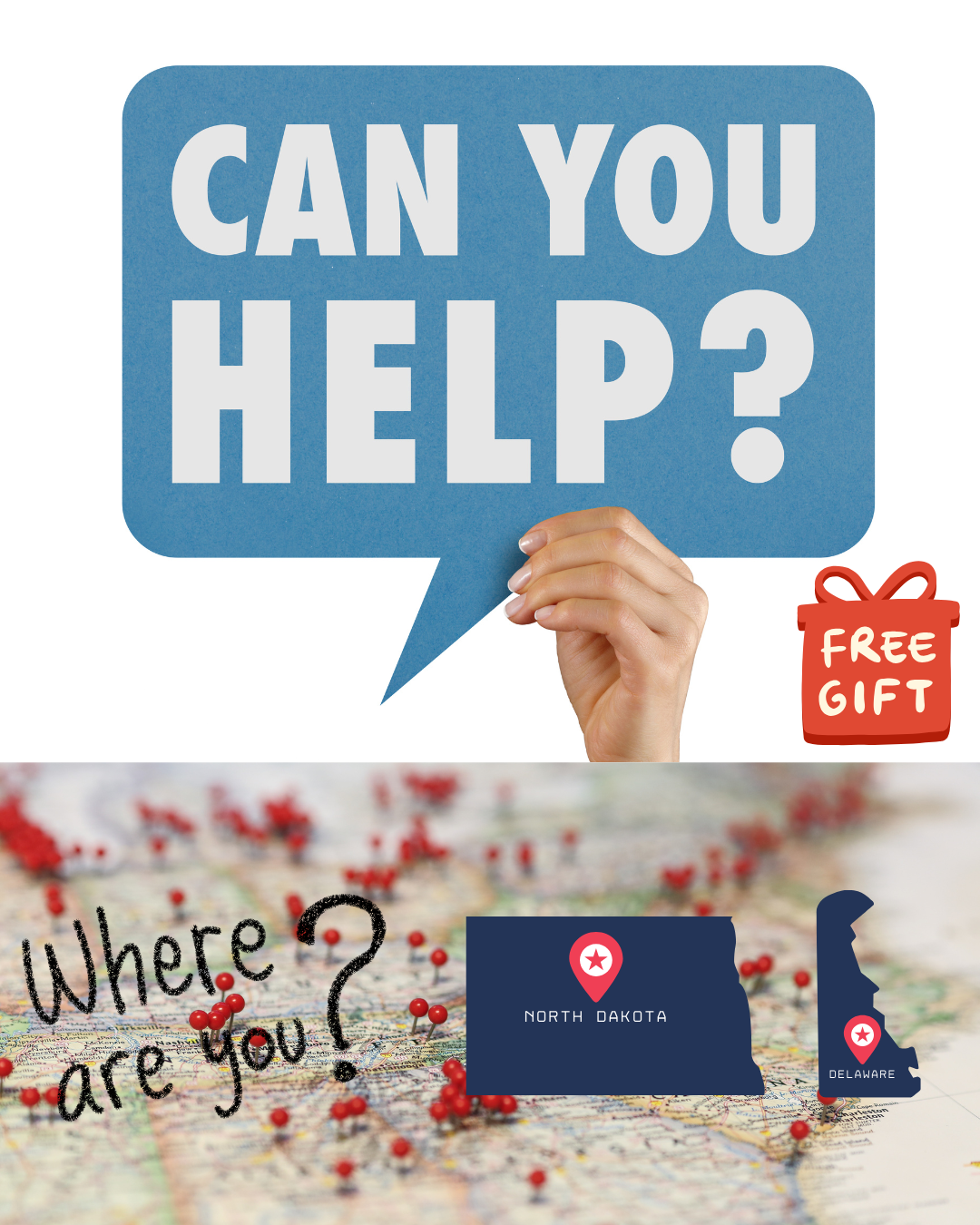
I am SO close to having The Activator reach subscribers in all 50 states—only Delaware and North Dakota remain! 🎉 I always say, “We don’t all know everyone we need to know, but we all know someone who knows someone we need to know.” So…who do YOU know? If you have a friend, colleague, partner, preventionist—or that someone-who-knows-someone—in Delaware or North Dakota, invite them to subscribe to The Activator.
If your connection helps me check one of those final states off the map, I’ll send YOU a little gift as my thank-you! 🎁 They get weekly prevention trends, tools, resources, and ideas; you get a surprise; and I get one state closer to 50. It’s a win-win-win! 💛
🎉Don't forget to CC me on your invitation🙌
| |
📣What Caught My Eye This Week📰
| | |
💨 Vaping: Teens, Flavors & More🍭
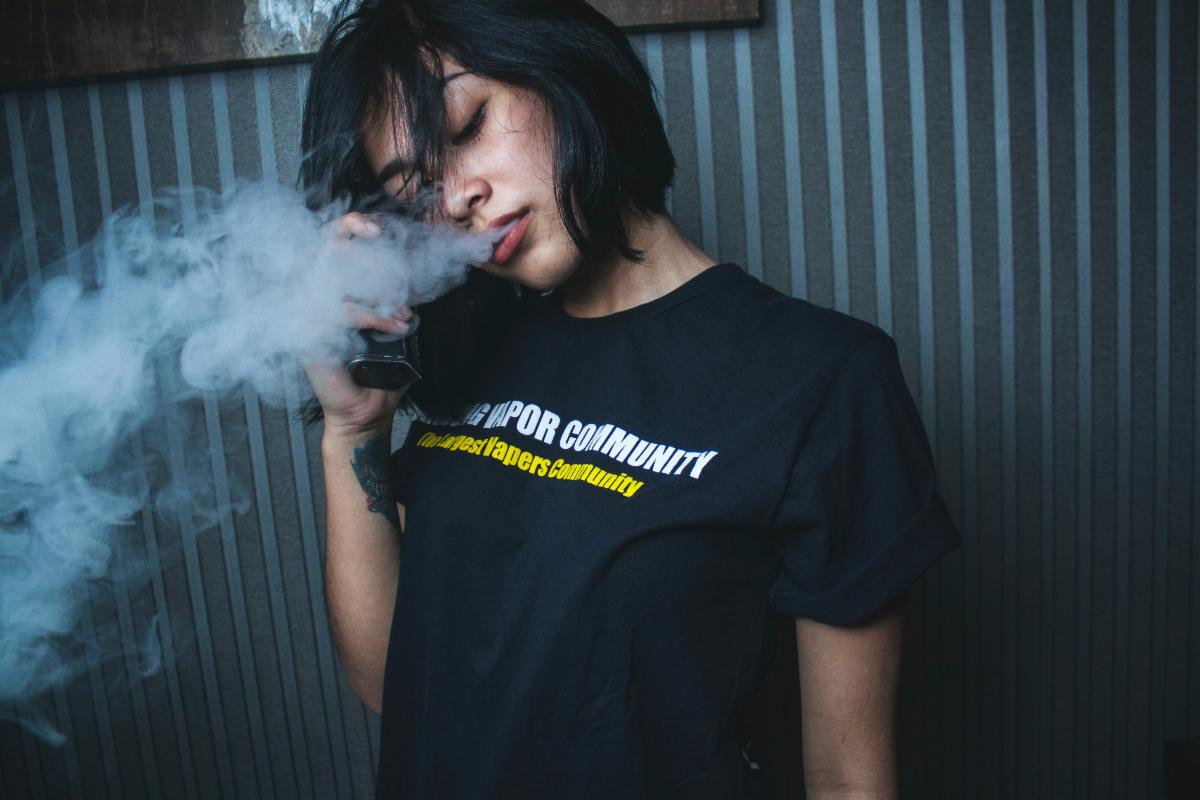
The vaping landscape continues to evolve, but some things remain remarkably consistent: flavors, colorful packaging, discreet devices, and marketing that can make these products especially appealing to young people. From disposables that resemble everyday technology to an ever-changing lineup of sweet and fruity flavors, keeping up can feel like a full-time job. For prevention, it’s another reminder to look beyond prevalence numbers and understand the products, marketing, access, and perceptions shaping youth use. What are young people seeing—and vaping—in your community? 🔍
People are ditching their vapes only to pick up another surprising habit Fox News via Yahoo
New teen vaping study reveals a surprising reason the habit is so hard to quit Men's Journal via Yahoo
Using flavored vapes could have a bigger impact on your health than previously know The Independent via Yahoo
The rise and fall of America's deadly love affair with the cigarette Associated Press via Yahoo
📌Hey Wisconsinites! Check out the new 4-page educational packet from the Partnership for a Tobacco Free Wisconsin!
| |
🔎What's New📦
'New' Trends, Products, & Resources
| | |
📰 When One Newsletter Leads Down a Rabbit Hole…🐇
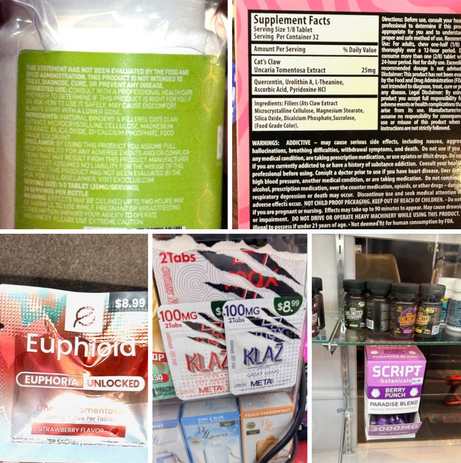
Like many of you, I follow a whole lot of newsletters, alerts, and industry updates to help me keep up with emerging trends, trainings, resources, and toolkits. This week, a shout-out to The Tall Cop for putting Cat’s Claw on my radar—and, naturally, I quickly found myself down a rabbit hole of Reddit discussions, product websites, and alerts from across the country. 📸TCSS
While cat’s claw is the name of a botanical supplement, officials are warning about products sold under that label in vape shops and online that may contain synthetic or otherwise undisclosed psychoactive compounds instead. The trend also intersects with the rapidly changing kratom marketplace and potent derivatives such as 7-OH and MGM-15—another reminder that what the package says and what’s actually inside may be two very different things.
'Cat's Claw' products containing unlabeled kratom alkaloids Virginia Department of Health
Discussions and warnings posted on Reddit...
| | |
⚡C4 Energy Drinks Are Getting a New Look 🍺
C4’s energy lineup is another example of just how much the category is evolving.
Alongside the bright, candy-inspired flavors we’ve come to expect are products delivering up to 300 mg of caffeine per serving—and even a beer-inspired flavor that borrows from a beverage category we don’t typically associate with energy drinks. For prevention, it’s worth watching how high caffeine levels, familiar flavors, cross-category branding, and increasingly creative products may shape perceptions and consumption.
Why this matters? When an energy drink can taste like candy—or even beer—who does it appeal to, and what messages does that send? What are you seeing in your coolers?🔍📸Cellucor
| | These are two I’d download, bookmark, and share with your team—one helps you keep up with the drug landscape, while the other helps strengthen the coalition infrastructure needed to respond. | | |
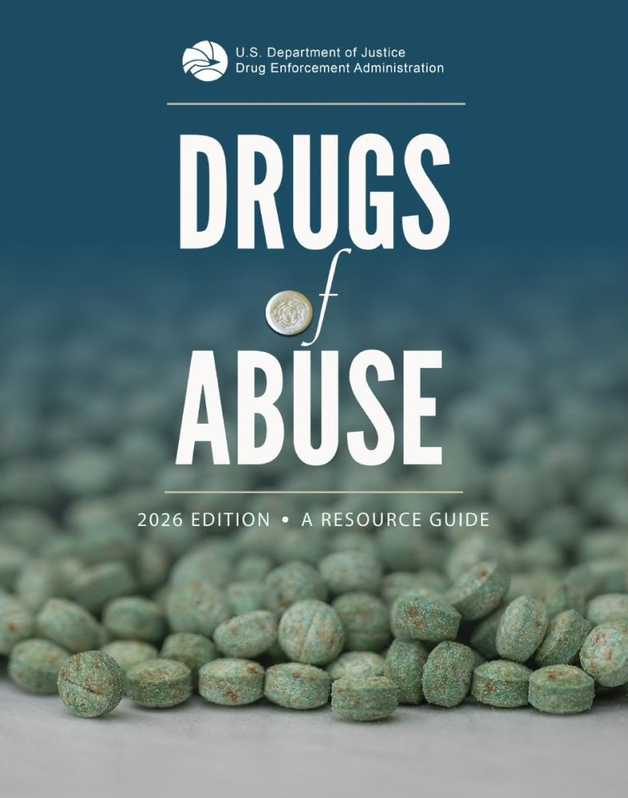
The DEA’s newly updated Drugs of Abuse: A Resource Guide is a 119-page reference covering drug effects, overdose potential, legal status, and key facts across substances ranging from fentanyl, methamphetamine, and cannabis concentrates to ketamine, vaping, kratom, and tianeptine. It also provides an overview of the Controlled Substances Act and drug scheduling.
Why I like it: You don’t need to read it cover to cover. Keep it handy as a quick-reference tool when a new term comes up, you’re preparing a presentation, answering a community question, or updating educational materials. And share it with schools, healthcare, law enforcement, coalition members, parents, and other community partners who need a reliable starting point.
Bonus? It's also going to be available in Spanish coming soon!
| | |
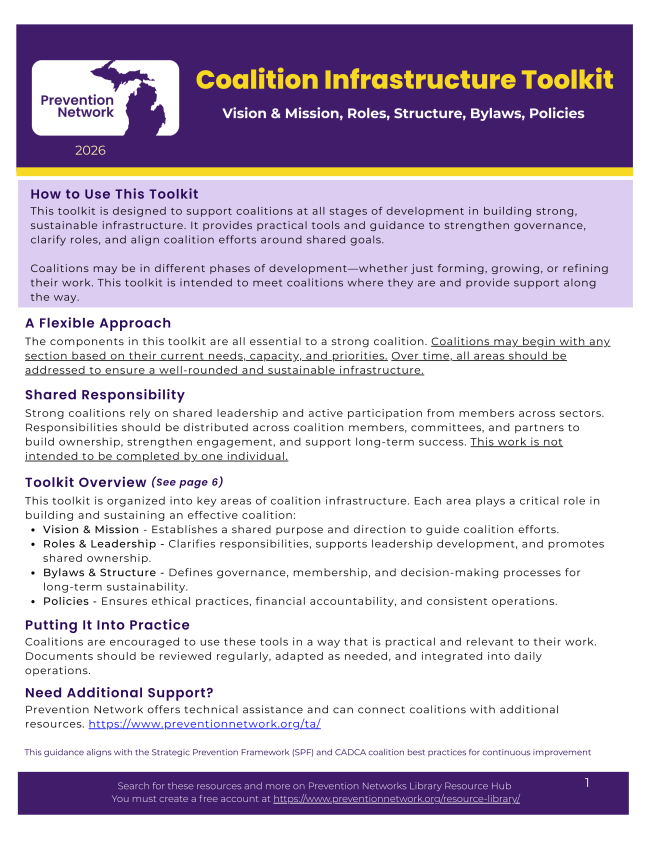
Great prevention strategies need strong infrastructure behind them. Prevention Network’s 2026 Coalition Infrastructure Toolkit provides practical guidance and ready-to-use resources addressing vision and mission, roles and leadership, bylaws and structure, governance, policies, financial accountability, and shared ownership.
Why I like it: This isn’t just about creating documents to put in a binder. The toolkit encourages coalitions to regularly revisit their foundation, distribute responsibility, strengthen leadership, and put their infrastructure into everyday practice. Whether your coalition is new, growing, or long established, there’s something here worth reviewing.
| | ⏰ Registration Is Ending! 📅 | | |
🚨 HIDTA Summit 2026!💻
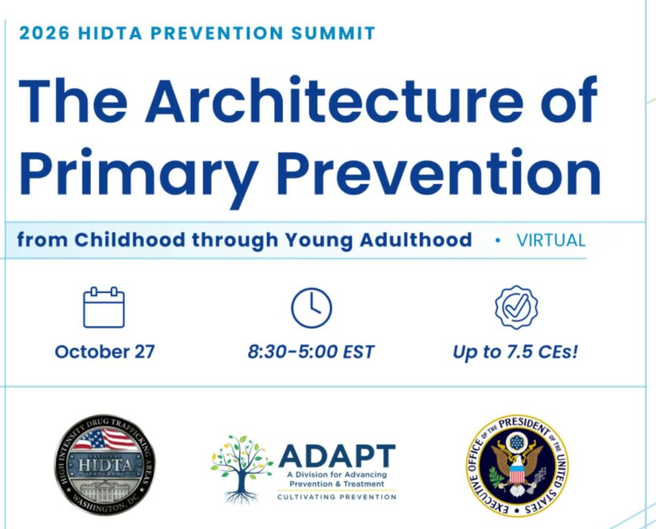
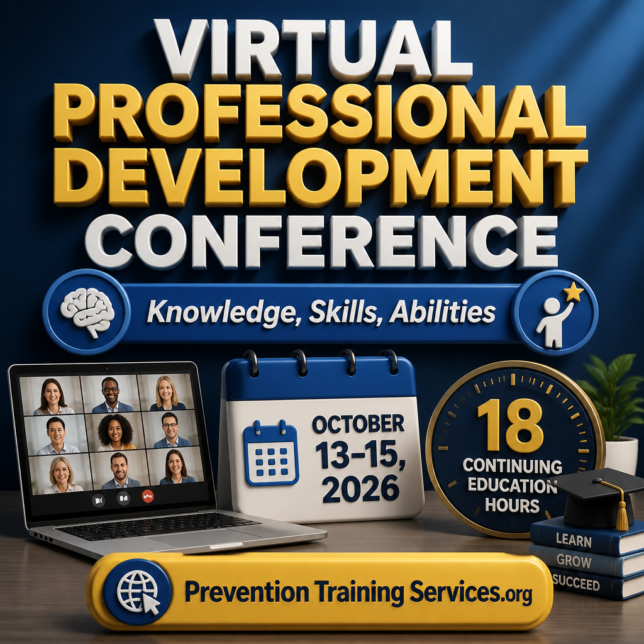
The 2026 HIDTA Prevention Summit, held virtually on October 27, focuses on preventing substance use before it starts, from childhood through age 25. Explore strategies for understanding the developing brain, strengthening protective factors, and supporting drug-free lifestyles at home, school, on campus, at work, in the community, and online. Register here!
| | |
🎓 Learn More, Spend Less!🙌
Scholarships are still available! Use code PTTC350 to bring your registration down to just $125, then join from the comfort of your own office and earn up to 18 continuing education hours. Even better, you can join me in learning alongside other experts from across the prevention field—without the travel! Don’t miss this affordable opportunity to learn, connect, and build your prevention toolbox. Learn more
| | |
🌱 Build Foundations Beyond Prevention Conferences📚
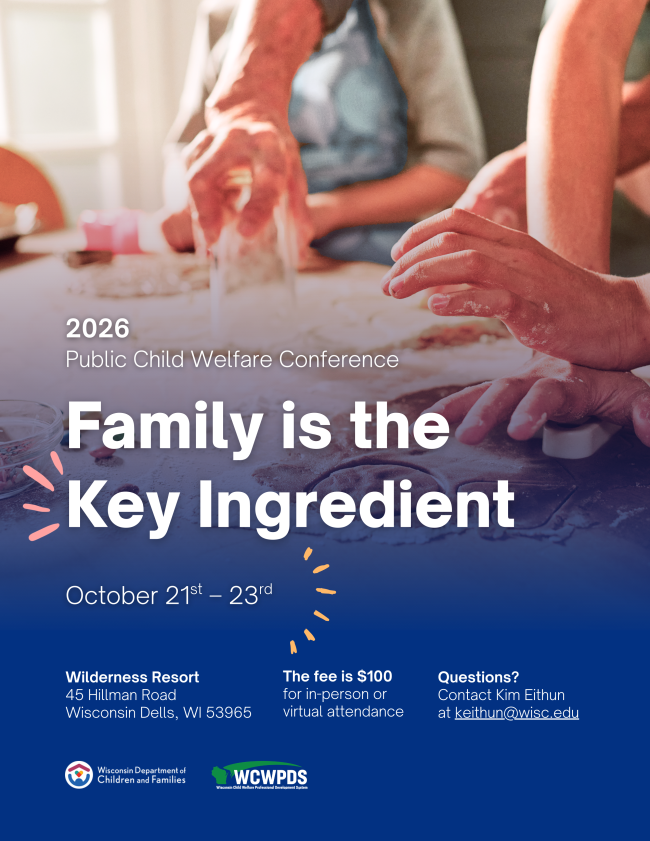
One of my favorite ways to build your prevention foundation is to learn outside traditional prevention spaces. The 2026 Wisconsin Public Child Welfare Conference, October 21–23, is a great example, with sessions on family engagement, substance use and mental health, protective factors, lived experience, community partnerships, and more. For just $100, you can attend in Wisconsin Dells or virtually and earn up to 19 continuing education hours.
And I might be a little biased—I’ll be there Friday presenting Old Drugs, New Threats®! 😉 Sometimes building your foundation means stepping outside your usual lane and learning from those working right alongside it. Learn more
| | |
🎀 Red Ribbon Week Is Coming!❤️
Red Ribbon Week is October 23–31, and our partners at VIVE18 have resources to help communities bring prevention to life with youth. Whether you’re still planning activities or looking for something new to add, take a look at their 2026 Red Ribbon Week resources and use the week as an opportunity to start conversations, engage young people, and make prevention visible.
Explore their new toolkit
| | |
🌿 Marijuana Rescheduling Update⚖️
Our partners at Smart Approaches to Marijuana (SAM) are sharing an update on the ongoing federal marijuana rescheduling proceeding. According to SAM, the DEA administrative law judge has stayed the proceeding for two weeks and requested additional briefing following a Government Accountability Office report examining federal controlled-substance scheduling processes. SAM is a participant in the proceeding and has opposed moving marijuana from Schedule I to Schedule III, so its article reflects that organization’s perspective on the issue. Read More
| | The Activator may hit your inbox on Fridays, but the conversation keeps going all week! Follow along on Facebook and LinkedIn for emerging trends, practical tools, funding opportunities, leadership, sustainability—and a little fun. Don’t just scroll by—like, comment, share, and add your voice to the conversation! 📲💬 | | | | |