A Weekly Newsletter from David Pickler | | |
TODAY'S TOPIC:
All-American Foods
| | This week in the Stars & Stripes series, we’re digging into the delicious world of All-American food. From backyard barbecues and juicy burgers to hot dogs, apple pie, and regional summer favorites, these dishes are more than just tasty, they're part of our national identity. Rooted in diverse cultures and shared at celebrations across the country, these iconic foods bring us together and help tell the story of America, one bite at a time. Keep reading for a look at the rich history behind some of the best eats across the USA. | | The Evolution of American Barbecue | | |
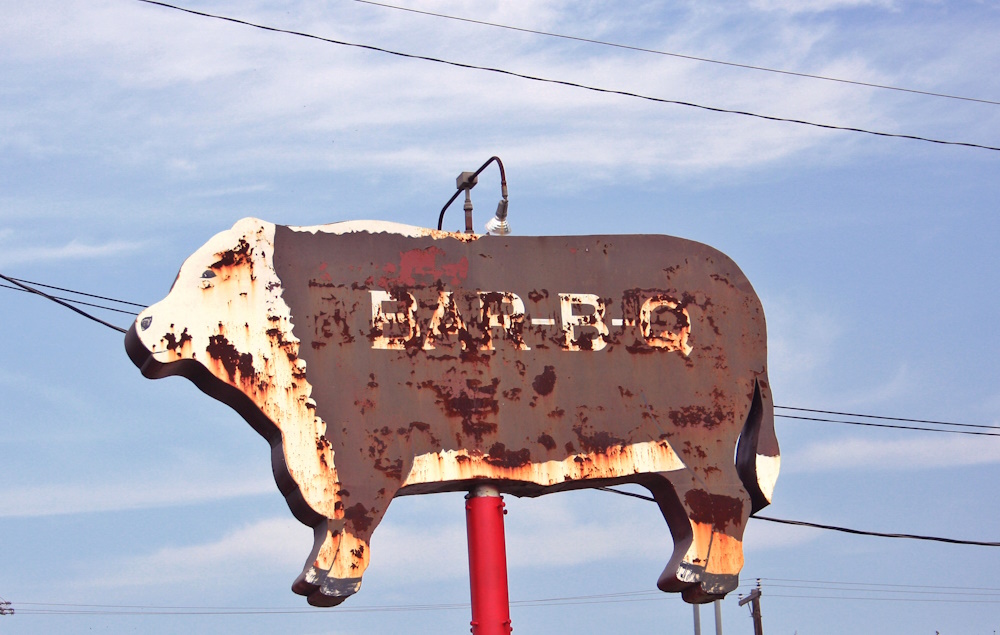
The first indigenous tribes Christopher Columbus encountered on the island he named Hispaniola had developed a unique method for cooking meat over an indirect flame, created using green wood to keep the food (and wood) from burning. Reports indicate that the Spanish referred to this new style of cooking as barbacoa: the original barbecue. As the Spanish explorers who followed Columbus turned their expeditions north, they brought the cooking technique with them. In 1540, close to present-day Tupelo, Mississippi, the Chicksaw tribe, in the presence of explorer Hernando de Soto, cooked a feast of pork over the barbacoa. Eventually, the technique made its way to the colonies, traveling as far north as Virginia.
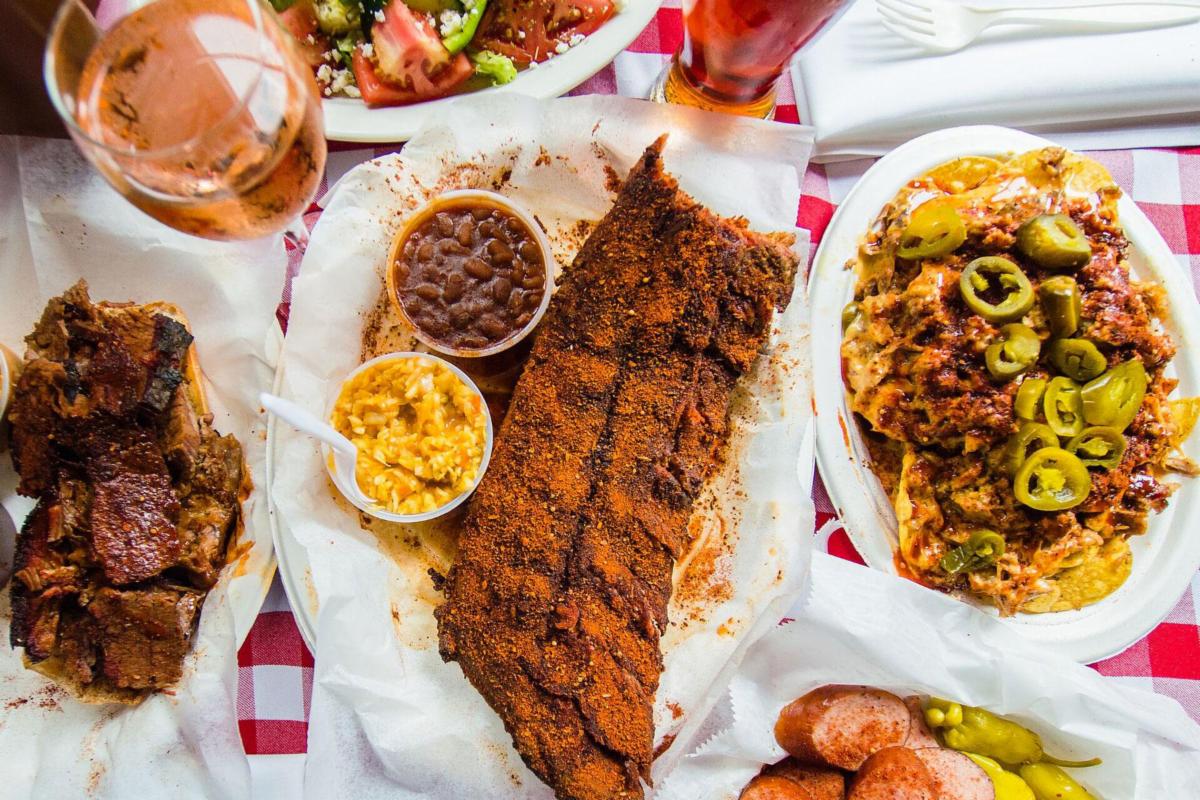
Barbecue belt residents would argue that the beef-based BBQ of Texas, or the mutton-based BBQ found in Kentucky, doesn’t constitute authentic barbecue. To be real barbecue, purists like North Carolina native Jim Villas argue that the meat must be exclusively porcine, because the original BBQ-ers of the southern colonies depended on the cheap, low-maintenance nature of pig farming. During the pre-Civil War years, Southerners ate an average of five pounds of pork for every one pound of cattle. Their dependence on this cheap food supply eventually became a point of patriotism, and Southerners took greater care raising their pigs, refusing to export their meat to the northern states. By this time, however, the relationship between the barbecue and pork had been deeply forged.
| |
But the story of the South’s penchant for pork does little to explain the variations between their barbecue styles. For this, one must look beyond the borders of America, to the influence that colonial immigrants had on the flavor and preparation of the meat. The technique of adding sauce to the meat as it cooks came from British colonists who incorporated the idea of basting to preserve the juices within the meat with the Caribbean barbecue technique. North Carolina’s vinegar-based sauces are also a remnant of these Briton’s penchant for the tart sauce. In South Carolina, which housed a large population of French and German immigrants, a mustard-based sauce was born, again, a reflection of the immigrant populations’ traditional preferences.
From Carolina barbecue, the trend moved westward, eventually entering Texas. German immigrants in Texas had the land to cultivate cattle, and it wasn’t long before Texans were applying Carolina techniques to a different sort of animal entirely. In Memphis, the regionally unique sweet, tomato-based barbecue sauce was born from the city’s status as a popular port along the Mississippi River. Memphis residents could easily obtain a variety of goods, including molasses, which provided the region’s sweet barbecue taste. Out of Memphis’ barbecue genes, the last of America’s four main barbecue styles – Kansas City barbecue – was born. In the early 1900s, a Memphis-born man by the name of Henry Perry settled in Kansas City and opened a barbecue restaurant. In the restaurant, which Doug Worgul, in his book on the history of Kansas City barbecue, credits as the origin of the city’s particular barbecue style, Perry followed the style of his Memphis roots, using a sweet and spicy barbecue sauce. He did not, however, adhere to the stringent requirements that called for a pork-only barbecue style, and allowed beef and other meats to be sold as well.
| | |
8 Foods You Didn't Know
Were Invented in America
| | |
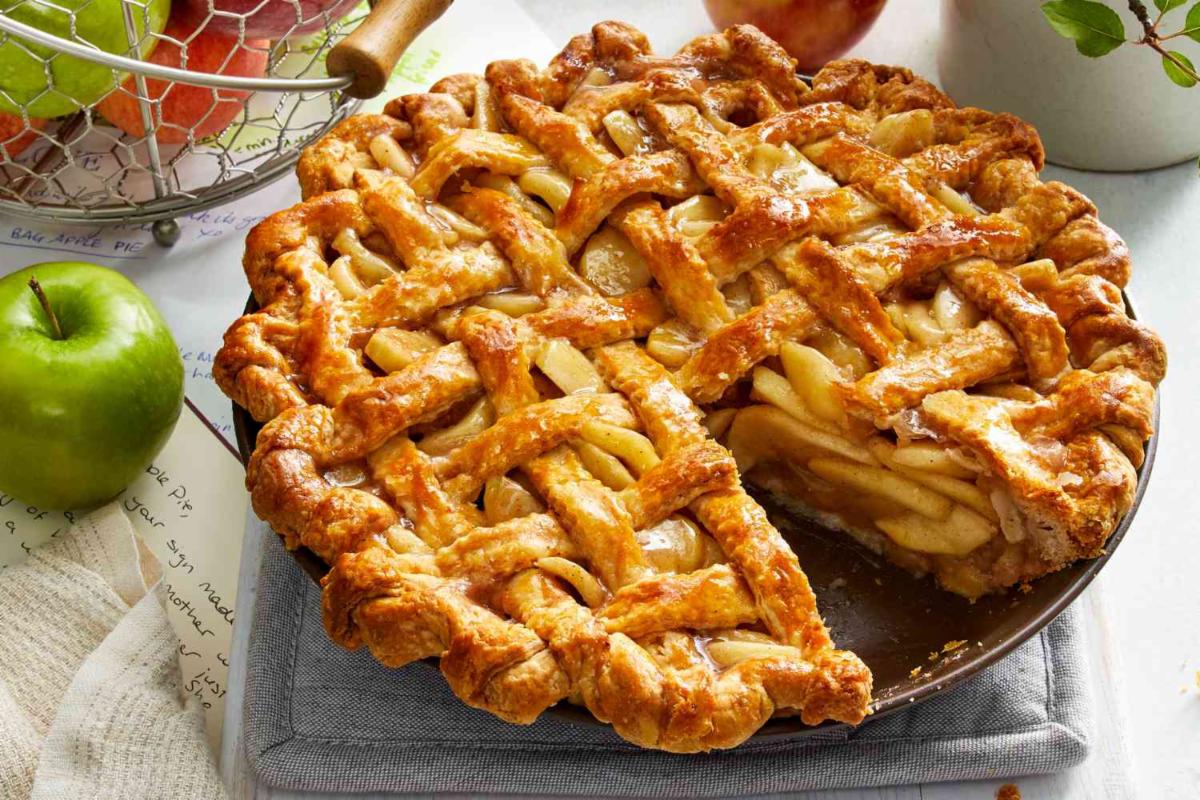
Regarding Americana, apple pie is right up there with Mickey Mouse, Coca-Cola, and Ford trucks.
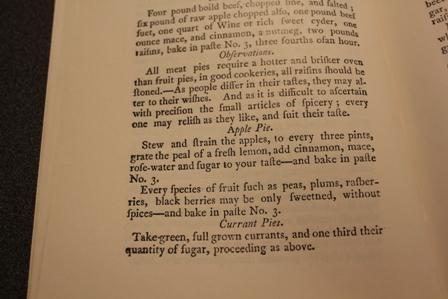
Arguably the country's most iconic dish, it's been showing up at Fourth of July barbecues and Thanksgiving feasts for generations. But don't let that fool you. Apple pie isn't nearly as American as most people believe. In fact, apples aren't even native to North America and didn't grow here until the arrival of European settlers. And cinnamon and nutmeg? Those came from as far away as Sri Lanka and Indonesia.
According to Food52, apple pie originated in England. It arose from culinary influences from France, the Netherlands, and the Ottoman Empire as early as 1390—centuries before the Pilgrims set foot on Plymouth Rock.
| |
Eventually, apple pie was brought to the colonies by European settlers, where the dish quickly caught on. America's first cookbook, American Cookery by Amelia Simmons, published in 1796, included two recipes for the fruit-based dessert.
Easy and affordable, apple pie was a typical American cuisine by the 18th and 19th centuries. But, as Food52 reports, it didn't become associated with our cultural identity until the 20th, when advertising, news, and two world wars transformed the dish into a nationalist symbol.
Though the exact origin of the phrase "as American as apple pie" is unclear, a 1928 New York Times article used it to describe the homemaking abilities of First Lady Lou Henry Hoover. By WWII, it was a symbol of feminine love associated with home, warmth, and soldiers proudly proclaimed that they were fighting for "mom and apple pie."
| The Traveler’s Guide to Iconic American Food | |
Food is more than fuel—it’s a storyteller. Every dish has a history, every flavor a purpose, and every bite a glimpse into the heart of a place. Whether it’s a piping hot slice of New York pizza on a bustling street corner, a buttery lobster roll by the coast of Maine, or a rack of slow-smoked ribs in Memphis, food anchors us in place and time.
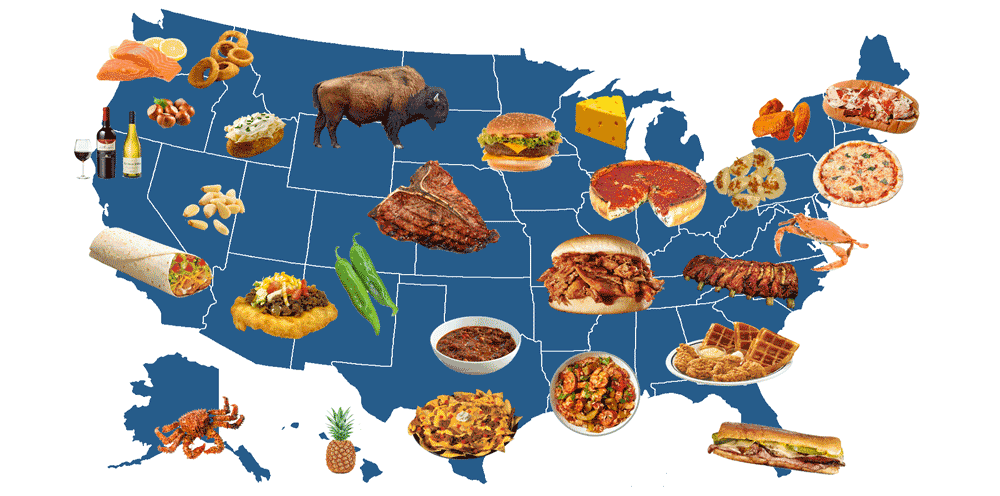
Here in the United States, culinary traditions are as vast and varied as the landscapes. Each region tells its own story through what’s on the plate—shaped by culture, history, geography, and generations of innovation. We hope this list will help you on your culinary adventures, and we hope it doesn’t make your stomach growl too loudly!
| | Famous American Food in the Northeast |
- Lobster
- Clam Chowder
- New York Pizza
- Blueberries
- Bagels
| |  | Famous American Food in the South |
- Barbecue
- Fried Green Tomatoes
- Creole
- Chicken and Waffles
| | | Famous American Food in the Midwest |
- Deep Dish Pizza
- Cincinnati Chili
- Pierogies
- Buckeyes
- Chicago Hot Dogs
| | | Famous American Food in the Great Plains |
- Steak
- Bison
- Burnt Ends
- Cinnamon Rolls
- Texas Chili
| | | PAYING IT FORWARD WITH PASSION AND PURPOSE | | APEF recently launched a dynamic animated video series called The Adventures of Miles & Captain Cashflow. These engaging visual tools accompany the curriculum and serve as both additions to the lessons and stand-alone resources, making learning accessible and entertaining for students of all ages. Each video features relatable characters and real-life scenarios (even though some happen on a planet far far away) that illustrate key financial principles, enhancing understanding and retention. | | Kinder & Griffin's Picture of the Week | | Julianne's Picture of the Week | | Coralyn's Picture of the Week | | Stay connected with me on social media | | | | |