The important aspects of Omnibus include proposed pay cuts of 2% in 2023 for physicians, a reduction from 4.5%, and in 2024, the cuts will increase to 3.5%.
The Wall Street Journal described this as the ugliest Omnibus bill ever with a 4,155-page bill that most members will never read. This bill includes multiple provisions affecting healthcare providers:
1. Reduce the physician fee schedule cut from 4.5% to 2% for 2023 and 3.5% for 2024
2. Prevents the 4% statutory pay as you go sequester for 2 years
3. Provides extension of telehealth services for 2 years
4. The worst news is that:
- There is no mention of a 2% sequester cut from ACA. Consequently, the 2% sequester cut will continue. Obviously, this will result in a 4% cut for the physician fee schedule from 2022 (2% new cut + 2% sequester cut = 4%).
- For facilities, a sequester cut of 2% will be implemented through 2023.
There are also multiple changes to the Medicaid policy, which will remove ineligible of their Medicaid roles in April, regardless of when the COVID-19 public health emergency ends.
As you well know, the American Society of Interventional Pain Physicians (ASIPP) advanced advocacy to prevent all cuts permanently. Obviously, we are extremely disappointed, along with almost all physician organizations. ASIPP will soon be providing you with appropriate activities for upcoming months and years as the new Congress steps in to remove these cuts permanently.
The new fee schedule, based on 2% and 4% cuts for 2023 for physicians and a 2% cut for facilities, is available at asipp.org. Sample schedules are as follows:
|
|
Submit your abstracts by December 31, 2022
Questions should be directed to Savannah Gold at
|
|
Death certificate records mentioned long COVID as early as April 2020
Long COVID played a role in more than 3,500 deaths in the U.S. since the start of the pandemic, according to data from the CDC's National Center for Health Statistics (NCHS).
Death certificate records from January 2020 through June 2022 showed that long COVID contributed to 3,544 deaths, based on ICD-10 codes for COVID-19 as well as text referring to long COVID, reported Farida B. Ahmad, MPH, a health scientist at the NCHS, and colleagues.
Older adults had the highest percentage of deaths involving long COVID, including people 85 and older (28.1% of deaths), 75 to 84 years old (28.8%), and 65 to 74 years old (21.5%), they noted in Vital Statistics Rapid Release
|
|
FASIPP nomination applications are due no later than January 15, 2023. |
|
Resident/Fellow News and Updates |
|
Several years ago I visited my primary care provider in her new office. She had just left the practice where we had been coworkers for over a decade. I was “roomed” by Louise (not her real name) whom I had never met before. I assumed she had come with the new waiting room furniture. She took my vital signs, asked a few boilerplate questions, and told me that my PCP would be in shortly.
After our initial ping-pong match of how-are-things-going I mentioned to my old friend/PCP that I thought Louise needed to work on her person-to-person skills. She thanked me and said there were so many challenges in the new practice setting she hadn’t had a chance to work on staff training.
When I returned 6 months later Louise was a different person. She appeared and sounded interested in who I was and left me in the room to wait feeling glad I had spoken up. I wasn’t surprised at the change, knowing my former coworker’s past history. I was confident that in time she would coach her new staff and continue to reinforce her message by setting an example by being a caring and concerned physician.
|
|
Tianeptine is an antidepressant. But it’s being sold in the U.S., especially at gas stations, as a dietary supplement and functions like an opioid.
A drug called tianeptine, known colloquially as “gas station heroin,” has been banned by several states. It’s being marketed as a dietary supplement, but some users are describing it as a highly addictive opioid.
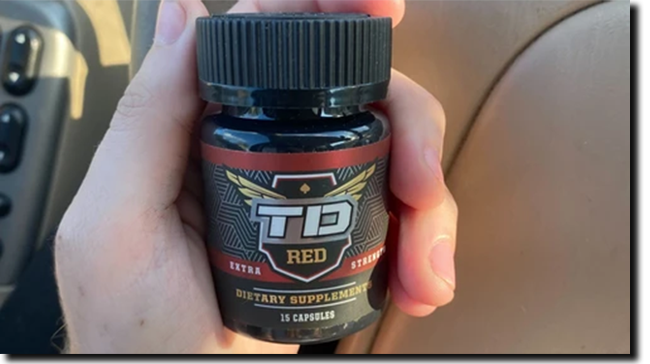
Tianeptine is a tricyclic antidepressant used to treat depression in some European, Latin American, and Asian countries, but it’s not approved by the FDA for medical use in the U.S. It’s not a controlled substance and is typically sold in the U.S. as a dietary supplement, nootropic (a chemical that improves cognitive function), or a research chemical under brand names like ZaZa Red, TD Red, and Tianna. It can be found in gas stations or easily bought online.
Medical experts say tianeptine functions as an opioid because it hits opioid receptors in the brain, which explains why people have reported severe withdrawal when they try to stop using it.
|
|
Ron Harman King questions the "compassion and humanity" advertised by large healthcare systems
So, if healthcare providers can be so severely punished for fibbing, how can healthcare systems get away with it openly?
I'm talking, of course, about how American hospitals and healthcare systems describe themselves in billions of dollars' worth of advertising and promotions. Peruse their websites and advertisements and you'll see the same messages ad nauseam. They promise that "patients come first," "we listen to you," "patients are our first priority," "human kindness," and "dedicated to caring for you," among other flowery assurances.
|
|
Spending on physician, clinical services also rose in 2021, but not as much as in 2020, CMS says
Health spending rose by 2.7% in 2021, down significantly from an increase of 10.3% in 2020, officials from the Centers for Medicare & Medicaid Services (CMS) said Wednesday.
The drop in spending growth was largely a result of changes in federal health spending related to the COVID-19 pandemic, said Anne Martin, an economist in CMS's Office of the Actuary and the lead author of a Health Affairs article detailing this analysis, at a briefing with reporters on Wednesday. "Federal government spending declined 3.5% in 2021, following record high growth of 36.8% in 2020," Martin said, noting that federal government spending "includes spending for the Provider Relief Fund, Paycheck Protection Program loans, and federal public health activity." The public health portion includes funding for vaccine development, stockpiles of drugs and vaccines, and health facility preparedness, she said.
Overall, the percentage of the gross domestic product (GDP) in 2021 that was devoted to healthcare spending was 18.3%, down from 19.7% in 2020, the researchers found. Martin noted at the briefing that although both the Provider Relief Fund and Paycheck Protection Program plans, which provided financial assistance to providers in 2020, continued to provide funding in 2021, it was at much lower levels than in 2020.
|
|
Today’s health care environment presents outstanding opportunities for physicians to develop lasting improvements in care delivery by demonstrating and providing leadership.
Today’s health care environment presents outstanding opportunities for physicians to develop lasting improvements in care delivery by demonstrating and providing leadership. The pandemic has demonstrated that physician leadership has never been needed more than it is currently.
Health care organizations have always needed the distinctive perspective of physicians among their leadership. Because of increased constraints on revenue and heightened review by payers, health system leaders of today are now more often in the position of making administrative decisions that ultimately affect clinical care.
WHY PHYSICIAN LEADERS?
At some level, it’s a societal expectation that all physicians are leaders. Shortly after passage and implementation of the Affordable Care Act, the American Association for Physician Leadership (AAPL) recognized a rapid increase in organizations seeking to employ physicians and educate physician leaders.
|
|
Bookmark the ASIPP Annual Meeting Website to stay informed on all announcements and resources related to the meeting.
|
|
There’s lots of fancy stuff that emergency teams also do, but really, the simple stuff is what matters most. Recently, though, a study published in the New England Journal of Medicine found that a change in how medical professionals do CPR could maybe—just maybe—save lives.
The idea is simple: if a patient has a certain cardiac rhythm called ventricular fibrillation, defibrillation is needed. But oftentimes, even early CPR and defibrillation (electrical shocks) don’t work. Over time, experts began to wonder: could some failures be related to a problem with how the shocks are being delivered? Two ideas were proposed. First, what if they changed the vector (i.e., the direction) of the shock, by changing where the pads are placed on patients. Instead of on the front and sides, researchers tried front and back placement, hoping that the electricity might reach more of the heart. Second, what if they tried that and the original way. In other words: give two shocks in a row; one with the old set-up and one with the new set-up. Four pads on a patient, instead of just two.
Did it work? Yes. At least, we think. This study looked at patients who had cardiac arrest outside of medical settings—as in, going about their lives and then suddenly collapsing. Patients whose hearts failed to restart after emergency workers administered three attempts using the standard approach were randomized either to receive more of the same, the revised pad placement, or the revised pad placement and the extra set of pads (i.e., two shocks going in different directions through the body). The details of this trial (a cluster randomized crossover design) are pretty impressive. (Anyone interested in those details can check out FOAMcast, the webpage and podcast for healthcare professionals that I cohost with my good friend and colleague Dr. Lauren Westafer.)
|
|
- ASIPP Members Only Site Information - |
|
-
To log in for the first time you will need to click “forgot password” at the bottom of the login window.
- Check your email and then log in as directed.
-
If you have problems logging into your account, click here.
|
|
Let's prepare for 2023 as best as we can
After weathering the immense difficulties of COVID-19 for the past few years, medical groups and health systems leaders will not receive any respite in 2023. Huge challenges await these leaders in the coming year in many areas -- finance, operations, clinical practice, and workforce. Yet, progress is possible as some will leverage the numerous strengths of their organizations to create more adaptable, focused care delivery systems that better meet the needs of their patients, providers, and communities. Here are a few of the critical issues they will be facing.
Staffing, staffing, staffing: Worker shortages, especially regarding staff in nonprofessional roles, will remain an acute pain point for care delivery systems. Competition for talent for those with entry-level or technical skills will remain fierce, and systems will continue their efforts to improve recruitment and retention. In the short term, we will see large increases in wages, efforts to improve the workplace environment, and the creation of novel career development opportunities. Longer term, organizations will increasingly look to partner with community colleges or technical schools to build their own pipelines for the next generation of healthcare employees.
Financial turbulence: Operating margins will continue to be under pressure due to increased labor and supply costs combined with flattened revenues. Cost savings will be on every executive's to-do list, and all will be looking for ways to streamline processes, cut unnecessary or unprofitable service lines or programs, and automate or outsource when appropriate. Care redesign will be a priority, but with an increased emphasis on operational efficiency and reducing headcount -- all while improving access to care.
|
|
Pain Medicine Case Reports (PMCR) and Editor-in-Chief Alaa Abd-Elsayed, MD, PhD would like to invite you to submit case reports and case series to the PMCR journal. Your article will be published free of charge.
Open access journals are freely available online for immediate worldwide open access to the full text of published articles. There is no subscription fee for open access journals. Open access journals are no different from traditional subscription-based journals: they undergo the same peer-review and quality control as any other scholarly journal.
Interested in becoming a member of the PMCR Editorial Board?
Editorial board members are asked to review 2-6 manuscripts per year. Please submit your most up-to-date CV to sgold@asipp.org for consideration.
For more information or to submit your articles, click here.
|
|
| CASE REPORT |
Sunny S. Kim, MD, Nicholas R. Storlie, BA, Kessiena L. Aya, DO, Elise Schroeder, and Hamid R. Abbasi, MD, PhD
Abstract
BACKGROUND: Cervical epidural steroid injection (CESI) is a commonly performed procedure for both the diagnostic and therapeutic management of various types of cervical spine pathology. Serious complications from this procedure are rare, but include dural puncture, epidural hematoma, and air embolism. Pneumorrhachis, the presence of air in the spinal canal, is hypothesized to be a common radiological finding following epidural anesthesia that is rarely symptomatic.
CASE REPORT: We report the case of a 56-year-old woman who experienced right upper-extremity numbness and paralysis following interlaminar CESI, with subsequent imaging showing an air lesion in the epidural space from C6-T3. The patient’s symptoms resolved spontaneously after 12 hours of observation.
CONCLUSIONS: This case demonstrates a previously unreported complication of CESI that is important for practitioners of ESI (epidural steroid injection) to be aware of.
KEY WORDS: Case report, epidural steroid injection, injections, interlaminar, pneumorrhachis
|
|
| RANDOMIZED TRIAL |
Ping Wu, MD, Xiaoqi Wu, MSc, Guohua Zhou, MSc, Yin Wang, BA, Xiaojun Liu, BA, Run Lv, MSc, YanSong Liu, BA, and Qingping Wen, MD
Abstract
Background: Bone cancer pain (BCP) is the most severe and intractable type of cancer pain. Emerging evidence has demonstrated that activated microglia in the spinal cord could release a series of neurotoxic substances to stimulate neurons and form neuronal sensitization. The P2X7 receptor (P2X7R) is a nonselective ATP-gated ion channel predominantly present in microglia in the spinal cord as the key modulator of microglial activity. However, the specific effect and underlying molecular mechanism of P2X7R in BCP have not yet been elucidated.
Objectives: This study aimed at investigating whether P2X7R-induced BCP by regulating microglial activity through NLRP3/IL-1beta signaling involvement in BCP.
Study design: Controlled animal study.
Methods: A BCP animal model was established by injecting Walker-256 breast cancer cells into the tibia of female rats. Fifty percent paw withdrawal thresholds (50% PWTs), number of spontaneous flinches (NSF), and limb use scores were used to evaluate behavior in rats. P2X7R inhibitor brilliant blue G (BBG) was used to assess the role of P2X7R in BCP-induced NLRP3 inflammasome activation. Western blot, RT-PCR, and immunofluorescence were used for quantitative comparison. In vitro, BV2 cells were treated with lipopolysaccharide (LPS) and BzATP, in the presence or absence of P2X7 siRNA, with nigericin (an agonist of the NLRP3 inflammasome) to further study the mechanism of P2X7R regulate NLRP3/IL-1beta signaling.
Results: The inhibition of spinal P2X7R with BBG could effectively inhibit BCP due to suppressing the expression of NF-kappaB p-p65, NLRP3 inflammasome formation, and downstream pain factors IL-1beta. Furthermore, P2X7 siRNA could reduce microglial activity, the nuclear translocation of NF-kappaB, and the synthesis of NLRP3 and IL-1beta in BV2 cells. In addition, nigericin partially reversed the ameliorating effect of P2X7 siRNA on BV2 cells induced by LPS and BzATP.
Limitations: BBG could relieve BCP but not improve the destruction of bone, which may be related to the specificity of inoculated cells. Further mechanisms should be investigated.
Conclusion: These findings suggest that targeting the microglial P2X7R activated NLRP3/IL-1beta signaling pathway could serve as a potential strategy for BCP treatment.
Keywords: NLRP3; brilliant blue G; interleukin 1beta; P2X7 receptor.
|
|
| RANDOMIZED CONTROLLED TRIAL |
Hao Chen, PT, Guanzhang Mu, MD, Haoyong Fu, MD, Lei Yue, MD, and Haolin Sun, MD
Abstract
Background: Extracorporeal shockwave therapy (ESWT) has shown its efficacy in treating chronic pain. Previous evidence has proven that ESWT in patients with chronic low-back pain (CLBP) results in significant reductions in pain. However, the optimal regimen for conducting ESWT in these patients remains unknown.
Objectives: This study aimed to investigate, under the same total energy dose, the effectiveness and safety of low-intensity versus medium-intensity ESWT on CLBP.
Study design: A prospectively registered, randomized controlled trial in accordance with the Consolidated Standards of Reporting Trials (CONSORT) Statement. The study was registered at the Chinese Clinical Trial Registry (No. ChiCTR2100049871). This study was approved by the ethics committee of our hospital (No.2021-193).
Setting: A tertiary hospital in China.
Methods: Sixty-nine patients with CLBP were randomly allocated into either the low-intensity (LI) or the medium-intensity (MI) group. In a 2-week treatment course, patients in the LI group received 6 sessions of ESWT (0.03 millijoules [mJ]/mm2) and patients in MI group received 2 sessions of ESWT (0.09 mJ/mm2). Outcome assessments included the Visual Analog Scale (VAS) at rest and at movement, the Oswestry Disability Index (ODI), and the Hospital Anxiety and Depression Scale (HADS). Follow-up visits were scheduled at 2 weeks, 4 weeks, 6 weeks, and 3 months after randomization. The primary outcome was the 11-point VAS at movement reported at 4 weeks after randomization. Adverse events were recorded. Overall therapeutic satisfaction on a 5-point Likert scale was collected at the last follow-up.
Results: From August 2021 through December 2021, 69 eligible patients were enrolled in the randomized controlled trial; 68 patients completed the whole treatment. Compared with baseline, both the LI group and MI group manifested significant improvement in VAS, ODI, and HADS scores at each follow-up time point (all P < 0.05). The between-group comparison indicated that the LI group had lower VAS scores at movement at 2 weeks, 4 weeks and 6 weeks after randomization (all P < 0.05), while the VAS score at rest was significantly lower in the LI group than in the MI group (P = 0.018) at 6 weeks after randomization. The ODI score in the LI group was significantly lower than the MI group at 2 weeks and 6 weeks after randomization (both P < 0.05). In addition, the HADS score was lower in the LI group than the MI group at 2 weeks after randomization (P = 0.021). However, at 3-months follow-up, no significant difference in VAS, ODI, or HADS were observed between the 2 groups. No notable shockwave-related side effects occurred in either group.
Limitation: The limitations of our study include the small sample size and the lack of an untreated control group.
Conclusion: Low-intensity ESWT treatment with more sessions is more effective in relieving pain and improving disability in the short-term than medium-intensity treatment with fewer sessions under the same total energy dose.
Keywords: extracorporeal shockwave therapy; randomized controlled trial; rehabilitation; Low back pain.
|
|
ASIPP is now in collaboration with Curi Medical Liability Program
Since this malpractice insurance program officially launched in November 2018, ASIPP has signed up hundreds of providers with an average savings of 30%. This is professional liability insurance tailored to our specialty and will stand up for us and defend our practices.
Curi is a full-service advisory firm that serves physicians and their practices. Their valued advice is grounded in your priorities and elevated in your outcomes. They are driven by a deep understanding of your specific circumstances in medicine, business, and life. To read a few important points to keep in mind about the program, including discounts, administrative defense, cyber coverage, aggressive claims handling, and complimentary risk management CME activities, visit our website.
|
|
ASIPP® has formed a partnership with Henry Schein and PedsPal, a national GPO that has a successful history of negotiating better prices on medical supplies and creating value-added services for independent physicians. Working with MedAssets, PedsPal provides excellent pricing on products like contrast media that alleviate some of the financial pressures you experience today.
|
|
ASIPP® is now offering our members the benefit of a unique revenue cycle management/ billing service.
We have received a tremendous amount of interest in the ASIPP® billing and coding program.
Click here to learn more about the negotiated rate for practices and more!
|
|
|
up-to-date news related to you, your practice, and your patients!
|
|
|
|
|
|
|