|
Estate Planning Update
So They Had a Trust; Now What?
Whether it is a parent, a sibling, or a close friend; when someone passes, it is never easy. Beyond the emotional toll, there are practical and logistical tasks that can overwhelm even the most organized person. One of the biggest tasks is administering their trust, should they have one.
While trusts are initially created to support someone when they are alive, they are also means of bequeathing assets when they pass. Typically, when a trust is made the Settlors are the initial trustees. Thus, successor trustees may not really do much until the Settlors pass, at which point they take over as trustees. The first thing a Trustee should do after the death of the Settlors is send out notices to all the beneficiaries notifying them of the Settlors’ death, their rights under the trust, and a host of other statutory provisions. The Trustee will also need to send out notices to certain public entities.
After the “notice phase,” the Trustee should gather and take inventory of all the assets owned by the trust. For some assets, particularly real estate, the Trustee may need to get appraisals or sell the property, depending on the terms of the Trust. Trustees may also need to correct title on any property held, working with the county where the property is located.
With all the assets collected, it is then time for a Trustee to administer the trust. Some trusts call for an outright distribution of assets, while others call for the property to be held and administered for the benefit of an individual over time. In either case, as the Trustee goes about administering the trust, they may need to get consents and waivers from the beneficiaries to ensure that they approve of the Trustee’s actions and to protect the Trustee from liability in case issues arise. Distributions will be made according to the terms of the Trust, and care should be made to ensure that all requirements for distribution are met.
Once the Trust is exhausted, the administration is almost done. The Trustee will prepare a final accounting of all assets, with all beneficiaries giving consent. The courts, in general, may not need to be involved in this process.
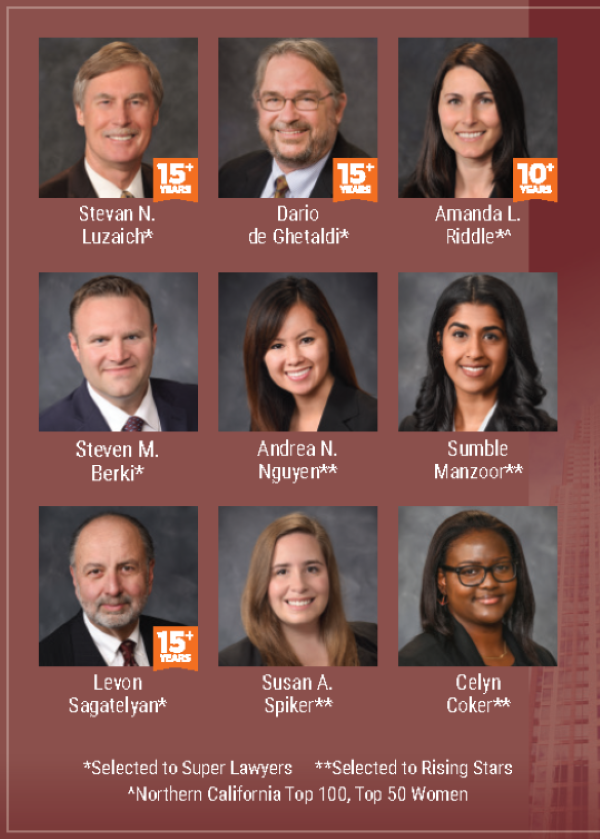
Of course, this is a simplified overview. The actual administration may be more complex. We advise trustees seek legal counsel early in the process. We are here to help. With decades of experience in trust and estate administration, we guide clients through every step of the administration. Feel free to contact our estate and probate team: Stevan N. Luzaich, Andrea A. Nguyen, Dallas E. Dean, Matthew S. Luzaich or Celyn O. Coker.
|