As We Welcome April, the Return of the Ospreys Reminds Us of Nature's Remarkable Resilience.
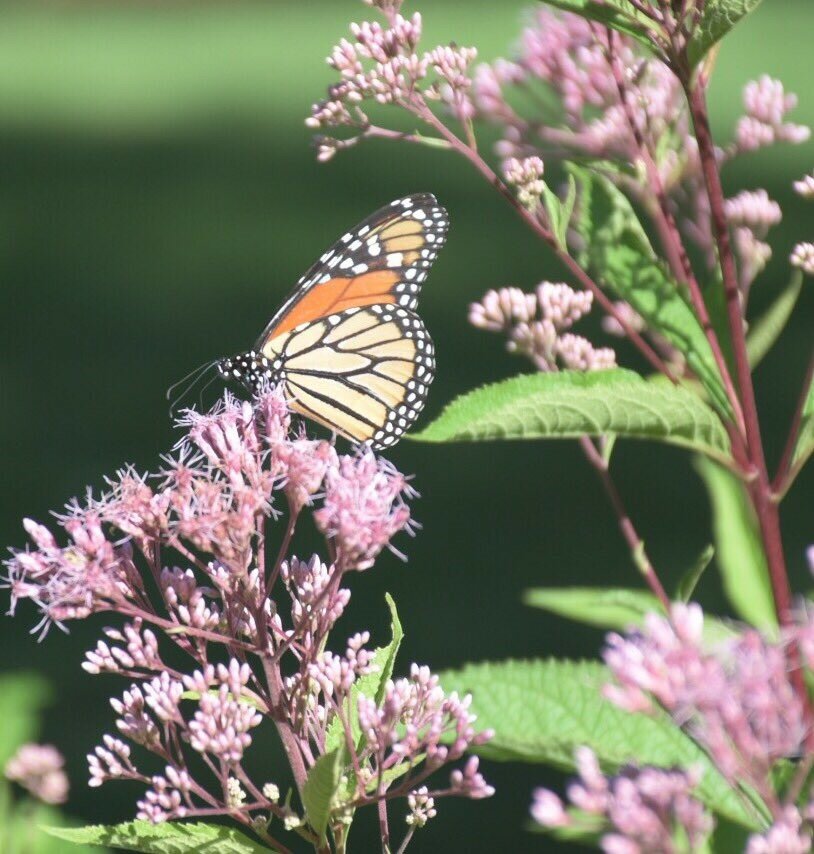
March was a month of gray days and gloomy news for nature. First came word of the findings of a landmark twenty year study of butterfly populations which confirmed what many older nature lovers already instinctively knew - butterfly populations are severely declining. In addition to dramatic declines for individual species, the study concluded that total abundance of butterflies has declined by 22% from 2000 to 2020. That means that for every five butterflies seen 20 years ago, now there are only four.
The study found ten times as many declining species as increasing species. Declines were present across all butterfly families, from the little-known sandhill skipper butterfly to more wide-spread species like the American lady butterfly. And as one of the scientists involved notes “If butterflies are declining at this rate, we can bet that the 10 million other insect species that share our planet and make it run are in trouble too; nature collapses without them".
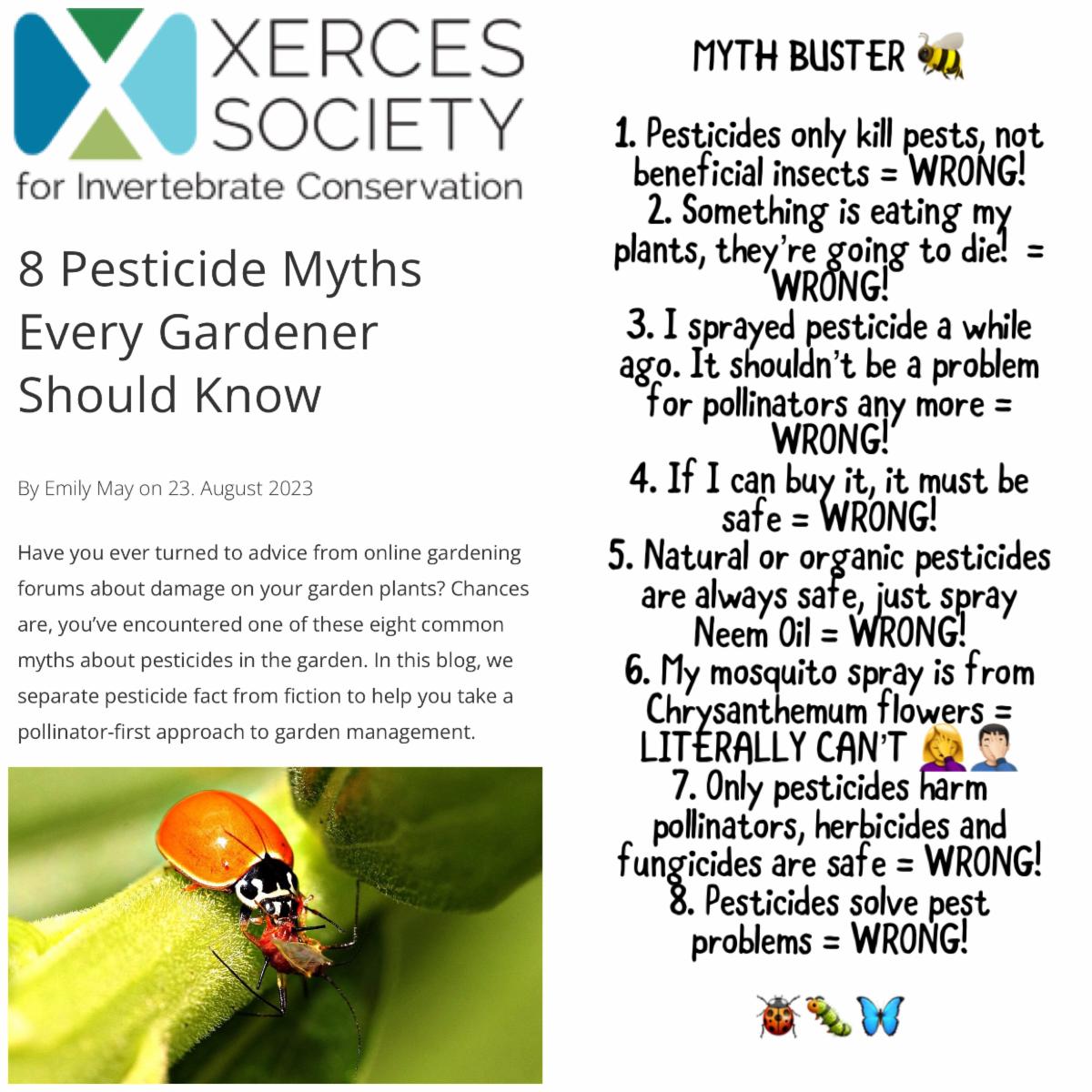
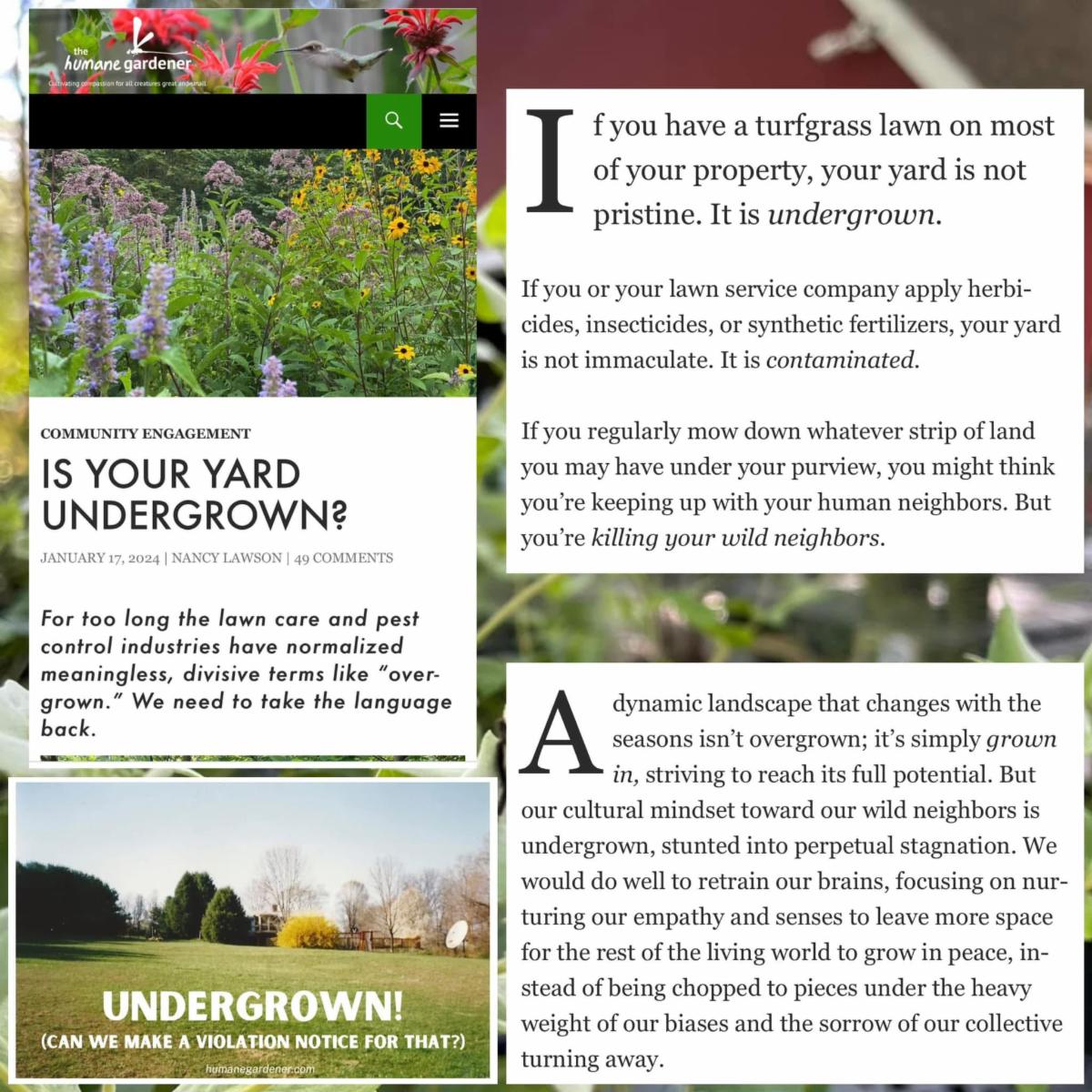
The primary drivers of the loss are habitat loss, pesticide use, and climate change. While large scale interventions are surely needed, the bright and empowering message from scientists is that the average person has a real role to play. Nurturing pesticide-free environments filled with native host plants and nectar-rich flowering species—along with overwintering habitats such as leaves and logs—right in our backyards, front yards, schoolyards, church grounds, roadside areas, and the edges of parks and playing fields can create a significant impact. Cutting down on the excessive use of pesticides in residential lawns and ornamental gardens, which is ten times higher than that used in commercial agriculture, would offer essential and immediate relief. In fact, the full report ends with a message of hope, “Butterflies have the potential for rapid population growth under the right circumstances making species recovery possible - even from very small populations.”
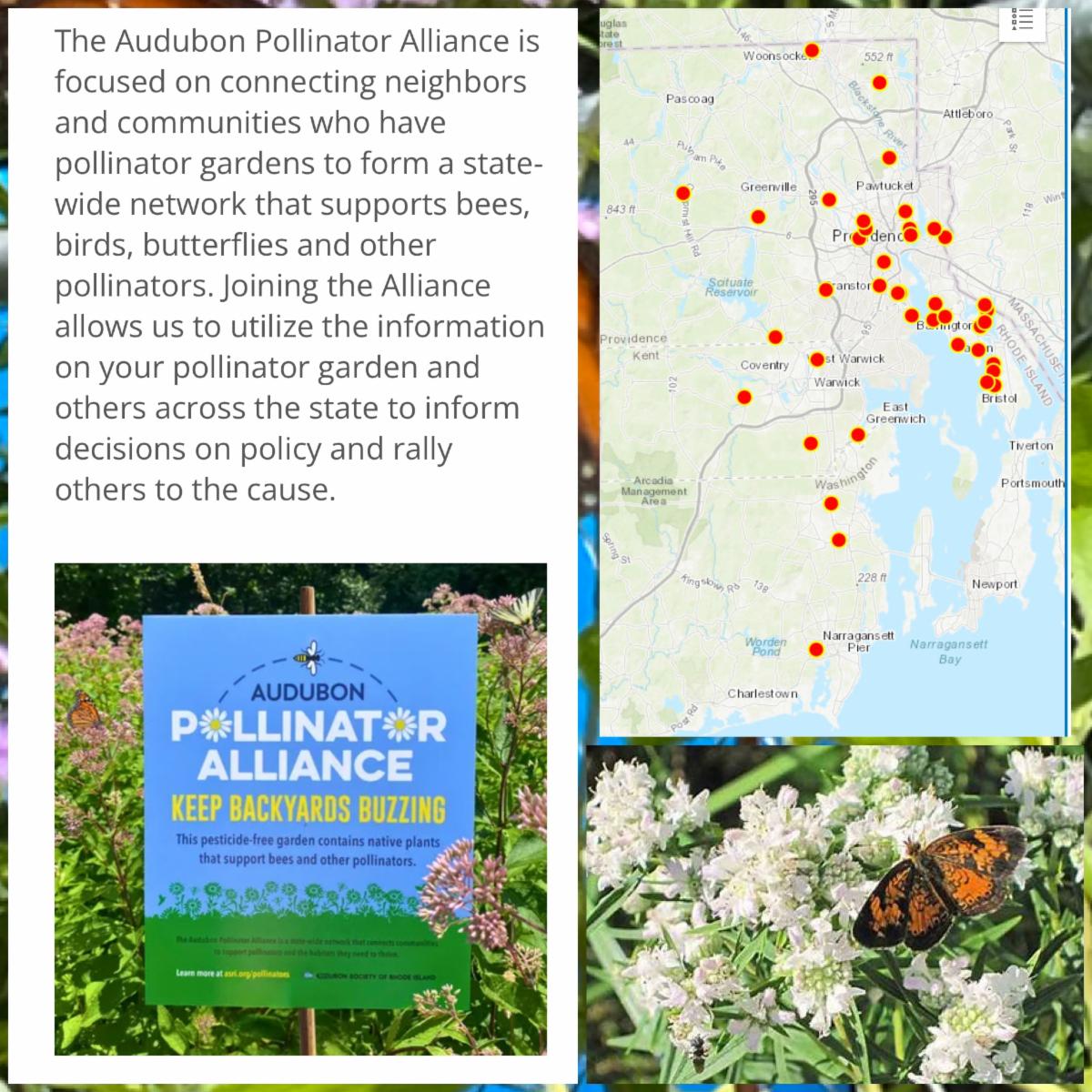
This is exactly the concept behind the Pollinator Pathway which encourages the development of connected corridors of pesticide free habitat using those spaces right outside our doors. If you haven’t yet joined, consider doing so today. And, consider making this the year that you encourage a few neighbors to do the same.
Soon after news of butterfly declines broke, a somber update to the State of the Birds Report was issued. The 2025 edition of the State of the Birds Report provided a status assessment of the health of the nation’s bird populations. It was delivered to the American people by scientists from U.S. bird conservation groups and laid out sobering evidence that America’s birds continue to decline across the board. Despite ample evidence that conservation can work, the status quo approach to conservation is not turning bird populations around - we are losing our birds.
The report includes too close to home news of “big losses along the East Coast” where rapid development is thought to be the leading cause. The report reminds us that mindful efforts to conserve natural areas will also help with other problems coastal communities are faced with such as storms and flooding.
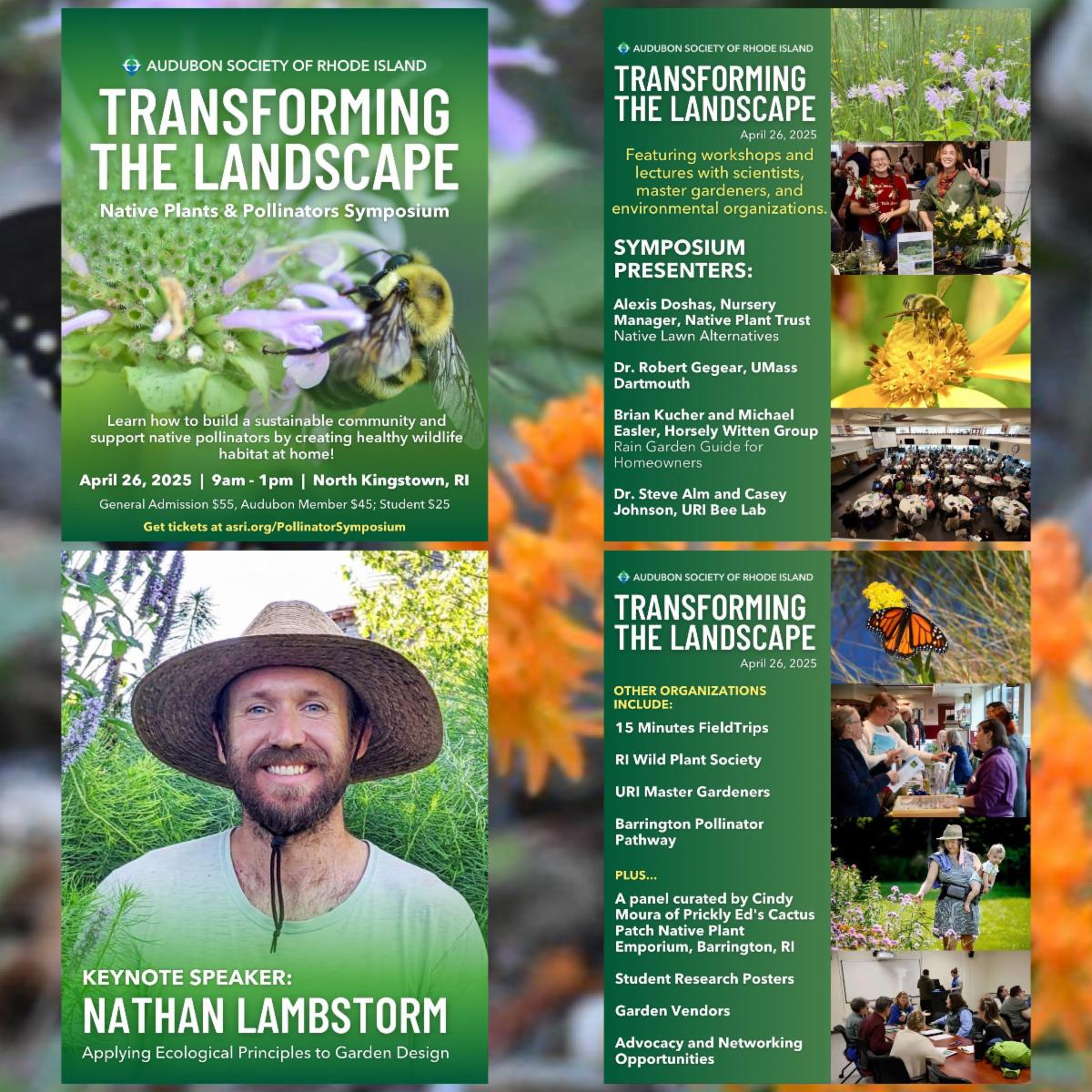
Our own Audubon Society of Rhode Island (ASRI) is providing a leading voice in the call to Transform our Landscapes, recognizing that in a region where so much of space is already privately owned, the path to conservation lies outside our own doors. To quote Dr. Charles Clarkson, Director of Avian Research at ASRI, “The collective power of individual action on the part of homeowners can literally transform our landscape. By halting the use of chemicals on our lawns and gardens, planting native vegetation to restore food webs, and providing essential resources for wildlife, you can instantly transform your property into a refuge. As a landowner it is important to remember that you hold a piece of the planet as your own. What you choose to do with your piece literally has the power to change the world.”
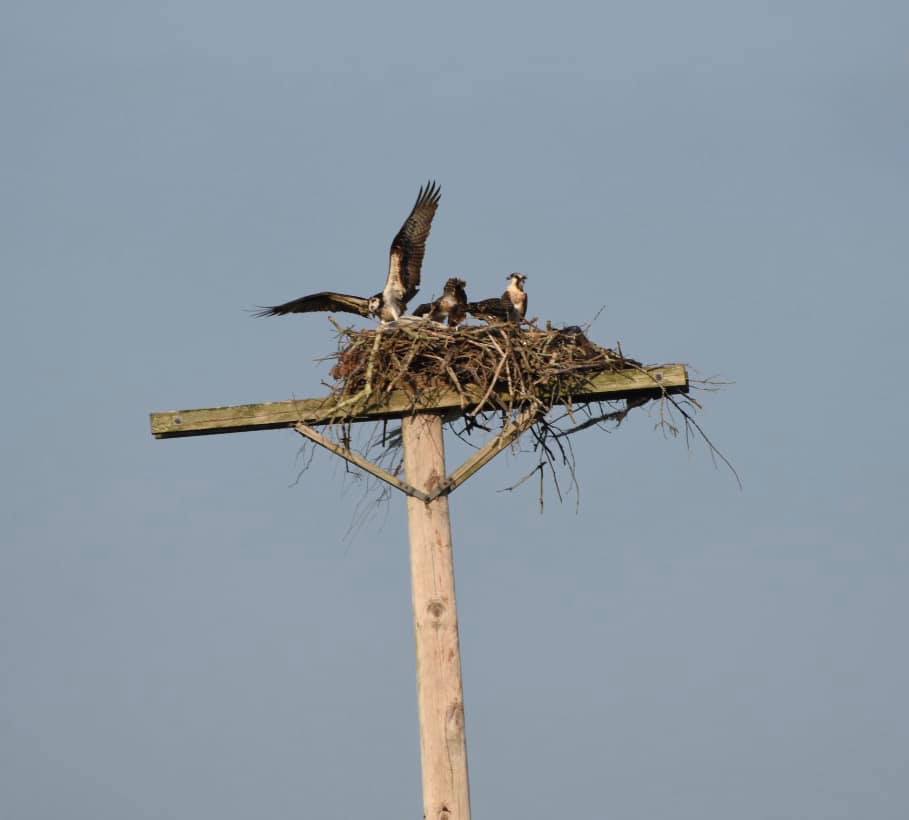
Through all of the bad news, the experts continually offer hope and reminders that nature is remarkably resilient and has an uncanny ability to rebound. But for that to happen, enough people must collectively commit to doing what is needed. To find hope and confirmation of the remarkable resilience of nature we need only look up to the skies. Ospreys have returned and are a beloved summer sight along the waterways of the East Bay. But did you know that their populations faced near extinction from the 1950s to the 1970s when along coastlines from New York to Boston it is estimated that nearly 90% of breeding Osprey pairs vanished? This was primarily due to the extensive use of a persistent insecticide called DDT. In 1976, Osprey were added to the USFWS Endangered Species List, four years after DDT was ultimately banned thanks in large part to Rachel Carson's groundbreaking 1962 book, "Silent Spring" which highlighted the critical need to monitor chemical usage and its environmental impacts. The plight of the Osprey serves as a profound reminder of the truth behind her urgent message.
Fast forward to the present, and the Osprey has emerged as a powerful symbol of nature's resilience in the face of environmental challenges. Following the 1972 DDT ban, the Osprey population began its gradual recovery. Rhode Island began monitoring Ospreys in 1977 with just 13 nests. Currently, the Audubon Society of Rhode Island monitors nearly 400 Osprey nests, with the support of over 130 committed volunteers. Although Ospreys are no longer classified as Endangered, they continue to be federally protected under the Migratory Bird Treaty Act.
Osprey are a conservation success story, a reminder of nature’s resilience but also a reminder that sometimes nature needs our help. Without the ban on DDT, the recovery would not have occurred. Today, a new chemical has emerged as the the modern day chemical cocktail of concern, a class of pesticides called neonicotinoids, 7000 times more toxic to bees than DDT. These persistent chemicals are now also being linked to bird declines, water contamination, and even human health concerns. In 2024, a convening in nearby Connecticut brought together leading voices to explore the harmful effects being causes by these pesticides. The Conference Report provides summary highlights along with access to all of the session recordings.
In our region the primary use of neonicotinoids is on lawns and golf courses. Neonics are also prevalent in conventional nursery plants and in crop seeds. While some states, including our own, have taken perfunctory steps to prohibit some neonicotinoid uses, significant government restriction of these chemicals remains unlikely, thus it is up to individual consumers to drive change with their wallets. As Katie Schortman, Pollinator Coordinator from ASRI reminds us, we can “Use Our Consumer Power to Speak for Pollinators”.
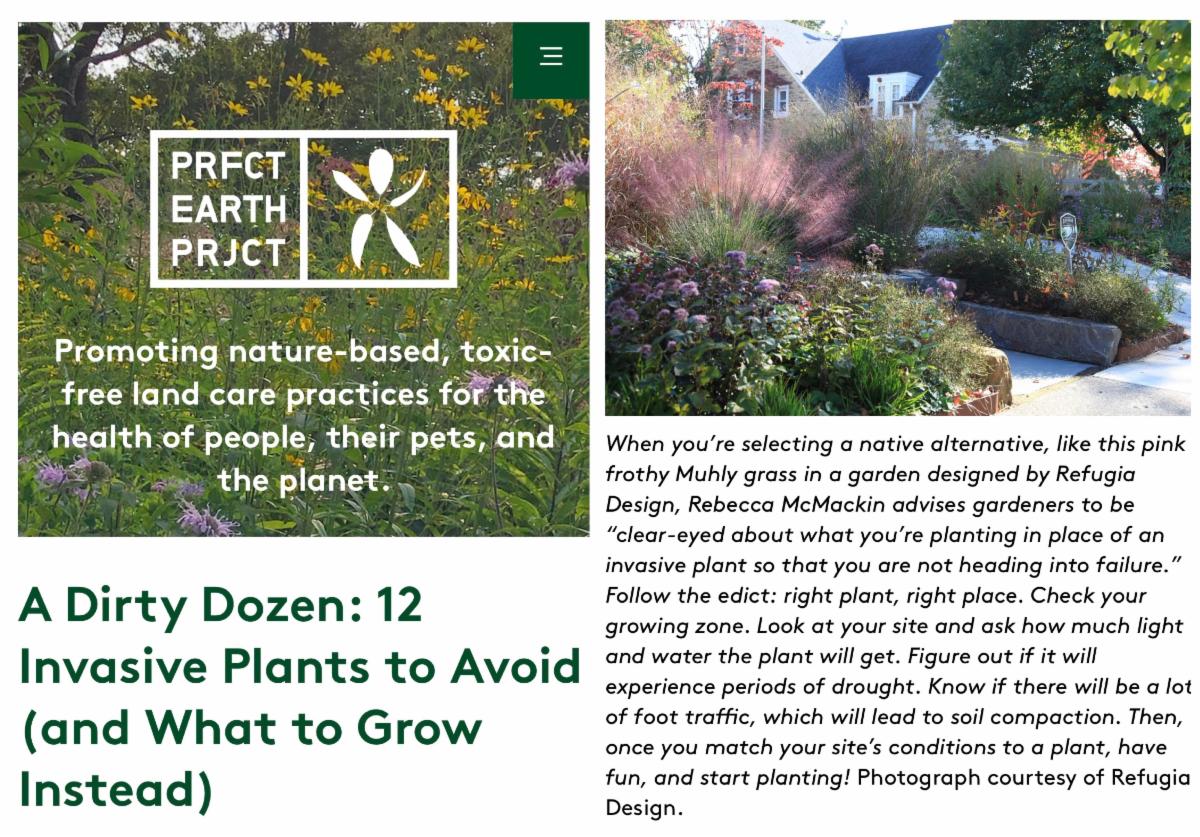
Shrink your lawn and stop dousing the areas that remain with toxic products! If you use a company to do your land care ask a lot of questions and if a service ends with a poison caution flag it is fair to assume you’ve just paid to poison pollinators, wildlife, pets, and the planet. The Perfect Earth Project provides great practical advice for transitioning to healthier practices including tips for talking to your landscaper.
To protect pollinators also be sure that the plants you are buying are free from pollinator killing pesticides. That may mean accepting less plant perfection, but a few holes in leaves should be what you are looking for, not what you are avoiding! The native plants that form the foundation of nature’s food web don’t need pesticides to thrive.
And finally, support local, organic, and regenerative farms. Three of our favorites are the Barrington Farm School, Long Lane Farm and Moonrose Farm. To learn more about the transformative power of regenerative farming tune in to the Earth Day Global Watch Party for Common Ground Film.
When faced with bleak news we can either opt to get mired in worry and despair or we can launch into action rolling up our sleeves to spark change. We can sit around deeming all hopeless, continue with the status quo with heads in the sand, or we can grab our trusty tools and get digging! Doubt your little patch of earth can make a difference? Well, the scientists say otherwise, and it's time we all started to pay attention. Mother Nature is counting on us! So, grab your gloves, we’ll see you in the garden!
|