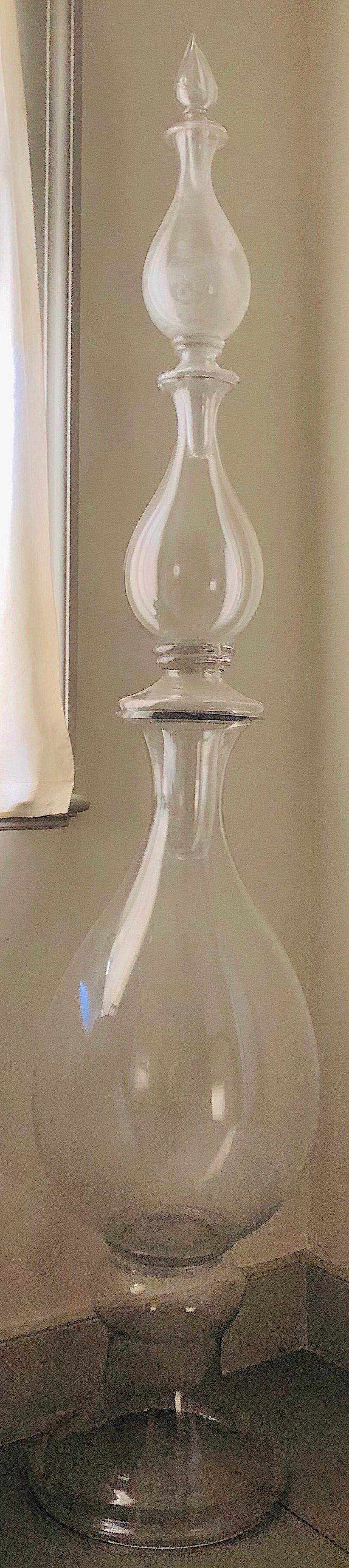
Standing on a third-floor landing of the Cushing House is a stunning glass vessel that measures over five feet tall. It consists of three glass jars, each one
“
stoppering
”
the one below it and dates to the late 1800s.
This delicate construction is called a “show globe” which was a symbol of nineteenth-century apothecaries.
While we would call them pharmacists now-a-days, apothecaries or druggists were essential purveyors of medicine and household goods. Spherical glass containers were placed in shop windows and functioned as traditional signage, just as a barber pole might.
The globes, sometimes stacked, sometimes hanging from the ceiling, were filled with brightly colored liquids and alerted people walking by about the goods and services inside.
Several manufacturers began to make improvements on these simple glass decorations, incorporating lighting from inside, which served as a precursor to the modern electric neon sign.
According to
American Druggist and Pharmaceutical Record,
“bold, indeed, and reckless would be the druggist who should discard the colored show globe, and not one of you can name druggists who can tell why they have them except for the single reason that others do.”
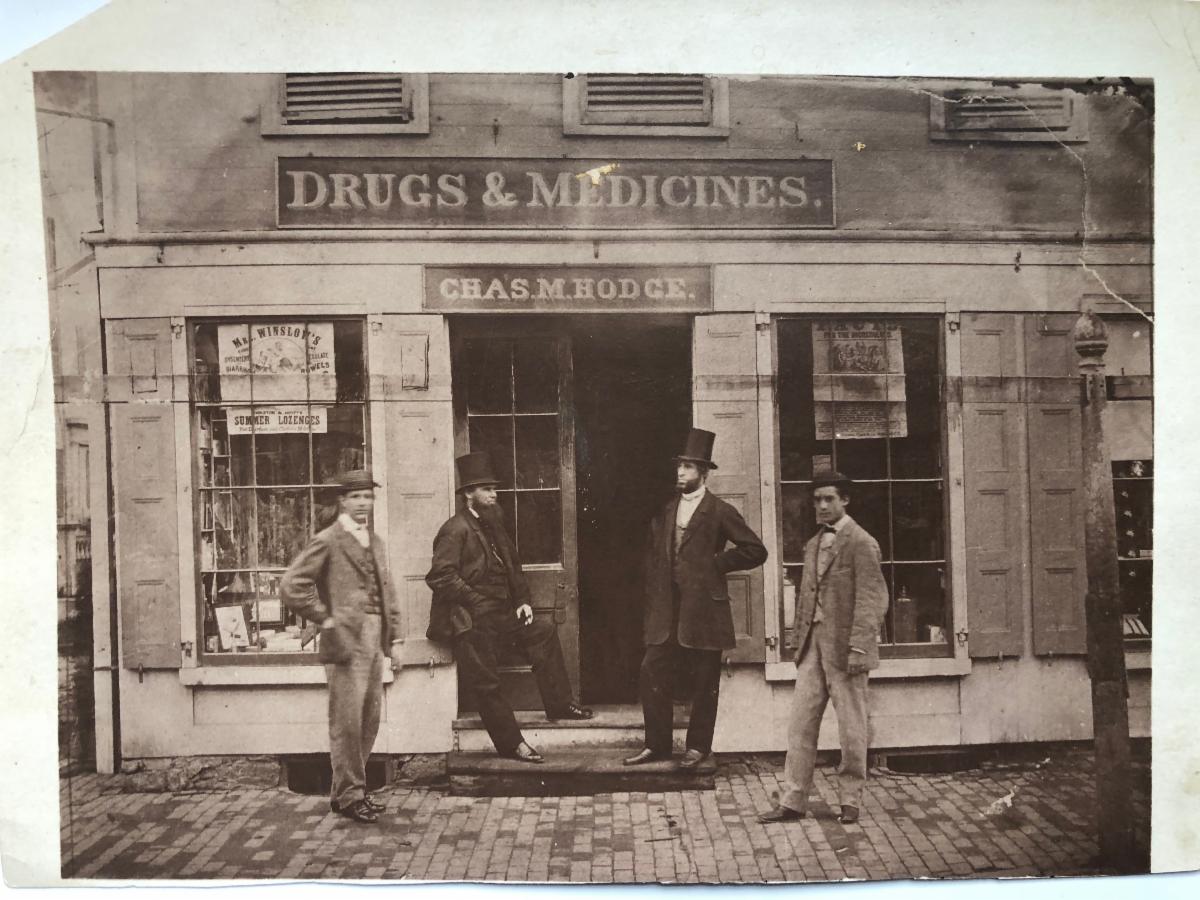
Charles M. Hodge
certainly did not buck tradition. The impressive show globe in our collection once belonged to him and would have stood proudly in his apothecary shop.
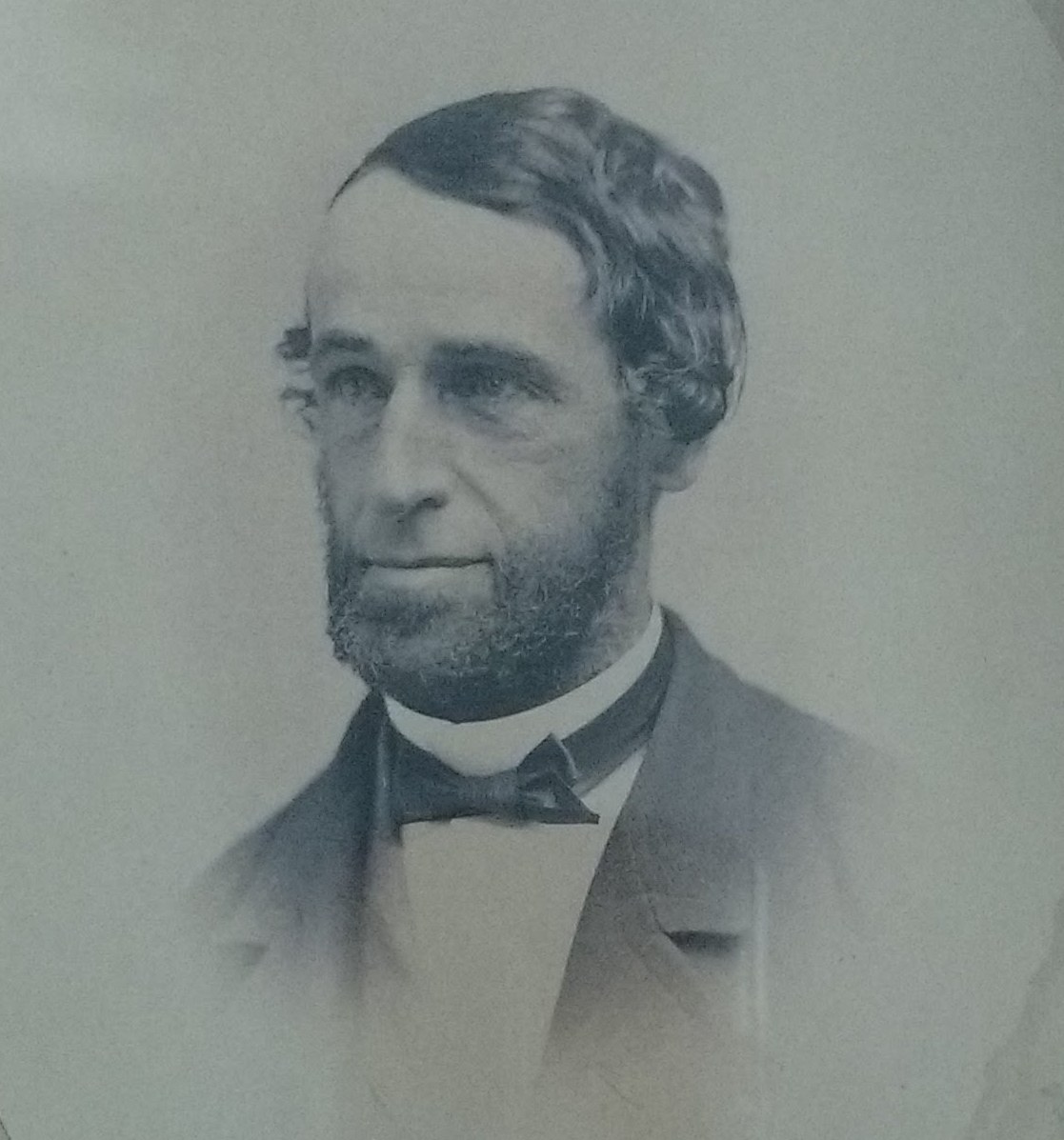
The 1849 Newburyport Directory shows that Hodge established his business at 63 State Street. He became well known and respected, running his store in the same location for decades.
A show glass of this size and intricacy is evidence of his business success and would have assured customers of his trusted reputation.
About Charles M. Hodge
He married
Caroline A. B. Williams
in 1845 and together they had two daughters. The family lived at 126 High Street, which was just around the corner from the apothecary shop.
After his death in 1894, Charles’s obituary notes that he was “a lover of the antique, and at his home on High Street, he had many articles that were of great value… Mr. Hodge was a man of quiet tastes, a thorough student and a most agreeable companion. He served four years in the Newburyport city council, of which he was a valued member.”
Hodge was also a talented craftsman. Next to the show globe in our collection sits an impressive model of Independence Hall in Philadelphia, which the druggist built in his spare time in honor of the 1876 Centennial.
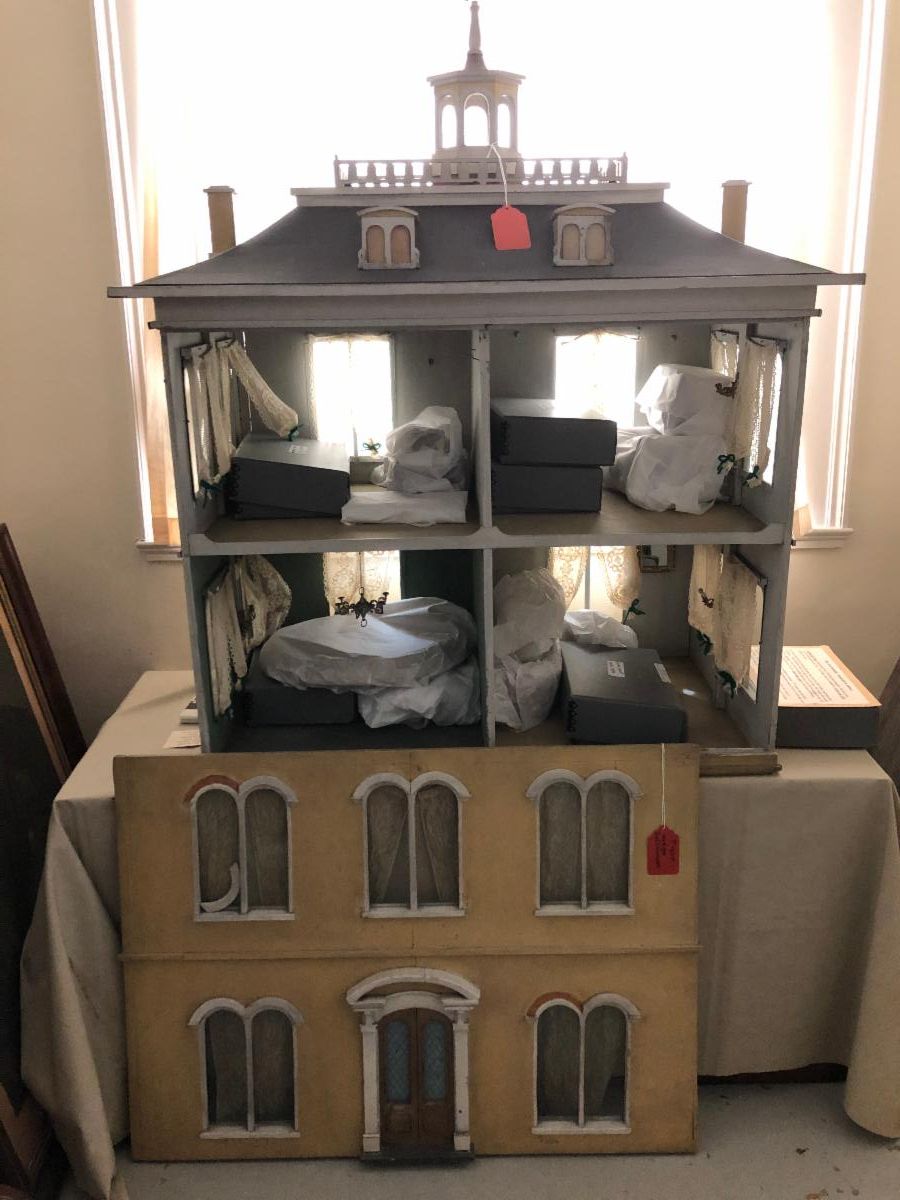
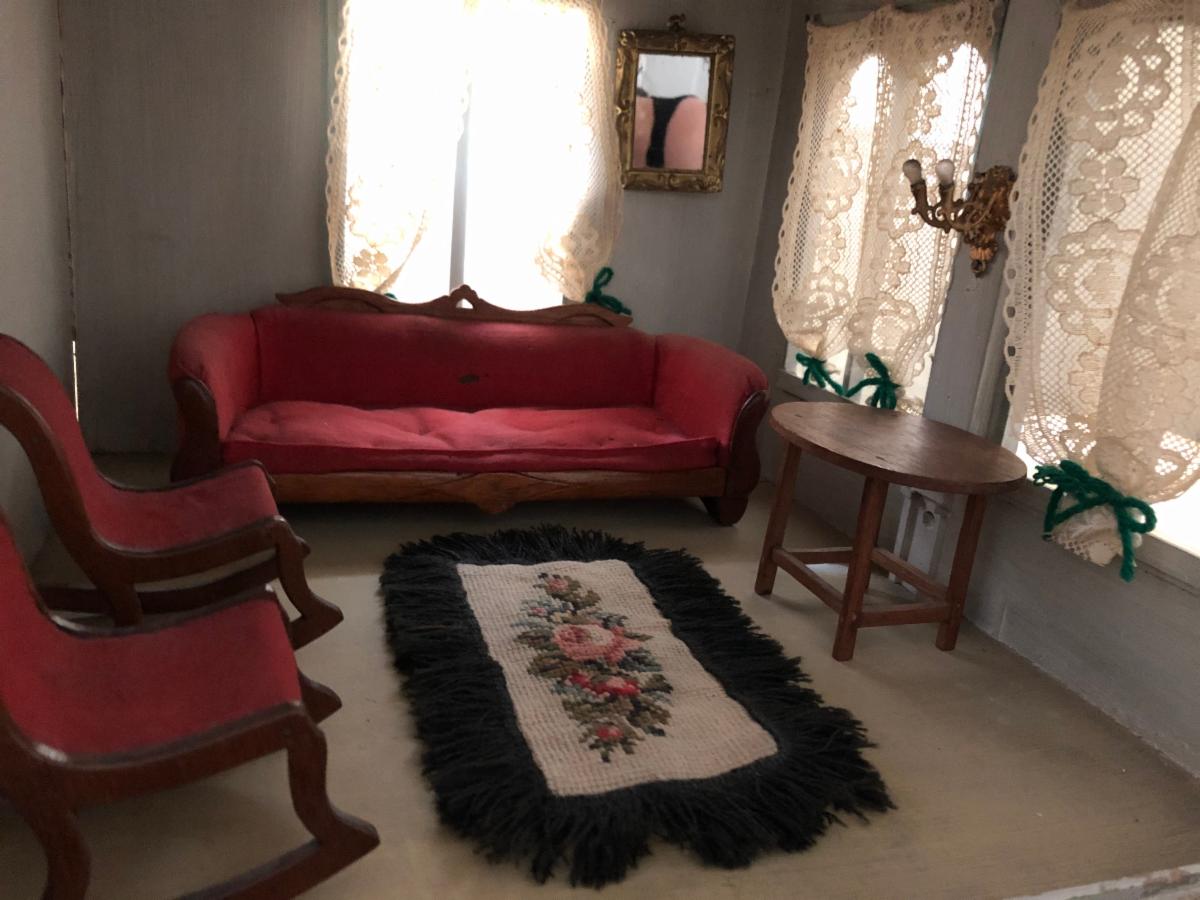
Nearby also stands a dollhouse that the doting father built for his two daughters, Annie and Effie, in 1865. He meticulously whittled and upholstered recreations of popular home furnishings for each room.
We owe thanks to
Effie Hodge Currier
(1857-1932), who protected these three delicate pieces and donated them to the museum for future preservation in remembrance of her father’s life and business in Newburyport.
Pictured top to bottom: Glass Show Globe; Annie & Effie Hodge's dollhouse; closeup of interior, featuring Charles' handiwork; Charles M. Hodge; and a nattily attired group of gentleman convening outside the State Street shop.