Why was ASIPP created...
and how has it evolved?
| | |
This video explores the origin, early development, and history of ASIPP. |
| | |
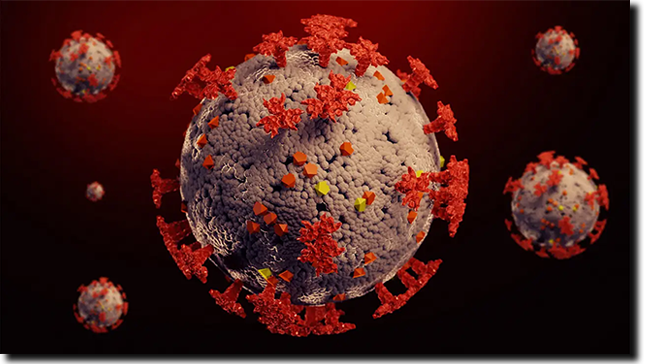
Spoiler: It's not COVID-19
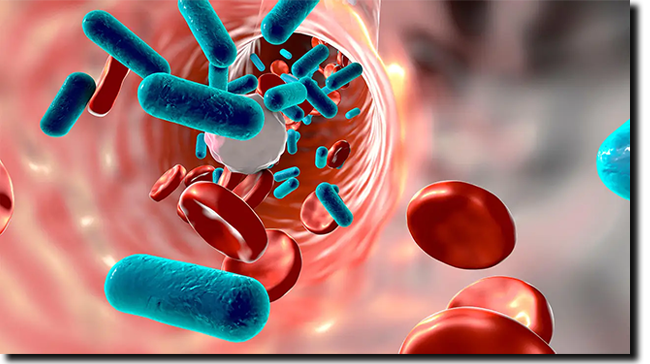
Recently, the Boston Globe's Jessica Bartlett asked me about sepsis for an excellent story published a few days ago. In her story, Bartlett investigates why sepsis cases have dramatically increased in Massachusetts (and likely elsewhere) in recent years.
What Sepsis Is and Is Not
First, we need to clear up the definition of sepsis. The definition of sepsis is rarely agreed upon, even by seasoned clinicians. Technically, the definition of sepsis is that it's the body's counterproductive response to infection. One physician described sepsis as a self-imposed scorched earth, rather than the destructive powers of infectious microbes themselves.
You'll hear other sepsis definitions (i.e., incorrect ones) bandied about, even by seasoned health and science professionals. Some of these overlap with true sepsis more than others. You'll hear that sepsis is when an infection spreads to the blood, or that sepsis is when an infection spreads to distant parts of the body. You might hear that sepsis is when an infection causes organ damage. All of these are incomplete, if not outright wrong. In the purest sense, sepsis is an autoimmune problem in response to an infection, not just the infection itself raging out of control.
Click here to read the full article.
| | |
The Opportunity:
- Well-established group seeking an interventional pain physician with pain fellowship training
- Comprehensive interventional pain management program with physicians, nurse practitioners, and two Ambulatory Surgery Centers
- Established interventional pain management practice with strong clinical and research focus
- High-volume practice that is ethical and fully legally compliant
- Research and publication opportunities available
- Early and generous partnership opportunities in both the practice and ASC
| |  | |
The Community:
- Excellent quality of life in a county of more than 60,000 residents, with a regional drawing area exceeding 200,000
- High standard of living with abundant recreational and social opportunities
- Strong public school system and a private parochial elementary school
- Convenient location: approximately 2.5 hours to Nashville and St. Louis; 3 hours to Memphis, Louisville, and Lexington
- Daily one-hour flights to major international hubs, including Chicago O’Hare and Houston, TX
| | Please email Cindy Jackson at cindy@thepainmd.com with your current CV to schedule an interview or to learn more about this practice. | | |
Having kids hear from people with lived experience can help move the needle
Every week in the pediatric emergency department, Dr. Stephen Sandelich watched the consequences of adolescent substance use arrive through the doors. Overdoses. Acute intoxication. Psychiatric crises triggered by substances that started as experimentation years earlier. And almost every time, somewhere in the history, there is a moment when prevention could have worked -- and didn't.
School-based prevention curricula have been heavily invested. Teachers and counselors have been trained. Awareness campaigns funded. And yet, adolescents continue to initiate substance use at younger ages, with fewer of them accessing treatment when problems emerge.
What if the most effective prevention tool isn't a curriculum at all?
A study, co-authored by Dr. Stephen Sandelich, published in Addiction Science & Clinical Practice, evaluated a school-based program called "Ignite & Engage," delivered by Rise Together, a peer-led recovery community organization based in the Midwest. Between 2014 and 2020, they surveyed over 10,000 middle and high school students across 240 schools who attended assemblies led by individuals in addiction recovery.
The results were striking.
Click here to read the full article.
| |
ASIPP is pleased to announce the launch of the Regenerative and Longevity Medicine Section!
This section reflects the growing importance of regenerative and longevity medicine—fields dedicated to restoring health, enhancing vitality, and extending the healthy years of life. From stem cell therapies and tissue engineering to gene therapy and orthobiologics, these disciplines are transforming the way we approach pain management and age-related decline.
Section membership offers:
- Access to ASIPP’s physician database and future data registry
- Opportunities for certification and continuing education
- Section-exclusive resources and updates
No additional cost for ASIPP members!
| | |
ASIPP is proud to launch our Resident and Fellow Mentorship Program. This initiative is designed to connect trainees with experienced pain physicians to foster professional growth, provide guidance, and strengthen the future of our specialty.
Each mentor would be paired with one to two trainees, but can take more if interested. Trainees will be responsible for initiating introductions and arranging at least one to two video calls per year. These sessions will provide opportunities for mentees to seek advice on clinical decision-making, career planning, research opportunities, and professional development.
We believe that your experience, expertise, and insight can have a lasting impact on the next generation of pain physicians. By volunteering as a mentor, you will play a critical role in shaping the future of our field and ensuring that ASIPP continues to cultivate excellence in interventional pain medicine.
If you are interested in serving as a mentor, please confirm your participation by filling out the appropriate form below.
| | |
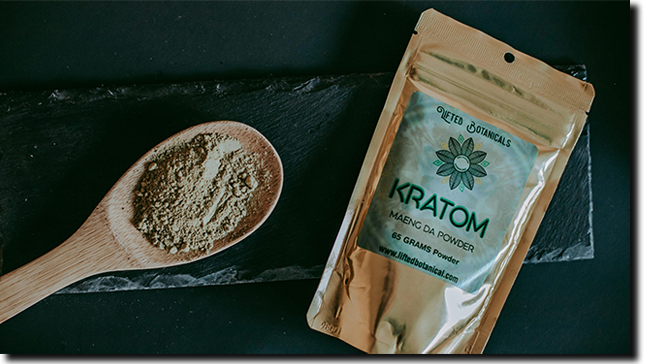
Calls to US poison centers involving kratom, a psychoactive substance widely sold in gas stations and vape shops, rose sharply over the past decade, reaching a record high in 2025, a new study showed.
An analysis of the National Poison Data System, which captures reports from 53 US poison centers, identified 14,449 kratom-related exposures between 2015 and 2025. Annual cases over the decade climbed from 258 to 3434, a roughly 1200% increase. The largest rise in reports was in adults aged 40-59 years, with rates comparable to younger adults for the first time.
The increase coincided with broader kratom availability and the emergence of higher-potency products that are largely unregulated at the federal level, the authors reported. The rise was also accompanied by parallel increases in hospitalizations and severe outcomes, including 233 deaths during the study period, most involving multiple substances.
Click here to read the full article.
| |
Despite BA.3.2's spread, XFG variants remain the overwhelming threat in 2025-2026 season
| | |
Apply now for one of the following dates:
April 18, May 23, & June 27, 2026
Four (4) hour virtual exam
- ABIPP Path – Combined CCPM/ CSM Exam
For those with subspecialty in Pain Medicine
Two (2) hour virtual exam
- ABIPP Competency Exam in IPM
For those without primary board certification
Two (2) hour virtual exam
- ABIPP Competency Exam in Regenerative Medicine
Two (2) hour virtual exam
- Controlled Substance Management Competency Exam
Two (2) hour virtual exam
- Documentation, Coding, Compliance, Practice Management Competency Exam
Two (2) hour virtual exam
| | | |
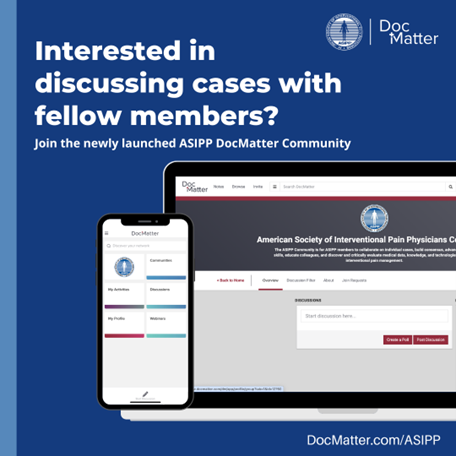
We're excited to let you know that the new ASIPP Community, hosted by DocMatter, is now live!
The ASIPP Community on DocMatter will serve as a place for members to collaborate around clinical and research topics to advance the care of their interventional pain patients.
Click here to be a part of the conversation!
| | |
Pain Medicine Case Reports (PMCR) and Editor-in-Chief Alaa Abd-Elsayed, MD, PhD would like to invite you to submit case reports and case series to the PMCR journal. Your article will be published free of charge.
Open access journals are freely available online for immediate worldwide open access to the full text of published articles. There is no subscription fee for open access journals. Open access journals are no different from traditional subscription-based journals: they undergo the same peer review and quality control as any other scholarly journal.
Interested in becoming a member of the PMCR Editorial Board?
Editorial board members are asked to review 2-6 manuscripts per year. Please submit your most up-to-date CV to sgold@asipp.org for consideration.
For more information or to submit your articles, click here.
| | |
We are excited to announce that Pain Medicine Case Reports (PMCR) journal (eISSN 2768-5152) has been accepted for inclusion in MEDLINE and PubMed, the prestigious bibliographic database of the U.S. National Library of Medicine. PMCR, a companion publication to the prestigious Pain Physician journal by ASIPP, joins its counterpart in achieving indexing in both MEDLINE and PubMed, marking ASIPP’s dual presence in these renowned databases.
The inclusion of PMCR journal in MEDLINE signifies a higher level of selectivity, as MEDLINE consists of the top 5,200 biomedical journals. This indexing also means that articles from PMCR will be searchable using NLM Medical Subject Headings (MeSH terms) and other metadata.
The selection for MEDLINE follows a rigorous evaluation process by reviewers from the Literature Selection Technical Review Committee (LSTRC). According to their criteria, the scientific quality of a journal’s content is the primary factor considered for indexing.
We extend our congratulations to the Pain Medicine Case Reports Editor-in-Chief, Deputy Editor-in-Chief, Journal Team, and Editorial Board for this achievement, which underscores the significance and excellence of this esteemed journal.
| | | | |
|
ASIPP is in collaboration with Curi Medical Liability Program
Since this malpractice insurance program officially launched in November 2018, ASIPP has signed up hundreds of providers with an average savings of 30%. This is professional liability insurance tailored to our specialty and will stand up for us and defend our practices.
Curi is a full-service advisory firm that serves physicians and their practices. Their valued advice is grounded in your priorities and elevated in your outcomes. They are driven by a deep understanding of your specific circumstances in medicine, business, and life. To read a few important points to keep in mind about the program, including discounts, administrative defense, cyber coverage, aggressive claims handling, and complimentary risk management CME activities, visit our website.
| | |
IMPORTANT UPDATE
SPR is happy to announce an important update regarding Humana Medicare Advantage. As of May 1, Humana is now recognizing SPRINT as a PNS therapy. Previously, SPRINT was categorized as PNT (Percutaneous Nerve Stimulation), which allowed denials on the grounds that the therapy fell outside the NCD.
Additional details are as follows:
Payer: Humana Medicare Advantage (click here to view policy)
Policy Title: Peripheral Nerve Stimulators
Policy changes: SPRINT no longer misclassified as PNT and is now appropriately classified as PNS. Humana is applying the Noridian Medicare LCD criteria to ALL PNS devices – Including SPRINT PNS!
Effective Date: 5/1/2025
Click here to view a PDF of the official policy update.
| | |
|
Group Purchasing Organization Offer Better Pricing and Creates Added Value
ASIPP has formed a partnership with Henry Schein and PedsPal, a national GPO that has a successful history of negotiating better prices on medical supplies and creating value-added services for independent physicians. Working with MedAssets, PedsPal provides excellent pricing on products like contrast media that alleviate some of the financial pressures you experience today.
Learn More
For updated information concerning tariffs on products, click here.
| | |
|
ASIPP, Fedora Healthcare Solutions Partnership
ASIPP offers our members the benefit of a unique revenue cycle management/ billing service.
We have received a tremendous amount of interest in the ASIPP billing and coding program.
Click here to learn more about the negotiated rate for practices and more!
| | |
Like and Follow ASIPP® on Facebook, X, LinkedIn,
and YouTube for the most up-to-date news
related to you, your practice, and your patients!
| | | | |