What You'll Find in this Newsletter | |
Advocacy: Support the Farm Bill & Voluntary Conservation
Conservation: Find Unsuspecting Beauty at Kendalls Grove
Education: What good is ragweed?
Upcoming Events
Philanthropy Corner: Make-A-Will Month
Chapter Spotlight: Kansas Audubon Chapters Feature
| |
Support the Farm Bill & Voluntary Conservation
The Farm Bill is our country’s largest investment in voluntary working-lands conservation on private lands. Farm bill programs work with producers in ways that are cost-effective and scalable to improve habitat on ranches, farms, and managed forests. These investments help recover wildlife populations, improve soil health, protect clean water, and strengthen rural economies.
With nearly half of U.S. land in agricultural production, working-lands conservation is one of the best hopes for birds.
The current draft of the Farm Bill preserves the U.S. Department of Agriculture (USDA) conservation funding, increases annual payment cap, and updates payment rates to incentivize enrollment. The bill also creates a new Forest Conservation Easement Program, which will provide funding for voluntary easements to keep forests working and sustainable for generations to come, while preventing conversion of private forestland to non-forest uses.
Additionally, it helps increase capacity for conservation delivery in the field through expedited hiring procedures by Natural Resources Conservation Service (NRCS) and expanding the types of organizations that can be awarded Regional Conservation Partnership Program (RCPP) funding.
Take action now to advance voluntary USDA programs that deliver real outcomes for birds, people, and working lands across the country.
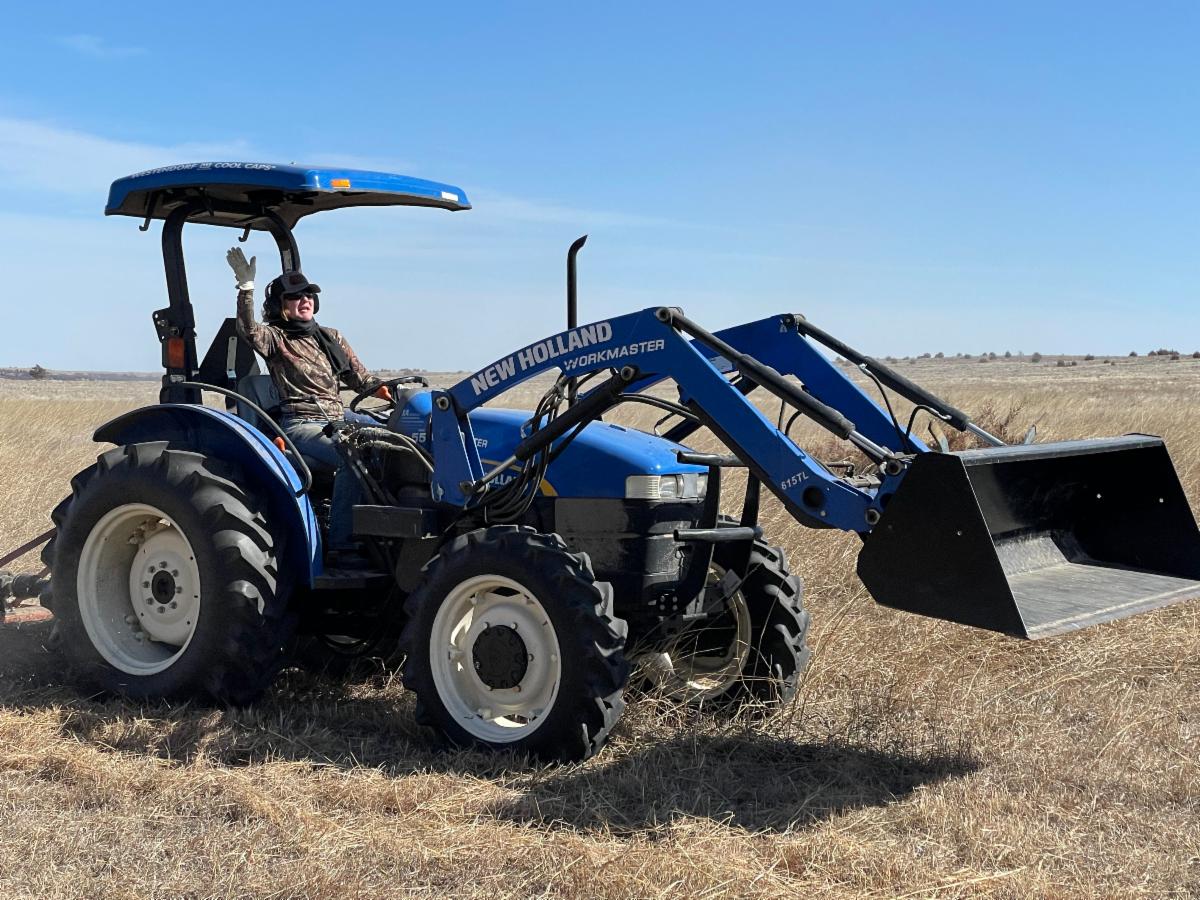
| | Photo: Former Hutton Niobrara Ranch Manager, Amy Meyer, enjoying the tractor while preparing a portion of the ranch for prescribed fire. The Farm Bill helps support conservation efforts of private lands, such as supporting prescribed fire. | | Find Unsuspecting Beauty at Kendalls Grove | | |
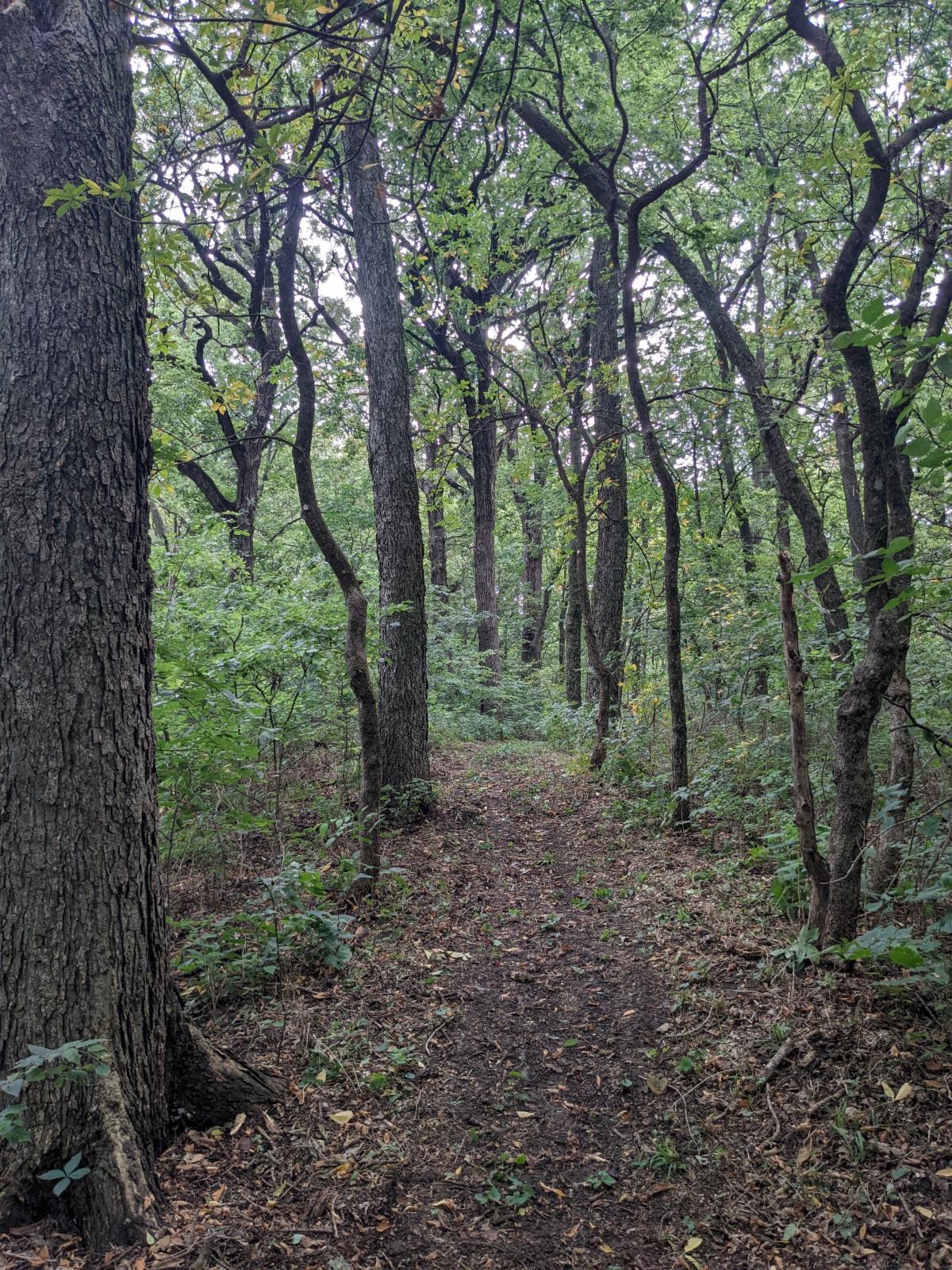
Donated in December of 2025 by Gary and Carolyn Haden, Far West Wildlife-Friendly Farm marks the most recent addition to the AOK Protected Areas Program. This Protected Area, which is broken into two individual properties, separated by about a mile and a half of land, is located in Morris County, Kansas. The northern property, which is closed to the public, consists of rangeland, agricultural plots, restored grasslands, and forest that grow along the banks of Clarks Creek, meandering in and out of the western boundary of the property. The southern property, Kendalls Grove, is a little more unique.
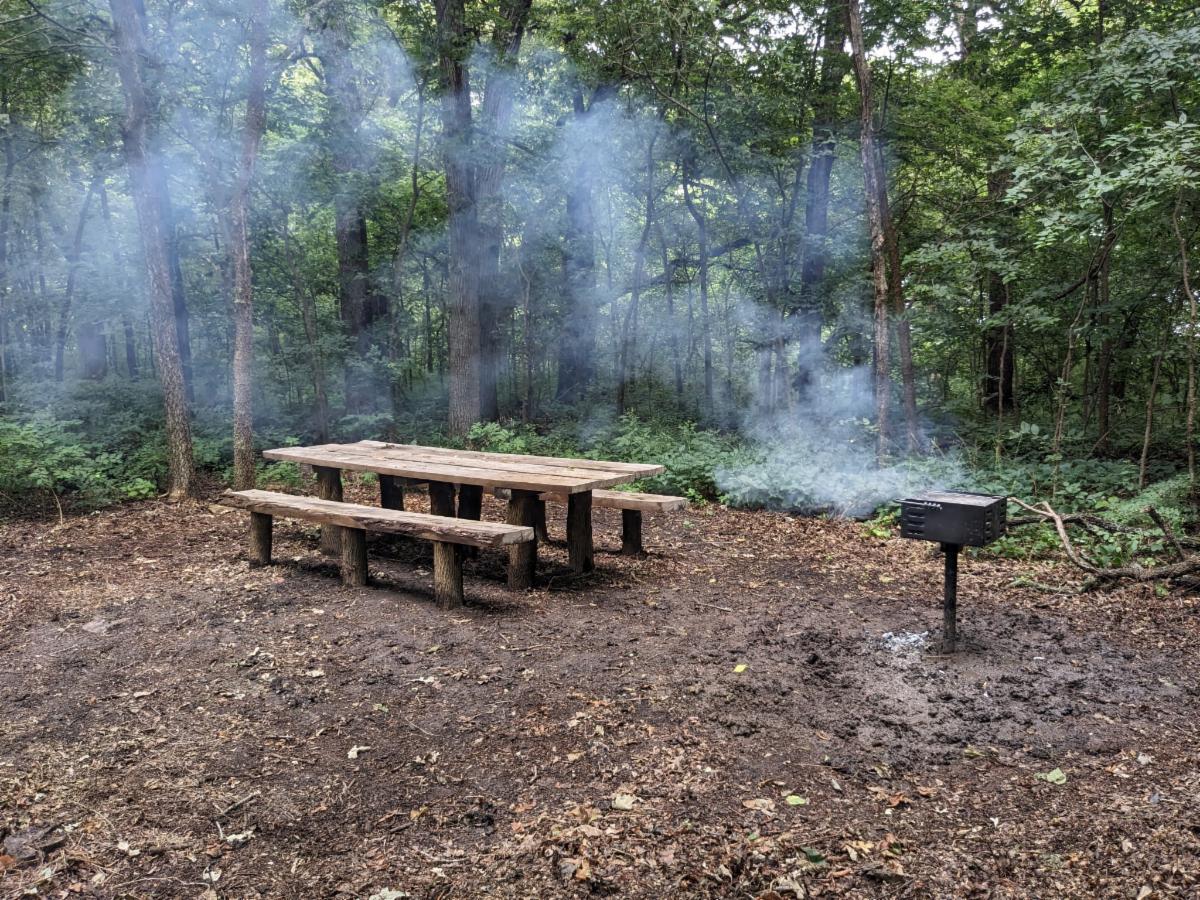
Open daily from dawn until dusk, Kendalls Grove is roughly eighty acres of mixed agricultural land and mature woodlands nestled in a floodplain along Clarks Creek - hosting a variety of bur oak, hackberry, American elm, black walnut, green ash, Kentucky coffeetree, and Ohio buckeye trees. This summer, the AOK Protected Areas crew has been hard at work making improvements to the area. Following the construction of a picnic table with fallen timber from the property, a steel charcoal grill has recently been installed for visitors to use and enjoy. The existing one-mile hiking trail has also been cleared and widened to improve comfort and accessibility throughout the year.
This new picnic area, and improvements to the trail corridor are just the beginning of a series of enhancements we hope to perform at the property. Expansions to the trail system, grassland restoration, and timber stand improvements to promote the growth of desirable tree species are all lofty goals we hope to achieve. These improvements do not happen easily, though, and with limited staff and resources, we look to partner with agencies such as the Natural Resources Conservation Service, the Kansas Forest Service, Kansas Trails Inc., and Evergy’s Green Team for technical assistance and the financial support that make it all possible.
| | Whether local, or just stopping by, a trip to Kendalls Grove is well worth your time. Come experience the unsuspecting beauty of forests in central Kansas. | | |
Story and photo by Dr. Jackie Augustine, AOK Executive Director
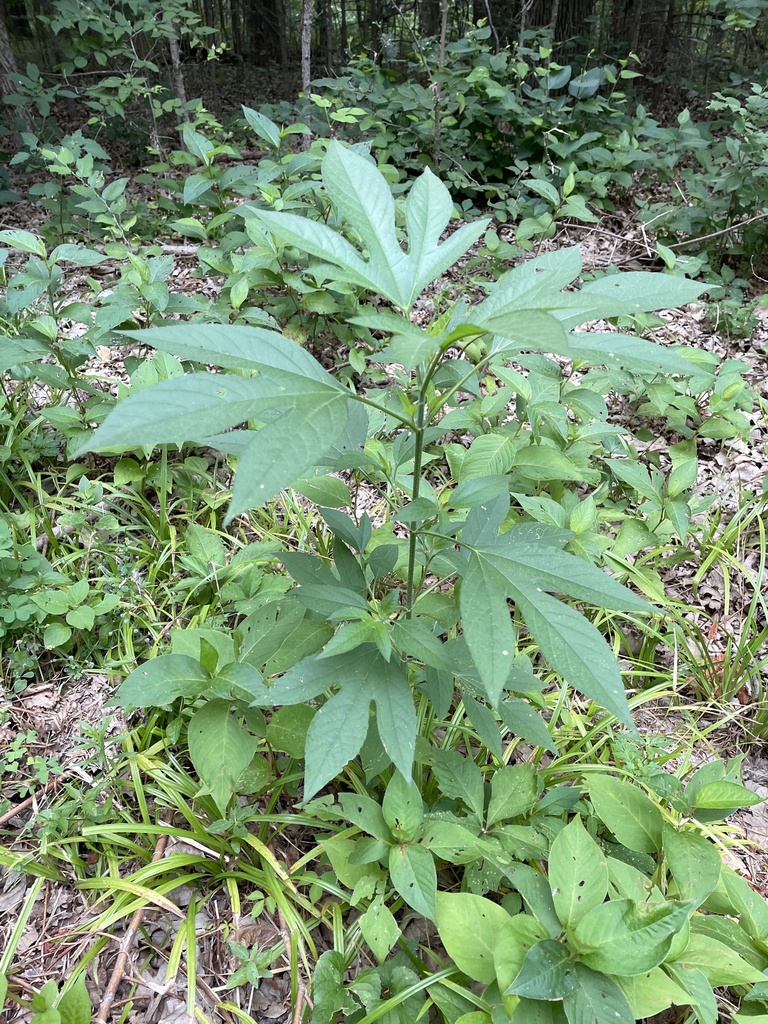
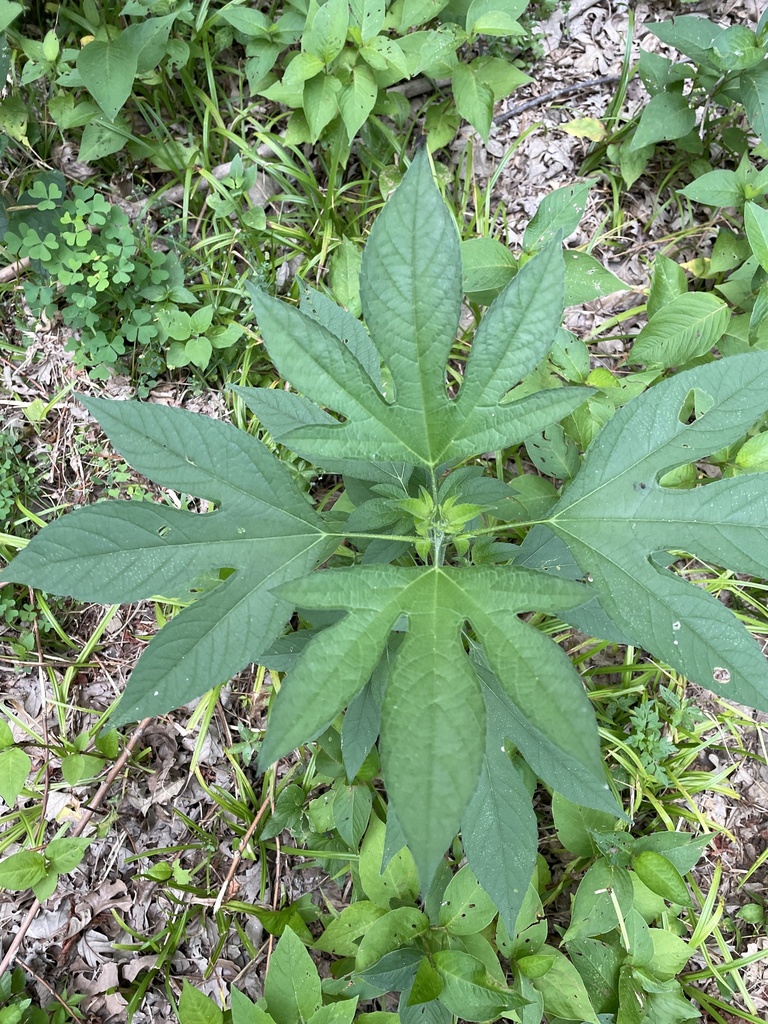
Late summer in Kansas means hot temperatures that are sometimes unbearable. To add to the misery, many suffer from seasonal allergies. Ragweed pollen causes stuffy and running noses, sneezing, itchy eyes, or asthma symptoms in about 25% of the population in North America. Unfortunately, various ragweed species are now invasive in Europe and Asia and herbicide resistant varieties are evolving.
However, ragweed also has many redeeming qualities where it is native in North America if you broaden your view beyond the species’ impact on humans. As with most native species, there are insects that require ragweed to reproduce. They include a fruit fly, a leaf beetle, leaf miners, and a moth whose larvae make stem galls.
In summer, deer and rabbits love eating the leaves. In winter, ragweed’s strong stems keep the plants upright and their seeds accessible even in heavy snow. The seeds are exceptionally rich in crude fat and boast a 47% protein content. Finches and a wide variety of other birds relish their seeds.
| | Giant Ragweed at Far West Wildlife-Friendly Farm | |
Aug 11 | Youth Program: Dinosaurs still exist!
Rock County Public Library
201 E Bertha St
Bassett, NE 68714
2:00 PM
This program for children will feature reading the book, Dinosaurs are not extinct! by Drew Sheneman. Afterwards, we will chart the similarities between birds and dinosaurs, look at feathers, and act like dinosaurs.
Sept 1 | Public Talk: Celebrating Cranes
Parsons Arboretum
S 21st St & Briggs Ave
Parsons, KS 67357
7:00 PM
Cranes are large charismatic species that have inspired cultures around the world. North America supports two crane species: the abundant Sandhill Crane and the rare Whooping Crane. Dr. Jackie Augustine, AOK Executive Director, will discuss crane biology and conservation with a special emphasis on cranes in Kansas.
|
| |
September 20 | Mount Mitchell Heritage Prairie Park Open House
Wamego, KS
This special event is a celebration of the Audubon of Kansas / Mount Mitchell Prairie Guards partnership and will feature a prairie walk led by Dr. Jesse Nippert, grassland ecology expert and Distinguished Professor at Kansas State University.
September 26 & 27 | Birds & Brews Membership Drive at Sandhills Brewing
Mission, KS
| | |
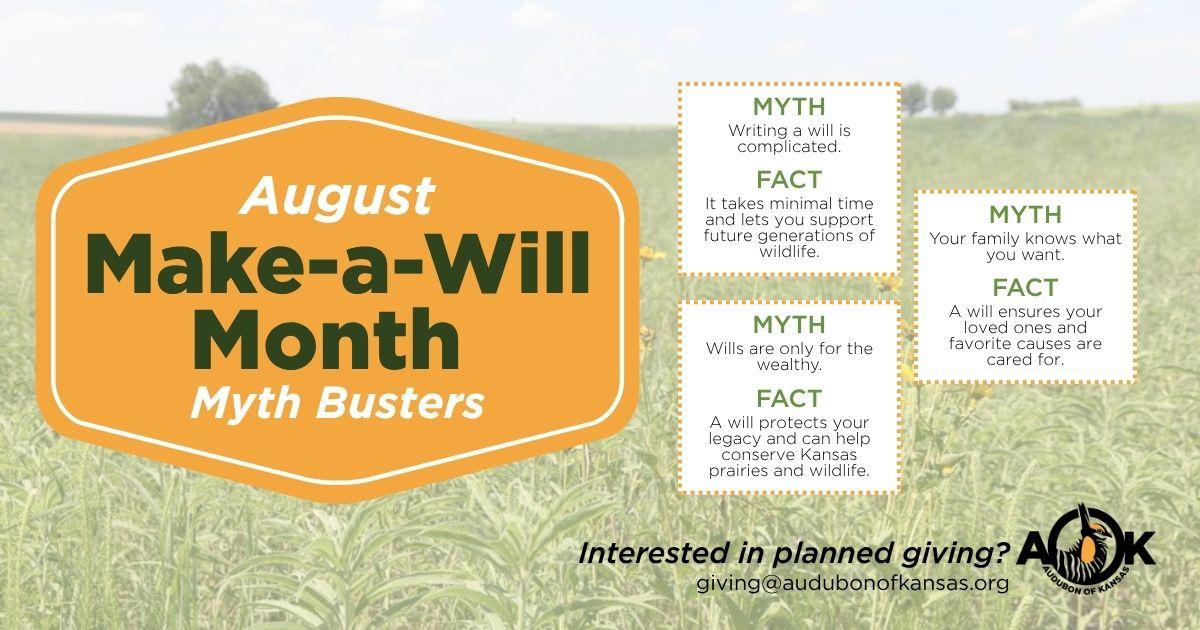
Did you know that August is Make-a-Will Month?
Creating a will is one of the most meaningful steps you can take towards protecting the people, places, and causes you love. A will gives you the chance to make your wishes known. Having an up-to-date estate plan provides peace of mind and helps protect those closest to you.
If protecting wildlife and the central Great Plains has been an important part of your life, you might consider including Audubon of Kansas in your plans. A legacy gift of any size can help provide lasting support for habitat conservation, advocacy, and environmental education, helping safeguard these lands for generations to come.
Whether you’re drafting a will for the first time or updating an existing one, Make-a-Will Month is the perfect time to plan for the future.
Interested in learning more?
Reach out to Kathryn Chambers, Director of Philanthropy.
| |
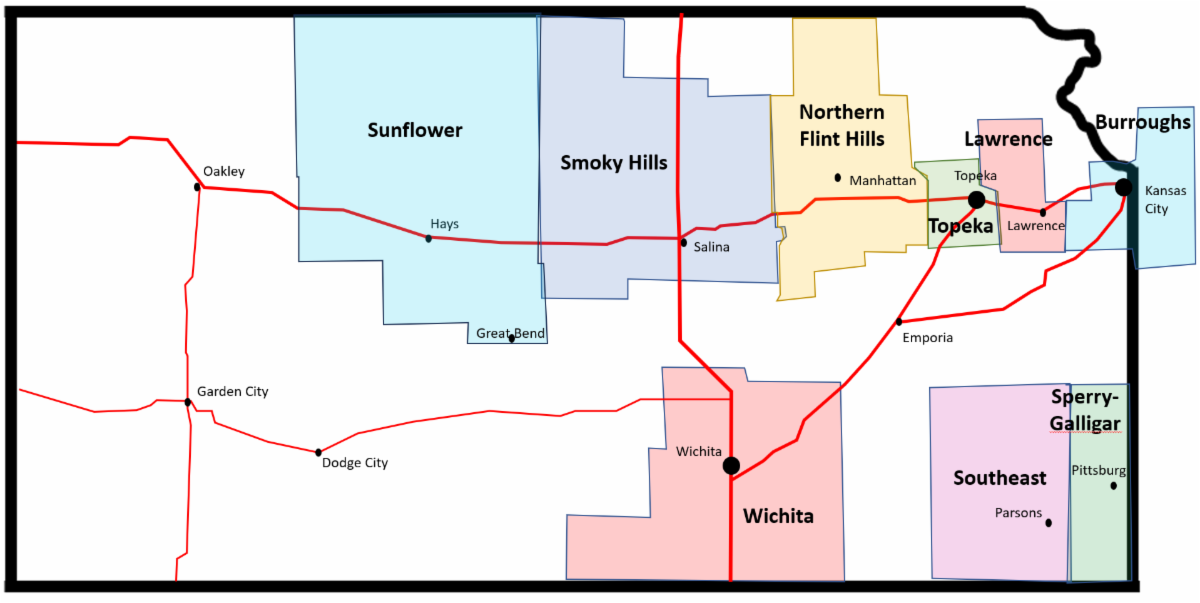
The Kansas Chapters
Did you know there are nine (9) Audubon chapters in Kansas? Find the one closest to you and get involved!
Learn more about each chapter:
| | | | |