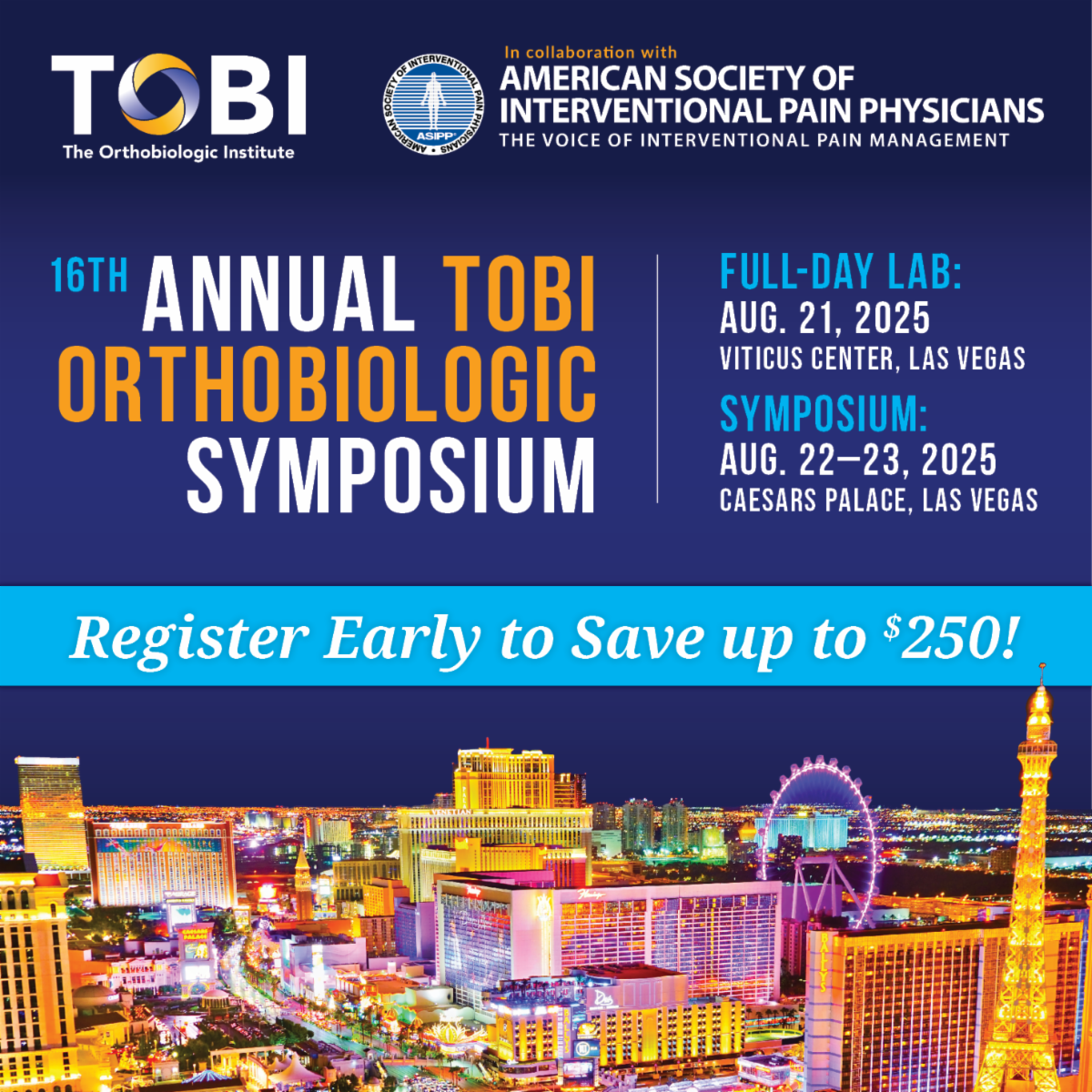
We would love it if you would
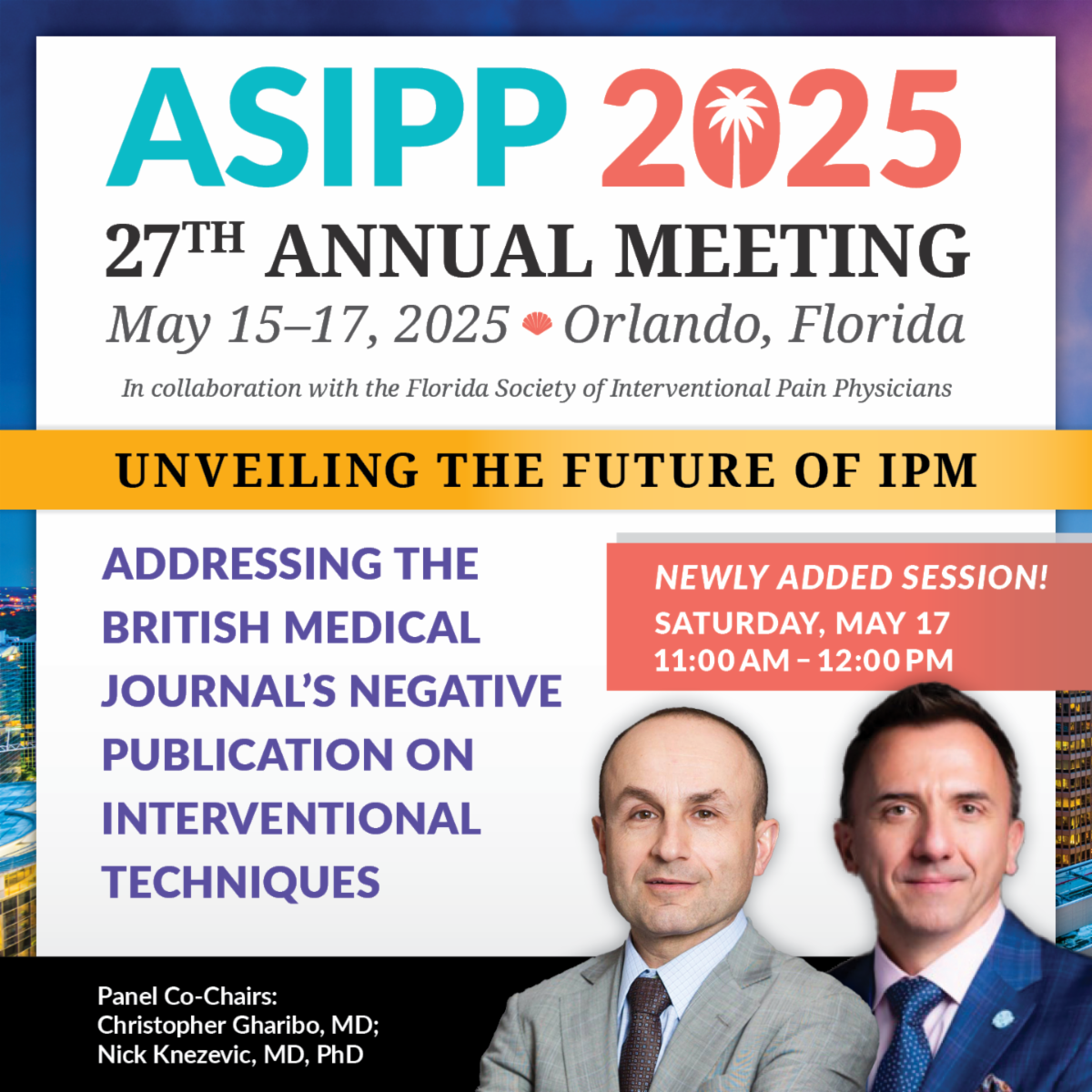
register and join us in Orlando!
| |
Leaders must commit to a startup mentality, building from the ground up
Over the past couple of years, the healthcare industry has taken modest but promising steps in its long-overdue efforts to revamp electronic health record (EHR) systems. These important platforms help clinicians and other healthcare professionals access and manage patient information and communicate with providers and health plans, among many other things.
Two of the largest EHR companies, Epic and Oracle Cerner, have adopted distinct technology strategies when it comes to artificial intelligence (AI). While Epic has partnered with external technology companies to integrate AI capabilities into its EHR systems, Oracle Cerner has developed its own AI capabilities, introducing the Oracle Clinical Digital Assistant to automate documentation and administrative tasks. These divergent strategies have sparked discussions among healthcare technologists regarding the most effective path forward in integrating AI into EHR systems.
Proponents of Epic's approach argue that leveraging existing systems and integrating new technologies through partnerships allows for incremental improvements without the risks associated with overhauling established infrastructures. Many believe that starting from scratch is a fool's errand, given the staggering level of complexity needed to comprehensively support the information management needs of even a single health system.
Read More
| | ASIPP Advocacy Update: 2025 Capitol Hill Visit | | |
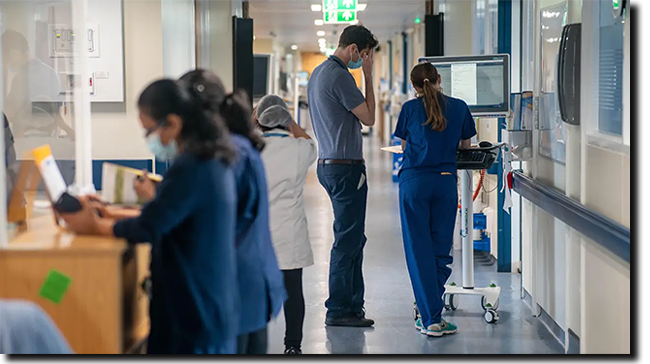
Doctors' leaders have called for more research into the effectiveness of back pain treatments after a study found that only about 10% of common non-surgical and non-interventional treatments are likely to provide relief.
The study, published in BMJ Evidence-Based Medicine , found that many studies were of poor quality and included limited numbers of participants.
Professor Kamila Hawthorne, chair of the Royal College of General Practitioners (RCGP), said doctors "want to be confident that the interventions we recommend or prescribe are working."
Read More
| |
IMPORTANT Update on Telehealth Legislation!!
The continuing resolution which includes telehealth coverage extension has passed both chambers and has been signed by the President!
| |
|
Progress in managing depression has far outpaced management of opioid use disorder
Six decades ago, researchers identified two transformative medical strategies that provided immense hope for managing two major public health problems. One was introducing the concept that depression originated from altered levels of brain chemicals; the other was determining that addiction to opioid drugs like heroin could be managed or even cured through treatments that targeted opioid physical dependence.
Since then, we've seen major success with the management of clinical depression with seven different classes of medications, 30 formally approved compounds, and several more newly identified mechanisms and medications under development. We've also systematically determined which medications should serve as first-, second-, and third-line treatments, recognizing that 60% of patients do not respond optimally to their first treatment and can be effectively shifted to the next line of treatment.
Perhaps just as important, mental health advocates have greatly reduced the stigma associated with depression through major campaigns involving high-profile celebrities and athletes who proudly and openly share they have "survived depression." Of course, we still have a large percentage of patients with treatment-resistant disease. But we've made tremendous progress on helping countless patients manage or even overcome their illness, and have demonstrated compassion as a society towards people afflicted with this condition.
Read More
| | |
New 2025 Dates
Mark your calendars!
April 26, May 31, & June 28
Four (4) hour virtual exam
- ABIPP Path – Combined CCPM/ CSM Exam
For those with subspecialty in Pain Medicine
Two (2) hour virtual exam
- ABIPP Competency Exam in IPM
For those without primary board certification
Two (2) hour virtual exam
- ABIPP Competency Exam in Regenerative Medicine
Two (2) hour virtual exam
- Controlled Substance Management Competency Exam
Two (2) hour virtual exam
- Documentation, Coding, Compliance, Practice Management Competency Exam
Two (2) hour virtual exam
| | |
Could low-grade inflammation play a role in Alzheimer's and dementia?
Long-term use of non-steroidal anti-inflammatory drugs (NSAIDs) was tied to a decreased risk of dementia, data from the prospective Rotterdam Study showed.
Over an average follow-up of 14.5 years, use of NSAIDs for 24 months or longer was associated with a 12% lower risk of dementia compared with non-use (HR 0.88, 95% CI 0.84-0.91), reported M. Arfan Ikram, MD, PhD, of Erasmus University in Rotterdam, the Netherlands, and co-authors.
The cumulative dose of NSAIDs, however, was not associated with decreased dementia risk, Ikram and colleagues noted in the Journal of the American Geriatrics Society.
Read More
| | - ASIPP Members Only Site Information - | |
-
To log in for the first time you will need to click “forgot password” at the bottom of the login window.
- Check your email and then log in as directed.
-
If you have problems logging into your account, click here.
| | |
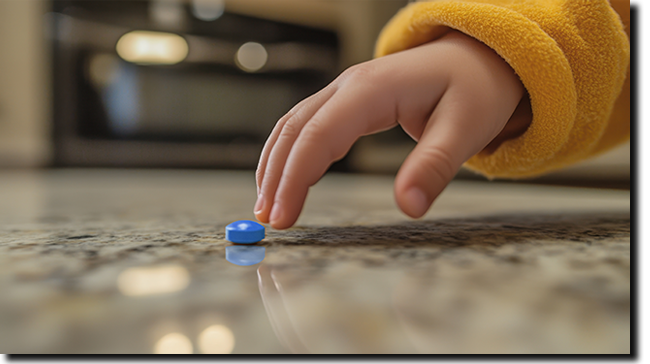
Nonfatal pediatric fentanyl exposures surged by almost 1200% between 2015 and 2023 in the United States and life-threatening effects increased by 180%, a new study showed.
METHODOLOGY:
- Researchers conducted a repeated cross-sectional study examining characteristics of nonfatal pediatric fentanyl exposures reported to poison centers in 49 US states between 2015 and 2023.
- The analysis included 3009 nonfatal pediatric fentanyl exposures (58% boys). 59% of patients were aged 13-19 years, and 41% were aged 0-12 years.
- Data were obtained through the Researched Abuse, Diversion and Addiction-Related Surveillance System Poison Center Program.
Read More
| |
|
Fewer people are dying from drug overdoses in British Columbia (BC), although this decline has not taken place in every part of the province.
According to the BC Coroners Service, 152 overdose deaths were reported in January, making it the fourth consecutive month in which the number of overdose deaths was below 160.
Unfortunately, the decline did not continue in communities within the Fraser Health and Interior Health regions.
It is too soon to start calling this decline a trend, experts cautioned, and overdose deaths are still too high.
Read More
| | |
Pain Medicine Case Reports (PMCR) and Editor-in-Chief Alaa Abd-Elsayed, MD, PhD would like to invite you to submit case reports and case series to the PMCR journal. Your article will be published free of charge.
Open access journals are freely available online for immediate worldwide open access to the full text of published articles. There is no subscription fee for open access journals. Open access journals are no different from traditional subscription-based journals: they undergo the same peer review and quality control as any other scholarly journal.
Interested in becoming a member of the PMCR Editorial Board?
Editorial board members are asked to review 2-6 manuscripts per year. Please submit your most up-to-date CV to sgold@asipp.org for consideration.
For more information or to submit your articles, click here.
| | |
We are excited to announce that Pain Medicine Case Reports (PMCR) journal (eISSN 2768-5152) has been accepted for inclusion in MEDLINE and PubMed, the prestigious bibliographic database of the U.S. National Library of Medicine. PMCR, a companion publication to the prestigious Pain Physician journal by ASIPP, joins its counterpart in achieving indexing in both MEDLINE and PubMed, marking ASIPP’s dual presence in these renowned databases.
The inclusion of PMCR journal in MEDLINE signifies a higher level of selectivity, as MEDLINE consists of the top 5,200 biomedical journals. This indexing also means that articles from PMCR will be searchable using NLM Medical Subject Headings (MeSH terms) and other metadata.
The selection for MEDLINE follows a rigorous evaluation process by reviewers from the Literature Selection Technical Review Committee (LSTRC). According to their criteria, the scientific quality of a journal’s content is the primary factor considered for indexing.
We extend our congratulations to the Pain Medicine Case Reports Editor-in-Chief, Deputy Editor-in-Chief, Journal Team, and Editorial Board for this achievement, which underscores the significance and excellence of this esteemed journal.
| | |
Shemar Crawford, MD, Mateusz Graca, MD, Robin Mata, DO, and Danielle Horn, MD
Abstract
BACKGROUND: Chronic shoulder pain is one of the most common musculoskeletal complaints in a primary care setting, with a worldwide prevalence ranging from 10.8% to 55.2%. Peripheral nerve stimulation (PNS) was discovered in the 1960s; however, it is a newly emerging treatment for chronic shoulder pain secondary to rotator cuff pathology.
METHODS: Patients in these studies had chronic shoulder pain, lasting 12 months or more, attributable to rotator cuff etiology. The search was limited to studies published between 2010 and 2023.
RESULTS: All 4 studies reported a substantial reduction in pain ranging from 40% to 100%, observed between 42 and 407 days post-PNS placement. Three patients also noted a 29% to 75% reduction in opioid use.
CONCLUSIONS: Preliminary studies suggest that PNS may be an effective treatment option for chronic shoulder pain due to rotator cuff etiology. To accurately assess the effect of PNS on chronic shoulder pain due to rotator cuff pathology significantly more data, including prospective trials, are required and warrant pursuit.
KEY WORDS: Peripheral nerve stimulator; PNS; chronic shoulder pain; shoulder pain; rotator cuff; rotator cuff tear
Read More
| | |
YouMi Hwang, MD, PhD, and So Young Kwon, MD, PhD
Abstract
BACKGROUND: Neuropathic pain occurs for various reasons involving adenosine receptors. One of several drugs used to control neuropathic pain is amitriptyline, a tricyclic antidepressant. Amitriptyline has an antinociceptive effect on the A3 adenosine receptor (A3AR). However, the exact mechanisms underlying A3AR activation remain unclear.
OBJECTIVES: By investigating the effects of amitriptyline on neuropathic pain mitigation and its impact on inflammatory pathways via A3AR activation, we aimed to provide novel insights into the potential mechanisms of action of amitriptyline in neuropathic pain management. These insights could potentially revolutionize the way we understand and treat neuropathic pain.
STUDY DESIGN: We used Sprague-Dawley rats for the neuropathic pain models. The rats were sorted into the sham (control), neuropathic pain (NP+NS), and neuropathic pain and amitriptyline (NP+AMI) groups. Each group consisted of 8 rats. This design allowed us to compare the effects of amitriptyline on neuropathic pain in a control group and a group that experienced neuropathic pain without amitriptyline treatment.
SETTING: St. Vincent’s hospital, research institute of medical science.
METHODS: Normal saline and amitriptyline were injected intraperitoneally into rats using a subcutaneously implanted osmotic pump. A week after the procedure, nuclear factor kappa B (NF-kB) and a related proinflammatory cytokine (TNF-a) were quantified using immunoblotting or reverse-transcription PCR.
RESULTS: Our results brought positive news. The NF-kB concentrations of the groups were not different from one another, indicating a stable baseline. The control and NP+NS groups showed relatively increased activation of the mu-opioid receptor (MOR) and proinflammatory cytokines, including TNF-a, but demonstrated no intergroup difference. However, the MOR and TNF-a concentrations were markedly lower in the NP+AMI group than in the control or NP+NS groups (P = 0.02, 0.002, respectively). This difference suggests a potential for amitriptyline to reduce inflammation. The paw withdrawal threshold test revealed a recovery response to mechanical allodynia for the NP+AMI group (P < 0.05), indicating a positive impact on neuropathic pain.
LIMITATIONS: The experiment involved only a few mice, so the results may not be generalizable.
CONCLUSIONS: The release of proinflammatory cytokines via NF-kB expression and subsequent inflammatory responses is significantly associated with the development of neuropathic pain. Our study reveals that AMI effectively suppresses NF-kB-related proinflammatory cytokines, offering a promising avenue for treating pain related to peripheral nerve injuries. These findings provide valuable insights into neuropathic pain management.
KEY WORDS: amitriptyline, neuropathic pain, NF-kB, TNF- a
Read More
| | |
Kas Amirdelfan, MD, David Provenzano, MD, Cong Yu, MD, Paul Verrills, MD, Ricardo Vallejo, MD, PhD, Maged Guirguis, MD, Jordan Tate, MD, and Kerry Bradley, MS
Abstract
BACKGROUND: Paresthesia-based spinal cord stimulation (SCS) depends upon dorsal column (DC) fiber activation to engage pain-relieving neural mechanisms. However, the mechanisms for 10-kHz paresthesia-free SCS have not been fully elucidated. Preclinical work has shown selective drive of inhibitory dorsal horn neurons, while other hypotheses suggest that DC fibers may be activated. To provide clinical data for guiding mechanism work, we analyzed paresthesia perception thresholds (PPT) over a range of low to high kHz frequency and compared those values to the stimulation parameters from the therapeutic 10-kHz SCS programs used by patients.
OBJECTIVE: The goal of this study was to provide clinically relevant stimulation parameters for translational mechanism work.
STUDY DESIGN: Retrospective chart review of technical data collected during baseline evaluation from two prospective clinical studies.
SETTING: Acute outpatient follow-up.
METHODS: Data were extracted from study files of enrolled patients who had used fully implanted SCS for at least 3 months with leads positioned in the epidural space at the T8-T11 vertebral levels to treat their chronic intractable back and/or leg pain. PPTs had been measured using a bipole program at 10 kHz at pulse width (PW) = 30 µs, and at 50 Hz, 500 Hz, 1 kHz, and 5 kHz at PW = 80 µs. Therapeutic stimulation amplitudes for 10 kHz at 30 µs were obtained from patients’ IPG log files at the time of study enrollment.
RESULTS: PPTs were obtained from 23 patients with failed back surgery syndrome (11 M/ 12 F; 60 ± 15 years old). PPTs at PW = 80 µs were PPT (50 Hz) = 7.9 (5.7 - 9.7) mA, PPT (500 Hz) = 7.0 (5.2 - 9.1) mA, PPT(1 kHz) = 7.0 (5.5 –-8.5) mA, and PPT (5 kHz) = 6.1 (4.1- 7.9) mA; all higher frequencies had statistically significantly lower PPTs than PPT(50 Hz at 80 µs). For 10 kHz at 30 µs, the PPT was higher than 15 mA for 13 (56%) of the subjects; for the remaining 44%, the PPT = 8.3 ± 4.0 mA was statistically significantly larger than the therapeutic stimulation pulse amplitudes = 2.4 ± 0.4 mA.
LIMITATIONS: Retrospective chart review, small number of patients.
CONCLUSIONS: Therapeutic 10-kHz SCS uses stimulation amplitudes far lower than the PPT, providing evidence that therapeutic 10-kHz SCS does not activate dorsal column axons. Additionally, the PPT decreases with increasing kHz frequency, suggesting that a presumed asynchronous pattern of activation from kHz stimulation does not raise the threshold at which sensation occurs.
KEY WORDS: Kilohertz, frequency, paresthesia, perception threshold, spinal cord stimulation
Read More
| | |
ASIPP is now in collaboration with Curi Medical Liability Program
Since this malpractice insurance program officially launched in November 2018, ASIPP has signed up hundreds of providers with an average savings of 30%. This is professional liability insurance tailored to our specialty and will stand up for us and defend our practices.
Curi is a full-service advisory firm that serves physicians and their practices. Their valued advice is grounded in your priorities and elevated in your outcomes. They are driven by a deep understanding of your specific circumstances in medicine, business, and life. To read a few important points to keep in mind about the program, including discounts, administrative defense, cyber coverage, aggressive claims handling, and complimentary risk management CME activities, visit our website.
| | |
|
Group Purchasing Organization Offer Better Pricing and Creates Added Value
ASIPP has formed a partnership with Henry Schein and PedsPal, a national GPO that has a successful history of negotiating better prices on medical supplies and creating value-added services for independent physicians. Working with MedAssets, PedsPal provides excellent pricing on products like contrast media that alleviate some of the financial pressures you experience today.
Learn More
| |  |
|
ASIPP, Fedora Healthcare Solutions Partnership
ASIPP offers our members the benefit of a unique revenue cycle management/ billing service.
We have received a tremendous amount of interest in the ASIPP billing and coding program.
Click here to learn more about the negotiated rate for practices and more!
| | Like and follow ASIPP® on Facebook, X, LinkedIn, and YouTube for the most up-to-date news related to you, your practice, and your patients! | | | | |