|
When my kids were younger, Thanksgiving meant a four to four and a half hour drive to my parents' house. And it meant packing the car with a lot more than suitcases.
Our family's Thanksgiving was very traditional. Turkey, stuffing, all the classics. It was lovely, but it wasn't what my kids liked to eat.
Trent was easy enough. We could usually find something for him, and if not, someone could make him a grilled cheese.
Megan was another story. She was much more particular, so we brought her food with us. Her oatmeal. Her chicken fingers. Her Nutri-Grain bars and the snacks we knew she would eat. The oatmeal had to be her brand, too. If someone picked up the store brand to be helpful, she wouldn't touch it.
Not everyone wants the turkey, and that's okay. For Megan, having her own foods was what made her comfortable enough to enjoy the day.
And we always had to check the ketchup. As my parents got older, things would sit in their fridge longer than they realized. A bottle of mayonnaise, a salad dressing, the ketchup. So when we arrived, we'd quietly check the dates on everything. It was a delicate thing. You don't want to insult anyone, but you also don't want anyone getting sick over the holiday.
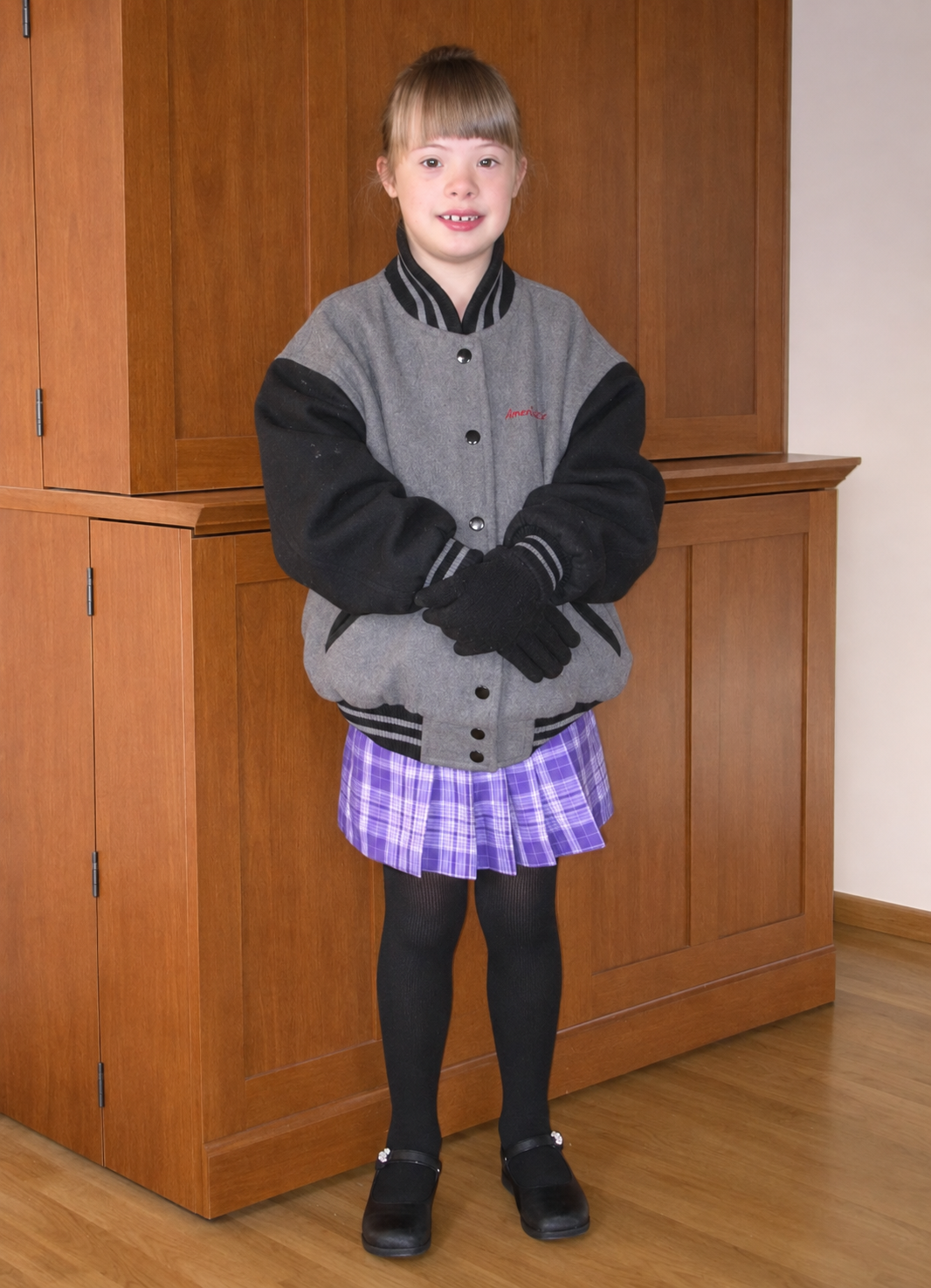
Looking back, food was only one piece of it. We would dress the kids up in nice clothes and dresses, and with a house full of people, it got hot. Now picture being a kid in a stiff outfit, in a warm, crowded room, talking with relatives you only see once or twice a year, eating food you don't usually eat. Add in a dog or cat when you're not used to animals, and nowhere quiet to go when it all gets to be too much.
That's a lot for any child. For a child with sensory sensitivities, anxiety, or ADHD, it can be overwhelming.
When a holiday goes badly, people often assume it's about the child not getting along with their cousins or not wanting to be there. Usually it's the environment. New people, new food, dressy clothes, a hot room, and no place to calm down all add up. By the time the pie comes out, a child who has been holding it together all day may not have anything left.
The good news is that a lot of this can be planned for.
Bring the foods your child will eat.
Pack comfortable clothes, or at least a change of clothes for after the photos.
Let your child know ahead of time who will be there and what the day will look like. When you arrive, find a quiet room where they can take a break.
Small things like these can change the whole day.
The harder part is often helping family understand. They don't live it every day like you do. To them, bringing your own oatmeal or letting your child skip the turkey might look like spoiling or babying. It isn't. It's knowing what your child needs to be comfortable, so they can actually enjoy being with the family.
A quick conversation before the holiday helps a lot. Something like, "We're bringing a few of her foods so she's comfortable," or "He may need a few breaks in a quiet room, and that's okay." Most relatives want to help. They just don't always know how.
You know your child best. Planning for what they need isn't making the holiday about them. It's making it possible for everyone to enjoy it together.
I don't remember whether the turkey was dry or the pies were perfect. I remember that my kids were comfortable, and we were together. That's what made it a good Thanksgiving.
Happy Thanksgiving!
Nadine
|