A publication of Ski Landscape Corporation |
|
|
Kite vs. Kite
by Ann Wolski
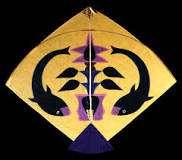
May is a perfect month to go fly a kite or to see a kite fly. There’s always been a question about which came first the toy or the bird as both swoop, dive and rise into the blues skies and warm breezes.
|
|
Toy kites were believed to have first flown in China more than 2,000 years ago. Kites were decorated with mythological motifs and legendary figures. They were used to ward off evil, deliver messages, represent the gods, and catch fish. Some were fitted with strings and whistles to make musical sounds while flying.
In modern times kites have been used for human flight, science and meteorology, photo surveillance, lifting radio antennas, generating power, aerodynamic experiments and much more. During WWI there was a need for fast aerial reconnaissance of a battlefield without presenting the easy target of a dirigible or hot air balloon. This led a few countries to experiment with man-lifting kites.
|
|
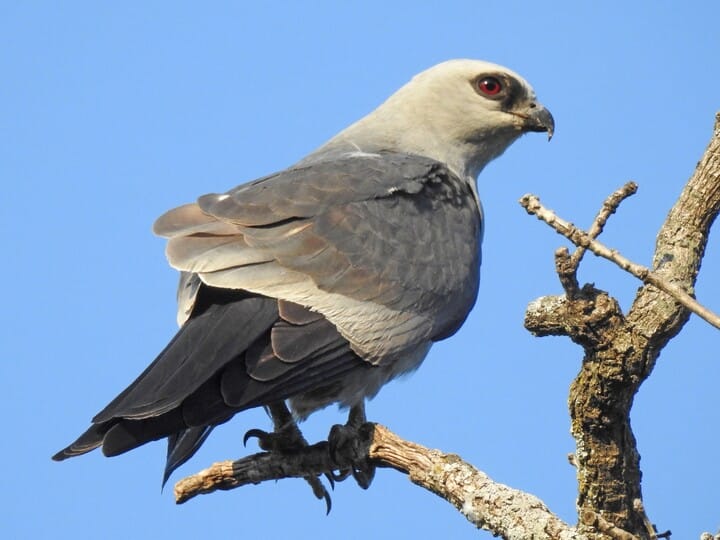
Another kind of kite is a small hawk famous in ancient Egyptian mythology as the animal form taken by revered goddess Isis when she brought the dead back to life. Native Americans saw these birds as the Great Creator’s window on our world or as messengers between the world above and ours below.
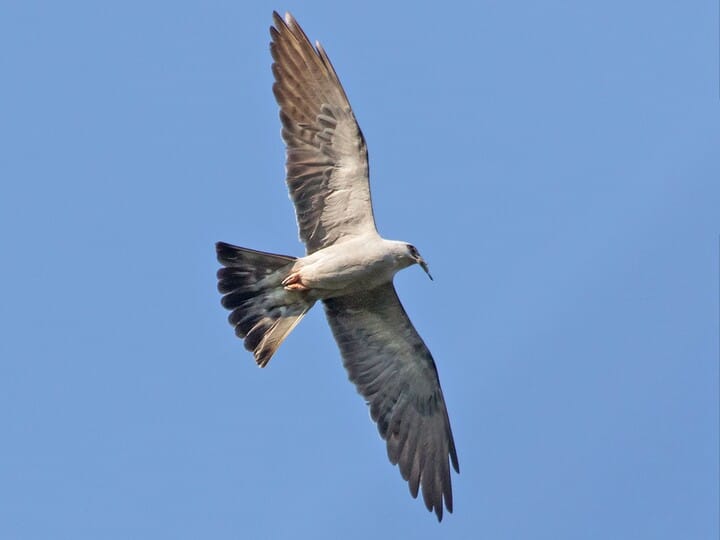
There are 23 kite species in the world and are related to hawks, eagles, and raptors. The Mississippi Kite makes its summer home in Indiana after wintering in Paraguay and Northern Argentina. Typically, a kite is lightly built, with a small head, partly bare face, short beak, and long narrow wings and tail. Their wingspan averages 3 feet and can fly up to 100 mph.
|
|
Flying with barely a wingbeat and maneuvering with twists of its incredible tail, it chases dragonflies or plucks frogs, lizards, snakes and nestling birds from tree branches. They spend a lot of time in the air sailing on the wind just above treetop where they zero in on flying insects to catch and devour on the wing.
Kites are very social birds. Often you can see a “kettle of kites” roosting and hunting in groups. Kites are monogamous and pair-bond for life raising their young together. They nest in mature, diverse, low-lying forest, especially tracts that are large and unbroken but have nearby open habitats, such as pasture, cropland, waterways, country roads, or small lakes. A kite’s nest may be located next to (or even contain) a wasp nest, which probably helps protect the chicks against climbing predators.
Chinese philosopher, Mo-tse, was arguably the first person ever to build a kite. He lived approximately 468 B.C. to around 376 B.C. Written records indicate that he created a kite in the shape of a bird over the course of three years and then flew it only one day. Whether you’re a child or a birdwatcher, the graceful soaring of a kite and a kite brings fun and amusement no matter which one came first.
|
|
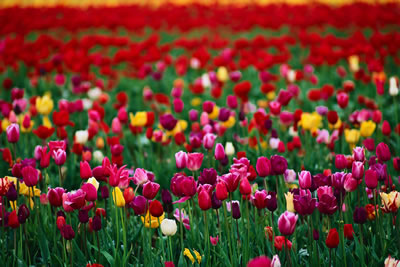
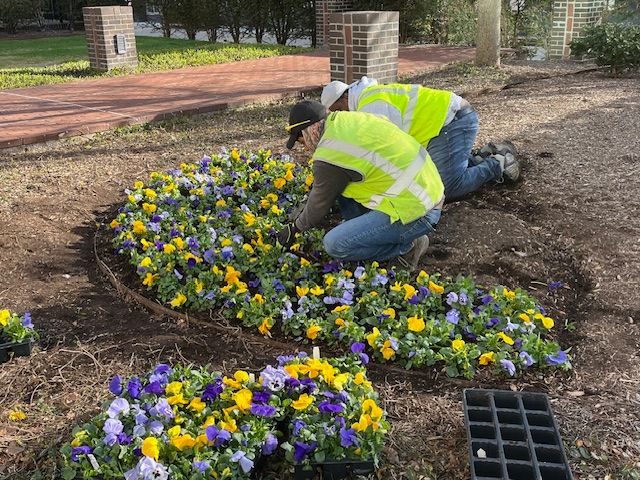
Check out the beautiful 32,400 pansies SKI has planted throughout Indianapolis. |
|
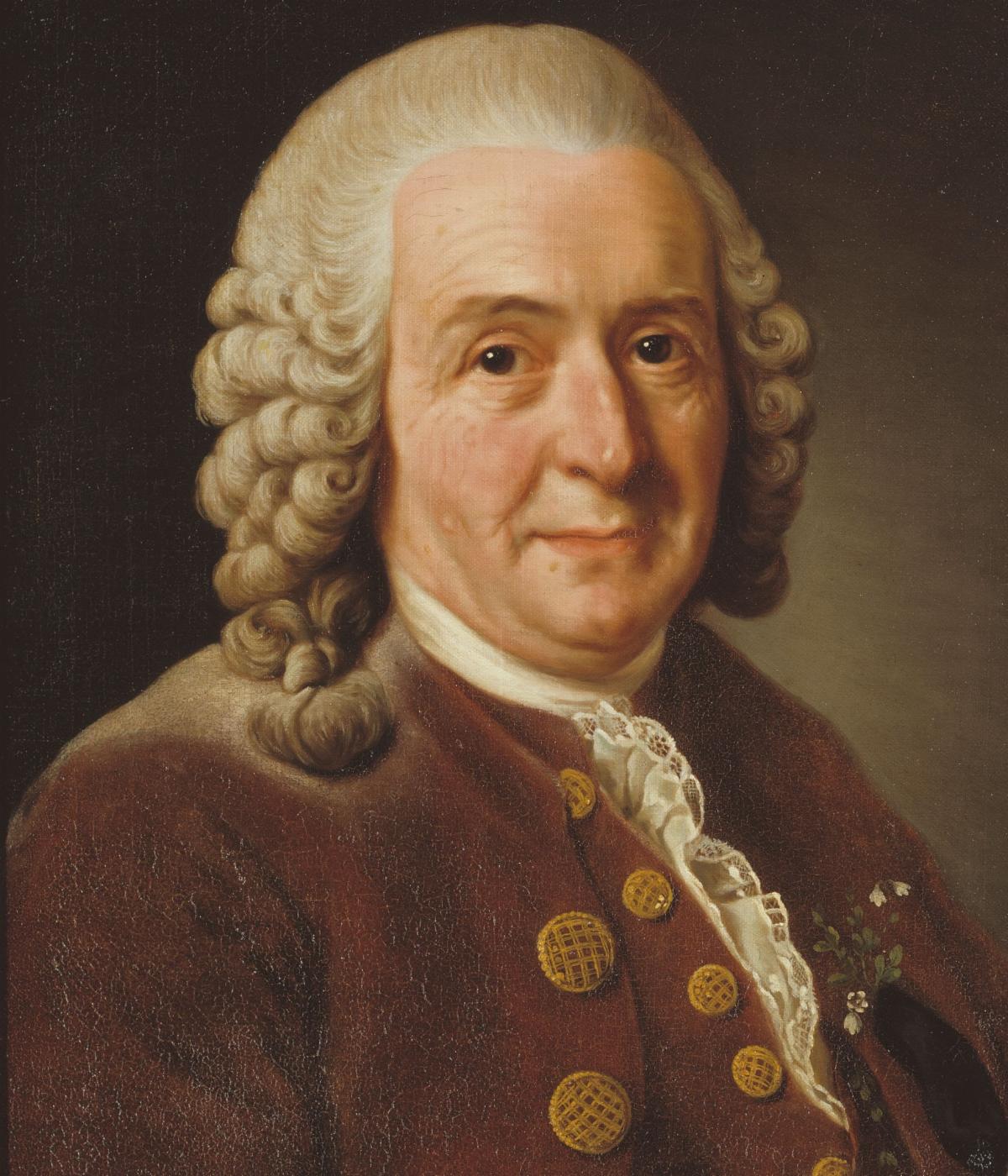
Who is Carl Linnaeus?
Carl Linnaeus was born on May 23, 1707. The Swedish botanist, physician, and zoologist was famous for developing a system of classifying and naming organisms, plants and animals, according to genus and species called binomial nomenclature. This system uses Latin words such as "homosapiens" for humans. "Homo", meaning "man" is the genus and "sapiens" meaning "wise" is the species. A modified version of Linnaeus' system is still being used all over the world today.
|
|
Did you know...?
A healthy lawn is a huge asset to the environment for many reasons.
- Grass cools the environment. The summer air temperature above grass is up to 30 degrees cooler than a paved area.
- Grass is a non-reflective surface that softens the glare from sun, lawns, trees, and shrubs. Grass and other green plants can also reduce noise levels by 20-30%.
- A healthy lawn stablizes the soil with its roots preventing erosion and can trap as much as 12 million tons of dust a year.
- The lawn outside your home can provide most of the oxygen you need to breathe. Turf also takes in other gases such as sulfur dioxide.
- As a perennial plant, the root structure of grass dies off during winter grows back in the spring.The dead roots provide organic matter to the soil helping to improve the quality of the soil over time.
|
|
|
|
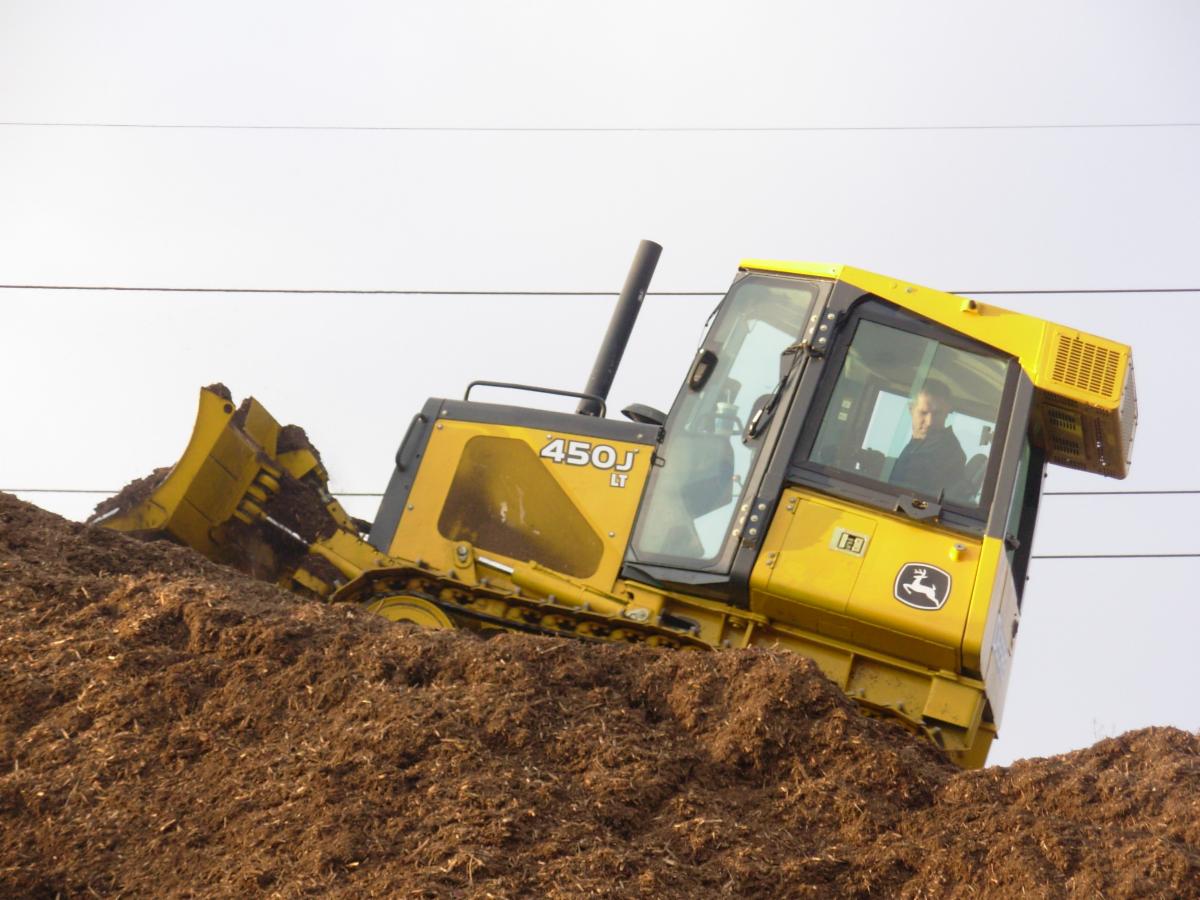
Mulch and stone going out daily!
Set up your delivery with Eric or Teresa in the SKI products building.
Contact: 317-757-5000 or ewolski@skilandscape.com
|
|
|
|
Office Hours
Monday - Friday
8:00 a.m. - 4:00 p.m.
(317) 897-5885
Products Office Hours
Monday - Friday
8:00 a.m. - 4:00 p.m.
Saturday
8:00 a.m. - 12:00 p.m.
(317) 757-5000
|
|
|
|
|
|
|